
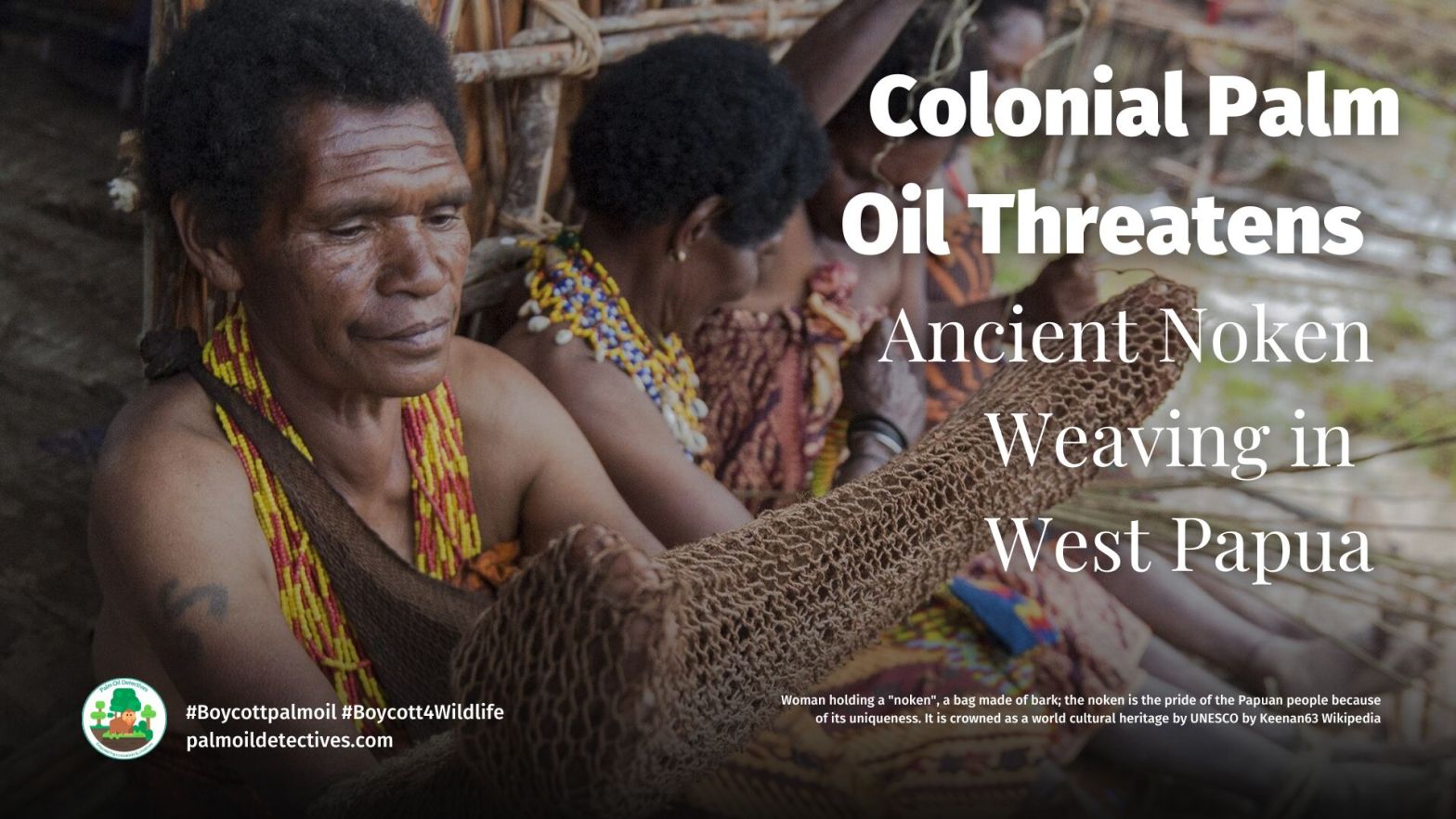
A powerful new indigenous art exhibition has highlighted the tragic loss of #WestPapua’s cultural identity due to #deforestation for #palmoil and #sugarcane monoculture plantations. A situation perpetuated by the illegal Indonesian colonisation of Melanesia. The ancient Melanesian tradition of noken weaving is under threat, as military-backed land grabs force Indigenous Muyu communities from their forests. Protect people and culture, when you shop make sure you #BoycottPalmOil #HumanRights #IndigenousRights
#News: Exhibition highlights vanishing of West Papua’s UNESCO recognised #noken weaving for #palmoil and #sugarcane in #WestPapua. Reject corporate #landgrabbing for palm oil in when you shop! #BoycottPalmOil #HumanRights #IndigenousRights @palmoildetect https://wp.me/pcFhgU-bmj
Asia Pacific Report. (2025, March 28). Researcher warns over West Papuan deforestation impact on traditional noken weaving. Evening Report. https://eveningreport.nz/2025/03/28/researcher-warns-over-west-papuan-deforestation-impact-on-traditional-noken-weaving
West Papuan doctoral candidate Veronika T. Kanem has issued a stark warning about the cultural and ecological destruction unfolding in Indonesia-occupied West Papua. As the region faces what may be the world’s largest deforestation project—two million hectares for palm oil and sugarcane—centuries-old Indigenous traditions are being pushed to the edge of existence.
Veronika T. Kanem, whose exhibition “Noken/Men: String Bags of the Muyu Tribe of Southern West Papua” opened at Auckland University, says the forced removal of her people from their forests has endangered not only biodiversity but the sacred art of noken weaving—a practice deeply embedded in the identity and social fabric of her father’s tribe, the Muyu.
Known locally as “men,” the noken is more than a string bag. Made from inner fibres of the genemo tree and other natural materials, noken symbolises a woman’s womb, a vessel of life used in ceremonies, food gathering, child-rearing, and cultural gift-giving. It holds economic, spiritual, and ancestral significance across Melanesia.
Now, industrial agriculture and military occupation threaten the entire cultural landscape. These new plantations are not only destroying forests; they are severing communities from their knowledge systems, their land, and each other.
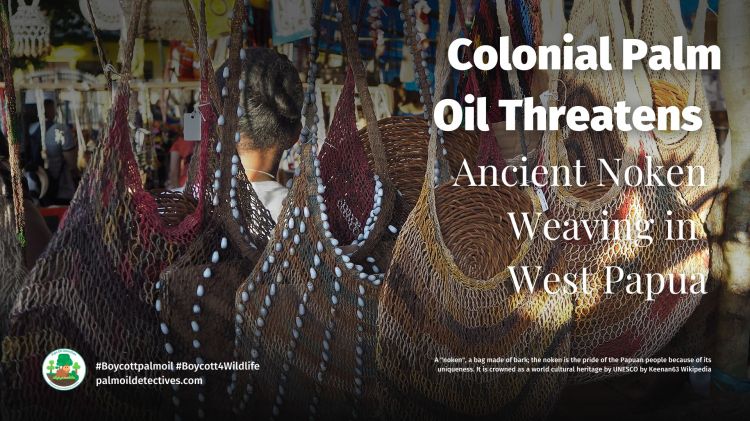
Kanem’s research applies Indigenous Melanesian methodologies, using the act of noken weaving as a metaphor for knowledge, kinship, and resistance. Her work captures the lived experience of displacement and climate injustice at the intersection of colonial occupation, corporate extraction, and Indigenous resilience.
The Auckland exhibition also screened a documentary showcasing noken weaving traditions from across West Papua, including Asmat, Nabire, and Wamena. Speakers at the event, including Pacific scholars and artists, praised the project as a vital act of cultural preservation and defiance.
As Indonesia accelerates its colonial development schemes, the voices of West Papuans like Kanem are essential. Indigenous peoples must lead solutions to environmental destruction. Without indigenous justice, there can be no climate repair.
Defend West Papua’s forests and ancient indigenous cultures. Reject palm oil-driven genocide. #BoycottPalmOil #Boycott4Wildlife #HumanRights #IndigenousRights

Asia Pacific Report. (2025, March 28). Researcher warns over West Papuan deforestation impact on traditional noken weaving. Evening Report. https://eveningreport.nz/2025/03/28/researcher-warns-over-west-papuan-deforestation-impact-on-traditional-noken-weaving
ENDS
Read more about human rights abuses and child slavery in the palm oil industry
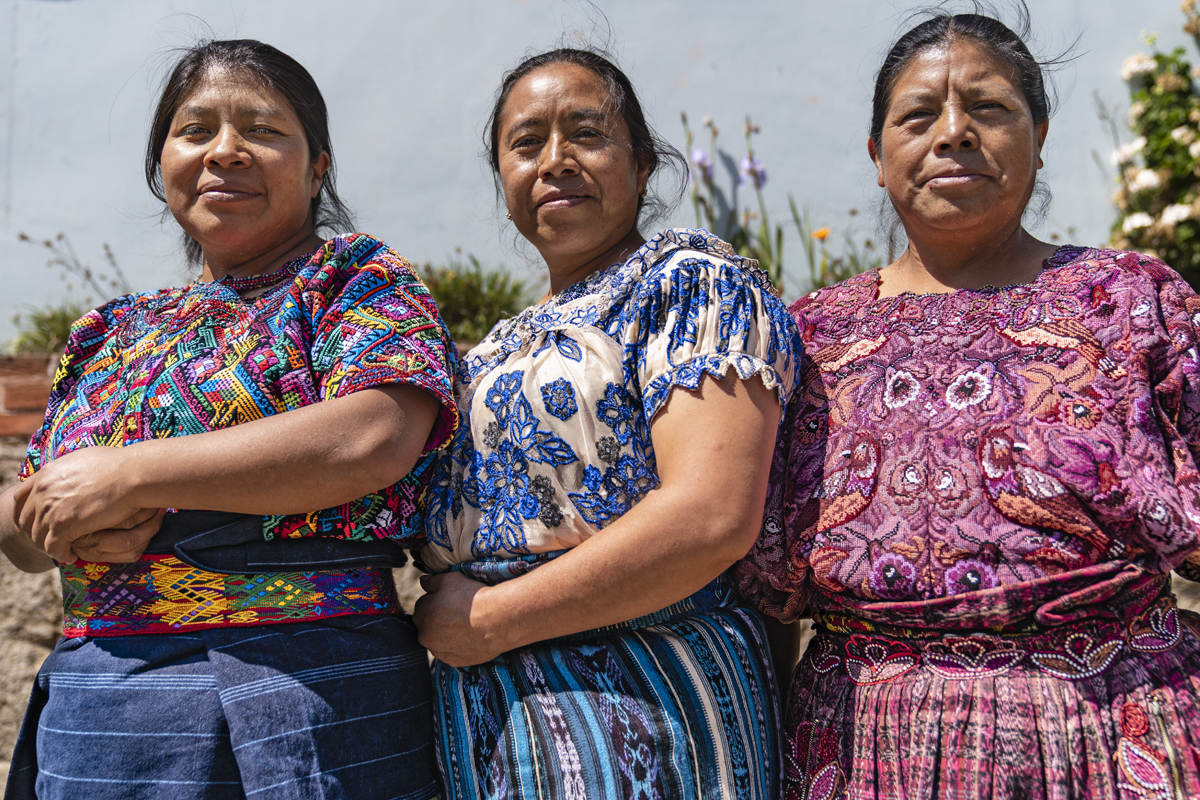
Indigenous Peoples Fight Climate Change
After wildfires, Belize’s indigenous people rebuild stronger based on “se’ komonil”: reciprocity, solidarity, gender equity, togetherness and community.
Read more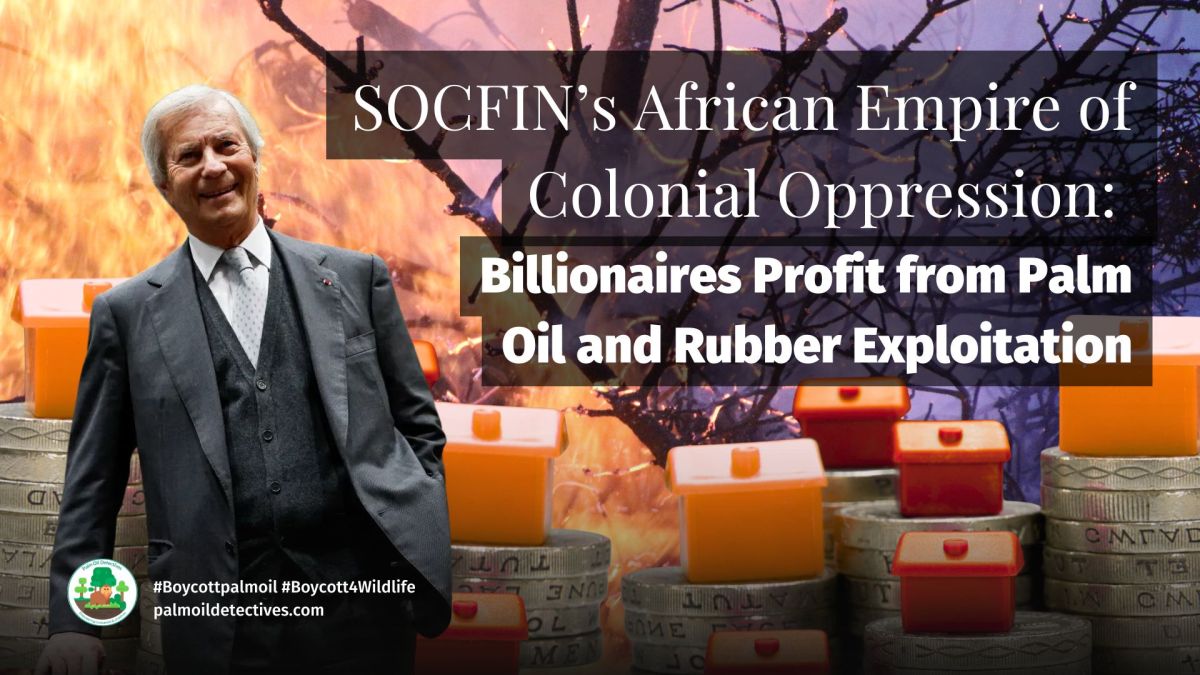
SOCFIN’s African Empire of Colonial Oppression: Billionaires Profit from Palm Oil and Rubber Exploitation
Investigation by Bloomberg exposes that despite being RSPO members, #SOCFIN plantations in #WestAfrica are the epicentre of #humanrights abuses, sexual coercion, environmental destruction, and #landgrabbing. Operating in #Liberia, #Ghana, #Nigeria, and beyond, SOCFIN’s…
Read more
Family Ties Expose Deforestation and Rights Violations in Indonesian Palm Oil
An explosive report by the Environment Investigation Agency (EIA) details how Indonesia’s Fangiono family, through a wide corporate web, is linked to ongoing #deforestation, #corruption, and #indigenousrights abuses for #palmoil. Calls mount for…
Read more
West Papuan Indigenous Women Fight Land Seizures
Indigenous Melanesian women in West Papua fight land seizures for palm oil and sugar plantations, protecting their ancestral rights. Join #BoycottPalmOil
Read more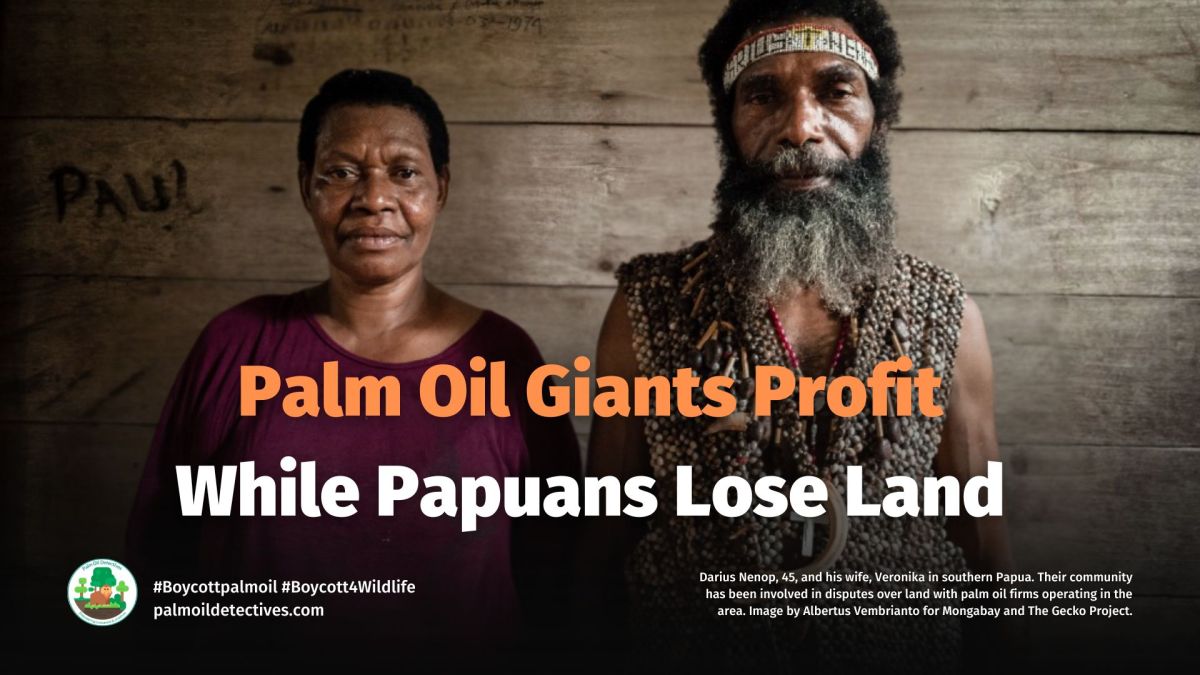
Greasing the Wheels of Colonialism: Palm Oil Industry in West Papua
A landmark study published in Global Studies Quarterly in April 2025 has revealed that the rapid expansion of the #palmoil industry in #WestPapua is not only fuelling #deforestation, #ecocide and environmental destruction but…
Read moreSomething went wrong. Please refresh the page and/or try again.
Take Action in Five Ways
1. Join the #Boycott4Wildlife on social media and subscribe to stay in the loop: Share posts from this website to your own network on Twitter, Mastadon, Instagram, Facebook and Youtube using the hashtags #Boycottpalmoil #Boycott4Wildlife.
2. Contribute stories: Academics, conservationists, scientists, indigenous rights advocates and animal rights advocates working to expose the corruption of the palm oil industry or to save animals can contribute stories to the website.



3. Supermarket sleuthing: Next time you’re in the supermarket, take photos of products containing palm oil. Share these to social media along with the hashtags to call out the greenwashing and ecocide of the brands who use palm oil. You can also take photos of palm oil free products and congratulate brands when they go palm oil free.
4. Take to the streets: Get in touch with Palm Oil Detectives to find out more.
5. Donate: Make a one-off or monthly donation to Palm Oil Detectives as a way of saying thank you and to help pay for ongoing running costs of the website and social media campaigns. Donate here
Discover more from Palm Oil Detectives
Subscribe to get the latest posts sent to your email.
 Palm Oil Detectives