
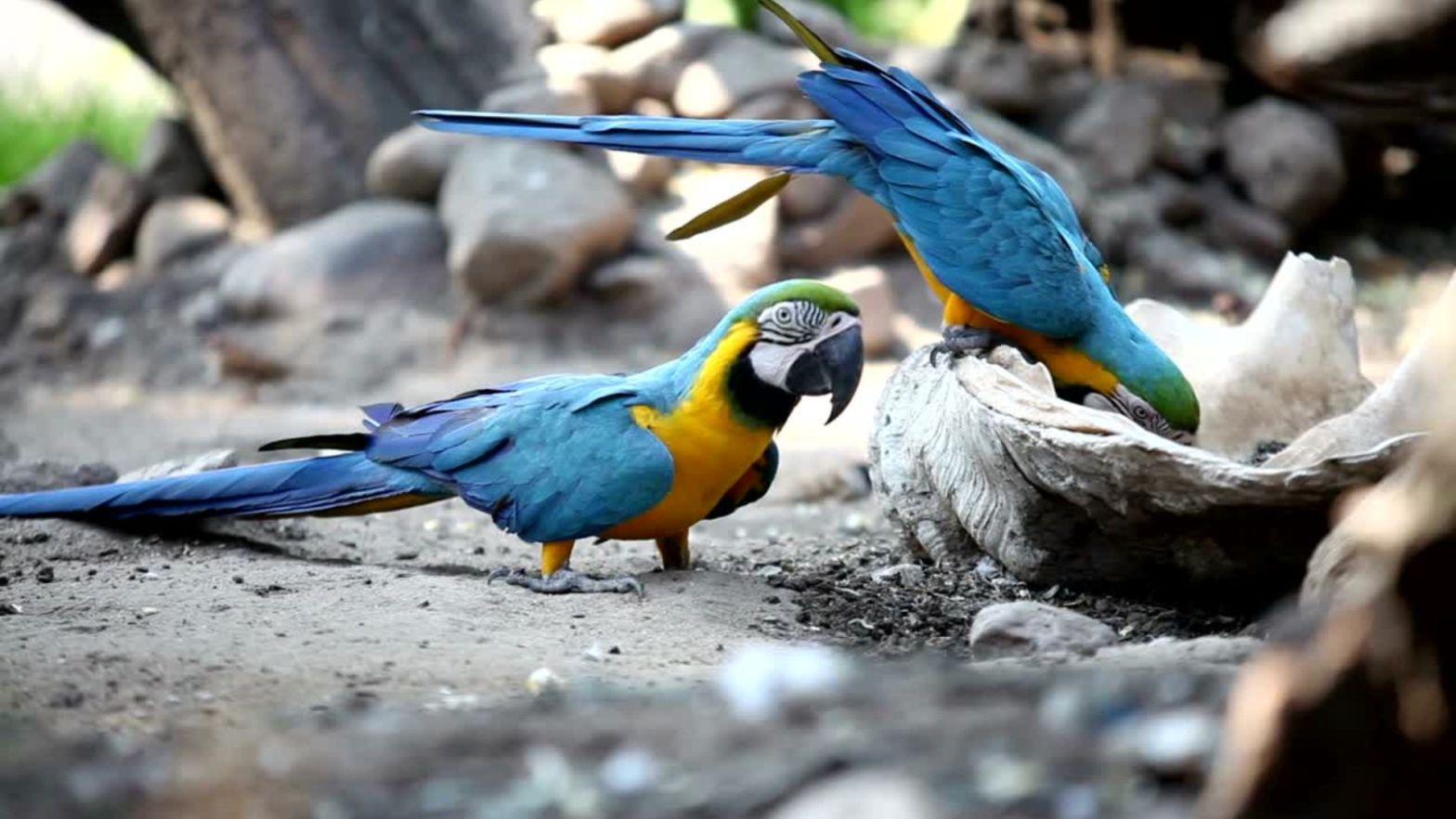
Our world holds a whole host of glorious natural spectacles, from great starling murmurations to the ethereal display of coral reef spawning. But none is more thrilling than catching a glimpse of a majestic #macaw.
Screeching their way through the #Amazon rainforest, leaving scattered fruit, broken branches, and a considerable quantity of parrot poop in their wake, #parrots are simply animals like no other. But high in the treetops, flying far above the dense, dark foliage below, how can you ensure that you see their bright colours? A safe bet is to find a clay lick.
Of all nature’s spectacles: murmurations of starlings, a coral reef spawning, nothing is more thrilling than seeing the majestic #macaw of the #Amazon #jungle 🦜💚 who enjoy eating clay! #BoycottPalmOil 🌴🩸☠️🧐⛔️ #Boycott4Wildlife @palmoildetect https://palmoildetectives.com/2021/04/05/rainbow-cliffs-why-parrots-in-the-amazon-eat-clay/
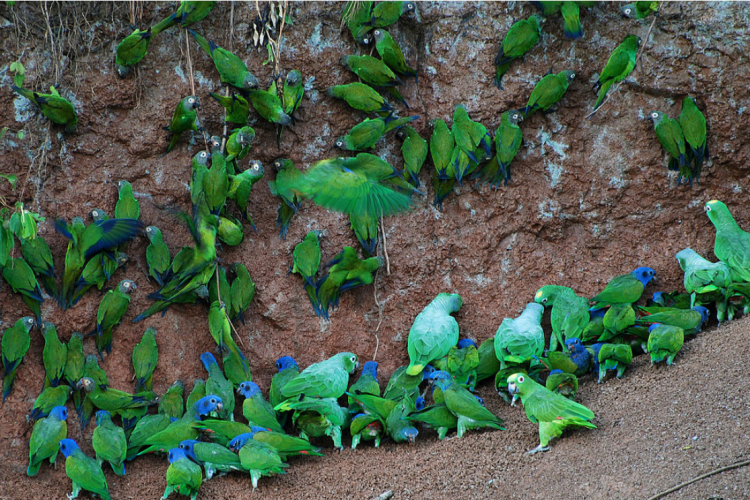
This is a cliffside or riverbank covered in natural clay that is dense in salt and other minerals. Here, the diverse species of the rainforest actually eat the clay. And here is where you will find enormous flocks of squawking beauties, from the diminutive dusky-headed parakeet to the glorious scarlet macaw.

These enormous gatherings, sometimes consisting of hundreds of birds and dozens of species, may be stunning but beyond the dazzling beauty of flapping rainbow wings, there is a scientific enigma at work. Nobody is yet entirely sure why the birds actually eat the clay. This is such a phenomenon that it’s even been given its own name: geophagy. And it isn’t just parrots that do it – David Attenborough fans may have seen in a few of his documentaries a great gathering of elephants digging through shallow river beds in forest clearings in Africa to plunder the mineral-rich clay from below the silt. But what could be so tasty that so many animals from the grand elephant to petite parakeets would all be so inexplicably drawn to it?
The most prevalent theory is that the Amazon, sitting far away from the ocean, has a lack of sodium, in the air, in the food, and in the water. Though these parrots eat a diverse range of juicy jungle fruits and foliage, there is very little salt content to be found. The cliffs and banks found near Amazonian rivers may provide this vital dietary supplement, leading to this extraordinary and bizarre behaviour. While going from a ripe mango to a chunk of soggy clay may not sound all that appealing to you or me, those of us lucky enough to have a parrot in our home will know that they will not hesitate to turn their nose up at a sub-par meal. So it’s fair to assume their enthusiastic chomping is because this clay is far tastier than it looks. Much like a pregnant human may suddenly crave foods they previously found repulsive, your body has a natural drive to eat whatever is presently most beneficial for you. If the parrots are seriously lacking in salt, their biology may ‘trick’ them into finding the clay just as delicious as fresh fruit and veggies.
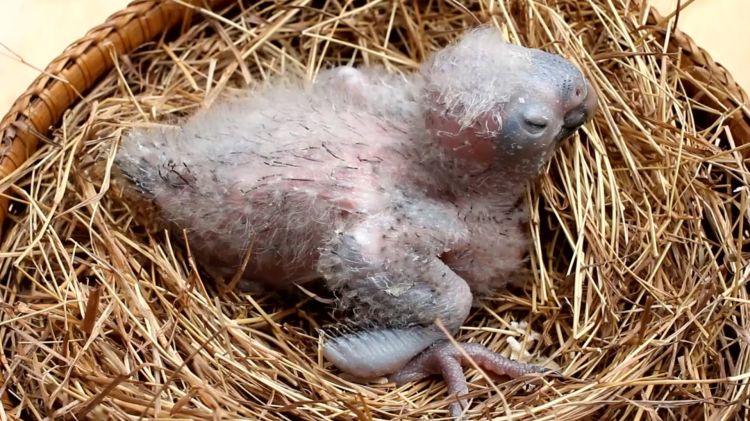
Another reason the clay may attract parrots is its high pH level. The rainforest ecosystem is delicate and diverse, and one of its main components is fungus. Although fungi are vital for breaking down the leaf litter that sits in the darkest areas of the forest, unpenetrated by sunshine, just like every relationship in nature there is give and take. The high acidity of the fungus can affect fruiting plants, and thus the main food source of the parrots. A high level of acid can cause liver damage, weaken the immune system, and impact egg development. To counteract these problems, the high pH – or alkaline – clay can be eaten to neutralise the overall pH within the parrot’s body and mitigate some of the potential health risks. It’s possible that both of these theories are contributing factors, but what is known is that these colourful birds relish this unusual meal. So if you want to spot parades of parrots out in the open, starting with a clay lick is the way to go.
How can I help the #Boycott4Wildlife?
1. Join the #Boycott4Wildlife: Share posts from this website to your own network on Twitter, Instagram and Facebook using the hashtags #Boycottpalmoil #Boycott4Wildlife.
2. Contribute stories: Academics, conservationists, scientists, indigenous rights advocates and animal rights advocates working to expose the corruption of the palm oil industry or to save animals can contribute stories to the website.
3. Supermarket sleuthing: Next time you’re in the supermarket, take photos of products containing palm oil. Share these to social media along with the hashtags to call out the greenwashing and ecocide of the brands who use palm oil. You can also take photos of palm oil free products and congratulate brands when they go palm oil free.
4. Take to the streets: Get in touch with Palm Oil Detectives to find out more.
5. Donate: Make a one-off or monthly donation to Palm Oil Detectives as a way of saying thank you or to help pay for ongoing running costs.
Share palm oil free purchases online and shame companies still using dirty palm oil!
Don’t forget to tag in #BoycottPalmOil #Boycott4Wildlife to get shared
Discover more from Palm Oil Detectives
Subscribe to get the latest posts sent to your email.
 Palm Oil Detectives