

India aspires to bring one million hectares of land under oil palm cultivation by 2025, scaling up from its current cultivation area of around 0.37 million hectares. This move has not been welcomed by local politicians and experts who warn that it could lead to large-scale deforestation, disturbances to sensitive ecosystems and trigger land conflicts in tribal areas.
The huge growth of #palmoil in #Assam and #Nicobar Islands in #India 🇮🇳 poses a threat to rare beautiful animals 🐒🌿🐢🦎🐦🕊️ #ecosystems and #indigenous peoples. Fight back when you shop! #Boycottpalmoil #Boycott4Wildlife @palmoildetect https://palmoildetectives.com/2023/02/26/indias-oil-palm-goals-raise-fears-of-deforestation-and-extinction/
Originally published by Phys.org. Read the original article on September 10, 2021. Republished under the fair use policy.
India’s newly announced plan to move from being the world’s biggest importer of palm oil to that of major producer of the crop may be at the cost of large-scale deforestation of ecologically sensitive areas.
An official note posted recently said the union cabinet headed by Prime Minister Narendra Modi had approved the launch of a National Mission on Palm Oil that would have a “special focus on the north-east region and the Andaman and Nicobar Islands.”
“Due to the heavy dependence on imports for edible oils, it is important to make efforts for increasing the domestic production of edible oils in which increasing area and productivity of oil palm plays an important part,” the note said.
According to the Solvent Extractors Association of India, the country spends an average of US$10 billion on importing palm oil—the cheapest source of fat that goes into the processed food and cosmetic industries.
India aspires to bring one million hectares of land under oil palm cultivation by 2025, scaling up from its current cultivation area of around 0.37 million hectares. The Indian Institute of Oil Palm Research has assessed that the country has 2.8 million hectares of land that could potentially be used for oil palm cultivation. The government has allocated US$1.5 billion to help achieve this target. By 2025–26, India’s crude oil production is expected to reach 1.12 million tons, rising to 2.8 million tons by 2029–30.
“The decision of the government is nothing new but a continuation of the previous government policies to reduce dependency from import of edible oil,” says Siraj Hussain, India’s former secretary of Agriculture and Farmers’ Welfare.
Hussain explains to SciDev.Net that when he was the secretary, he too pushed oil palm plantation as it “yields about five times more oil than other edible oils per hectare of cultivated area.”
However, India’s drive to expand palm oil production has not been welcomed by local politicians and experts who warn that it could lead to large-scale deforestation, disturbances to sensitive ecosystems and trigger land conflicts in tribal areas.
Agatha Sangma, a member of parliament from Meghalaya state in the north-east, tells SciDev.Net that she has written to the prime minister opposing the move on the grounds that it would ruin the country’s environment, citing the experiences of Indonesia and Malaysia where around 3.5 million hectares of forest have been converted into oil palm plantations.
“Our north-east region has rich biodiversity and it will get ruined soon if the palm oil mission is implemented,” she says adding that the plan could also lead to land conflict with ethnic peoples.
Agatha Sangma


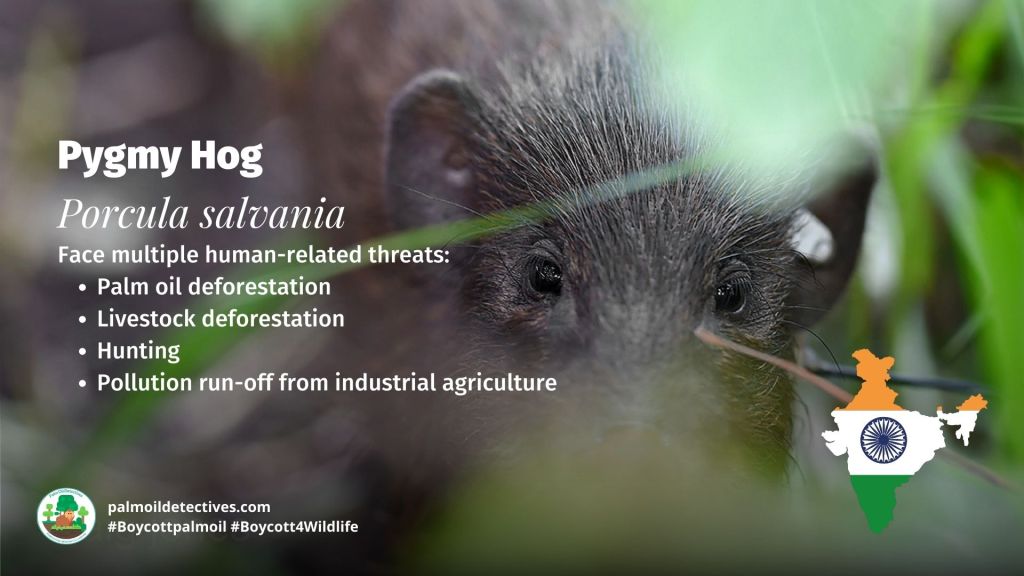
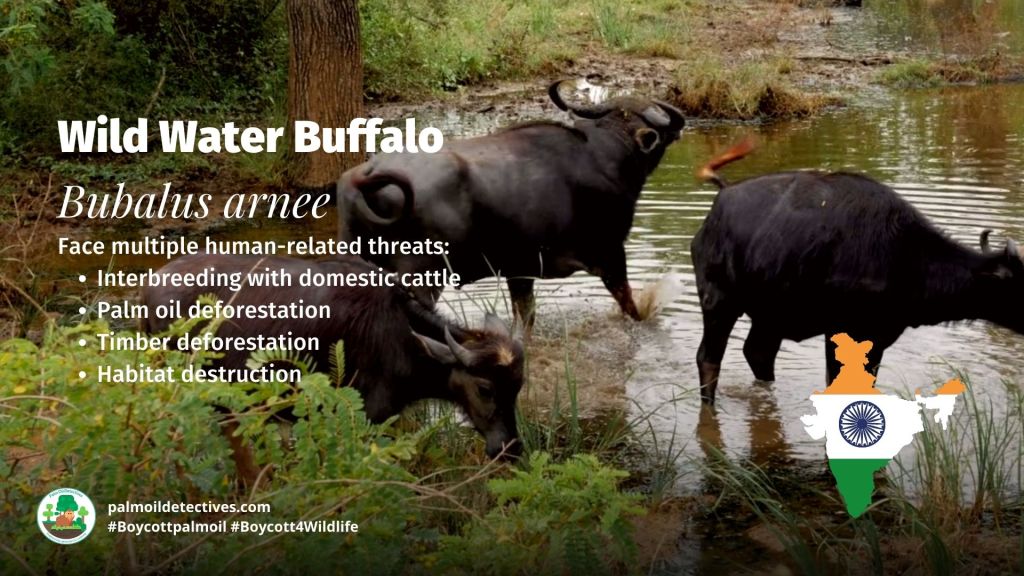
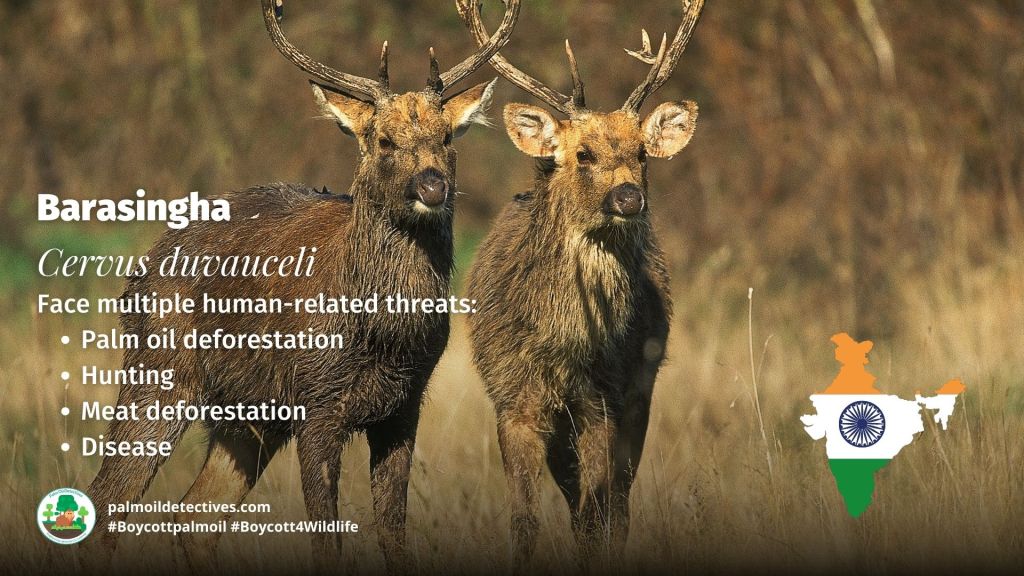
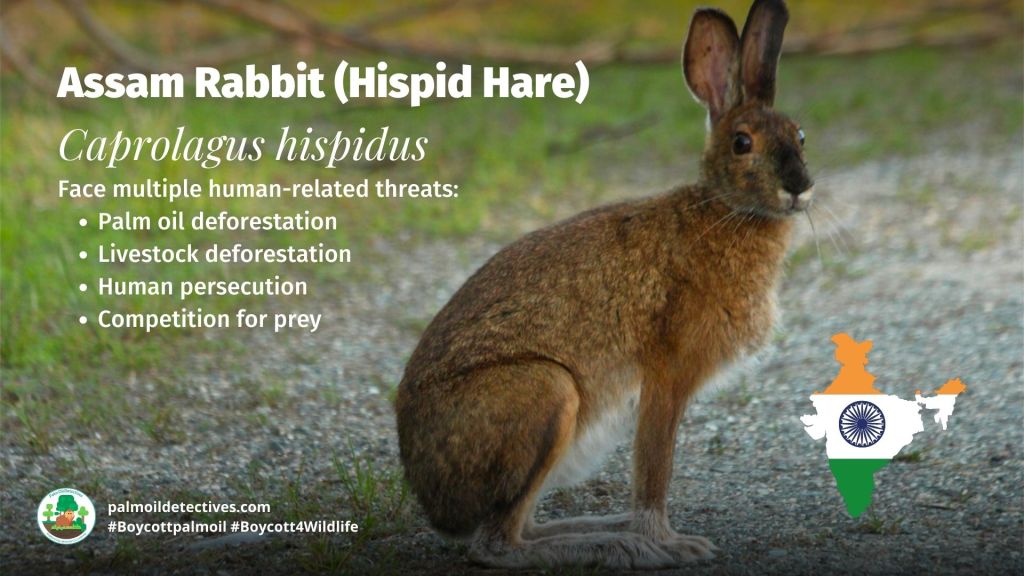
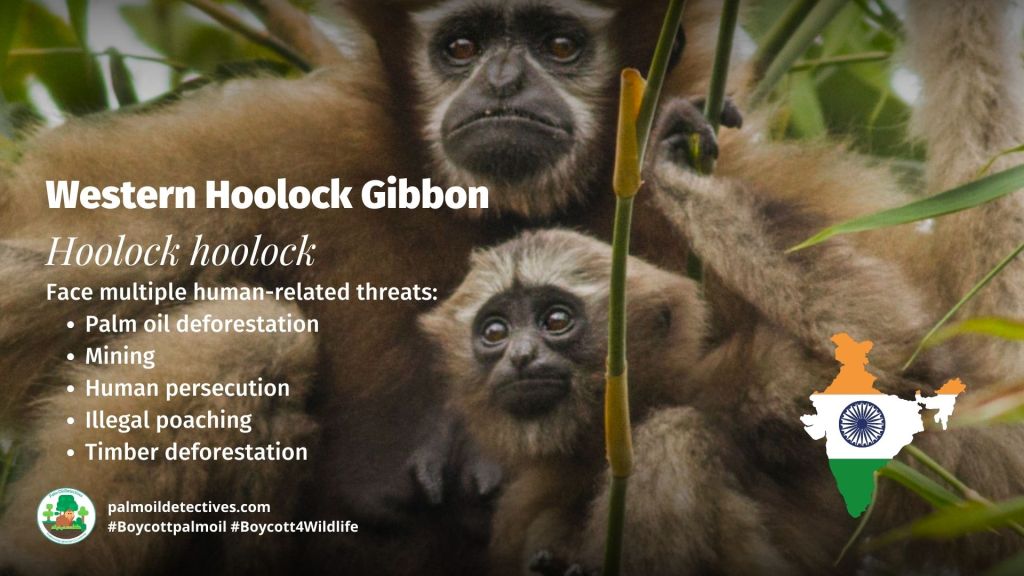

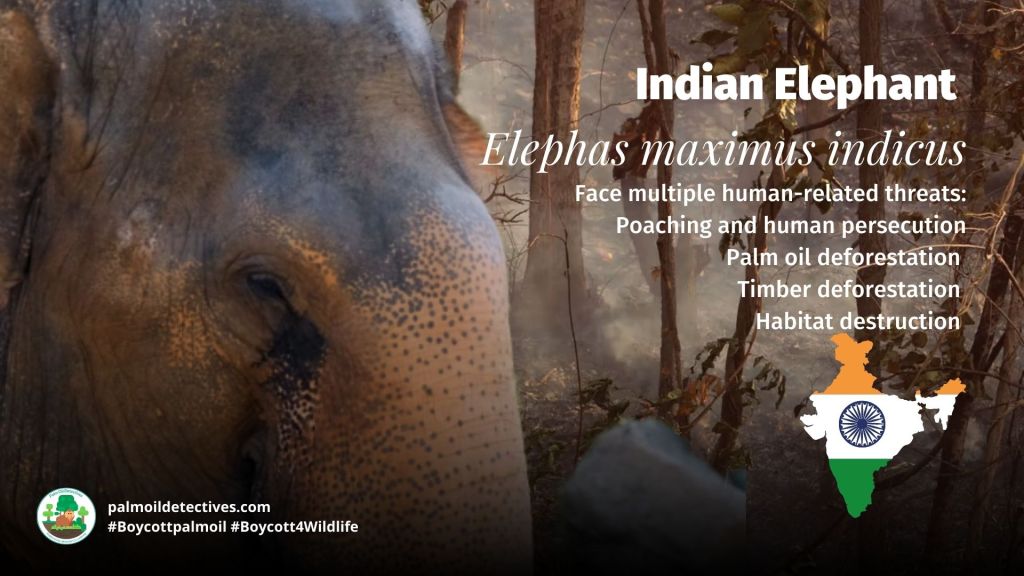


According to the World Wildlife Fund, a leading conservation organization, oil palm plantations are spreading across Asia, Africa and Latin America at the “expense of tropical forests—which form critical habitats for many endangered species and a lifeline for some human communities.”
“Besides causing large scale deforestation of rainforest of the region, it would invite conflict between private companies and ethnic tribes as private companies are going to indirectly control their land,” says T R Shankar Raman of Nature Conservation Foundation, a South India based non-profit organization which has carried out a detailed study on the negative effects of oil palm plantations in Mizoram, a north-eastern state.
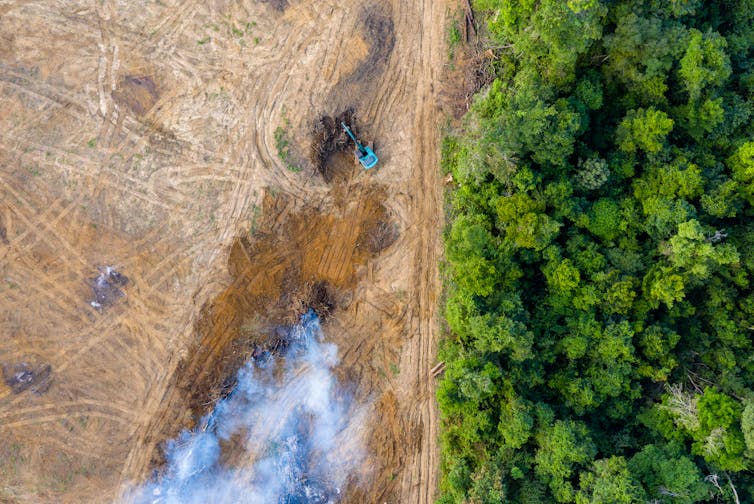
“Besides causing large scale deforestation of rainforest of the region, it would invite conflict between private companies and ethnic tribes as private companies are going to indirectly control their land.”
~ T R SHANKAR RAMAN OF NATURE CONSERVATION FOUNDATION
Caption: Forests are still being bulldozed to make way for agricultural land for palm oil and beef production. Richard Whitcombe/Shutterstock
A review paper published in Advances in Agronomy says that the conversion of forest land into oil palm plantations reduces water infiltration and dry season water flows, and increase soil erosion, sedimentation and surface runoff. Another study shows that bird populations declined when natural forests were replaced by oil palm plantations in Mizoram.
“It is time to promote traditional oil seed varieties like coconut rather than industrial-scale production of oil with exotic species,” says Kartini Samon, an Indonesia-based activist who works with GRAIN, an international non-profit that supports small-scale farmers and community-based biodiversity conservation.
In April, Sri Lanka banned imports of palm oil and ordered the phased uprooting of palm oil plantations in favor of crops that are regarded as more environment-friendly such as coconut, tea and rubber.
Provided by SciDev.Net
ENDS
Originally published by Phys.org. Read the original article on September 10, 2021. Republished under the fair use policy.
An Indian documentary about the dangers of consuming palm oil
Read more: India’s rare and beautiful wildlife is under threat by palm oil deforestation

Asian Small-clawed Otter Aonyx cinereus
Asian Small-clawed Otters are the world’s smallest otter species and are Vulnerable from palm oil tea and coffee deforestation. Protect them, boycott palm oil!
Read more
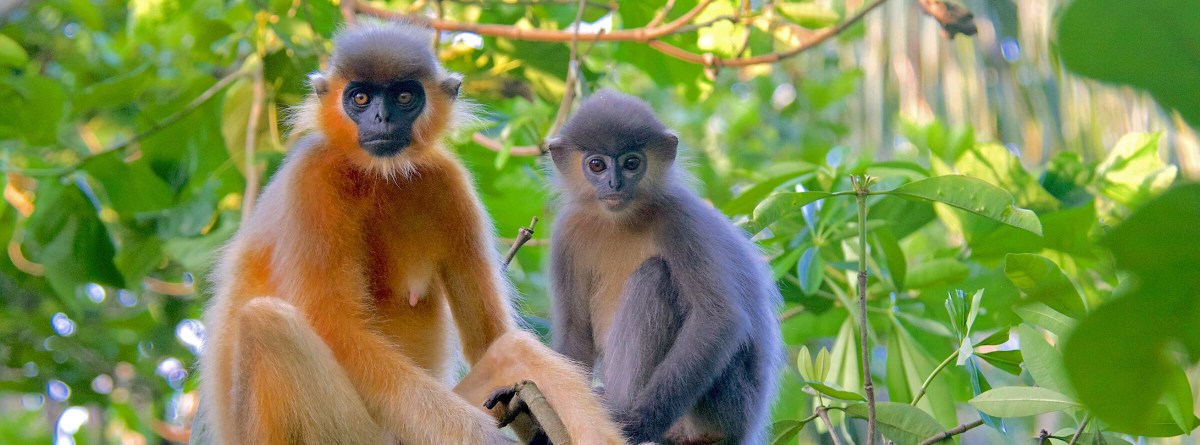
Beautiful and Doomed: Saving Bangladesh’s Langurs From Extinction
Critically endangered Phayre’s langurs and endangered capped langurs of Bangladesh, are interbreeding raising concerns about their survival, take action!
Read more

Capped Langur Trachypithecus pileatus
Capped langurs are found in India Bhutan Bangladesh and Myanmar, they are vulnerable from palm oil and other forms of deforestation. Take action for them!
Read more
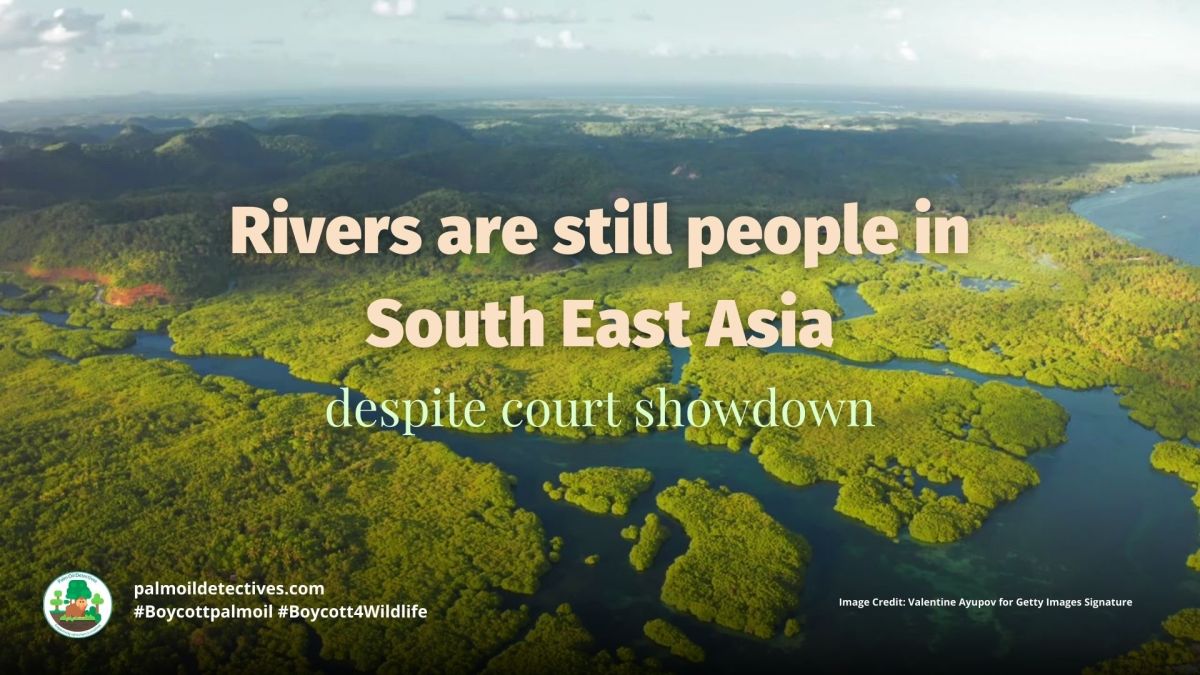
Rivers are still people in South East Asia despite court showdown
Healthy rivers are essential for community wellbeing. India and Bangladesh legally recognise rivers as natural persons with rights and powers. Take action!
Read more
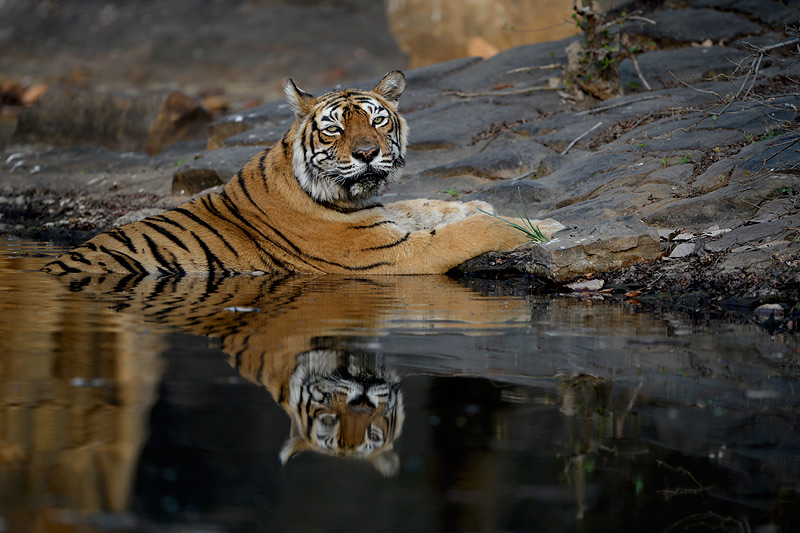
Protecting India’s Tigers Saves One Million Tonnes of CO2
#India’s fifty year long Project #Tiger has been a successful conservation project. A new research study finds that protecting tigers and their rainforest home has additional benefits to #carbonemissions, saving 1 million tonnes of CO2 from being…
Read more
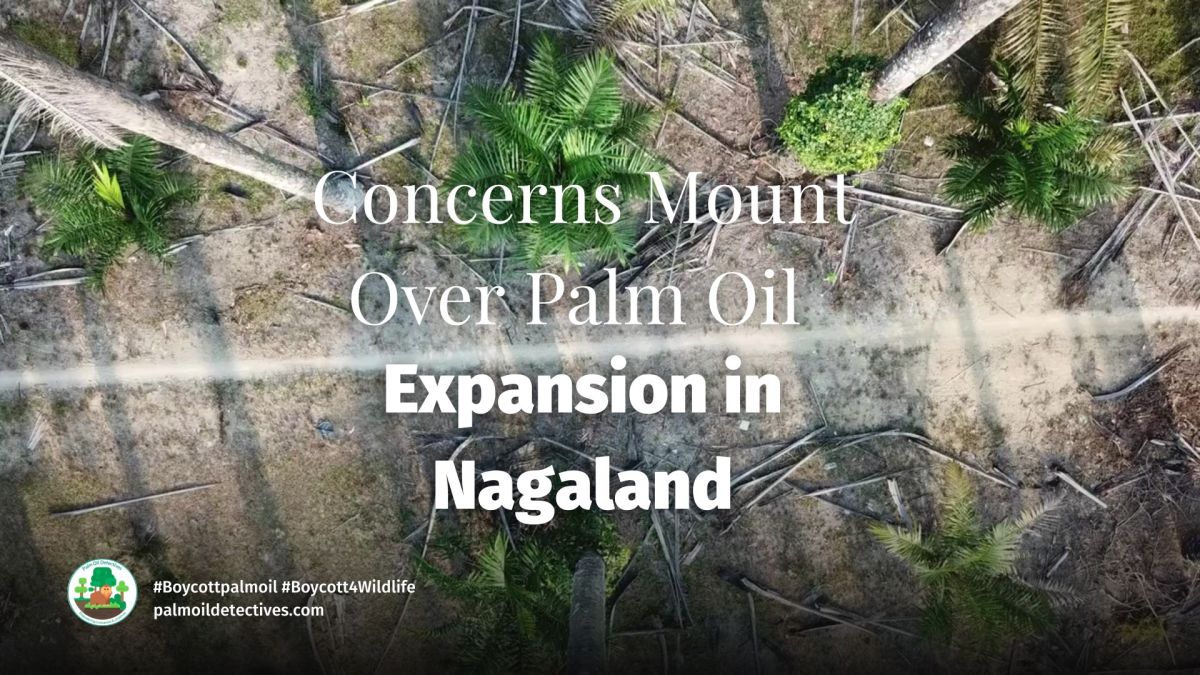
Concerns Mount Over Palm Oil Expansion in Nagaland
The NCCAF raises grave concerns over palm oil expansion in Nagaland, India with threats to deforestation, biodiversity, livelihoods. Take action!
Read more
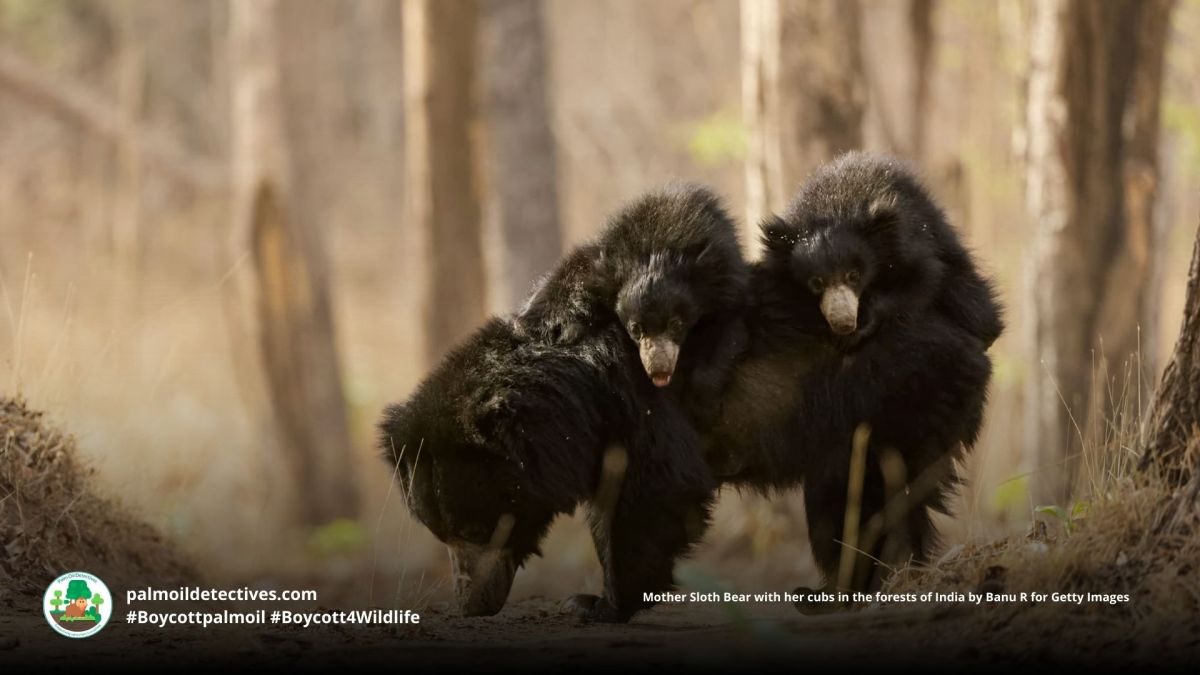
Sloth Bear Melursus ursinus
The sloth bear (Melursus ursinus), with their distinctive “Y” or “V” shaped chest patch and shaggy fur, are unique bears native to the Indian subcontinent. Once exploited as ‘dancing bears’ by the Kalandar tribe, this phase of…
Read more
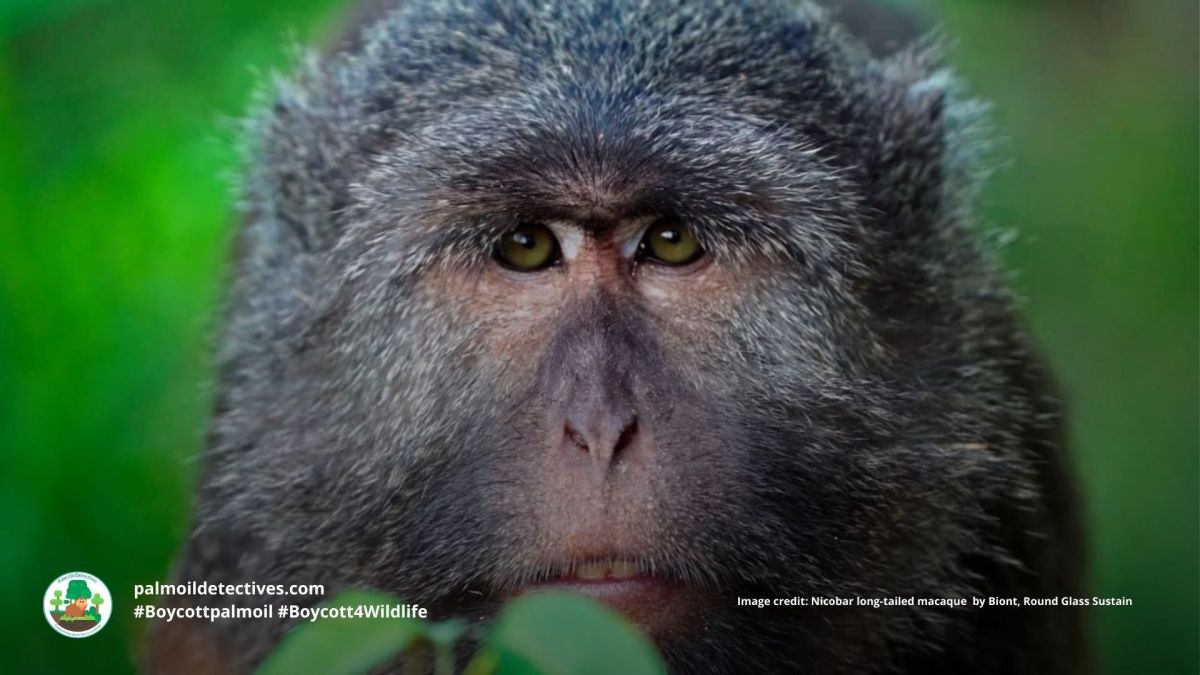
Nicobar Long-Tailed Macaque Macaca fascicularis umbrosa
Discover the intriguing Nicobar long-tailed macaque, intelligent and highly social survivors on India’s islands, help them to survive and boycott palm oil!
Read more
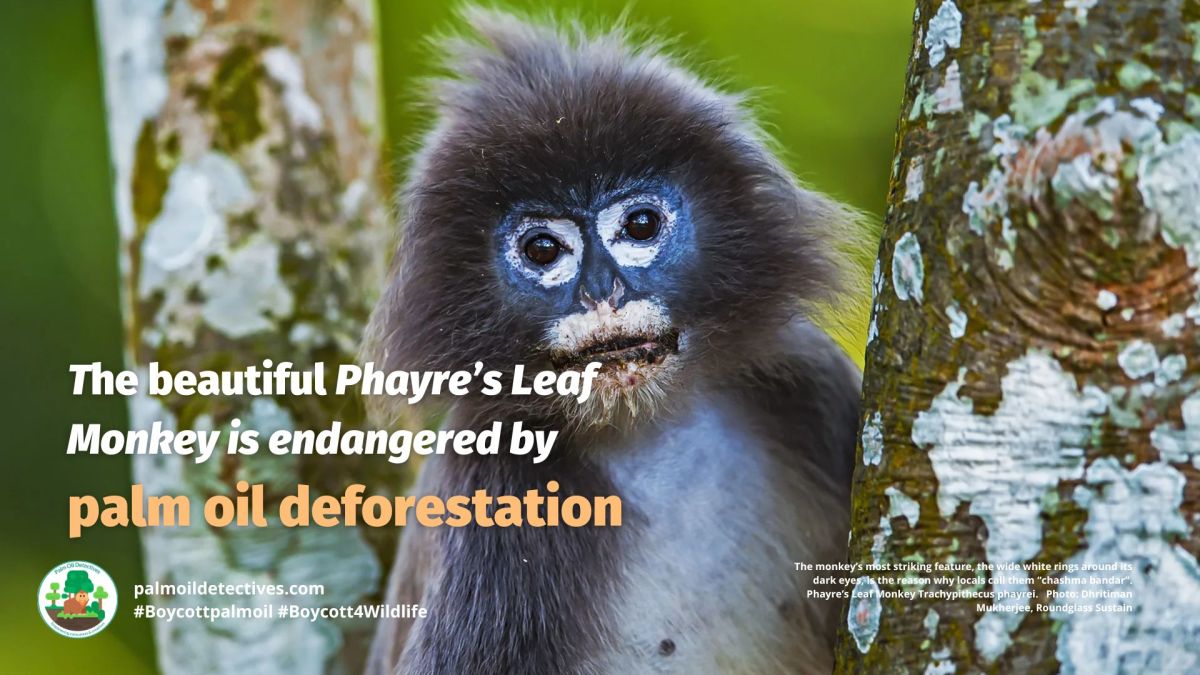
Phayre’s Leaf Monkey Trachypithecus phayrei
Phayre’s leaf monkey, also known as Phayre’s langur, are remarkable Old World monkeys distinguished by large, white-rimmed eyes that lend them a “spectacled” appearance. Known locally as ‘Chasma bandor’ they live mostly in the lush forests of…
Read more
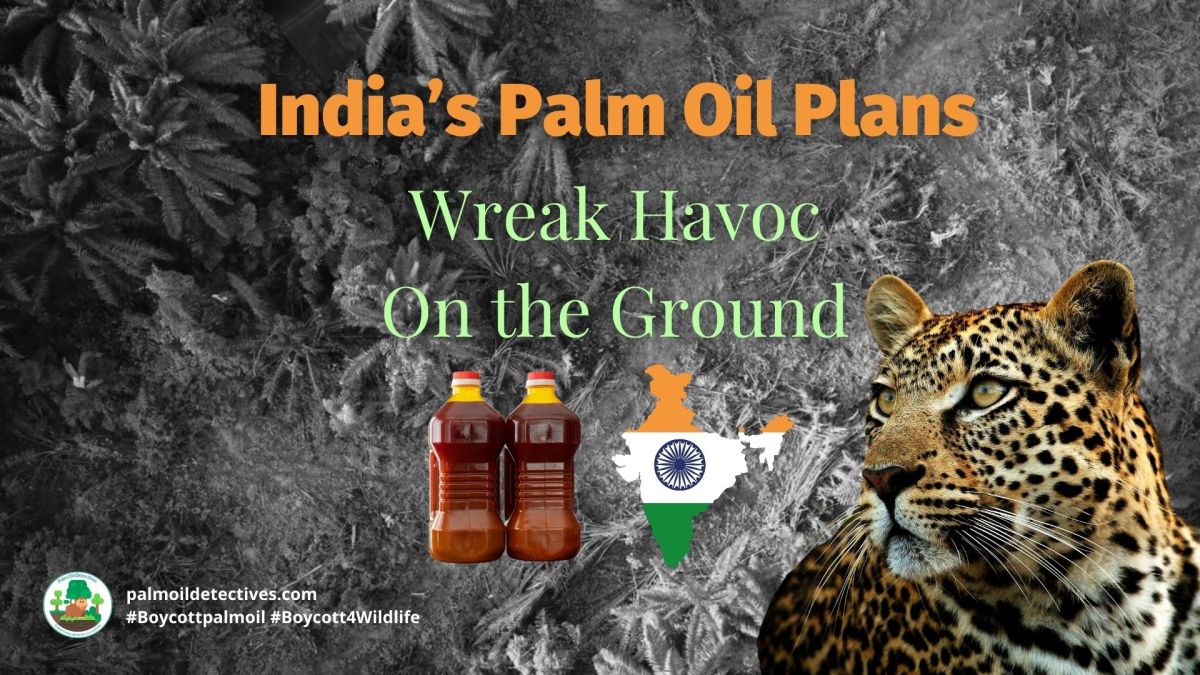
India’s Palm Oil Plans Wreak Havoc On The Ground
#India’s aggressive push for #palmoil plantations in #Nagaland, #Assam and #Mizoram is wreaking havoc on both the environment and local communities. The government plans to ramp up oil palm cultivation in the northeast, locking away land that…
Read more
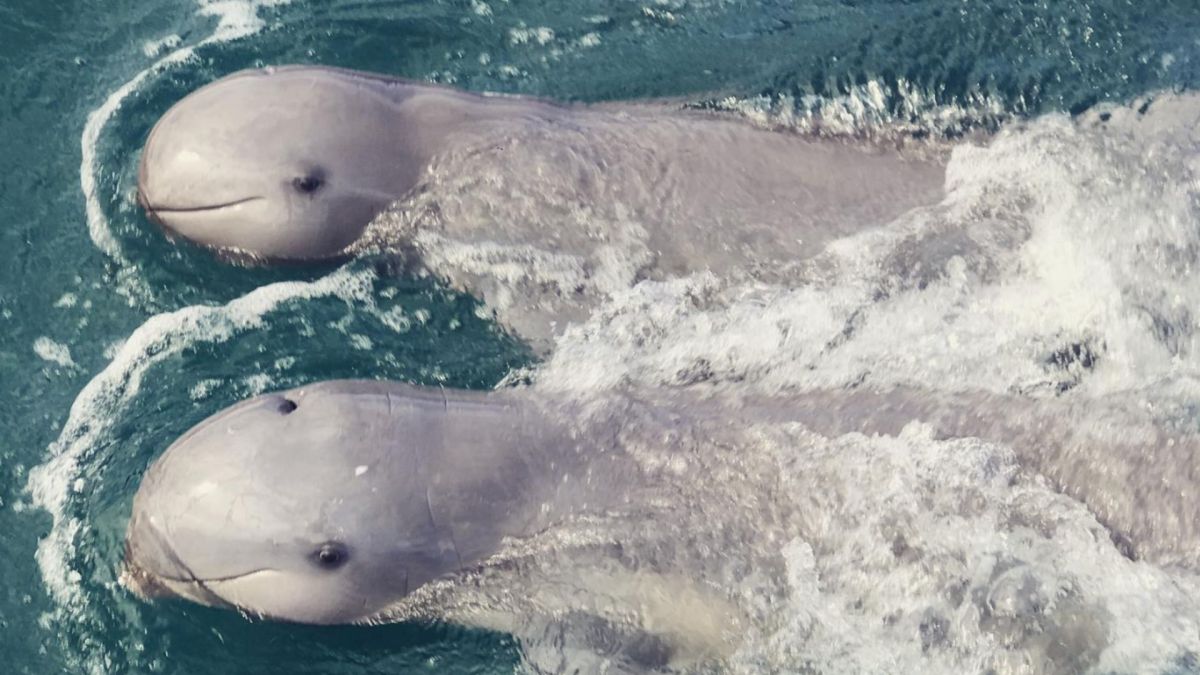
Irrawaddy Dolphin Orcaella brevirostris
Intelligent and social Irrawaddy dolphins, also known as the Mahakam River dolphins or Ayeyarwady river #dolphins have endearing faces. Only 90 to 300 are estimated to be left living in the wild. Their rounded and expressive looking…
Read more

Sambar deer Rusa unicolor
The majestic Sambar deer, cloaked in hues ranging from light brown to dark gray, are distinguished by their rugged antlers and uniquely long tails. Adorned with a coat of coarse hair and marked by a distinctive, blood-red…
Read more
Something went wrong. Please refresh the page and/or try again.
Read more stories about human rights and land-grabbing in the palm oil industry and other extractive industries
Pictured: Mushrooms on the forest floor by Wooter Penning for Pexels

Something went wrong. Please refresh the page and/or try again.
Here are some other ways you can help by using your wallet as a weapon and joining the #Boycott4Wildlife

Contribute to my Ko-Fi
Did you enjoy visiting this website?

Palm Oil Detectives is 100% self-funded
Palm Oil Detectives is completely self-funded by its creator. All hosting and website fees and investigations into brands are self-funded by the creator of this online movement. If you like what I am doing, you and would like me to help meet costs, please send Palm Oil Detectives a thanks on Ko-Fi.




Discover more from Palm Oil Detectives
Subscribe to get the latest posts sent to your email.
 Palm Oil Detectives