
A groundbreaking open-source tool by the University of Chicago called PalmWatch, shines a light on the darkest parts of the palm oil industry.
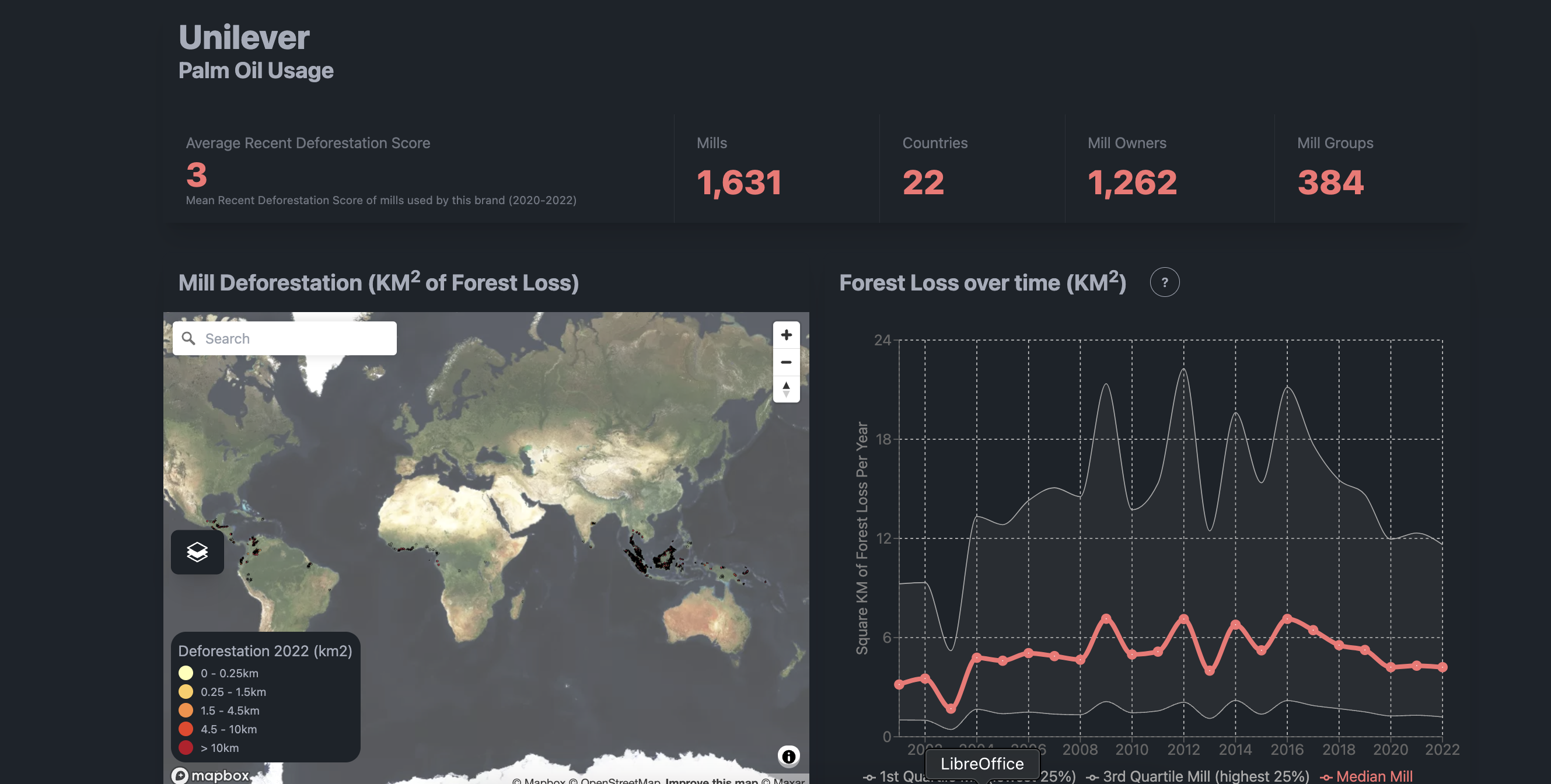
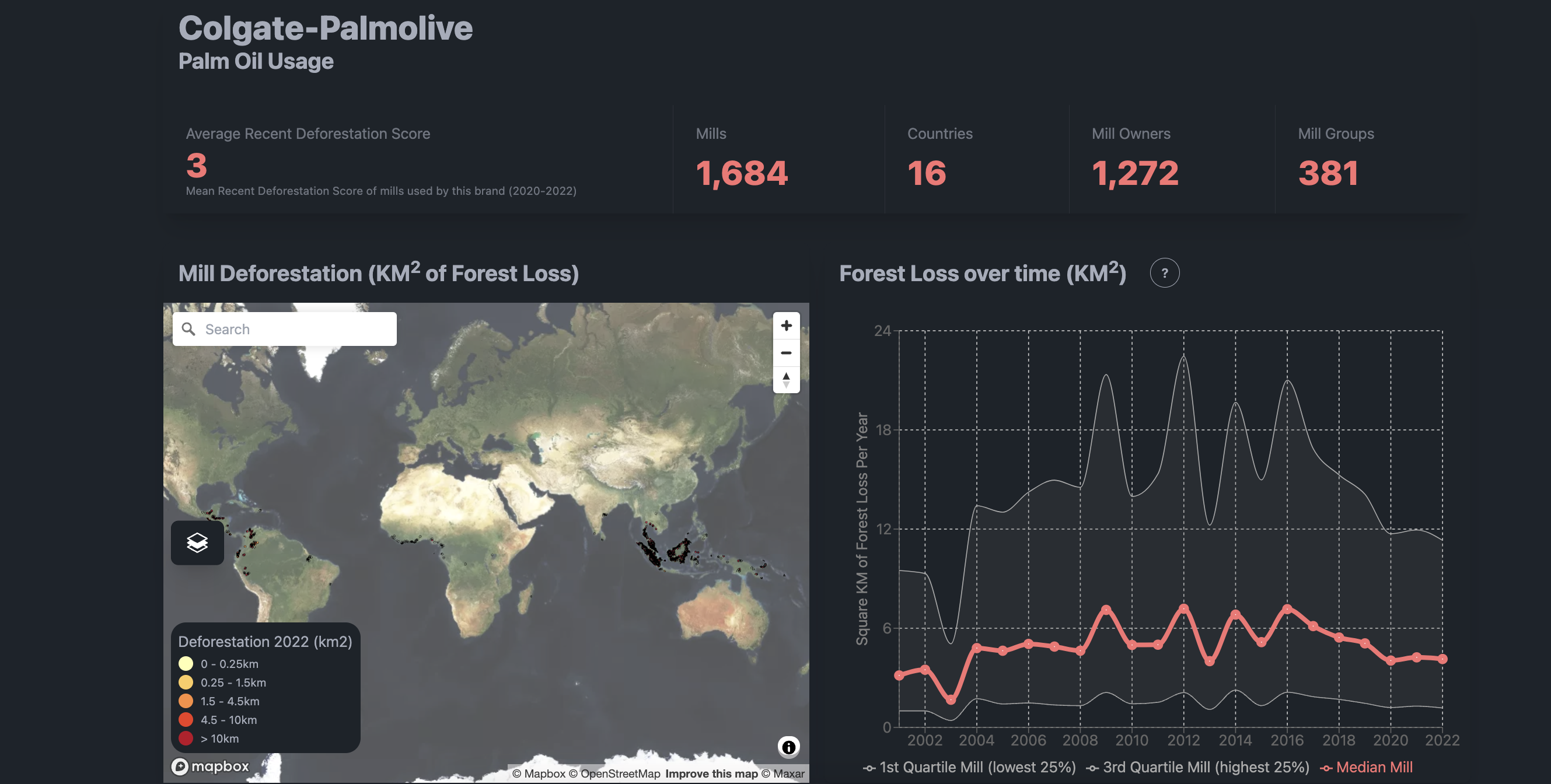
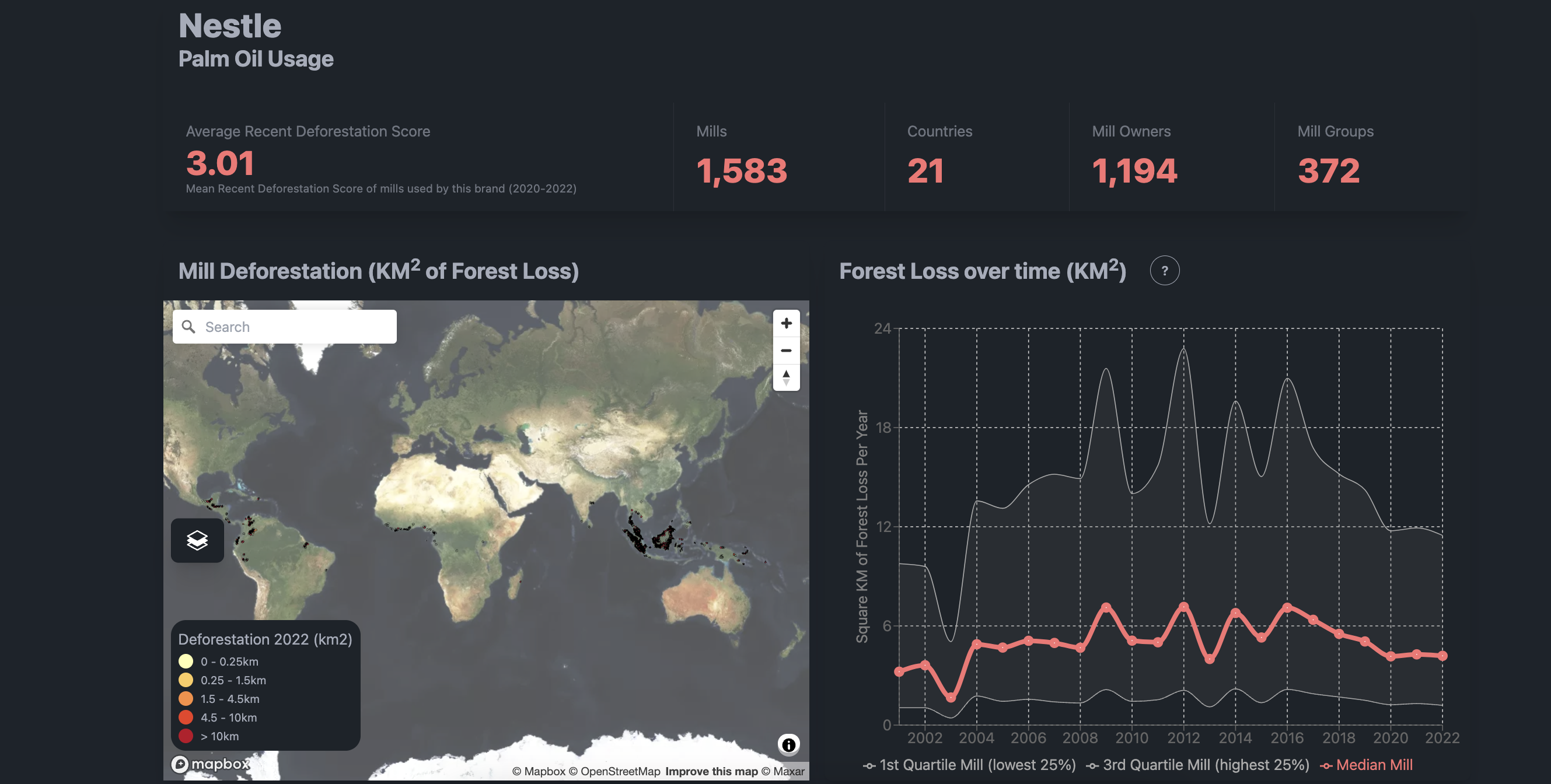
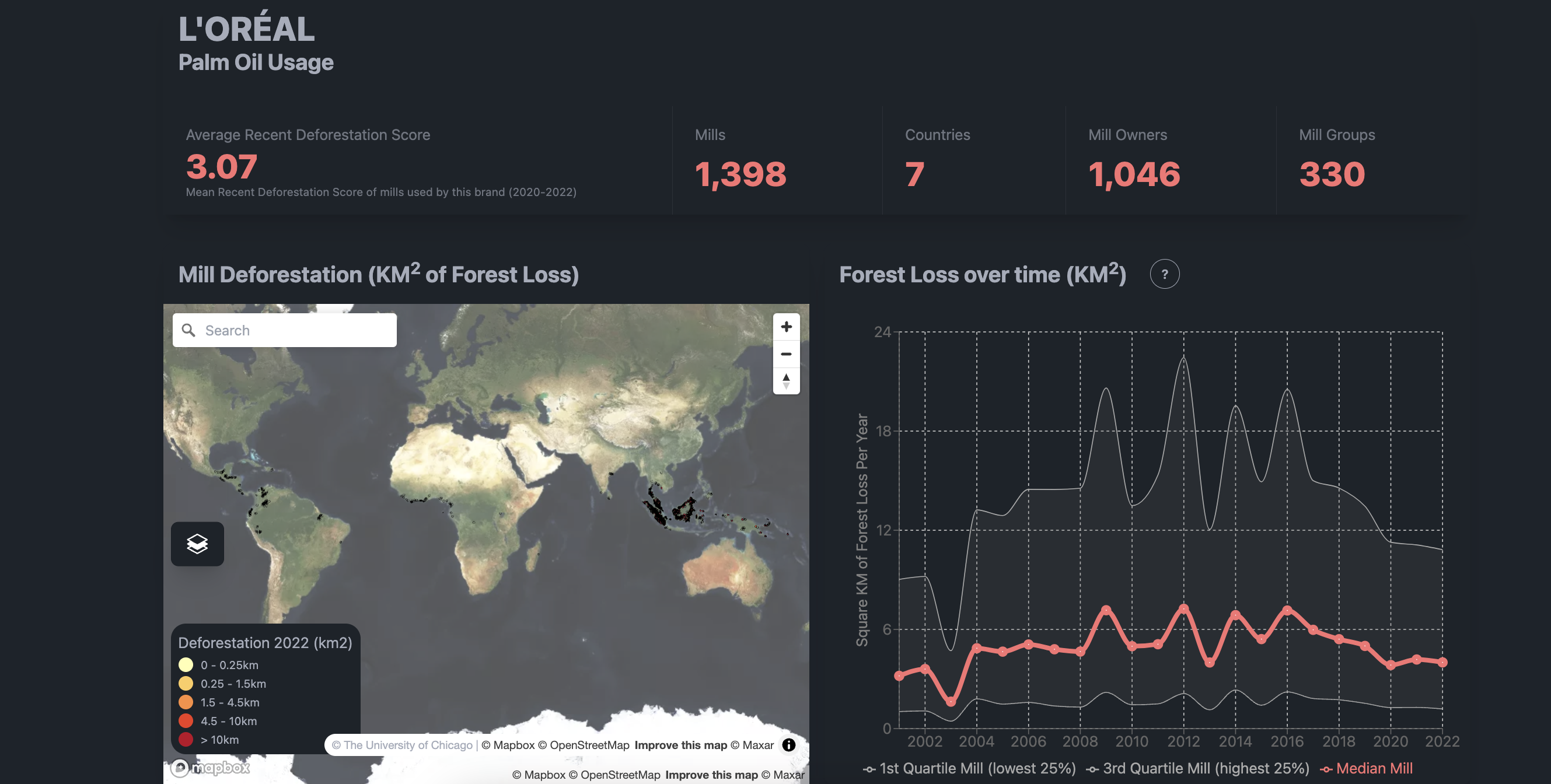
PalmWatch is a free web-based tool that reveals links between major multinational brands using supposedly “sustainable” palm oil, and palm oil supply chain. This means that concerned consumers, animal rights advocates and human rights advocates can clearly see the toll of palm oil ecocide in their daily supermarket purchases.
Covering hundreds of thousands of kilometres, PalmWatch gives everyone open-source, free and unprecedented access to what “sustainable” palm oil really looks like.
More than simply a tool, PalmWatch is a clarion call to consumers to look carefully at their purchases. And where possible, to boycott brands causing the ecological crisis of tropical deforestation.
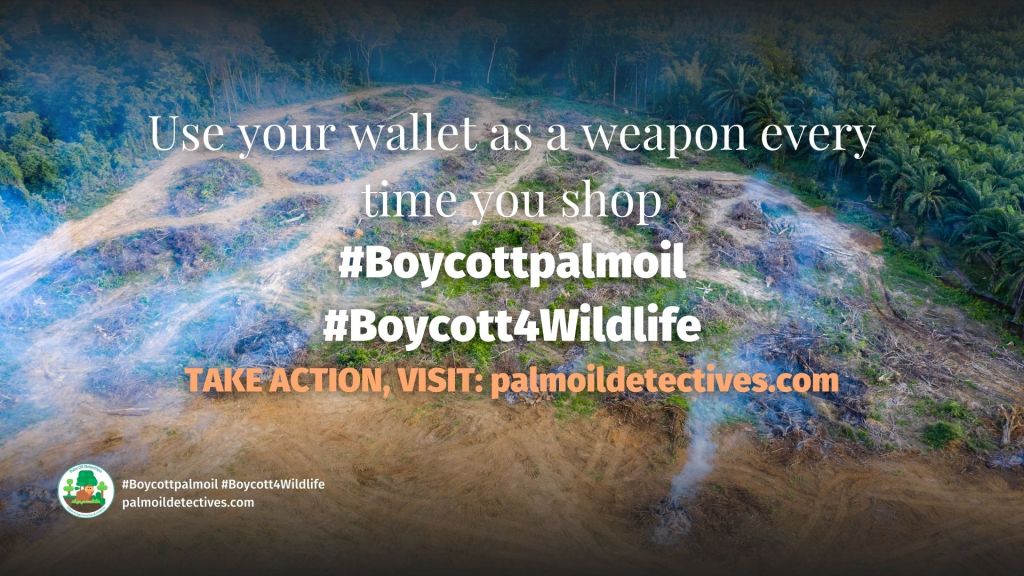
Help animals and indigenous peoples and #BoycottPalmOil #Boycott4Wildlife every time you shop!
Pioneering #opensource tool #PalmWatch reveals dark and #corrupt corners of the #palmoil industry. Including so-called “sustainable” palm oil used by global #supermarket brands. Uncover the #greenwash and #Boycottpalmoil #Boycott4Wildlife @palmoildetect https://palmoildetectives.com/2024/03/20/palmwatch-an-open-source-tool-that-empowers-you-to-hold-palm-oil-greenwashers-to-account/
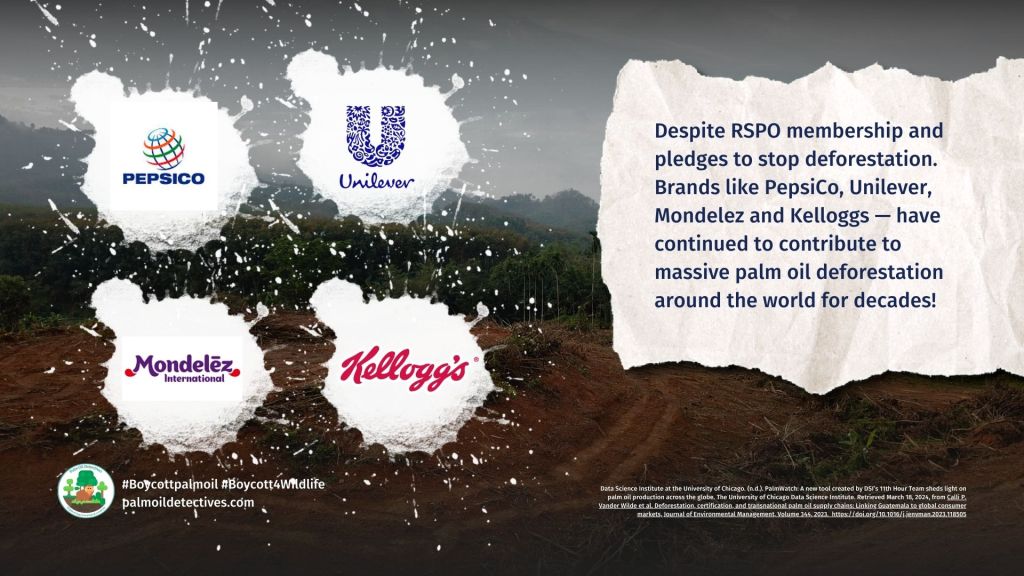
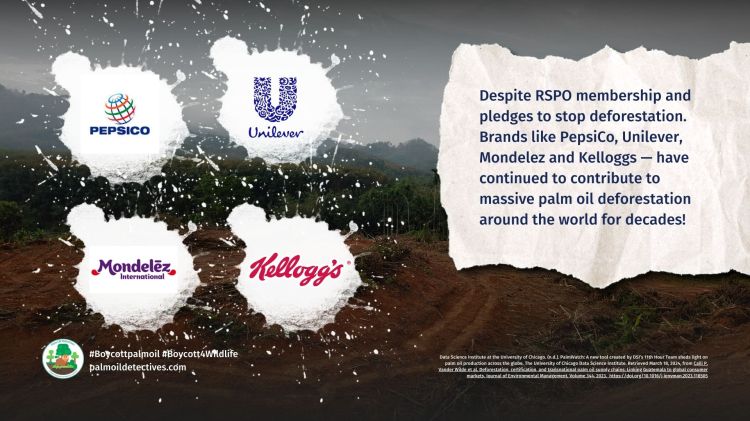
Game-changing free tool #PalmWatch helps you track #palmoil #deforestation and #humanrights abuses by “sustainable” RSPO members: @Nestle @CP_news @MDLZ @Unilever @Kelloggs_US. Uncover their #ecocide and #Boycottpalmoil #Boycott4Wildlife @palmoildetect https://palmoildetectives.com/2024/03/20/palmwatch-an-open-source-tool-that-empowers-you-to-hold-palm-oil-greenwashers-to-account/
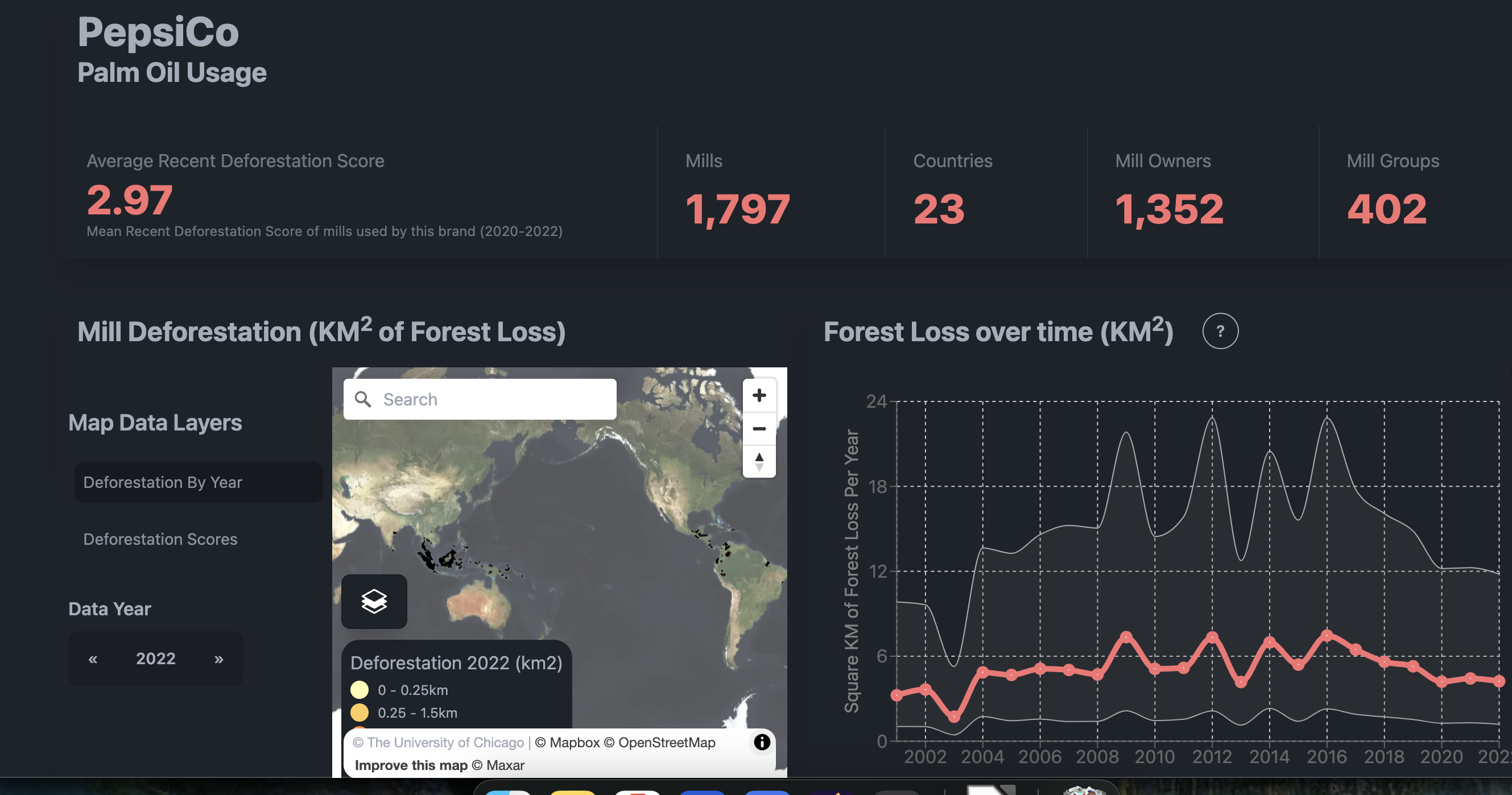
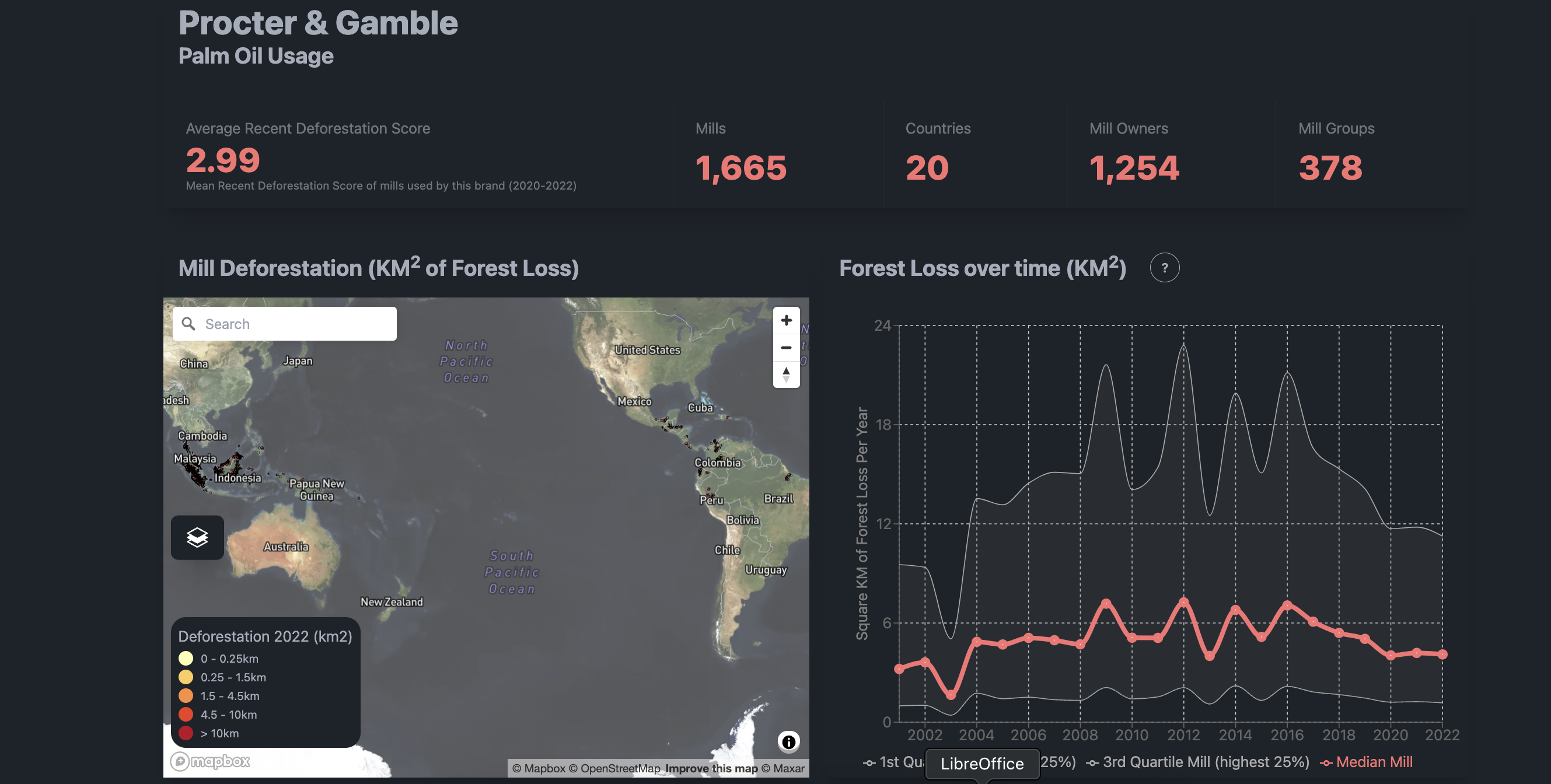
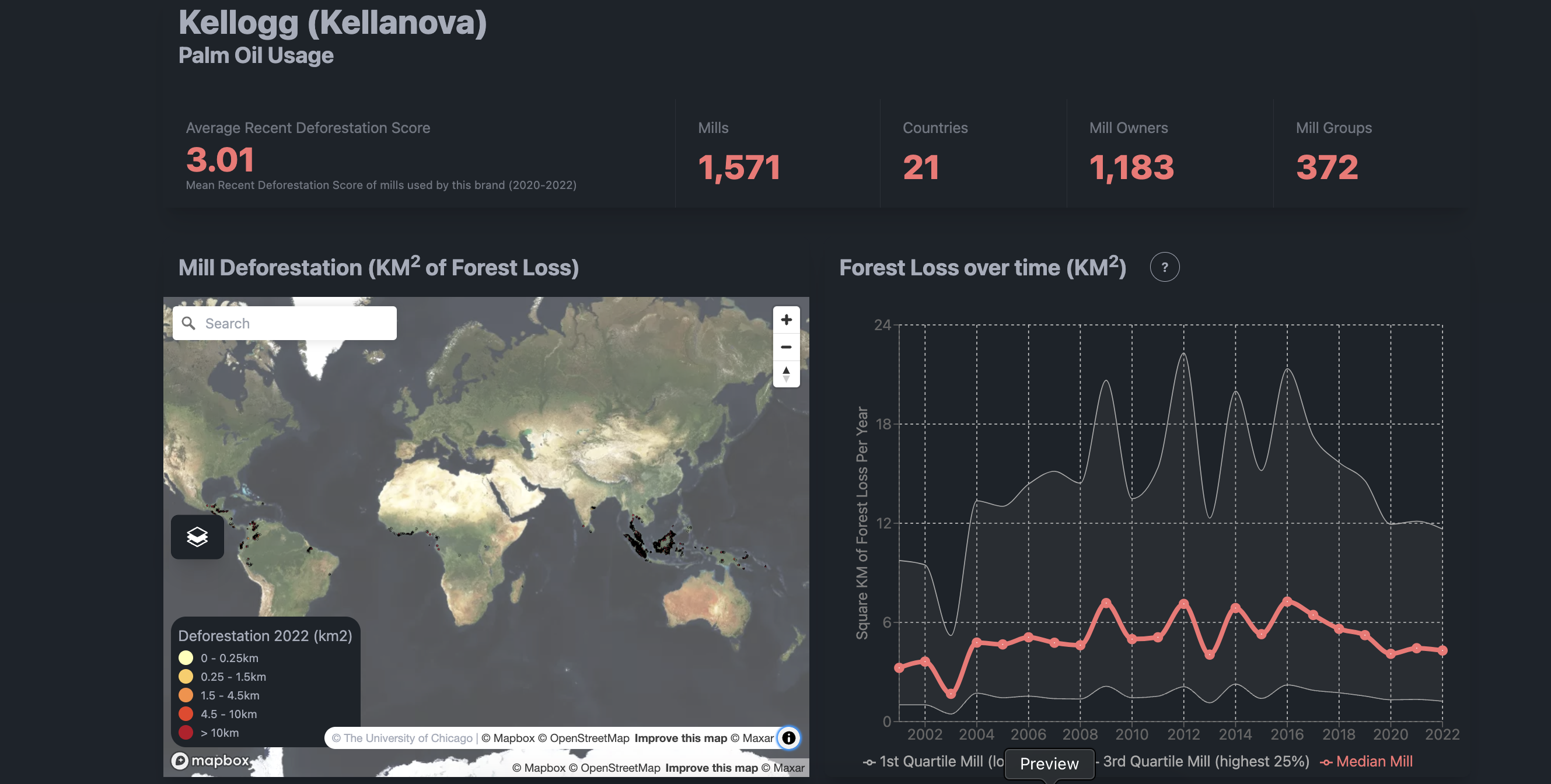
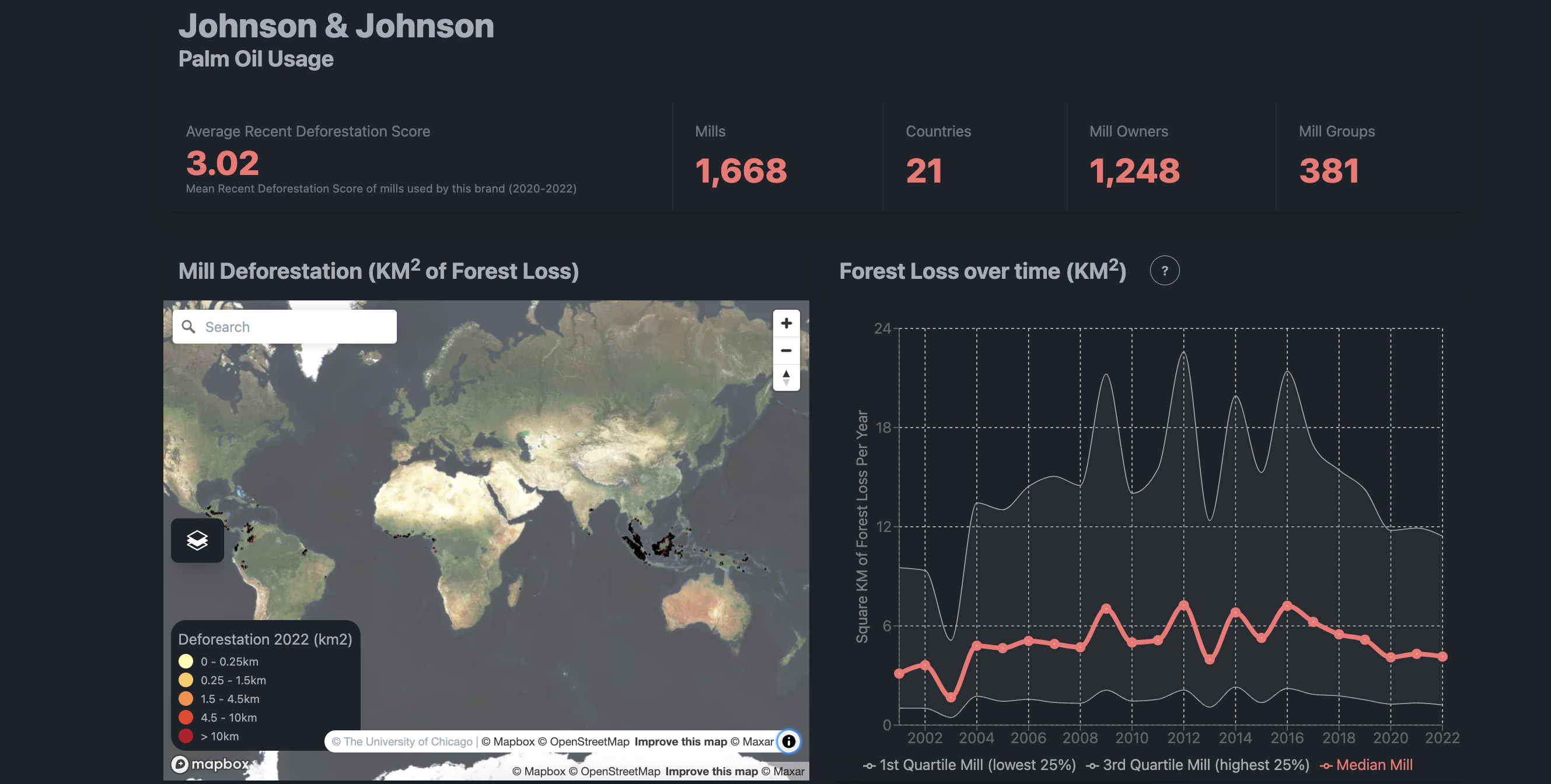
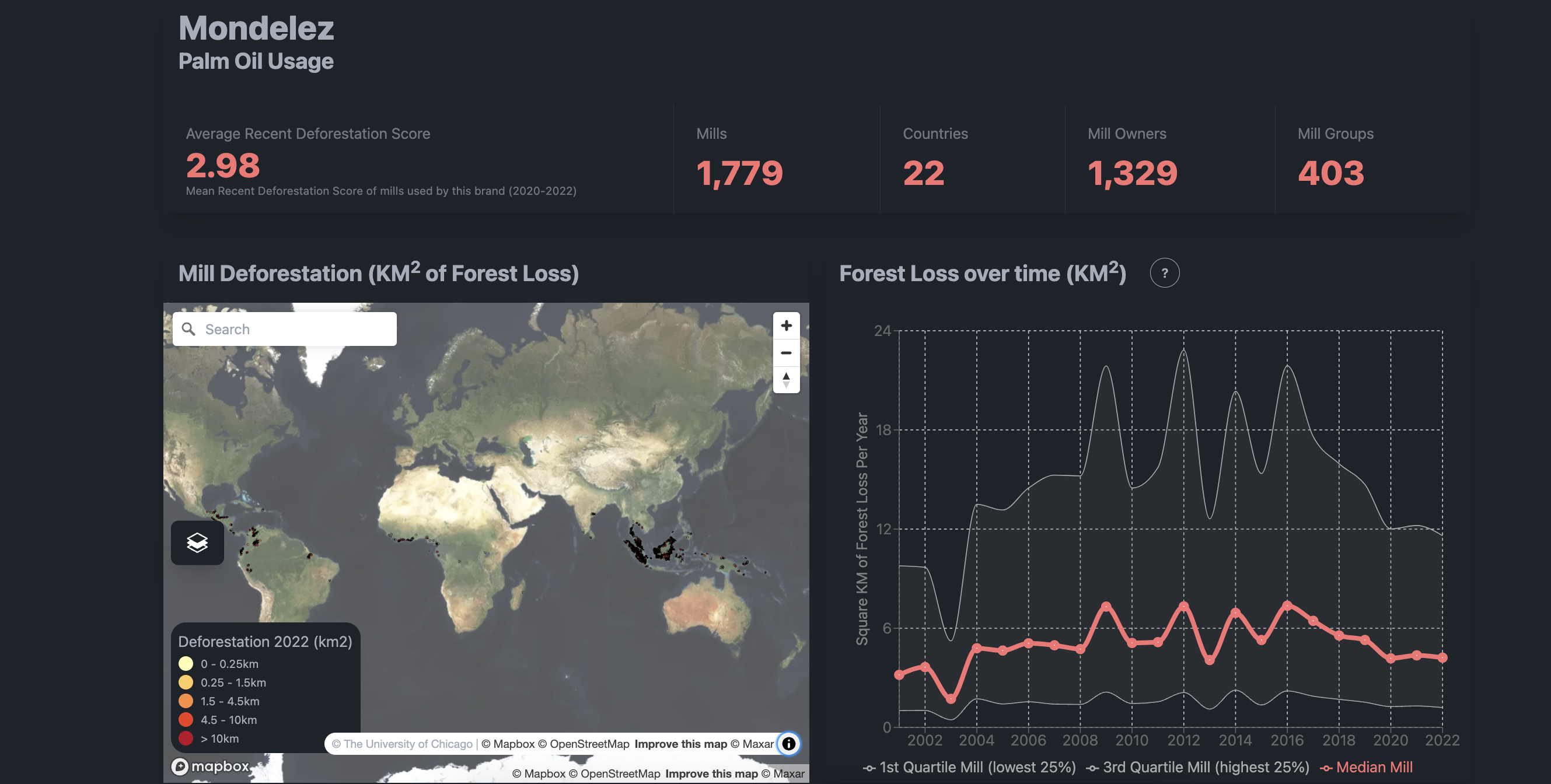
The media release below is provided by the University of Chicago and had the original title ‘PalmWatch, a new tool created by DSI’s 11th Hour Project team, sheds light on palm oil production across the globe’, published February 22nd, 2024. Read the original.
Media release:
PalmWatch, a new tool jointly created by DSI and Inclusive Development International, tracks deforestation by palm oil mills and connects that information to the palm oil sourcing of supermarket giants.
Palm oil is a required ingredient for a plethora of household products, from food items like packaged pastries and chips to cosmetics and soaps or even biofuels. But most palm oil is produced on mono-crop plantations, grown on huge tracts of land that were once tropical rainforests and other biodiverse ecosystems. Mapping the links between palm oil mills, multinational corporations, and future deforestation risk is a difficult data science problem to solve, but thanks to a partnership with Inclusive Development International (IDI), the DSI used novel methods to solve this problem.”
Mapping the links between palm oil mills, multinational corporations, and future deforestation risk is a difficult data science problem to solve, but the University of Chicago Data Science Institute and Inclusive Development International (IDI) have created a new tool to help fill gaps in understanding the problem.
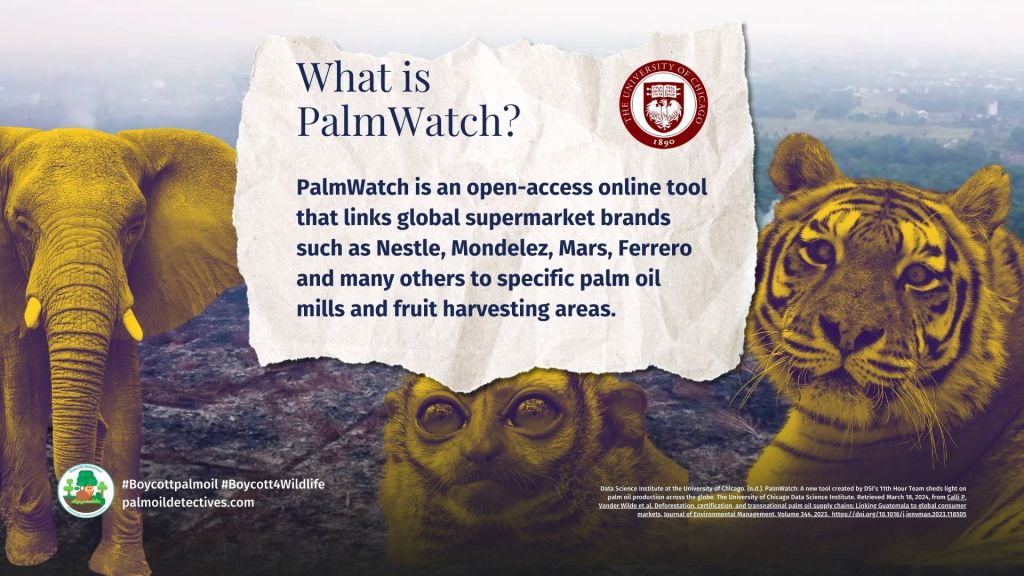
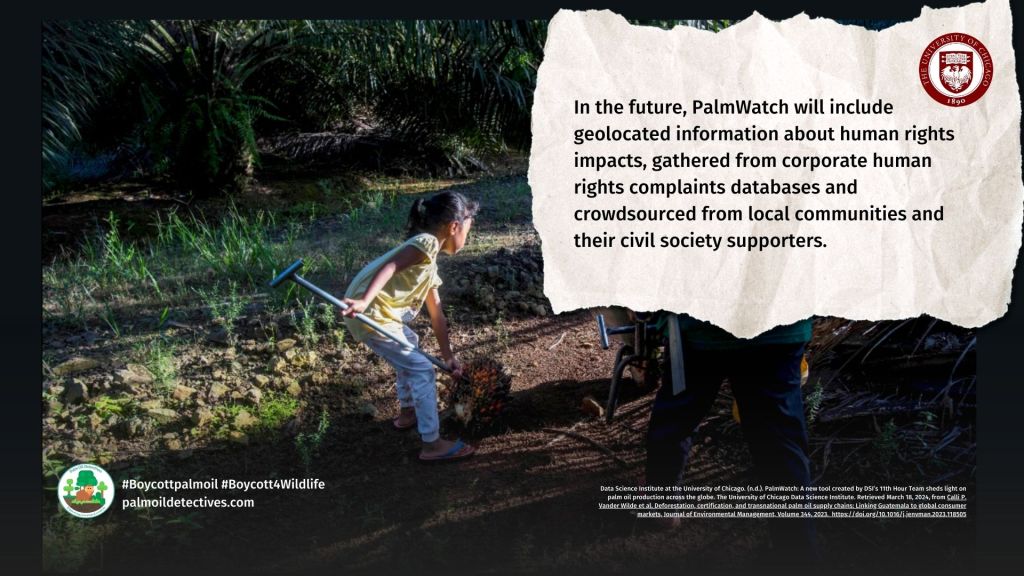
The DSI and the IDI, with support from the 11th Hour Project, launched a new tool called PalmWatch on Feb. 22. Using rigorous data science and advanced, low-cost data visualisation methods, PalmWatch traces palm oil supplies from the ground level, where the environmental and social impacts of palm oil cultivation occur, to the consumer brands that use the oil in their products.
“This launch of the PalmWatch tool has been a long time coming,” said David Uminsky, executive director of the Data Science Institute at the University of Chicago. “This has all the hallmarks of a great data science problem.”
“I’m very excited that this dashboard will be owned by local communities and nonprofits working in the space,” said Launa Greer, a software engineer at the DSI. “Previously, investigating the effects of palm oil supply chains was a laborious process; now groups will have analytics at their fingertips.”
Connecting data sources
In an effort to increase transparency, multinational brands do currently report the palm oil mills from which they source their material. However, creating a repository that sorts and organises mills across the world requires collecting and standardising this information. And even with this information, it takes additional computational methods to understand how each mill impacts local deforestation risks.
The PalmWatch project began as part of the Data Science Clinic, an experiential project-based course where students work as data scientists under the supervision of DSI staff and faculty.
To build the tool, DSI’s 11th Hour Project, led by Open Spatial Lab technical lead Dylan Halpern, first had to scrape public disclosures from thirteen multinational consumer brands that show which mills these brands source from.
This information then had to be standardised, with the palm oil mills geolocated on a searchable map. The data scientists also had to collect information about the mills, such as which companies own and operate them, which consumer brands they are affiliated with, and their RSPO certification status (a metric measuring sustainability of palm oil production).
Collecting the information was a challenge, said Greer. “Disclosures were typically located on obscure corners of the websites and difficult to scrape for information due to wildly-varying PDF layouts,” she said. “We hope that making a clean, consolidated, and machine readable dataset of mills available to the public will accelerate similar supply-chain research efforts.”
Built with future-proofing in mind
Making sure that PalmWatch would be cheap to maintain and easy to update was a vital part of the process to ensure the website will continue to be a useful investigative tool. PalmWatch was built to not require heavy computation that can add up in costs to web hosts over time.
“Ongoing funding for community-centered data science projects is not always guaranteed, so it’s important to architect software that is cheap to own in the long term,” said DSI’s Open Spatial Lab technical lead Dylan Halpern. “It’s tragic to see fantastic software engineering and community-engaged data science fade away from public view due simply to a server bill.”
Full data files are available for public download. “We realised early on that palm oil production impacts each part of the world in a unique way; we integrated a collaborative content management system so that local advocates can add critical context, news, legal briefings, and other local knowledge to PalmWatch at every level—mill, country, consumer brand, and everything in between,” said Halpern.
The development team has future plans for additional updates, including a data pipeline github, a disclosure contribution guide, and plans to offer hands-on training to social impact organisations and journalists who want to dig deeper into specific data questions.
How does PalmWatch work?
PalmWatch addresses this disconnect between palm oil end users and ground-level impacts by:
- Scraping public disclosures from 13 consumer brands showing which crushing mills—where crude palm oil is extracted from palm fruit grown on plantations—these brands source from globally.
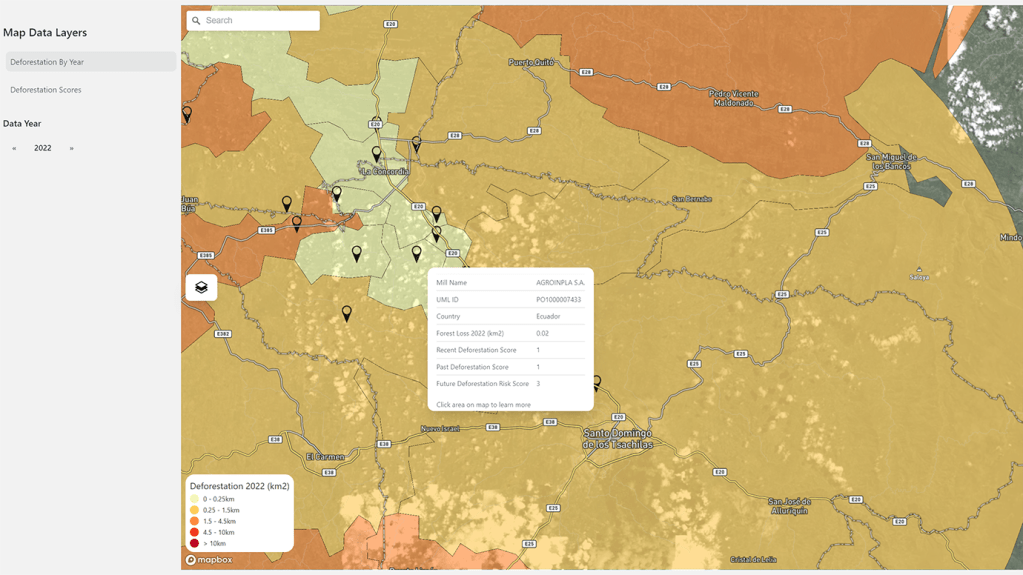
- Standardising that information across the brands and geolocating more than 2,000 mills on a searchable map. Detailed mill views show which consumer brands source from each mill, what companies own and operate them, and their RSPO certification status.
- Drawing a catchment boundary around each mill, which shows the approximate geographical area a mill is likely sourcing palm fruit from, based on advanced data science techniques (described in more detail in the Methodology section below) and the industry’s own fruit spoilage standards.
- Overlaying 20 years of deforestation data from the University of Maryland within each mill’s catchment area. PalmWatch then assigns a past deforestation score to each mill, based on the amount of forest cleared within its catchment area, along with a future deforestation risk score, based on past deforestation patterns and the amount of forest that remains at risk. This information is then connected to the brands sourcing from each mill, and can be aggregated and filtered, allowing users to see deforestation by brand, mill owner and mill corporate group.
The media release below is provided by the University of Chicago and had the original title ‘PalmWatch, a new tool created by DSI’s 11th Hour Project team, sheds light on palm oil production across the globe’, published February 22nd, 2024. Read the original.
ENDS
Read more about deforestation and ecocide in the palm oil industry

Asian Small-clawed Otter Aonyx cinereus
Asian Small-clawed Otters are the world’s smallest otter species and are Vulnerable from palm oil tea and coffee deforestation. Protect them, boycott palm oil!
Read more
Tapanuli Orangutan Faces Extinction From Forest Protection Rollback
Save the Tapanuli orangutan! The rarest ape in the world faces extinction after floods, cyclones and now rezoning of their habitat in Sumatra #BoycottPalmOil!
Read more
Marsupials thought extinct for 6,000 years found in West Papua
Two stunning marsupials thought extinct for 6000 years rediscovered in West Papua. Calls for rainforest protection even more urgent!
Read more
Trash into Treasure: Turning E-Waste and CO2 into Gold
Turning E-Waste and CO2 into Gold addresses e-waste challenges and contributes to CO₂ reduction efforts. Take action and boycott gold for Yanomami people!
Read more
Do you love animals? Make every day #WorldWildlifeDay
This #WorldWildlifeDay take action for animals great and small! Reptiles insects, mammals and birds deserve better than palm oil ecocide and extinction. Make sure you Boycott palm oil
Read moreSomething went wrong. Please refresh the page and/or try again.
Take Action in Five Ways
1. Join the #Boycott4Wildlife on social media and subscribe to stay in the loop: Share posts from this website to your own network on Twitter, Mastadon, Instagram, Facebook and Youtube using the hashtags #Boycottpalmoil #Boycott4Wildlife.
2. Contribute stories: Academics, conservationists, scientists, indigenous rights advocates and animal rights advocates working to expose the corruption of the palm oil industry or to save animals can contribute stories to the website.


3. Supermarket sleuthing: Next time you’re in the supermarket, take photos of products containing palm oil. Share these to social media along with the hashtags to call out the greenwashing and ecocide of the brands who use palm oil. You can also take photos of palm oil free products and congratulate brands when they go palm oil free.
4. Take to the streets: Get in touch with Palm Oil Detectives to find out more.
5. Donate: Make a one-off or monthly donation to Palm Oil Detectives as a way of saying thank you and to help pay for ongoing running costs of the website and social media campaigns. Donate here
Discover more from Palm Oil Detectives
Subscribe to get the latest posts sent to your email.
 Palm Oil Detectives