
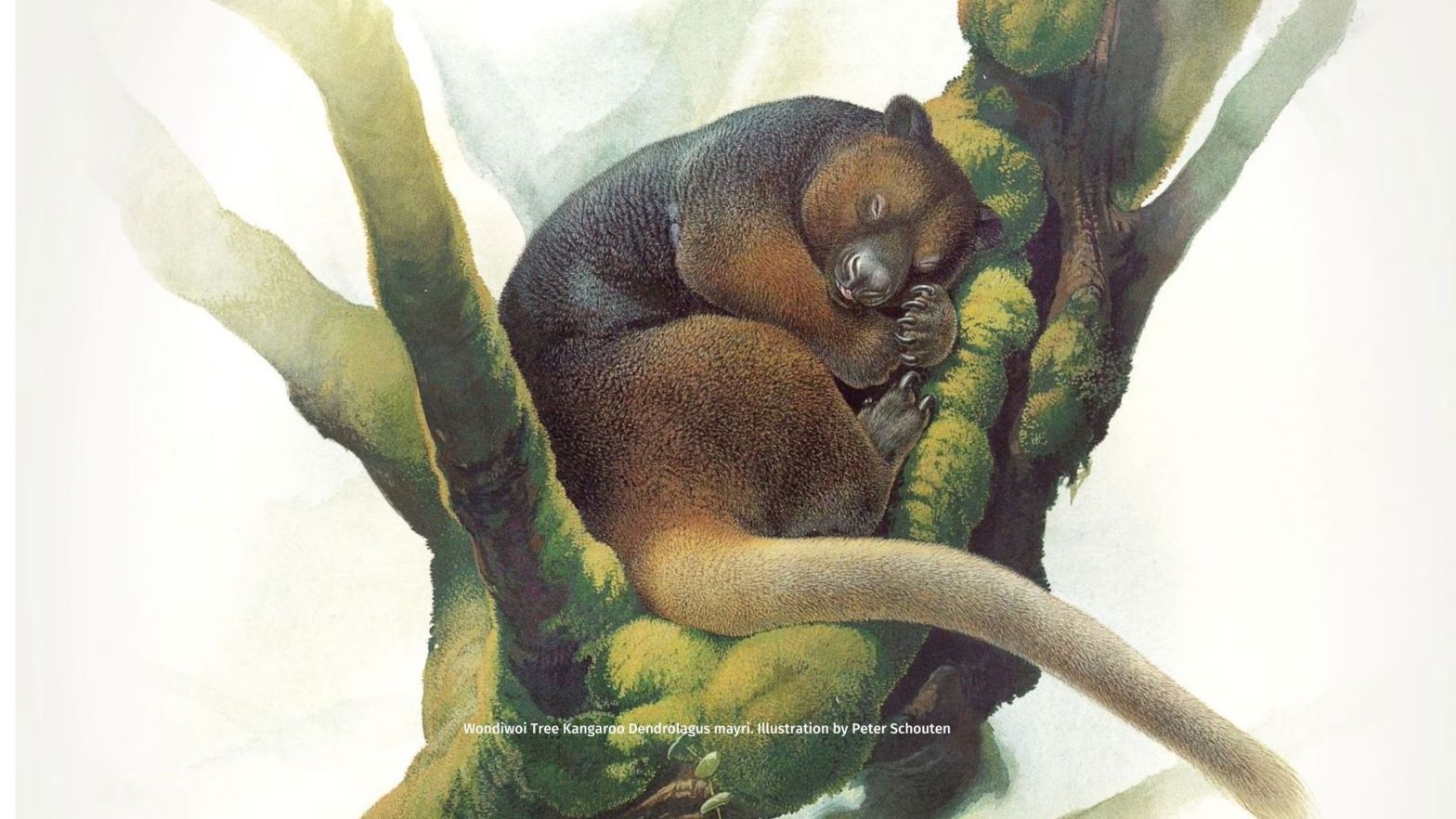
Encountering the Wondiwoi tree kangaroo, the world’s most endangered kangaroo, in West Papua’s lush forests is a bittersweet tale. Rediscovered in 2018 by British botanist Michael Smith, this rarest kangaroo, with soulful eyes and burnt umber fur, symbolises tranquillity amidst severe threats like palm oil deforestation and hunting. Less than 50 kangaroos remain alive, underscoring the urgent need for conservation efforts prioritising indigenous sovereignty. To help save these remarkable creatures, join the #Boycottpalmoil and #Boycott4Wildlife and take action via this website.
The rediscovery of the rarest #kangaroo alive the Wondiwoi kangaroo in #WestPapua 🌿is bittersweet as they were previously thought to be #extinct 🙀learn about their rare beauty 😍🦘 and #Boycottpalmoil #Boycott4Wildlife ✊🌿 @palmoildetect https://wp.me/pcFhgU-8yg
The Wondiwoi tree #kangaroo 🦘🌿 is the most endangered kangaroo alive due to #palmoil #deforestation 🪔🌴 and hunting across their range of #WestPapua. Take action to help these wide-eyed beauties #Boycottpalmoil 👎 #Boycott4Wildlife 🚫 @palmoildetect https://wp.me/pcFhgU-8yg
A Bittersweet Rediscovery of the Rarest Kangaroo Alive
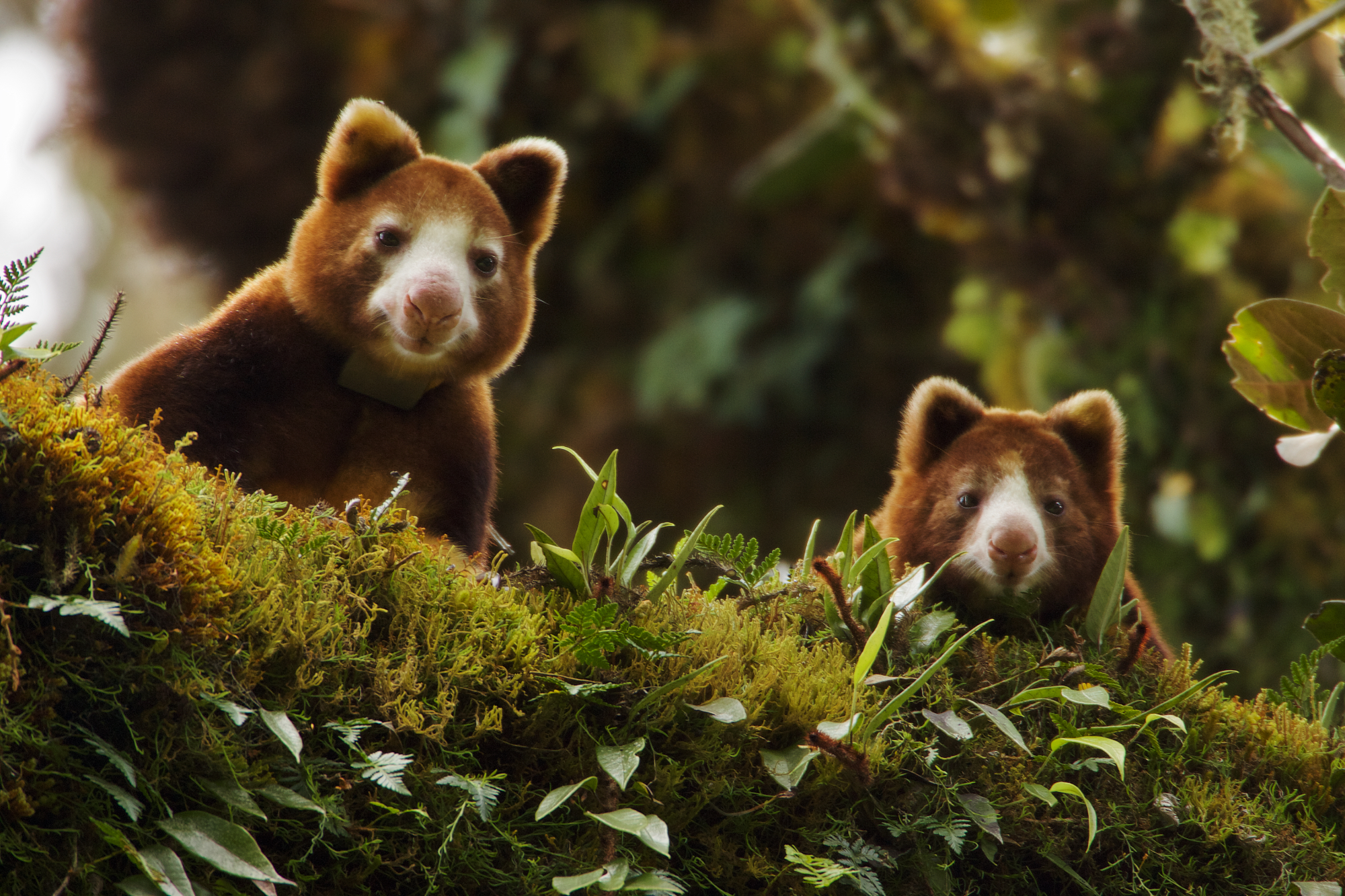
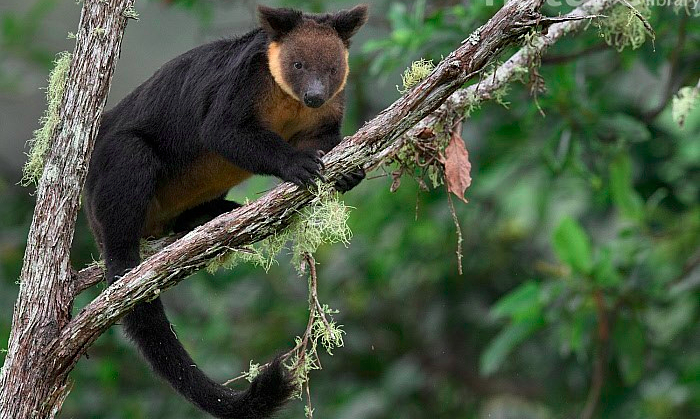
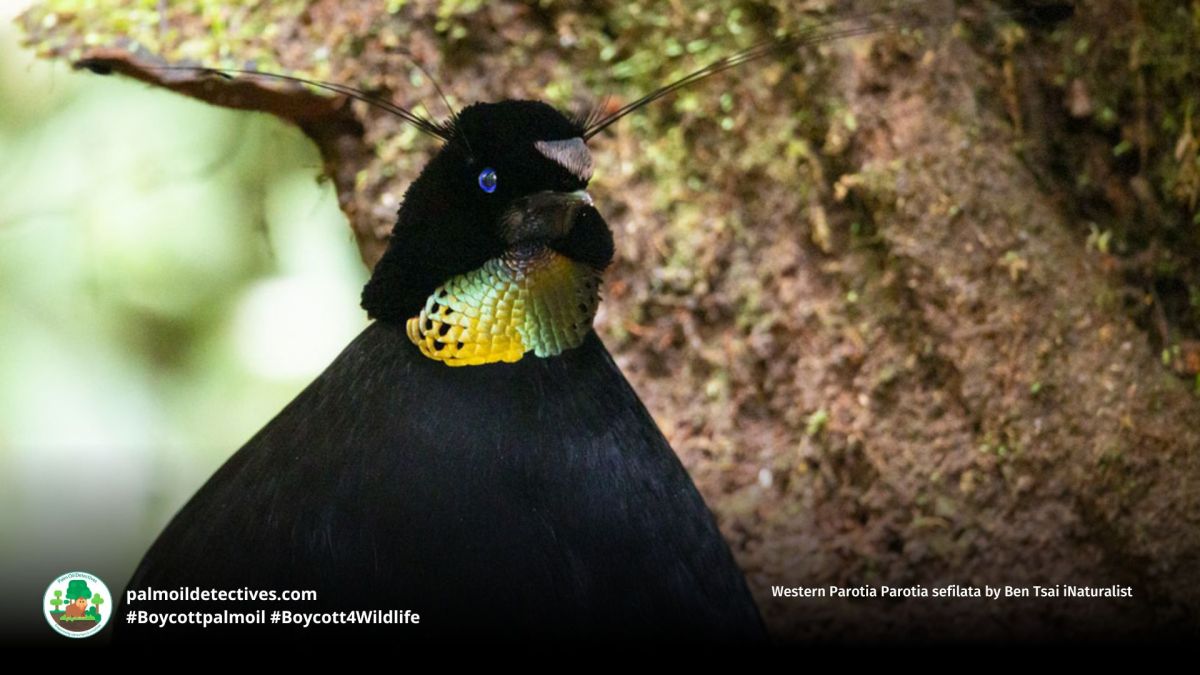
In the dense, emerald heart of the Wondiwoi Mountains, in West Papua the trees echo with the haunting refrains of the vogelkop superb bird-of-paradise. Underfoot, the ground is soggy and dense with mossy herbaceous fragrances and the scuttling of an eastern long-beaked echidna as she burrows into her subterranean domain. In 2018, an extraordinary moment was captured forever on camera in 2018. High in the treetops, amidst the thick moss-covered branches, a shy Wondiwoi tree kangaroo lay in quiet repose, a symbol of sturdy, plump beauty. This creature was believed to be extinct for nearly a century. Yet a chance encounter by British amateur botanist Michael Smith in 2018 has thrust this creature back into the spotlight.
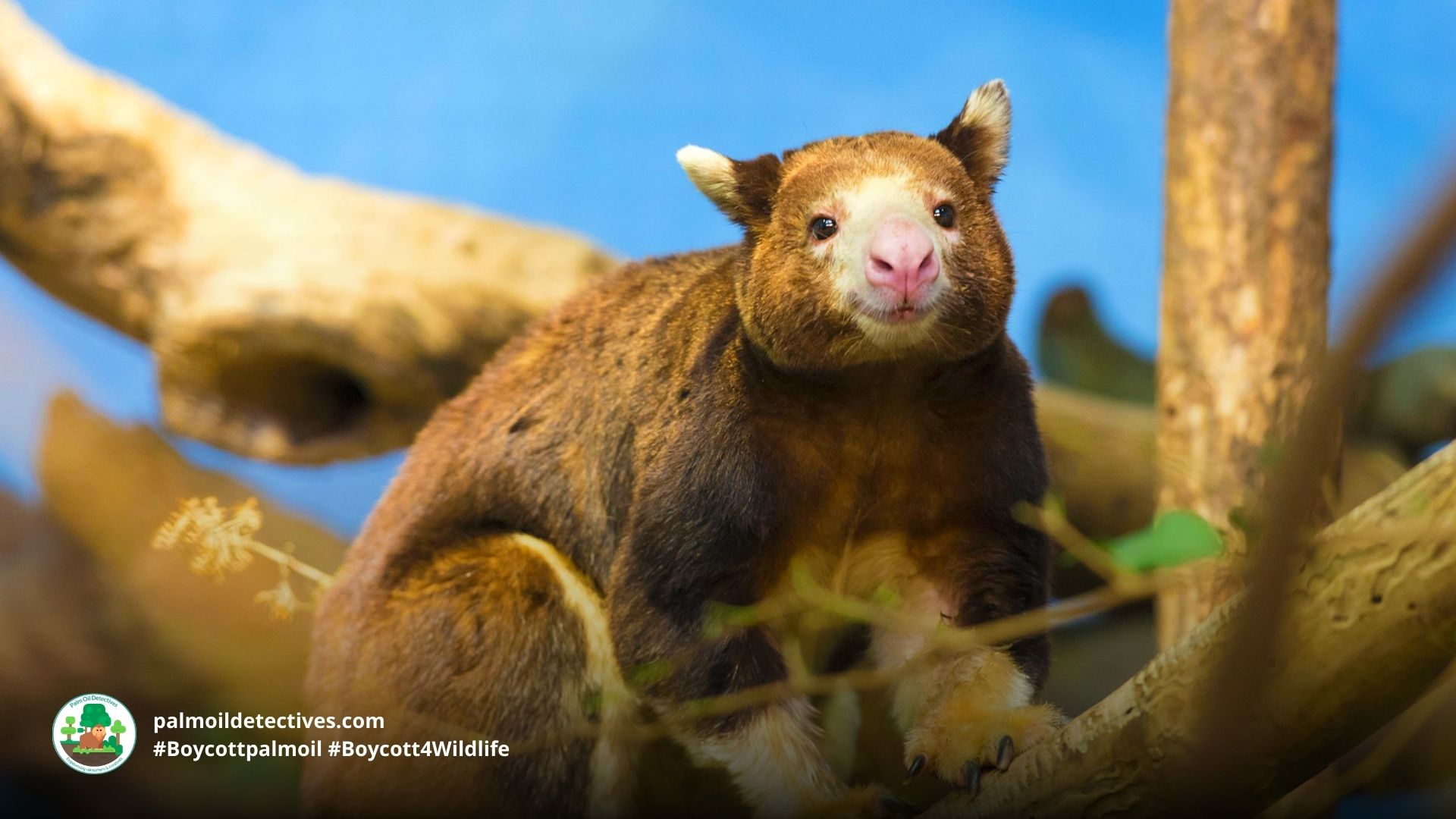
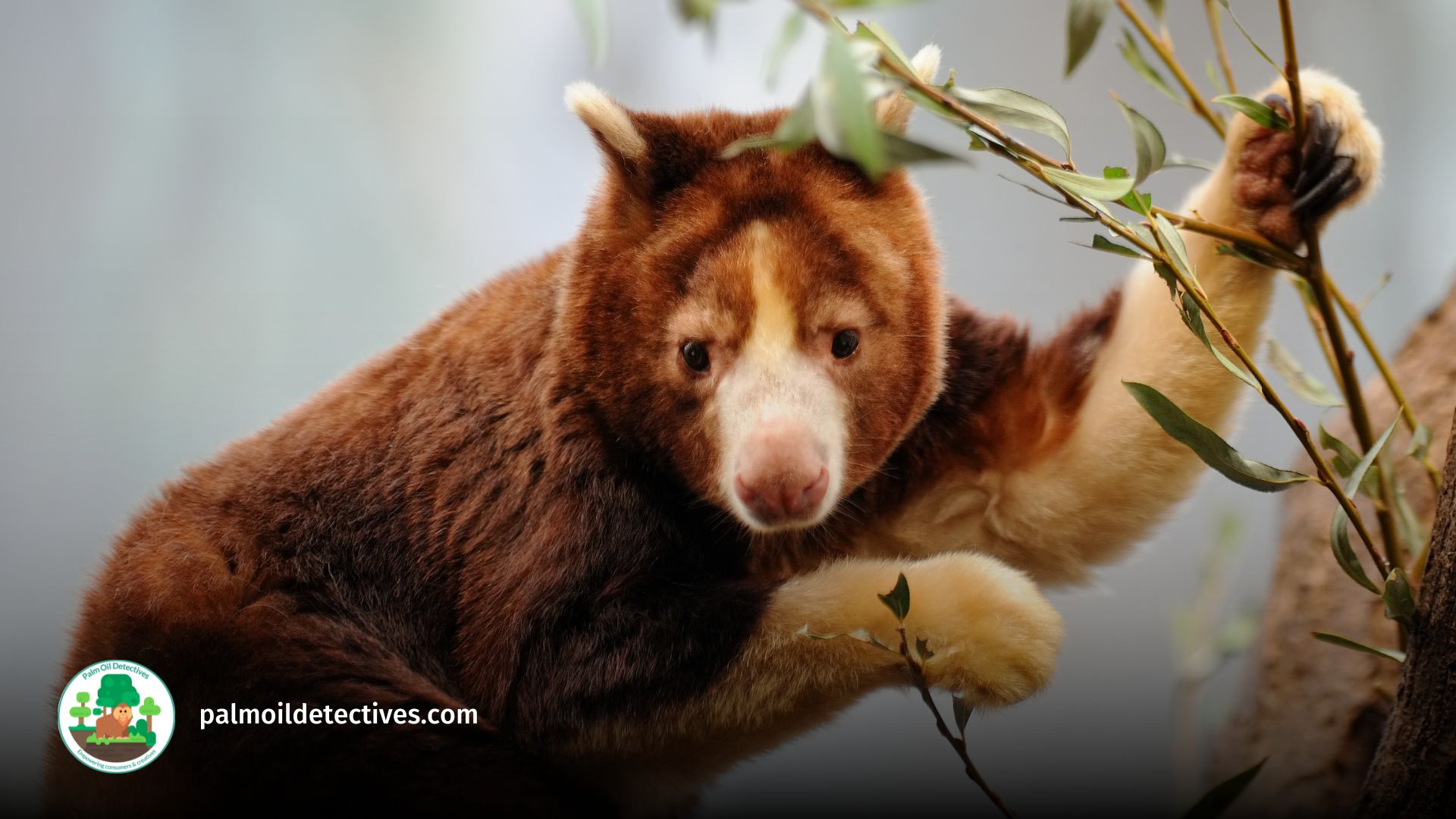
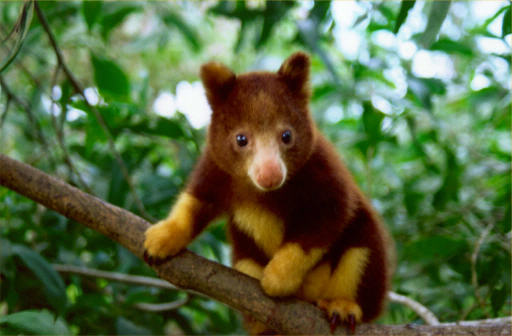
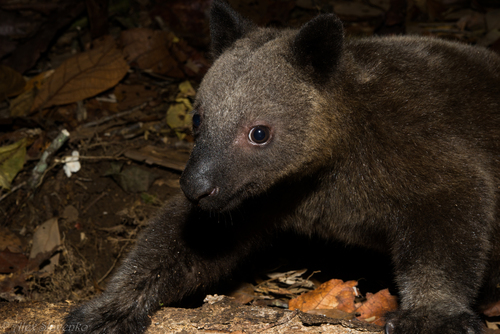
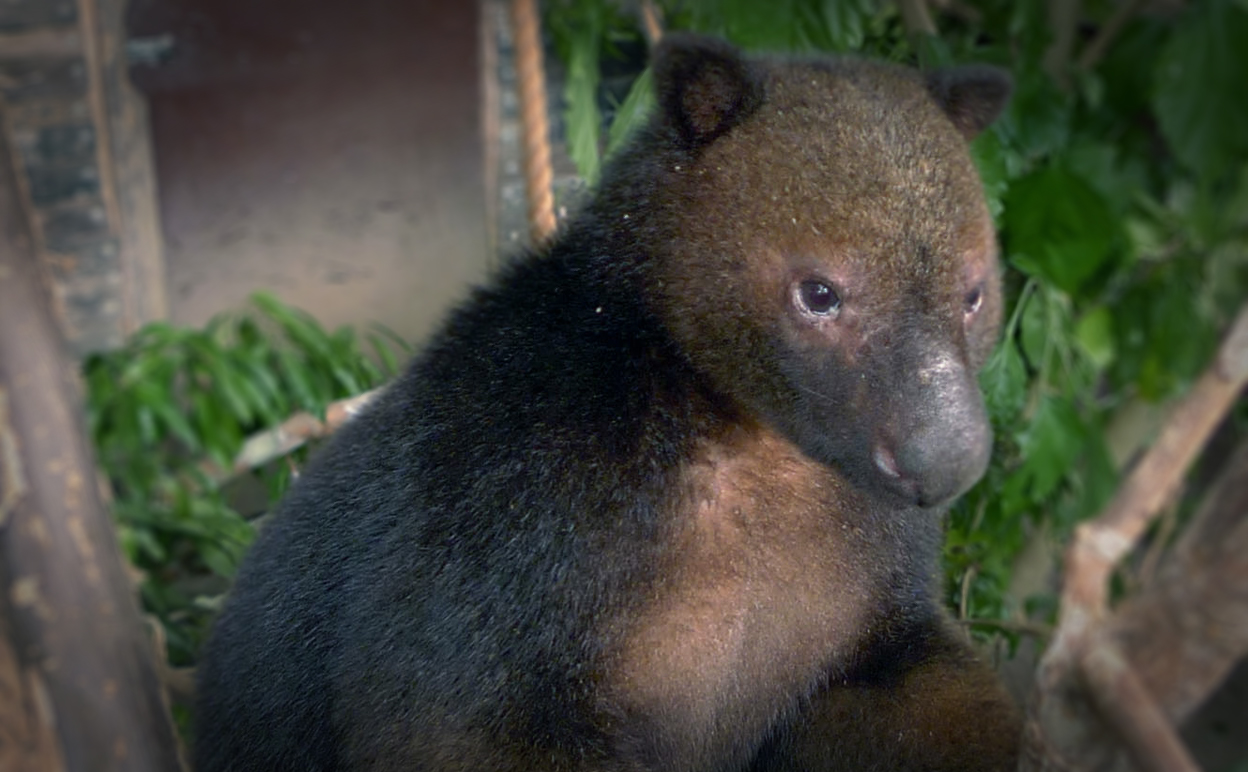
Wondiwoi tree kangaroos Dendrolagus mayri have an odd combination of kangaroo and monkey qualities. Large and soulful eyes blink from behind long eyelashes and thickly furred paddle-like arms culminate in strong sharp claws fit for grasping tree branches. Their bodies are the colour of burnt umber and terracotta and embody the tranquillity of Papua’s majestic montane forests where they blend into the painter’s palette of the jungle.

Smith’s serendipitous discovery of Wondiwoi tree kangaroos, known as the world’s rarest and most endangered kangaroo, highlights their precarious existence due to human-related threats like palm oil deforestation, rare mineral mining and hunting throughout their range.
A Journey Fuelled by Passion and Curiosity
Michael Smith is an amateur botanist from England. He spends a lot of his free time traversing remote locations like Indonesia, Pakistan and Kurdistan in the faint hope of encountering the rarest species on earth.
“I want these animals to be the poster children for seriously threatened and ancient habitats. I’m trying to get evidence of something interesting – and in terms of getting people involved and excited about conservation, it seems to be effective.”
He understands that time is of the essence to save these animals and many others from the relentless growth of palm oil deforestation.
It’s hard to know if things will change fast enough for there to be anything left. In the 1990s, Papua New Guinea was just a big forest, with a few people. Now it’s still 80% or 90% forest, but there is huge pressure from people and investors who want to make palm oil.”
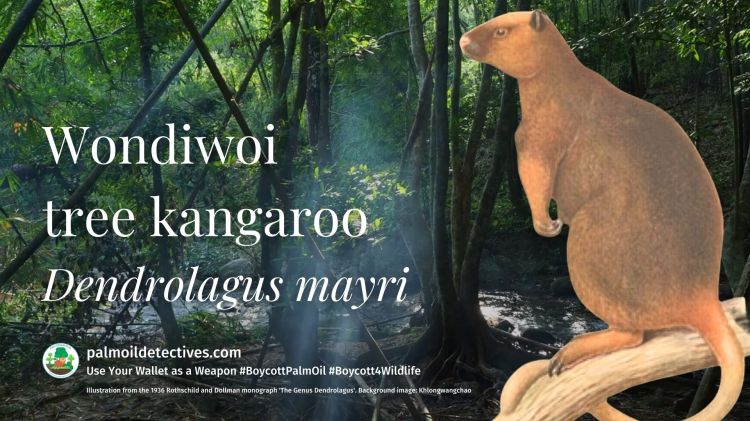
The Enigmatic Wondiwoi Tree Kangaroo
The bittersweet rediscovery of the Wondiwoi tree kangaroo underscores their gravely precarious position as the rarest kangaroo in the world. Originally they were discovered in 1928 by Ernst Mayer and known only by a single specimen. Papuan non-profit Tenkile Conservation Alliance estimates that less than 50 individuals remain alive.
The Wondiwoi tree kangaroo’s habitat is under severe threat from palm oil deforestation and the extraction of rare minerals such as mica and gold. The forests of West Papua, once a haven for diverse wildlife, are being decimated in silence.
The Guardians of the Forest
The survival of the Wondiwoi tree kangaroo is intricately linked to the sovereignty, and land stewardship of the Papuan indigenous peoples. Their deep spiritual and ancestral connection to the land and its human and more-than-human inhabitants stands in stark contrast to the destructive policies of the colonialist Indonesian government. Conservation efforts must prioritise indigenous rights and knowledge, recognising that true protection of these animals lies in the hands of those who have lived in harmony with the forest for many millennia.
Tenkile Conservation Alliance have a range of programmes helping indigenous peoples to understand the importance of conserving rather than hunting tree kangaroos and providing them with ways to harvest alternative sources of food. They have developed tree kangaroo hunting moratoriums as well alongside village communities.

The Jungle Kingdom of Dendrolagus: Tree Kangaroos
The genus Dendrolagus, more enchantingly known as tree kangaroos, embody arboreal grace and irresistible chubby cuteness. These marsupials are lesser known than their iconic ground-dwelling cousins further south in Australia and possess a range of distinctive traits making them masters of the jungle canopy.
Their exceptionally long, pendulous tails act as elegant counterbalances, helping with every leap and bound. Strong forelimbs, paired with shorter and broader hind feet, provide them with superior strength and agility. Long curved claws and spongy paws enhance grip, like natural bouldering shoes, allowing them to climb and cling effortlessly to branches.
Females possess a forward-opening pouch (marsupium) containing four teats. These provide a nurturing haven for their developing young. Their teeth are adapted for shearing leaves, reveal their dietary preference for the verdant foliage of the treetops.
The almost ‘bears’ and barely there Dendrolagus genus:
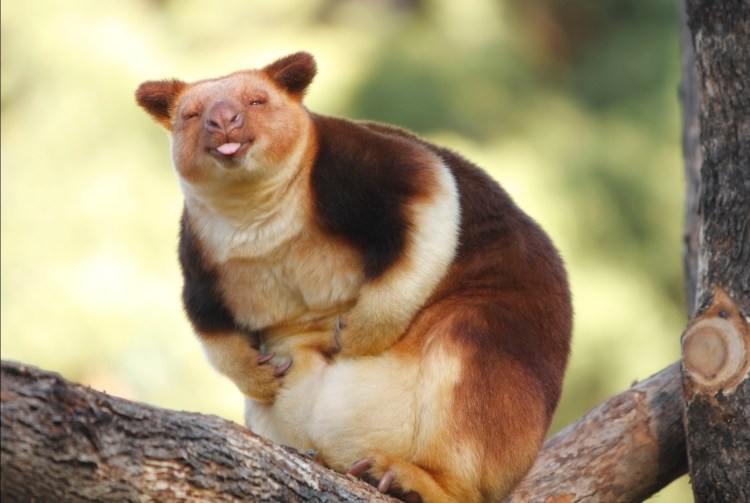
- Doria’s Tree Kangaroo Dendrolagus dorianus: With their robust build and dark brown fur and are listed as Vulnerable on the IUCN Red List. Learn more.
- Lowlands Tree Kangaroo Dendrolagus spadix: Known for their reddish-brown fur, gentle demeanour andd striking striped tails, these kangaroos are also listed as Vulnerable. Learn more.
- Ifola Dendrolagus notatus: A shy and elusive tree kangaroo with dark fur, this species is classified as Endangered, mostly from hunting and habitat loss. Learn more.
- Tenkile Dendrolagus scottae: Also known as the Scott’s tree kangaroo, the tenkile is critically endangered, with fewer than 300 individuals remaining. Learn more.
- Golden-mantled Tree Kangaroo Dendrolagus pulcherrimus: Known for their vibrant golden fur the colour of a sunset, these tree kangaroos are sadly critically endangered. Learn more.
- Vogelkop Tree Kangaroo Dendrolagus ursinus: Endemic to the Vogelkop Peninsula, these kangaroos have unique black and grey fur. Learn more.
- Huon Tree Kangaroo Dendrolagus matschiei: A portly and robust tree kangaroo known for their rich reddish-brown fur, tragically classified as endangered. Learn more.
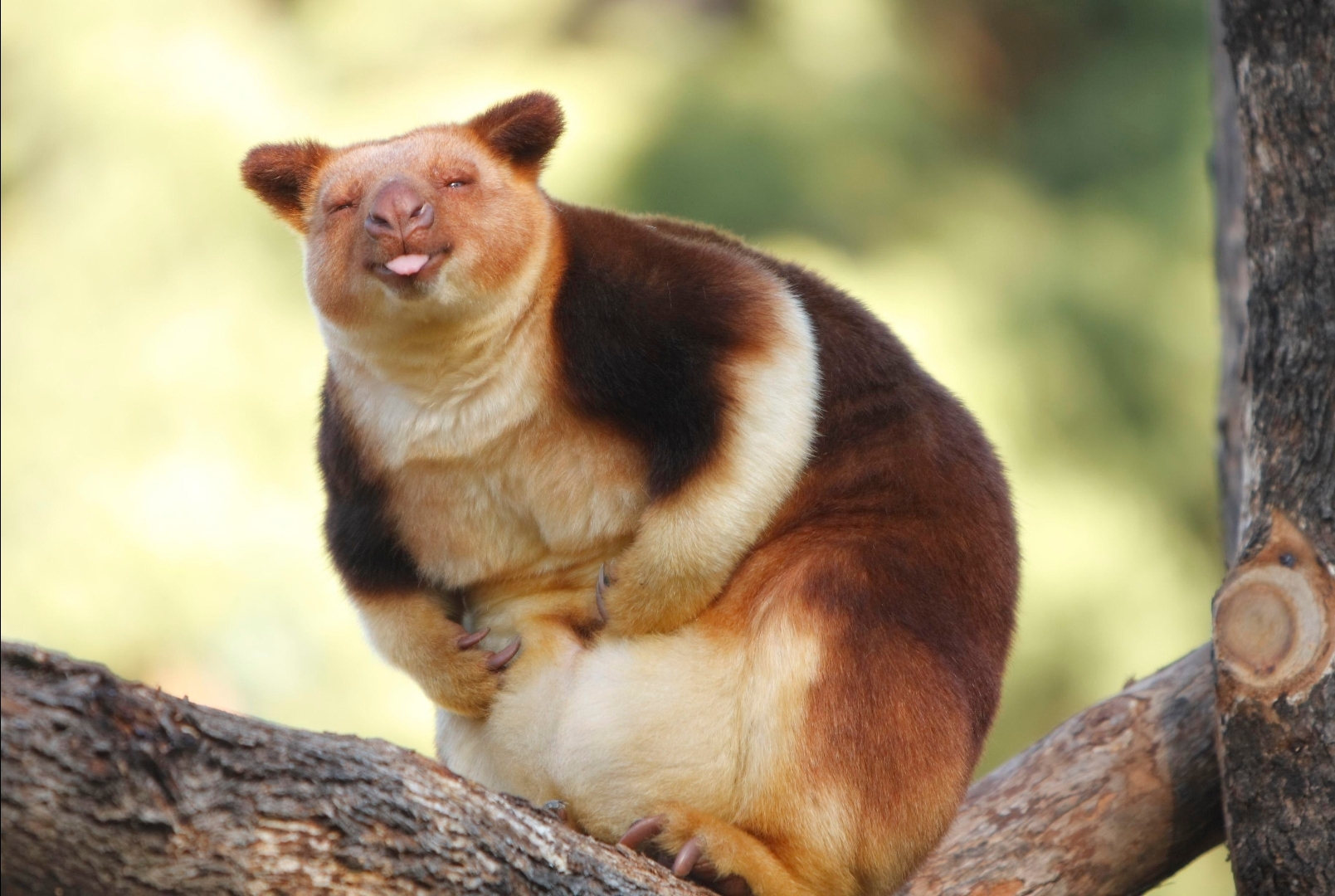
- Goodfellow’s Tree Kangaroo Dendrolagus goodfellowi: A striking red and gold coat announces the arrival of the Goodfellow’s tree kangaroos, sadly they are now endangered. Learn more.
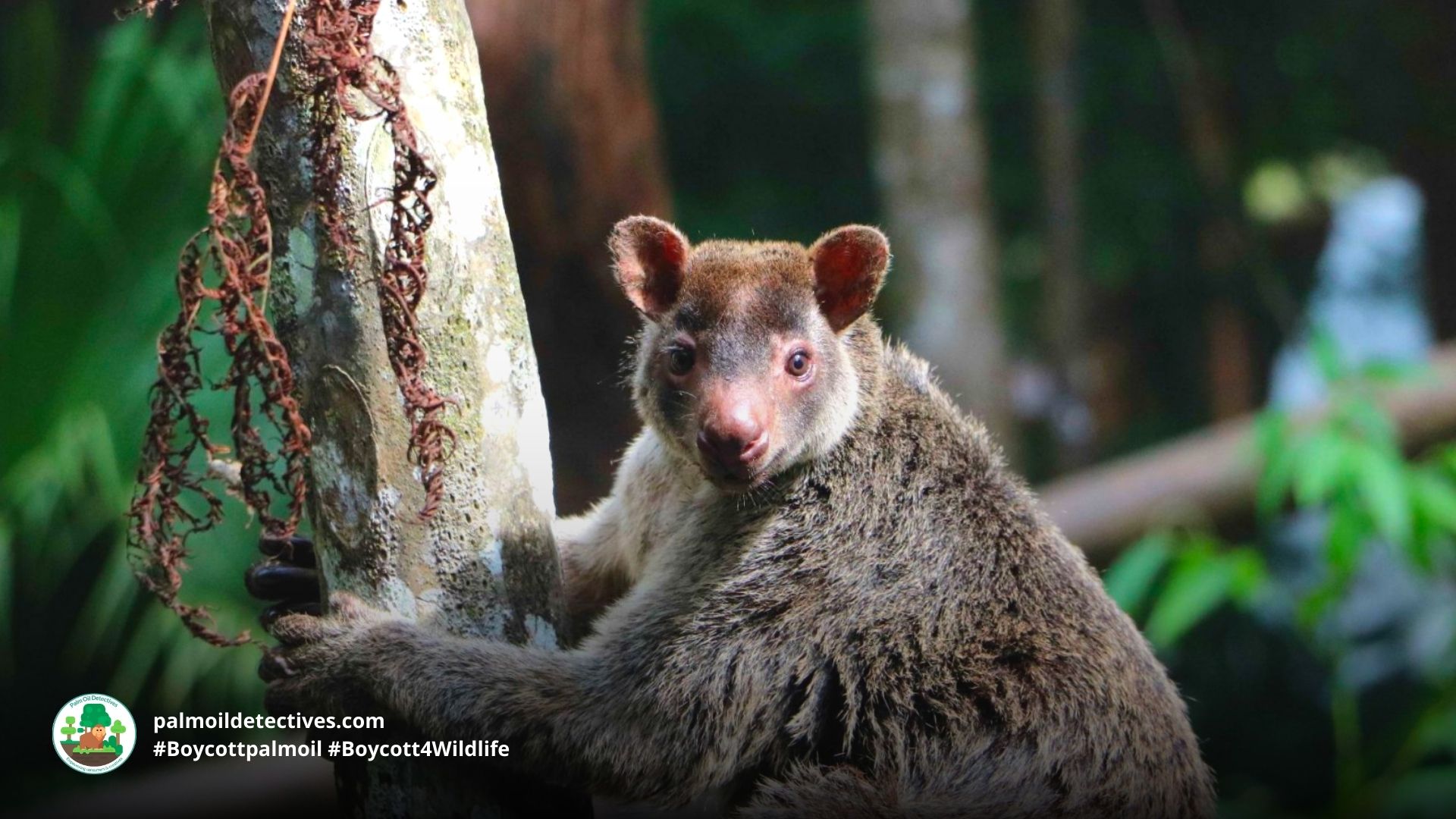
- Grizzled Tree Kangaroo Dendrolagus inustus: Distinguished by their grey fur and gentle eyes, these kangaroos are classed as vulnerable. Learn more.

Taking Action: How You Can Help

The rediscovery of the Wondiwoi tree kangaroo underscores the urgent need for consumer action. Here’s how you can make a difference:
- Boycott Palm Oil: Reject RSPO greenwashing and avoid products containing “sustainable” palm oil. Use your purchasing power to demand palm oil free in the supermarket. Join the #Boycottpalmoil and #Boycott4Wildlife movement on social media.
- Raise Awareness: Share posts on social media and engage in supermarket sleuthing to expose brands that use palm oil. Highlight the ongoing deforestation and animal cruelty.
- Support Indigenous Sovereignty: Advocate for the rights and sovereignty of Papuan indigenous peoples, recognising their crucial role in conserving rainforest habitats and as guardians of rare species.
- Donate: Support the ongoing advocacy of Palm Oil Detectives and the non-profit Tenkile Conservation Alliance, who work tirelessly to protect indigenous peoples, endangered species and their environments.
- Get Involved: Participate in local and global conservation efforts. Whether through social media activism, community education, or direct action, every effort counts.
By taking these steps, you can help ensure that the Wondiwoi tree kangaroo and other endangered species in Papua have a fighting chance to survive and thrive.
The fight to protect the Wondiwoi tree kangaroo is a testament to the resilience of nature and the enduring spirit of people all over the world who strive to safeguard it. Together, we can shine a light on the darkness of deforestation and exploitation, ensuring a brighter future for these remarkable creatures and their forest home.
Further Reading
Pickrell, J. (2018). Rare Wondiwoi tree kangaroo rediscovered. National Geographic. Retrieved from https://www.nationalgeographic.com/animals/article/rare-wondiwoi-tree-kangaroo-discovered-mammals-animals
IUCN. (2015). Dendrolagus mayri. The IUCN Red List of Threatened Species. Retrieved from https://www.iucnredlist.org/species/136668/21956785#assessment-information
Tenkile Conservation Alliance. (n.d.). Wondiwoi tree kangaroo. Retrieved from http://www.tenkile.com/wondiwoi-tree-kangaroo.html
Smith, M. (2024, January 10). I discovered a tree kangaroo that had only been seen once – by the man who shot it in 1928. The Guardian. Retrieved from https://www.theguardian.com/environment/2024/jan/10/i-discovered-tree-kangaroo-only-seen-once-1928-aoe
Palm Oil Detectives. (2021, February 3). Doria’s Tree Kangaroo. Retrieved from https://palmoildetectives.com/2021/02/03/dorias-tree-kangaroo-dendrolagus-dorianus/
Palm Oil Detectives. (2021, February 3). Lowlands Tree Kangaroo. Retrieved from https://palmoildetectives.com/2021/02/03/lowlands-tree-kangaroo-dendrolagus-spadix/
Palm Oil Detectives. (2021, January 31). Ifola. Retrieved from https://palmoildetectives.com/2021/01/31/ifola-dendrolagus-notatus/
Palm Oil Detectives. (2021, January 26). Tenkile. Retrieved from https://palmoildetectives.com/2021/01/26/tenkile-dendrolagus-scottae/
Palm Oil Detectives. (2021, January 26). Golden-mantled Tree Kangaroo. Retrieved from https://palmoildetectives.com/2021/01/26/golden-mantled-tree-kangaroo-dendrolagus-pulcherrimus/
Palm Oil Detectives. (2021, January 26). Vogelkop Tree Kangaroo. Retrieved from https://palmoildetectives.com/2021/01/26/vogelkop-tree-kangaroo-dendrolagus-ursinus/
Palm Oil Detectives. (2021, January 26). Huon Tree Kangaroo. Retrieved from https://palmoildetectives.com/2021/01/26/huon-tree-kangaroo-dendrolagus-matschiei/
Palm Oil Detectives. (2021, January 26). Goodfellow’s Tree Kangaroo. Retrieved from https://palmoildetectives.com/2021/01/26/goodfellows-tree-kangaroo-dendrolagus-goodfellowi/
Palm Oil Detectives. (2021, February 3). Grizzled Tree Kangaroo. Retrieved from https://palmoildetectives.com/2021/02/03/grizzled-tree-kangaroo-dendrolagus-inustus/
Image credits: Peter Schouten Illustration, Greenpeace, Craig Jones Wildlife Photography, Khlongwangchao and Michael Smith.
ENDS
Read about other animals endangered in Papua
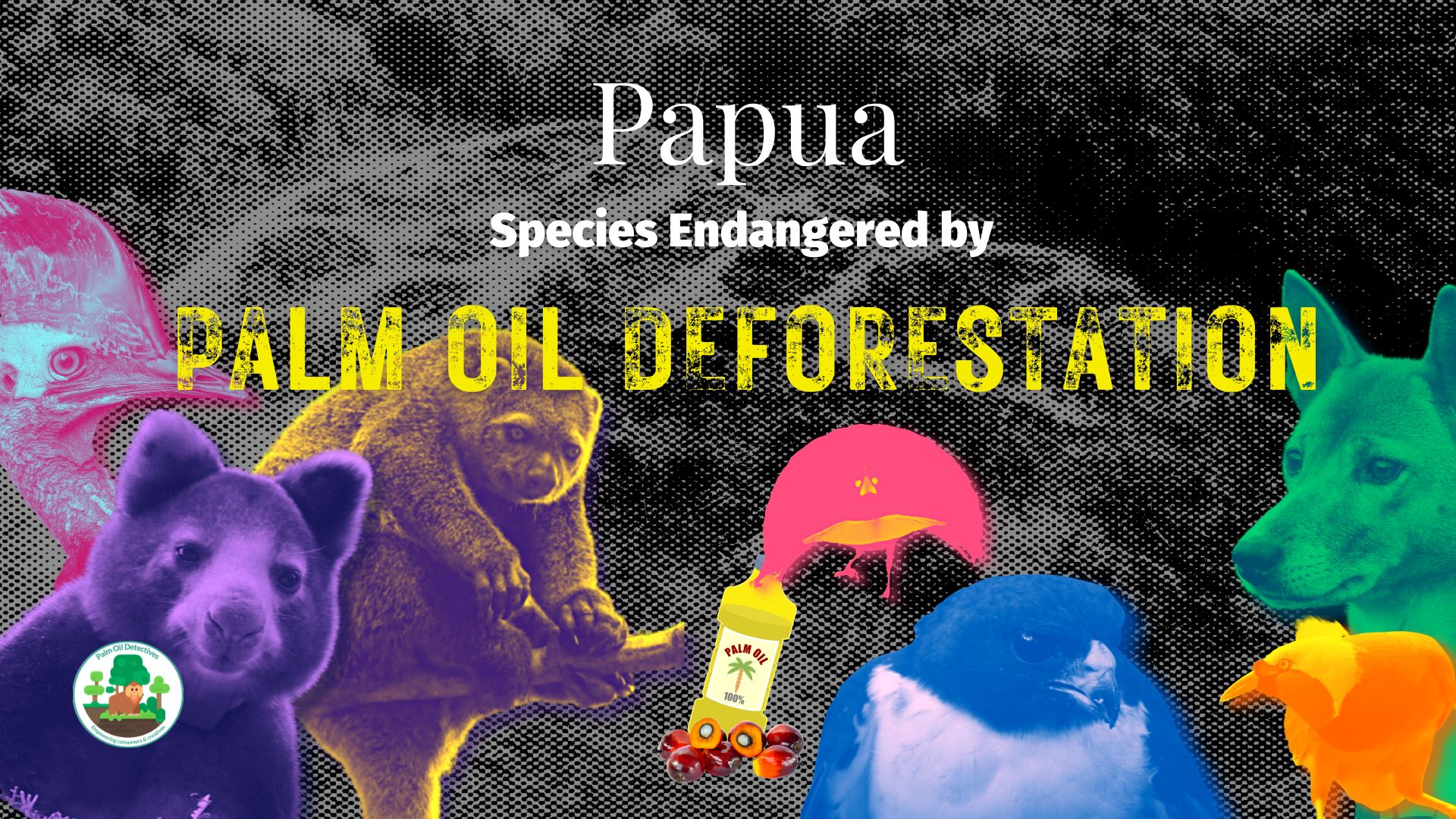
Learn about other animals endangered by palm oil and other agriculture

Learn about “sustainable” palm oil greenwashing
Read more about RSPO greenwashing
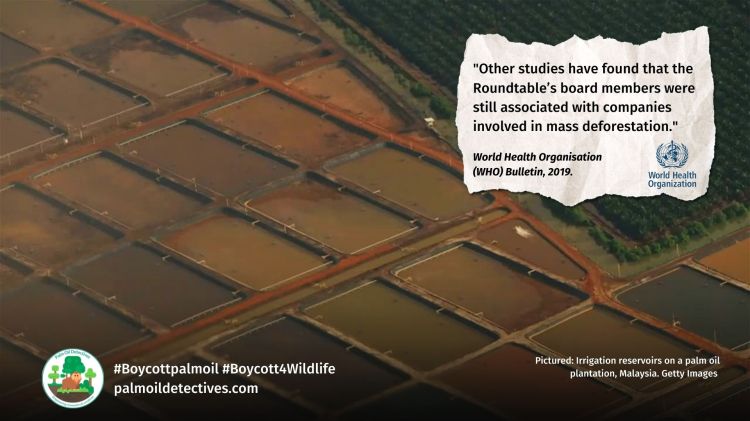
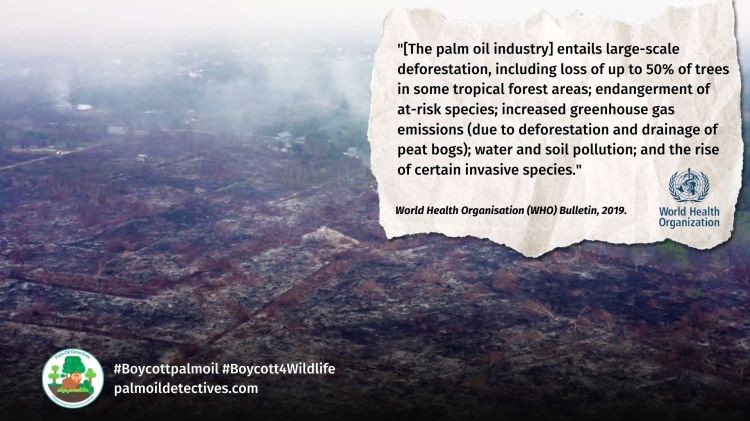
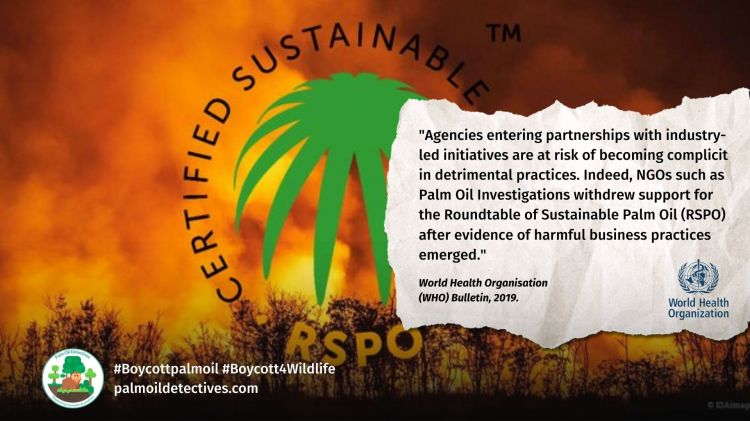
A 2019 World Health Organisation (WHO) report into the palm oil industry and RSPO finds extensive greenwashing of palm oil deforestation and the murder of endangered animals (i.e. biodiversity loss)


Take Action in Five Ways
1. Join the #Boycott4Wildlife on social media and subscribe to stay in the loop: Share posts from this website to your own network on Twitter, Mastadon, Instagram, Facebook and Youtube using the hashtags #Boycottpalmoil #Boycott4Wildlife.
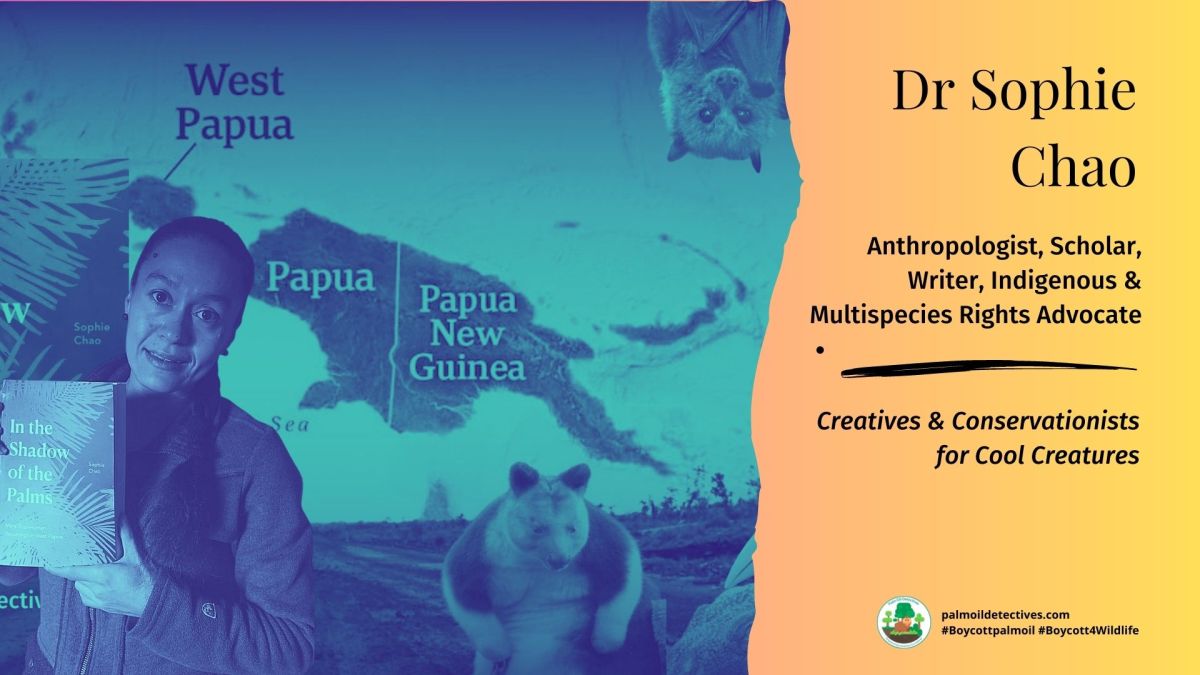
2. Contribute stories: Academics, conservationists, scientists, indigenous rights advocates and animal rights advocates working to expose the corruption of the palm oil industry or to save animals can contribute stories to the website.




3. Supermarket sleuthing: Next time you’re in the supermarket, take photos of products containing palm oil. Share these to social media along with the hashtags to call out the greenwashing and ecocide of the brands who use palm oil. You can also take photos of palm oil free products and congratulate brands when they go palm oil free.
4. Take to the streets: Get in touch with Palm Oil Detectives to find out more.
5. Donate: Make a one-off or monthly donation to Palm Oil Detectives as a way of saying thank you and to help pay for ongoing running costs of the website and social media campaigns. Donate here
Discover more from Palm Oil Detectives
Subscribe to get the latest posts sent to your email.
 Palm Oil Detectives
One thought on “Encountering the World’s Most Endangered Kangaroo: The Wondiwoi Tree Kangaroo”