
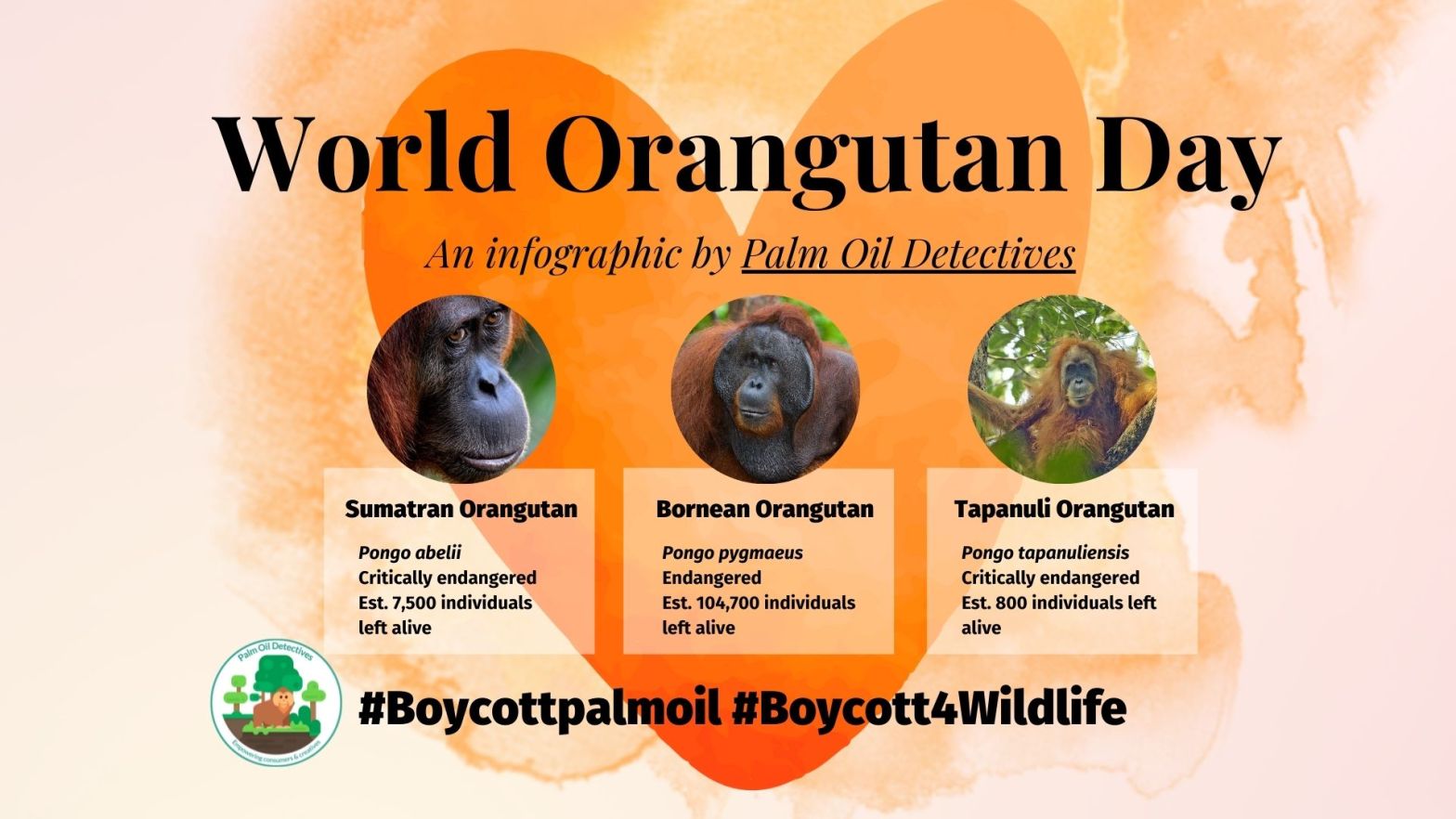
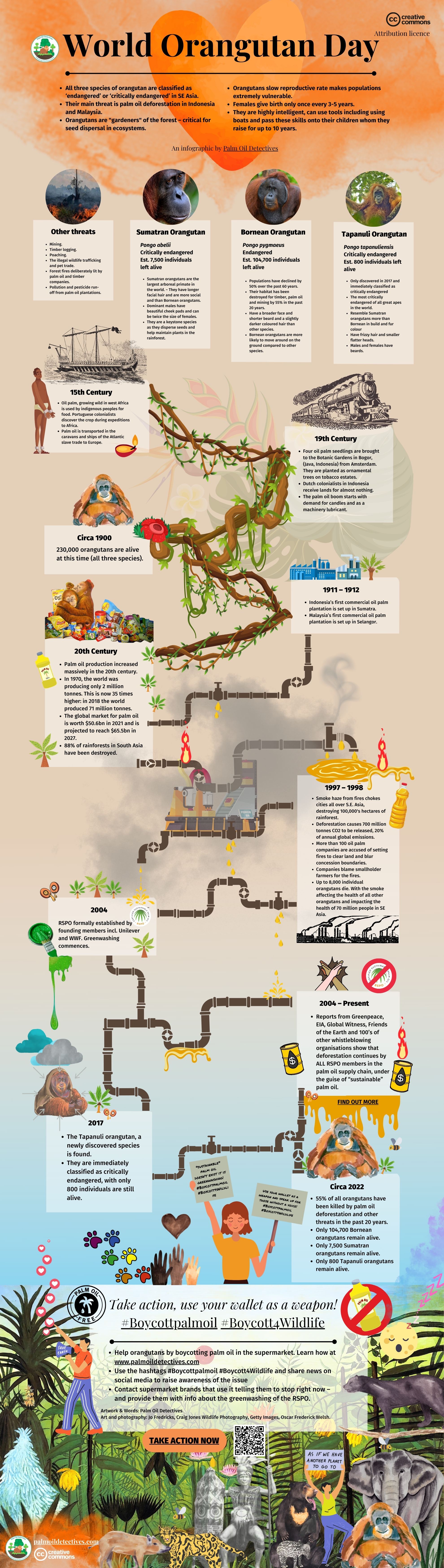
Although #WorldOrangutanDay falls on the 19th of August, every day deserves to be World Orangutan Day! So here is an infographic that you can download, print and share however you please. All three species of orangutan are classified as ‘endangered’ or ‘critically endangered’ in S.E. Asia. Their main threat is palm oil deforestation in Indonesia and Malaysia Help them and fight for their survival every time you shop! #BoycottPalmOil #Boycott4Wildlife
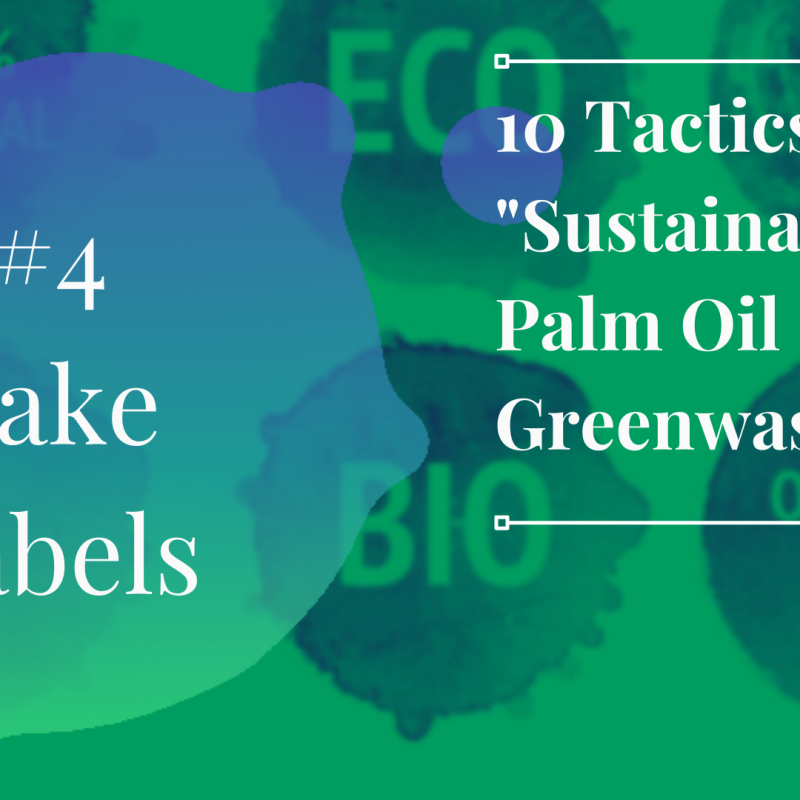
Aug 19th is #WorldOrangutanDay 🦧🧡 Yet for everyone who loves them, every single day is World #Orangutan Day! Learn why “Sustainable” #palmoil is a #greenwashing lie 🌴🚫. Help orange apes every time you #Boycottpalmoil #Boycott4Wildlife @palmoildetect https://wp.me/pcFhgU-4t7
Happy #WorldOrangutanDay, download your #FREE #infographic in the link 🧐👇 You’ve been sold a lie! #Orangutans face extinction from “sustainable” #palmoil, which DOES NOT STOP #DEFORESTATION 🔥🌴🚫 #Boycottpalmoil #Boycott4Wildlife! @palmoildetect https://wp.me/pcFhgU-4t7
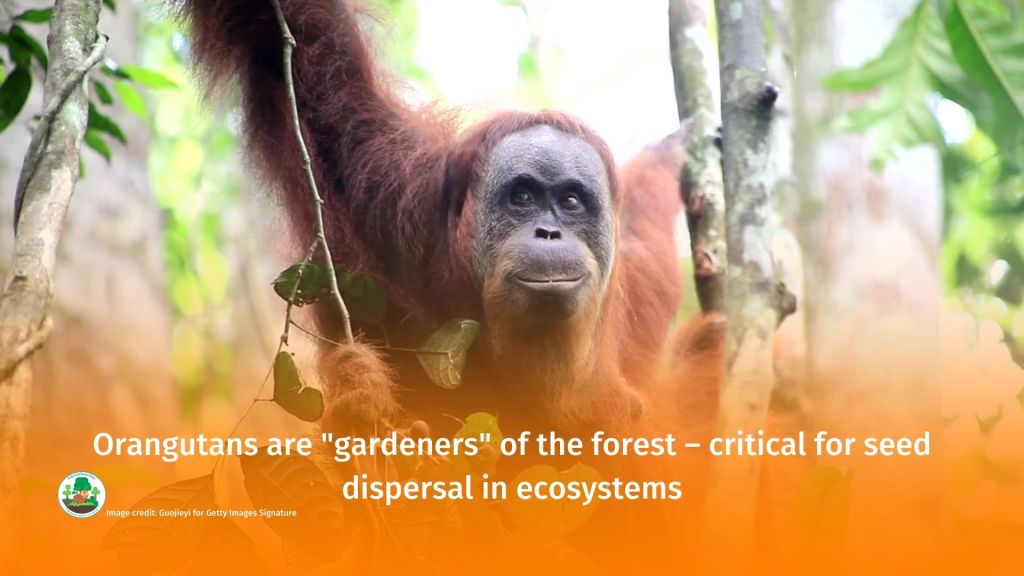
- Orangutans are known as “gardeners” of the forest, as they are critical for seed dispersal in ecosystems.
- The slow reproductive rate of orangutans makes populations extremely vulnerable.
- Female orangutans give birth only once every 3-5 years.
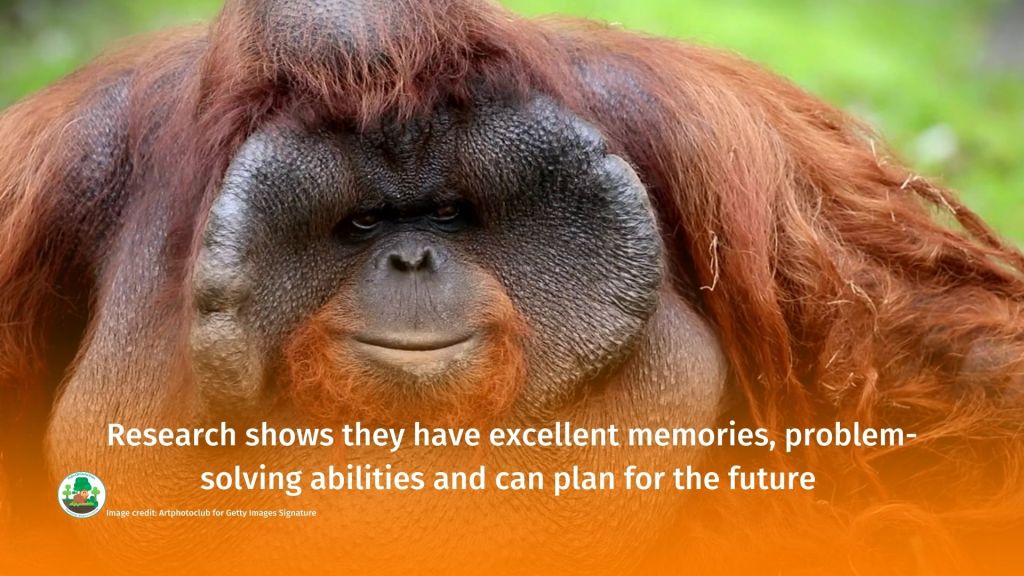
- Orangutans are highly intelligent, they use tools including using boats and they pass these skills onto their children whom they raise for up to 10 years.
Help to protect them!
#Boycottpalmoil #Boycott4Wildlife
This infographic is creative commons attribution licence, this means you are free to use it so long as you credit Palm Oil Detectives.
Infographic Sources
Animalia: Bornean Orangutan https://animalia.bio/bornean-orangutan
Animalia: Sumatran Orangutan https://animalia.bio/sumatran-orangutan
Animalia: Tapanuli Orangutan https://animalia.bio/tapanuli-orangutan
Global Palm Oil Market (2022 to 2027) – Industry Trends, Share, Size, Growth, Opportunity and Forecasts (2022). https://www.globenewswire.com/en/news-release/2022/05/17/2444825/28124/en/Global-Palm-Oil-Market-2022-to-2027-Industry-Trends-Share-Size-Growth-Opportunity-and-Forecasts.html
The Asian Forest Fires of 1997-1998, Mongabay. https://rainforests.mongabay.com/08indo_fires.htm
TIMELINE: Slaves, colonials, weevils: palm oil’s historic rise, Reuters (2019). https://www.reuters.com/article/us-indonesia-forest-palm-timeline-sb-idUSTRE58M01I20090923
Research: Palm Oil Deforestation and its connection to RSPO members/supermarket brands, Palm Oil Detectives, (2021). https://palmoildetectives.com/2021/02/07/research-palm-oil-deforestation-and-its-connection-to-brands/
RSPO: History and timeline. https://rspo.org/about
Wildfires May Cause Long-Term Health Problems for Endangered Orangutans, Rutgers (2018). https://www.rutgers.edu/news/wildfires-may-cause-long-term-health-problems-endangered-orangutans
Orangutans: Architects of the Forest, Champions of Survival
Embracing International Orangutan Day: Guardians of the Canopy
On August 19th each year, orange ape enthusiasts celebrate cheeky and nurturing orangutans of Indonesia and Malaysia. With their flame-coloured fur and expressive eyes like deep obsidian pools, orangutans are not only symbols of wild intelligence, they are vital ecological architects dispersing seeds and contributing to the survival of their rainforest home.

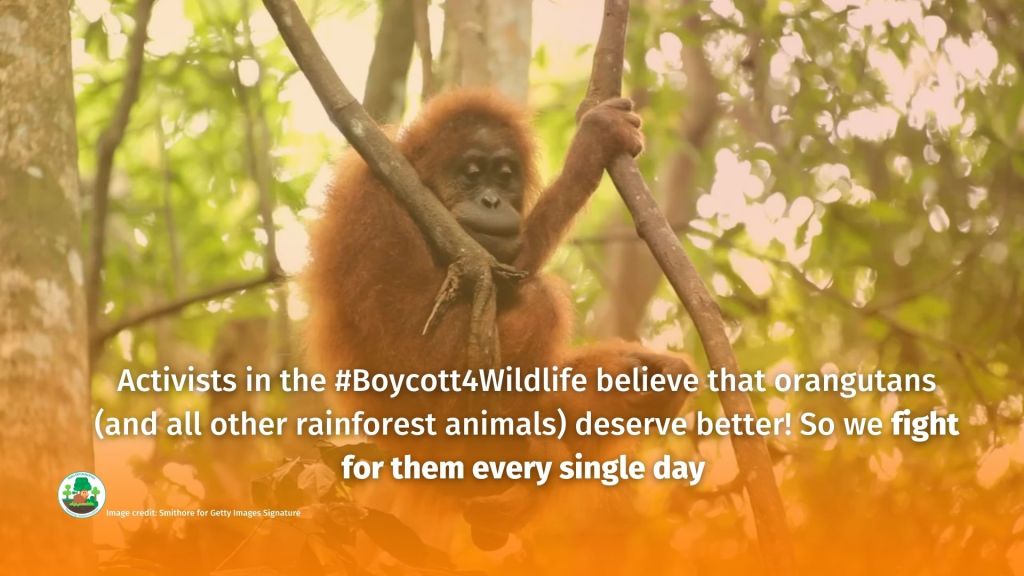
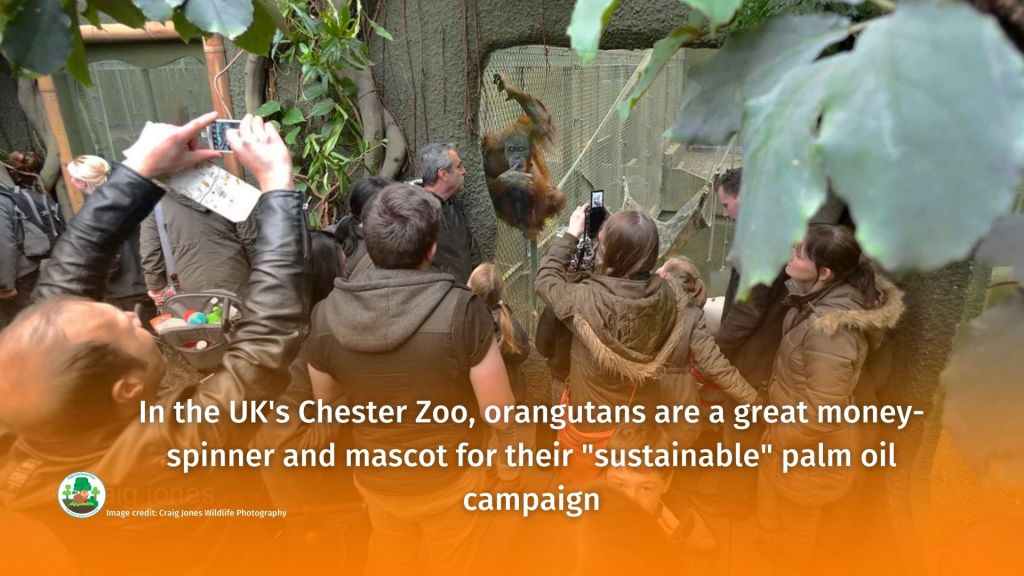
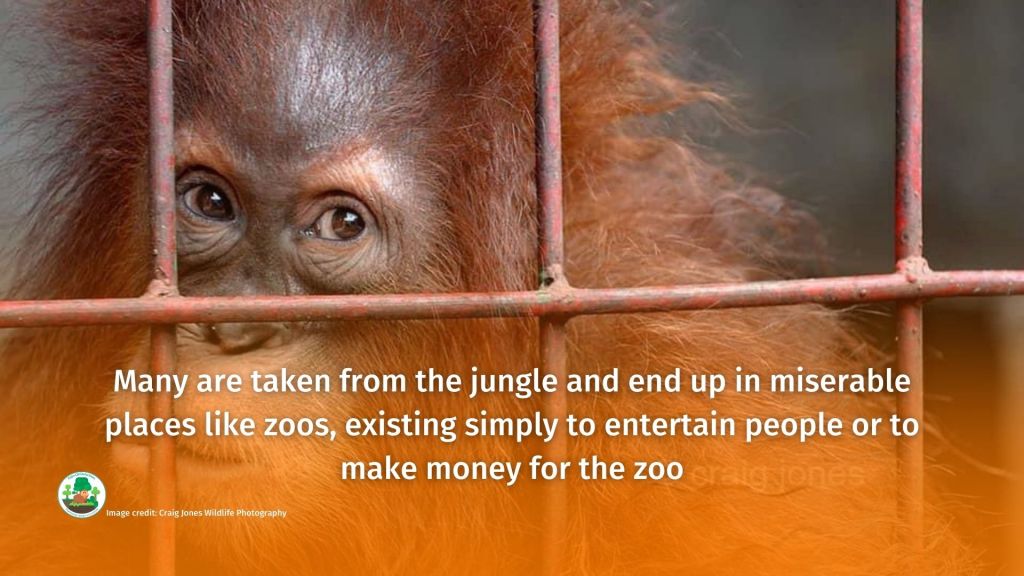

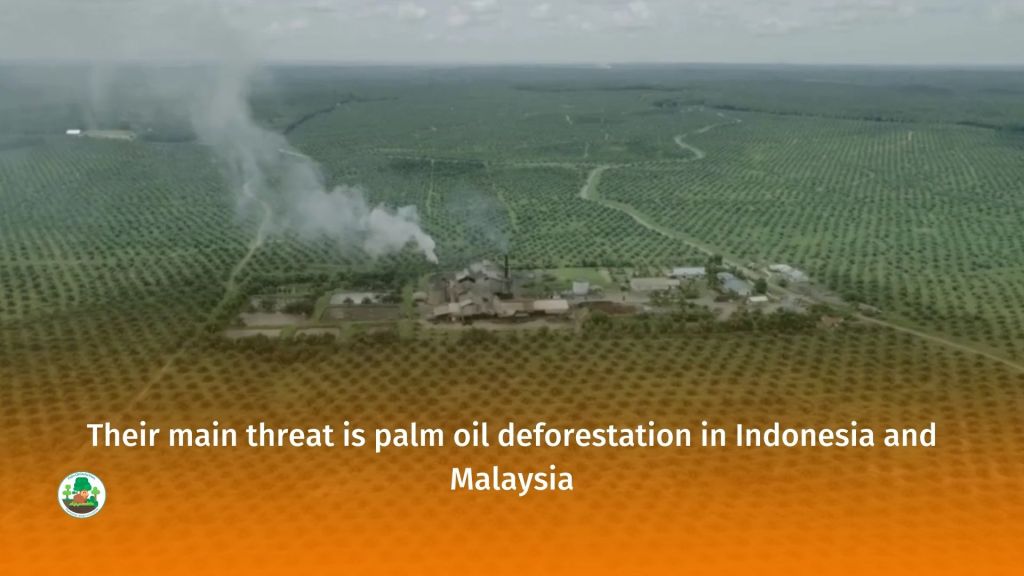
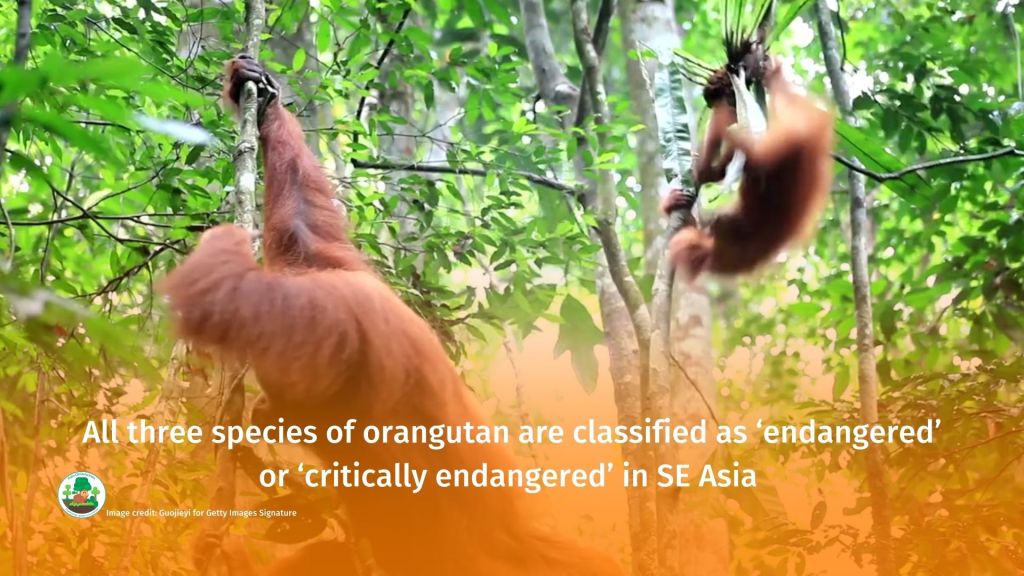

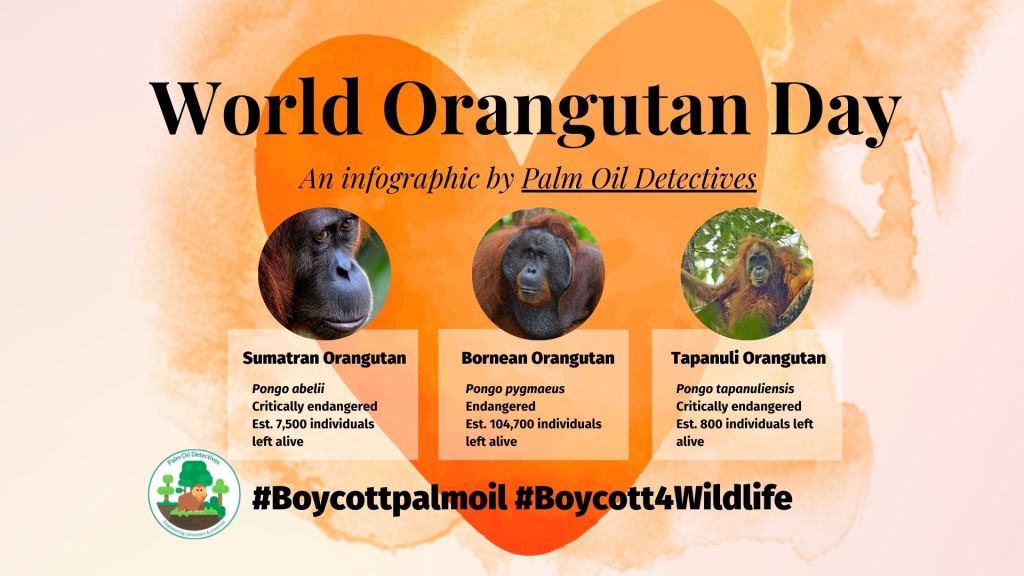
Celebrations of World Orangutan Day are tempered with immense worry for animal lovers each year. All three species of orangutan are on the brink of extinction. The relentless expansion of industrial palm oil plantations, roads and infrastructure slices through the heart of the rainforest. Human encroachment puts these gentle giants closer to greedy and unscrupulous poachers and also farmers who kill them in retribution for invading their crops.
Read on to discover the indelible and unique scientific discoveries about orangutans over the past few years. Also take a look at this infographic to understand how palm oil colonialism and land-grabbing have manifested into a pressure cooker of risks for one of our closest evolutionary relatives. Finally learn how you can take action to help orangutans every time you shop.
Murmurs of Meaning: The Complex Language of Orangutans
Orangutans communicate in ways that continue to fascinate people. A recent study has unlocked new insights into their sophisticated communication methods, revealing how orangutans use vocalisations and gestures to convey emotions and information (Erb et al., 2024). The study, conducted by a team of researchers from several institutions, employed machine learning algorithms to analyse vocal recordings of orangutans in the wild.
Key Findings
- Diverse Vocalisations: Researchers identified over 200 distinct sounds used by orangutans, ranging from long-distance calls to subtle grunts and whistles. These vocalisations serve various purposes, including warnings of danger, expressions of joy, and coordination of group activities.
- Gesture Communication: In addition to vocal sounds, orangutans use a rich tapestry of gestures to communicate, such as arm waves and facial expressions. These gestures are often used in social interactions, highlighting their rich emotional intelligence and social complexity
Implications
Understanding these communication patterns not only provides a window into the cognitive abilities of orangutans but also underscores the need for conservation strategies that consider their social dynamics. Protecting their habitats allows orangutans to continue engaging in these complex social behaviours, essential for their survival and well-being.
Tool-Wielding Innovators: The Ingenious Minds of Orangutans
Recently, researchers were given insight into how orangutans showcase their remarkable intelligence through the use of tools. A study detailed the innovative ways these apes utilise objects in their environment, demonstrating a level of cognitive sophistication that rivals even our closest relatives, the chimpanzees (Motes-Rodrigo et al., 2022). This research, led by Alba Motes-Rodrigo and her team, observed wild orangutans across several regions in Sumatra.
Key Findings
- Tool Usage: The study documented instances where orangutans used sticks to extract insects from tree bark and employed leaves as makeshift umbrellas during tropical downpours. This behaviour reflects their problem-solving skills and adaptability to environmental challenges.
- Cultural Transmission: Researchers noted that tool use varied across different orangutan communities, suggesting that these skills are passed down through generations, much like cultural traditions in human societies.
Implications
These findings highlight the orangutans’ ability to innovate and adapt, underscoring the importance of preserving their habitats to allow for such natural behaviours. By understanding their tool use, conservationists can develop strategies that cater to their cognitive needs, ensuring that these intelligent beings continue to thrive in their natural environments.
Using Healing Jungle Herbs: Orangutans and Self-Medication
In an extraordinary display of natural wisdom, orangutans have been seen in the wild tending to their own painful wounds. A groundbreaking study revealed that orangutans in the wild use plants with medicinal properties to alleviate pain and discomfort (Laumer et al., 2024). This research, led by Isabelle B. Laumer and her colleagues at the University of Zurich, involved detailed observation and analysis of orangutan behaviour in their natural habitat.
Key Findings
Medicinal Plants: The study found that orangutans use various forest plants known to humans for their anti-inflammatory and analgesic properties. They were observed chewing leaves and applying them to their skin to treat muscle and joint pain, showcasing a sophisticated understanding of the medicinal properties of their environment.
Behavioural Evidence: By closely monitoring orangutan behaviour, researchers documented over 20 instances of self-medication, providing compelling evidence of their ability to diagnose and treat their own health issues.
Implications
This remarkable discovery highlights the depth of orangutans’ ecological knowledge and underscores the importance of preserving their natural habitats. By protecting these environments, we not only safeguard the orangutans’ ability to care for themselves, but also maintain the biodiversity that supports such important medicinal plant life. Understanding this behaviour offers valuable insights into the evolution of self-care and the potential for discovering new medicinal compounds that could benefit human health as well.
Hilarious Hijinks: Great Apes and Playful Teasing
Recent research has shown that playful teasing isn’t limited to human babies. Scientists hypothesised that because language isn’t necessary for teasing, this behaviour might also exist in non-human animals. Indeed, cognitive biologists and primatologists have observed playful teasing in four great ape species. Like human humour, ape teasing involves provocation, persistence, and unexpected playful elements. The fact that all four great ape species exhibit this behaviour suggests that the origins of humour may have evolved in our shared ancestors at least 13 million years ago.
Key Findings
- Play Behaviour: Orangutans were observed engaging in various playful activities, including mock wrestling, swinging contests, and teasing games. These behaviours are crucial for social bonding and development, helping young orangutans learn social cues and build relationships.
- Emotional Intelligence: The study found that playfulness is linked to emotional intelligence, as orangutans display empathy and care in their interactions, often comforting one another during moments of distress.
Implications
Recognising the playful nature of orangutans highlights the importance of preserving their social groups and habitats. By understanding their social dynamics, conservationists can develop empathetic strategies that honour their complex social structures, ensuring the continued survival of these remarkable beings in the wild.
Family Bonds: The Deep Connections in Orangutan Communities
Orangutans, just like us spend many years nursing and nurturing their young before they are ready to fly solo. So it’s therefore no surprise that the bond between orangutan mothers and her baby is so profoundly powerful. A recent study by researchers at the Max Planck Institute for Evolutionary Anthropology observed orangutan families across various habitats in Borneo and revealed the intricacies of their connections.
Key Findings
- Long-Term Parenting: Orangutan mothers were found to invest up to eight years in raising their young, teaching them essential survival skills and knowledge about their environment. This extended parenting period is crucial for the development of independence and competence in young orangutans.
- Social Learning: The study also revealed that young orangutans learn from their mothers through observation and imitation, acquiring skills such as foraging, nest building, and navigation of the forest canopy.
Implications
Understanding the family bonds and social learning in orangutan communities highlights the urgent need to protect their habitats, ensuring that these family structures remain intact. By safeguarding their environments, we preserve the social dynamics that are critical to their well-being and survival, allowing future generations of orangutans to flourish.
Unmasking the Greenwash: The Truth Behind ‘Sustainable’ Palm Oil
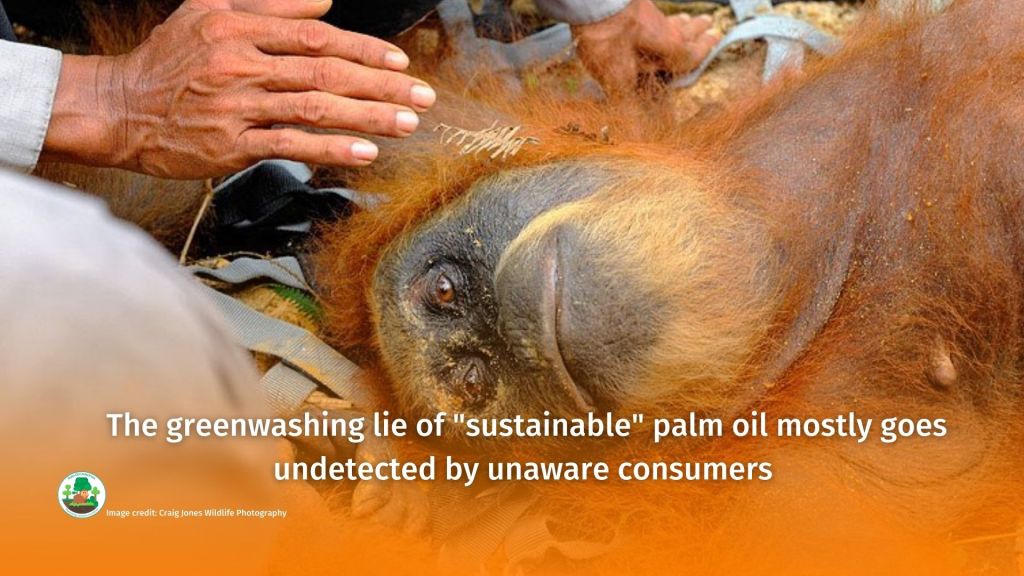
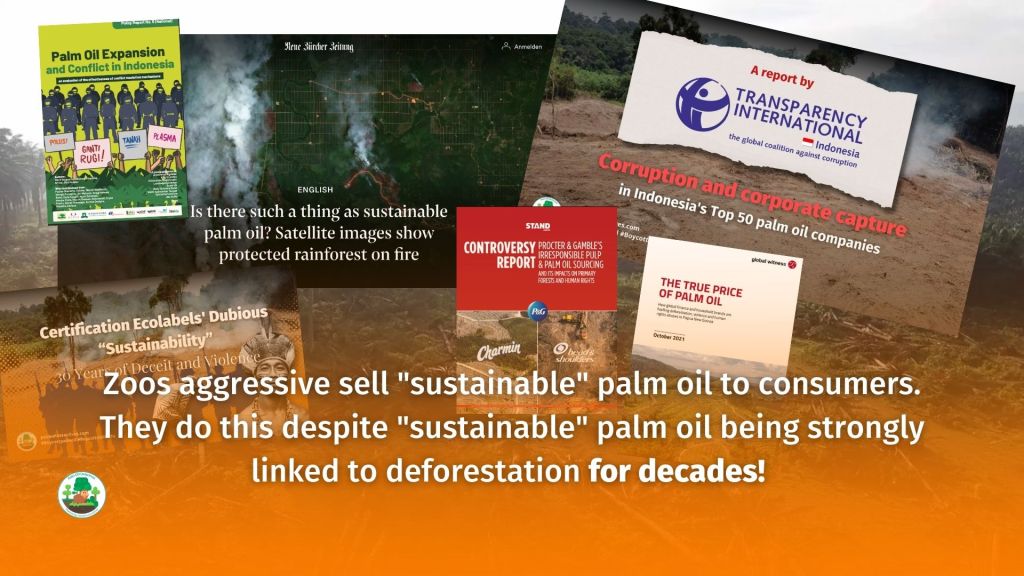
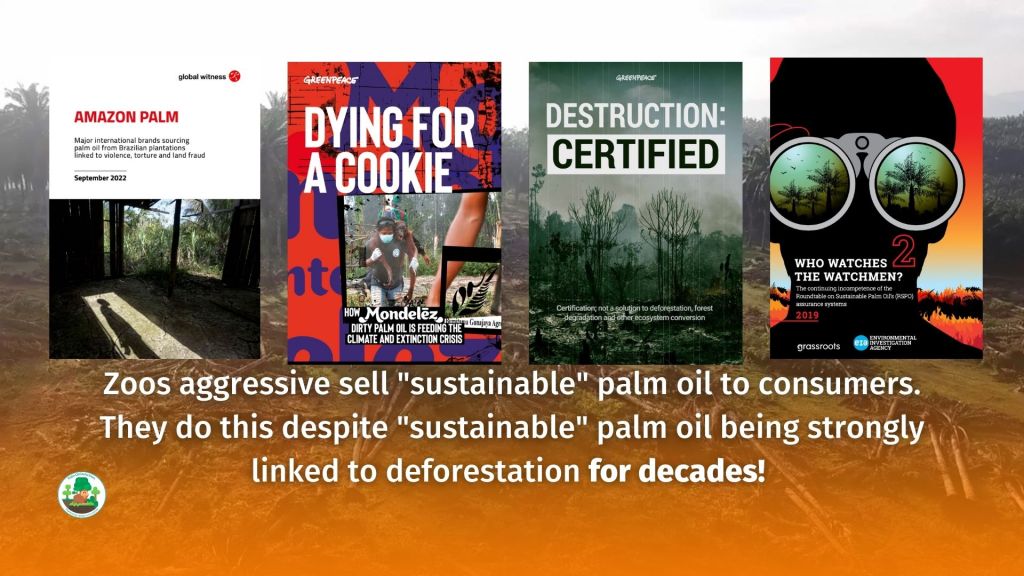
The palm oil industry frequently markets itself as “sustainable,” yet reports by industry watchdogs like the World Health Organisation, Greenpeace, Environmental Investigation Agency and researchers reveals that the RSPO is nothing more than an industry sponsored greenwashing body.
Key Findings
- Deforestation: The study highlights how palm oil plantations contribute significantly to deforestation in regions such as Indonesia and Malaysia, leading to the loss of critical orangutan habitats. Despite certifications like the Roundtable on Sustainable Palm Oil (RSPO), these practices persist, often bypassing genuine sustainability criteria.
- Impact on Indigenous Communities: In addition to environmental destruction, the expansion of palm oil plantations displaces indigenous communities, disrupting traditional ways of life and contributing to social unrest.
Implications
Exposing the greenwashing tactics of the palm oil industry is crucial for advocating genuine conservation solutions that prioritise orangutans and their ecosystems. By holding the industry accountable, we can work towards strategies that genuinely reflect the needs of these remarkable creatures and the environments they inhabit.
Take Action: Stand with Orangutans and Protect Their Future
Boycott Palm Oil and Meat Products
One of the most effective ways to support orangutans and their lush forest eden is to boycott products containing palm oil and meat. By choosing plant-based and palm oil free alternatives, you can help reduce the demand for these industries, contributing to the preservation of rainforests and protection of rare endangered animals. Learn which brands to boycott and brands to buy on the Palm Oil Detectives website.
Support Indigenous Rights
Empowering indigenous communities for self-determination is critical to protect ecosystems and animals. Organisations like WAHLI and World Rainforest Movement support indigenous rights and grassroots collective action against palm oil and timber corruption.
Raise Awareness on Social Media
Join the #Boycott4Wildlife movement on social media by sharing posts and information about the plight of orangutans. Use hashtags like #Boycottpalmoil and #Boycott4Wildlife to spread awareness and encourage others to take action.
Be a Supermarket Sleuth
The next time you’re shopping, take a closer look at product labels to identify those containing palm oil. Share your a photo of what you discover on social media and call out brands engaging in greenwashing, using the #BoycottPalmOil #Boycott4Wildlife hashtags.
Conclusion
On International Orangutan Day, we celebrate the remarkable lives of orangutans and commit to protecting their future. By understanding their unique characteristics, exposing the myths of the palm oil industry, and taking action to preserve their habitats, we can ensure a brighter future for these magnificent creatures and the ecosystems they inhabit.
References
- Alba Motes-Rodrigo, Shannon P. McPherron, Will Archer, R. Adriana Hernandez-Aguilar, Claudio Tennie. Experimental investigation of orangutans’ lithic percussive and sharp stone tool behaviours. PLOS ONE, 2022; 17 (2): e0263343 DOI: 10.1371/journal.pone.0263343
- Erb, W. M., Ross, W., Kazanecki, H., Setia, T. M., Madhusudhana, S., & Clink, D. J. (2024). Vocal complexity in the long calls of Bornean orangutans. PeerJ, 12, Article e17320. https://peerj.com/articles/17320
- Isabelle B. Laumer, Arif Rahman, Tri Rahmaeti, Ulil Azhari, Hermansyah, Sri Suci Utami Atmoko, Caroline Schuppli. Active self-treatment of a facial wound with a biologically active plant by a male Sumatran orangutan. Scientific Reports, 2024; 14 (1) DOI: 10.1038/s41598-024-58988-7
- 10.1371/journal.pone.0263343
- Laumer I.B., Winkler S, Rossano F, Cartmill EA. Spontaneous playful teasing in four great ape species. Proceedings of the Royal Society B, 2024 DOI: 10.1098/rspb.2023.2345
- Palm Oil Detectives. (2024). Great news: Apes have a sense of humour. Palm Oil Detectives. Retrieved from https://palmoildetectives.com/2024/03/17/great-news-apes-have-a-sense-of-humour-and-they-enjoy-teasing-each-other/
- Palm Oil Detectives. (2022). Roundtable on sustainable palm oil: 19 years is enough. Palm Oil Detectives. Retrieved from https://palmoildetectives.com/2022/12/17/roundtable-on-sustainable-palm-oil-19-years-is-enough/
- Palm Oil Detectives. (2023). Certification and ecolabels: Dubious sustainability. Palm Oil Detectives. Retrieved from https://palmoildetectives.com/2023/06/18/certification-ecolabels-dubious-sustainability-30-years-of-deceit-and-violence/
- University of Michigan. (2023). Palm oil deforestation in Guatemala. Palm Oil Detectives. Retrieved from https://palmoildetectives.com/2023/07/26/palm-oil-deforestation-in-guatemala-certifying-products-as-sustainable-is-no-panacea-university-of-michigan/
Here are some other ways you can help by using your wallet as a weapon and joining the #Boycott4Wildlife


Contribute to my Ko-Fi
Did you enjoy visiting this website?

Palm Oil Detectives is 100% self-funded
Palm Oil Detectives is completely self-funded by its creator. All hosting and website fees and investigations into brands are self-funded by the creator of this online movement. If you like what I am doing, you and would like me to help meet costs, please send Palm Oil Detectives a thanks on Ko-Fi.
Palm Oil Detectives is 100% self-funded
Palm Oil Detectives is completely self-funded by its creator. All hosting and website fees and investigations into brands are self-funded by the creator of this online movement. If you like what I am doing, you and would like me to help meet costs, please send Palm Oil Detectives a thanks on Ko-Fi.
Discover more from Palm Oil Detectives
Subscribe to get the latest posts sent to your email.
 Palm Oil Detectives
Reblogged this on MARY CALVO Musician.
LikeLiked by 2 people