
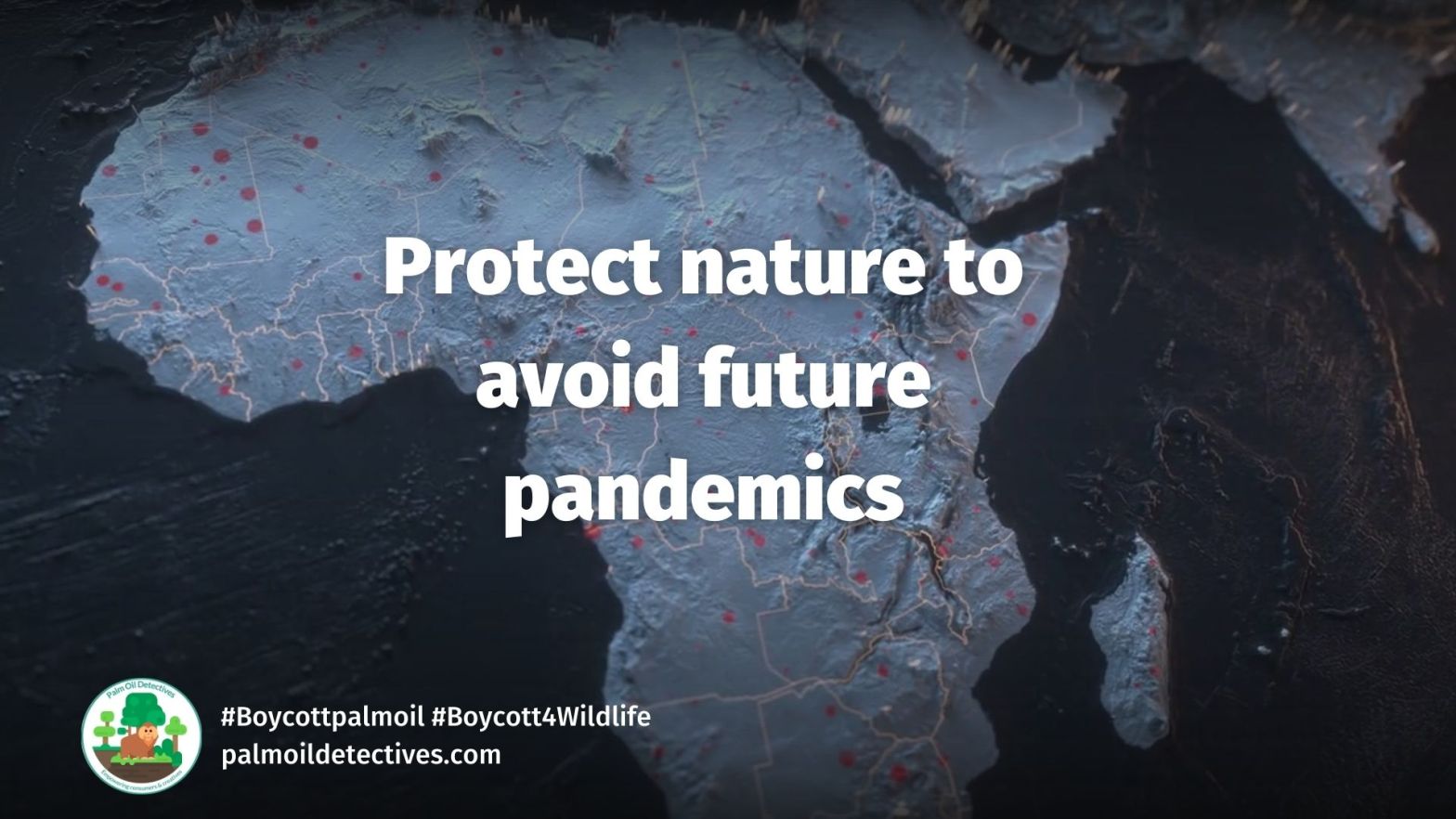
Research from University of Queensland and published in The Lancet: Planetary Health finds that the COVID-19 pandemic is linked to the decline of ecosystems and biodiversity, creating a cycle that could lead to more pandemics. The pandemic, caused by a virus jumping from animals to humans, has worsened deforestation, increasing human-wildlife contact and the risk of future disease outbreaks. The study emphasizes the need for a One Health approach, combining public health, conservation efforts and involving indigenous custodianship of land and indigenous traditional knowledge to prevent outbreaks by protecting ecosystems. We must safeguard biodiversity to prevent more pandemics. #Boycottpalmoil #Boycott4Wildlife
@UQ_News research published in @TheLancetPlanet finds that #pandemics are linked to #ecosystem and #biodiversity declines, with viruses jumping from animals to humans. Urgent #publichealth and #conservation policies needed #Boycott4Wildlife @palmoildetect https://wp.me/pcFhgU-77u
This research was originally published in The Lancet Planetary Health (DOI: 10.1016/S2542-5196(21)00258-8). The media release below from the University of Queensland was published on 16th November, 2021, view original
Scientists have investigated the links between the COVID-19 pandemic and the deterioration of the world’s ecosystems and their biodiversity, discovering feedback loops that suggest a potential increase in future pandemics.
University of Queensland Master of Conservation Biology graduate Odette Lawler, collaborating with a team of students and fellows contributing to the study in Professor Salit Kark’s Biodiversity Research Group, said that the links between biodiversity loss, habitat degradation and zoonotic disease transfer had long been understood, but it’s taken an international pandemic to bring the issue to public attention.
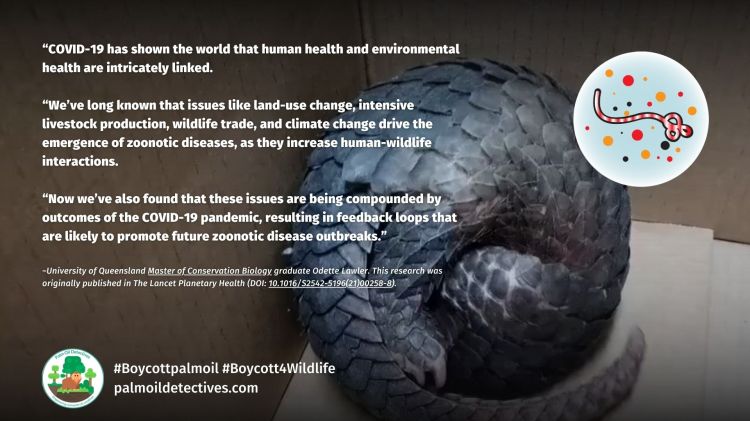
“COVID-19 has shown the world that human health and environmental health are intricately linked,” Ms Lawler said.
“We’ve long known that issues like land-use change, intensive livestock production, wildlife trade, and climate change drive the emergence of zoonotic diseases, as they increase human-wildlife interactions.
“Now we’ve also found that these issues are being compounded by outcomes of the COVID-19 pandemic, resulting in feedback loops that are likely to promote future zoonotic disease outbreaks.
“For example, research has found that rates of deforestation have substantially increased in many regions around the world over the course of the COVID-19 pandemic.
“This is likely due to some combination of pandemic-related factors, including decreased enforcement of forest protections, relaxation of sustainability agreements and environmental deregulation, increased pressures on low-income communities, and threats to Indigenous land managers.
“This means that COVID-19 – a pandemic sparked by a pathogen spilling from animal to human populations – has played a part in fuelling further deforestation, which in turn increases risk of future zoonotic disease emergence by increasing human-wildlife interactions.”
The research team stressed that responses to COVID-19 must include actions aimed at safeguarding biodiversity and ecosystems.
Senior researcher UQ’s Professor Salit Kark, who led and supervised the study said that such responses would benefit from adopting what is known in public health and conservation circles as a One Health approach.
“One Health is a collaborative, transdisciplinary approach that aims to optimise health outcomes for communities arising from factors operating, for example, at the intersections between people, animals and their shared environment,” Professor Kark said.
“It’s an approach that can help holistically address outbreaks before they happen, working closely with the community and engaging people in preventative ecosystem and human health.
“Here in Australia, the emphasis should be on developing close, long-term collaboration and engagement with First Nations communities and other partners to address these risks.
“And, internationally, Australia has so many valuable ties, which can be strengthened through working together with other nations to address the drivers of zoonotic disease emergence. In this paper, for example, the team closely collaborated with a group based in Nepal working in the area.
“It’s vital we invest in protecting biodiversity and ecosystem health and address the drivers of zoonotic disease.
“If we don’t, we really are increasing the likelihood of future zoonotic disease emergence and further pandemics arising, and we now all know just how world-altering and high-impact they can be.”
The research has been published in The Lancet Planetary Health (DOI: 10.1016/S2542-5196(21)00258-8).
This research was originally published in The Lancet Planetary Health (DOI: 10.1016/S2542-5196(21)00258-8). The media release from the University of Queensland was published on 16th November, 2021 View original
ENDS
Read more about deforestation and ecocide in the palm oil industry

So-called ‘Net Zero’ Flights Flush Rainforest Carbon Into the Sky
Virgin Atlantic airlines now uses ‘sustainable aviation fuel’ however experts call it greenwashing and industry spin causing climate change. Boycott palm oil!
Read more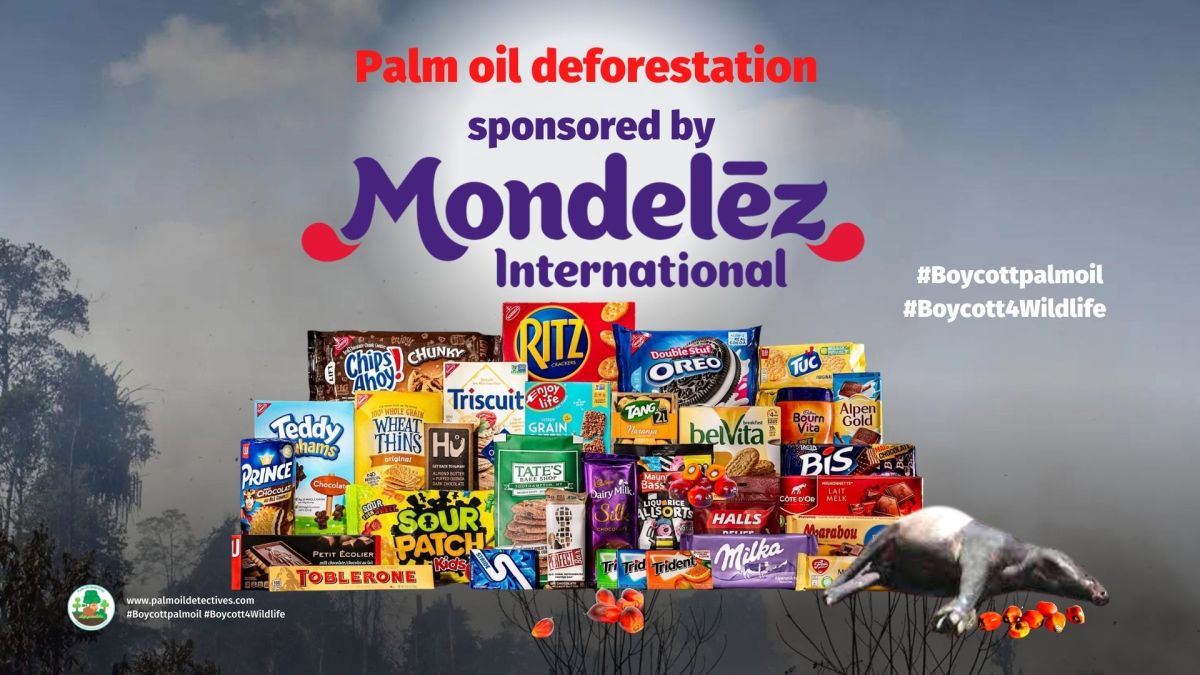
Oreo Maker Linked to Ongoing Deforestation and Human Rights Abuses
Mondelēz International who make Oreos keep sourcing palm oil from suppliers linked to violence and deforestation. Their RSPO certification is pure greenwash!
Read more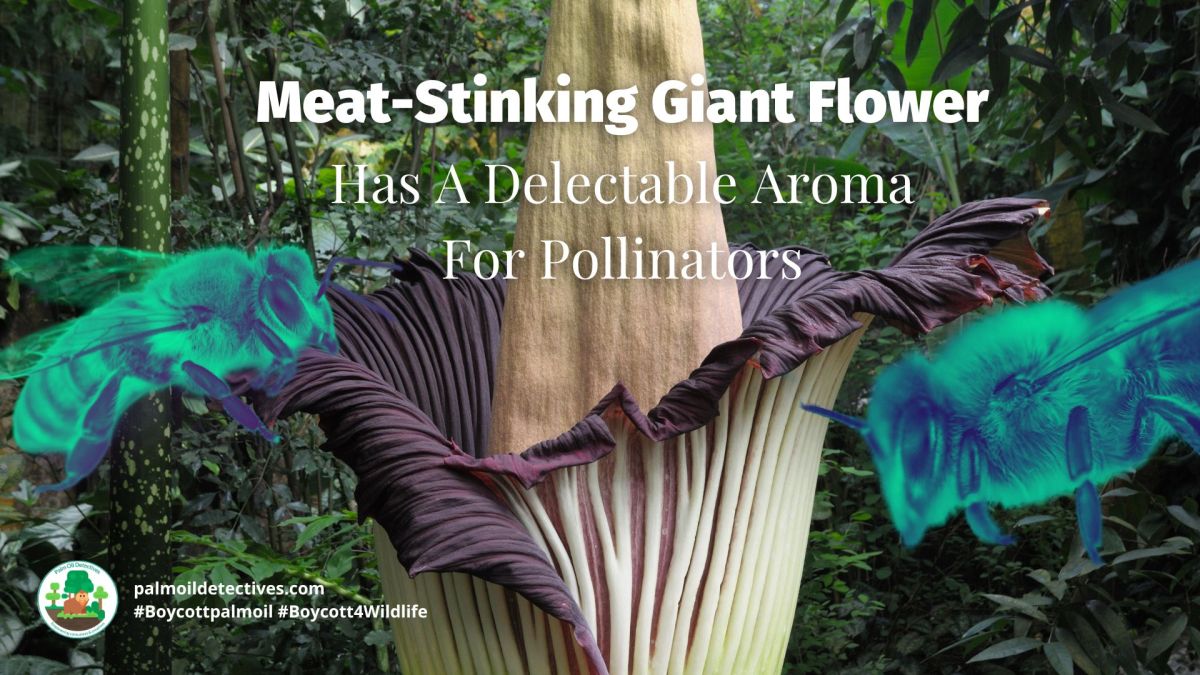
Meat-Stinking Giant Flower Has A Delectable Aroma For Pollinators
Titan Arum AKA ‘Corpse Flowers’ is famous for its repulsive meat smell. Palm oil agriculture is a massive threat to these rare stinky plants. Take action!
Read more
World’s Wealthiest Drive Two Thirds of Global Warming Since 1990
Wealthiest people in USA and China responsible for 2/3 of global warming since 1990. Climate policies needed to target the richest people on the planet now!
Read more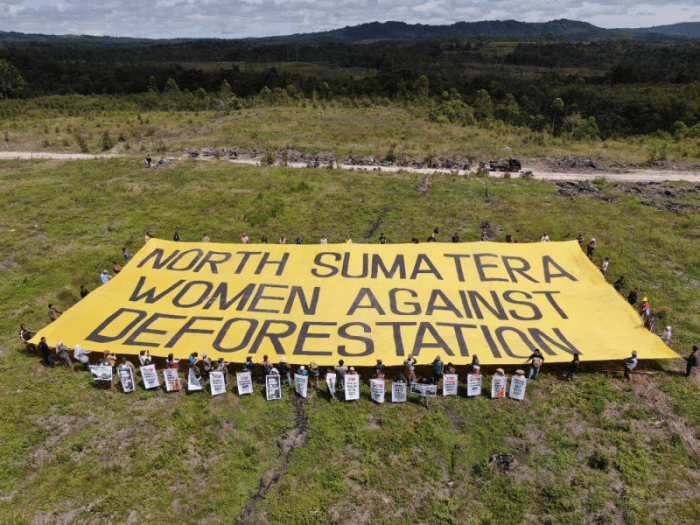
Seeing Forest As Merely A Carbon “Commodity”: Dangerous Greenwashing
Commodifying forests as merely an investment for ‘carbon credits’ has many dangerous loopholes that human rights to indigenous peoples, take action!
Read moreSomething went wrong. Please refresh the page and/or try again.
Take Action in Five Ways
1. Join the #Boycott4Wildlife on social media and subscribe to stay in the loop: Share posts from this website to your own network on Twitter, Mastadon, Instagram, Facebook and Youtube using the hashtags #Boycottpalmoil #Boycott4Wildlife.
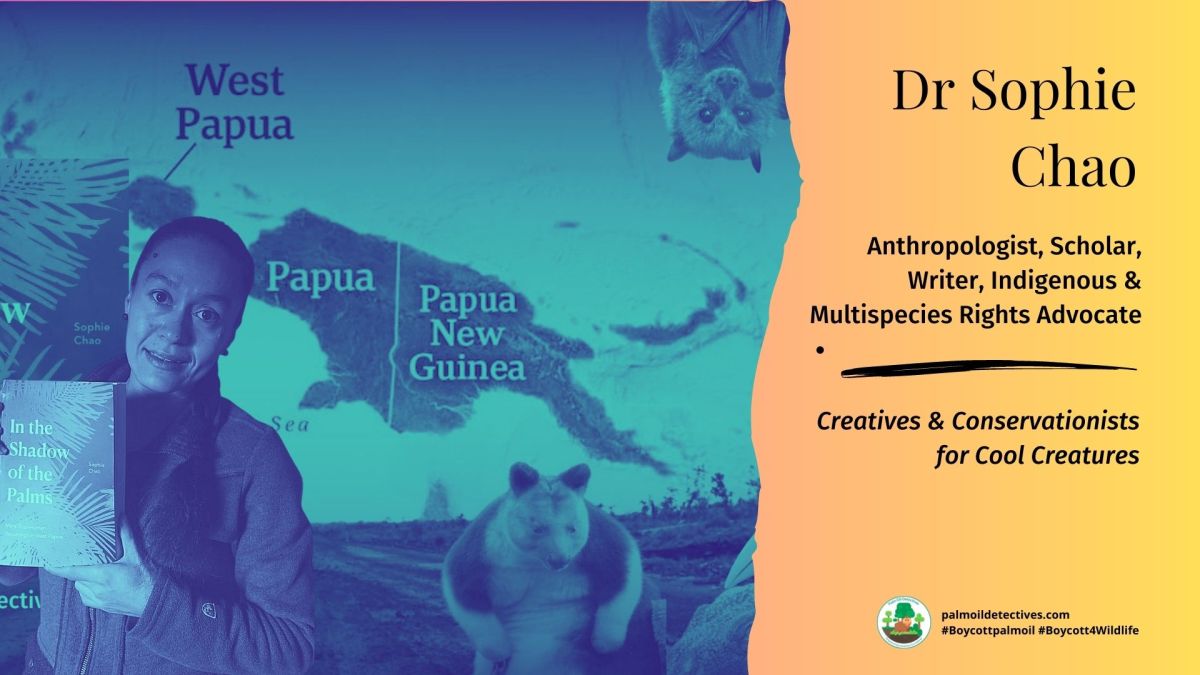
2. Contribute stories: Academics, conservationists, scientists, indigenous rights advocates and animal rights advocates working to expose the corruption of the palm oil industry or to save animals can contribute stories to the website.


3. Supermarket sleuthing: Next time you’re in the supermarket, take photos of products containing palm oil. Share these to social media along with the hashtags to call out the greenwashing and ecocide of the brands who use palm oil. You can also take photos of palm oil free products and congratulate brands when they go palm oil free.
4. Take to the streets: Get in touch with Palm Oil Detectives to find out more.
5. Donate: Make a one-off or monthly donation to Palm Oil Detectives as a way of saying thank you and to help pay for ongoing running costs of the website and social media campaigns. Donate here
Discover more from Palm Oil Detectives
Subscribe to get the latest posts sent to your email.
 Palm Oil Detectives