
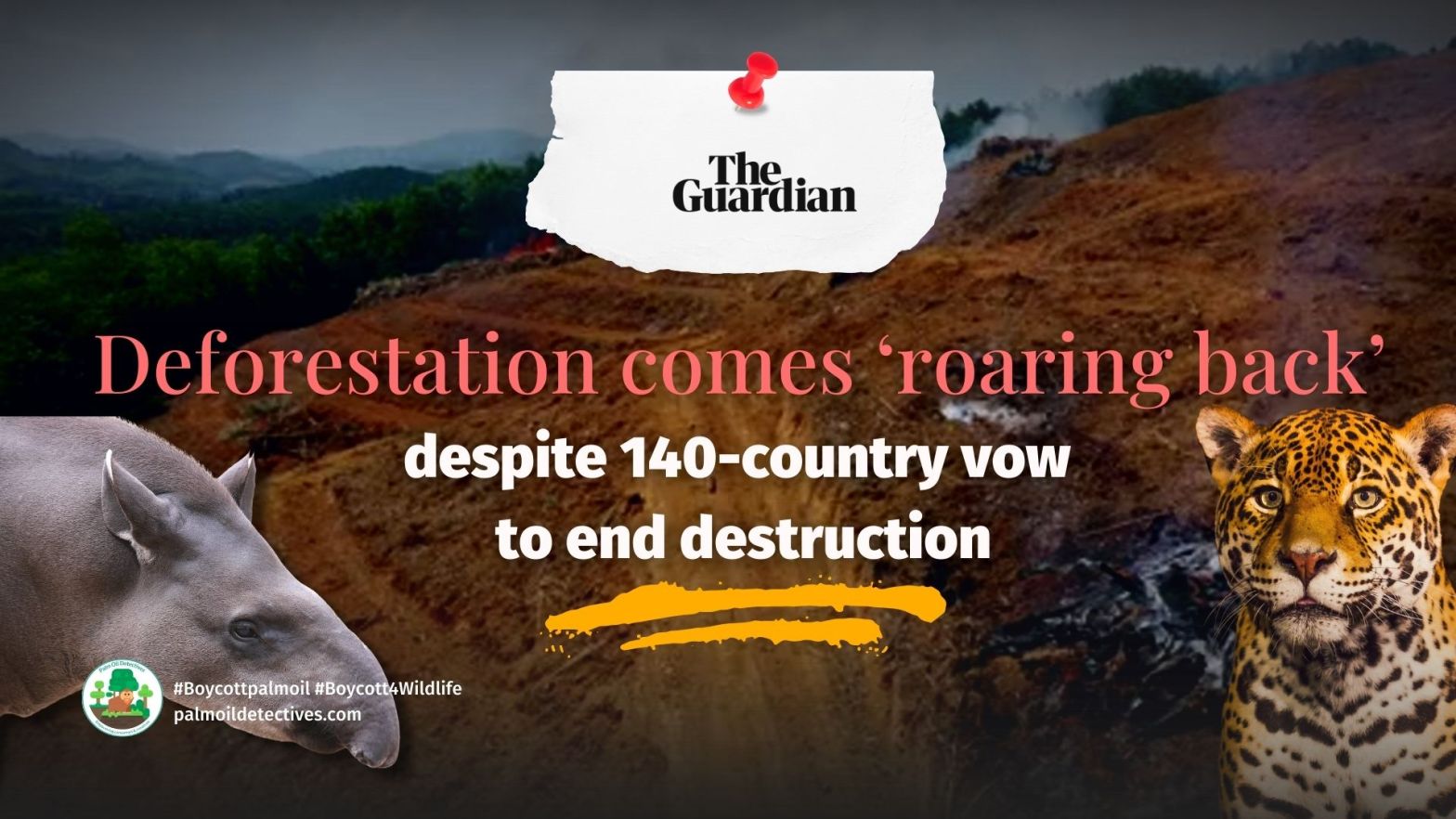
A new report has found that demand for #meat, #soy, #palmoil and nickel #mining is hindering efforts to halt #deforestation by 2030, a global report finds. The destruction of global forests increased in 2023, and is higher than when 140 countries promised three years ago to halt deforestation by the end of the decade.
The rising destruction of the forests puts ambitions to halt #climatechange and stem the huge worldwide #extinction even further from reach, the researchers warn. They found that voluntary certification of commodities alone could not stop deforestation and that strong legislation was needed to stop the ecocide and destruction.
Global #deforestation 🌳🔥has increased for #palmoil 🌴🪔 #soy and #nickel finds new report. Meanwhile industry lobbyists have delayed EU #EUDR #CSDDD ban 👎 To save forests now we need strong laws! #Boycottpalmoil #Boycott4Wildlife @palmoildetect https://wp.me/pcFhgU-8Ze
Global #deforestation for #beef #soy #palmoil increased in 2023, despite promises to stop it 3 years ago. New report finds voluntary certification DOES NOT WORK and strong regulation is needed #EUDR #CSDDD #Boycottpalmoil #Boycott4Wildlife @palmoildetect https://wp.me/pcFhgU-8Ze
Originally published by The Guardian, Tuesday 8 October, 2024, written by Damian Carrington, Environment editor. Republished under the open publishing agreement, read original.
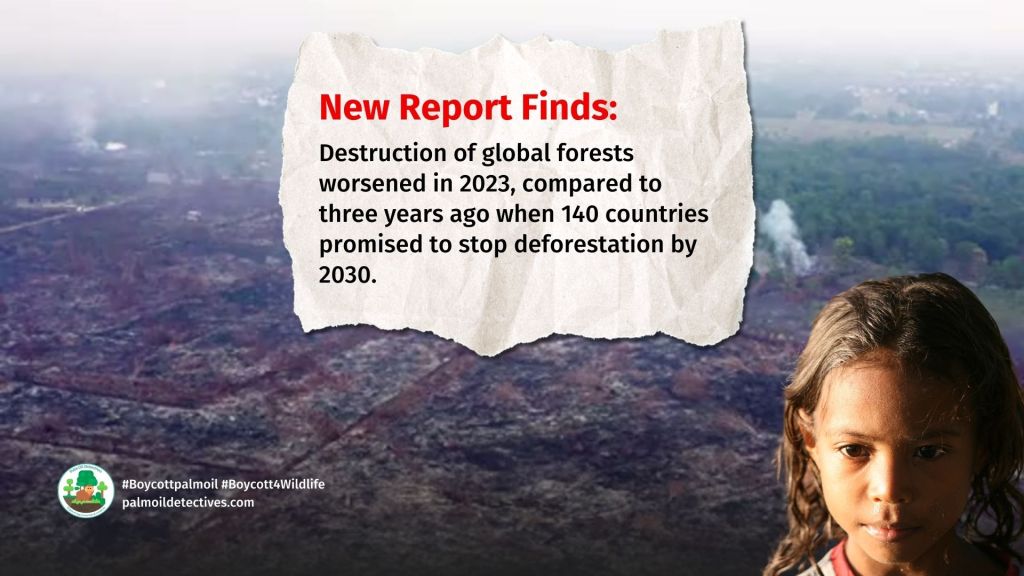
The destruction of global forests increased in 2023, and is higher than when 140 countries promised three years ago to halt deforestation by the end of the decade, a new analysis shows.
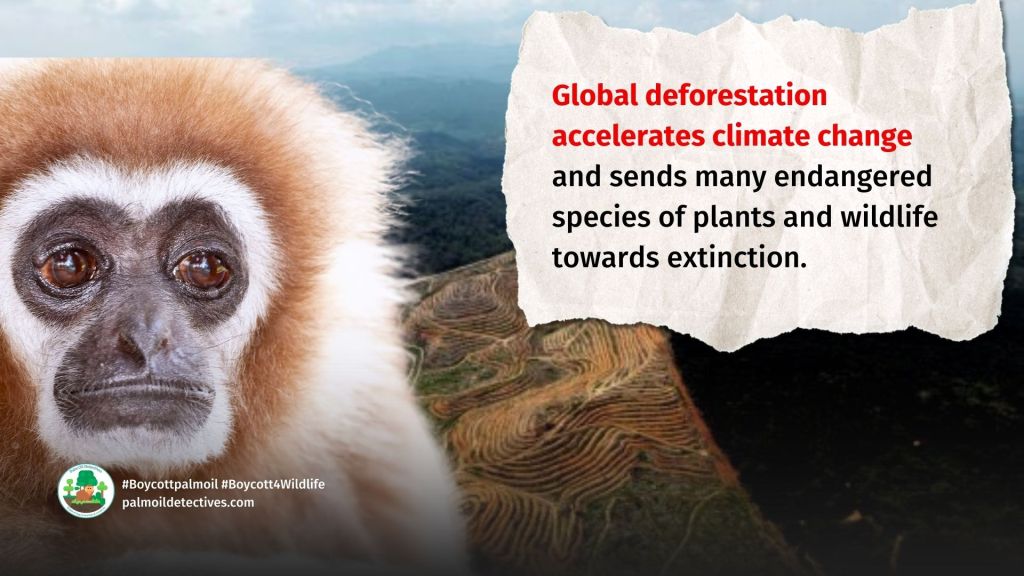
The rising destruction of the forests puts ambitions to halt the climate crisis and stem the huge worldwide losses of wildlife even further from reach, the researchers warn.
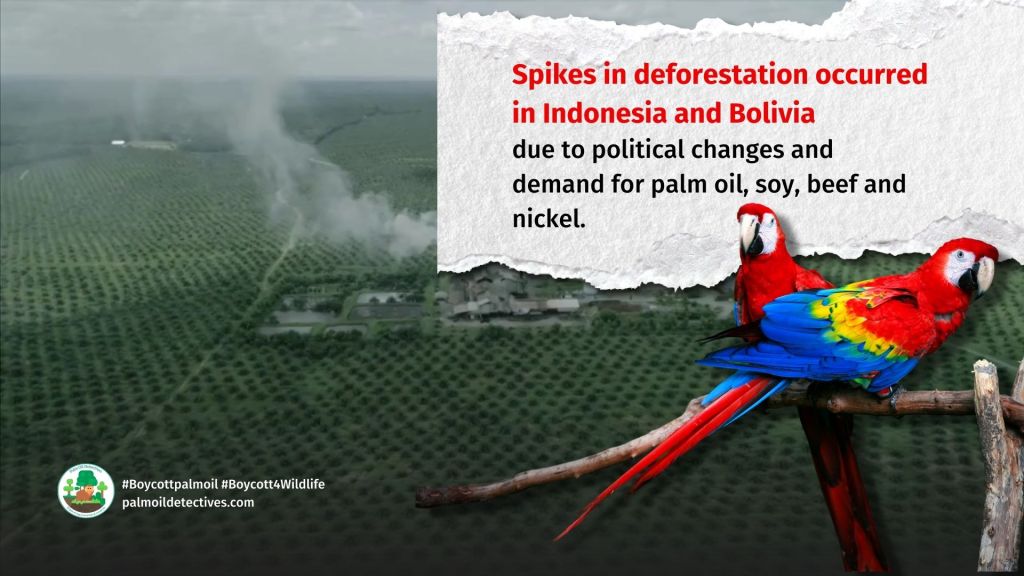
Almost 6.4m hectares (16m acres) of forest were razed in 2023, according to the report. Even more forest – 62.6m ha – was degraded as road building, logging and forest fires took their toll. There were spikes in deforestation in Indonesia and Bolivia, driven by political changes and continued demand for commodities including beef, soy, palm oil, paper and nickel in rich countries.
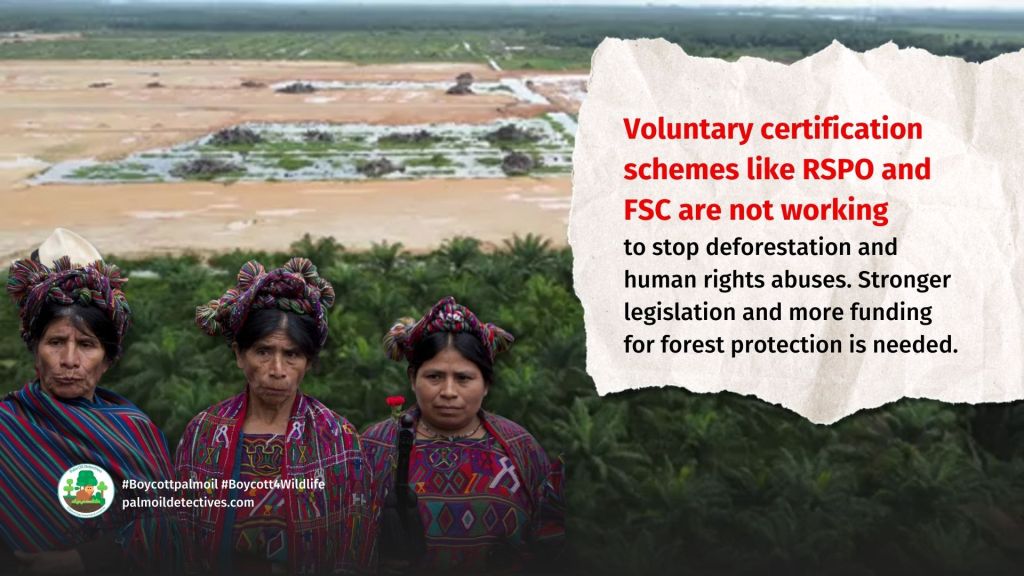
The researchers said attempts at voluntary cuts on deforestation were not working and strong regulation and more funding for forest protection were needed.
The report highlighted a bright spot in the Brazilian Amazon, where President Luiz Inácio Lula da Silva’s new government cut deforestation by 62% in its first year.
“The bottom line is that, globally, deforestation has gotten worse, not better, since the beginning of the decade,” said Ivan Palmegiani, a consultant at the research group Climate Focus and lead author of the report.
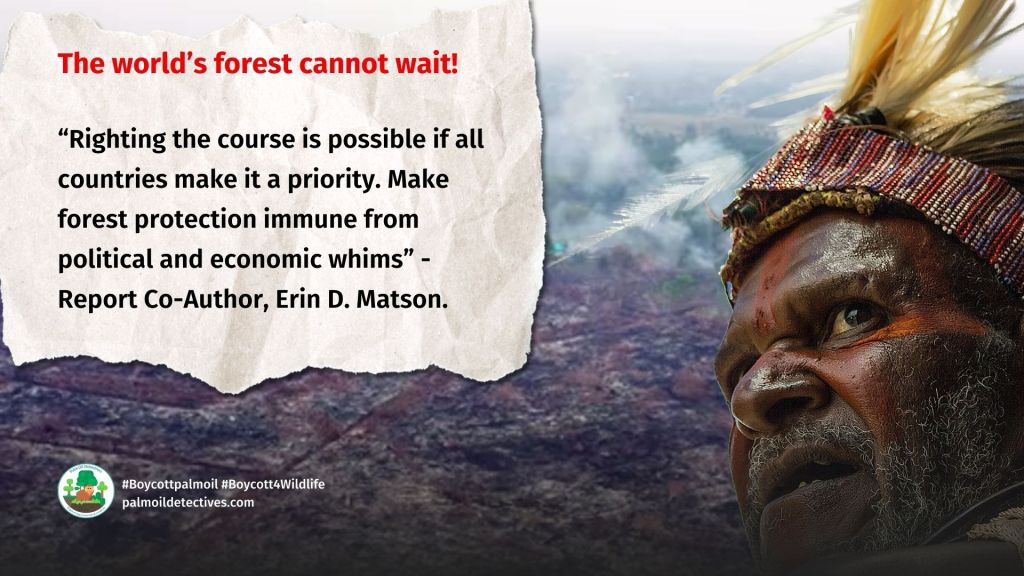
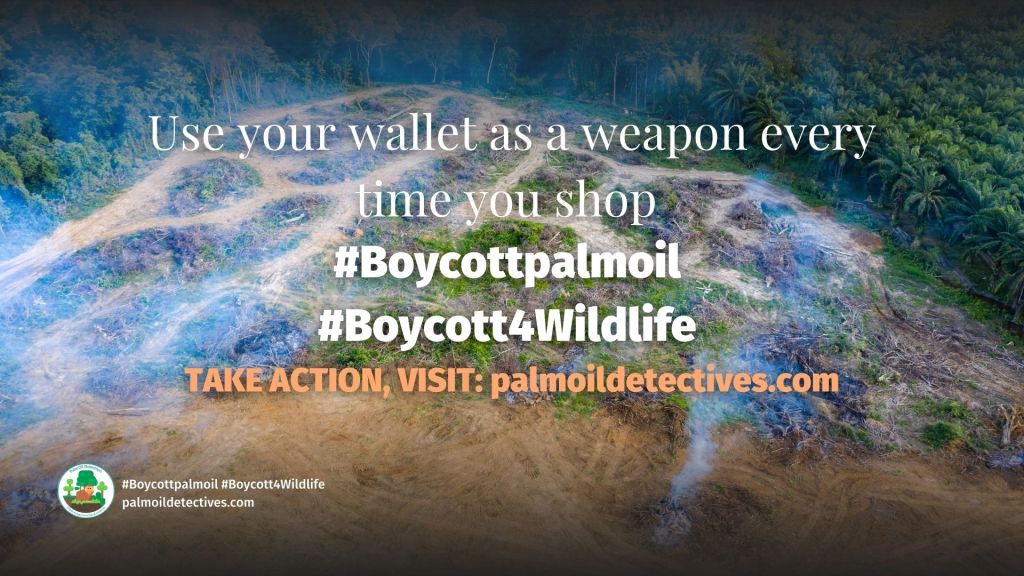
“We’re only six years away from a critical global deadline to end deforestation, and forests continue to be chopped down, degraded, and set ablaze at alarming rates,” he said. “Righting the course is possible if all countries make it a priority, and especially if industrialised countries seriously reconsider their excessive consumption levels and support forest countries.”
Erin D Matson, a senior consultant at Climate Focus and co-author of the report, said: “When the right conditions are in place, countries see major progress. The next year, if economic or political conditions change, forest loss can come roaring back. We’re seeing this effect in the spiking deforestation in Indonesia and Bolivia. Ultimately, to meet global forest protection targets, we must make forest protection immune to political and economic whims.”
Most countries backed the 2030 zero deforestation pledge at the UN Cop26 climate summit in 2021. The 2024 forest declaration assessment, produced by a coalition of research and civil society organisations, assessed progress towards the goal using a baseline of the average deforestation between 2018 and 2020. It found progress was significantly off track, with the level of deforestation in 2023 almost 50% higher than steady progress towards zero would require.
Matson said: “Indonesia’s deforestation alone spiked by 57% in one year. This was in large part attributable to surging global demand for things like paper and mined metals like nickel.
“But it’s also clear that the Indonesian government took its foot off the gas. It experienced the steepest drop in deforestation of any tropical country from 2015-17 and 2020-22, so we have to hope that this setback is only temporary.” In 2023, Indonesia produced half the world’s nickel, a metal used in many green technologies.
“Brazil gives us an example of positive progress [in the Amazon] but deforestation in the Cerrado [tropical savanna] increased 68% year over year,” she said.
The country has also been ravaged by forest fires that are being made more likely and intense by the climate crisis. The report found that about 45m ha have burned in the past five years.
Other countries that made progress towards the 2030 deforestation target included Australia, Colombia, Paraguay, Venezuela and Vietnam. Outside the tropics, temperate forests in North America and Latin America recorded the greatest absolute levels of deforestation.
The researchers said funding for forest protection, strengthening the land rights of Indigenous people and reducing demand for commodities produced via deforestation were needed.
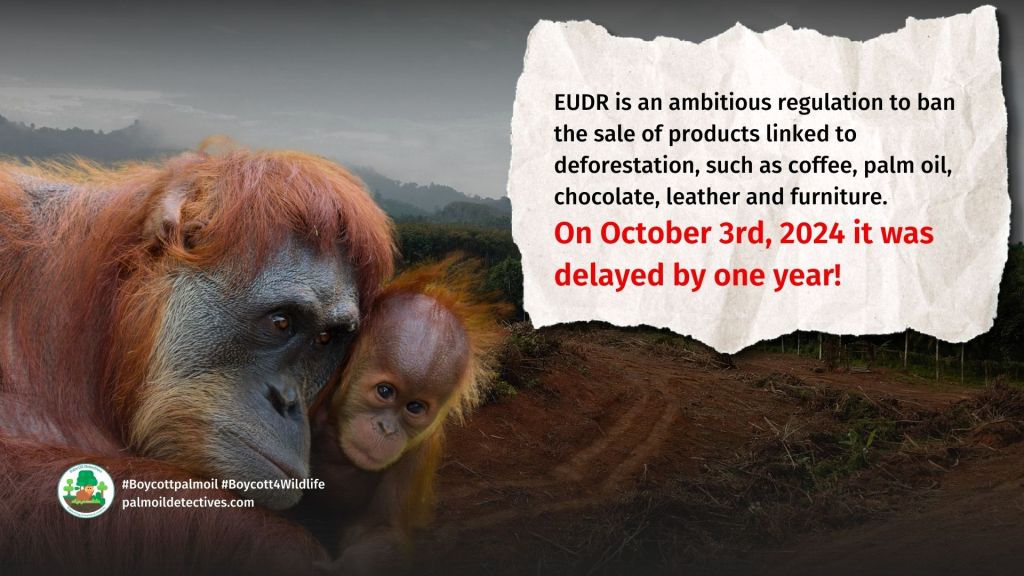
The EU has proposed ambitious regulations that would ban the sales of products linked to deforestation, such as coffee, chocolate, leather and furniture. However, on 3 October, the European Commission proposed a one-year delay “to phase in the system” after protests from countries including Australia, Brazil, Indonesia and Ivory Coast.
Matson said: “This pushback is largely driven by political pressures, and it’s a shame. We can’t rely on voluntary efforts – they have made very little progress over the last decade.”
Originally published by The Guardian, Tuesday 8 October, 2024, written by Damian Carrington, Environment editor. Republished under the open publishing agreement, read original.
ENDS
Read more about deforestation and ecocide in the palm oil industry

Asian Small-clawed Otter Aonyx cinereus
Asian Small-clawed Otters are the world’s smallest otter species and are Vulnerable from palm oil tea and coffee deforestation. Protect them, boycott palm oil!
Read more
Trash into Treasure: Turning E-Waste and CO2 into Gold
Turning E-Waste and CO2 into Gold addresses e-waste challenges and contributes to CO₂ reduction efforts. Take action and boycott gold for Yanomami people!
Read more
So-called ‘Net Zero’ Flights Flush Rainforest Carbon Into the Sky
Virgin Atlantic airlines now uses ‘sustainable aviation fuel’ however experts call it greenwashing and industry spin causing climate change. Boycott palm oil!
Read more
Forest Protection Equals Climate Protection
Forests offer climate protection and safeguard indigenous peoples, endangered animals and rare plants. Deforestation is a major threat. Boycott palm oil!
Read more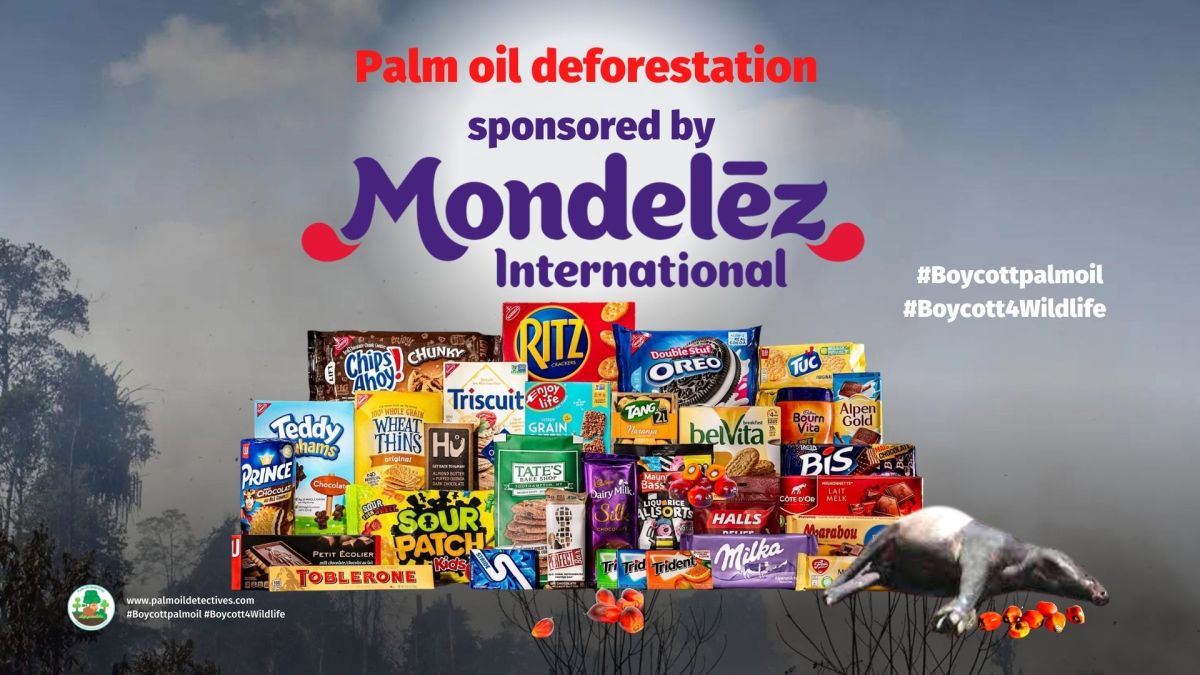
Oreo Maker Linked to Ongoing Deforestation and Human Rights Abuses
Mondelēz International who make Oreos keep sourcing palm oil from suppliers linked to violence and deforestation. Their RSPO certification is pure greenwash!
Read more
Jaguars vs Cows: JBS Fuelling Biodiversity Collapse in Brazil’s Forests
Global Witness report finds JBS, the world’s largest meat company, is directly linked to deforestation in the Amazon and Pantanal putting jaguars at risk
Read more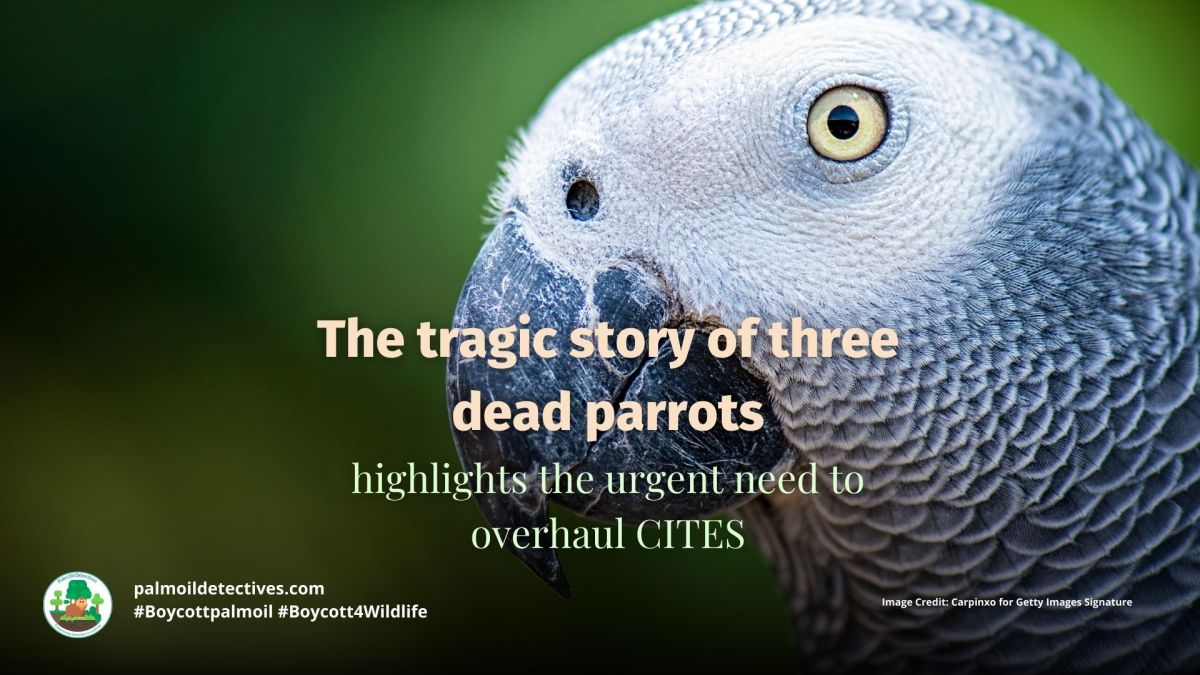
Parrot Deaths Highlight Urgent Need to Reform CITES
The legal trade is largely to blame for African grey parrots becoming endangered. Regulator CITES is broken allowing exploitation, massive reform needed now!
Read more
World’s Wealthiest Drive Two Thirds of Global Warming Since 1990
Wealthiest people in USA and China responsible for 2/3 of global warming since 1990. Climate policies needed to target the richest people on the planet now!
Read moreSomething went wrong. Please refresh the page and/or try again.
Take Action in Five Ways
1. Join the #Boycott4Wildlife on social media and subscribe to stay in the loop: Share posts from this website to your own network on Twitter, Mastadon, Instagram, Facebook and Youtube using the hashtags #Boycottpalmoil #Boycott4Wildlife.
2. Contribute stories: Academics, conservationists, scientists, indigenous rights advocates and animal rights advocates working to expose the corruption of the palm oil industry or to save animals can contribute stories to the website.






3. Supermarket sleuthing: Next time you’re in the supermarket, take photos of products containing palm oil. Share these to social media along with the hashtags to call out the greenwashing and ecocide of the brands who use palm oil. You can also take photos of palm oil free products and congratulate brands when they go palm oil free.
4. Take to the streets: Get in touch with Palm Oil Detectives to find out more.
5. Donate: Make a one-off or monthly donation to Palm Oil Detectives as a way of saying thank you and to help pay for ongoing running costs of the website and social media campaigns. Donate here
Discover more from Palm Oil Detectives
Subscribe to get the latest posts sent to your email.
 Palm Oil Detectives