

1 million #plants 🌾🌽🎍🍅 and #animals 🦏🦒🐅 are threatened. #Wildlife and #biodiversity are at a crossroads of #extinction. Here’s 7 practical ways to stop #species wipeout. Help them survive! #Boycottpalmoil 🌴☠️🚫 #Boycott4Wildlife
1 million #plants 🌾🌽🎍🍅 and #animals 🦏🦒🐅 are threatened. #Wildlife and #biodiversity are at a crossroads of #extinction. Here’s 7 practical ways to stop #species wipeout. Help them survive! #Boycottpalmoil 🌴☠️🚫 #Boycott4Wildlife @palmoildetect https://palmoildetectives.com/2024/11/17/seven-practical-ways-to-stop-a-species-wipeout/
Originally published under Creative Commons by 360info™, written by Charis Palmer and Chris Bartlett Read the original article here.
There is mounting evidence the world is experiencing its largest loss of life since the dinosaurs. One million plant and animal species are now threatened with extinction.
“We’ve already degraded 75 per cent of the Earth’s surface and more than 60 per cent of the marine environment,” the UN’s biodiversity chief Elizabeth Maruma Mrema told the BBC.
Corey Bradshaw, Matthew Flinders professor of global ecology at Flinders University, says if the current rate of extinction continues we could lose most species by 2200. The implication for human health and wellbeing is dire, but not inevitable.
Preserving biodiversity is crucial to keeping global warming to 1.5 degrees, say the architects of the Paris climate agreement.
A healthy planet also ensures resilient economies. More than half of global GDP – equal to US$41.7 trillion – is reliant on healthy ecosystems.
Researchers and scientists have explored what’s already working to protect biodiversity. Evidence in these seven areas shows there are simple measures that work, and others that will require global collaboration.
Consider what we eat and waste less
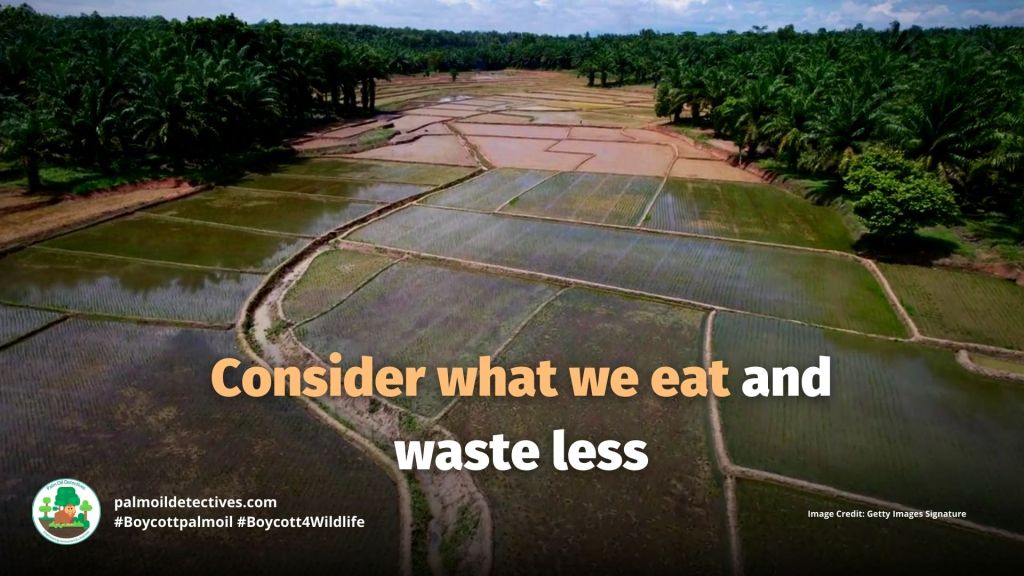
Expanding agricultural land is pushing biodiversity past a safe limit, says Quentin Read, data scientist and ecologist at North Carolina State University.
“Some species may already be ‘walking dead’, doomed to extinction because they no longer have a habitat large enough to avoid a population crash.”
An important part of the solution is helping consumers better understand how their diets and food waste behaviours influence global biodiversity.
“Animal products need large amounts of land to grow feed and pasture livestock.
“A smart plant-based diet is a major way to reduce land demand and biodiversity impact relative to a diet high in meat and dairy.”
But even for those unwilling or unable to change their diet, Read says reducing pre-consumer and consumer food waste by 50 percent has almost as much positive impact on reducing land demand in high-biodiversity areas.
Make cities more wildlife friendly

Cities can be hostile places for plants and animals, say Sarah Bekessy, sustainability and urban planning teacher at RMIT University and Georgia Garrard, senior lecturer in sustainability at the University of Melbourne.
But with “policy rethink and clever designs, cities could be safe havens for species to thrive and recover”.
“New solutions, like biodiverse green roofs, habitat boxes and insect hotels can also provide food and shelter for a range of animals in cities.
“Stormwater runoff which can negatively impact native plants and animals such as frogs can be mitigated by vegetated swales and rain gardens.”
Control feral and domestic cats to stop them killing wildlife
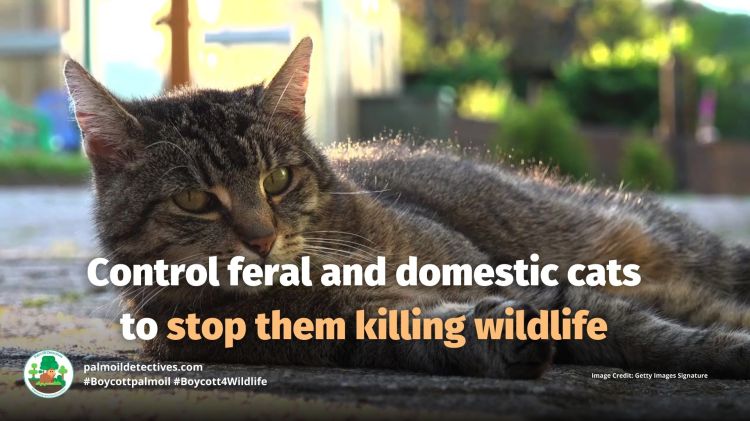
Worldwide, domestic cats are responsible for over a quarter of modern mammal, bird and reptile extinctions, says Sarah Legge, ecologist and invasive species expert at the Australian National University.
The urgency has forced scientists to innovate.
“Fenced enclosures, smart fire and grazing management are just some of the tools keeping native species from extinction.
“Reducing the impacts of pet cats is much simpler than controlling feral cats – just keep them contained, as almost a third of cat owners already do.”
Spend more to protect forests and habitats on land and in water
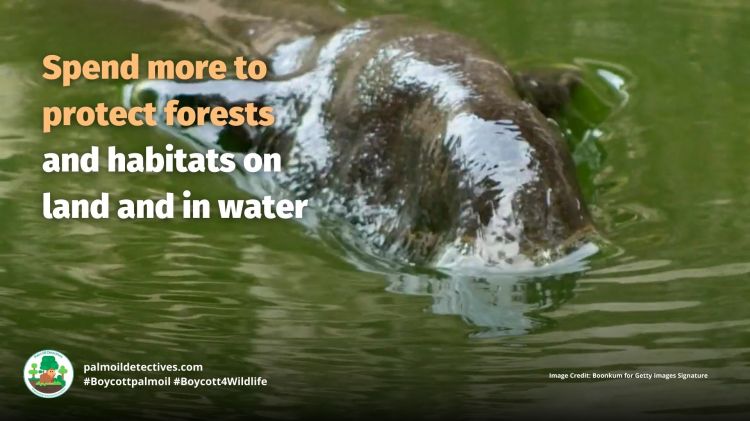
Investing in people to carry out conservation would have far reaching benefits, says Euan Ritchie, professor in wildlife ecology and conservation at Deakin University.
Ritchie says it would cost around A$1.7 billion a year to bring all the species on Australia’s threatened list back to health.
Australia currently spends around A$120 million a year on targeted threatened species conservation and recovery.
“Australian governments and society seemingly don’t see the environment as a priority investment. The question we must confront is why?”
Keep working to conserve endangered species
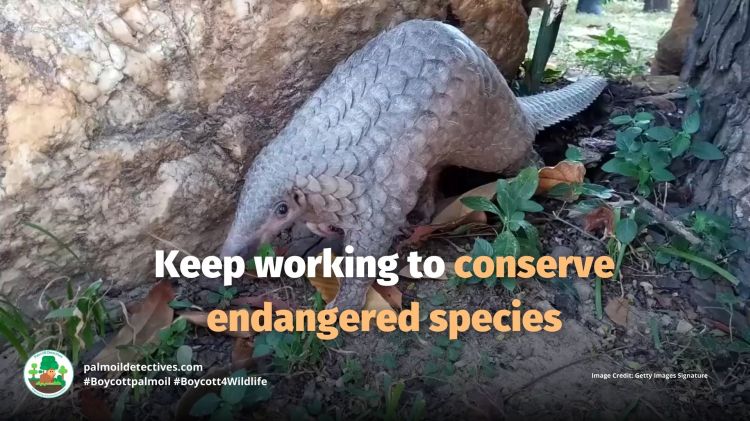
Early action to prevent decline and critical endangerment would be a more cost-effective approach to prevent species loss than captive breeding programs and reintroduction, says Philip McGowan, professor of conservation science and policy at Newcastle University.
“The strategies to save species are available and … effective. What remains lacking is the widespread support for and adoption of these and emerging approaches.
“Extinction is not inevitable.”
Learn from Indigenous people
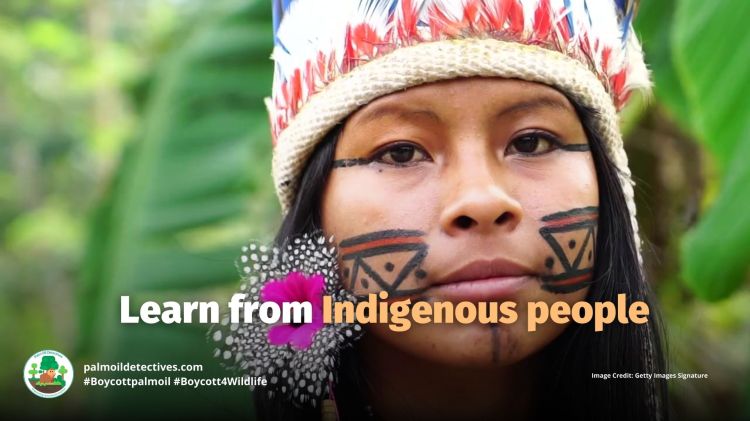
Learning from previous and current management by local and Indigenous people and fostering shared fire management are invaluable steps in promoting fires that benefit people and biodiversity, say wildfire researchers.
Research in New Zealand, for example, has identified low-flammable vegetable crops, pastures and traditional Māori food and medicine species, such as the kawakawa tree, that could moderate fire while enhancing biodiversity.
Abolish our goal of perpetual economic growth
Most of the damage to the Earth’s life-support system has happened over the last century, says Corey Bradshaw.
“The global human population has tripled since 1950, and there are now approximately one million species threatened with imminent extinction due to massive population declines. To reverse that we could abolish the goal of perpetual economic growth, and force companies to restore the environment using established mechanisms such as carbon pricing.
“We could limit undue corporate influence on political decision-making, and end corporate lobbying of politicians. Educating and empowering women, including providing greater self-determination in family planning, would help stem environmental destruction.”
360info is a newswire with a difference: we source content from the research community offering solutions to the world’s biggest problems. To request access to our news feed so you can republish our articles visit newshub.360info.org
This article has been republished for World Wildlife Day 2023. It was first published on December 16, 2022.
Originally published under Creative Commons by 360info™.
Originally published under Creative Commons by 360info™, written by Charis Palmer and Chris Bartlett Read the original article here.
ENDS
Read more about deforestation and ecocide in the palm oil industry
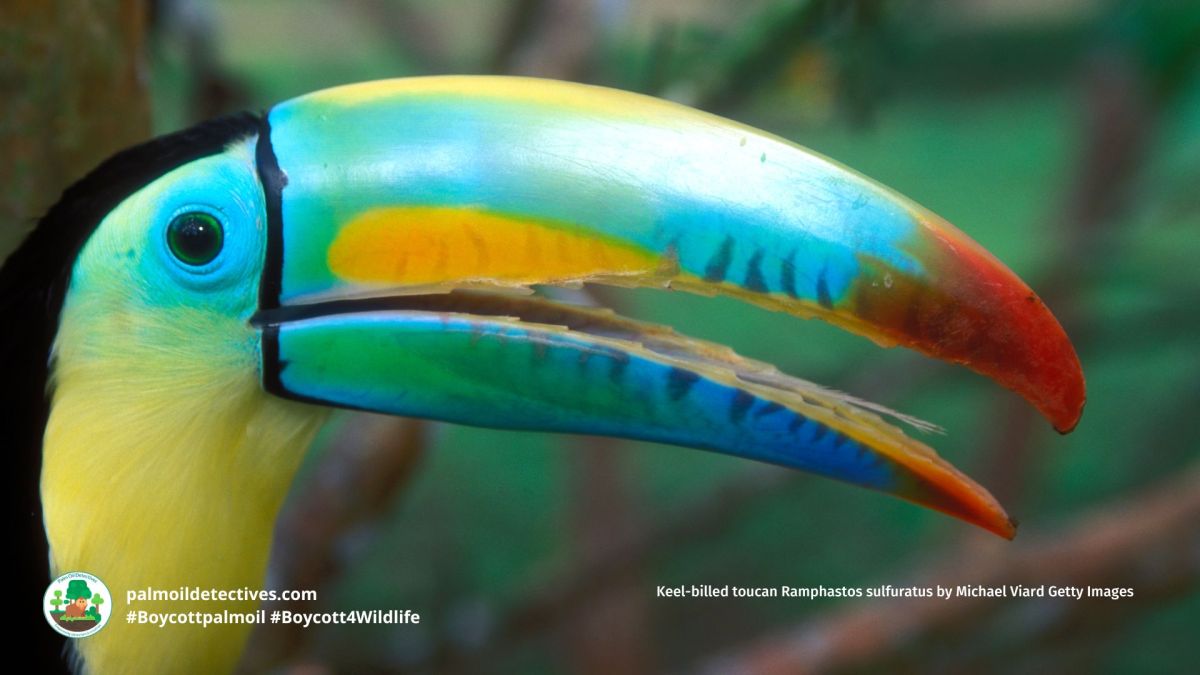
Keel-billed Toucan Ramphastos sulfuratus
Keel-billed Toucans have dazzling rainbow-coloured bills and are iconic to South America. Threats include hunting, palm oil and meat deforestation. Take action!
Read more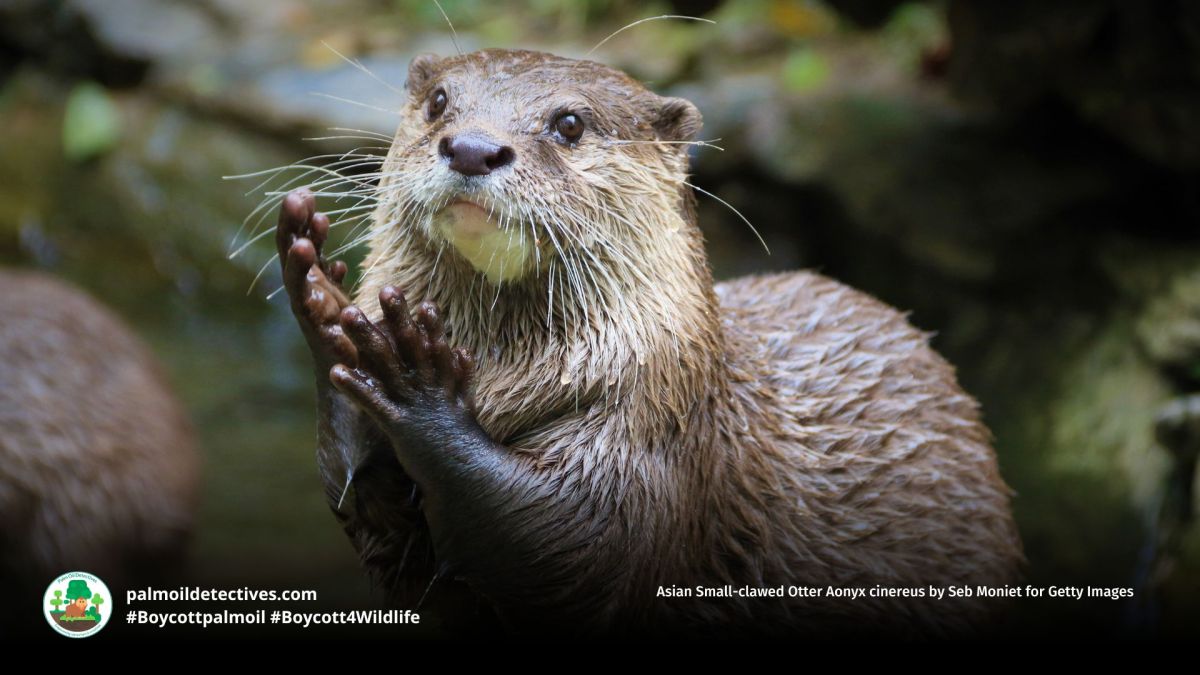
Asian Small-clawed Otter Aonyx cinereus
Asian Small-clawed Otters are the world’s smallest otter species and are Vulnerable from palm oil tea and coffee deforestation. Protect them, boycott palm oil!
Read more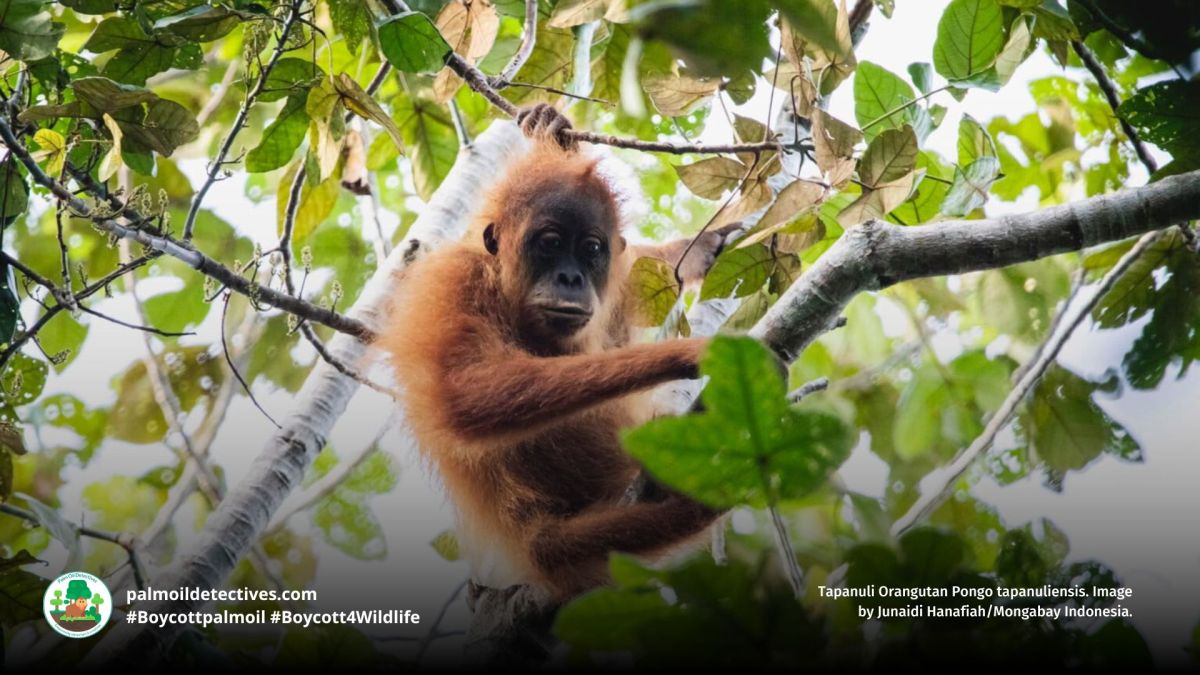
Tapanuli Orangutan Faces Extinction From Forest Protection Rollback
Save the Tapanuli orangutan! The rarest ape in the world faces extinction after floods, cyclones and now rezoning of their habitat in Sumatra #BoycottPalmOil!
Read more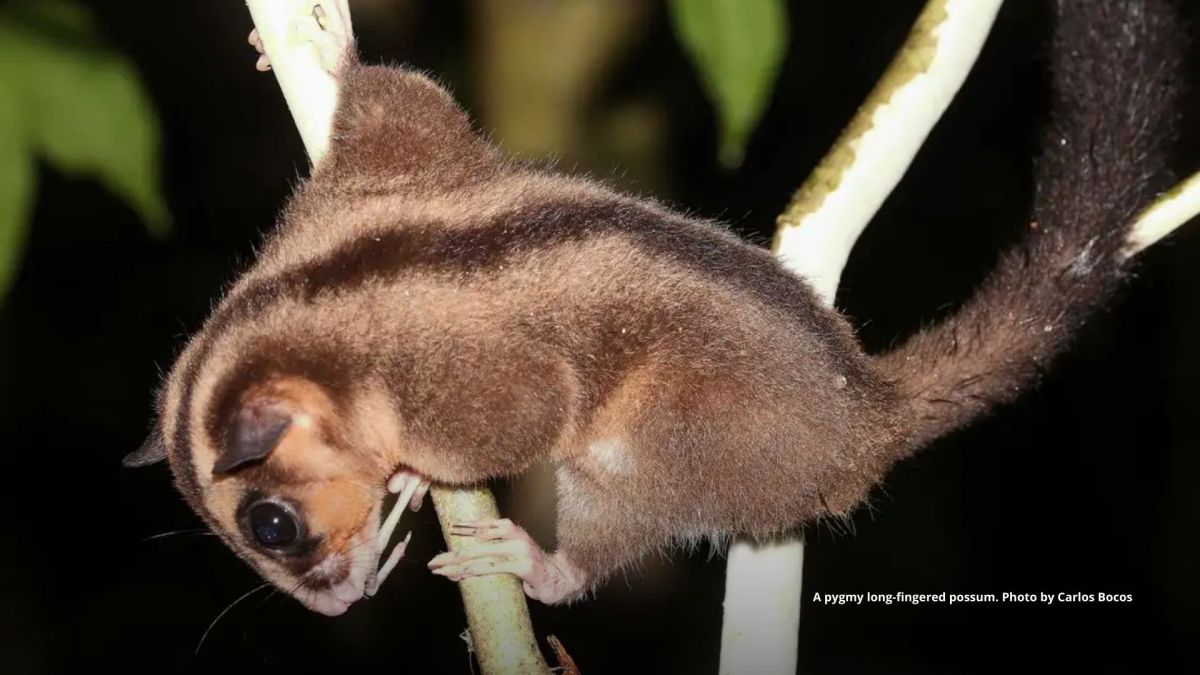
Marsupials thought extinct for 6,000 years found in West Papua
Two stunning marsupials thought extinct for 6000 years rediscovered in West Papua. Calls for rainforest protection even more urgent!
Read more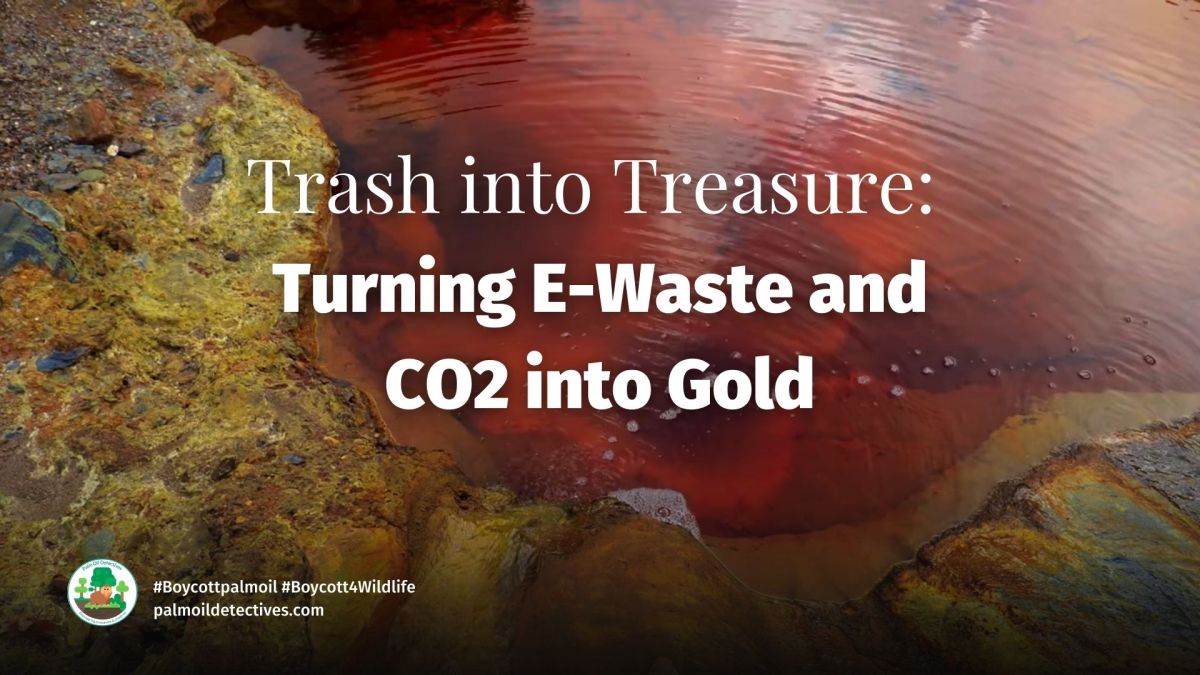
Trash into Treasure: Turning E-Waste and CO2 into Gold
Turning E-Waste and CO2 into Gold addresses e-waste challenges and contributes to CO₂ reduction efforts. Take action and boycott gold for Yanomami people!
Read moreSomething went wrong. Please refresh the page and/or try again.
Take Action in Five Ways
1. Join the #Boycott4Wildlife on social media and subscribe to stay in the loop: Share posts from this website to your own network on Twitter, Mastadon, Instagram, Facebook and Youtube using the hashtags #Boycottpalmoil #Boycott4Wildlife.
2. Contribute stories: Academics, conservationists, scientists, indigenous rights advocates and animal rights advocates working to expose the corruption of the palm oil industry or to save animals can contribute stories to the website.






3. Supermarket sleuthing: Next time you’re in the supermarket, take photos of products containing palm oil. Share these to social media along with the hashtags to call out the greenwashing and ecocide of the brands who use palm oil. You can also take photos of palm oil free products and congratulate brands when they go palm oil free.
4. Take to the streets: Get in touch with Palm Oil Detectives to find out more.
5. Donate: Make a one-off or monthly donation to Palm Oil Detectives as a way of saying thank you and to help pay for ongoing running costs of the website and social media campaigns. Donate here
Discover more from Palm Oil Detectives
Subscribe to get the latest posts sent to your email.
 Palm Oil Detectives