

Sloth Bear Melursus ursinus
Vulnerable
Extant (resident)
India; Nepal; Sri Lanka
Extinct
Bangladesh
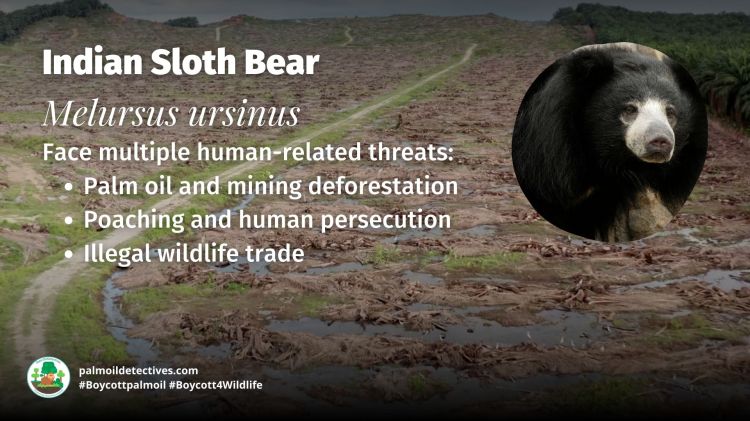
The sloth bear (Melursus ursinus), with their distinctive “Y” or “V” shaped chest patch and shaggy fur, are unique bears native to the Indian subcontinent. Once exploited as ‘dancing bears’ by the Kalandar tribe, this phase of history is thankfully now over. They now roam across tropical forests and savannahs while snuffling through termite mounds and sucking up ants and honey. Tragically, these bears face severe threats from palm oil deforestation, human-wildlife conflict, and illegal poaching. You can fight for their survival by saying no to palm oil. Use your wallet as a weapon to make a difference! #BoycottPalmOil #Boycott4Wildlife
Sloth #bears 🐻 are nurturing parents 💗😘 with shaggy fur and unique chest markings. Living throughout #India they’re now #vulnerable from #poaching and #palmoil #deforestation 🌴⛔🙈 Help them survive each time you shop #Boycottpalmoil #Boycott4Wildlife @palmoildetect.bsky.social https://wp.me/pcFhgU-7PU
Once exploited as ‘dancing bears’ 😭 Sloth #Bears of #India 🐻🐻 are now vulnerable from #palmoil #deforestation, poaching and human persecution. You can fight for them by using your wallet #Boycottpalmoil #Boycott4Wildlife 🌴🛢️👎🚫 @palmoildetect.bsky.social https://wp.me/pcFhgU-7PU
Appearance & Behaviour
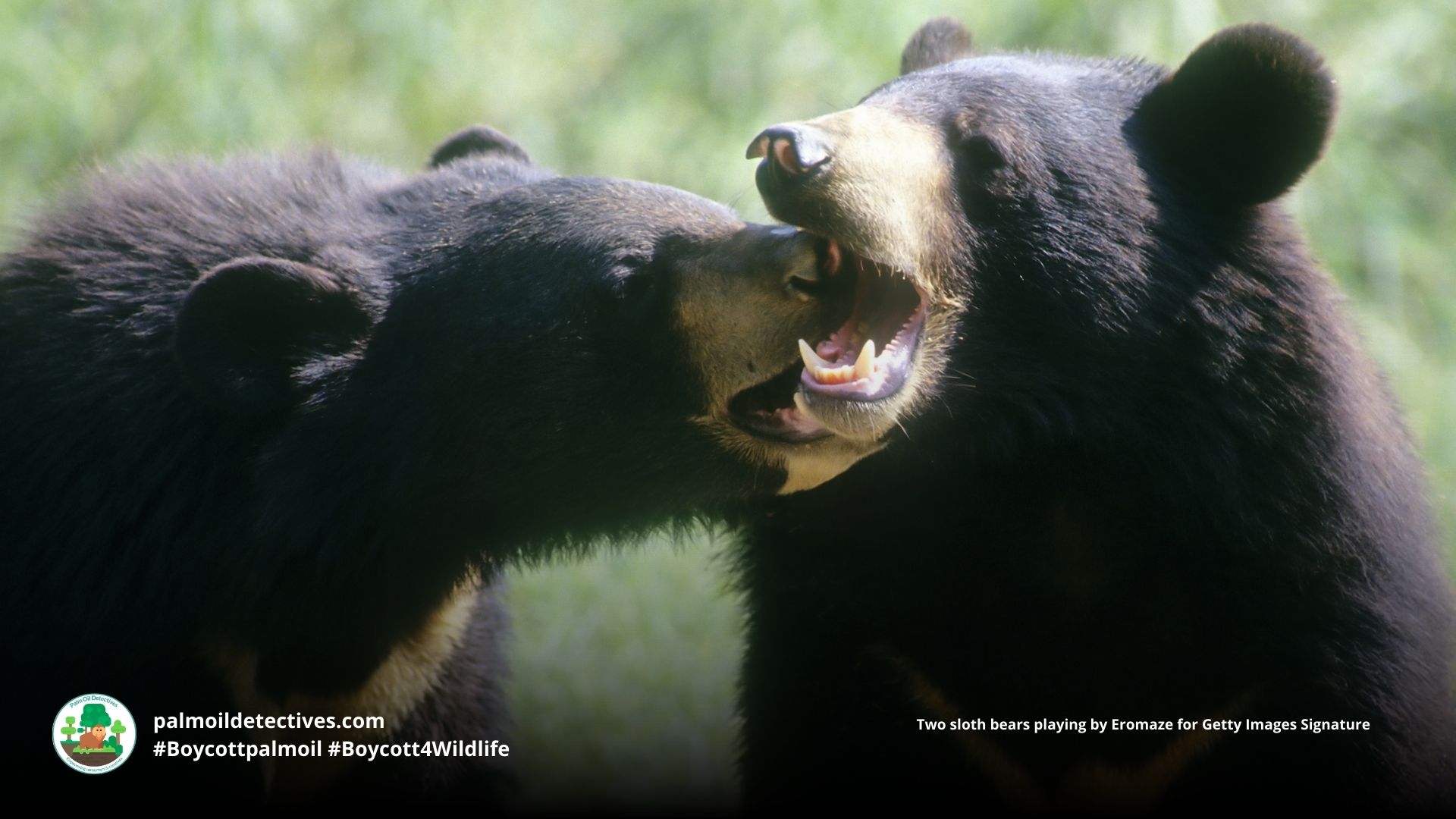
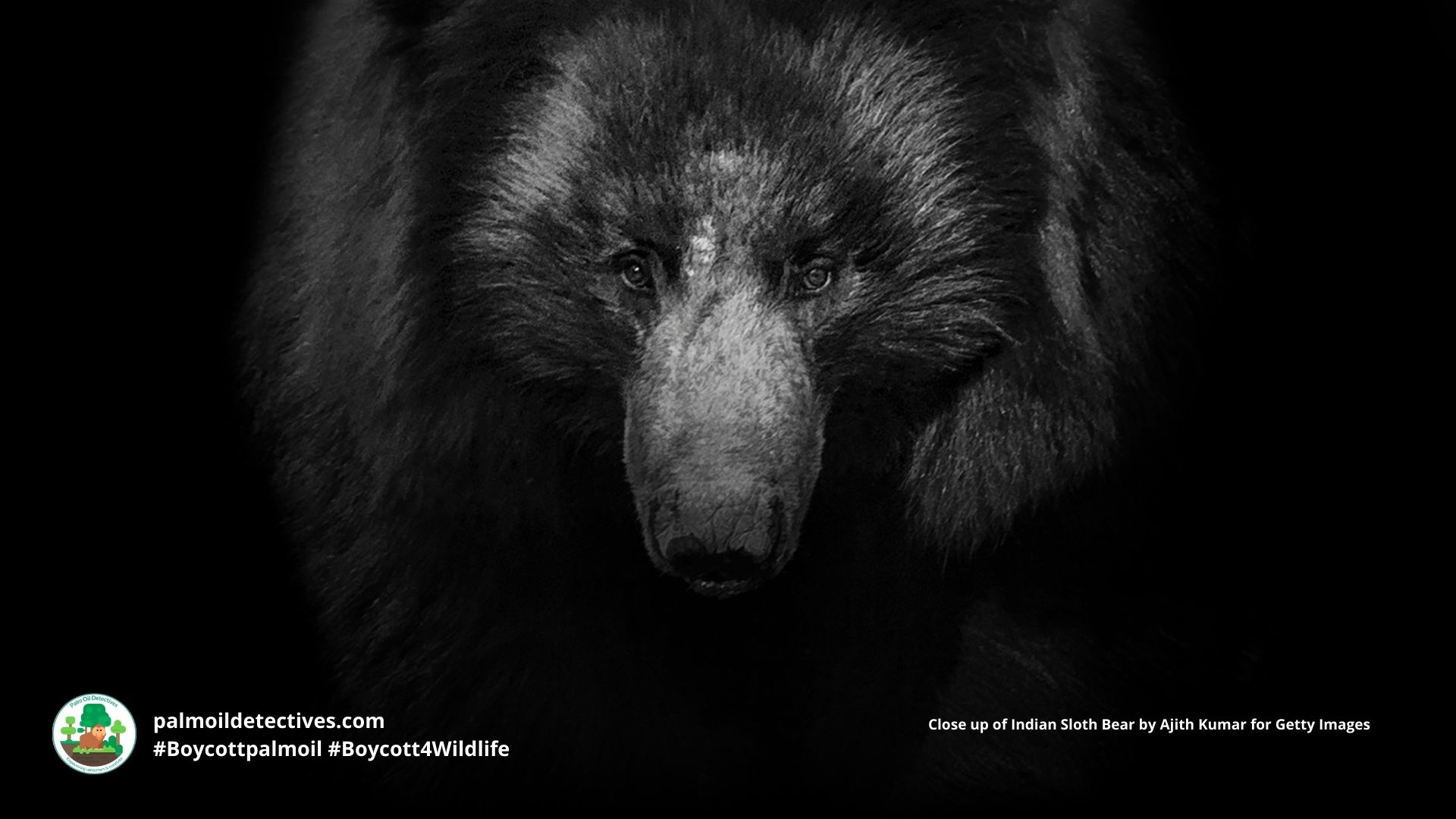
The Sloth Bear Melursus ursinus is native to the Indian subcontinent. They are distinctive for their long, shaggy fur which gives them a dishevelled appearance; along with unique “Y” or “V” shaped chest patches that are akin to fingerprints. They have large, sickle-shaped claws and a protruding lower lip, perfectly adapted for their termite-hunting lifestyle. They are medium-sized bears with males averaging between 80-145 kg and females between 55-105 kg. Known for their slow, shambling walk and loud snuffling sounds, they are often encountered in pairs, with males being gentle with their cubs.
- Specialised for eating insects: Their long lower lip and palate help them efficiently suck up insects.
- A keen nose for sweets: Exceptionally fond of honey and jackfruit, they regurgitate these and other delicacies for their cubs.
- Tragic ‘Dancing Bear’ legacy now thankfully over: Once used as dancing bears by the Kalandar tribe, this horrific practice has been largely eradicated through concerted rescue efforts by Wildlife SOS, International Animal Rescue, and Free the Bears .
Support the conservation and protection of these bears by refusing to buy products sourced from illegal wildlife trade or deforested areas. Fight for their future with mindful shopping practices and help them by being vegan and #BoycottPalmOil #Boycott4Wildlife in the supermarket!



Threats
- Habitat Degradation and Deforestation: Human activity, including logging and agriculture, severely reduces their habitat.
- Human Encroachment: Growing populations of these bears lead to increased conflict with humans, as they search for food in human settlements.
- Illegal Wildlife Trade: Despite being protected by law, poaching continues for their body parts.
Conservation groups work to protect their future by safeguarding forests and offering alternative livelihoods to those who once exploited these animals. You can help them! Use your wallet as a weapon, ensure you do not buy bear or animal related wildlife products and boycott palm oil in the supermarket #BoycottPalmOil #Boycott4Wildlife

Habitat
Their primary habitats include tropical forests, savannahs, and grasslands across India, Nepal, Bhutan, and Sri Lanka. They prefer lowland areas below 1,500 m in India and 300 m in Sri Lanka. Sadly, they are extinct in Bangladesh.
Diet
Sloth bears have a highly specialised diet focused on ants, termites, and honey. They also consume a variety of fruits, particularly jackfruit and the petals of mowha trees. They use their long sickle-shaped claws to break open termite mounds and then suck up the insects.
Mating and breeding
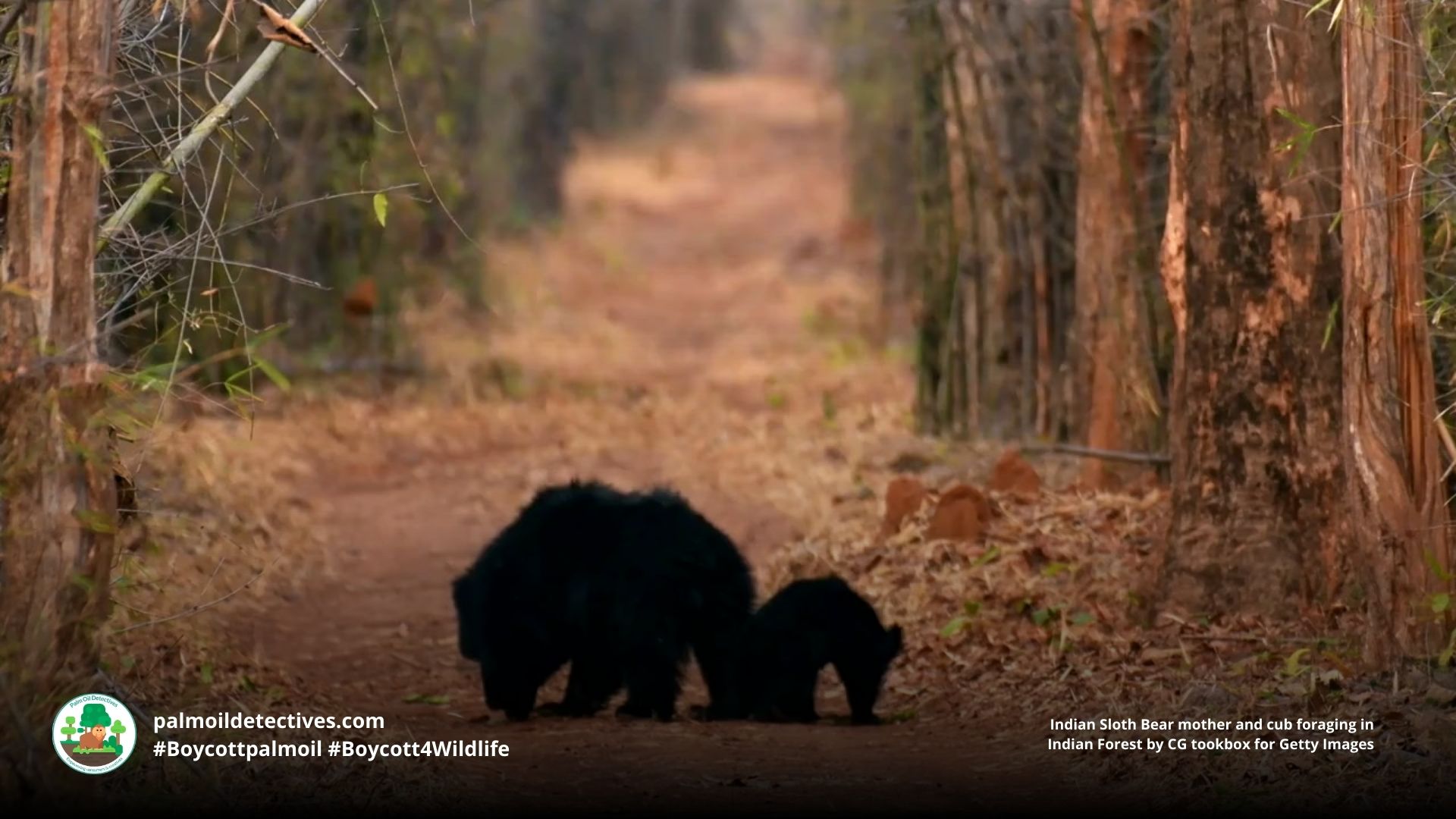
Sloth bears breed during the spring and early summer, giving birth in caves or under boulders at the start of winter. Cubs are born blind and ride on their mother’s back until they reach a third of her size. Litters typically include 1-2 cubs, sometimes up to three.
Support Indian Sloth Bears by going vegan and boycotting palm oil in the supermarket, it’s the #Boycott4Wildlife
Support the conservation of this species
This animal has no protections in place. Read about other forgotten species here. Create art to support this forgotten animal or raise awareness about them by sharing this post and using the #Boycottpalmoil #Boycott4Wildlife hashtags on social media. Also you can boycott palm oil in the supermarket.
Further Information
Free the Bears. (n.d.). India’s Sloth Bears. https://freethebears.org/pages/indian-sloth-bears
IUCN. (n.d.). Sloth Bear (Melursus ursinus). The IUCN Red List of Threatened Species. https://www.iucnredlist.org/species/13143/166519315#threats
Wikipedia. (n.d.). Sloth bear. https://en.m.wikipedia.org/wiki/Sloth_bear

How can I help the #Boycott4Wildlife?
Take Action in Five Ways
1. Join the #Boycott4Wildlife on social media and subscribe to stay in the loop: Share posts from this website to your own network on Twitter, Mastadon, Instagram, Facebook and Youtube using the hashtags #Boycottpalmoil #Boycott4Wildlife.
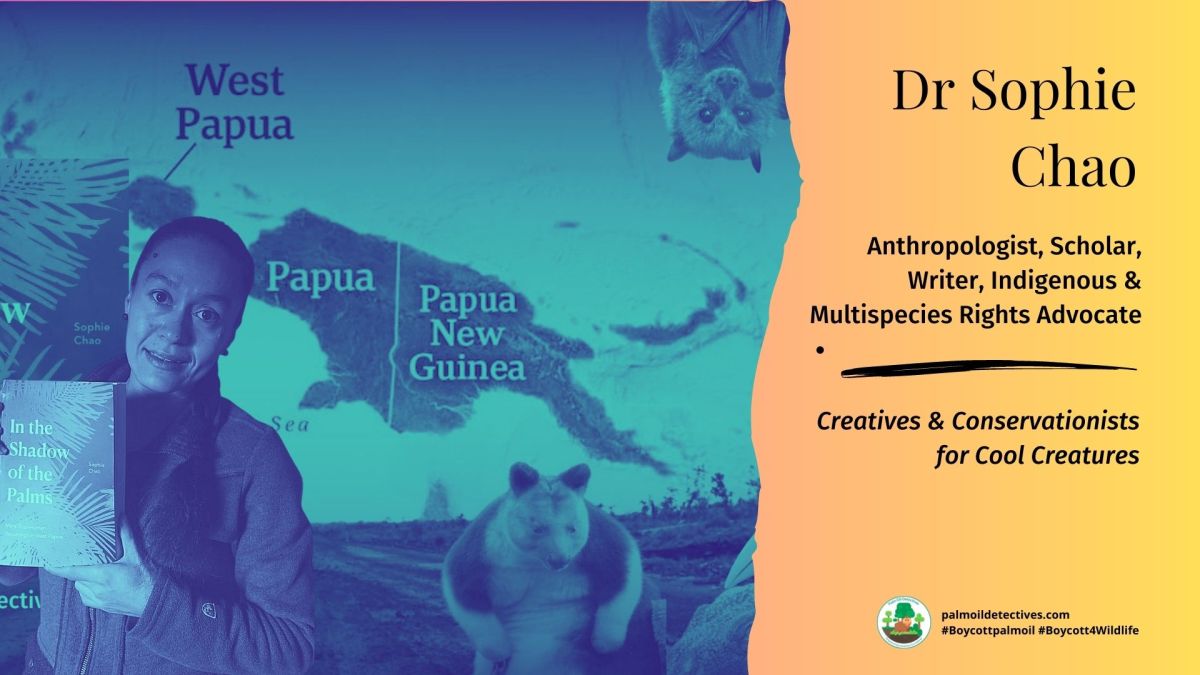
2. Contribute stories: Academics, conservationists, scientists, indigenous rights advocates and animal rights advocates working to expose the corruption of the palm oil industry or to save animals can contribute stories to the website.





3. Supermarket sleuthing: Next time you’re in the supermarket, take photos of products containing palm oil. Share these to social media along with the hashtags to call out the greenwashing and ecocide of the brands who use palm oil. You can also take photos of palm oil free products and congratulate brands when they go palm oil free.
4. Take to the streets: Get in touch with Palm Oil Detectives to find out more.
5. Donate: Make a one-off or monthly donation to Palm Oil Detectives as a way of saying thank you and to help pay for ongoing running costs of the website and social media campaigns. Donate here
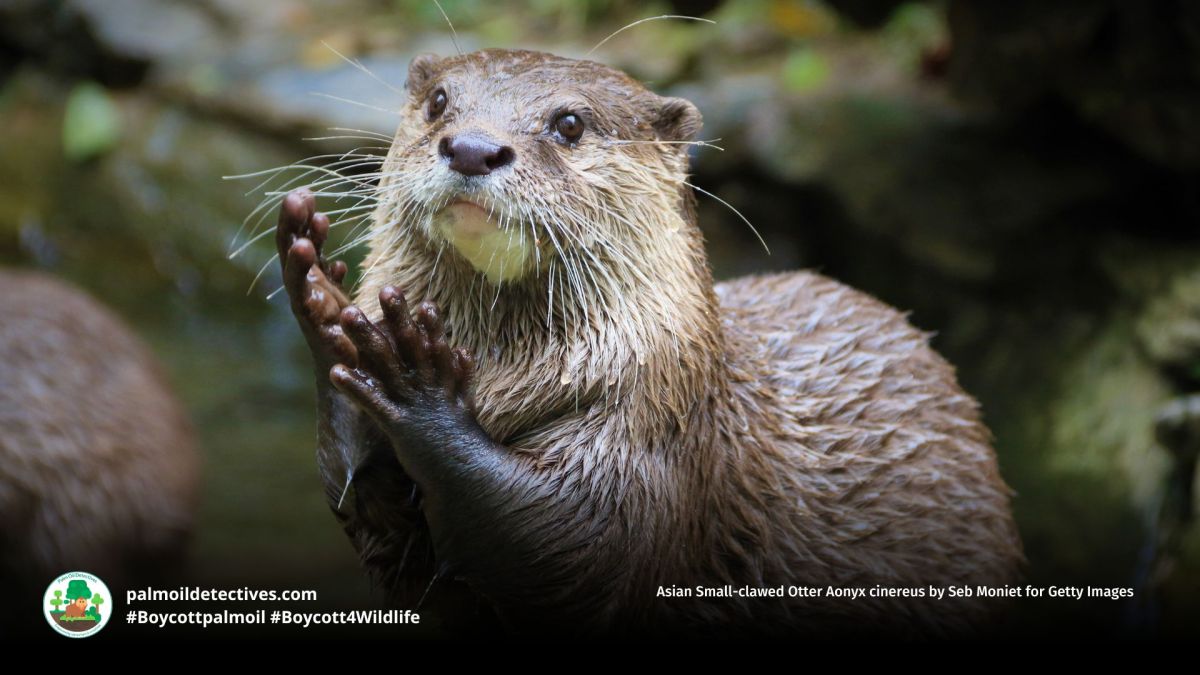
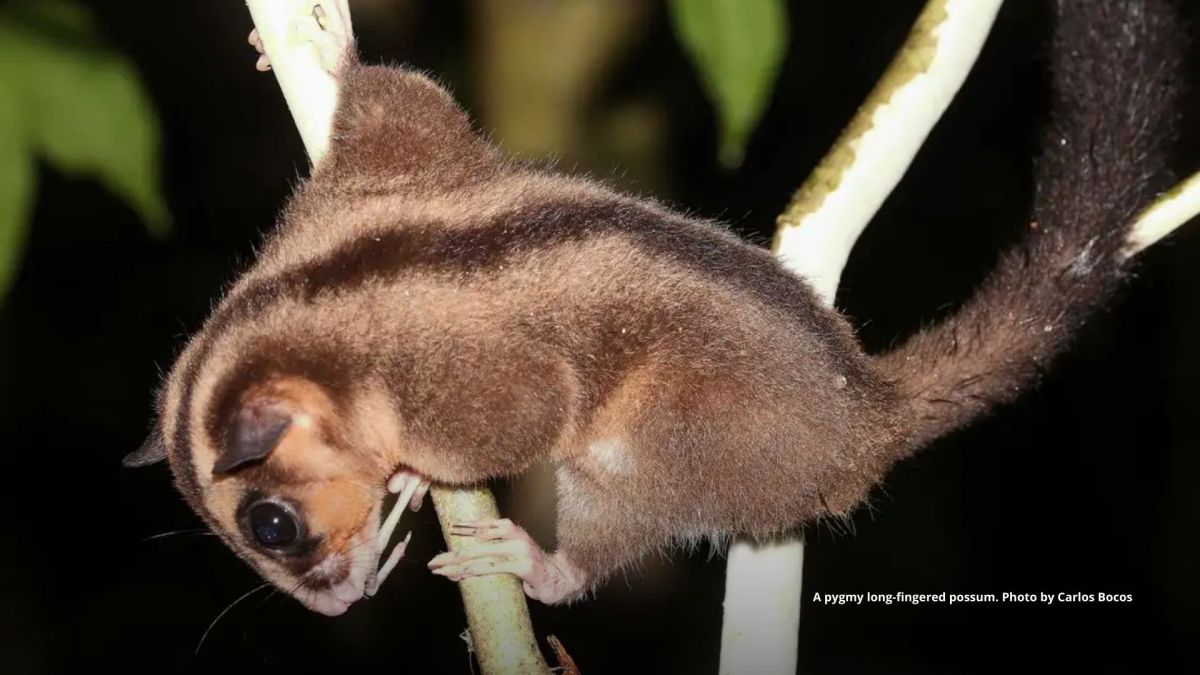
Learn about other animals endangered by palm oil and other agriculture
Learn about “sustainable” palm oil greenwashing
Read more about RSPO greenwashing
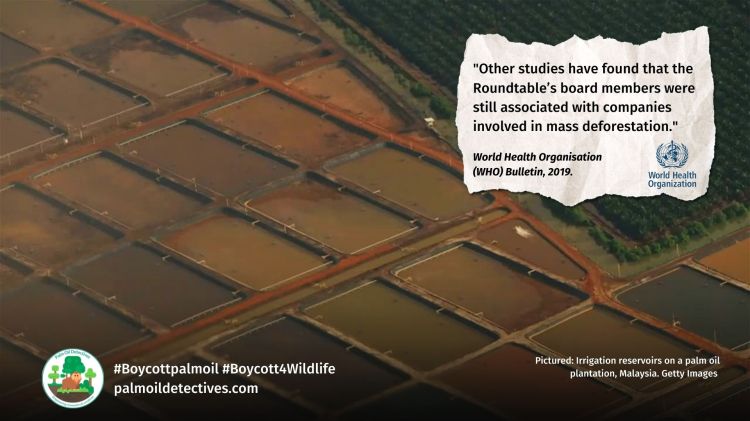
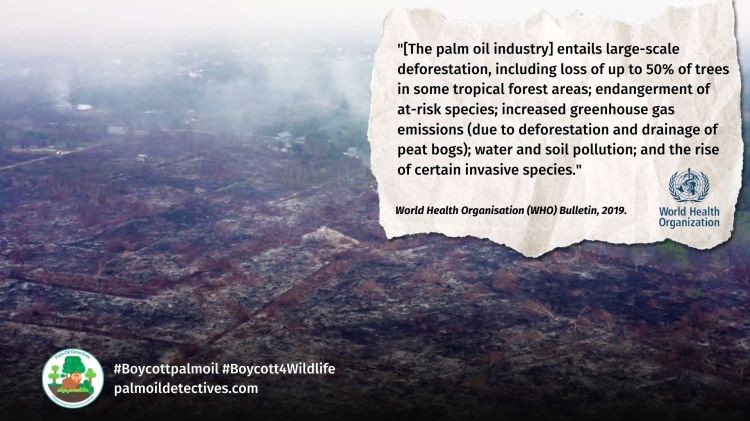
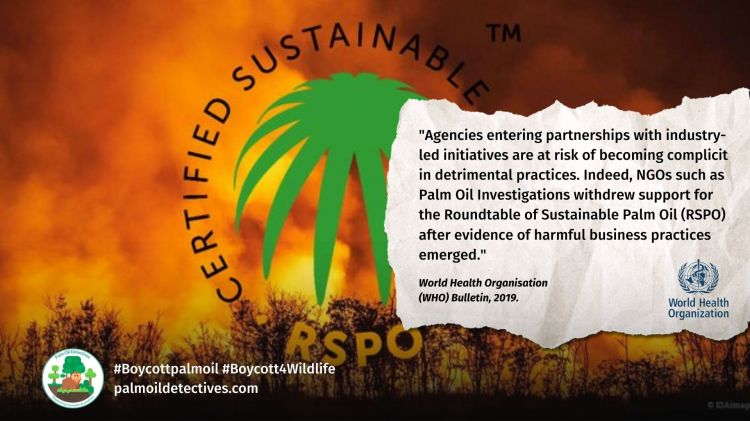
A 2019 World Health Organisation (WHO) report into the palm oil industry and RSPO finds extensive greenwashing of palm oil deforestation and the murder of endangered animals (i.e. biodiversity loss)


Discover more from Palm Oil Detectives
Subscribe to get the latest posts sent to your email.
 Palm Oil Detectives