
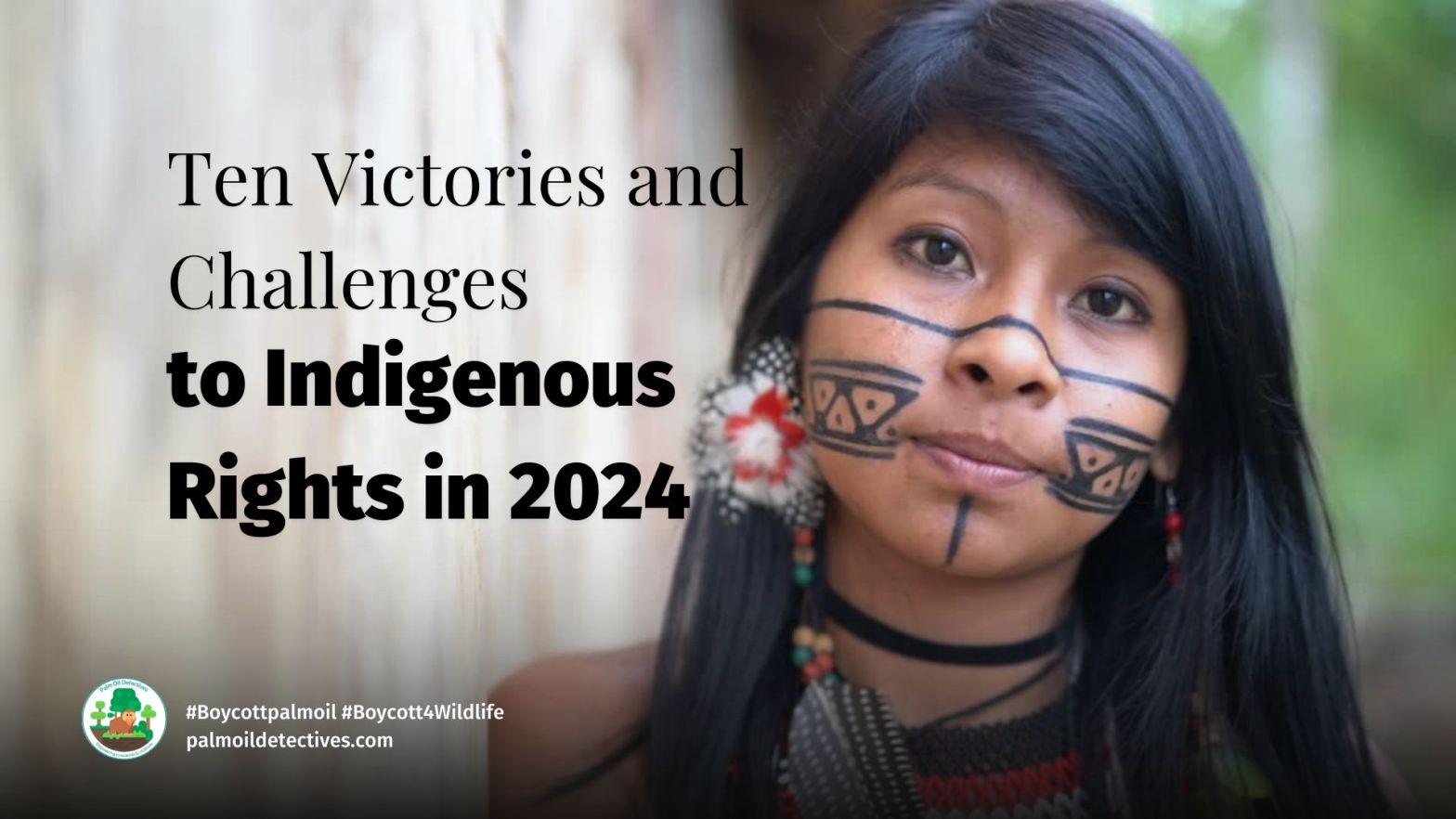
From Brazil’s action against illegal gold miners to the Sacred Headwaters Alliance defending the Amazon, these top Indigenous stories of 2024 highlight resilience and challenges. The year of 2024 underscored the importance of Indigenous sovereignty in tackling environmental and social issues. #IndigenousRights #LandBack
🌏✊ From #Brazil’s action against illegal #mining, to Peru’s fight against drug trafficking, these top 10 #IndigenousRights stories of 2024 reveal victories and challenges for #landrights #LandBack #BoycottPalmOil 🌴☠️⛔️ #BoycottGold 🥇☠️ @palmoildetect https://wp.me/pcFhgU-9Ha
Abulu, L. (2024, December 23). The 10 Indigenous news stories that marked 2024. Mongabay. Retrieved from https://news.mongabay.com/2024/12/the-10-indigenous-news-stories-that-marked-2024/
2024 was a critical year for Indigenous peoples worldwide, marked by significant victories, challenges, and advocacy for land rights and biodiversity conservation. Here are Mongabay’s top Indigenous news stories of the year:
1. Brazil Prepares to Halt Illegal Mining in Munduruku Territory
Brazil began operations to remove illegal miners from Munduruku land, addressing mercury contamination and environmental destruction caused by gold mining.
2. Water Defender Fights for Yaqui Sacred River Amid Mexico’s Heatwave
Mario Luna Romero continues to fight for the Yaqui River, a sacred water source drained by overexploitation and agrochemical pollution. Despite threats and imprisonment, his advocacy persists.
3. Indigenous Rights Violations in Nepal’s Hydropower Projects
Yak herders in Nepal exposed false claims and fabricated signatures by hydropower companies, leading to legal battles over biocultural landscapes.
4. Land Grabs in the DRC Amid Conflict
Indigenous Twa communities in the DRC accused a mining company of acquiring land without proper consultation, exacerbating land disputes under the shadow of regional conflict.
5. Historic Batwa Land Rights Ruling in Africa
The African Commission ruled the Batwa people’s eviction from Kahuzi-Biega National Park a human rights violation, calling for compensation and a return to ancestral lands.
6. Land Rights Conflicts in Cambodia’s Keo Seima REDD+ Project
Indigenous communities in Cambodia faced arrests, land disputes, and destruction of customary lands tied to REDD+ carbon credit projects, raising questions about its efficacy.
7. Do Indigenous Peoples Conserve 80% of Biodiversity?
A controversial study questioned the claim that Indigenous peoples protect 80% of global biodiversity, sparking debate about the validity of the statistic and its implications.
8. Illegal Cattle Boom in Brazil’s Arariboia Territory
Illegal ranching expanded in Arariboia, causing deforestation and violence, with 2023 marking the deadliest year for Indigenous Guajajara people in recent history.
9. False UN Backing Persuades Forest Rights Cession in Latin America
Companies falsely claiming UN endorsement persuaded Indigenous communities in Peru, Bolivia, and Panama to cede forest rights, affecting over 9.5 million hectares.
10. Drug Routes Expand Violence in Peru’s Indigenous Communities
Illicit airstrips linked to coca cultivation in Peru’s Ucayali region have increased violence and deforestation, impacting Indigenous reserves.
Bonus Story: Brazil’s President Lula Recognises 13 Indigenous Lands
Brazil’s President Lula approved 13 Indigenous territories since taking office, advancing efforts to combat deforestation and strengthen Indigenous sovereignty.
These stories reflect the resilience and leadership of Indigenous peoples in the face of environmental and social challenges.
Read the full article on Mongabay: Original Article.
Abulu, L. (2024, December 23). The 10 Indigenous news stories that marked 2024. Mongabay. Retrieved from https://news.mongabay.com/2024/12/the-10-indigenous-news-stories-that-marked-2024/
ENDS
Read more about human rights abuses and child slavery in the palm oil industry
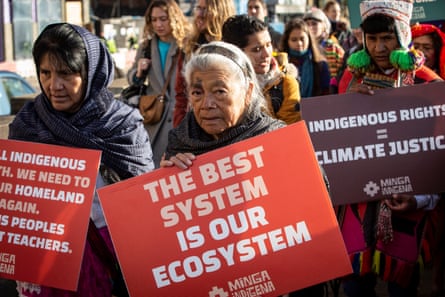
Oil palm in Latin America: monoculture and violence
The rapid expansion of oil palm plantations across #SouthAmerica is causing significant environmental, economic and social problems. This growth is leading to #deforestation, #landgrabbing displacement of #indigenous and farming communities, and increased militarised…
Read more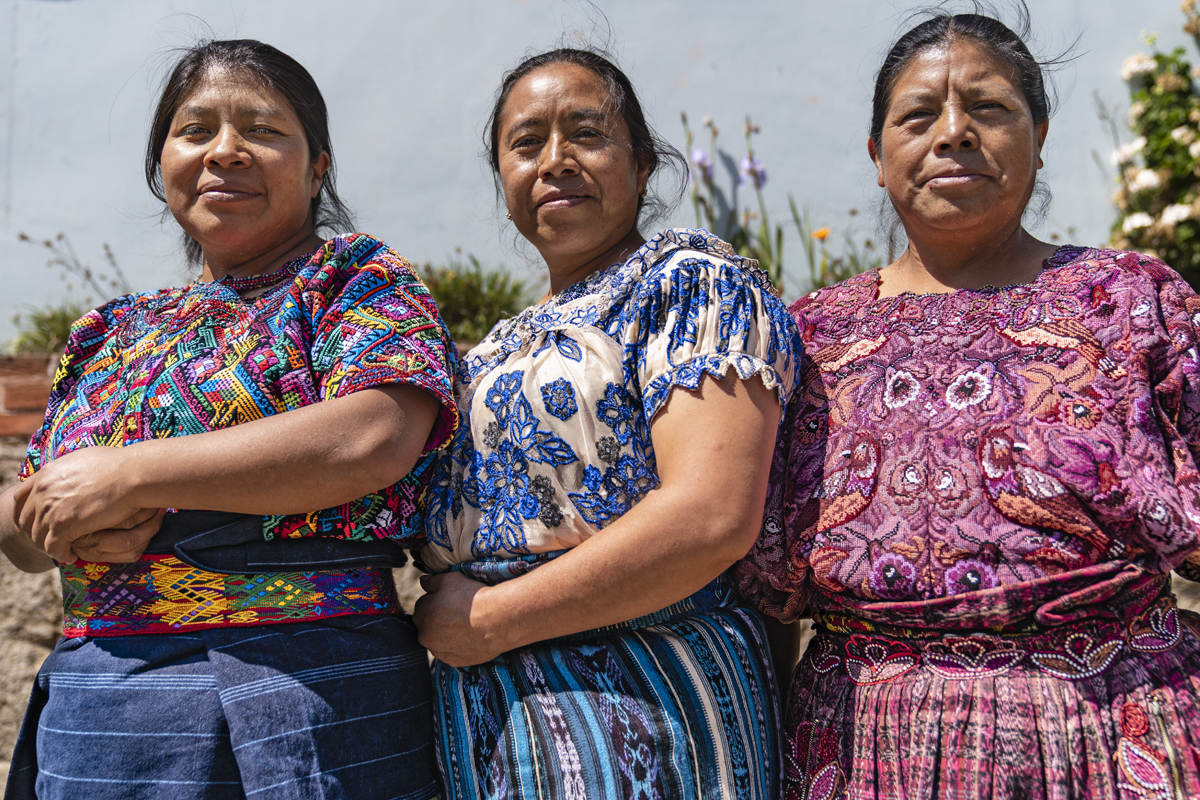
Indigenous Peoples Fight Climate Change
After wildfires, Belize’s indigenous people rebuild stronger based on “se’ komonil”: reciprocity, solidarity, gender equity, togetherness and community.
Read more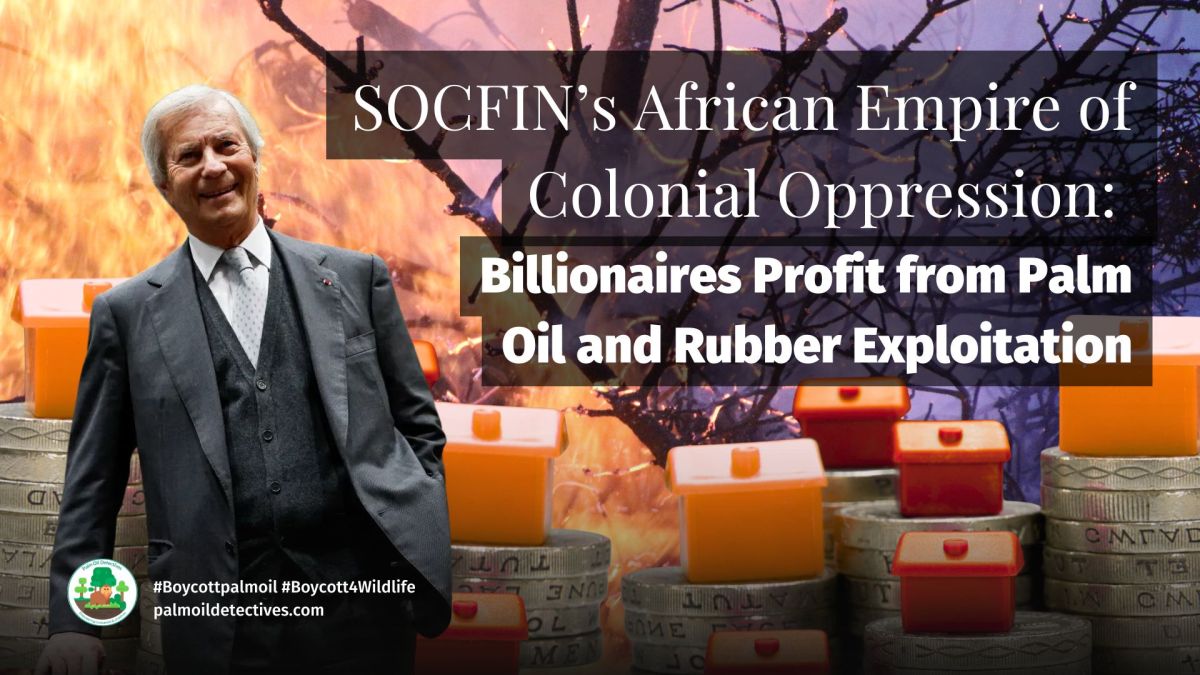
SOCFIN’s African Empire of Colonial Oppression: Billionaires Profit from Palm Oil and Rubber Exploitation
Investigation by Bloomberg exposes that despite being RSPO members, #SOCFIN plantations in #WestAfrica are the epicentre of #humanrights abuses, sexual coercion, environmental destruction, and #landgrabbing. Operating in #Liberia, #Ghana, #Nigeria, and beyond, SOCFIN’s…
Read more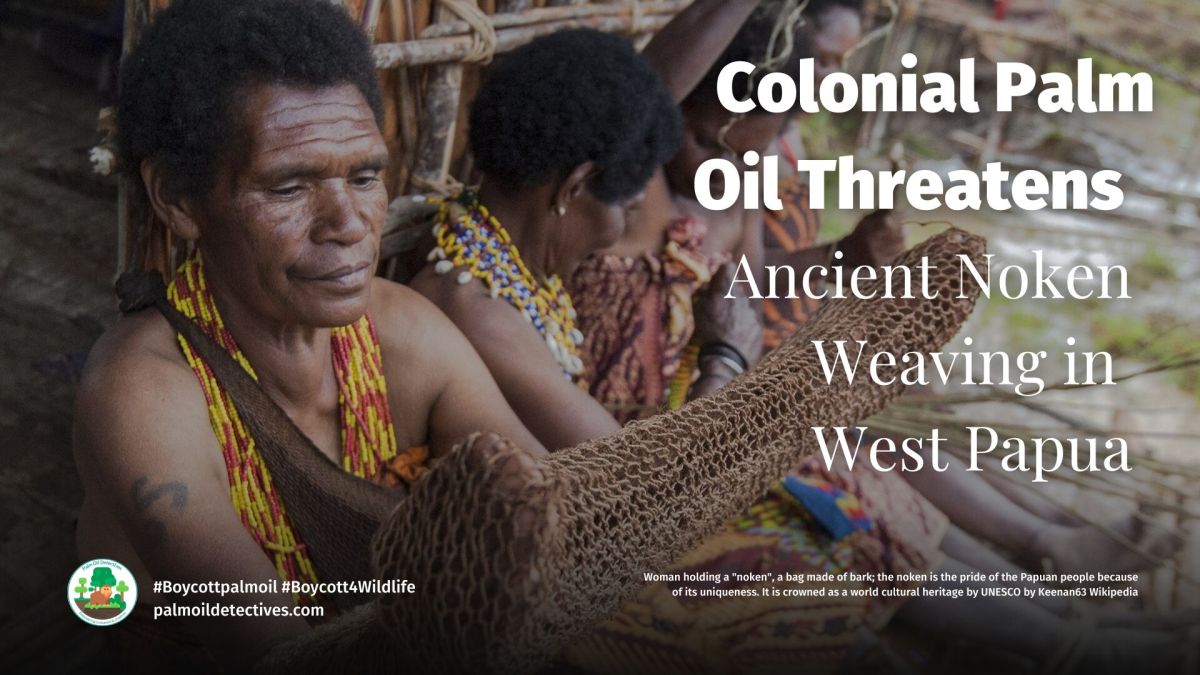
Palm Oil Threatens Ancient Noken Weaving in West Papua
Colonial palm oil and sugarcane causing the loss of West Papuans’ cultural identity. Land grabs force communities from forests, threatening Noken weaving
Read more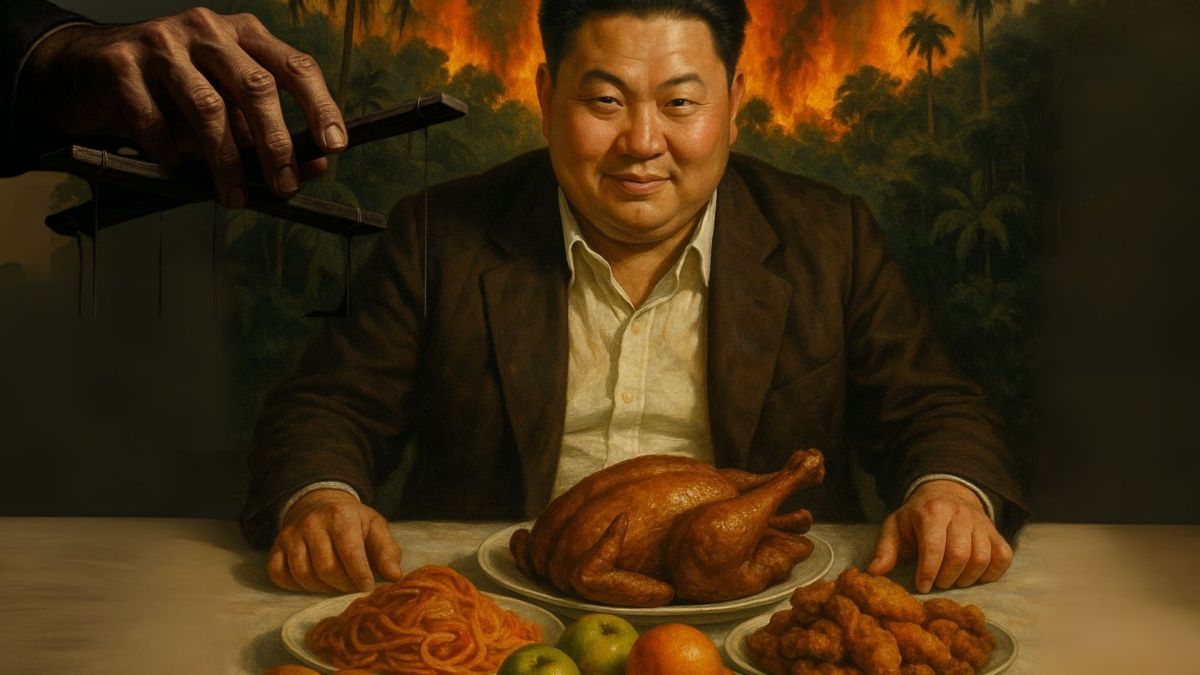
Family Ties Expose Deforestation and Rights Violations in Indonesian Palm Oil
An explosive report by the Environment Investigation Agency (EIA) details how Indonesia’s Fangiono family, through a wide corporate web, is linked to ongoing #deforestation, #corruption, and #indigenousrights abuses for #palmoil. Calls mount for…
Read moreSomething went wrong. Please refresh the page and/or try again.
Take Action in Five Ways
1. Join the #Boycott4Wildlife on social media and subscribe to stay in the loop: Share posts from this website to your own network on Twitter, Mastadon, Instagram, Facebook and Youtube using the hashtags #Boycottpalmoil #Boycott4Wildlife.
2. Contribute stories: Academics, conservationists, scientists, indigenous rights advocates and animal rights advocates working to expose the corruption of the palm oil industry or to save animals can contribute stories to the website.



3. Supermarket sleuthing: Next time you’re in the supermarket, take photos of products containing palm oil. Share these to social media along with the hashtags to call out the greenwashing and ecocide of the brands who use palm oil. You can also take photos of palm oil free products and congratulate brands when they go palm oil free.
4. Take to the streets: Get in touch with Palm Oil Detectives to find out more.
5. Donate: Make a one-off or monthly donation to Palm Oil Detectives as a way of saying thank you and to help pay for ongoing running costs of the website and social media campaigns. Donate here
Discover more from Palm Oil Detectives
Subscribe to get the latest posts sent to your email.
 Palm Oil Detectives