
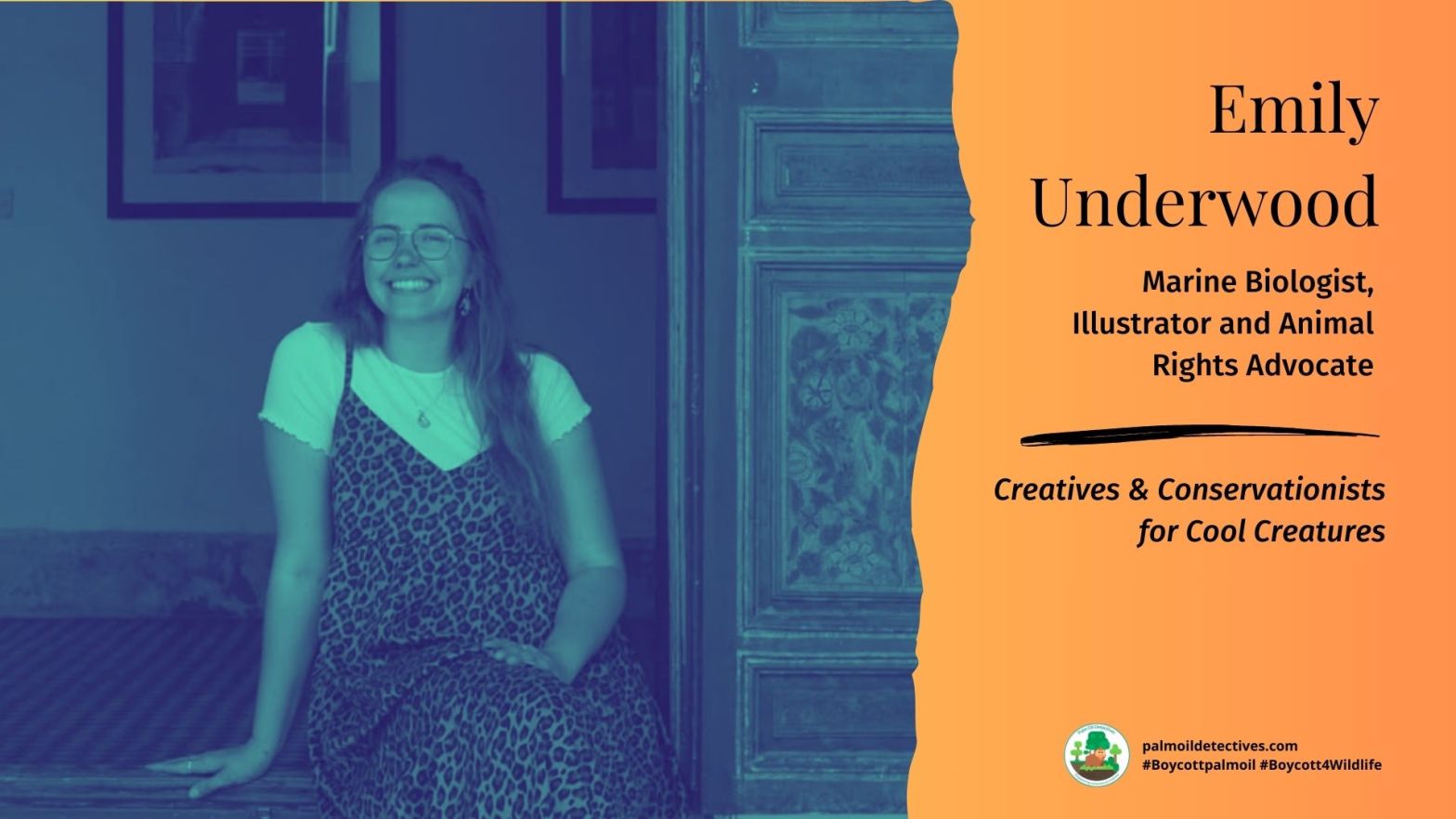
Emily Underwood is a Sussex-based illustrator with a degree in Marine Biology and an MA in Illustration. Combining her scientific background with her creative talents, she is passionate about highlighting lesser-known endangered species through her art. Inspired by her travels and encounters with extraordinary wildlife, Emily’s work celebrates these creatures while raising awareness of their challenges. Her commitment to wild animals is at the heart of her illustrations, with ceramics soon joining her offerings.

Marine #Biologist and #illustrator Emily Underwood creates beautiful #art 🎨🖼️❤️ about obscure beautiful #creatures 🦋🐢🐘 so that people pay more attention. She strongly supports the #BoycottPalmOil 🌴🪔🙊⛔️#Boycott4Wildlife. Read her inspiring story https://wp.me/pcFhgU-a0T
Talented #artist, #biologist and #animalrights advocate Emily Underwood makes stunning #art 🖼️🎨showcasing #animals like the Temminck #Pangolin 🐳 #whales #turtles 🐢 and many more. Learn why she is so committed to saving #wildlife 🌴🪔 ⛔️#Boycott4Wildlife https://wp.me/pcFhgU-a0T


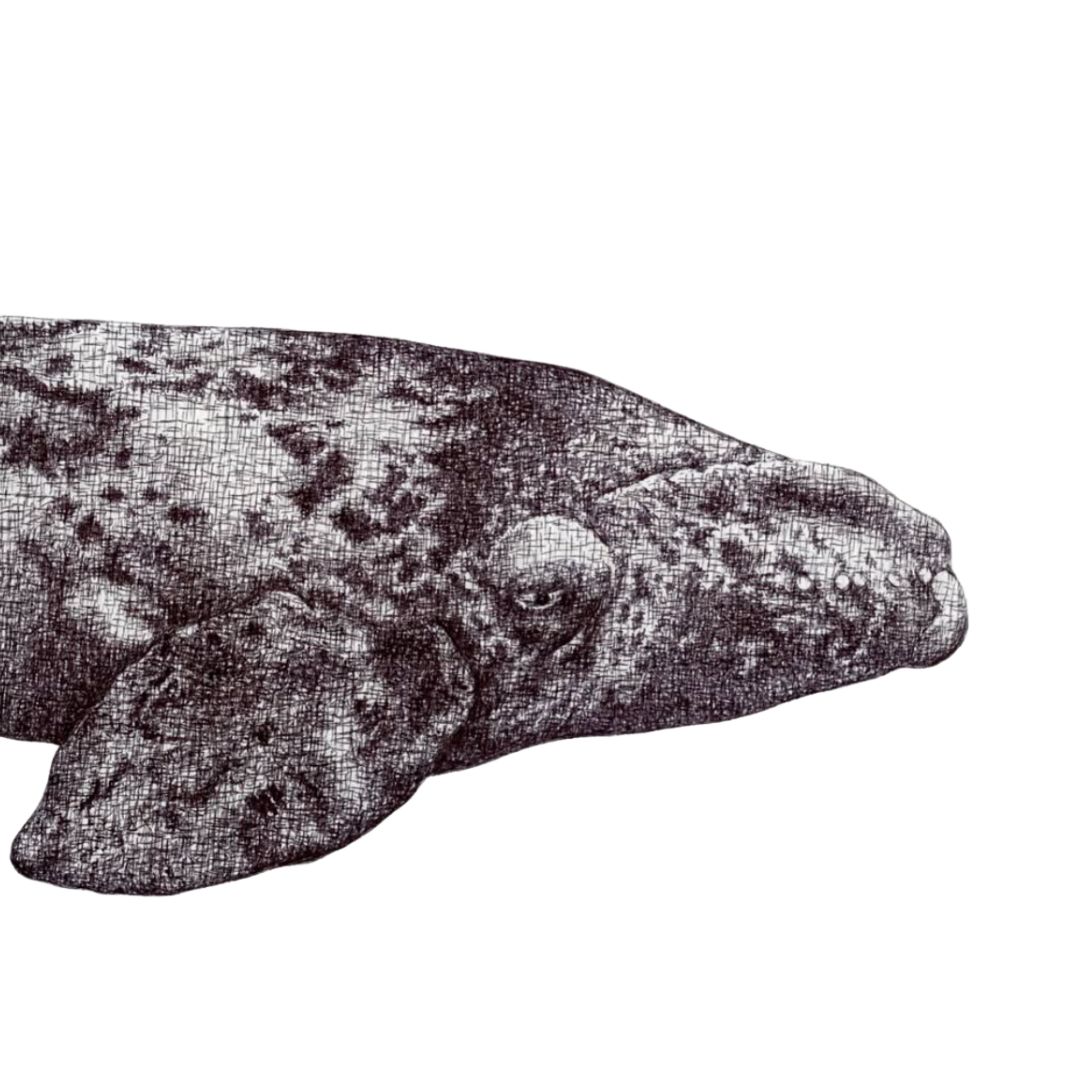


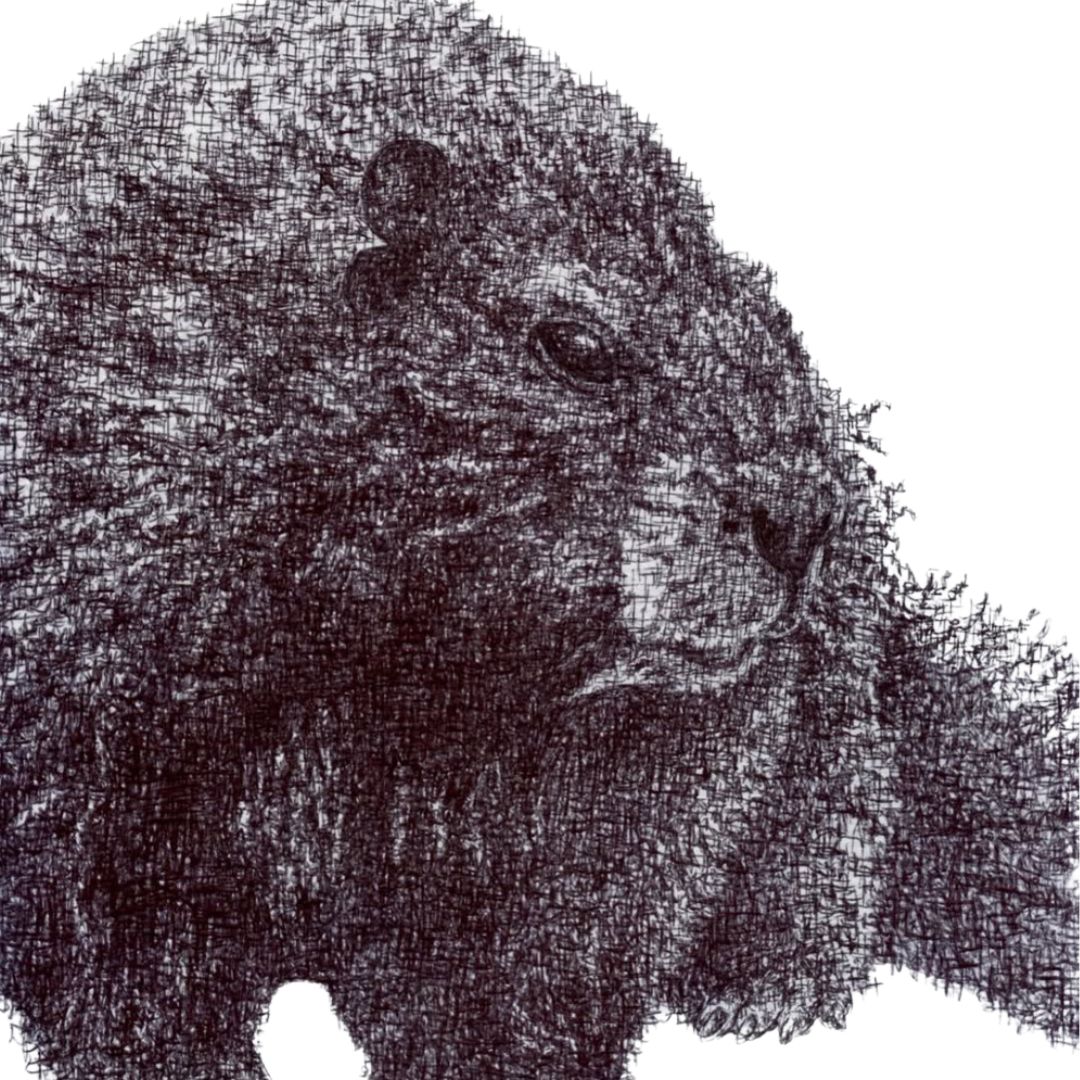

I studied Marine Biology and got an MA in Illustration to share animal stories through my art
Both my parents and my grandad are wildlife-obsessed, and our family has always prioritised experiences, like exploring the world, over material possessions. Seeing and hearing about the importance of wildlife, both within my family and globally—through maintaining ecosystems, cultural connections, and understanding how animals can be mistreated—has deeply influenced my love for animals. This eventually led me to study Marine Biology and now pursue my MA in Illustration to share their stories through art.
These experiences helped me to expand my knowledge and learn more about the natural world! I also hoped it would open up opportunities to travel, though COVID disrupted that part of the plan. I’m a certified diver (PADI), and my love for diving was another reason I gravitated toward Marine Biology.

Visit Emily’s website and browse her art
100% I characterise my art as a form of ‘artivism’
Growing up, I was always torn between science and art, feeling like I had to choose one or the other. Over time, I realised I could combine the two to make a meaningful impact. During my Marine Biology degree, we kept notebooks to document experiments and fieldwork. This process was very visual for me, and it struck me that visual storytelling could be a powerful way to educate others. That was my “aha” moment.
Doing what you love will keep you motivated and make your work more impactful
My advice is to embrace all the things you enjoy and find ways to combine them. Also, start small! I used to feel discouraged that I couldn’t change everyone’s views, but even influencing a handful of people is a success. Small actions can have a ripple effect.

The protection of species at risk before it’s too late is my top priority
My plan is to continue adding to the Endangered Voices series. I’d love to focus on a UK-based series, featuring animals like the red squirrel and dormouse, inspired by photos I’ve taken. I started doing pottery during the COVID lockdown with my grandad, and I’d like to experiment with adding my yellow snail trail design and animal drawings onto pinch pots. I’m currently building a small studio for both ceramics and illustration, which I plan to document on Instagram to bring the project to life.
It’s easy to feel defeated, but every effort counts
My advice is to mirror what I mentioned earlier—start small and remember that influencing even a few people is meaningful.
I support the boycott of palm oil and the #Boycott4Wildlife
Yes, 100%. Deforestation for palm oil is deeply linked to the destruction of habitats and the endangerment of countless species, some of which are still undiscovered.

Visit Emily’s shop and buy her art
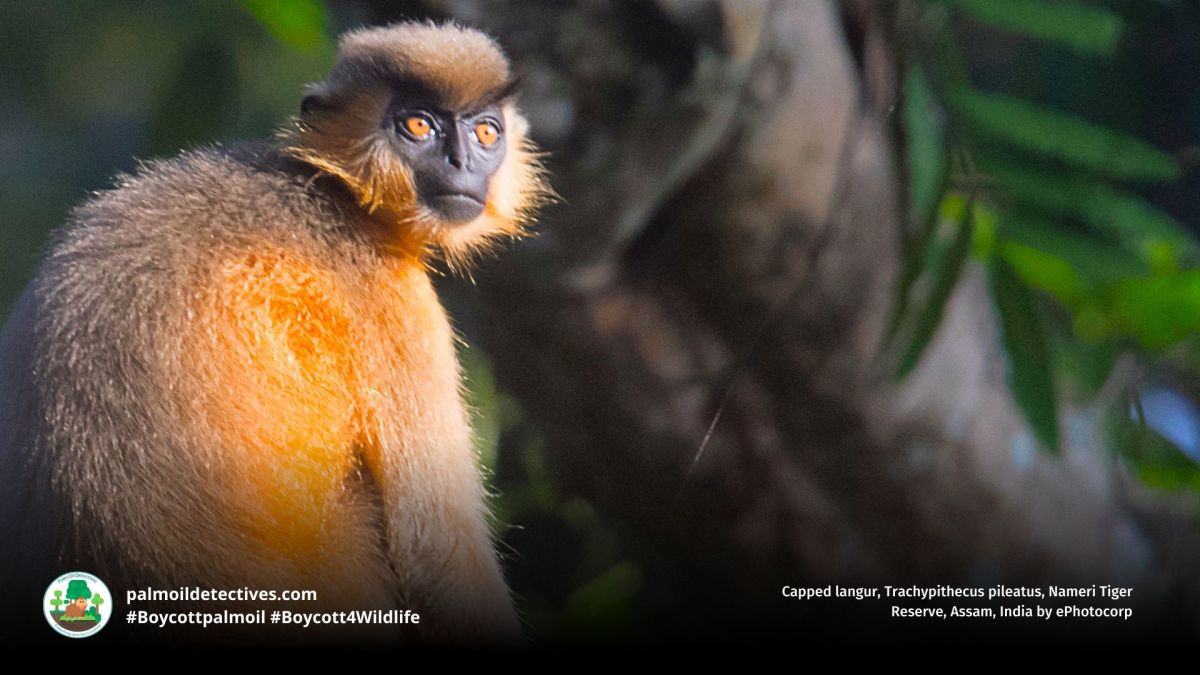
Learn about other animals endangered by palm oil and other agriculture
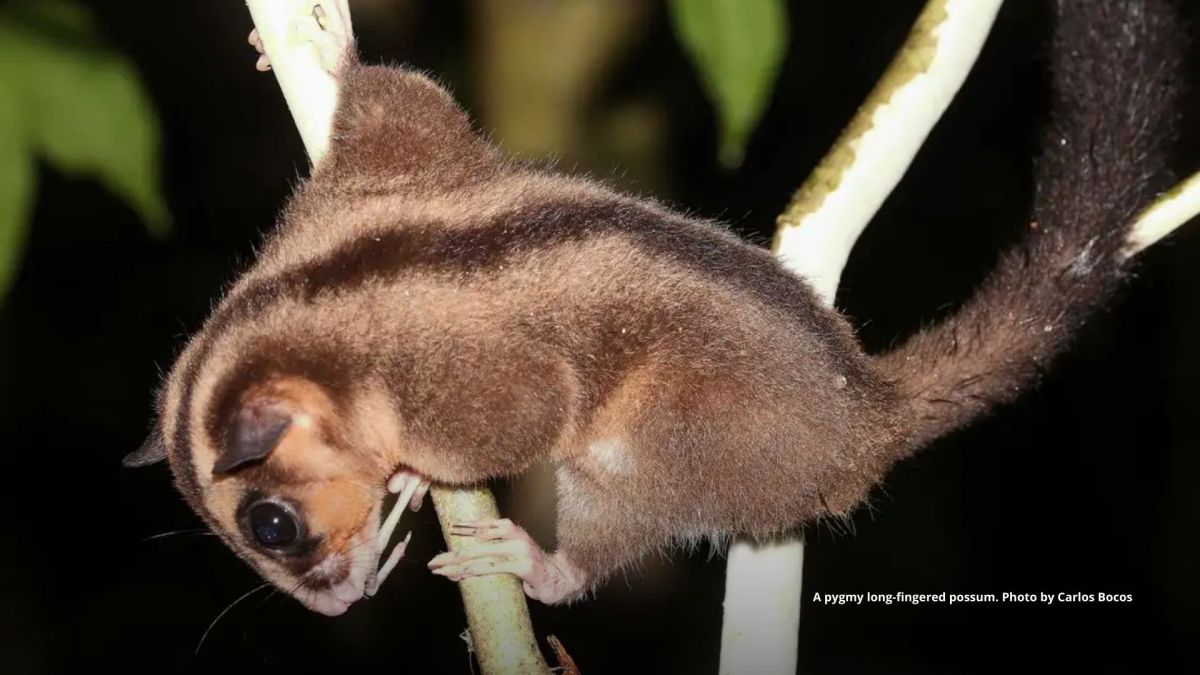
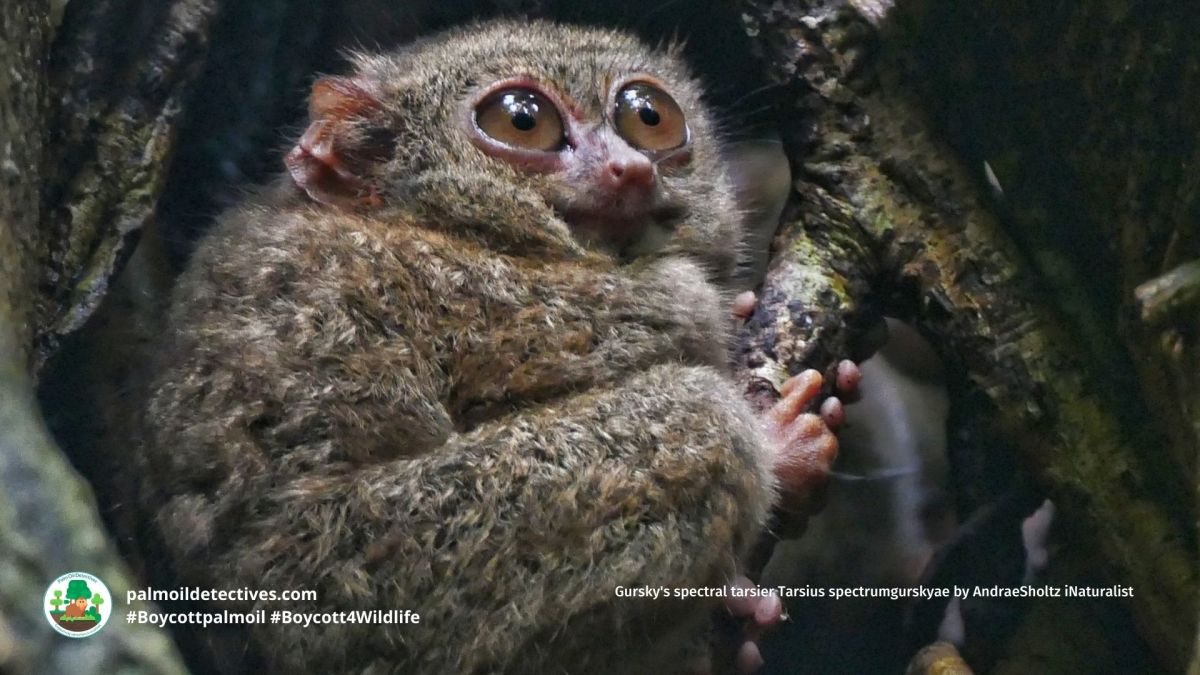
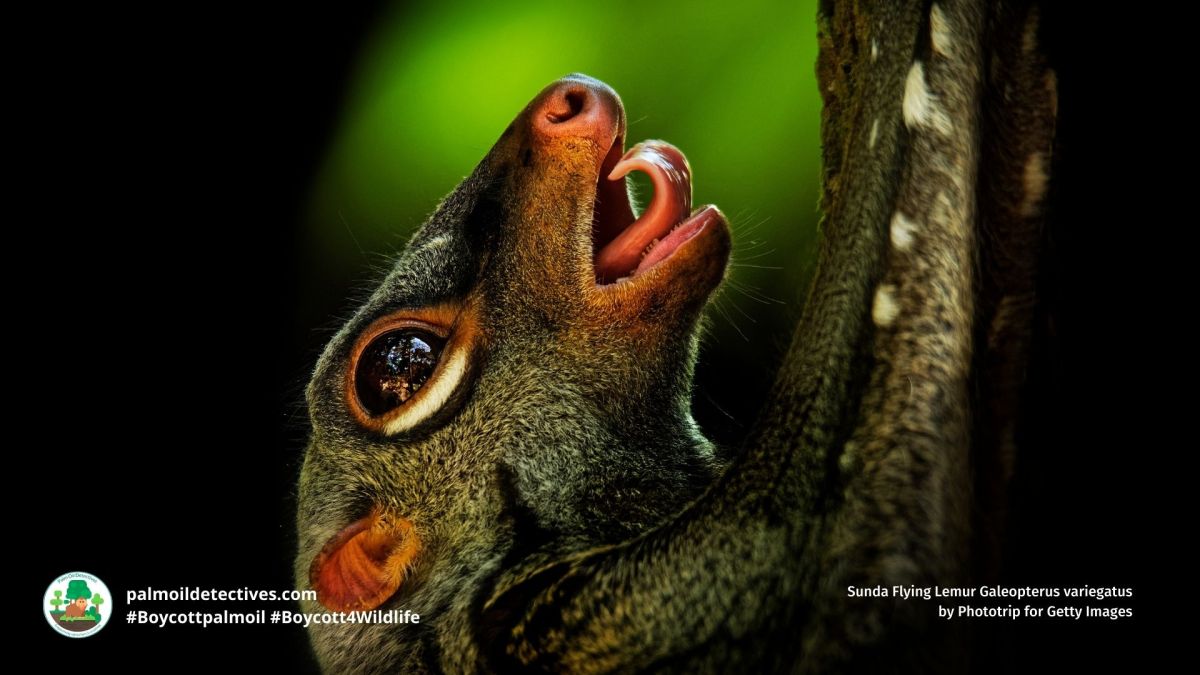
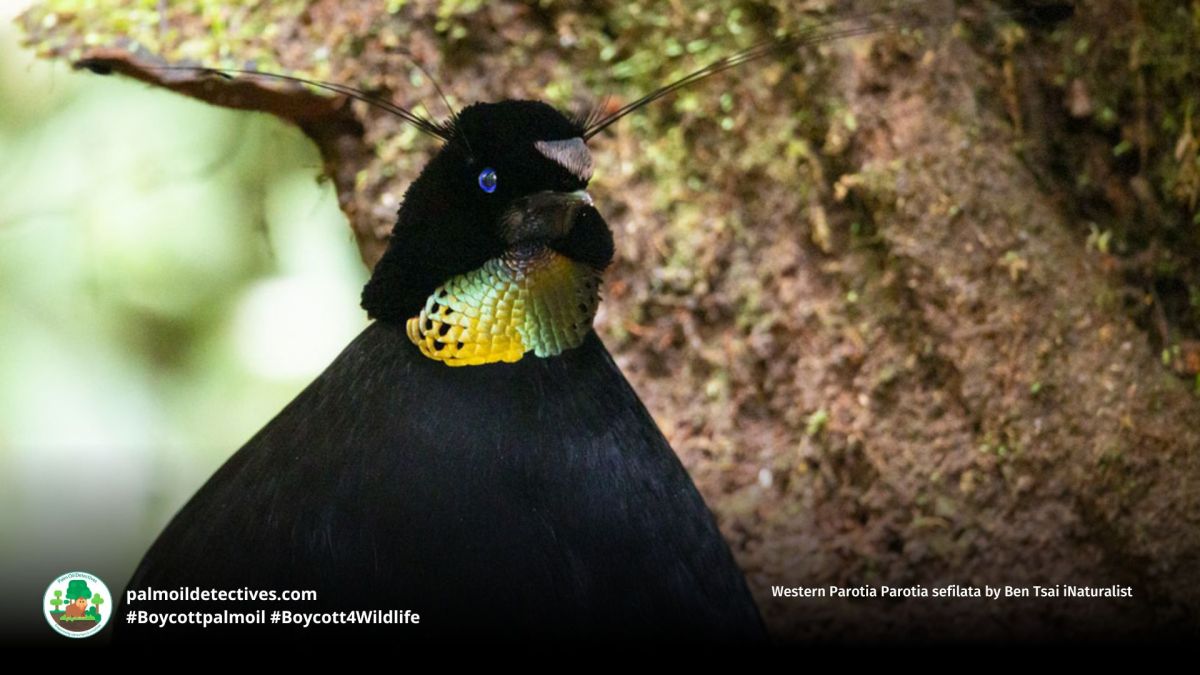
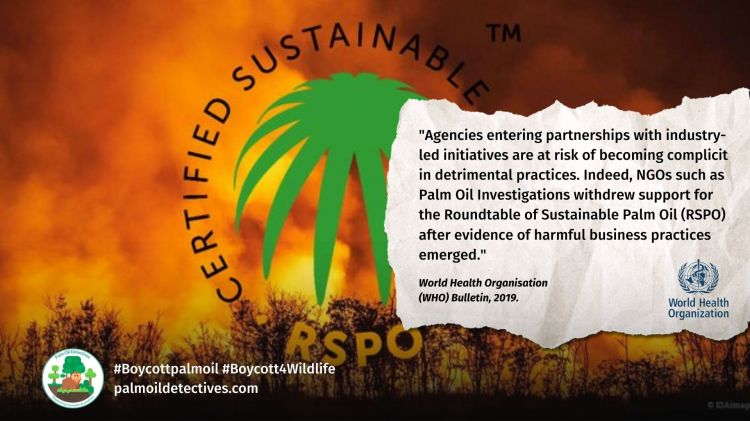
Learn about “sustainable” palm oil greenwashing
Read more about RSPO greenwashing
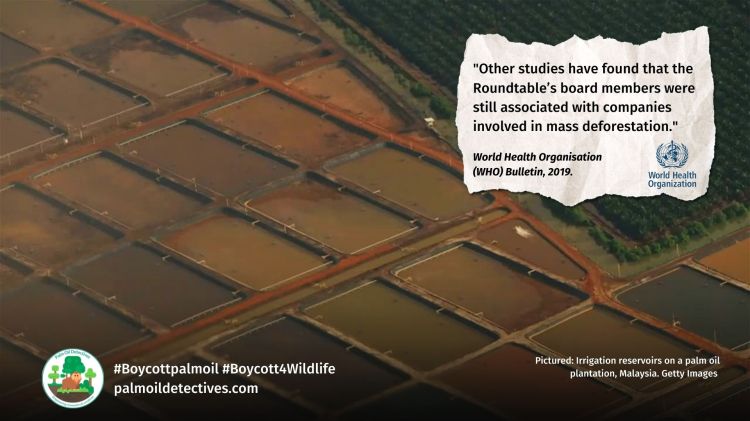
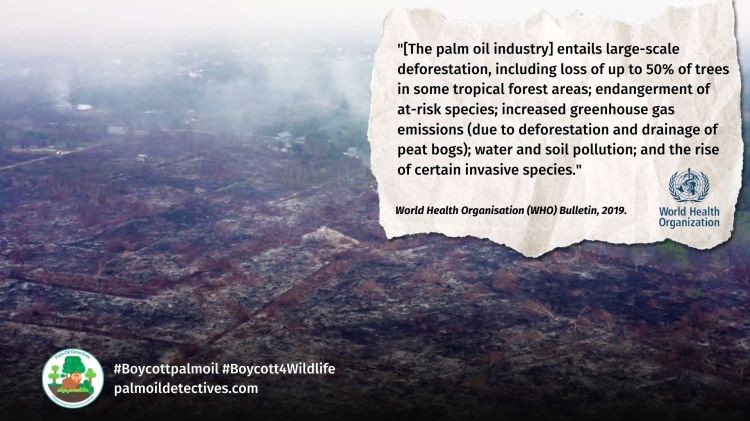
A 2019 World Health Organisation (WHO) report into the palm oil industry and RSPO finds extensive greenwashing of palm oil deforestation and the murder of endangered animals (i.e. biodiversity loss)


Take Action in Five Ways
1. Join the #Boycott4Wildlife on social media and subscribe to stay in the loop: Share posts from this website to your own network on Twitter, Mastadon, Instagram, Facebook and Youtube using the hashtags #Boycottpalmoil #Boycott4Wildlife.
2. Contribute stories: Academics, conservationists, scientists, indigenous rights advocates and animal rights advocates working to expose the corruption of the palm oil industry or to save animals can contribute stories to the website.


3. Supermarket sleuthing: Next time you’re in the supermarket, take photos of products containing palm oil. Share these to social media along with the hashtags to call out the greenwashing and ecocide of the brands who use palm oil. You can also take photos of palm oil free products and congratulate brands when they go palm oil free.
4. Take to the streets: Get in touch with Palm Oil Detectives to find out more.
5. Donate: Make a one-off or monthly donation to Palm Oil Detectives as a way of saying thank you and to help pay for ongoing running costs of the website and social media campaigns. Donate here
Discover more from Palm Oil Detectives
Subscribe to get the latest posts sent to your email.
 Palm Oil Detectives