

A joint investigation by Malaysiakini and Pulitzer Center’s Rainforest Investigations Network (RIN) reveals alarming deforestation in Pahang, #Malaysia, caused by one of the country’s largest #palmoil plantations. The plantation threatens endangered species like #tigers and pollutes local water supplies. It has been described as “the worst-managed oil palm plantation in Malaysia.” Palm oil yields are low, while the #deforestation is chaotic, leaving the land barren and overrun with #elephants. The report highlights links between developers and political or royal ownership and rampant corruption and strongly pushes for more transparency, improved government oversight and regulatory enforcement. #BoycottPalmOil #Boycott4Wildlife
#News: 🌴🇲🇾 Malaysiakini and Pulitzer investigation in #Malaysia: #Pahang’s badly managed #palmoil threatens endangered #tigers #elephants, disrupts villages. Rife with #corruption at highest level. #BoycottPalmOil 🌴☠️⛔️#Boycott4Wildlife @palmoildetect https://wp.me/pcFhgU-9GZ
GIJN. (2024, December 20). Timber grab: The truth behind Pahang oil palm plantation. Global Investigative Journalism Network. Retrieved from https://gijn.org/stories/2024-editors-picks-investigative-stories-southeast-asia
An investigation by Malaysiakini, in collaboration with the Pulitzer Center’s Rainforest Investigations Network, has exposed the dire environmental and social impacts of one of Malaysia’s largest oil palm plantations in Pahang. Located near an environmentally protected area, the plantation’s operations have resulted in chaotic deforestation, disrupted water supplies, and threats to endangered wildlife, including tigers.
The plantation, described by an environmental consultant as “the worst-managed oil palm plantation in Malaysia,” has low palm oil yields and barren landscapes overrun with elephants. Developers often cite “wildlife conflict” to justify failures, shifting focus to logging valuable timber instead of sustainable plantation development.
Malaysiakini’s investigation also shed light on troubling links between plantation developers and political or royal interests, with 95% of the land developed by such entities. In December, the investigative team revealed that prominent banks provided large loans to plantation developers despite repeated project failures, questioning the banks’ credibility and oversight practices.
The investigation calls on the Malaysian government to tighten plantation approval processes and enforce environmental protections to prevent further harm to biodiversity and local communities.
For detailed insights, read the full Malaysiakini report via GIJN.
GIJN. (2024, December 20). Timber grab: The truth behind Pahang oil palm plantation. Global Investigative Journalism Network. Retrieved from https://gijn.org/stories/2024-editors-picks-investigative-stories-southeast-asia
ENDS
Read more about human rights abuses and child slavery in the palm oil industry
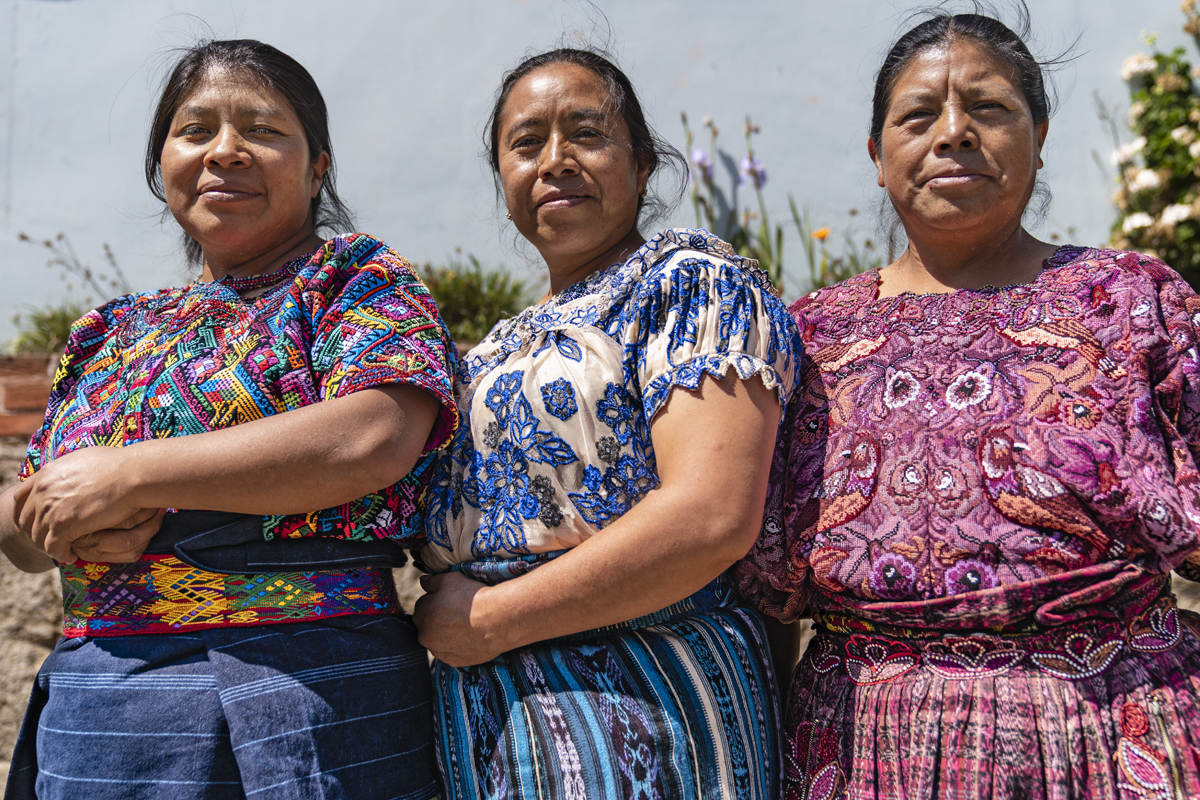
Indigenous Peoples Fight Climate Change
After wildfires, Belize’s indigenous people rebuild stronger based on “se’ komonil”: reciprocity, solidarity, gender equity, togetherness and community.
Read more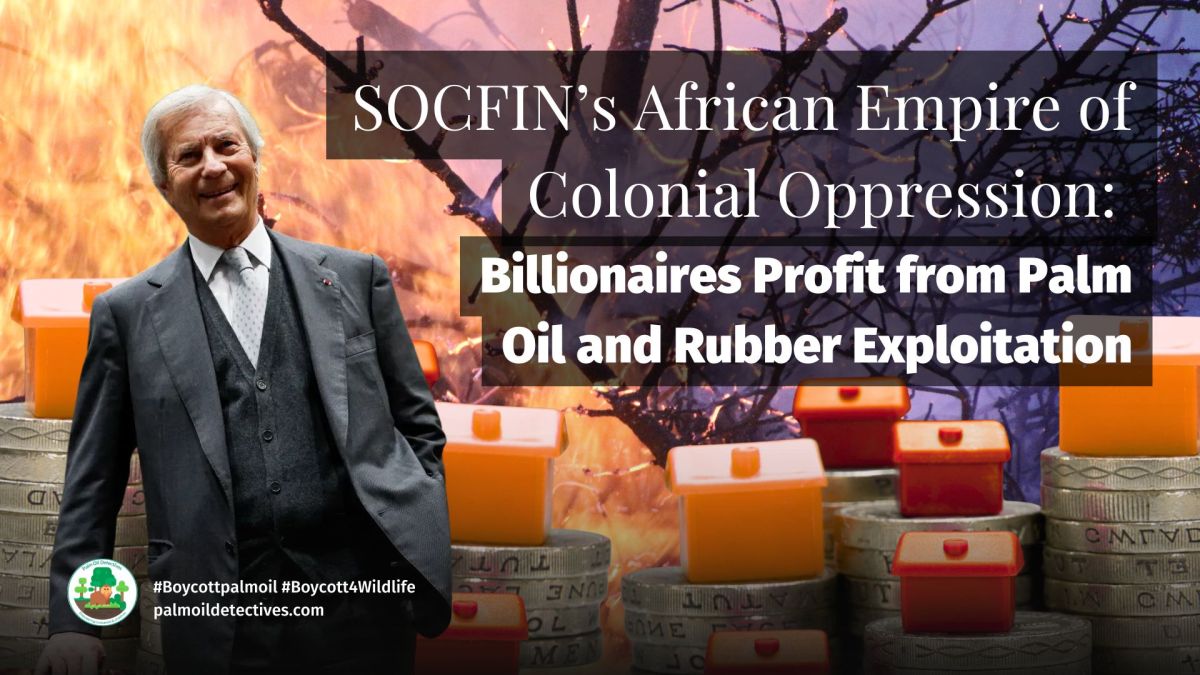
SOCFIN’s African Empire of Colonial Oppression: Billionaires Profit from Palm Oil and Rubber Exploitation
Investigation by Bloomberg exposes that despite being RSPO members, #SOCFIN plantations in #WestAfrica are the epicentre of #humanrights abuses, sexual coercion, environmental destruction, and #landgrabbing. Operating in #Liberia, #Ghana, #Nigeria, and beyond, SOCFIN’s…
Read more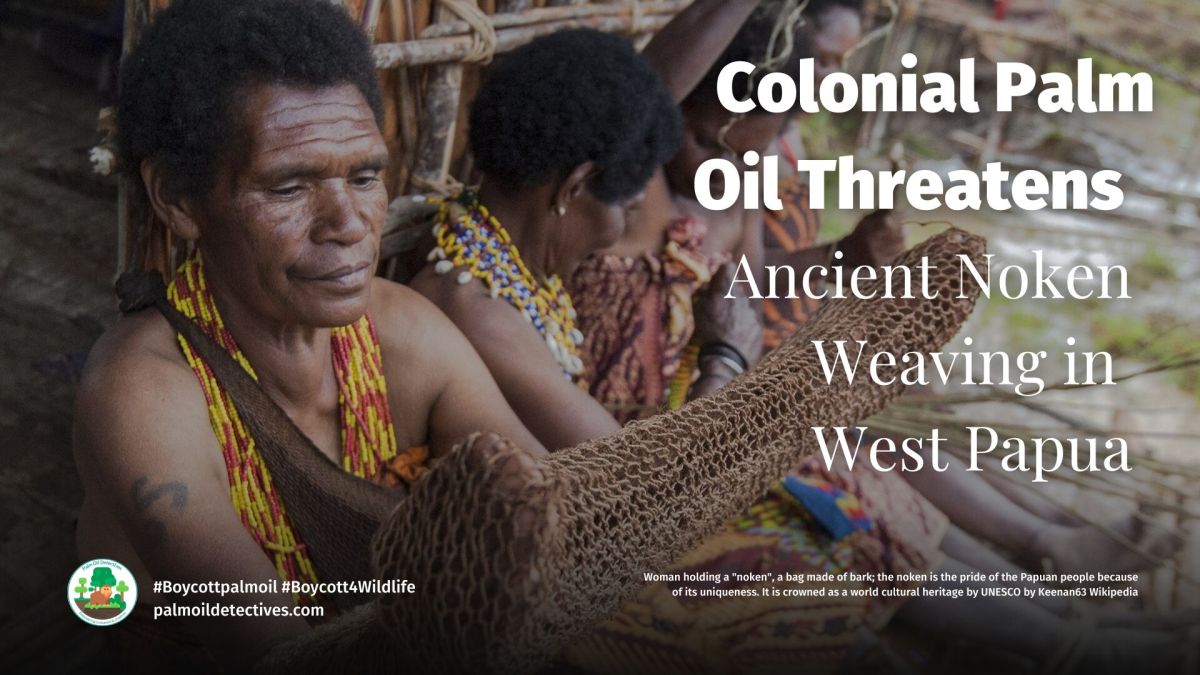
Palm Oil Threatens Ancient Noken Weaving in West Papua
Colonial palm oil and sugarcane causing the loss of West Papuans’ cultural identity. Land grabs force communities from forests, threatening Noken weaving
Read more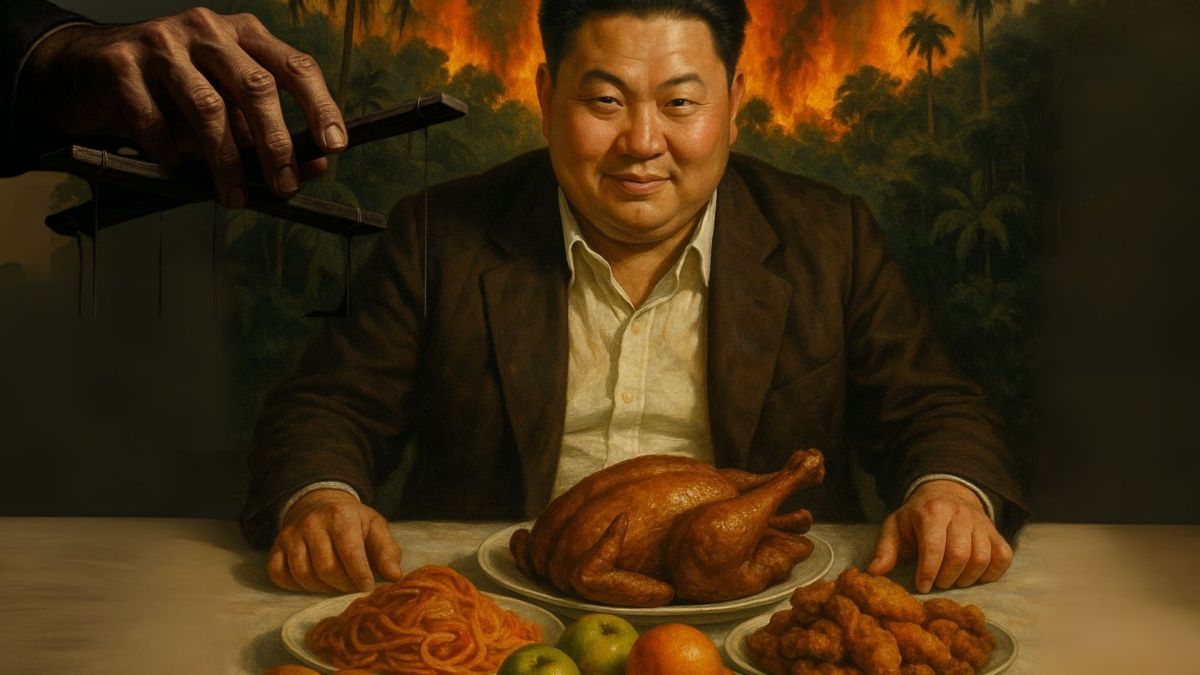
Family Ties Expose Deforestation and Rights Violations in Indonesian Palm Oil
An explosive report by the Environment Investigation Agency (EIA) details how Indonesia’s Fangiono family, through a wide corporate web, is linked to ongoing #deforestation, #corruption, and #indigenousrights abuses for #palmoil. Calls mount for…
Read more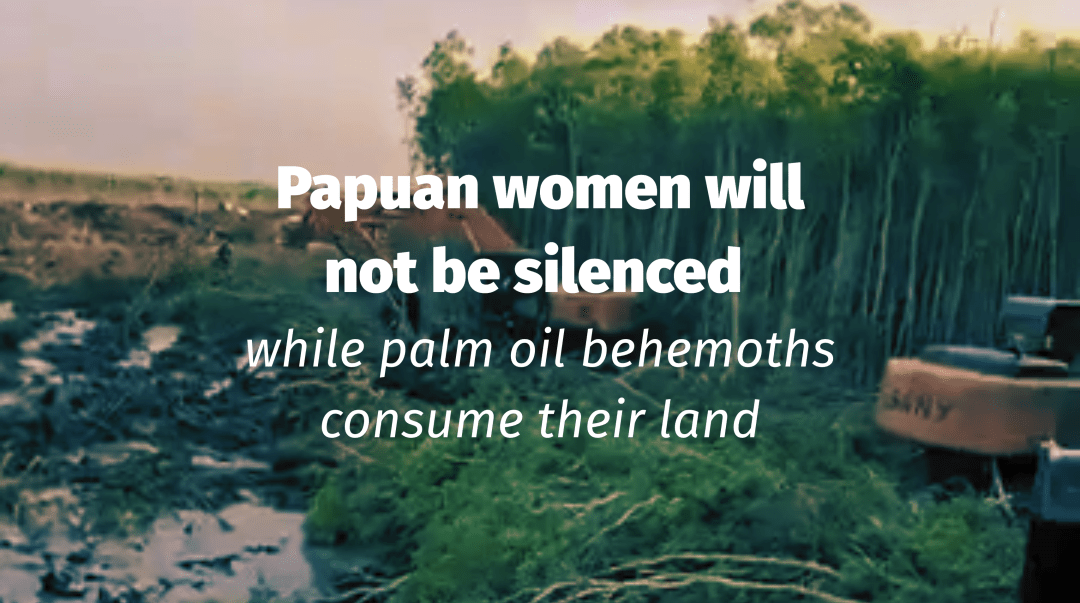
West Papuan Indigenous Women Fight Land Seizures
Indigenous Melanesian women in West Papua fight land seizures for palm oil and sugar plantations, protecting their ancestral rights. Join #BoycottPalmOil
Read moreSomething went wrong. Please refresh the page and/or try again.
Take Action in Five Ways
1. Join the #Boycott4Wildlife on social media and subscribe to stay in the loop: Share posts from this website to your own network on Twitter, Mastadon, Instagram, Facebook and Youtube using the hashtags #Boycottpalmoil #Boycott4Wildlife.
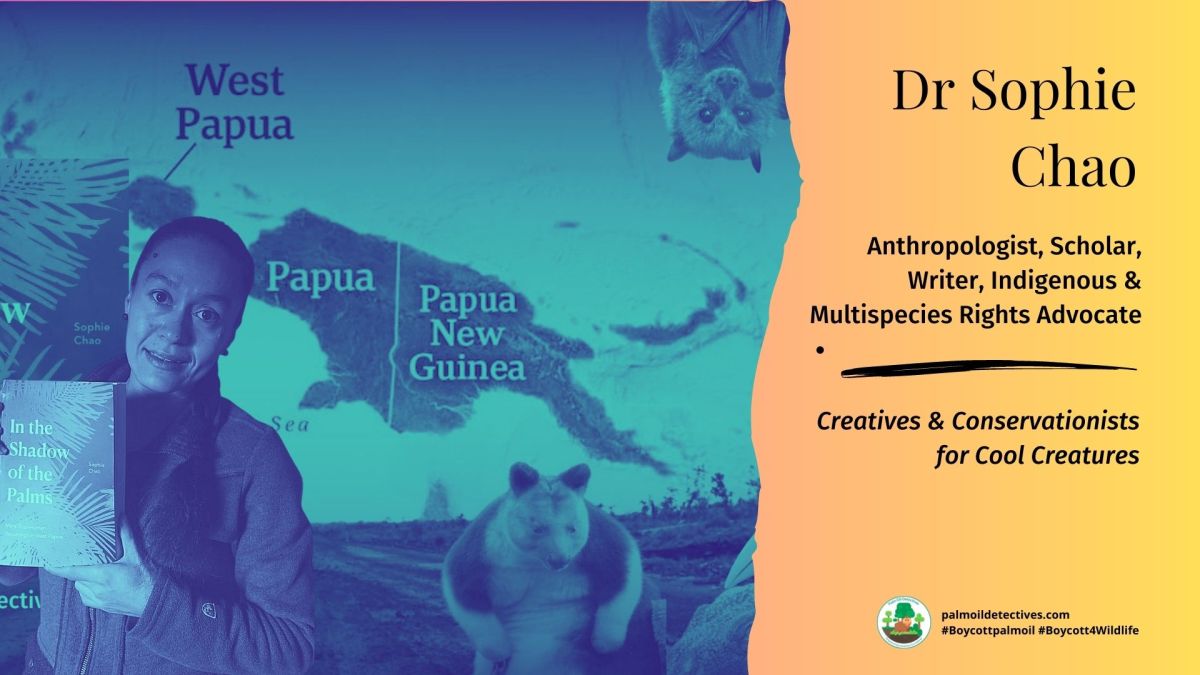
2. Contribute stories: Academics, conservationists, scientists, indigenous rights advocates and animal rights advocates working to expose the corruption of the palm oil industry or to save animals can contribute stories to the website.



3. Supermarket sleuthing: Next time you’re in the supermarket, take photos of products containing palm oil. Share these to social media along with the hashtags to call out the greenwashing and ecocide of the brands who use palm oil. You can also take photos of palm oil free products and congratulate brands when they go palm oil free.
4. Take to the streets: Get in touch with Palm Oil Detectives to find out more.
5. Donate: Make a one-off or monthly donation to Palm Oil Detectives as a way of saying thank you and to help pay for ongoing running costs of the website and social media campaigns. Donate here
Discover more from Palm Oil Detectives
Subscribe to get the latest posts sent to your email.
 Palm Oil Detectives