
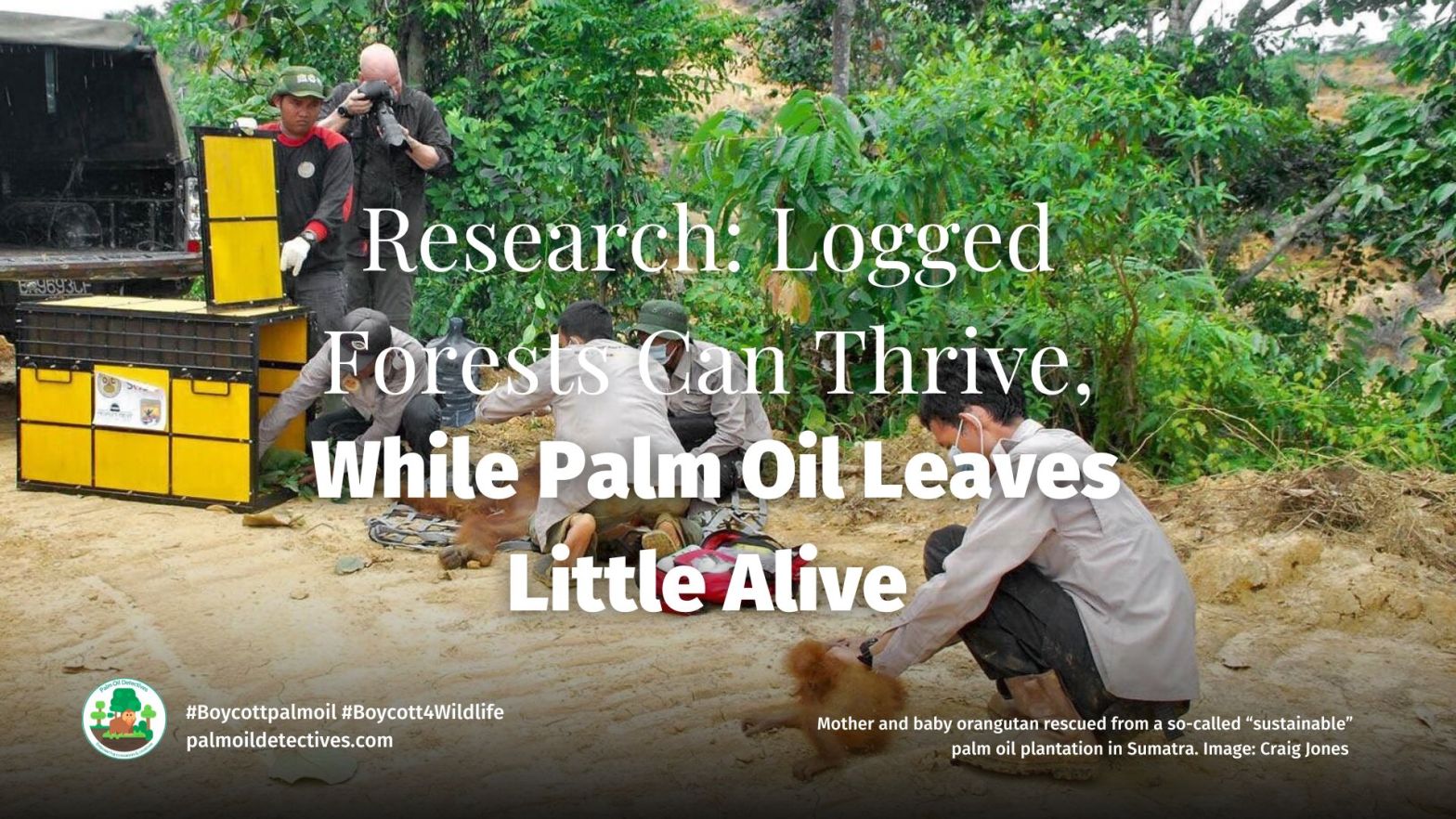
Research: Logged Forests Can Thrive, While Palm Oil Leaves Little Alive | A comprehensive study by the University of Oxford reveals that while selective logging alters tropical forest structures, converting these areas into oil palm plantations inflicts more severe and cumulative environmental damage, particularly to biodiversity. The landmark research underscores the importance of preserving and restoring logged forests instead of repurposing them for palm oil cultivation.
🌳 #News: @UniofOxford #Research finds while selective logging alters tropical #forests, converting them to #palmoil causes greater harm, especially to #biodiversity. Preserving logged forests is crucial. #BoycottPalmOil #Boycott4Wildlife @palmoildetect https://wp.me/pcFhgU-9On
University of Oxford. (2025, January 9). Don’t write off logged tropical forests – converting to oil palm plantations has even wider effects on ecosystems. ScienceDaily. Retrieved January 17, 2025, from https://www.sciencedaily.com/releases/2025/01/250109141136.htm
A recent study led by the University of Oxford has provided the most extensive assessment to date of how logging and subsequent conversion to oil palm plantations impact tropical forest ecosystems. The findings, published on 10 January 2025 in Science, indicate that while selective logging primarily affects forest structure, the conversion to oil palm plantations leads to more profound and cumulative environmental consequences, especially concerning biodiversity.
The research team evaluated over 80 metrics encompassing various aspects of tropical forest ecosystems, including soil nutrients, carbon storage, photosynthesis rates, and species diversity among birds, bats, dung beetles, trees, vines, and soil microorganisms. The study sites, located in Sabah, Malaysian Borneo, comprised undisturbed old-growth forests, moderately to heavily logged forests, and former logged forests now converted to oil palm plantations.
The analysis revealed that selective logging predominantly impacts factors related to forest structure and environment. In tropical regions, logging is typically selective, targeting specific commercially valuable trees. The removal of older, larger trees creates canopy gaps, allowing fast-growing species with different characteristics—such as less dense wood and thinner, more herbivore-susceptible leaves—to proliferate.
In contrast, converting logged forests into oil palm plantations has a more detrimental effect on biodiversity. The study observed significant reductions in the abundance and diversity of various species groups within plantations compared to logged forests. This decline is attributed to substantial changes in plant food resources and the transition to hotter, drier microclimates under the simplified canopy structure of oil palm plantations.
Professor Andrew Hector of Oxford’s Department of Biology, the study’s senior author, stated, “One of the key messages of the study is that selective logging and conversion differ in how they impact the forest ecosystem, meaning that conversion to plantations brings new impacts that add to those of logging alone.”
The researchers emphasise that logged forests still hold significant value for maintaining biodiversity and should not be hastily converted into oil palm plantations. Professor Ed Turner of the University of Cambridge, co-leader of the study, noted, “Old growth, intact forests are unique, but secondary logged forests are also valuable and important in terms of their biodiversity and ecosystem functioning relative to the much-reduced levels seen in oil palm plantations.”
Lead author Dr. Charlie Marsh, formerly of Oxford’s Department of Biology and now at the National University of Singapore, highlighted the variability in ecosystem responses, stating, “Our study demonstrates that focusing on any single component of the ecosystem may lead to an incomplete understanding of how the ecosystem responds as a whole.”
This research underscores the critical need for informed land-use decisions that prioritise the conservation and restoration of logged forests to preserve biodiversity and maintain ecosystem functions.
For a detailed exploration of the study, read more.
University of Oxford. (2025, January 9). Don’t write off logged tropical forests – converting to oil palm plantations has even wider effects on ecosystems. ScienceDaily. Retrieved January 17, 2025, from https://www.sciencedaily.com/releases/2025/01/250109141136.htm
ENDS
Read more about deforestation and ecocide in the palm oil industry

Asian Small-clawed Otter Aonyx cinereus
Asian Small-clawed Otters are the world’s smallest otter species and are Vulnerable from palm oil tea and coffee deforestation. Protect them, boycott palm oil!
Read more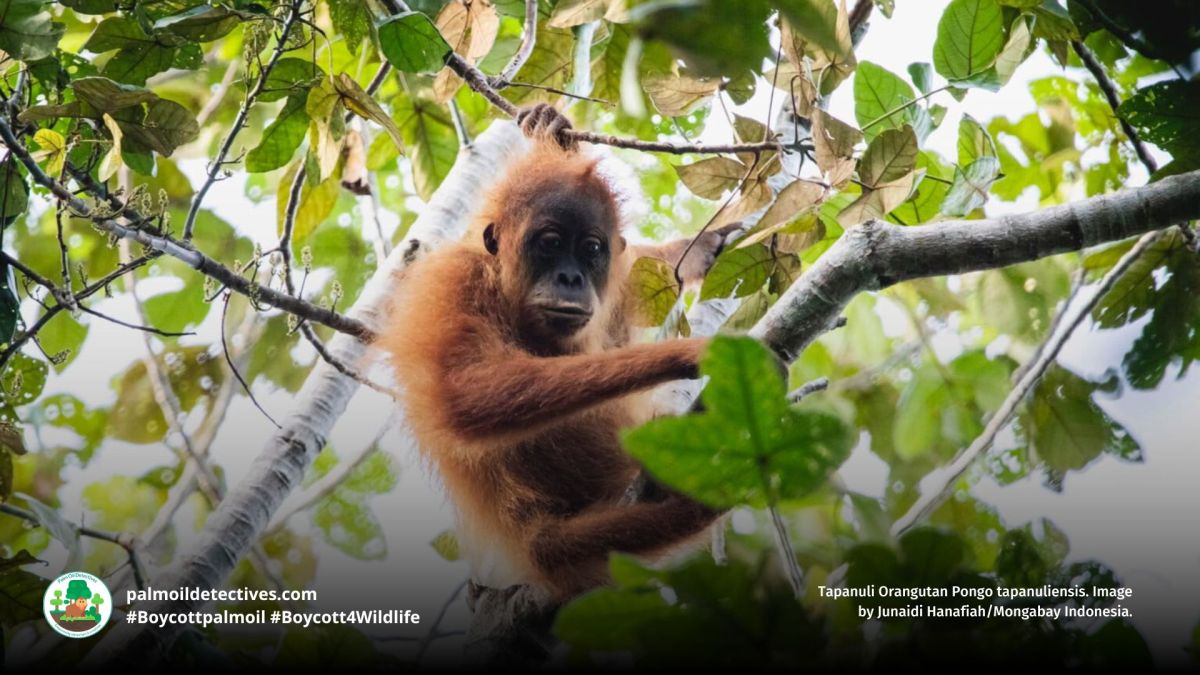
Tapanuli Orangutan Faces Extinction From Forest Protection Rollback
Save the Tapanuli orangutan! The rarest ape in the world faces extinction after floods, cyclones and now rezoning of their habitat in Sumatra #BoycottPalmOil!
Read more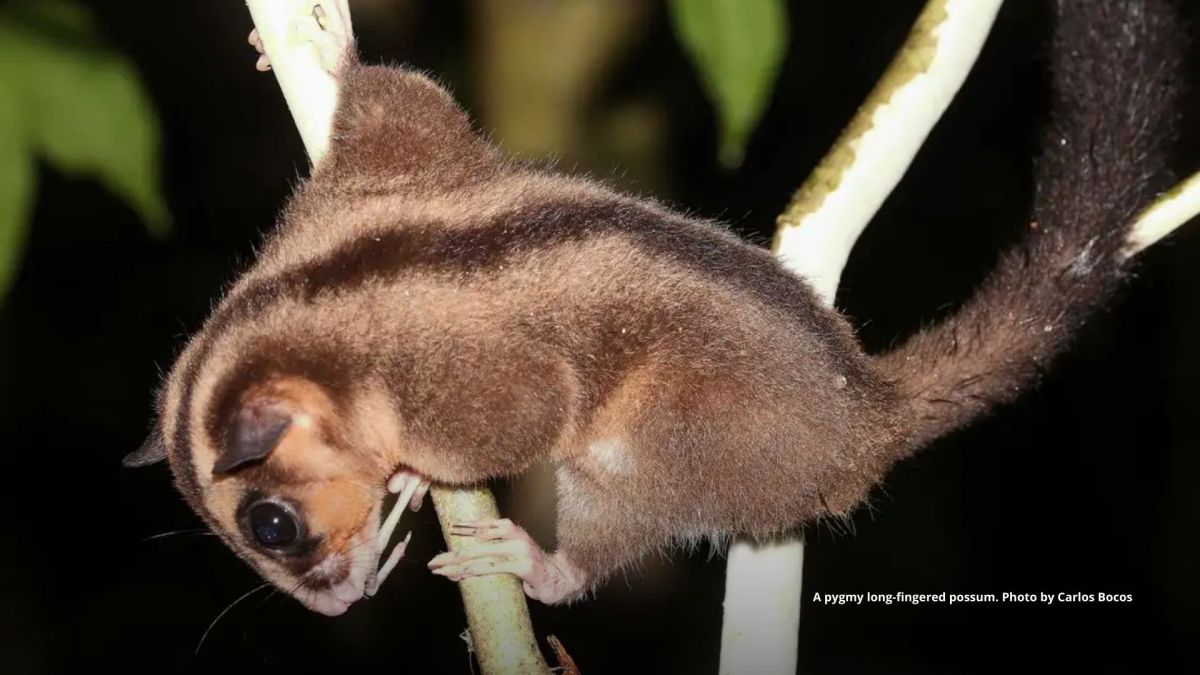
Marsupials thought extinct for 6,000 years found in West Papua
Two stunning marsupials thought extinct for 6000 years rediscovered in West Papua. Calls for rainforest protection even more urgent!
Read more
Trash into Treasure: Turning E-Waste and CO2 into Gold
Turning E-Waste and CO2 into Gold addresses e-waste challenges and contributes to CO₂ reduction efforts. Take action and boycott gold for Yanomami people!
Read more
Do you love animals? Make every day #WorldWildlifeDay
This #WorldWildlifeDay take action for animals great and small! Reptiles insects, mammals and birds deserve better than palm oil ecocide and extinction. Make sure you Boycott palm oil
Read moreSomething went wrong. Please refresh the page and/or try again.
Take Action in Five Ways
1. Join the #Boycott4Wildlife on social media and subscribe to stay in the loop: Share posts from this website to your own network on Twitter, Mastadon, Instagram, Facebook and Youtube using the hashtags #Boycottpalmoil #Boycott4Wildlife.
2. Contribute stories: Academics, conservationists, scientists, indigenous rights advocates and animal rights advocates working to expose the corruption of the palm oil industry or to save animals can contribute stories to the website.




3. Supermarket sleuthing: Next time you’re in the supermarket, take photos of products containing palm oil. Share these to social media along with the hashtags to call out the greenwashing and ecocide of the brands who use palm oil. You can also take photos of palm oil free products and congratulate brands when they go palm oil free.
4. Take to the streets: Get in touch with Palm Oil Detectives to find out more.
5. Donate: Make a one-off or monthly donation to Palm Oil Detectives as a way of saying thank you and to help pay for ongoing running costs of the website and social media campaigns. Donate here
Discover more from Palm Oil Detectives
Subscribe to get the latest posts sent to your email.
 Palm Oil Detectives