
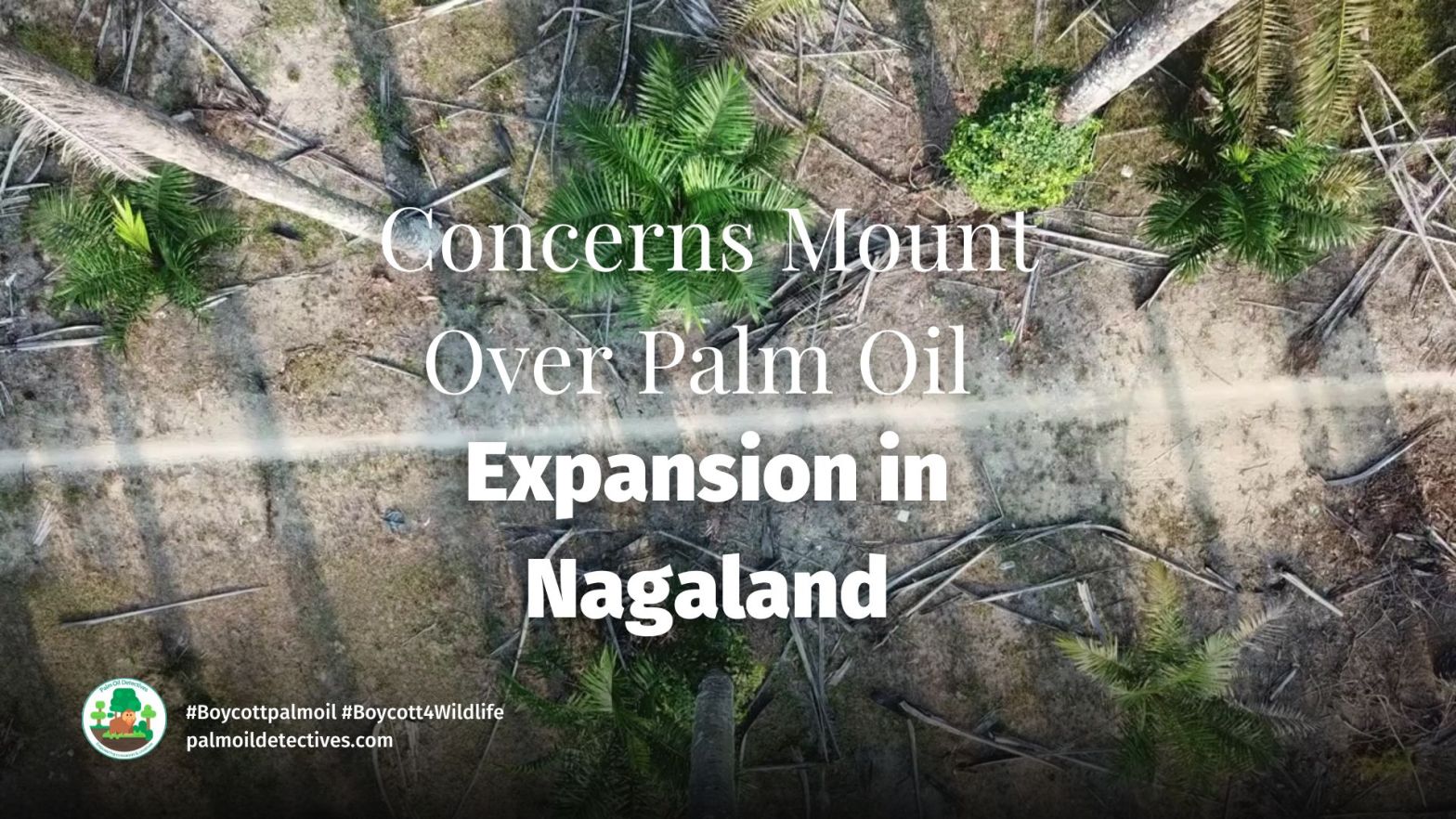
Concerns Mount Over Palm Oil Expansion in Nagaland | The Nagaland Climate Change Adaptation Forum (NCCAF) has raised grave concerns about the environmental and social impacts of expanding palm oil plantations in the Indian region of Nagaland. They highlight potential deforestation, loss of biodiversity, and threats to indigenous livelihoods. Instead, they advocate for agroecological practices, less intensive crops and indigenous-led conservation in order to protect the Nagaland’s irreplacable ecosystems. #BoycottPalmOil #Boycott4Wildlife
#News: Forum in #Nagaland region of #India 🇮🇳 raises alarm over #palmoil expansion, citing huge risks to #biodiversity #climatechange and #indigenous livelihoods. #BoycottPalmOil 🌴🛢️🔥☠️🚫 #Boycott4Wildlife @palmoildetect https://wp.me/pcFhgU-9Pw
Nagaland Post. (2024, December 17). NCCAF raises concern over oil palm plantations. Retrieved from https://nagalandpost.com/index.php/2024/12/17/nccaf-raises-concern-over-oil-palm-plantations/
The Nagaland Climate Change Adaptation Forum (NCCAF) has expressed significant concerns regarding the expansion of palm oil plantations in Nagaland, India. They warn that such developments could lead to deforestation, loss of biodiversity, and adverse effects on indigenous communities’ livelihoods.
The forum highlights that large-scale palm oil plantations are often linked to widespread deforestation. Nagaland’s unique ecosystems, home to rare flora and fauna, face significant threats if forests are replaced with monoculture crops. Such deforestation could disrupt water cycles, increase soil erosion, and lead to habitat loss for local wildlife.
Additionally, the forum points to soil degradation and water depletion as critical issues. Palm oil farming is water-intensive, placing added pressure on local water resources already stretched by agricultural needs. The use of chemical fertilisers and pesticides further risks contaminating soil and harming nearby communities.
Social consequences are equally concerning. The acquisition of land for plantations could displace Indigenous communities that depend on traditional farming and forest-based livelihoods. This displacement threatens not only food security but also the cultural heritage tied to these lands.
The forum has also criticised the economic model behind palm oil expansion, describing it as exploitative. While corporate stakeholders profit, local farmers are often left in financial distress due to fluctuating palm oil prices and the long maturity period for crops.
As an alternative, the forum advocates for sustainable farming practices that align with Nagaland’s ecological and cultural heritage. It suggests exploring crops that are less resource-intensive and offer long-term environmental benefits.
The forum has emphasised the importance of involving Indigenous communities in land-use decisions. Transparent policymaking that respects local rights is crucial for achieving a balance between economic development and ecological preservation.
The Nagaland Climate Change Adaptation Forum calls on the government, environmentalists, and the public to critically evaluate the long-term consequences of palm oil expansion. By prioritising sustainable alternatives, Nagaland can safeguard its biodiversity while fostering economic growth.
For a detailed account, read the full article on Nagaland Post.
Nagaland Post. (2024, December 17). NCCAF raises concern over oil palm plantations. Retrieved from https://nagalandpost.com/index.php/2024/12/17/nccaf-raises-concern-over-oil-palm-plantations/
ENDS
Read more about human rights abuses and child slavery in the palm oil industry
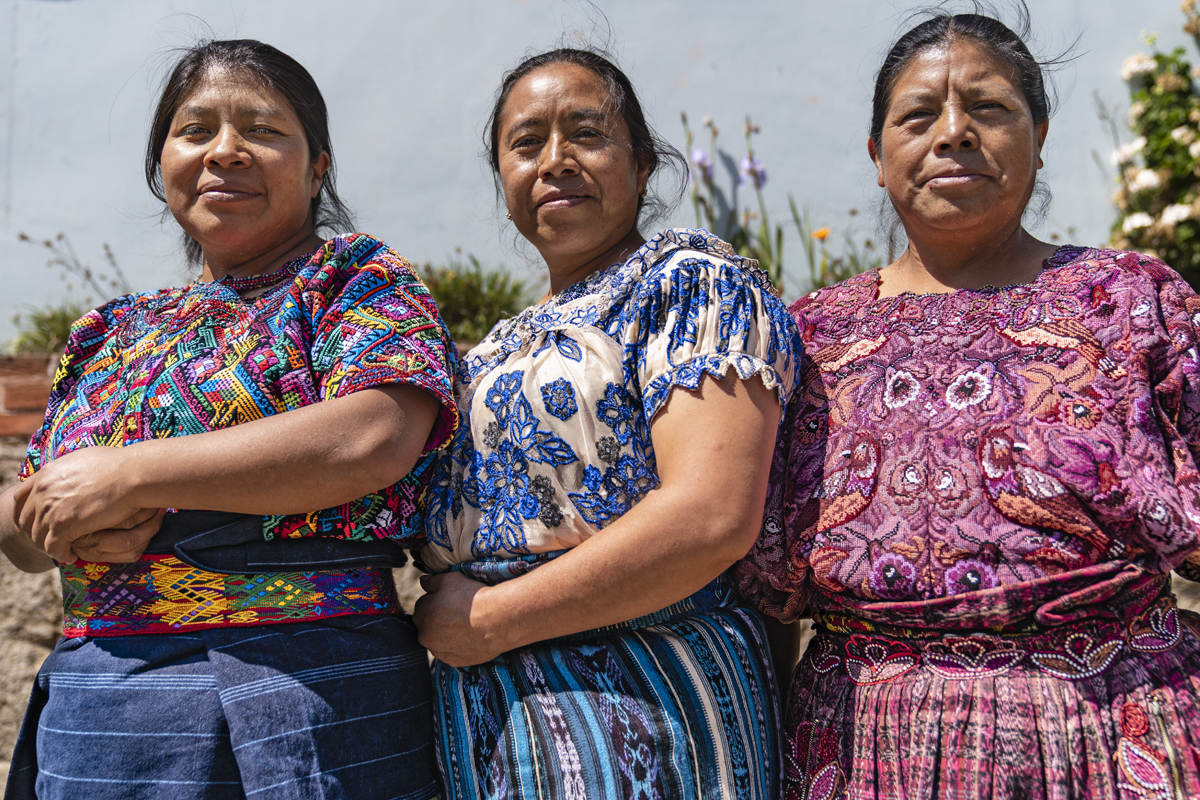
Indigenous Peoples Fight Climate Change
After wildfires, Belize’s indigenous people rebuild stronger based on “se’ komonil”: reciprocity, solidarity, gender equity, togetherness and community.
Read more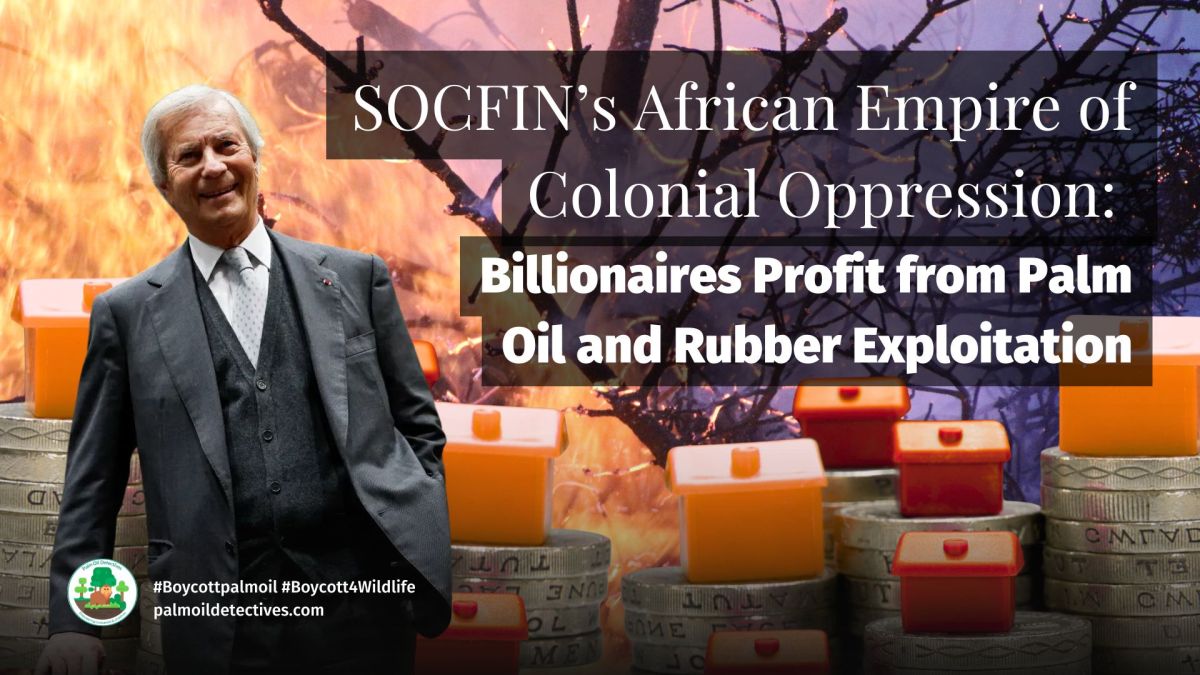
SOCFIN’s African Empire of Colonial Oppression: Billionaires Profit from Palm Oil and Rubber Exploitation
Investigation by Bloomberg exposes that despite being RSPO members, #SOCFIN plantations in #WestAfrica are the epicentre of #humanrights abuses, sexual coercion, environmental destruction, and #landgrabbing. Operating in #Liberia, #Ghana, #Nigeria, and beyond, SOCFIN’s…
Read more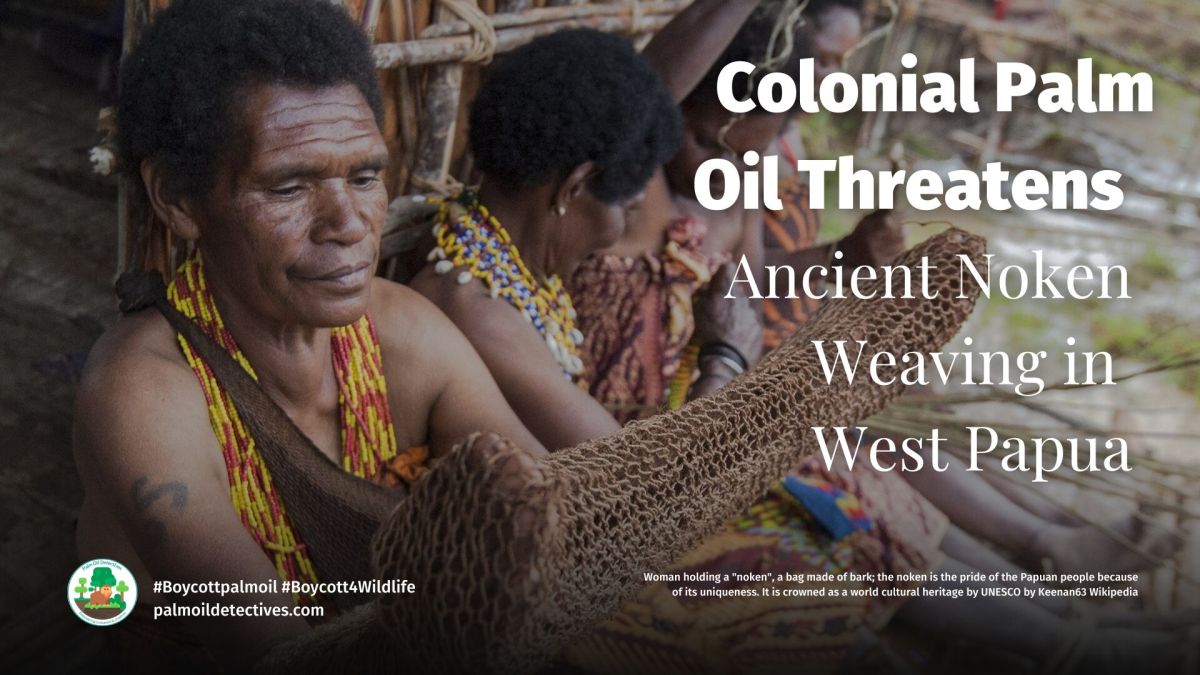
Palm Oil Threatens Ancient Noken Weaving in West Papua
Colonial palm oil and sugarcane causing the loss of West Papuans’ cultural identity. Land grabs force communities from forests, threatening Noken weaving
Read more
Family Ties Expose Deforestation and Rights Violations in Indonesian Palm Oil
An explosive report by the Environment Investigation Agency (EIA) details how Indonesia’s Fangiono family, through a wide corporate web, is linked to ongoing #deforestation, #corruption, and #indigenousrights abuses for #palmoil. Calls mount for…
Read more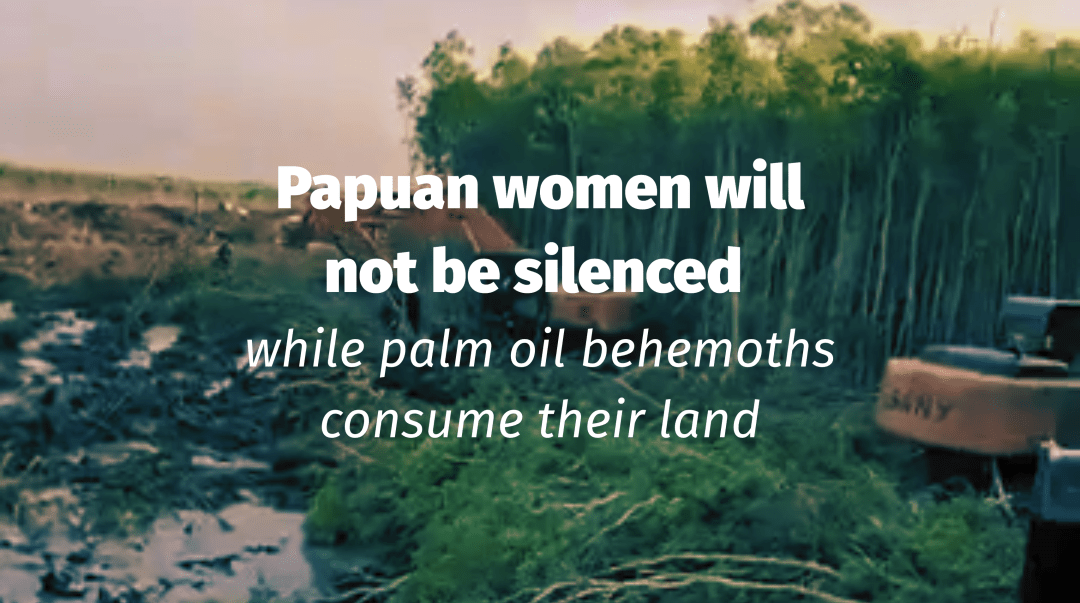
West Papuan Indigenous Women Fight Land Seizures
Indigenous Melanesian women in West Papua fight land seizures for palm oil and sugar plantations, protecting their ancestral rights. Join #BoycottPalmOil
Read moreSomething went wrong. Please refresh the page and/or try again.
Take Action in Five Ways
1. Join the #Boycott4Wildlife on social media and subscribe to stay in the loop: Share posts from this website to your own network on Twitter, Mastadon, Instagram, Facebook and Youtube using the hashtags #Boycottpalmoil #Boycott4Wildlife.
2. Contribute stories: Academics, conservationists, scientists, indigenous rights advocates and animal rights advocates working to expose the corruption of the palm oil industry or to save animals can contribute stories to the website.




3. Supermarket sleuthing: Next time you’re in the supermarket, take photos of products containing palm oil. Share these to social media along with the hashtags to call out the greenwashing and ecocide of the brands who use palm oil. You can also take photos of palm oil free products and congratulate brands when they go palm oil free.
4. Take to the streets: Get in touch with Palm Oil Detectives to find out more.
5. Donate: Make a one-off or monthly donation to Palm Oil Detectives as a way of saying thank you and to help pay for ongoing running costs of the website and social media campaigns. Donate here
Discover more from Palm Oil Detectives
Subscribe to get the latest posts sent to your email.
 Palm Oil Detectives