
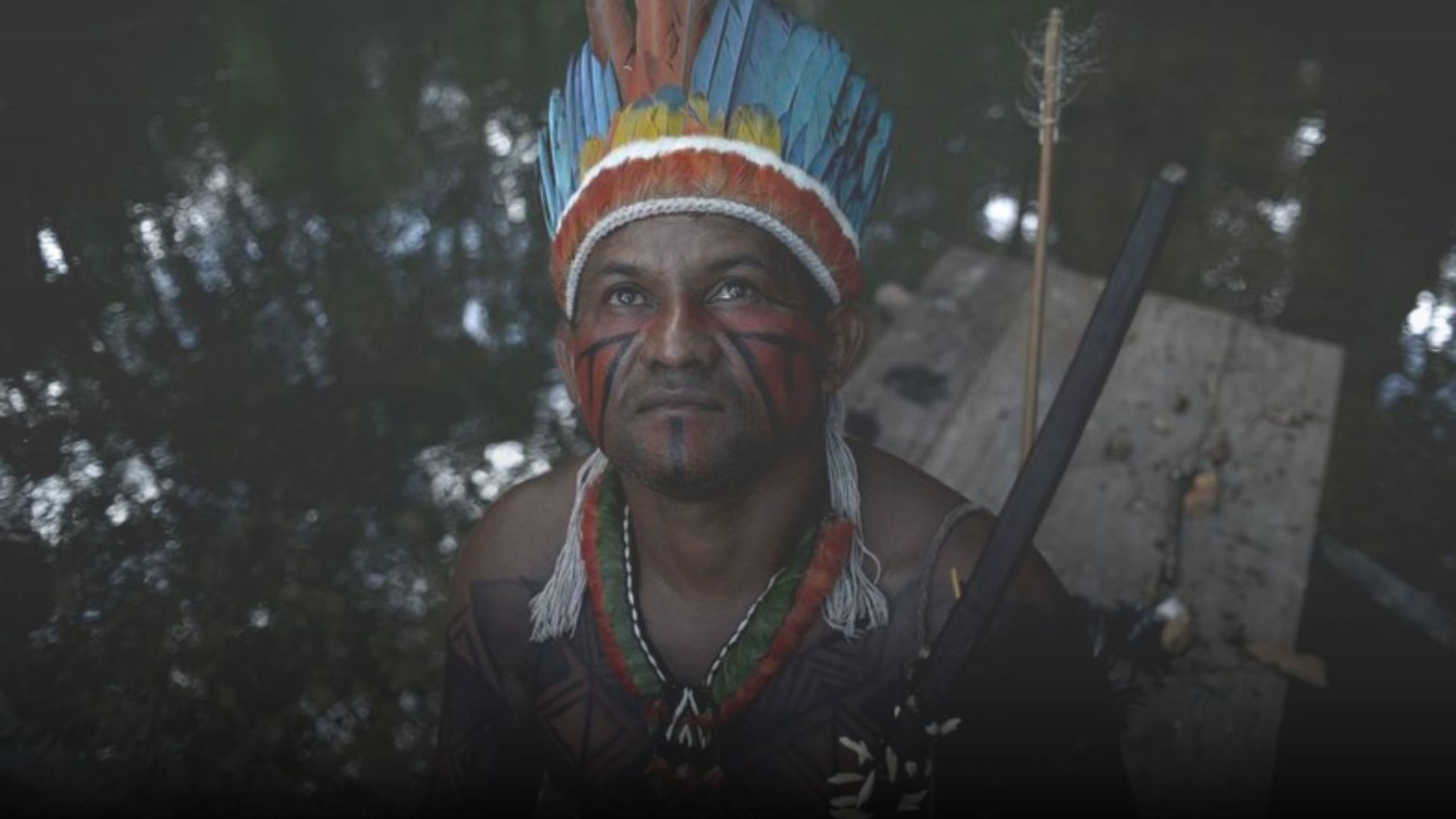
Although #deforestation rates in the Brazilian #Amazon have halved, this globally critical biome is still losing more than 5,000km² every year. That’s an area three times larger than Greater London. By combining satellite imagery for the entire Amazon region with data from the Brazilian national census, our new study found that deforestation in areas protected by #Indigenous communities was up to 83% lower compared to unprotected areas.
Results demonstrate that returning lands to Indigenous communities can be extremely effective at reducing deforestation and boosting #biodiversity to help address #climatechange. Yet, forest conservation should not come at an economic cost to people living in Indigenous-managed lands.
The world’s largest #rainforest the #Amazon 🫁🌳🌿 is vanishing. Yet a bright spark of hope finds #deforestation in #Indigenous protected areas is 83% lower. They are the KEY to saving the #forests and animals! #BoycottGold4Yanomami #Boycott4Wildlife https://wp.me/pcFhgU-8SM
Written by Johan Oldekop, Reader in Environment and Development, University of Manchester; Bowy den Braber, Postdoctoral Researcher, School of Biosciences, University of Sheffield, and Marina Schmoeller, PhD Candidate, Ecology, Universidade Federal de Minas Gerais (UFMG)vThis article is republished from The Conversation under a Creative Commons license. Read the original article.
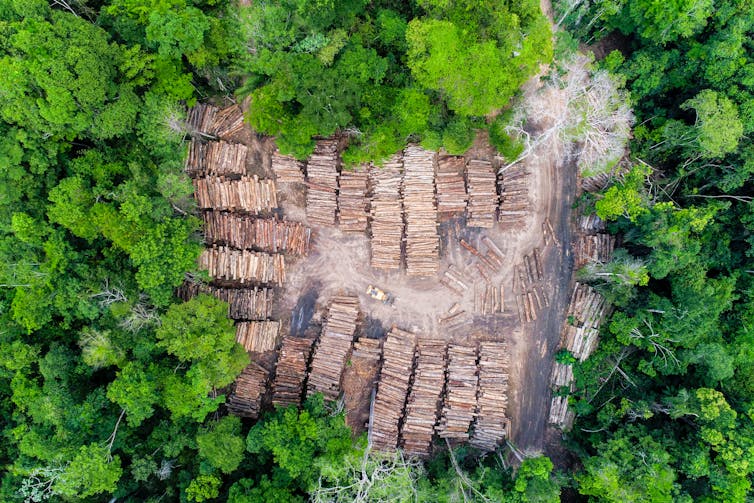
Despite this win for indigenous-led conservation, our results also show that Indigenous communities had the lowest levels of socioeconomic development. Incomes in Indigenous territories were up to 36% lower compared to other land uses.
Indigenous people are among the most disadvantaged groups of people in the world. Although Indigenous communities in Brazil have strengthened their political representation in recent years, 33% of people living below the poverty line are Indigenous.
Improving the economic wellbeing of Indigenous people is not only the socially just thing to do but can also be environmentally effective. Research in Nepal showed that communities with higher levels of socioeconomic development are less likely to trade off development with deforestation. Providing communities with the ability to protect and conserve their local forests and develop economically can be a win-win for both people and the environment.
In 2022, governments across the world agreed to protect 30% of the planet’s surface by 2030. To meet the commitments of this 30×30 agenda, many countries need to drastically increase their conservation efforts to reverse deforestation in the Amazon and beyond.
Governments and philanthropic organisations pledged unprecedented political and financial support for forests and Indigenous peoples and local communities at the 2021 COP26 climate summit in Glasgow. These pledges have helped raise the voices of Indigenous peoples and ushered in a new era of commitments to return ancestral lands.
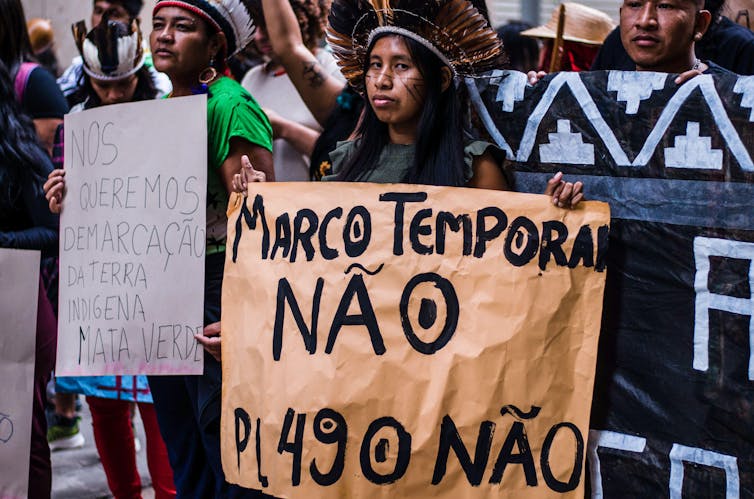
Yet, forests and their resources across the world remain coveted by many different interest groups, including mining and large agribusiness. The Supreme Court in Brazil is currently debating the constitutional validity of the controversial “Marco Temporal” or time limit framework which could substantially limit the ability of Indigenous peoples across the country to make claims for lands. This legal theory states that Indigenous peoples are only entitled to make claims for lands if they can prove that they were in possession of them on or before October 5 1988 when the Brazilian constitution came into effect.
Perhaps surprisingly, our results show that agricultural business development of the Brazilian Amazon is unlikely to provide greater socioeconomic benefits for local, non-indigenous communities than protection-focused alternatives that preserve forest cover but allow sustainable resource use by rural communities. But the agribusiness lobby in Brazil, who are often in direct conflict with Indigenous people, often argues that agricultural expansion will provide economic development for the region.
Our results demonstrate that returning lands to Indigenous communities can be extremely effective at reducing deforestation and boosting biodiversity to help address climate change. Yet, forest conservation should not come at an economic cost to people living in Indigenous-managed lands.
Access to land and opportunity
Indigenous communities need to regain access to their ancestral lands while also gaining access to development opportunities. Indigenous people in Brazil are eligible to receive support from social welfare programmes, such as the family allowance scheme (or bolsa familia in Portuguese), which is credited with lifting millions of Brazilians out of poverty and reducing inequality.
However, many rural and isolated communities face substantial difficulties accessing support. For example, fuel costs to take long boat trips from remote communities to urban centres to collect payments are high and many communities lack access to technology to even apply for such schemes.
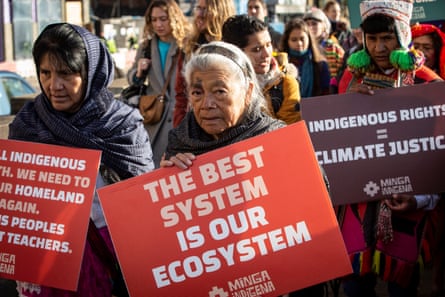
President Lula Da Silva’s government is considering developing an Indigenous family allowance programme to address access problems faced by Indigenous communities in Brazil. As efforts to return rights to land ramp up in the wake of the 30×30 agenda, more governments and nongovernmental organisations should support the many other rights that Indigenous peoples have and reduce the structural barriers that prevent rural communities from claiming them.
Written by Johan Oldekop, Reader in Environment and Development, University of Manchester; Bowy den Braber, Postdoctoral Researcher, School of Biosciences, University of Sheffield, and Marina Schmoeller, PhD Candidate, Ecology, Universidade Federal de Minas Gerais (UFMG)vThis article is republished from The Conversation under a Creative Commons license. Read the original article.
ENDS
Read more about human rights and indigenous rights
Oil palm in Latin America: monoculture and violence
The rapid expansion of oil palm plantations across #SouthAmerica is causing significant environmental, economic and social problems. This growth is leading to #deforestation, #landgrabbing displacement of #indigenous and farming communities, and increased militarised…
Read more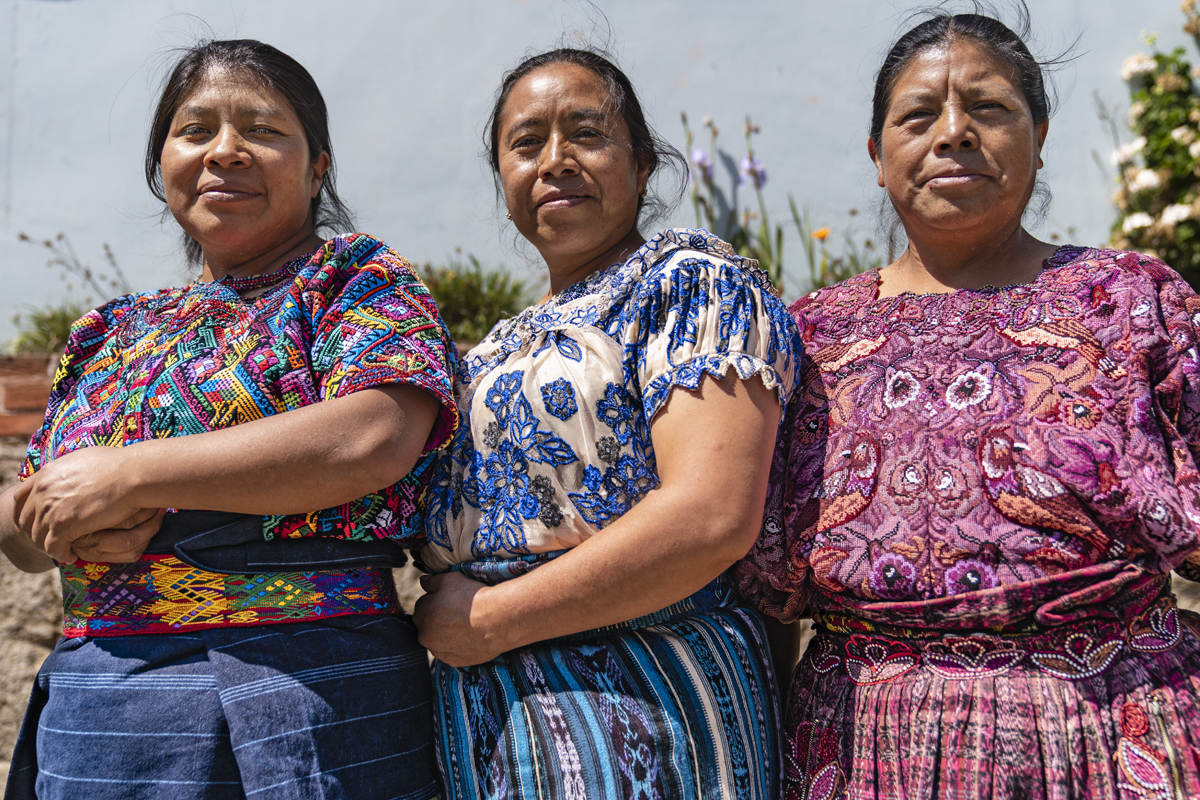
Indigenous Peoples Fight Climate Change
After wildfires, Belize’s indigenous people rebuild stronger based on “se’ komonil”: reciprocity, solidarity, gender equity, togetherness and community.
Read more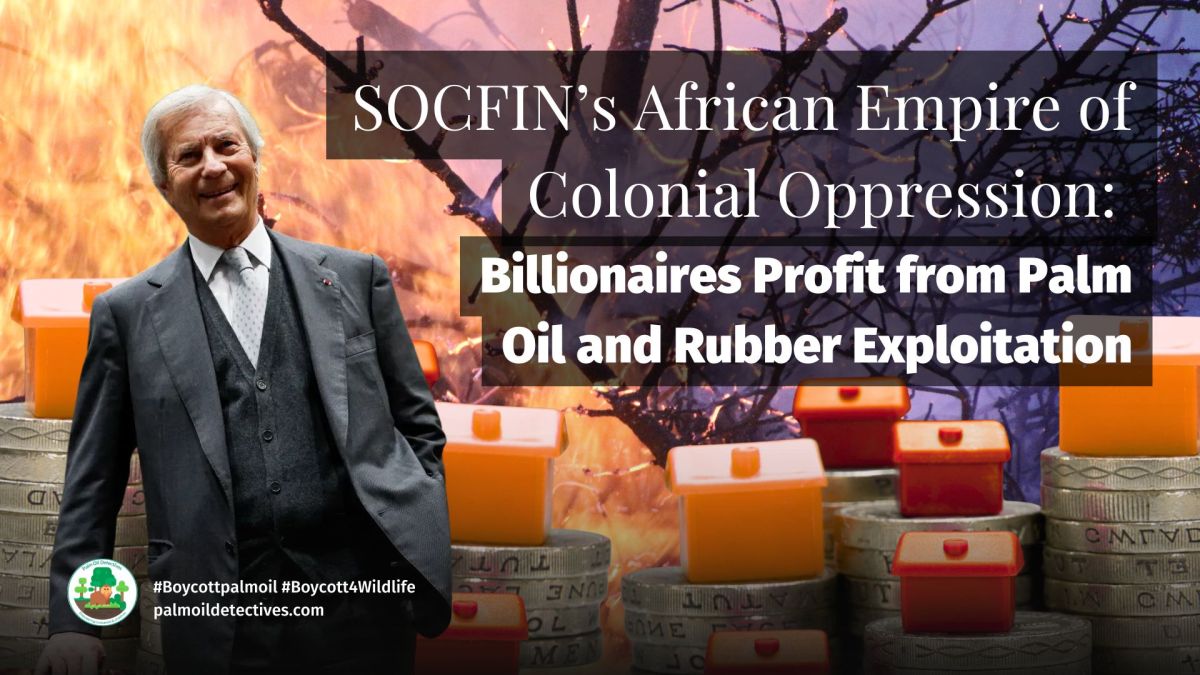
SOCFIN’s African Empire of Colonial Oppression: Billionaires Profit from Palm Oil and Rubber Exploitation
Investigation by Bloomberg exposes that despite being RSPO members, #SOCFIN plantations in #WestAfrica are the epicentre of #humanrights abuses, sexual coercion, environmental destruction, and #landgrabbing. Operating in #Liberia, #Ghana, #Nigeria, and beyond, SOCFIN’s…
Read more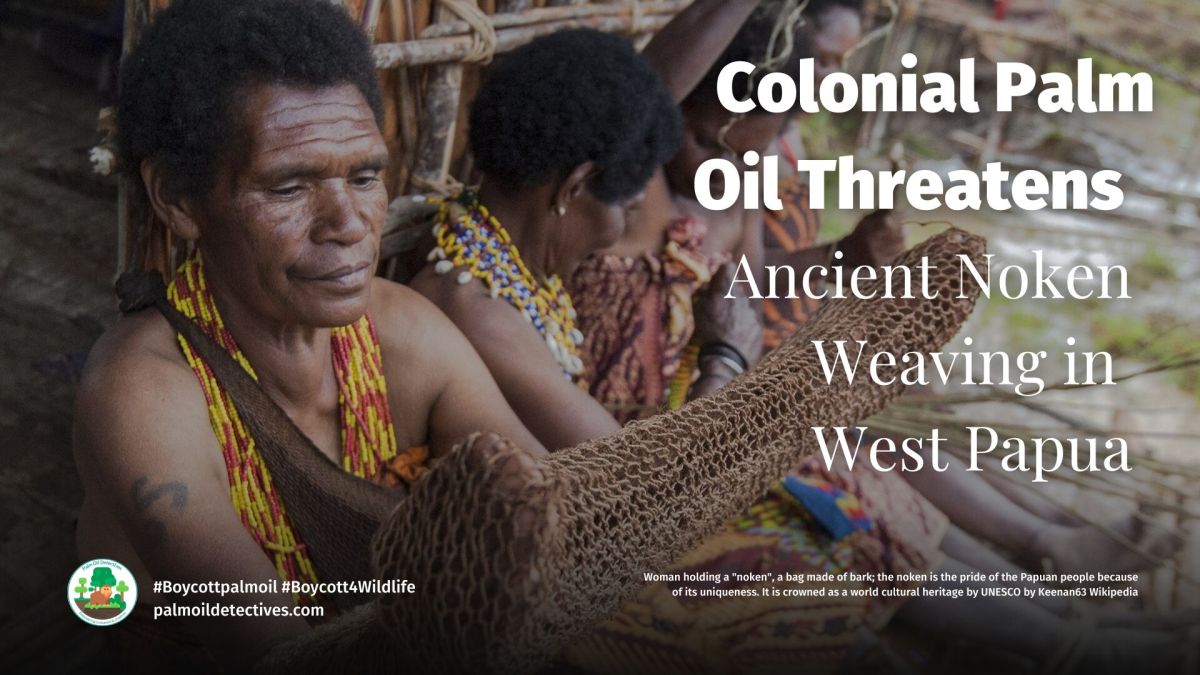
Palm Oil Threatens Ancient Noken Weaving in West Papua
Colonial palm oil and sugarcane causing the loss of West Papuans’ cultural identity. Land grabs force communities from forests, threatening Noken weaving
Read more
The Indigenous Malaysian concept of ‘Badi’: respecting the land and wildlife
The Indigenous Semai #indigenous people of #Malaysia can teach us a lot about how to protect people, planet and biodiversity. The Indigenous concept of #badi is not superstition or taboo, it’s about respecting…
Read moreSomething went wrong. Please refresh the page and/or try again.
Take Action in Five Ways
1. Join the #Boycott4Wildlife on social media and subscribe to stay in the loop: Share posts from this website to your own network on Twitter, Mastadon, Instagram, Facebook and Youtube using the hashtags #Boycottpalmoil #Boycott4Wildlife.
2. Contribute stories: Academics, conservationists, scientists, indigenous rights advocates and animal rights advocates working to expose the corruption of the palm oil industry or to save animals can contribute stories to the website.



3. Supermarket sleuthing: Next time you’re in the supermarket, take photos of products containing palm oil. Share these to social media along with the hashtags to call out the greenwashing and ecocide of the brands who use palm oil. You can also take photos of palm oil free products and congratulate brands when they go palm oil free.
4. Take to the streets: Get in touch with Palm Oil Detectives to find out more.
5. Donate: Make a one-off or monthly donation to Palm Oil Detectives as a way of saying thank you and to help pay for ongoing running costs of the website and social media campaigns. Donate here
Discover more from Palm Oil Detectives
Subscribe to get the latest posts sent to your email.
 Palm Oil Detectives