
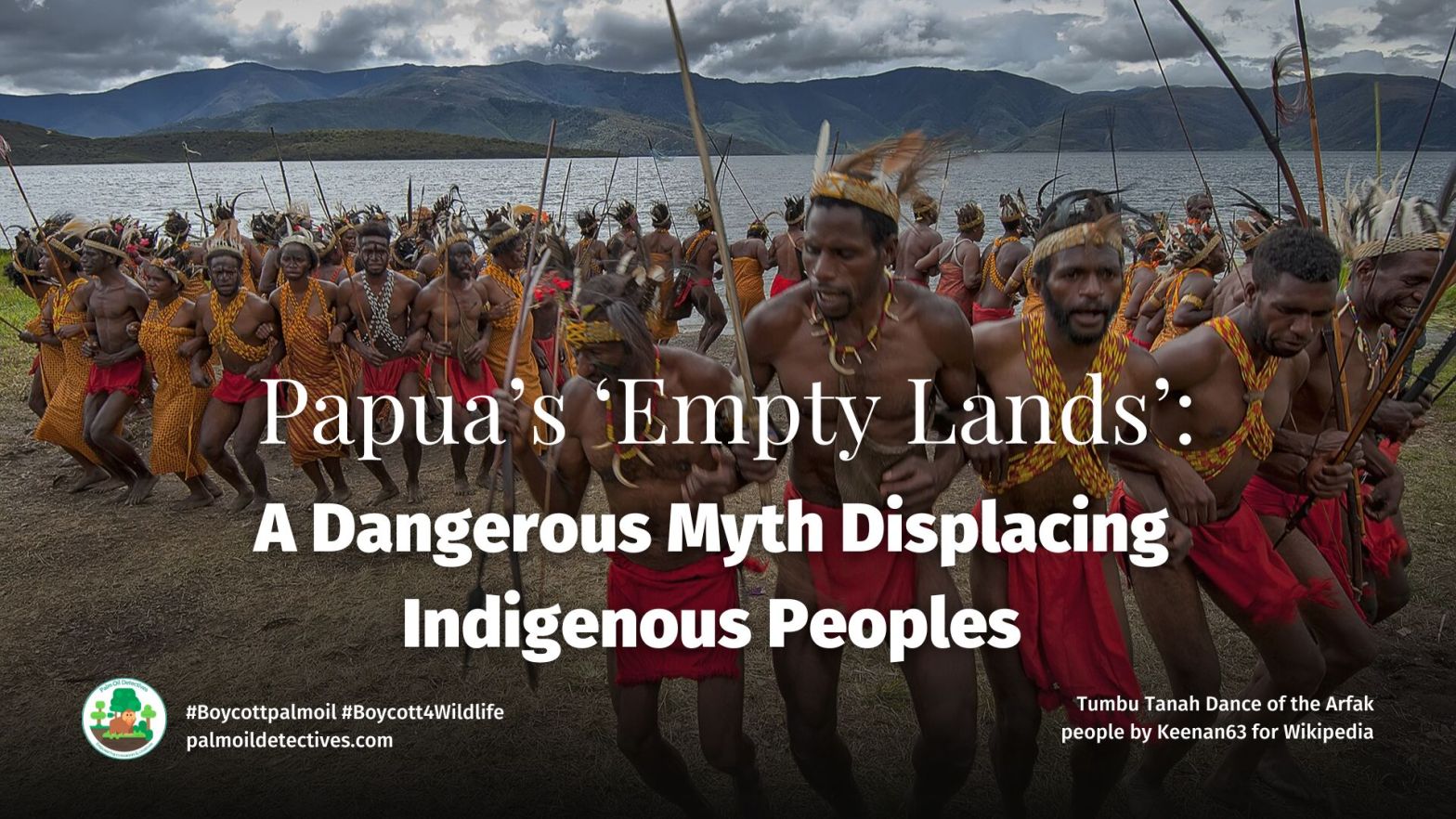
In #WestPapua, on illegally colonised and disputed land taken by violence from Melanesian Indigenous peoples last century by Indonesian forces, authorities label indigenous lands as “empty”. This is done in order to justify large-scale agricultural projects, displacing tribes like the #Malind and Khimaima peoples. These lands are vital sources of food and medicine, supporting traditional ways of life for several millennia. Communities and indigenous rights advocates call for halting exploitative #palmoil and #mining projects and honouring #LandRights #HumanRights #IndigenousRights #BoycottPalmOil
🌏 #News: In #WestPapua, “empty lands” are NOT empty—they sustain countless #indigenous #Malind and #Khimaima people for millennia. Large-scale #palmoil projects destroy livelihoods. Support #HumanRights #IndigenousRights and #BoycottPalmOil 🌴🪔🧐⛔️ https://wp.me/pcFhgU-a5N
Papua’s Indigenous Communities Resist the ‘Empty Land’ Narrative
A controversial narrative labelling indigenous lands in Papua, Indonesia, as “empty” is fuelling and legitimsing large-scale agricultural projects that threaten the livelihoods of local tribes. The government’s food estate initiative has displaced indigenous communities, including the Malind, Maklew, Yei, and Khimaima tribes, who have depended on these lands for thousands of years.
A Source of Life, Not an Empty Land
The forests of Papua are far from vacant. They provide essential resources, including sago and other medicinal plants, sustaining the daily lives of indigenous peoples. These areas are deeply rooted in cultural and spiritual practices, making their loss devastating not just economically but also culturally.
Impact of Large-Scale Agriculture
Under the guise of “development,” projects like the food estate initiative restrict access to ancestral forests, impose security measures, and prioritise corporate profits over indigenous welfare. Such ventures often proceed without consulting or compensating local communities, exacerbating social and environmental injustices.
A Call to Respect Indigenous Sovereignty
Human rights advocates stress the need to protect indigenous land rights and halt exploitative practices. They demand inclusive policies that respect traditional knowledge and empower communities to manage their resources sustainably.
This issue underscores the importance of recognising indigenous sovereignty as central to ethical land use and environmental protection. The international community is urged to hold governments and corporations accountable for policies that displace indigenous people and degrade their ecosystems.
For more details, read the full article on Farm Land Grab.
Farmland Grab. (2025, January 25). Papua land is never empty, it is a source of livelihood for many. Retrieved January 28, 2025, from https://farmlandgrab.org/post/32579.
ENDS
Read more about human rights abuses and child slavery in the palm oil industry
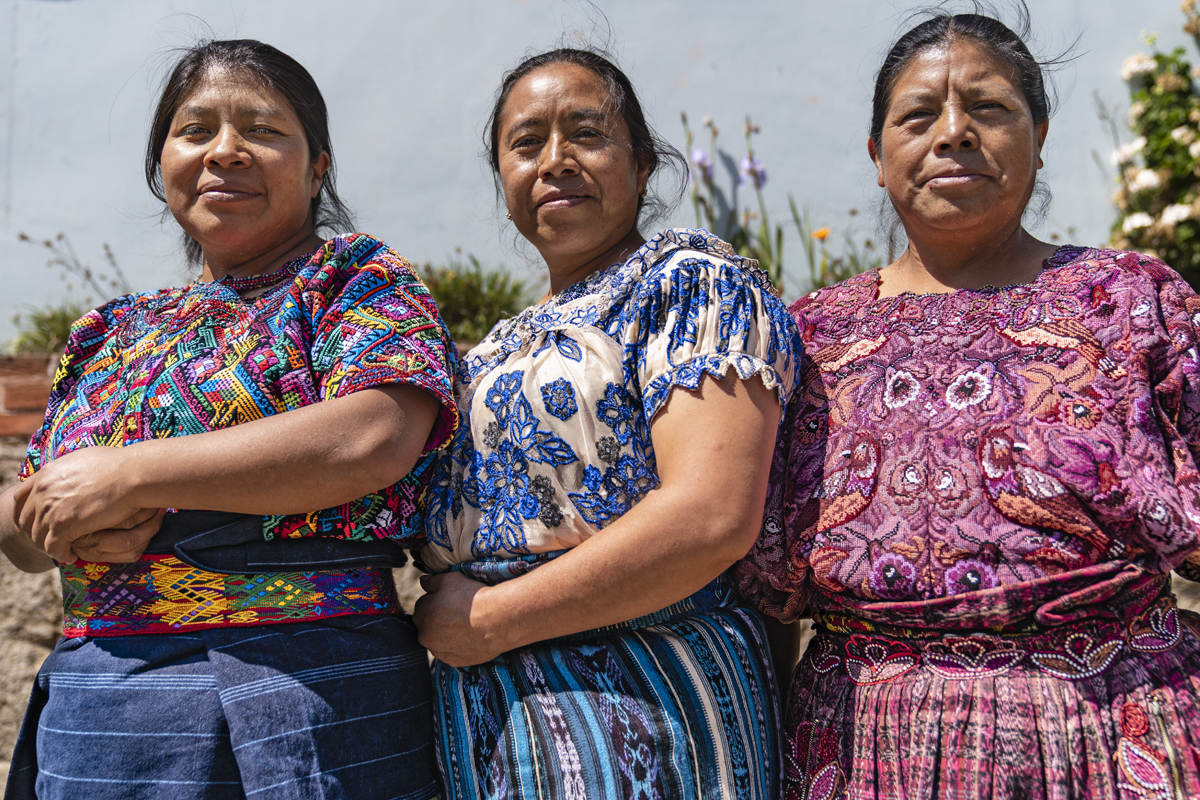
Indigenous Peoples Fight Climate Change
After wildfires, Belize’s indigenous people rebuild stronger based on “se’ komonil”: reciprocity, solidarity, gender equity, togetherness and community.
Read more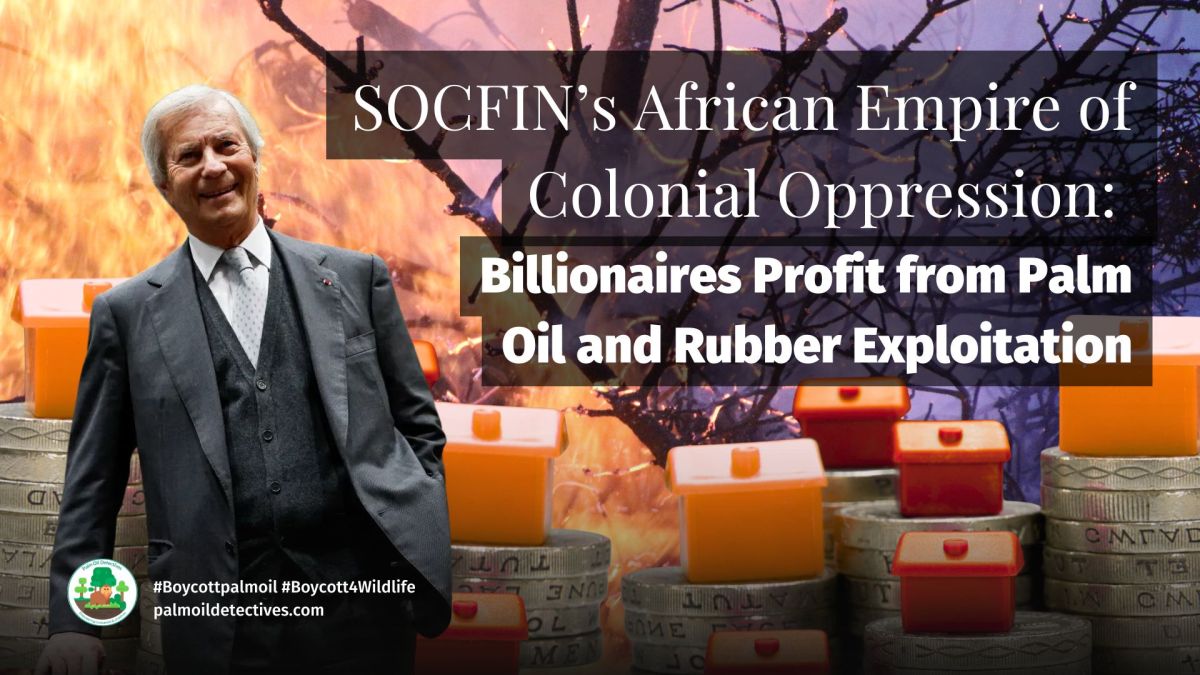
SOCFIN’s African Empire of Colonial Oppression: Billionaires Profit from Palm Oil and Rubber Exploitation
Investigation by Bloomberg exposes that despite being RSPO members, #SOCFIN plantations in #WestAfrica are the epicentre of #humanrights abuses, sexual coercion, environmental destruction, and #landgrabbing. Operating in #Liberia, #Ghana, #Nigeria, and beyond, SOCFIN’s…
Read more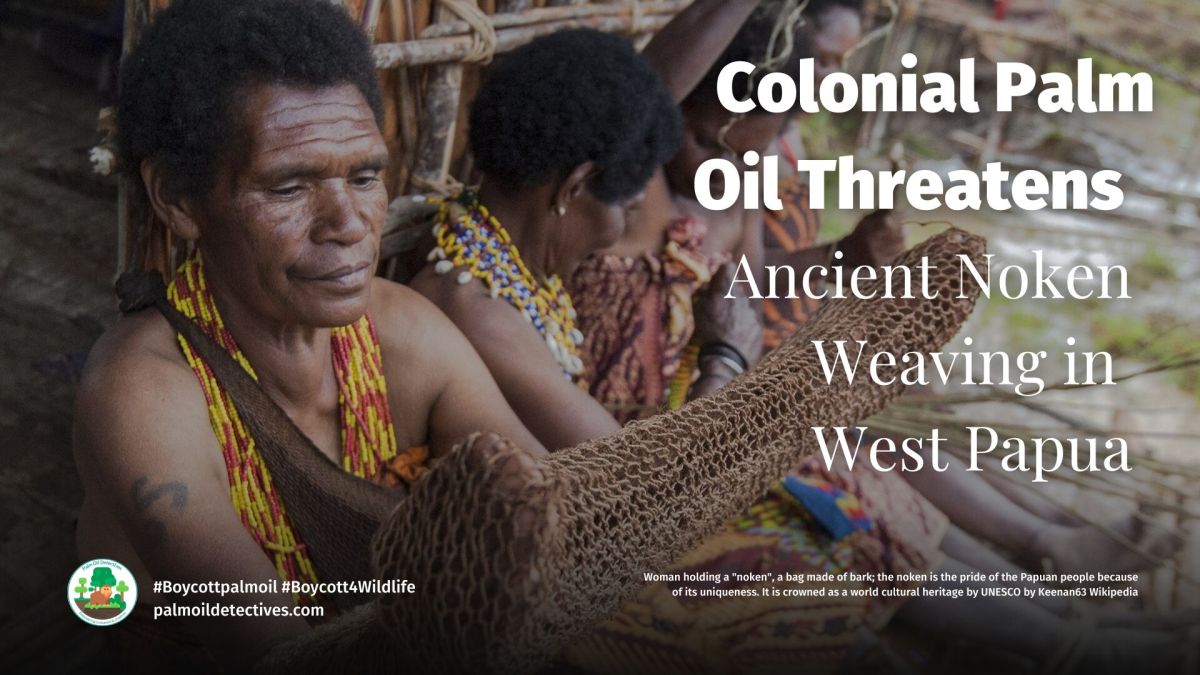
Palm Oil Threatens Ancient Noken Weaving in West Papua
Colonial palm oil and sugarcane causing the loss of West Papuans’ cultural identity. Land grabs force communities from forests, threatening Noken weaving
Read more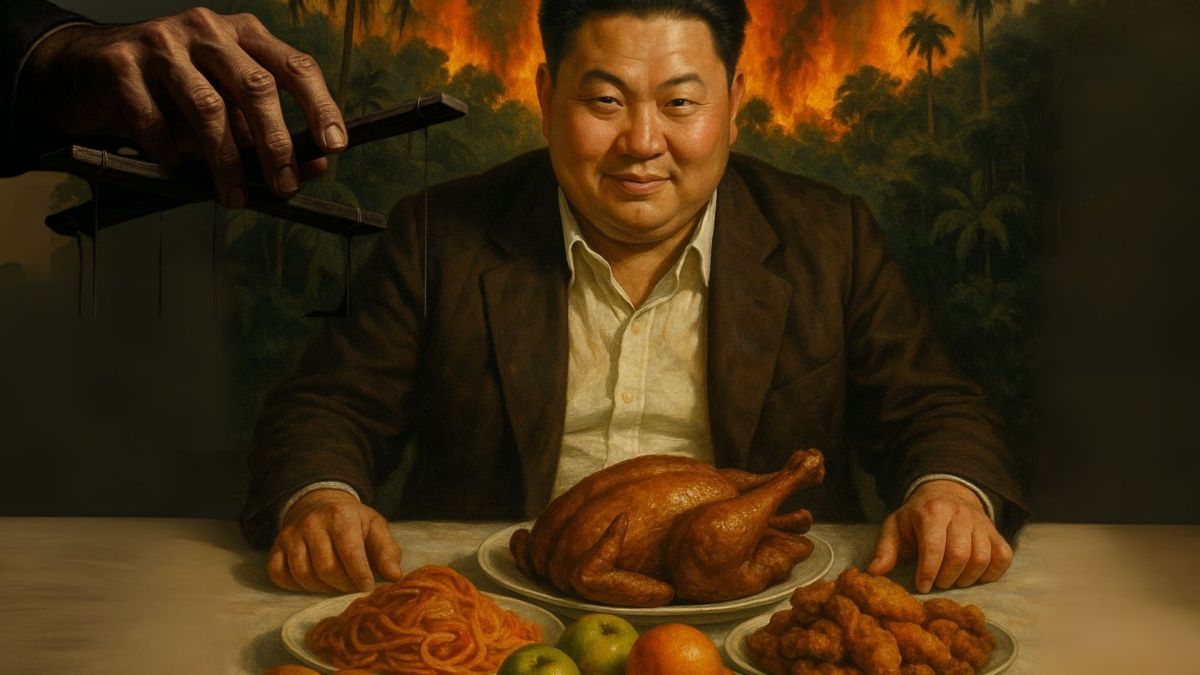
Family Ties Expose Deforestation and Rights Violations in Indonesian Palm Oil
An explosive report by the Environment Investigation Agency (EIA) details how Indonesia’s Fangiono family, through a wide corporate web, is linked to ongoing #deforestation, #corruption, and #indigenousrights abuses for #palmoil. Calls mount for…
Read more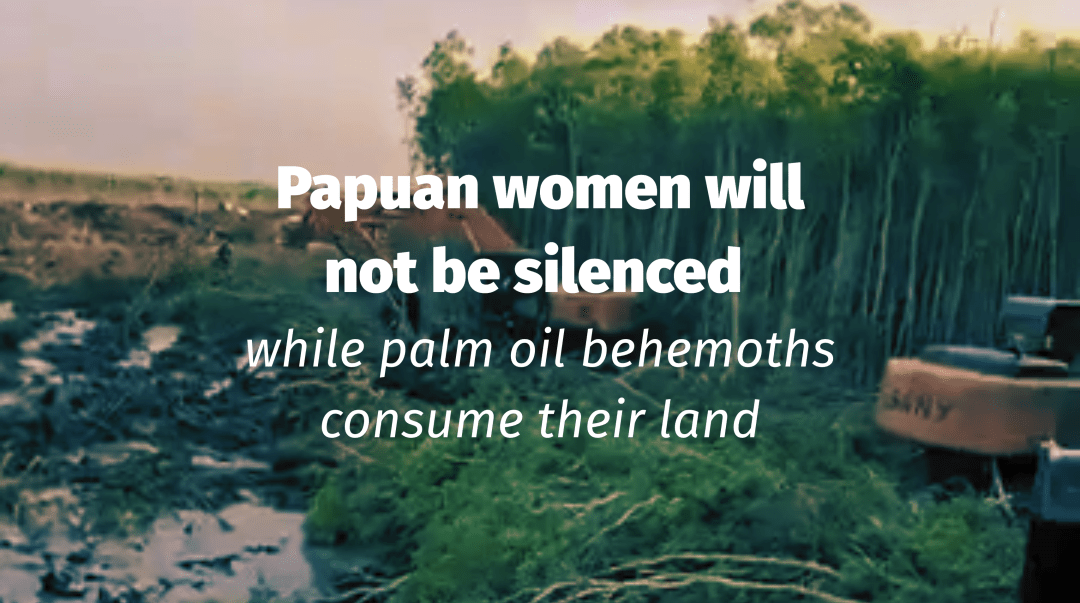
West Papuan Indigenous Women Fight Land Seizures
Indigenous Melanesian women in West Papua fight land seizures for palm oil and sugar plantations, protecting their ancestral rights. Join #BoycottPalmOil
Read moreSomething went wrong. Please refresh the page and/or try again.
Take Action in Five Ways
1. Join the #Boycott4Wildlife on social media and subscribe to stay in the loop: Share posts from this website to your own network on Twitter, Mastadon, Instagram, Facebook and Youtube using the hashtags #Boycottpalmoil #Boycott4Wildlife.
2. Contribute stories: Academics, conservationists, scientists, indigenous rights advocates and animal rights advocates working to expose the corruption of the palm oil industry or to save animals can contribute stories to the website.



3. Supermarket sleuthing: Next time you’re in the supermarket, take photos of products containing palm oil. Share these to social media along with the hashtags to call out the greenwashing and ecocide of the brands who use palm oil. You can also take photos of palm oil free products and congratulate brands when they go palm oil free.
4. Take to the streets: Get in touch with Palm Oil Detectives to find out more.
5. Donate: Make a one-off or monthly donation to Palm Oil Detectives as a way of saying thank you and to help pay for ongoing running costs of the website and social media campaigns. Donate here
Discover more from Palm Oil Detectives
Subscribe to get the latest posts sent to your email.
 Palm Oil Detectives