
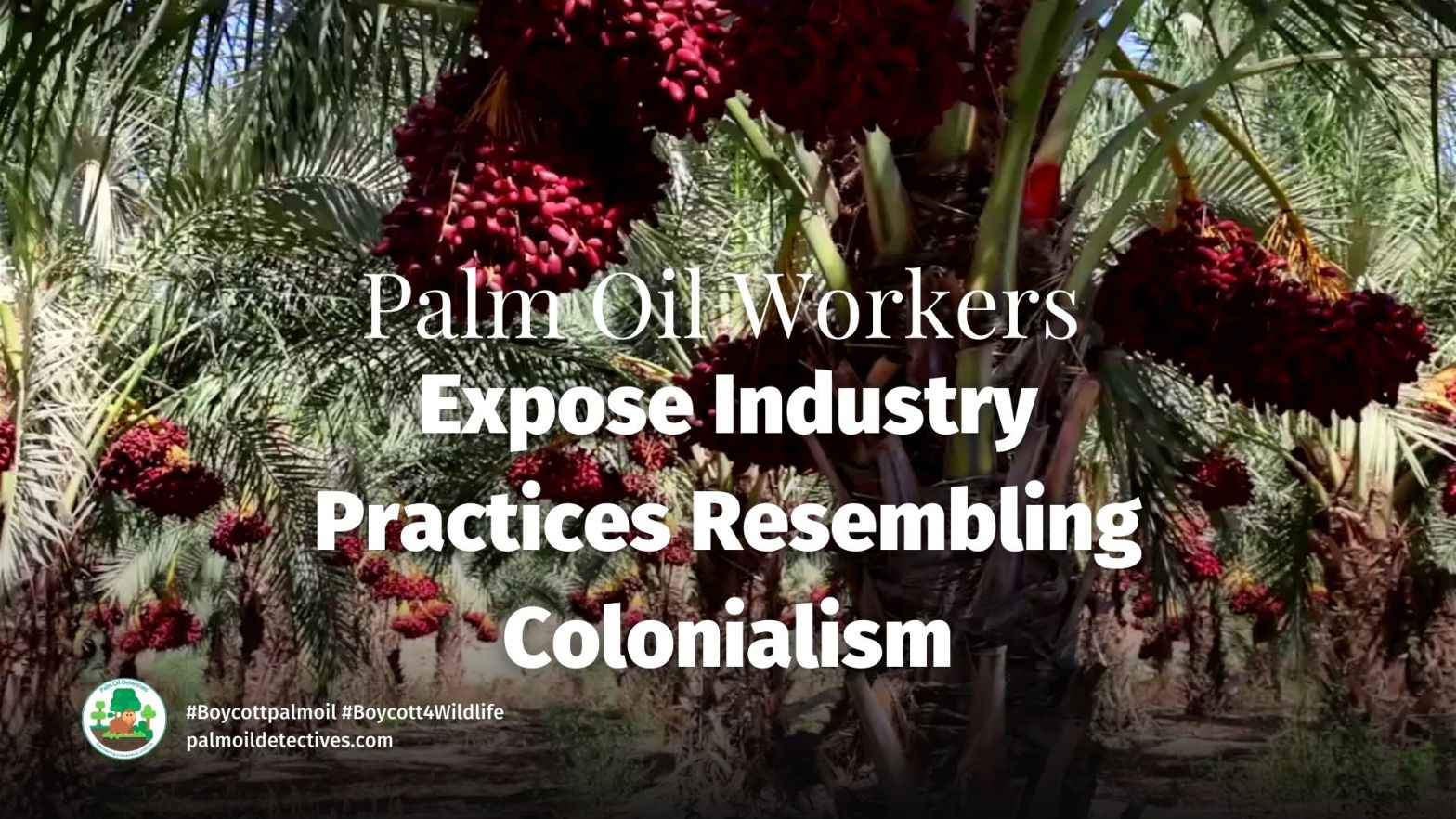
Palm Oil Workers Expose Industry Practices Resembling Colonialism | A coalition of palm oil workers in Indonesia has unveiled industry practices that mirror colonial exploitation, including land grabbing, poor working conditions, and environmental degradation. These revelations highlight the urgent need to address systemic issues within the palm oil sector and advocate for indigenous rights. #HumanRights #IndigenousRights #BoycottPalmOil
#News: Indonesian #palmoil workers reveal industry practices they liken to #colonial exploitation, including #landgrabbing and poor labor conditions. #HumanRights #IndigenousRights #BoycottPalmOil 🌴⛔️ @palmoildetect https://wp.me/pcFhgU-9Pm
Tempo.co. (2024, December 20). Palm oil workers’ group unveils harmful industry practices akin to colonialism. Retrieved from https://en.tempo.co/read/1957496/palm-oil-workers-group-unveils-harmful-industry-practices-akin-to-colonialism
In a recent exposé, a coalition representing palm oil workers in Indonesia has brought to light industry practices that they equate to modern-day colonialism. The group highlights several critical issues, including land appropriation from indigenous communities, substandard working conditions, and significant environmental harm resulting from palm oil cultivation.
The coalition points to instances where large palm oil corporations have seized ancestral lands without proper consent or compensation, displacing indigenous populations and disrupting their traditional way of life. Workers within the industry report facing hazardous conditions, inadequate wages, and a lack of labour rights protections, drawing parallels to exploitative colonial labour systems.
Environmental concerns are also at the forefront, with the expansion of palm oil plantations leading to deforestation, loss of biodiversity, and increased greenhouse gas emissions. These practices not only harm the ecosystem but also undermine the livelihoods of local communities dependent on forest resources.
The coalition is calling for comprehensive reforms in the palm oil industry, emphasising the need for policies that respect indigenous land rights, ensure fair labor standards, and promote environmentally sustainable practices. They urge consumers and policymakers to support initiatives that hold corporations accountable and advocate for ethical sourcing of palm oil.
For a detailed account, read the full article on Tempo.co.
Tempo.co. (2024, December 20). Palm oil workers’ group unveils harmful industry practices akin to colonialism. Retrieved from https://en.tempo.co/read/1957496/palm-oil-workers-group-unveils-harmful-industry-practices-akin-to-colonialism
ENDS
Read more about human rights abuses and child slavery in the palm oil industry
Oil palm in Latin America: monoculture and violence
The rapid expansion of oil palm plantations across #SouthAmerica is causing significant environmental, economic and social problems. This growth is leading to #deforestation, #landgrabbing displacement of #indigenous and farming communities, and increased militarised…
Read more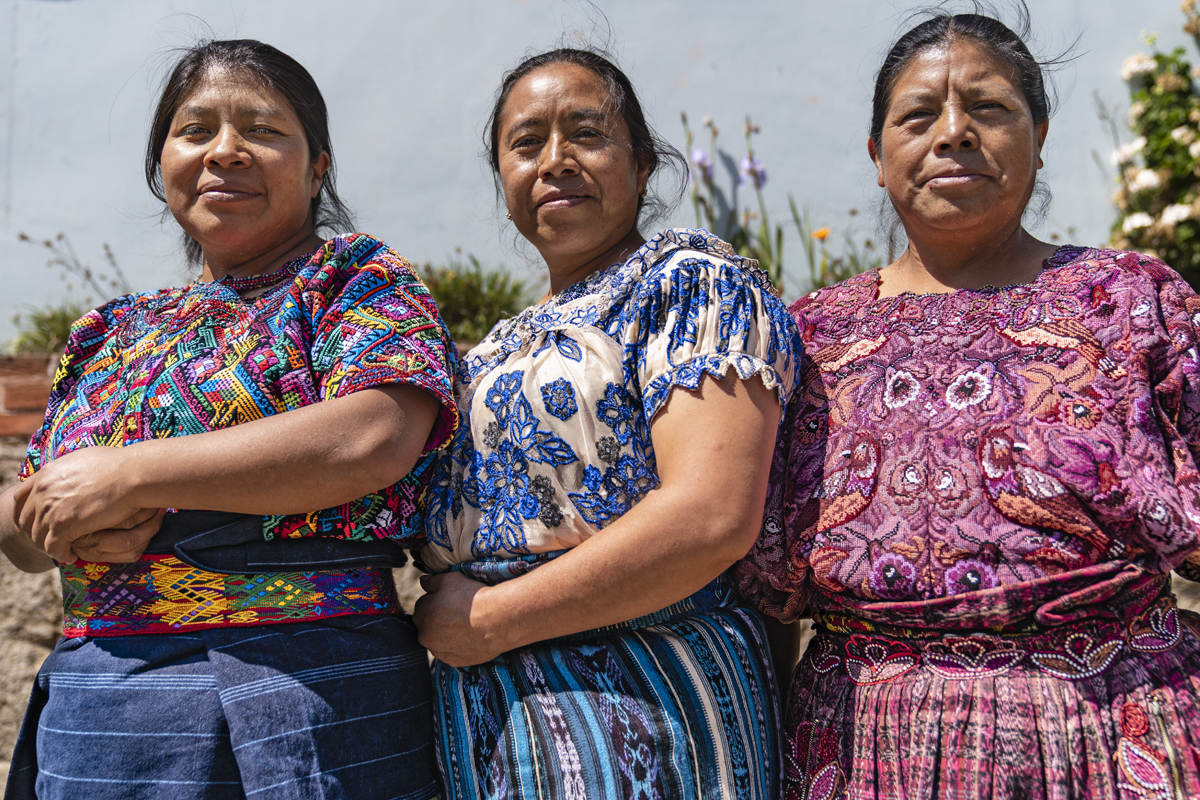
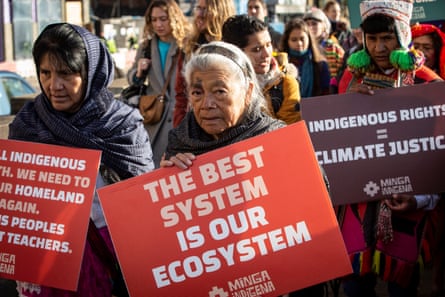
Indigenous Peoples Fight Climate Change
After wildfires, Belize’s indigenous people rebuild stronger based on “se’ komonil”: reciprocity, solidarity, gender equity, togetherness and community.
Read more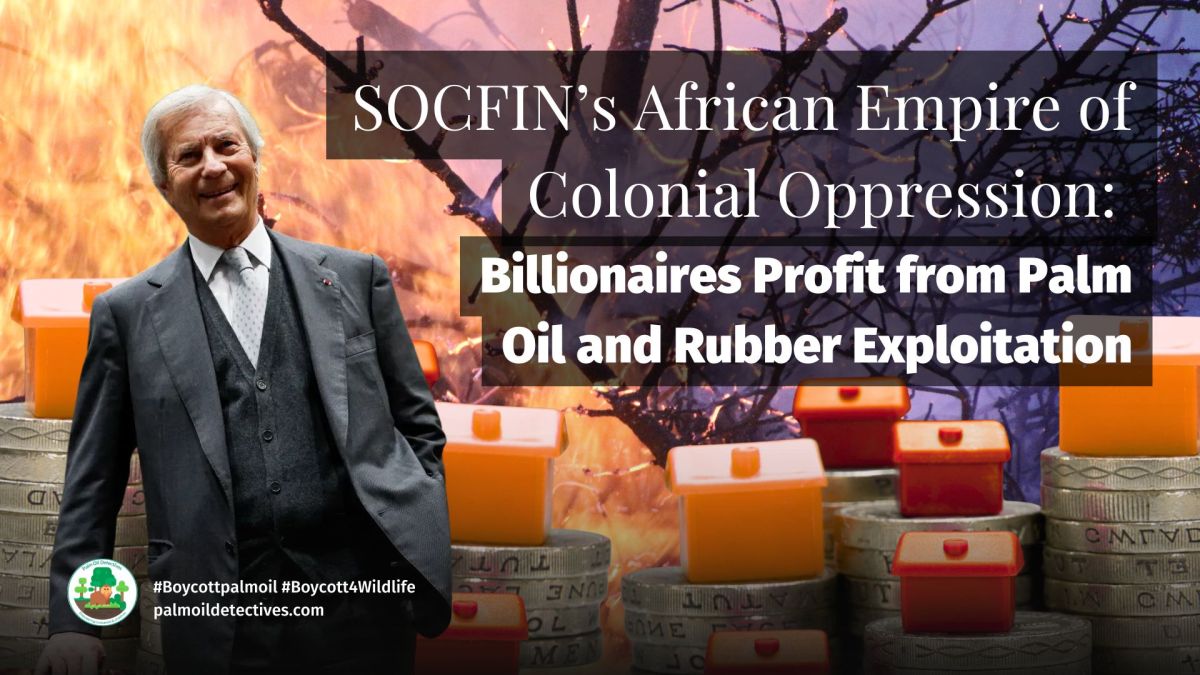
SOCFIN’s African Empire of Colonial Oppression: Billionaires Profit from Palm Oil and Rubber Exploitation
Investigation by Bloomberg exposes that despite being RSPO members, #SOCFIN plantations in #WestAfrica are the epicentre of #humanrights abuses, sexual coercion, environmental destruction, and #landgrabbing. Operating in #Liberia, #Ghana, #Nigeria, and beyond, SOCFIN’s…
Read more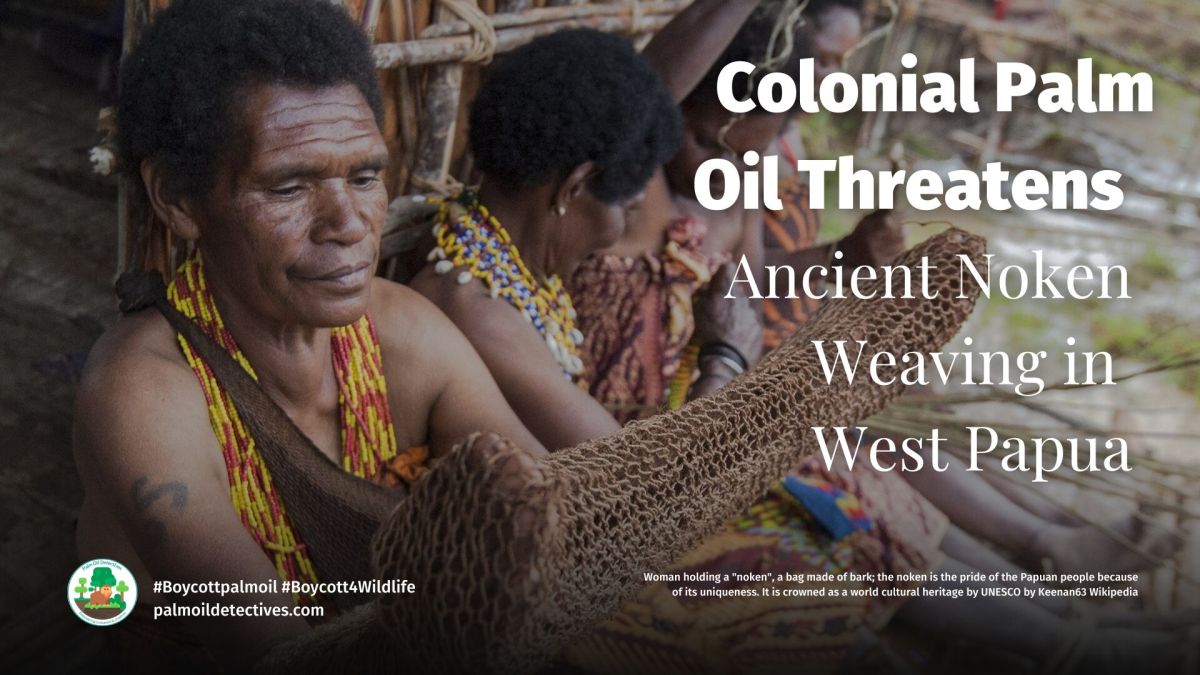
Palm Oil Threatens Ancient Noken Weaving in West Papua
Colonial palm oil and sugarcane causing the loss of West Papuans’ cultural identity. Land grabs force communities from forests, threatening Noken weaving
Read more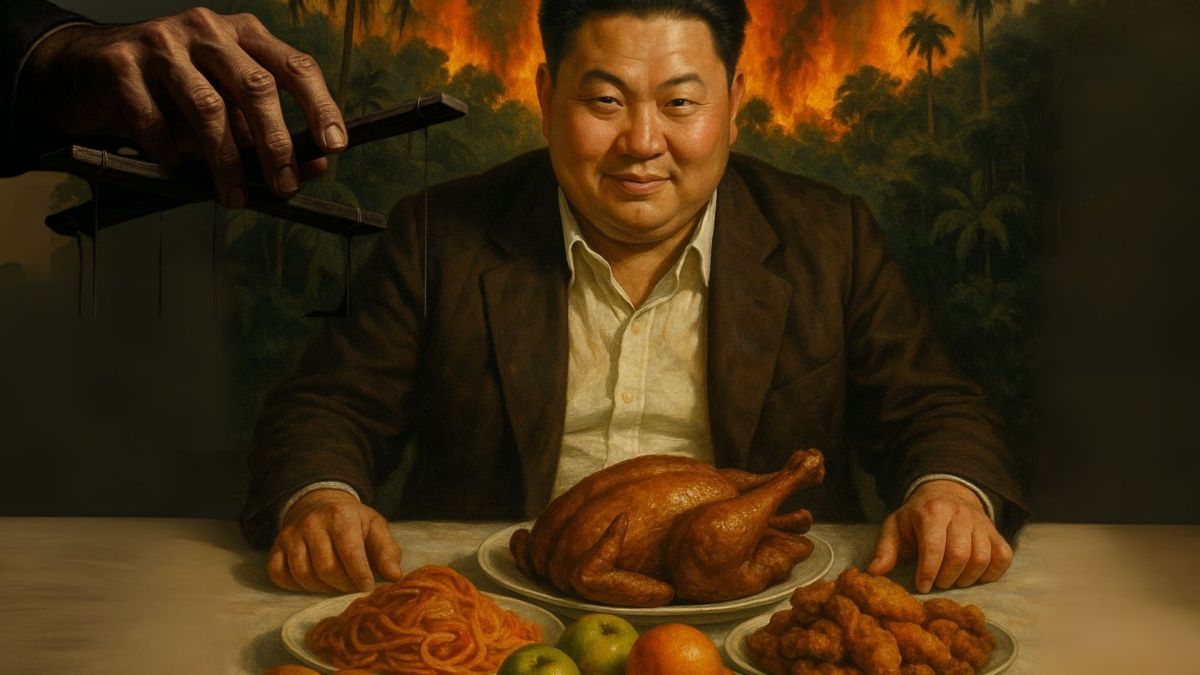
Family Ties Expose Deforestation and Rights Violations in Indonesian Palm Oil
An explosive report by the Environment Investigation Agency (EIA) details how Indonesia’s Fangiono family, through a wide corporate web, is linked to ongoing #deforestation, #corruption, and #indigenousrights abuses for #palmoil. Calls mount for…
Read moreSomething went wrong. Please refresh the page and/or try again.
Take Action in Five Ways
1. Join the #Boycott4Wildlife on social media and subscribe to stay in the loop: Share posts from this website to your own network on Twitter, Mastadon, Instagram, Facebook and Youtube using the hashtags #Boycottpalmoil #Boycott4Wildlife.
2. Contribute stories: Academics, conservationists, scientists, indigenous rights advocates and animal rights advocates working to expose the corruption of the palm oil industry or to save animals can contribute stories to the website.



3. Supermarket sleuthing: Next time you’re in the supermarket, take photos of products containing palm oil. Share these to social media along with the hashtags to call out the greenwashing and ecocide of the brands who use palm oil. You can also take photos of palm oil free products and congratulate brands when they go palm oil free.
4. Take to the streets: Get in touch with Palm Oil Detectives to find out more.
5. Donate: Make a one-off or monthly donation to Palm Oil Detectives as a way of saying thank you and to help pay for ongoing running costs of the website and social media campaigns. Donate here
Discover more from Palm Oil Detectives
Subscribe to get the latest posts sent to your email.
 Palm Oil Detectives