
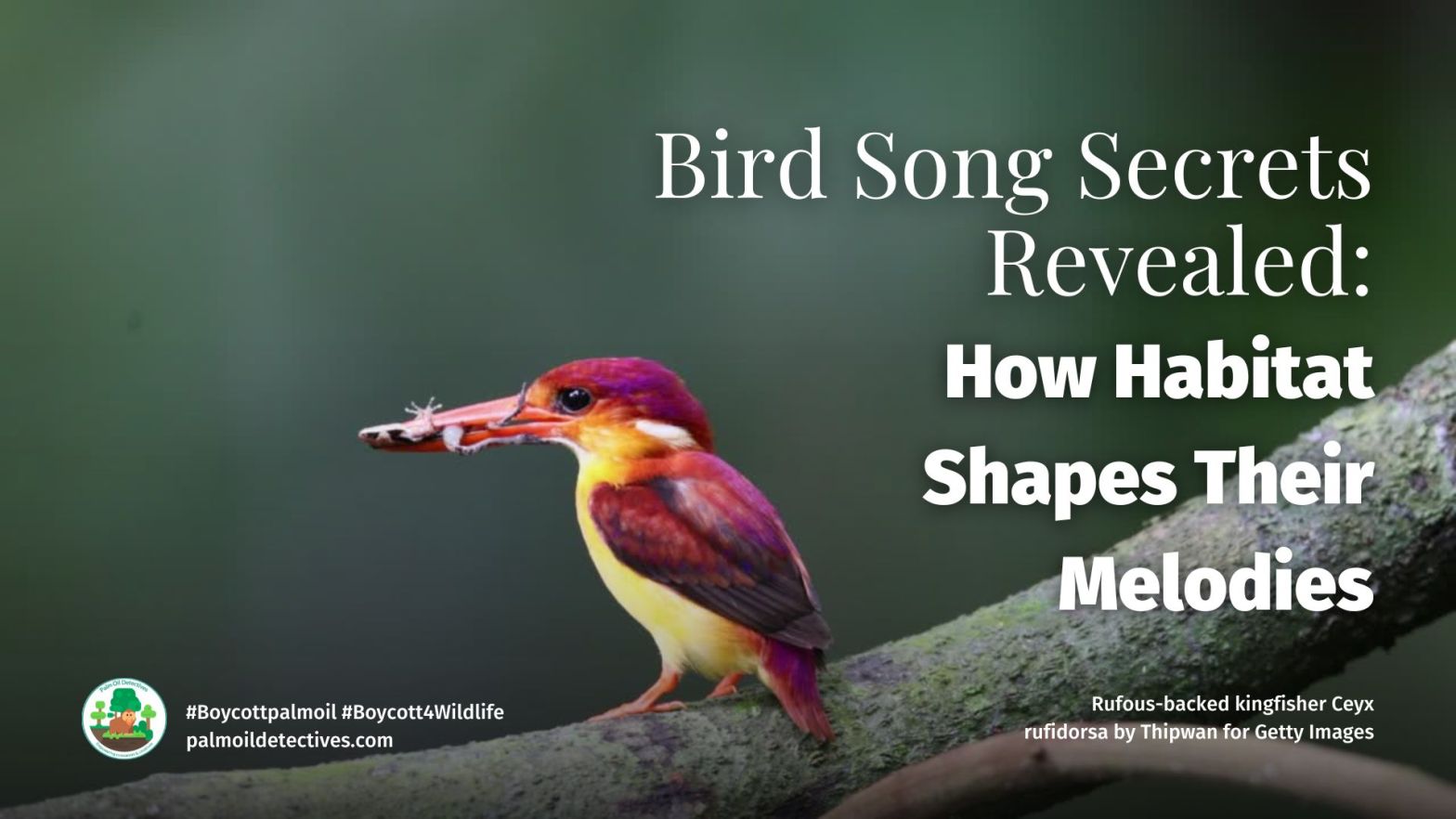
In the vast soundscape of #nature, #birds have evolved intricate ways to make themselves heard. A groundbreaking global study by University of Madison-Wisconsin has found surprising connections between a bird’s habitat, body size, beak shape, and the frequency of their calls—offering new insight into the evolutionary forces that shape and govern their songs and the jungle symphony as a whole. This discovery sheds light on the intricate relationship between nature and bird communication. Help them every time you shop and #BoycottPalmOil #Boycott4Wildlife
🐦 #News: #Research finds #birds 🦉🦜🎶 sing with their surroundings! High-pitched songs help to cut through rushing water noise. Noisy habitats inspire more diverse tunes. Help them when you shop #BoycottPalmOil 🌴☠️⛔️ #Boycott4Wildlife @palmoildetect https://wp.me/pcFhgU-alS
This fascinating study reveals how bird habitats influence their songs, with species adapting their tunes to match environmental conditions like rushing water.
Key Insights
Rushing Water and High-Pitched Calls:
In dense forests and wetlands where waterfalls and rushing rivers create a constant backdrop of low-frequency white noise, birds have adapted by shifting their calls into a higher register. This allows their voices to cut through the environmental hum, ensuring they can still communicate with their kin and stake their territorial claims.
Latitude Dictates Melody:
Strikingly, birds living along the same latitudes tend to produce similar vocalisations, hinting at an underlying ecological pattern that influences their calls. Whether in tropical jungles or temperate woodlands, the climate, vegetation, and soundscape of a region seem to shape how birds communicate across vast distances.
Body Mass, Beak Shape, and the Science of Sound
Size matters in the avian world. Larger birds produce deep, resonant calls, while smaller birds favour higher-pitched chirps. Beak shape plays a crucial role as well—certain beak structures amplify specific frequencies, refining the way birds project their voices. This study confirms that these physical attributes are not just incidental but are deeply intertwined with how birds have evolved to communicate in their environments.
Sound as a Survival Tool:
For smaller birds, vocal versatility is key to survival. Their ability to produce a wide range of frequencies allows them to signal to their own species at high pitches while also using lower frequencies to mimic larger, more intimidating creatures. This acoustic illusion may trick predators into perceiving them as more formidable than they really are—a clever auditory camouflage in the battle for survival.
This global analysis of bird calls provides a deeper understanding of how nature fine-tunes the voices of its creatures, ensuring that they not only adapt but thrive in the ever-changing soundscape of the wild.
Implications for Wildlife Conservation
This research highlights the importance of protecting diverse ecosystems that allow birds to maintain and evolve their communication methods. Understanding how habitats influence behaviour offers valuable insights into preserving both wildlife and the natural environments they depend on.
The Bigger Picture
By exploring the interplay between habitat and communication, this study deepens our appreciation for the intricate connections within ecosystems and the resilience of bird species in adapting to environmental challenges.
Discover more about this groundbreaking study.
University of Wisconsin-Madison. “Why do birds make so many different sounds? A study gets at the underlying factors.” ScienceDaily. ScienceDaily, 8 January 2025.
ENDS
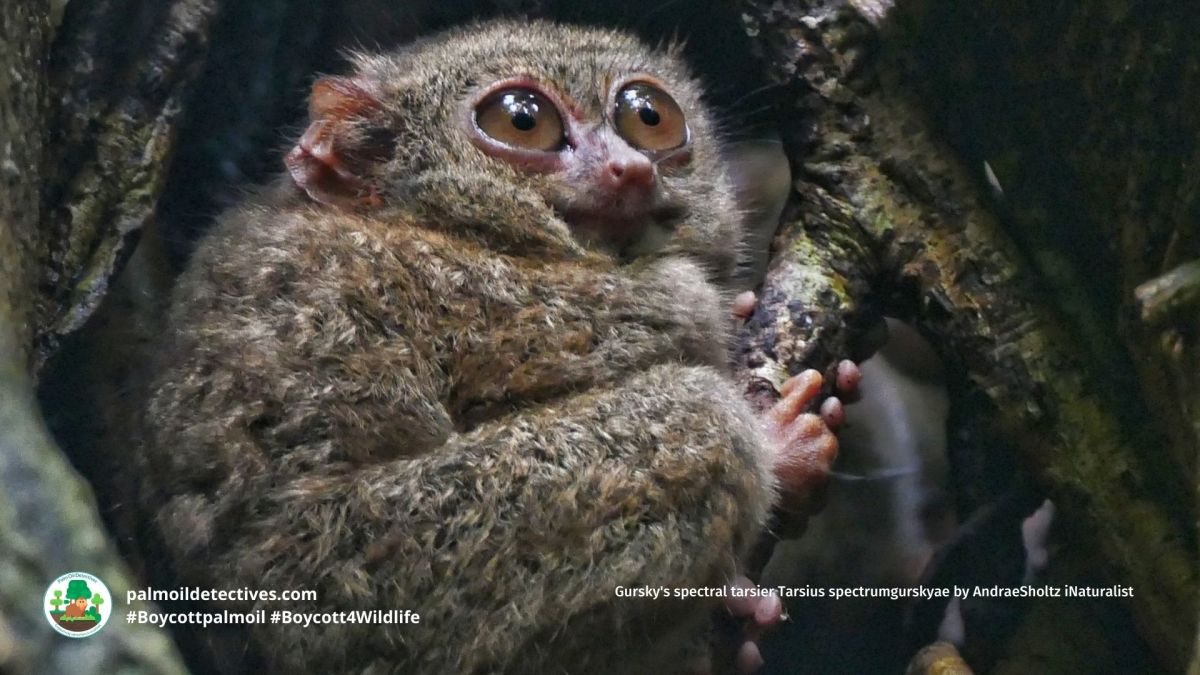
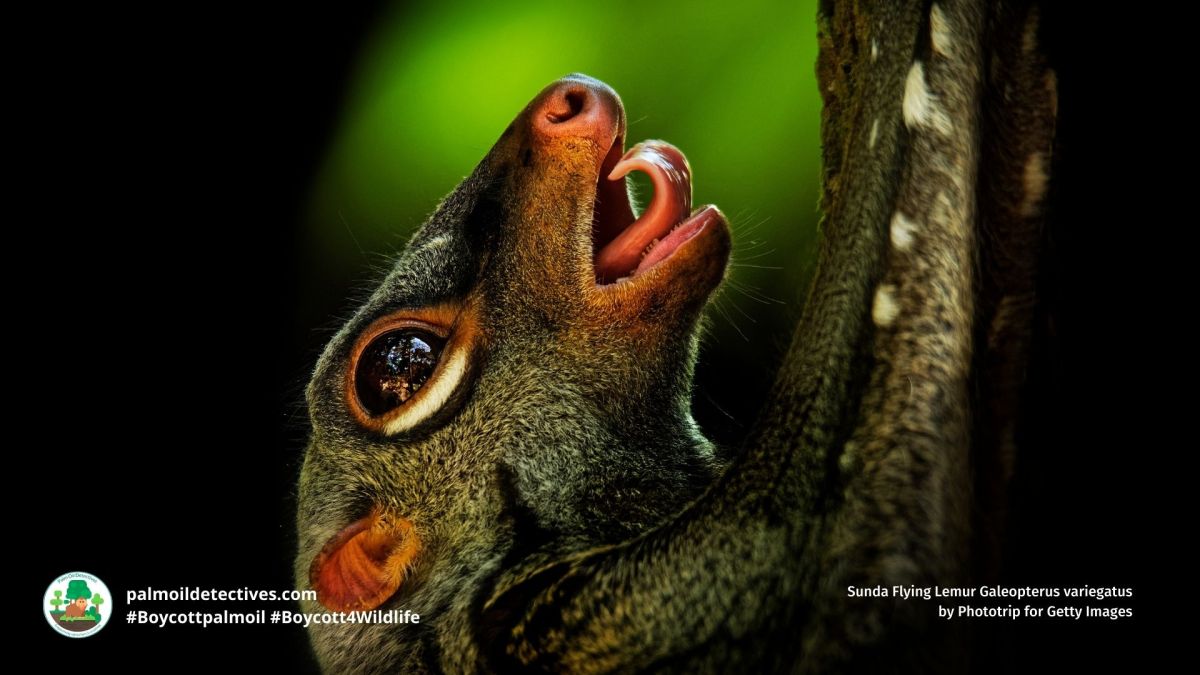
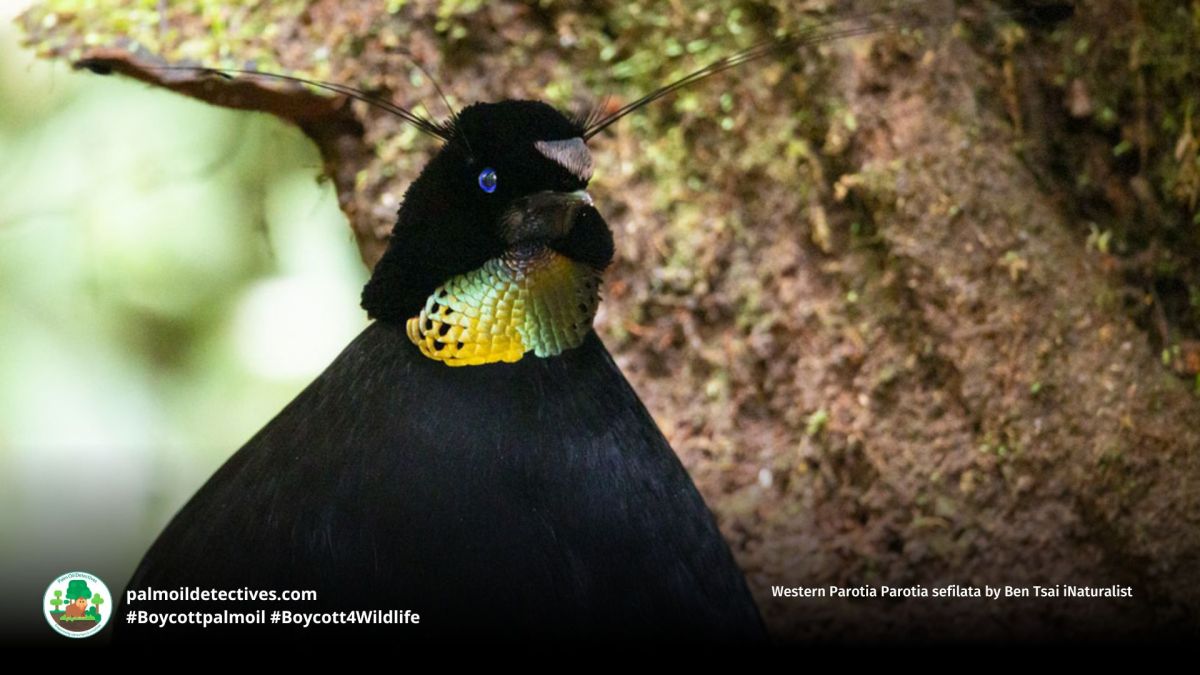
Learn about other animals endangered by palm oil and other agriculture
Learn about “sustainable” palm oil greenwashing
Read more about RSPO greenwashing
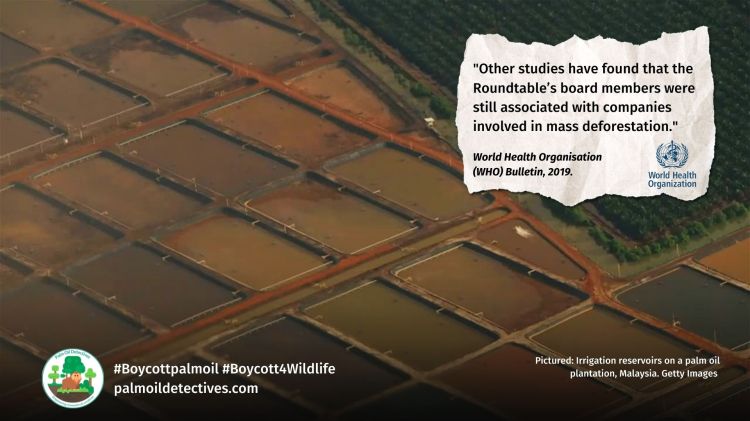
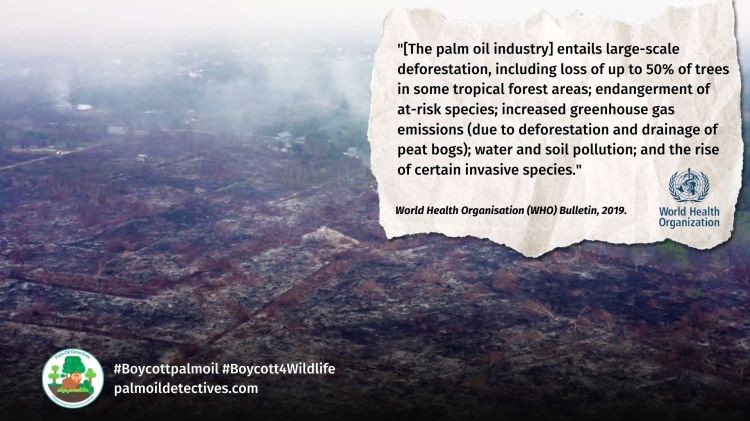
A 2019 World Health Organisation (WHO) report into the palm oil industry and RSPO finds extensive greenwashing of palm oil deforestation and the murder of endangered animals (i.e. biodiversity loss)



Take Action in Five Ways
1. Join the #Boycott4Wildlife on social media and subscribe to stay in the loop: Share posts from this website to your own network on Twitter, Mastadon, Instagram, Facebook and Youtube using the hashtags #Boycottpalmoil #Boycott4Wildlife.
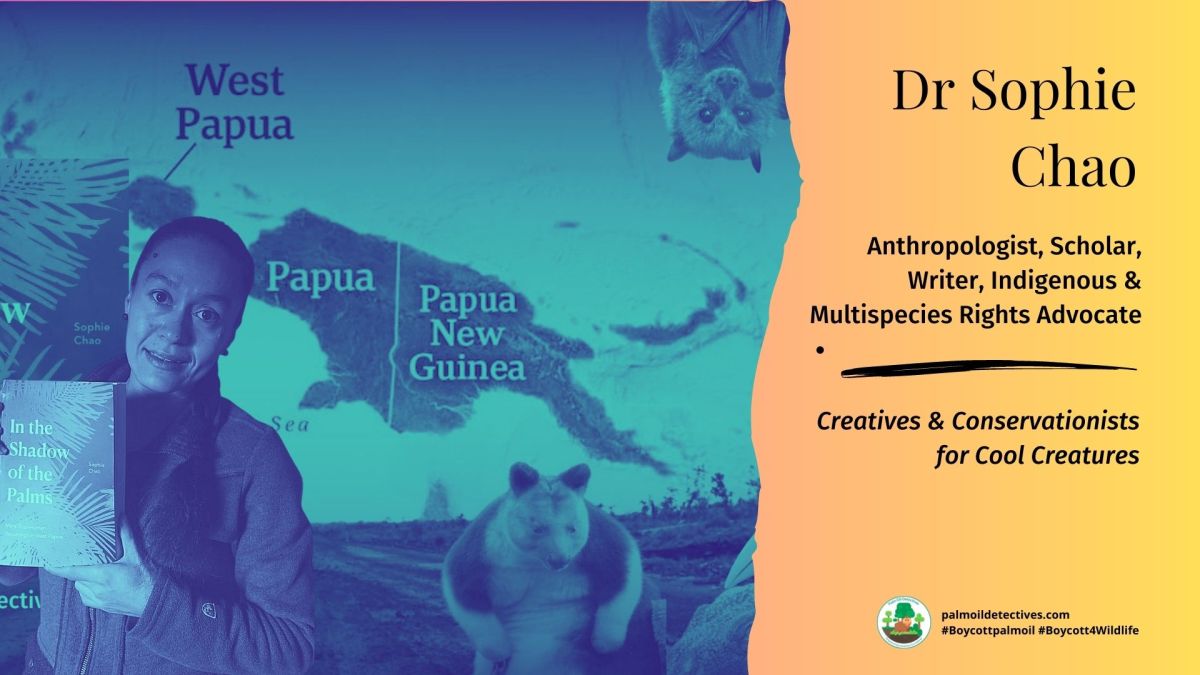
2. Contribute stories: Academics, conservationists, scientists, indigenous rights advocates and animal rights advocates working to expose the corruption of the palm oil industry or to save animals can contribute stories to the website.




3. Supermarket sleuthing: Next time you’re in the supermarket, take photos of products containing palm oil. Share these to social media along with the hashtags to call out the greenwashing and ecocide of the brands who use palm oil. You can also take photos of palm oil free products and congratulate brands when they go palm oil free.
4. Take to the streets: Get in touch with Palm Oil Detectives to find out more.
5. Donate: Make a one-off or monthly donation to Palm Oil Detectives as a way of saying thank you and to help pay for ongoing running costs of the website and social media campaigns. Donate here
Discover more from Palm Oil Detectives
Subscribe to get the latest posts sent to your email.
 Palm Oil Detectives