

Pesquets Parrot Psittrichas fulgidus
Red List Status: Vulnerable
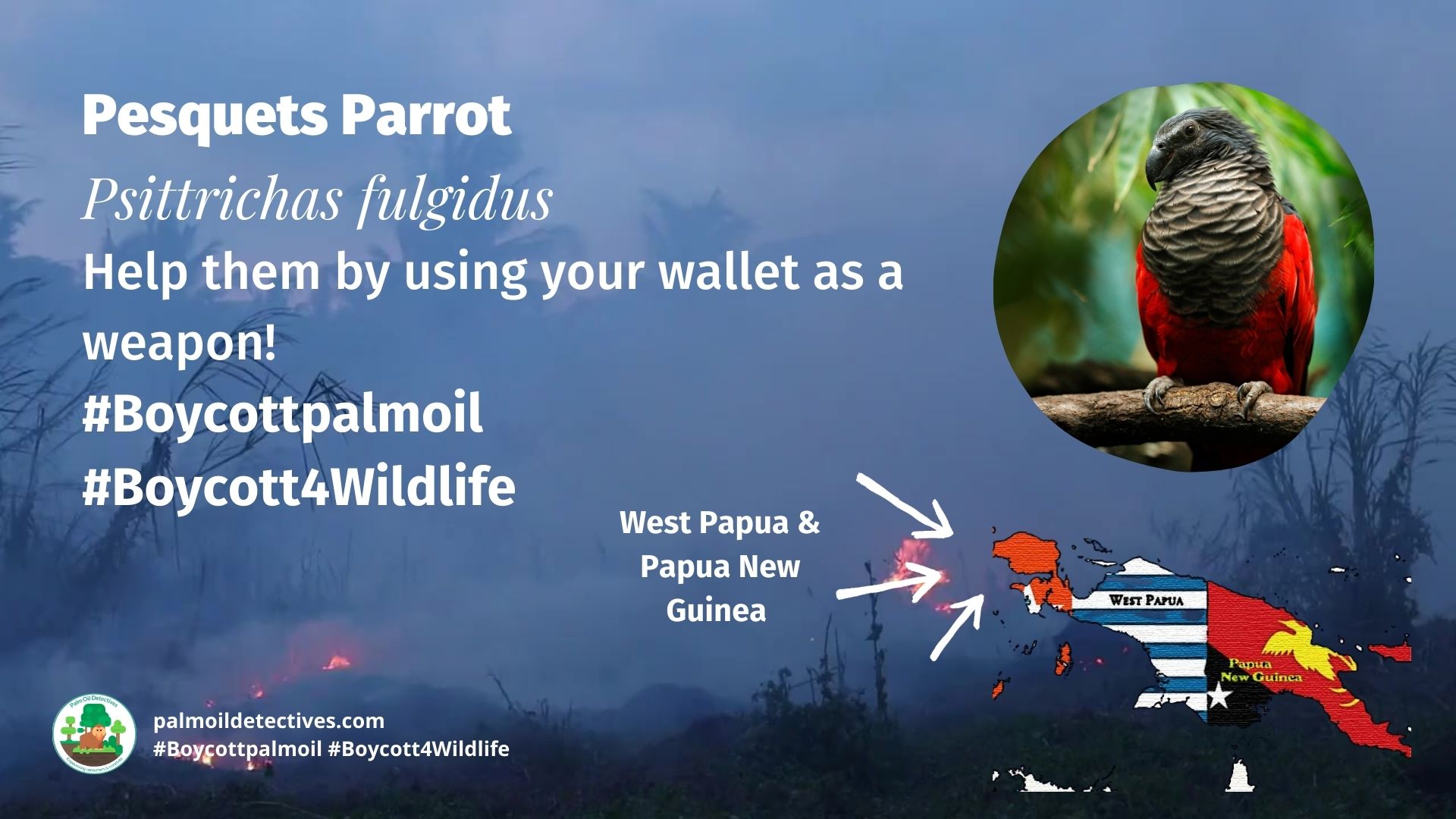
Extant (resident): West Papua & Papua New Guinea
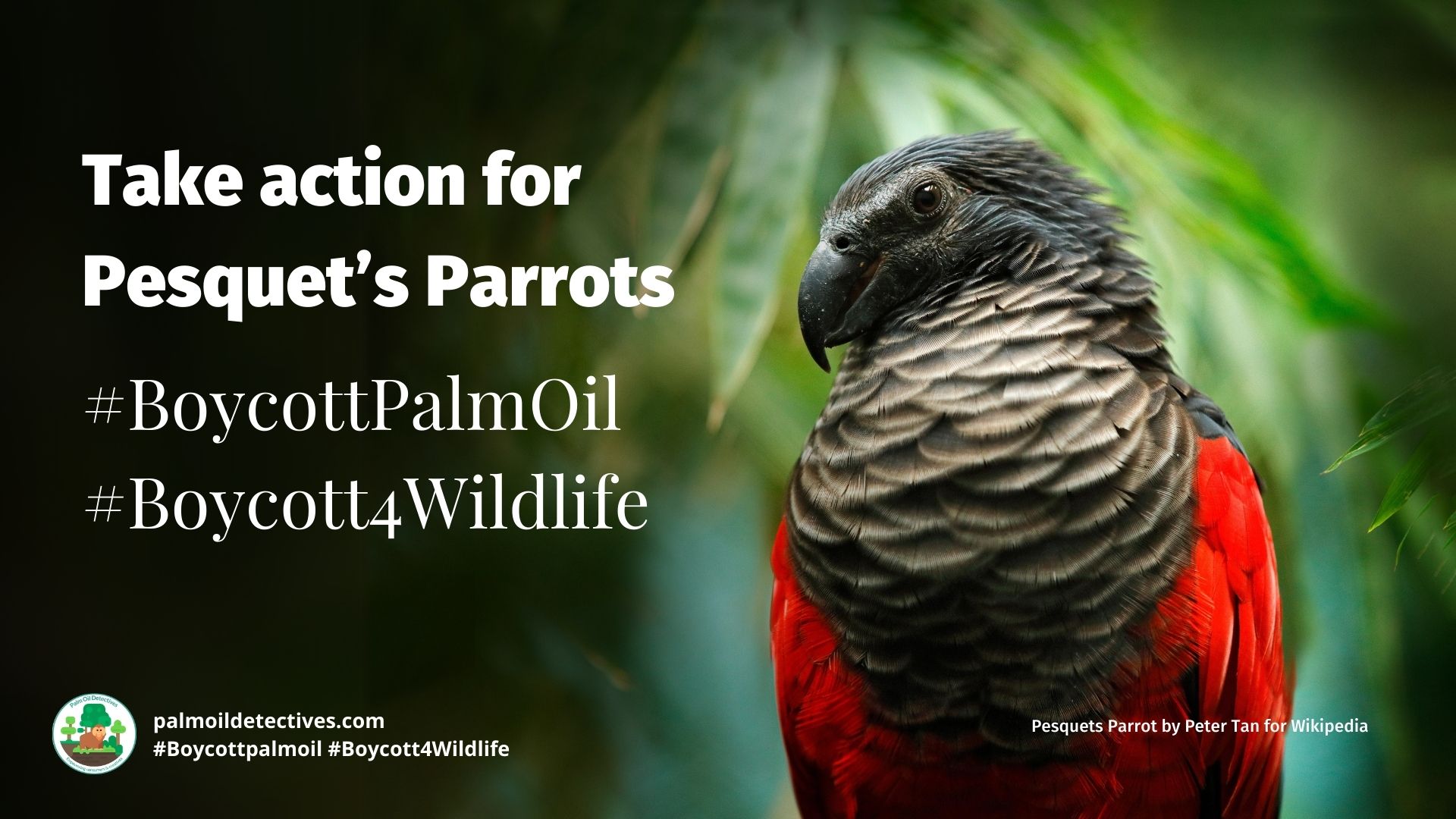
Pesquet’s #parrots 🦜 of #WestPapua and #NewGuinea 🇵🇬 are also known as Dracula parrots for their stunning red and black feathers. They’re vulnerable due to #palmoil #deforestation 🔥😡 Take action for them #BoycottPalmOil #Boycott4Wildlife @palmoildetect https://wp.me/pcFhgU-8cf
The magnificent 🌟🤩 Pesquet’s #parrot 🦜🦜 of #Papua has striking red and black feathers and glides around the forests of #WestPapua. Help them to survive when you support #indigenous sovereignty and #BoycottPalmOil 🚫⛔️ #Boycott4Wildlife @palmoildetect https://wp.me/pcFhgU-8cf
Introductory text
Appearance & Behaviour
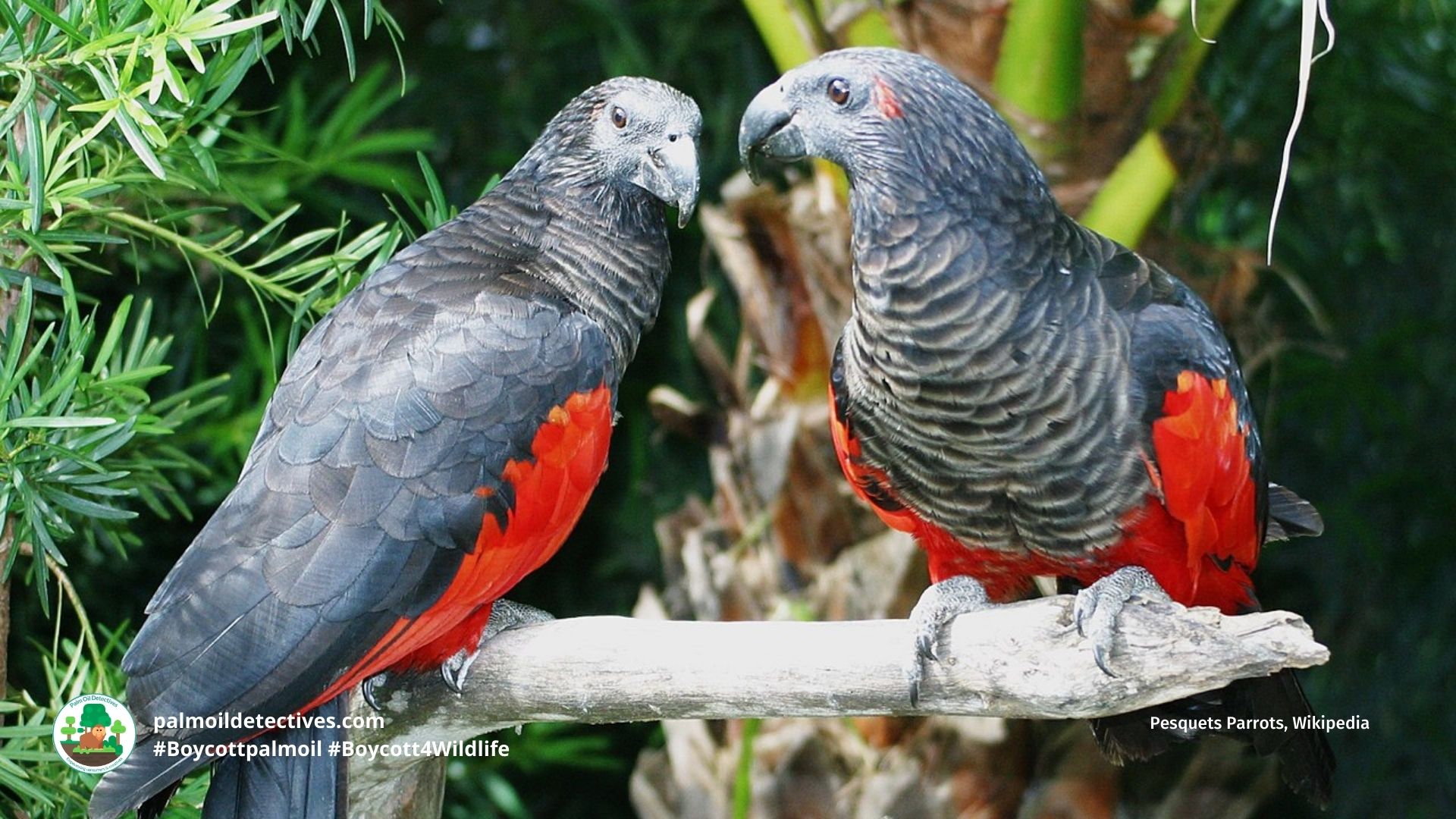
One of the quirkiest features of Pesquet’s parrot is their diet—they feed almost exclusively on a few species of figs, making them highly specialised frugivores. Their bare heads help prevent sticky fruit juice from matting their feathers. These birds are strong flyers, often seen gliding gracefully between trees. They are social creatures, typically spotted in pairs or small groups of up to 20 individuals.
Threats
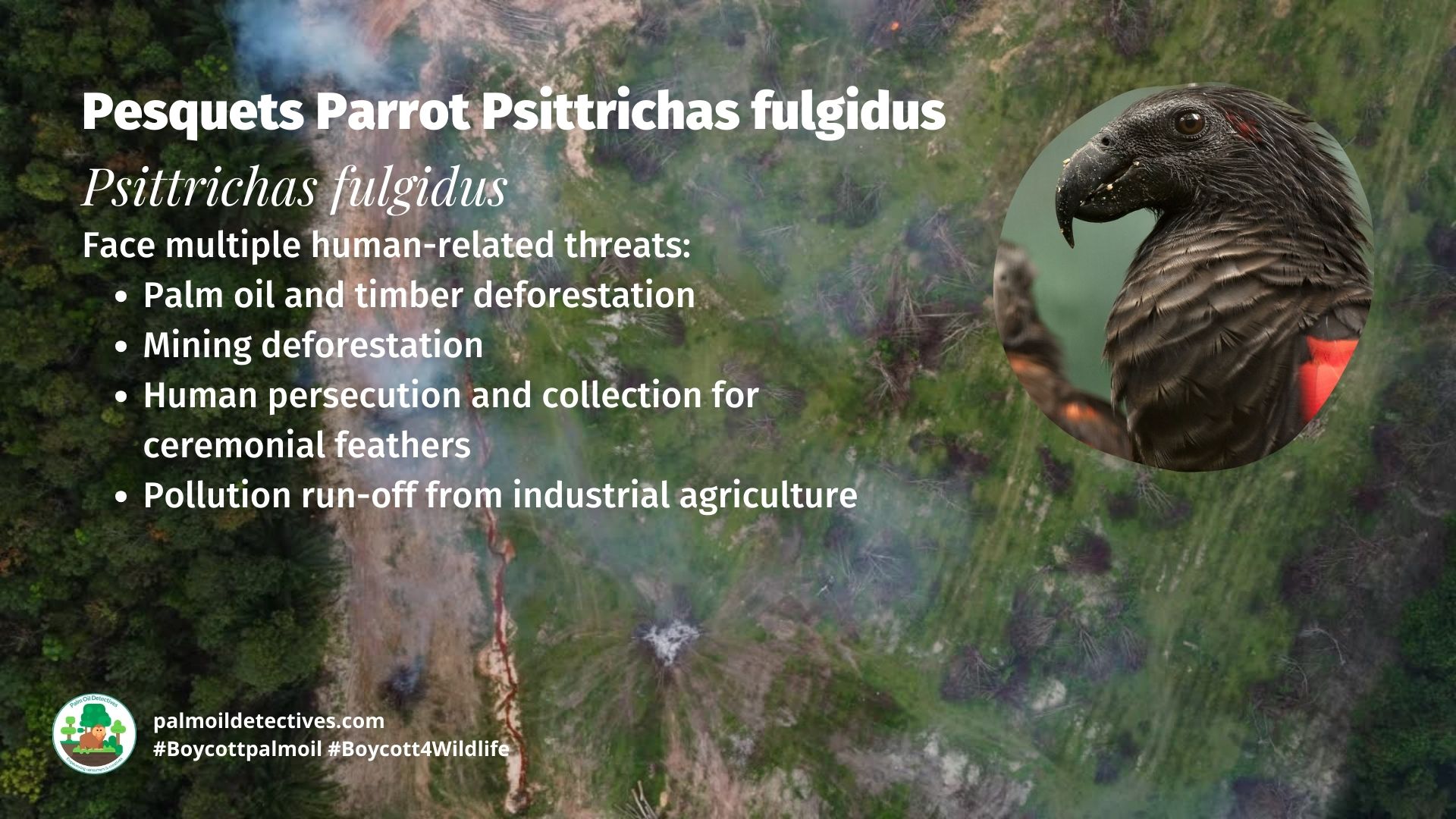
Pesquet’s Parrots are now listed as ‘vulnerable’ on the Red List due to a range of human-related threats:
- Palm oil and timber deforestation
- Mining deforestation
- Human persecution and collection for ceremonial feathers
- Pollution run-off from industrial agriculture
Empower yourself to make a difference. Together, we can fight for the survival of Pesquet’s parrot by making mindful choices. #BoycottPalmOil and support indigenous sovereignty in Papua. Share this page and join the movement to protect our precious wildlife #BoycottPalmOil #Boycott4Wildlife
Appearance and Behaviour
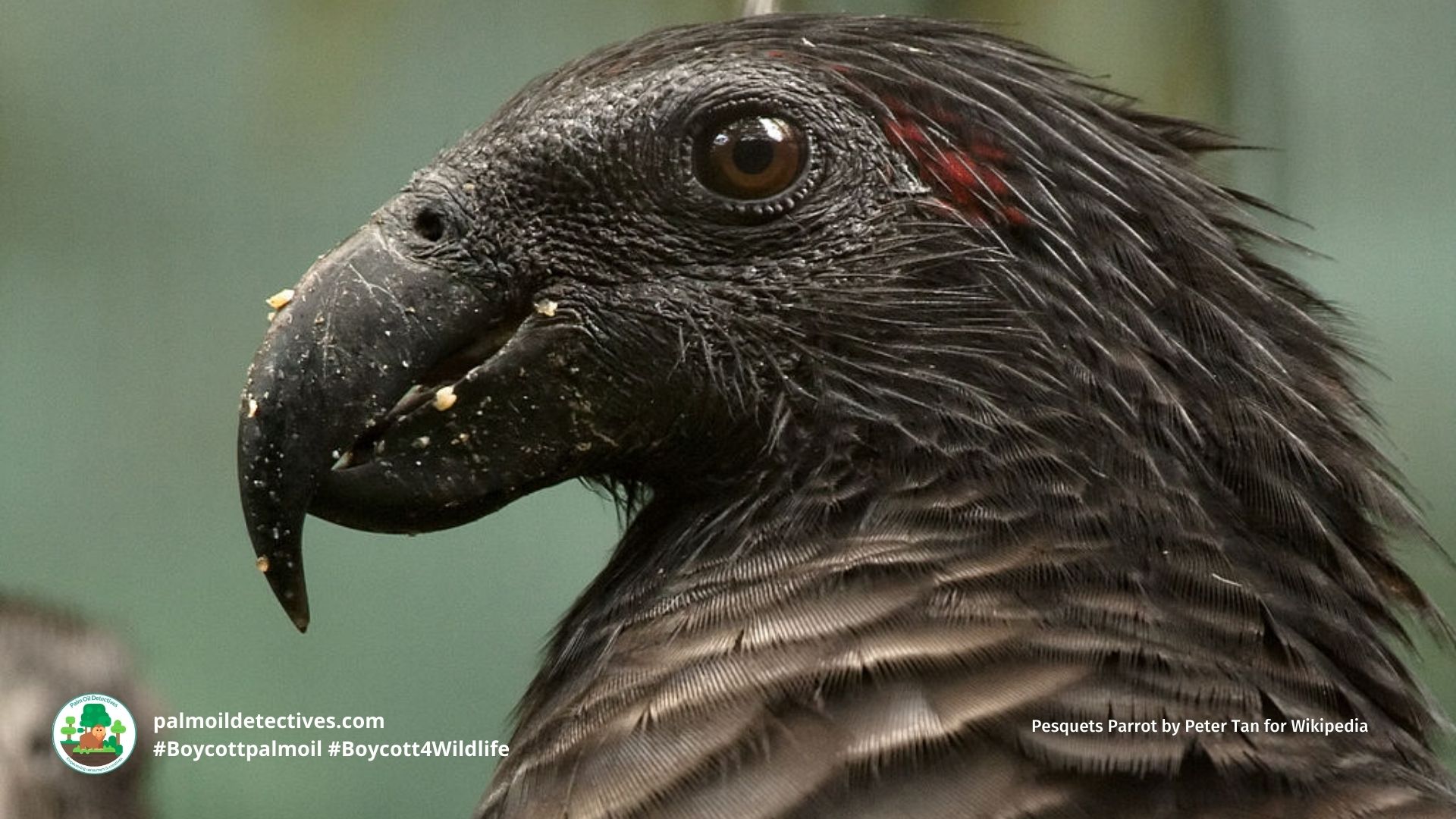
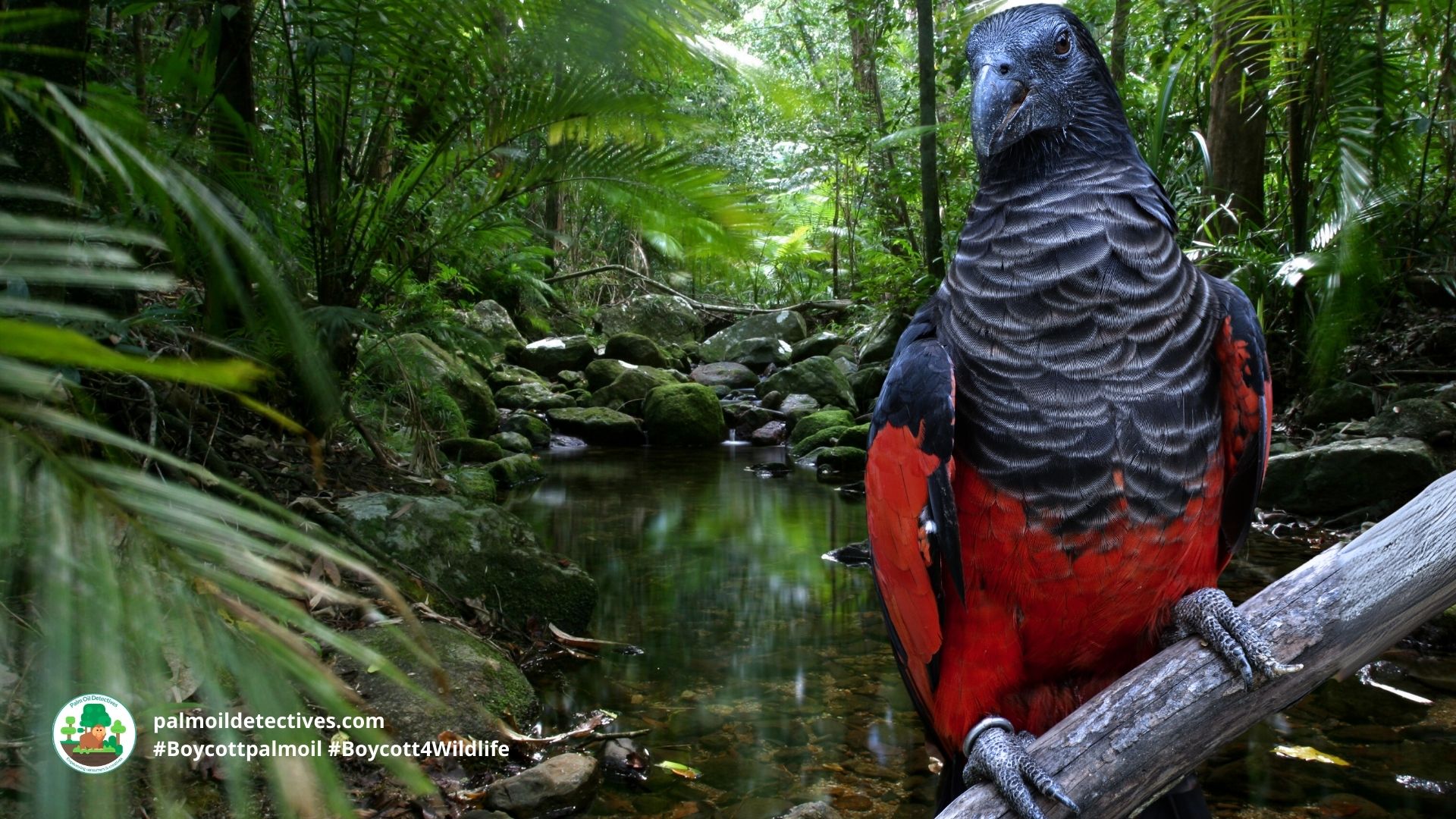
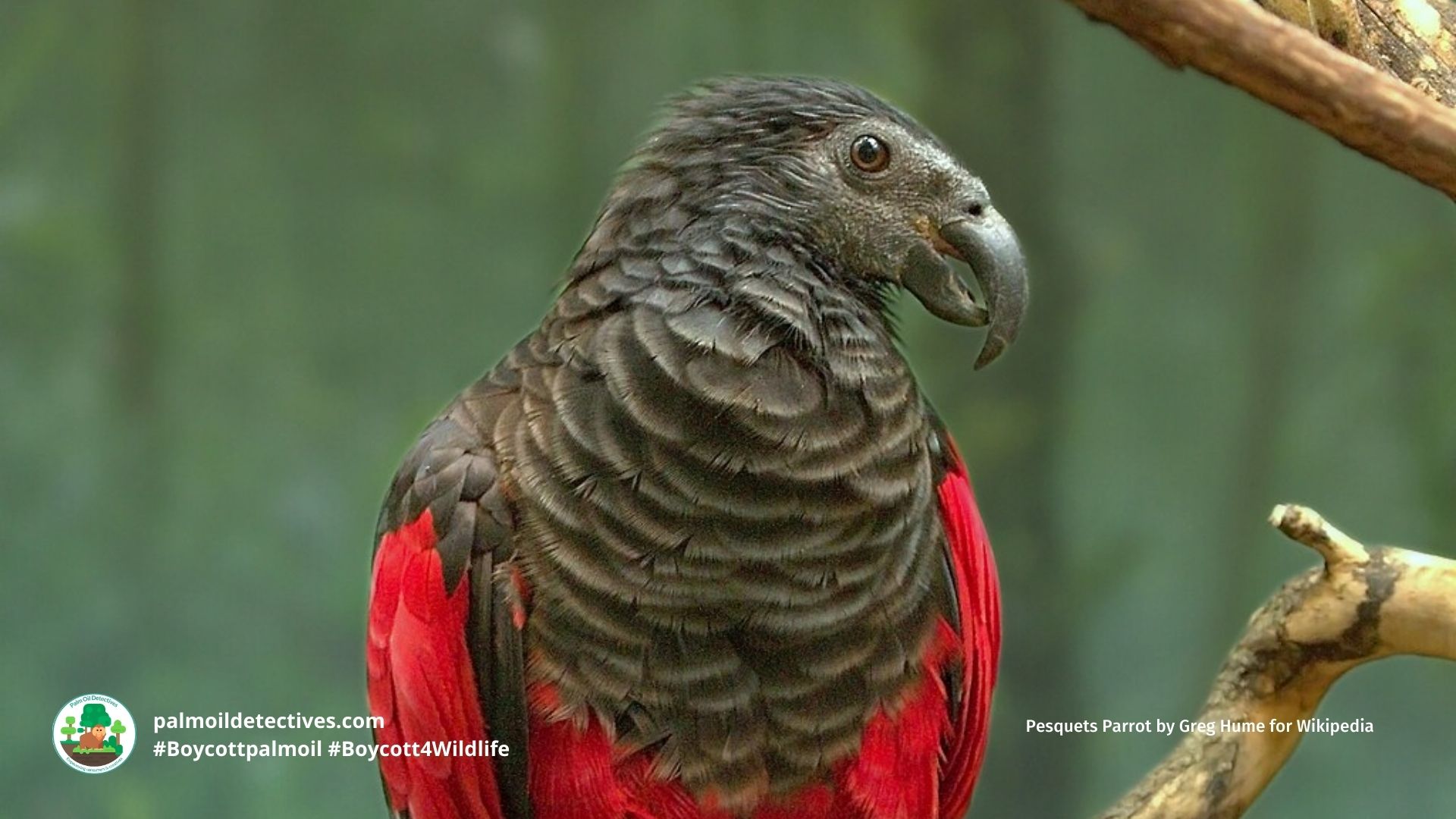
Pesquet’s parrot, also known as the Dracula parrot, is an impressive bird with a length of about 46 cm (18 inches) and a weight of 680–800 grams (24–28 ounces). Their feathers are predominantly black with greyish scaling on the chest and vivid red patches on the belly, upper tails, and wing panels. Males have a distinctive red spot behind the eye. These parrots are known for their relatively small heads, bare black facial skin, and long, hooked bills, adaptations that help them feed on their favourite fruits.
Geographic Range
Pesquet’s parrots are native to the hill and montane rainforests of West Papua and Papua New Guinea, thriving at elevations between 100 and 1,800 metres. They favour dense, moist forests where they can find plenty of fruiting trees to feed on.
Diet
These parrots are strict frugivores, primarily feasting on figs. However, at times they also enjoy blossoms, flowers, and nectar, showcasing their diverse plant-based diet.
Mating and Reproduction
Pesquet’s parrots are known to lay two eggs in large, hollow trees. While detailed information about their breeding habits in the wild is limited, it is observed that the female incubates the eggs for about 27-31 days, with the male providing food during this period.
Support Pesquet’s Parrots by going vegan and boycotting palm oil in the supermarket, it’s the #Boycott4Wildlife
Support the conservation of this species
This animal has no protections in place. Read about other forgotten species here. Create art to support this forgotten animal or raise awareness about them by sharing this post and using the #Boycottpalmoil #Boycott4Wildlife hashtags on social media. Also you can boycott palm oil in the supermarket.
Further Information
BirdLife International. 2017. Psittrichas fulgidus. The IUCN Red List of Threatened Species 2017: e.T22685025A118772050. https://dx.doi.org/10.2305/IUCN.UK.2017-3.RLTS.T22685025A118772050.en. Accessed on 03 June 2024.
Pesquet’s Parrot. (2024). In Wikipedia. Retrieved June 3, 2024


How can I help the #Boycott4Wildlife?
Take Action in Five Ways
1. Join the #Boycott4Wildlife on social media and subscribe to stay in the loop: Share posts from this website to your own network on Twitter, Mastadon, Instagram, Facebook and Youtube using the hashtags #Boycottpalmoil #Boycott4Wildlife.
2. Contribute stories: Academics, conservationists, scientists, indigenous rights advocates and animal rights advocates working to expose the corruption of the palm oil industry or to save animals can contribute stories to the website.



3. Supermarket sleuthing: Next time you’re in the supermarket, take photos of products containing palm oil. Share these to social media along with the hashtags to call out the greenwashing and ecocide of the brands who use palm oil. You can also take photos of palm oil free products and congratulate brands when they go palm oil free.
4. Take to the streets: Get in touch with Palm Oil Detectives to find out more.
5. Donate: Make a one-off or monthly donation to Palm Oil Detectives as a way of saying thank you and to help pay for ongoing running costs of the website and social media campaigns. Donate here
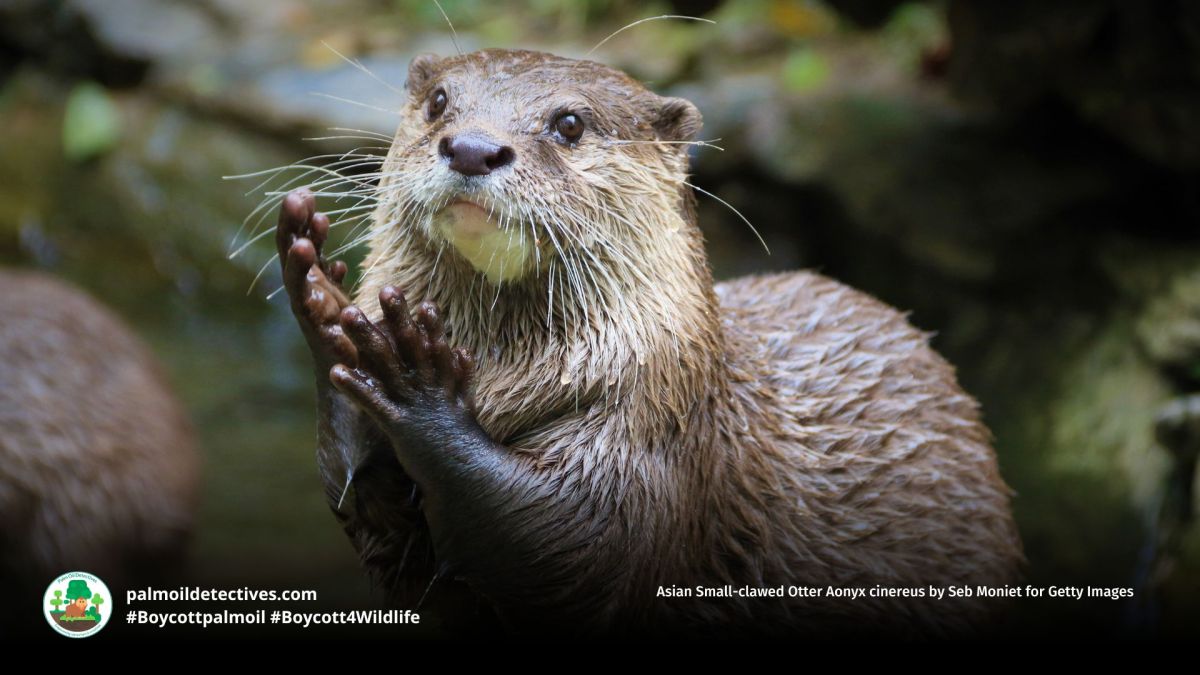
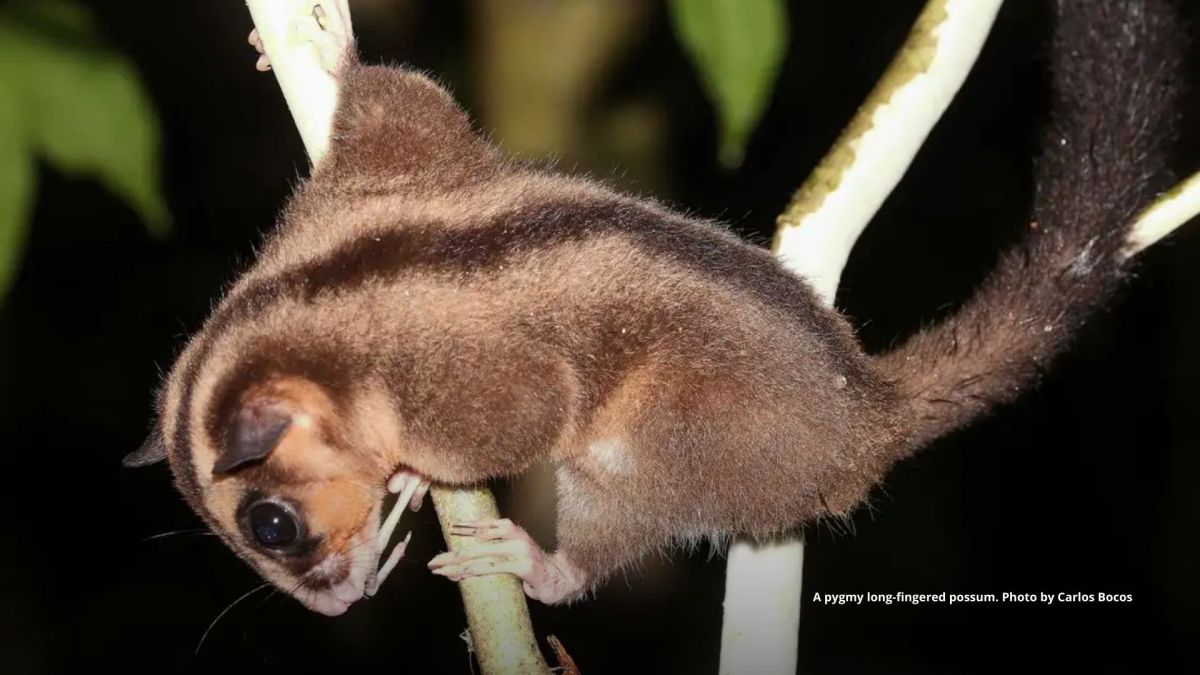
Learn about other animals endangered by palm oil and other agriculture
Learn about “sustainable” palm oil greenwashing
Read more about RSPO greenwashing
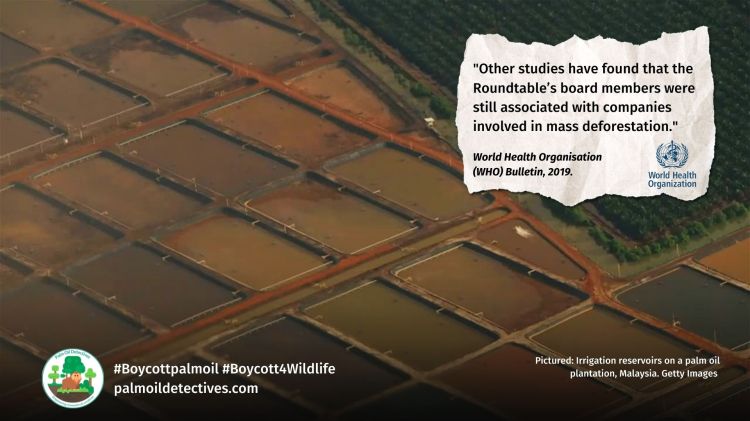
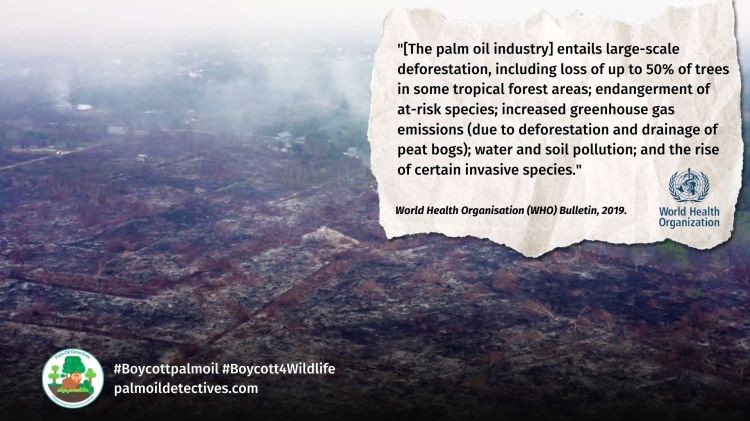
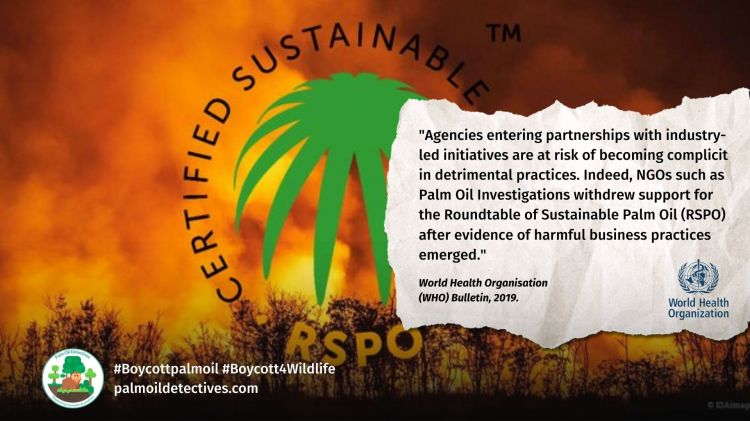
A 2019 World Health Organisation (WHO) report into the palm oil industry and RSPO finds extensive greenwashing of palm oil deforestation and the murder of endangered animals (i.e. biodiversity loss)


Discover more from Palm Oil Detectives
Subscribe to get the latest posts sent to your email.
 Palm Oil Detectives