
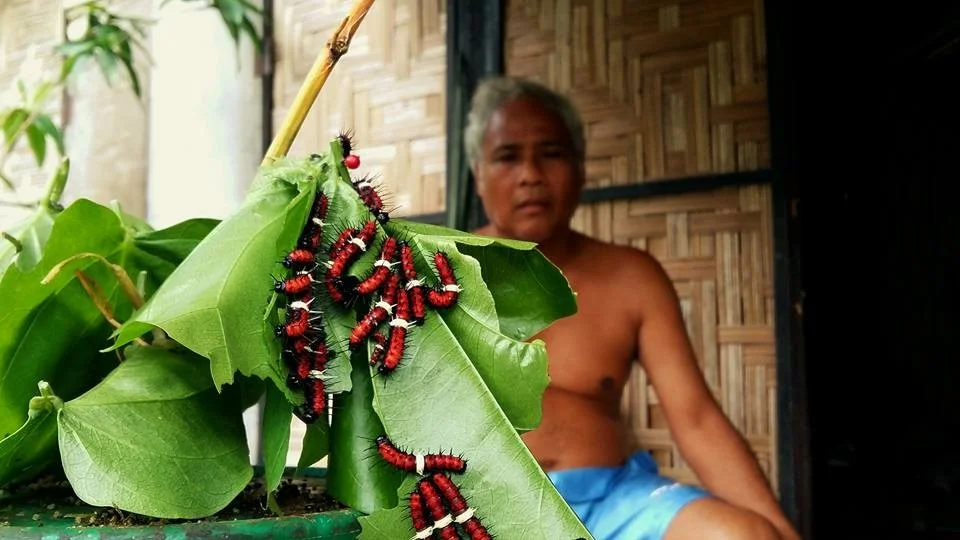
The Indigenous Semai #indigenous people of #Malaysia can teach us a lot about how to protect people, planet and biodiversity. The Indigenous concept of #badi is not superstition or taboo, it’s about respecting the land, environment and #wildlife in order to avoid negative ecosystem impacts. #Boycottpalmoil #Boycott4Wildlife
#Semai are a large #Indigenous group in #Malaysia 🇲🇾 with beliefs and traditions connected to their ancestral land 🌊🫧🎋 and #environment. Their knowledge can help protect against #ClimateChange #Boycottpalmoil 🌴🪔💀🚫 #Boycott4Wildlife @palmoildetect https://wp.me/pcFhgU-78c
Written by Dr Cyren Wong – an anthropologist and ecologist who specialises in the study of Indigenous communities, humanity’s relationships with nature, and tropical terrestrial ecosystems. He is also the head of the Malaysia Immersion and Pathways, a field-based research and education hub under the Vice President (Education) portfolio at Monash University Malaysia. Follow his Facebook page, Naturetalksback with Dr. Cyren Asteraceya to know more about his latest outreach work. Originally published under Creative Commons by 360info™, read original.
“In the forest, you never know who is related to whom,” says a Semai villager.
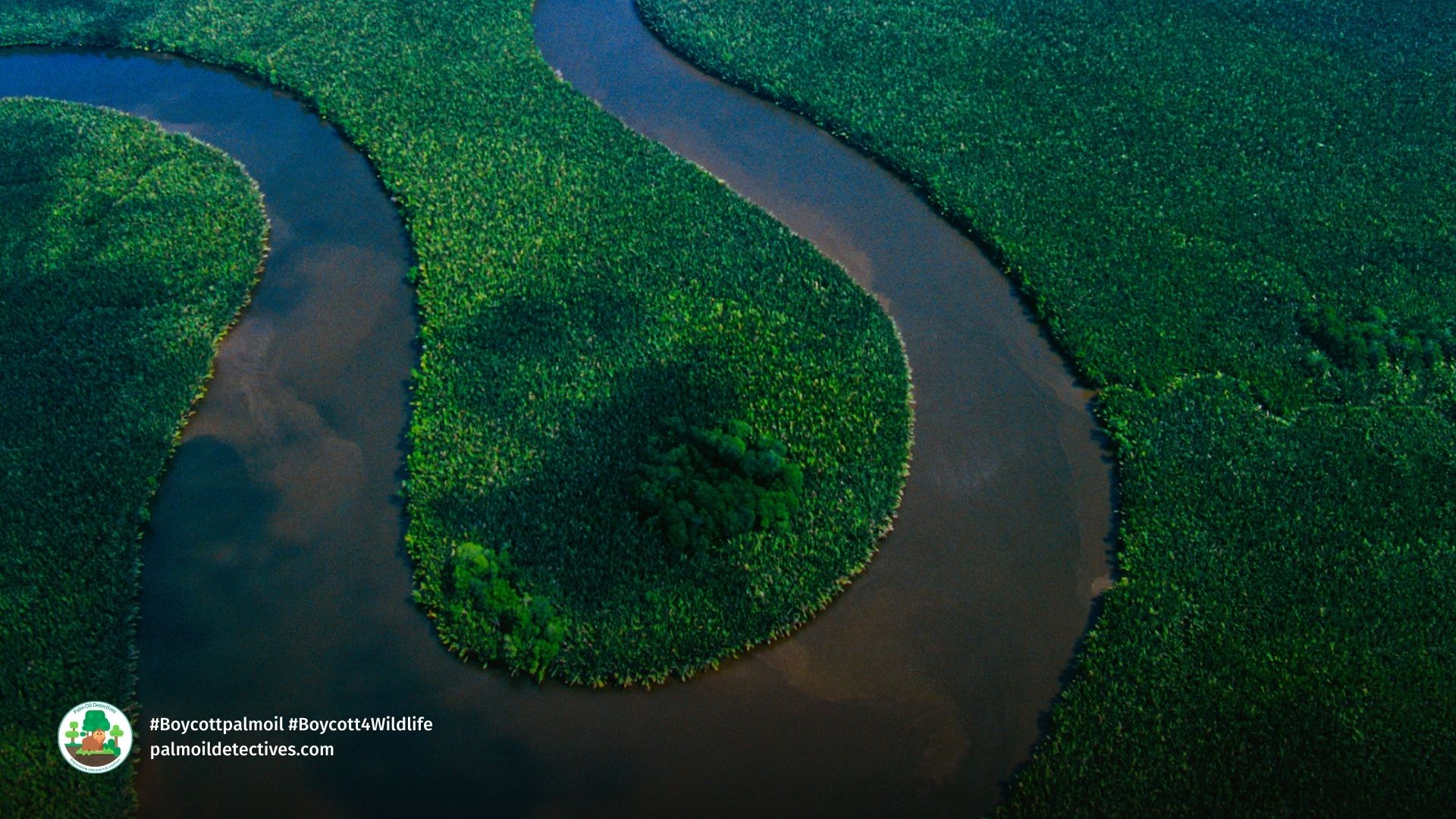
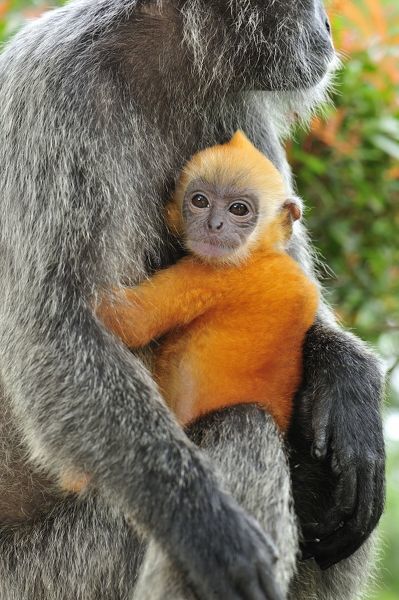


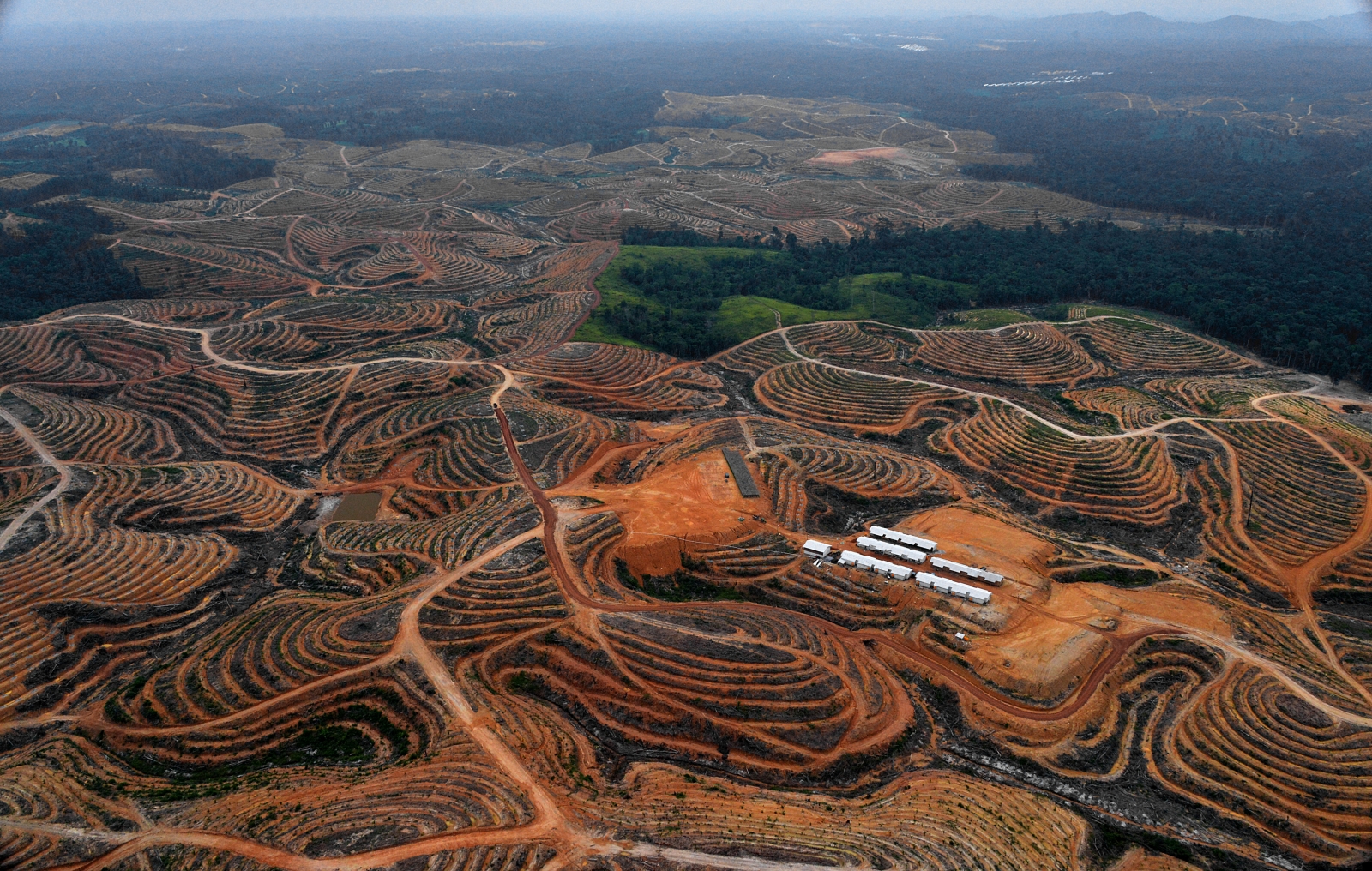
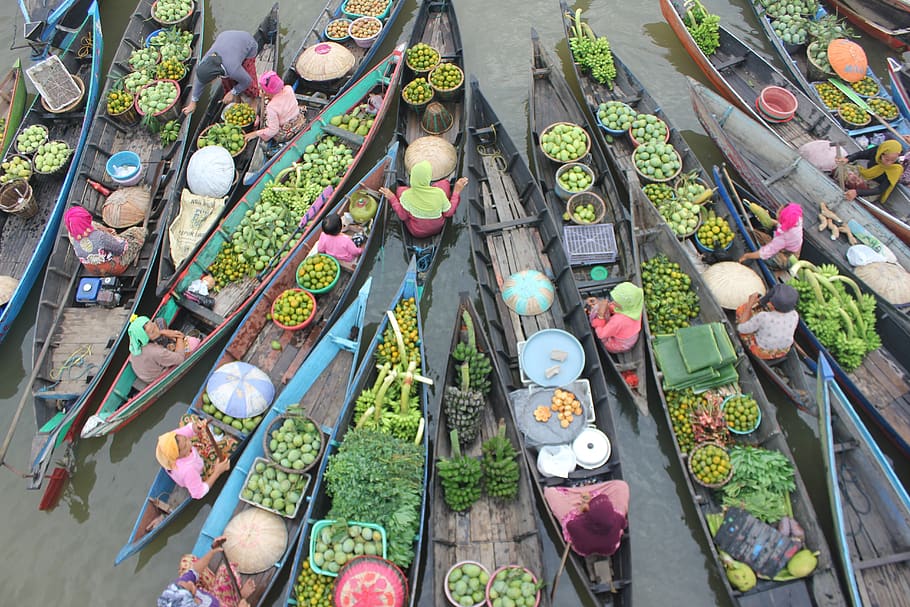
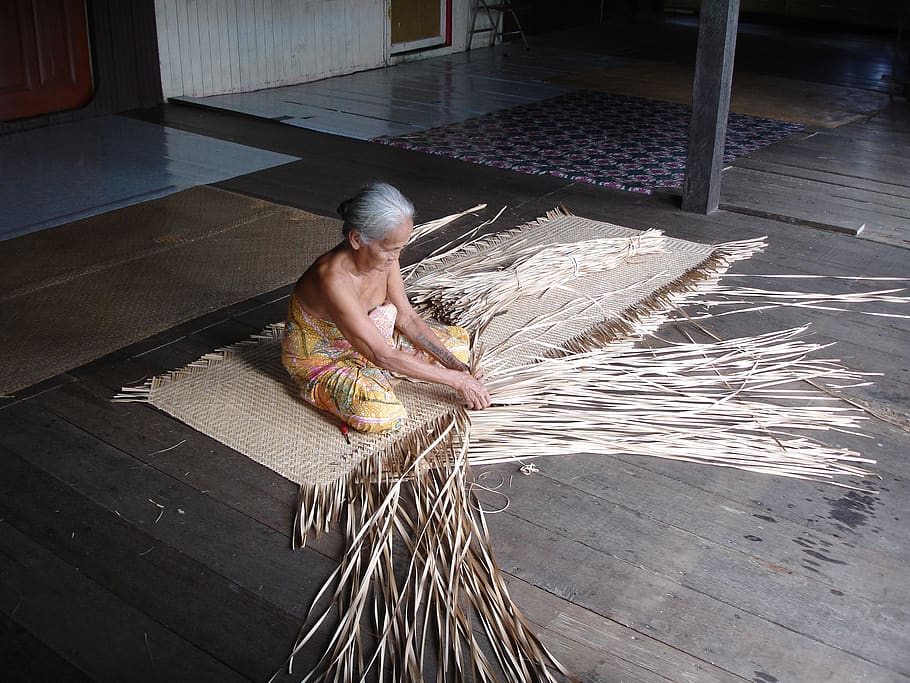
The Semais, one of Malaysia’s largest Indigenous groups, have a rich system of beliefs, practices and traditions connected to their ancestral lands’ ecosystem and environment. They offer a highly localised strategy for mitigating unwanted disasters such as environmental degradation, a global pandemic or the occurrence of major zoonotic diseases.
When the COVID-19 pandemic took hold, the Semai community blamed it in part on society as a whole having incurred ‘badi’. The badi was so severe it spread beyond the confines of the original offenders to the entire world.
Badi: over-exploitation of nature and other creatures results in spiritual sickness
Semais see badi as a negative consequence of over-exploiting or disrespecting nature and other creatures, spiritually inducing sickness and bad luck. It can affect humans on an individual level but also has the potential to spread beyond the borders of a village to affect other communities or even the entire world.
The vagueness around badi and its control over so many aspects of Semai life might seem perplexing to outsiders. Anthropologist Robert Dentan explained that the Semai like many Indigenous communities often engages in what is known as “ad hoc empirical testing”; a form of reflexive adaptation of the community to challenges faced whereby the definitions of taboos and customs are necessarily broad to accommodate for the unpredictability of natural phenomena. The undefinable “tragedy” that must be mitigated through avoiding badi can take on various forms and negative events are often only attributed to badi retrospectively. By reflecting on their actions and their consequences, the Semai badi is also articulated in the context of behaviours and lessons that need to be enforced among future generations.
The Semai live in close proximity to wildlife, creating a path for zoonotic diseases or the transmission of animal pathogens to humans to occur. By evading badi, the Semai believe they can prevent contracting any animal-borne diseases, especially during hunting and gathering.
Badi is most commonly known among Semai hunters and their wives whose responsibilities are to prepare the animals for consumption. A wide range of practices and beliefs could be attributed to badi, from the way animals are killed and the type of animals to how they are stored before consumption. For example, you should not keep two different kinds of animals near one another, and ensure animal blood does not mix, transfer, or touch human bodies while hunting and slaughtering animals. When asked the reason for these taboos around hunting and food, the Semai people would succinctly describe it as precautions taken to avoid incurring badi.
Though often phrased as ‘local food superstitions’ or ‘taboos’ by past observers, our growing engagement with Indigenous communities and understanding of their knowledge and identities have presented an alternative view.
But this is not the same time-worn ‘ecologically noble savage’ debate which assumes an essentially a-contextual, holistic and mutually beneficial relationship between Indigenous peoples and the environment.
The Semai, like any other communities, are subjected to the same social and ecological pressures of climate change and global warming. Just as the composition of animals in the rainforest has changed, so too has the Semai’s adaptation to the changing environment.
The mass extinction of native wildlife and the migration of animals to escape destruction and encroachment has forced Indigenous communities to struggle with the loss of culturally significant plants and animals.
They have been exploring new ways of engaging with the existing resources. In the Ulu Geroh village in Perak, Malaysia, butterflies, which were once considered sacred to Ngku, the feared Thunder God have now been collected en masse and sold for money to buy food as the Semais can no longer hunt and sustain themselves.
However, the practices and beliefs of the Semai people still impart a valuable lesson in temperance and moderation.
“The world is changing all around us. We are entering new relationships with nature and have no idea what the implications of our actions will be. But we may have no choice in the matter, but we must approach with caution, never take more than we need or be overcome by greed as we try to understand our new place in it.”
Semai villager
Written by Dr Cyren Wong – an anthropologist and ecologist who specialises in the study of Indigenous communities, humanity’s relationships with nature, and tropical terrestrial ecosystems. He is also the head of the Malaysia Immersion and Pathways, a field-based research and education hub under the Vice President (Education) portfolio at Monash University Malaysia. Follow his Facebook page, Naturetalksback with Dr. Cyren Asteraceya to know more about his latest outreach work. Originally published under Creative Commons by 360info™, read original.
ENDS
Read more about deforestation and ecocide in the palm oil industry
The Great Malaysian Timber and Palm Oil Swindle
Investigation reveals alarming deforestation in Malaysia’s Pahang caused by a large, poorly-managed palm oil plantation puts tigers at risk! Boycott Palm Oil!
Read more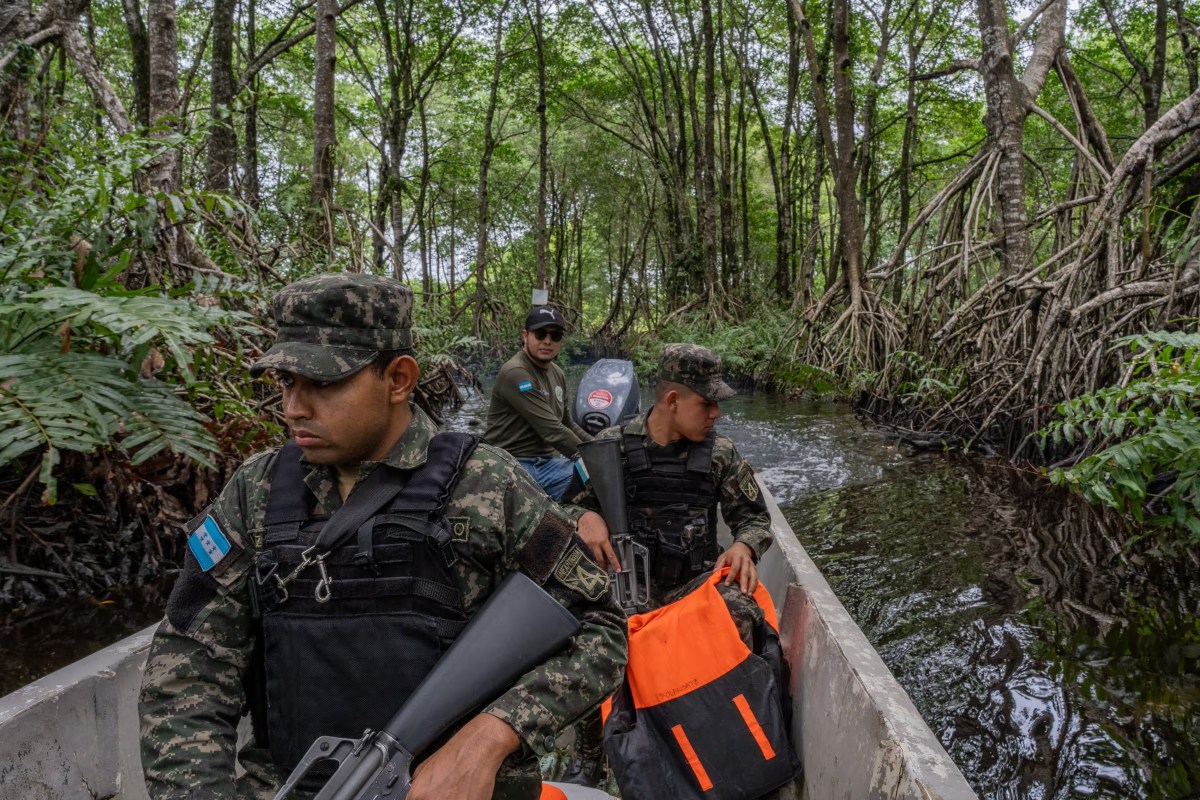
Deadly Harvest: How Demand for Palm Oil Fuels Corruption in Honduras
Latin America is the fastest-growing producer of palm oil, but at what price for the environment and its defenders? Park rangers in Honduras tell harrowing tales of daily threats to their lives and…
Read more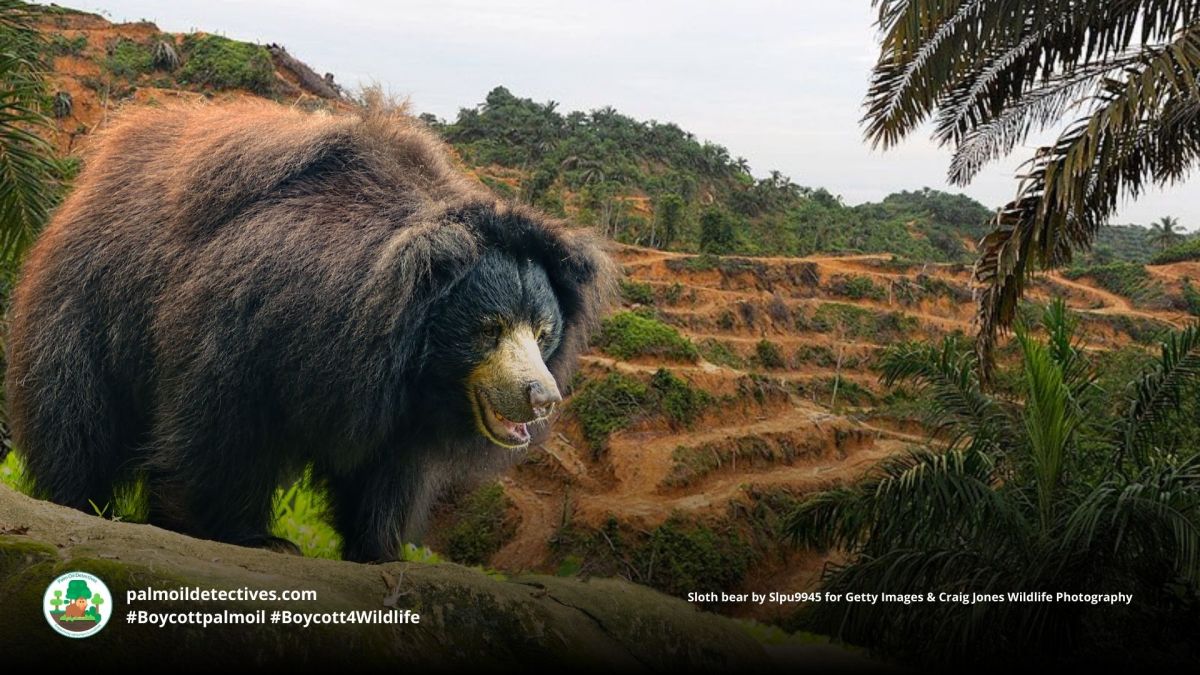
India’s Palm Oil Push Leaves Northeast Indian Farmers, Forests and Animals at Risk
#Palmoil cultivation in #India’s northeast such as #Nagaland and #Assam is devastating natural ecology with increased human-animal conflicts and #ecocide leaving #animals, #forests and people at risk. Resist and fight back every time…
Read more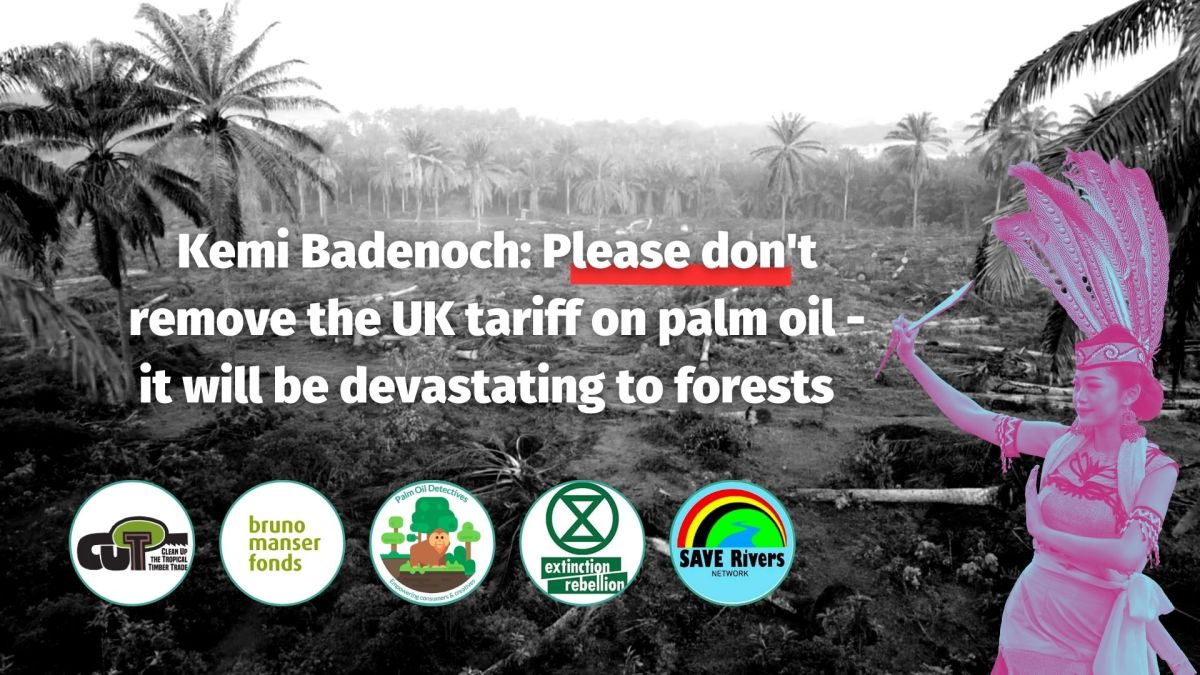
The CUT Campaign and its partners ask MP Kemi Badenoch to keep UK tariffs palm oil to prevent ecocide
Last month UK Tory MP Kemi Badenoch announced that a new UK trade deal would cut tariffs on palm oil imports from 12% to zero.
This move will likely grease the way…
Read more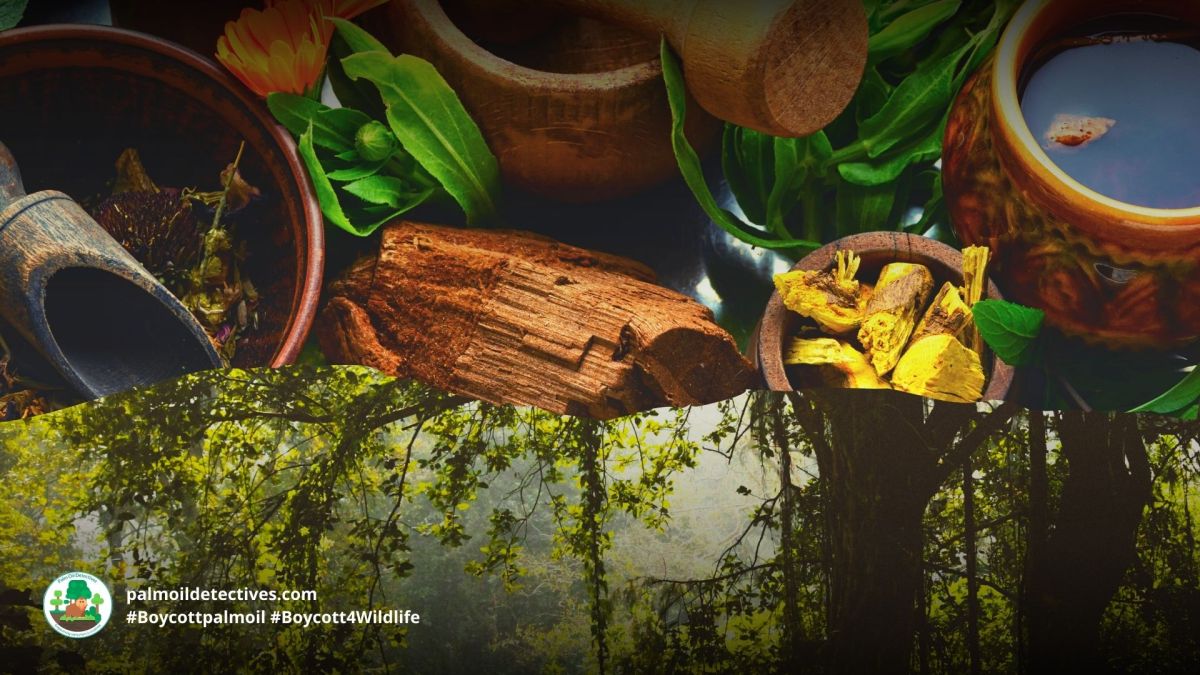
Dwindling tropical rainforests mean lost medicines yet to be discovered in their plants
About 80% of the world population relies on compounds derived from plants for medicines to treat various ailments, such as malaria and cancer, and to suppress pain. Our future medicines are likely to…
Read moreSomething went wrong. Please refresh the page and/or try again.
Take Action in Five Ways
1. Join the #Boycott4Wildlife on social media and subscribe to stay in the loop: Share posts from this website to your own network on Twitter, Mastadon, Instagram, Facebook and Youtube using the hashtags #Boycottpalmoil #Boycott4Wildlife.
2. Contribute stories: Academics, conservationists, scientists, indigenous rights advocates and animal rights advocates working to expose the corruption of the palm oil industry or to save animals can contribute stories to the website.



3. Supermarket sleuthing: Next time you’re in the supermarket, take photos of products containing palm oil. Share these to social media along with the hashtags to call out the greenwashing and ecocide of the brands who use palm oil. You can also take photos of palm oil free products and congratulate brands when they go palm oil free.
4. Take to the streets: Get in touch with Palm Oil Detectives to find out more.
5. Donate: Make a one-off or monthly donation to Palm Oil Detectives as a way of saying thank you and to help pay for ongoing running costs of the website and social media campaigns. Donate here
Discover more from Palm Oil Detectives
Subscribe to get the latest posts sent to your email.
 Palm Oil Detectives