
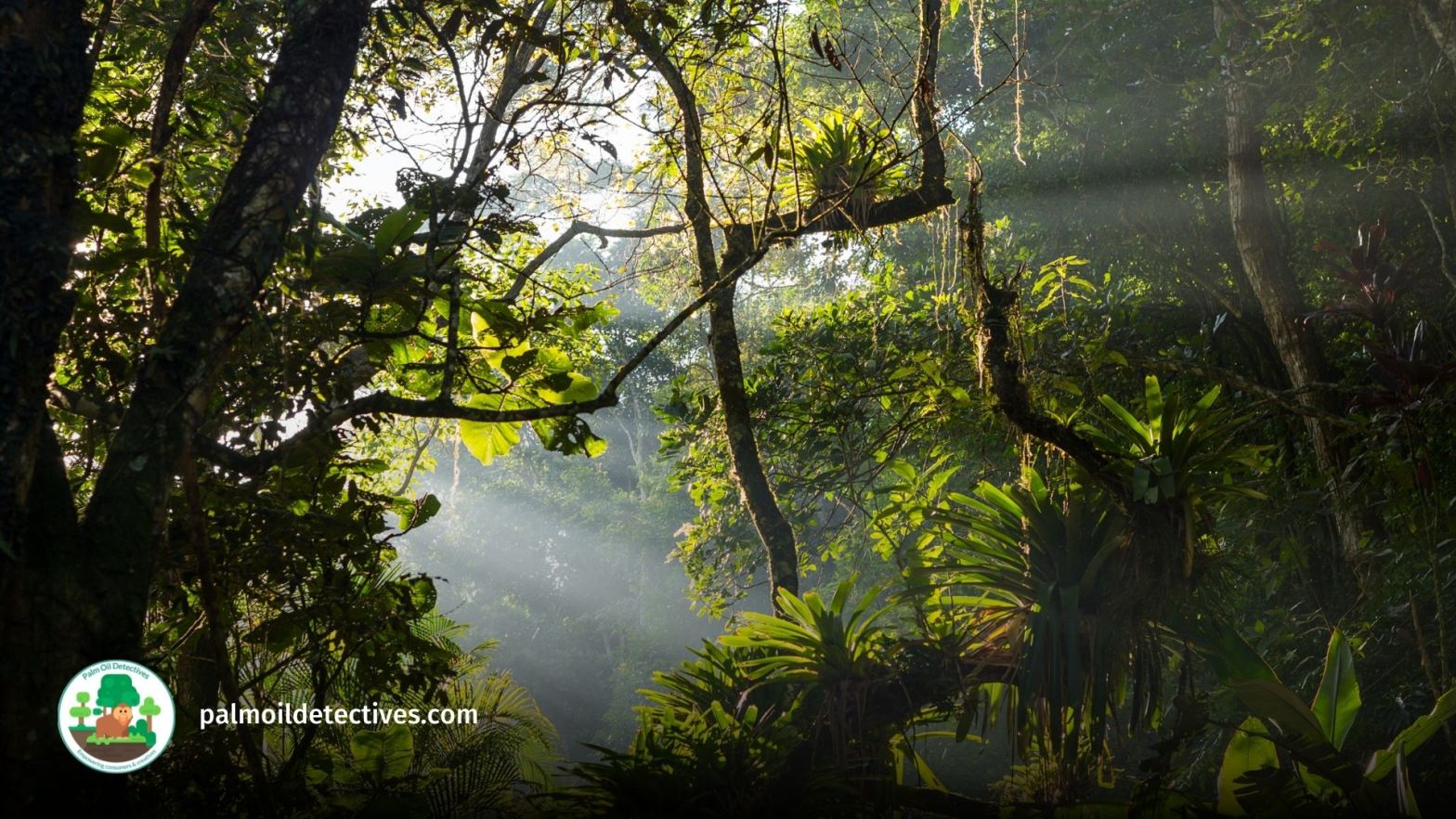
Almost 25% of all land in Africa has been damaged. Land degradation is worrying issue across the continent of Africa. This is being driven by climate change and deforestation for extractive industries like rare mineral mining and monocultures like palm oil and cocoa. Other big drivers includes invasive species and environmental pollutants and toxins. Mlungele Nsikani is a land restoration specialist and environmental scientist. He explains how ecological restoration and agroecology is a great way to reverse land degradation so that people, plants and animals can thrive. Another powerful way to make an impact is through boycotting industries destroying the world like gold mining, palm oil and the meat industry. #BoycottPalmOil #Boycott4Wildlife
25% of #land in #Africa is damaged by #climatechange #mining and #palmoil #deforestation. Yet strong policies for #agroecology would restore land for people, plants and animals to thrive #BoycottPalmOil #ClimateActionNow #Boycott4Wildlife @palmoildetect https://wp.me/pcFhgU-90N
Written by Mlungele M. Nsikani, Senior scientist, South African National Biodiversity Institute. This article is republished from The Conversation under a Creative Commons license. Read the original article.






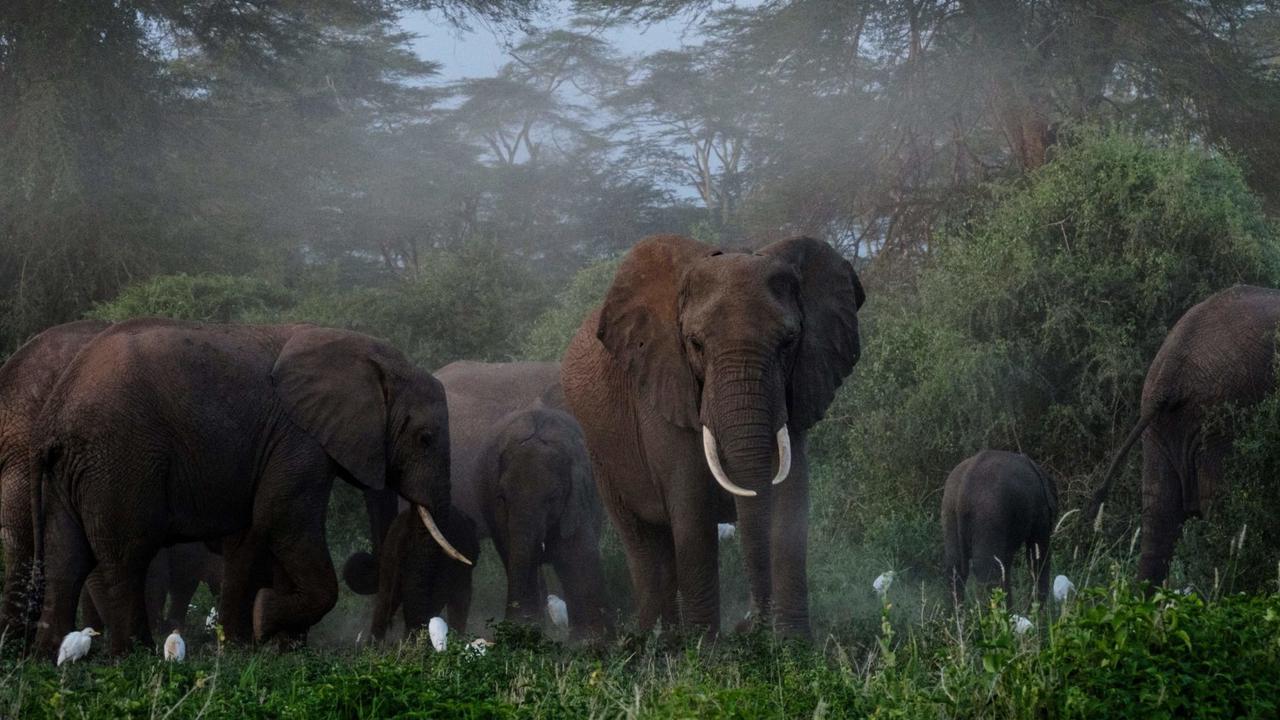


What’s driving land degradation on the continent?
Africa is one of the most degraded continents in the world. About 23% of the surface of Africa, or over 700 million hectares of land, is already degraded. Another three million hectares is being further degraded annually.
Degraded land is land that has lost some of its natural productivity through processes caused by humans. It’s estimated that up to 40% of the planet’s land is degraded.
The “big five” drivers of land degradation globally and in Africa are:
- biological invasions, where plant species have spread outside their indigenous area and disrupted the services provided by ecosystems
- climate change driven events, such as intense droughts and severe fires
- extractive activities, such as mining and over-harvesting
- habitat transformation or fragmentation, including deforestation and poor agricultural practices
- pollutants such as sulphur dioxide, and eutrophication – where algae and other plants take over plant life.
Factors that have made the situation worse in Africa include: development demands; a high dependency on natural resources at the household level (such as the use of firewood for cooking); agricultural practices (including clearing indigenous plants to grow cash crops); weak governance; insecure land tenure; pervasive poverty; and population growth.
What is ecological restoration?
Ecological restoration is the process of assisting the recovery of an ecosystem that has been degraded, damaged or destroyed. Removing invasive plants and reintroducing indigenous species is one way to reverse damage. Ecological restoration is about helping to create conditions in which plants, animals and microorganisms can carry out the work of recovery themselves.
Assisting recovery can be as complex as altering landforms (intentionally changing aspects of the landscape), planting vegetation, changing the hydrology (water flow), and reintroducing wildlife. It can also be as simple as removing an invasive species or reintroducing a lost plant species to the land.
For example more than 8,750 plant species have found their way to South Africa. Over 785 species have made the country their permanent home on a significant scale and have had negative impacts. These include at least 14 Australian Acacia tree species which are invasive across South Africa. These cover about 554,000 hectares of the country.
They use up water resources and reduce grazing land. They also change soil microbial community structure, diversity and function. Invasive Acacia trees have established extensive woodlands that compete against native species, leaving little room for native plants and trees to grow. This costs more than R4 billion annually (about US$214 million) – the combined cost of clearing invasive species and the value of reduced ecosystem services in invaded areas.
The fynbos biome, which covers large parts of South Africa’s Western Cape province, has been the most affected. Since 1995, the publicly funded Working for Water programme has cleared invasive species, leaving ecosystems to recover naturally. The Greater Cape Town Water Fund has also funded the removal of thousands of thirsty invasive trees in mountain areas in a bid to save water and restore indigenous fynbos. This is known as passive restoration.
Planting native vegetation (often done through seed) – active restoration – has also helped the land recover. However, it has been applied at a smaller scale than passive restoration because it is more expensive. Planting native vegetation after clearing invasive species is often a more effective way to help native species recover in the restoration site, particularly if the native soil seedbanks have been depleted by the long duration of invasion.
How can people help?
Anyone can contribute to the restoration of ecosystems. The first thing is to advocate for and actively engage in the conservation of intact ecosystems. As the old adage goes, prevention is better than cure.
Ecological restoration is a great tool to tackle land degradation. But it’s not a quick fix. It’s still necessary to protect and conserve natural ecosystems.
Secondly, everyone should get involved in ecological restoration efforts, no matter how small. We can help remove invasive species or plant native species where we live. We can donate or be part of organisations that are involved in ecological restoration.
Above all, we should continue to spread the ecological restoration message and show that we are #GenerationRestoration!
The need for ecological restoration on the continent is great. Only functioning landscapes can provide affordable food, water and energy. These are the cornerstones of economic development. Ecological restoration can protect and enhance environmental assets and natural resources, provide employment, and help national development, security and social stability.
Written by Mlungele M. Nsikani, Senior scientist, South African National Biodiversity Institute. This article is republished from The Conversation under a Creative Commons license. Read the original article.
ENDS
Read more about conservation and reasons to be hopeful
Meat-Stinking Giant Flower Has A Delectable Aroma For Pollinators
Titan Arum AKA ‘Corpse Flowers’ is famous for its repulsive meat smell. Palm oil agriculture is a massive threat to these rare stinky plants. Take action!
Read more
Protecting India’s Tigers Saves One Million Tonnes of CO2
#India’s fifty year long Project #Tiger has been a successful conservation project. A new research study finds that protecting tigers and their rainforest home has additional benefits to #carbonemissions, saving 1 million tonnes…
Read more
Dung Beetles Are Rainforests’ Diligent Regrowth Soldiers
The dung beetle may eat and nest in poop, but their role in nature is anything but humble. These hardshelled scarabs live on every continent except Antarctica, recycling feces and suppressing parasites that…
Read more
Protect Nature to Avoid Future Pandemics
Research from University of Queensland and published in The Lancet: Planetary Health finds that the COVID-19 pandemic is linked to the decline of ecosystems and biodiversity, creating a cycle that could lead to…
Read more
Food Without Agriculture
Researchers argue food can be made without destroying rainforests, using alternative energy sources like microbes, yeast and CO2, saving animals and emissions
Read moreSomething went wrong. Please refresh the page and/or try again.
Take Action in Five Ways
1. Join the #Boycott4Wildlife on social media and subscribe to stay in the loop: Share posts from this website to your own network on Twitter, Mastadon, Instagram, Facebook and Youtube using the hashtags #Boycottpalmoil #Boycott4Wildlife.
2. Contribute stories: Academics, conservationists, scientists, indigenous rights advocates and animal rights advocates working to expose the corruption of the palm oil industry or to save animals can contribute stories to the website.



3. Supermarket sleuthing: Next time you’re in the supermarket, take photos of products containing palm oil. Share these to social media along with the hashtags to call out the greenwashing and ecocide of the brands who use palm oil. You can also take photos of palm oil free products and congratulate brands when they go palm oil free.
4. Take to the streets: Get in touch with Palm Oil Detectives to find out more.
5. Donate: Make a one-off or monthly donation to Palm Oil Detectives as a way of saying thank you and to help pay for ongoing running costs of the website and social media campaigns. Donate here
Discover more from Palm Oil Detectives
Subscribe to get the latest posts sent to your email.
 Palm Oil Detectives