
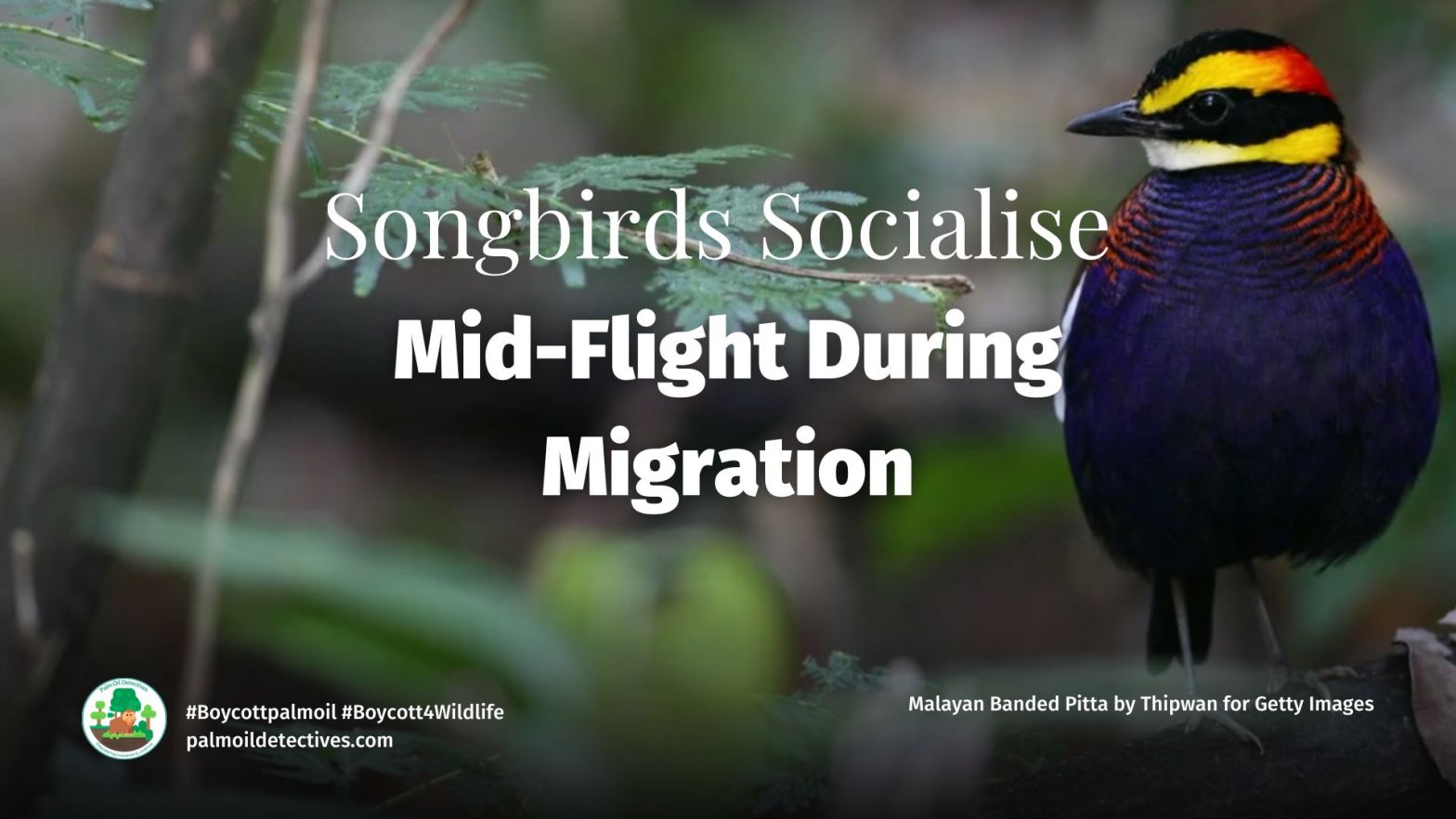
Songbirds Socialise Mid-Flight During Migration | A study from the University of Illinois reveals that migrating songbirds communicate with different species during nocturnal flights, potentially sharing vital information about navigation and stopover habitats. This challenges the traditional view of solitary migration, highlighting the importance of social interactions in avian journeys. Help them to survive and #BoycottPalmOil #Boycott4Wildlife
🕊️ #News: Fascinating #research finds #song #birds 🦉🦅🐦 communicate mid-flight with other species, possibly sharing navigation tips. This challenges the view of solitary migration. #Bird #communication #Animals #Migration #Avian Protect them and #BoycottPalmOil 🌴💩🔥❌ @palmoildetect https://wp.me/pcFhgU-9OK
University of Illinois College of Agricultural, Consumer and Environmental Sciences. (2025, January 15). Songbirds socialize on the wing during migration. ScienceDaily. Retrieved January 17, 2025, from https://www.sciencedaily.com/releases/2025/01/250115125116.htm
Migrating Songbirds Engage in Mid-Flight Social Communication
Recent research led by the University of Illinois Urbana-Champaign has uncovered that migrating songbirds engage in vocal interactions with other species during their nocturnal flights. Analysing over 18,300 hours of recorded flight calls, the study suggests that these birds may form social connections and possibly exchange critical information about their migratory routes.
Traditionally, songbird migration has been viewed as a solitary endeavour, guided primarily by innate behaviours. However, this study challenges that notion, proposing that social cues play a significant role even during night-time flights. Lead author Benjamin Van Doren, assistant professor in the Department of Natural Resources and Environmental Sciences, stated, “We can’t be sure what they’re saying, but birds might broadcast calls during flight to signal their species, age, and sex. And we can certainly speculate that these flight calls could relate to navigation or finding suitable stopover habitat.”
The research team utilised acoustic recordings from 26 sites over three years in eastern North America. Employing machine learning tools, they detected the flight calls of 27 species, including 25 well-sampled songbirds. The analysis revealed stronger-than-expected associations between different species’ calls, indicating interspecies communication during flight.
Birds of a Feather Do Indeed Flock Together!
Further examination showed that species with similar wing lengths and call similarities were more likely to associate. Van Doren explains:
“Species with similar wing sizes were more likely to associate, and wing length is directly linked to flight speed. If you imagine two species flying at similar speeds because they have similar wings, then it’s much easier for them to stick together.”
This study opens new avenues for understanding the complexities of avian migration, emphasising the potential for social interactions to influence migratory success. The findings suggest that conservation efforts should consider the social dynamics of migratory birds to better protect these species during their extensive journeys.
For more detailed information, read the full study on ScienceDaily.
University of Illinois College of Agricultural, Consumer and Environmental Sciences. (2025, January 15). Songbirds socialize on the wing during migration. ScienceDaily. Retrieved January 17, 2025, from https://www.sciencedaily.com/releases/2025/01/250115125116.htm
ENDS
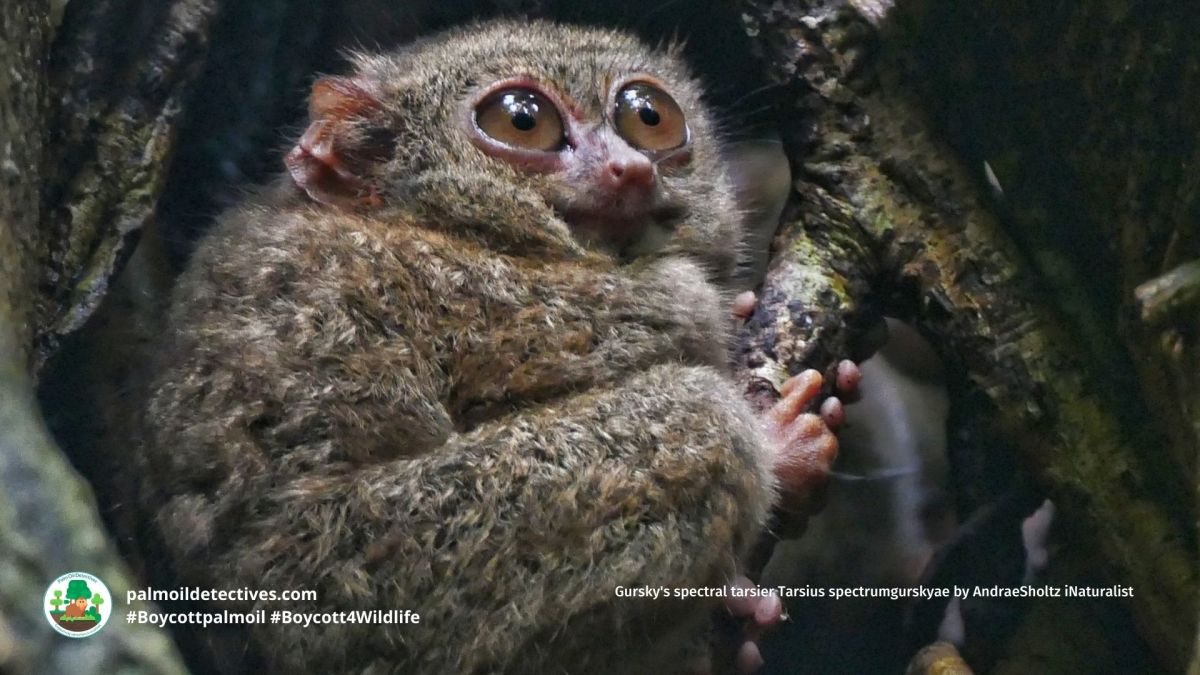
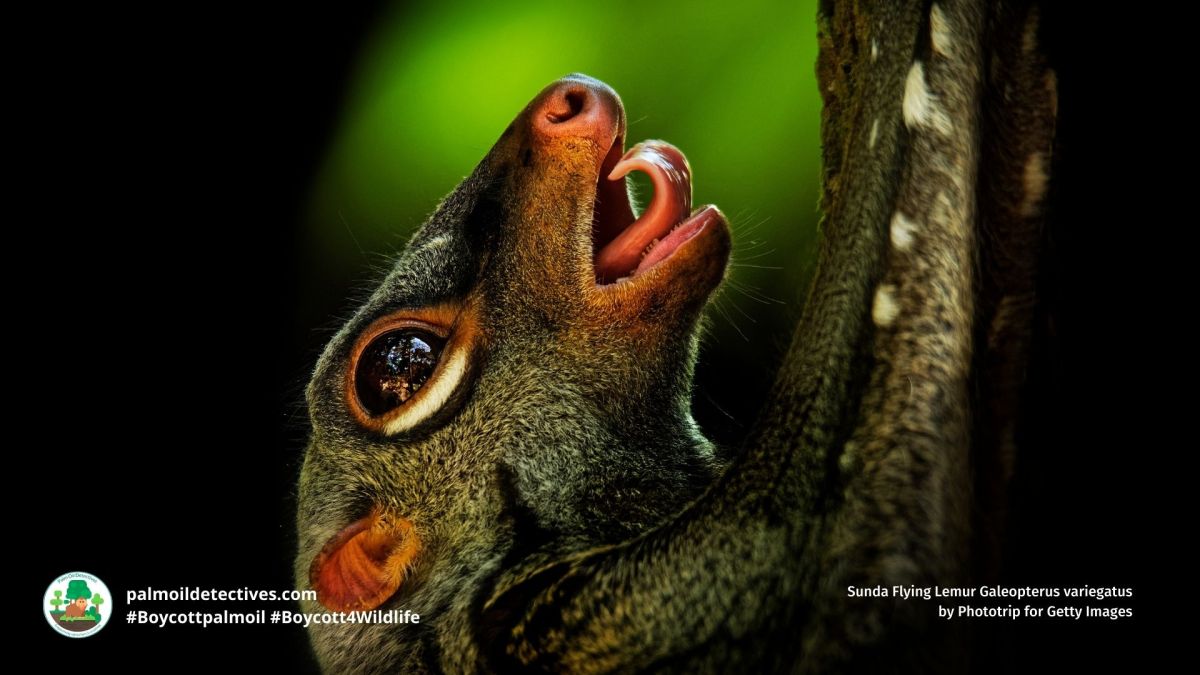
Learn about other animals endangered by palm oil and other agriculture

Learn about “sustainable” palm oil greenwashing
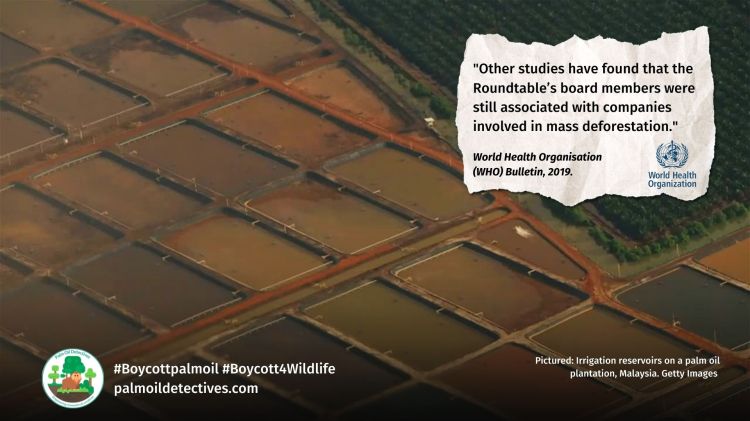
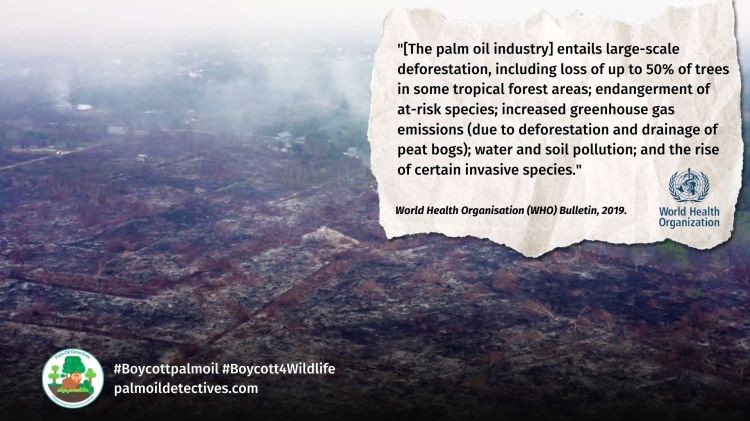
Read more about RSPO greenwashing
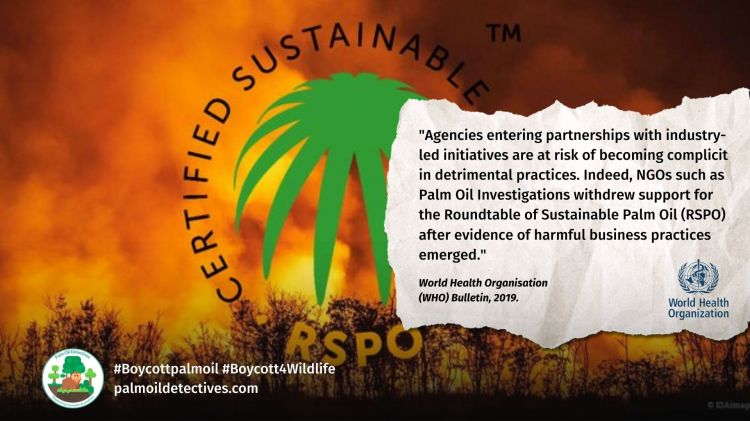
A 2019 World Health Organisation (WHO) report into the palm oil industry and RSPO finds extensive greenwashing of palm oil deforestation and the murder of endangered animals (i.e. biodiversity loss)


Take Action in Five Ways
1. Join the #Boycott4Wildlife on social media and subscribe to stay in the loop: Share posts from this website to your own network on Twitter, Mastadon, Instagram, Facebook and Youtube using the hashtags #Boycottpalmoil #Boycott4Wildlife.
2. Contribute stories: Academics, conservationists, scientists, indigenous rights advocates and animal rights advocates working to expose the corruption of the palm oil industry or to save animals can contribute stories to the website.





3. Supermarket sleuthing: Next time you’re in the supermarket, take photos of products containing palm oil. Share these to social media along with the hashtags to call out the greenwashing and ecocide of the brands who use palm oil. You can also take photos of palm oil free products and congratulate brands when they go palm oil free.
4. Take to the streets: Get in touch with Palm Oil Detectives to find out more.
5. Donate: Make a one-off or monthly donation to Palm Oil Detectives as a way of saying thank you and to help pay for ongoing running costs of the website and social media campaigns. Donate here
Discover more from Palm Oil Detectives
Subscribe to get the latest posts sent to your email.
 Palm Oil Detectives