
Trash into Treasure: Turning E-Waste and CO2 into Gold | Researchers at Cornell University have developed a sustainable technique to extract gold from electronic waste and repurpose it as a catalyst to convert carbon dioxide (CO₂) into valuable organic compounds. This method addresses e-waste challenges and contributes to CO₂ reduction efforts. Help with the transition when you #BoycottGold #BoycottGold4Yanomami
#News: Cornell researchers have developed a viable method to extract #gold from #ewaste. They can convert #CO2 into #gold, tackling both electronic waste and #GHG emissions. #BoycottGold @palmoildetect #BoycottGold4Yanomami https://wp.me/pcFhgU-9PR
Cornell University. (2025, January 2). New method turns e-waste to gold. ScienceDaily. Retrieved from https://www.sciencedaily.com/releases/2025/01/250102162300.htm
In a groundbreaking study, Cornell University researchers have introduced an eco-friendly method to extract gold from electronic waste (e-waste) and utilize it as a catalyst for converting carbon dioxide (CO₂) into useful organic materials. This dual-purpose approach offers a sustainable solution to two pressing environmental issues: e-waste accumulation and CO₂ emissions.
E-waste, comprising discarded electronic devices, is a rapidly growing environmental concern, with approximately 50 million tons generated annually worldwide. Notably, a ton of e-waste contains significantly more gold than a ton of mined ore, highlighting the potential for resource recovery. Traditional gold extraction methods involve hazardous chemicals like cyanide, posing environmental and health risks. The Cornell team’s method employs chemical adsorption using vinyl-linked covalent organic frameworks (VCOFs) to selectively capture 99.9% of gold ions and nanoparticles from e-waste without harmful substances.
Once recovered, the gold-loaded VCOFs serve as catalysts to transform CO₂—a major greenhouse gas contributing to climate change—into valuable organic compounds. This process not only mitigates CO₂ levels but also produces materials beneficial for various industrial applications. Lead researcher Amin Zadehnazari emphasised the environmental and practical benefits of this approach, stating, “By transforming CO₂ into value-added materials, we not only reduce waste disposal demands, we also provide both environmental and practical benefits. It’s kind of a win-win for the environment.”
This innovative method represents a significant advancement in technology, offering a promising avenue for addressing electronic waste and carbon emissions simultaneously. The research underscores the potential of integrating waste management with environmental remediation strategies to develop comprehensive solutions for global ecological challenges.
Cornell University. (2025, January 2). New method turns e-waste to gold. ScienceDaily. Retrieved from https://www.sciencedaily.com/releases/2025/01/250102162300.htm
ENDS
Read more about deforestation and ecocide in the palm oil industry
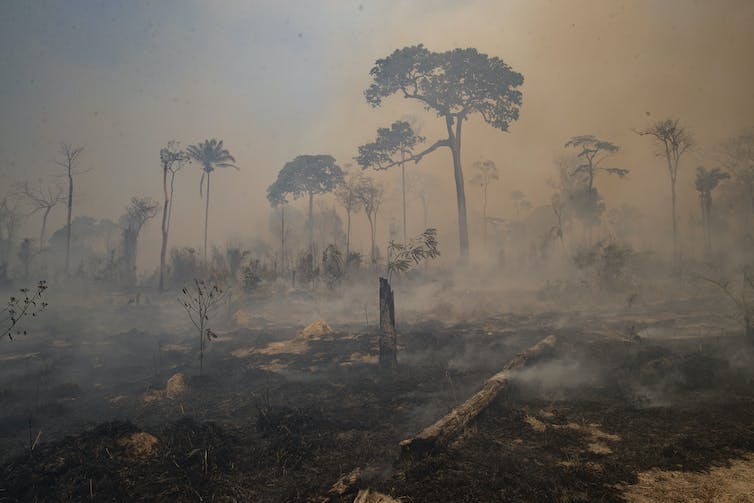
Biofuel Boom in Brazil: Green Growth or Greenwash?
Brazil’s booming biofuel industry is driving deforestation, threatening food security, and displacing communities. Take action and boycott palm oil!
Read more
Santa Catarina’s Guinea Pig Cavia intermedia
Santa Catarina’s Guinea Pig are enchanting critically endangered rodents under threat from climate change. Advocate for climate action now! #Boycott4Wildlife
Read more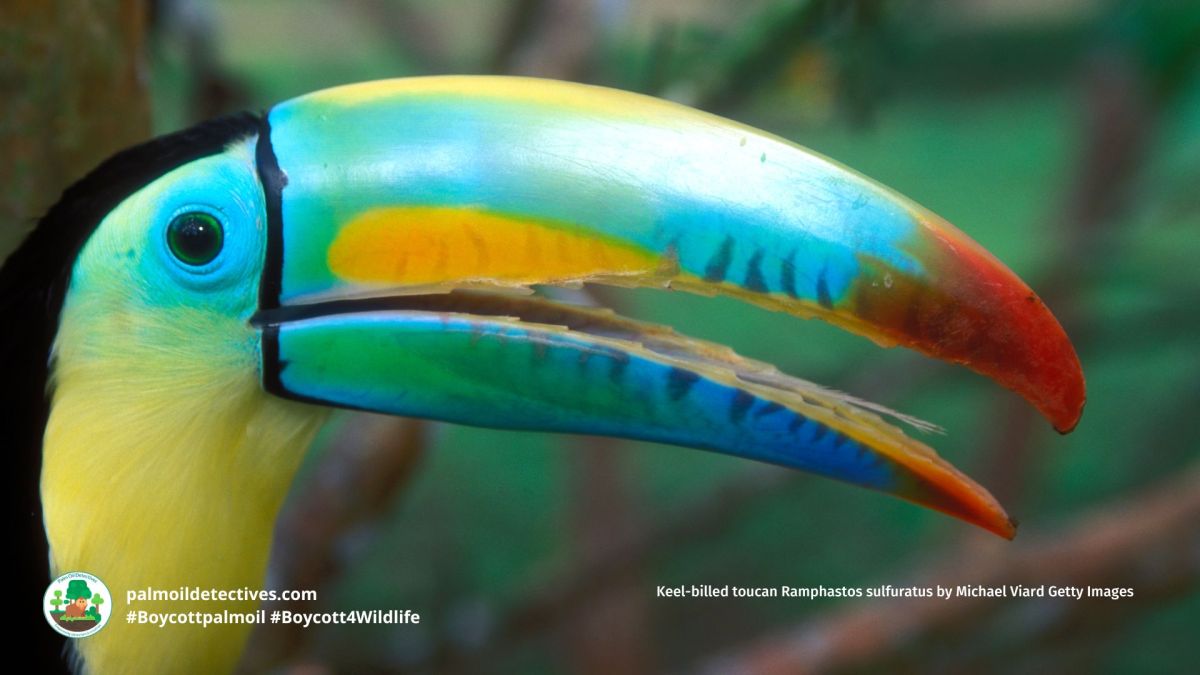
Keel-billed Toucan Ramphastos sulfuratus
Keel-billed Toucans have dazzling rainbow-coloured bills and are iconic to South America. Threats include hunting, palm oil and meat deforestation. Take action!
Read more
Asian Small-clawed Otter Aonyx cinereus
Asian Small-clawed Otters are the world’s smallest otter species and are Vulnerable from palm oil tea and coffee deforestation. Protect them, boycott palm oil!
Read more
Tapanuli Orangutan Faces Extinction From Forest Protection Rollback
Save the Tapanuli orangutan! The rarest ape in the world faces extinction after floods, cyclones and now rezoning of their habitat in Sumatra #BoycottPalmOil!
Read moreSomething went wrong. Please refresh the page and/or try again.
Take Action in Five Ways
1. Join the #Boycott4Wildlife on social media and subscribe to stay in the loop: Share posts from this website to your own network on Twitter, Mastadon, Instagram, Facebook and Youtube using the hashtags #Boycottpalmoil #Boycott4Wildlife.
2. Contribute stories: Academics, conservationists, scientists, indigenous rights advocates and animal rights advocates working to expose the corruption of the palm oil industry or to save animals can contribute stories to the website.






3. Supermarket sleuthing: Next time you’re in the supermarket, take photos of products containing palm oil. Share these to social media along with the hashtags to call out the greenwashing and ecocide of the brands who use palm oil. You can also take photos of palm oil free products and congratulate brands when they go palm oil free.
4. Take to the streets: Get in touch with Palm Oil Detectives to find out more.
5. Donate: Make a one-off or monthly donation to Palm Oil Detectives as a way of saying thank you and to help pay for ongoing running costs of the website and social media campaigns. Donate here
Discover more from Palm Oil Detectives
Subscribe to get the latest posts sent to your email.
 Palm Oil Detectives