
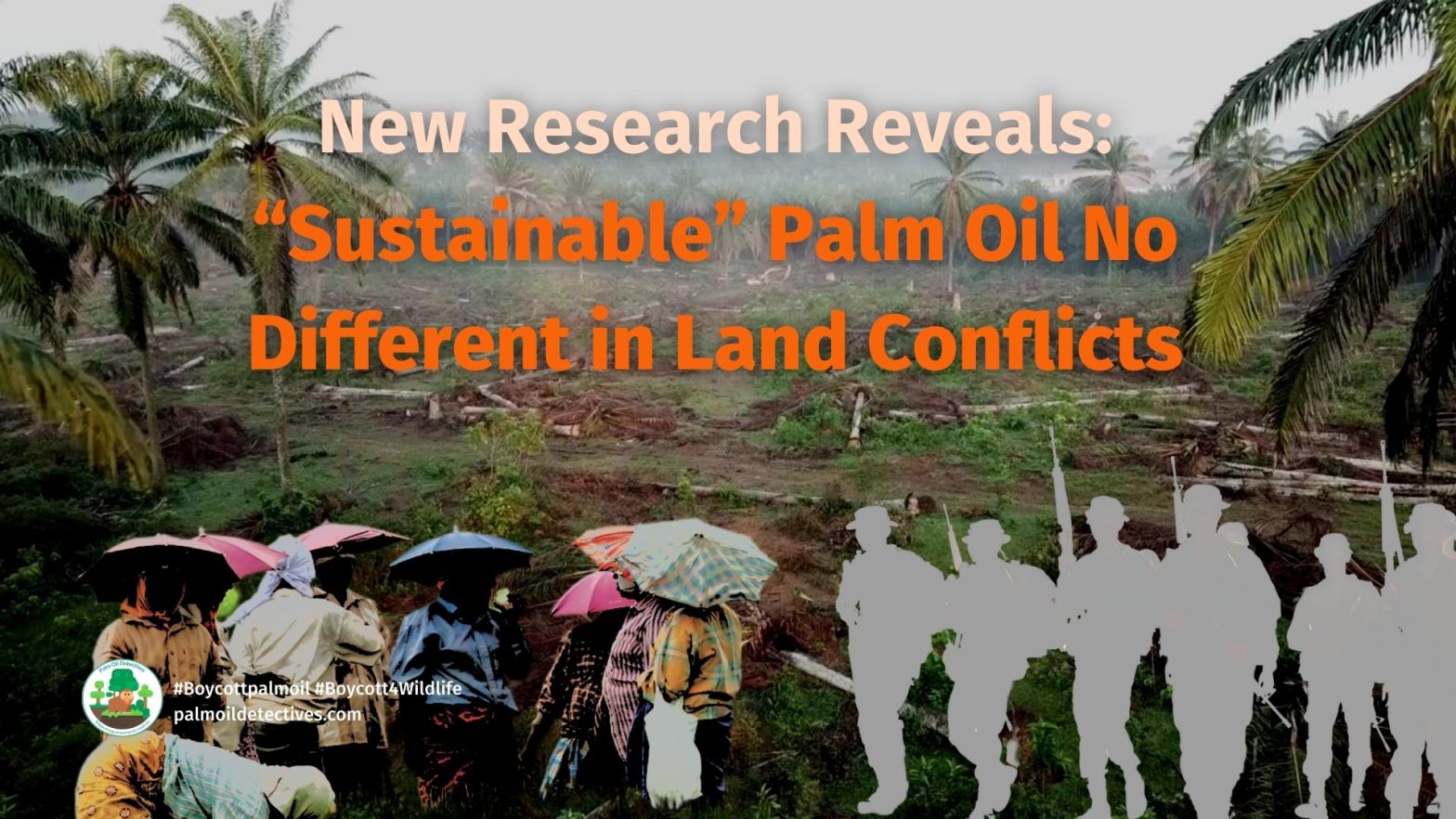
New research published in the journal Political Geography reveals that there is no significant difference between RSPO-certified “sustainable” palm oil companies and non-certified ones when it comes to handling land conflicts with rural communities in Indonesia. The study, titled “Corporate Contentious Politics: Palm Oil Companies and Land Conflicts in Indonesia,” highlights how both types of companies employ contentious tactics to deal with land disputes, challenging the perceived benefits of RSPO certification.
New #research #study 🧐 reveals “sustainable” #palmoil isn’t any better for workers. RSPO-certified and non-certified co’s in #Indonesia use violence and intimidation for #landgrabbing. Take action and #BoycottPalmOil ✊ #humanrights🌴🚫 @palmoildetect https://wp.me/pcFhgU-8IK
Regardless of RSPO “sustainable” #palmoil or not, companies don’t respect #landrights of farmers, finds a landmark #study into police/corporate collusion using #violence to suppress protest. #humanrights #BoycottPalmOil @palmoildetect @ward_berenschot https://wp.me/pcFhgU-8IK
Berenschot, W., Dhiaulhaq, A., Hospes, O., Afrizal, & Pranajaya, D. (2024). Corporate contentious politics: Palm oil companies and land conflicts in Indonesia. Political Geography, 114, 103166. https://doi.org/10.1016/j.polgeo.2024.103166
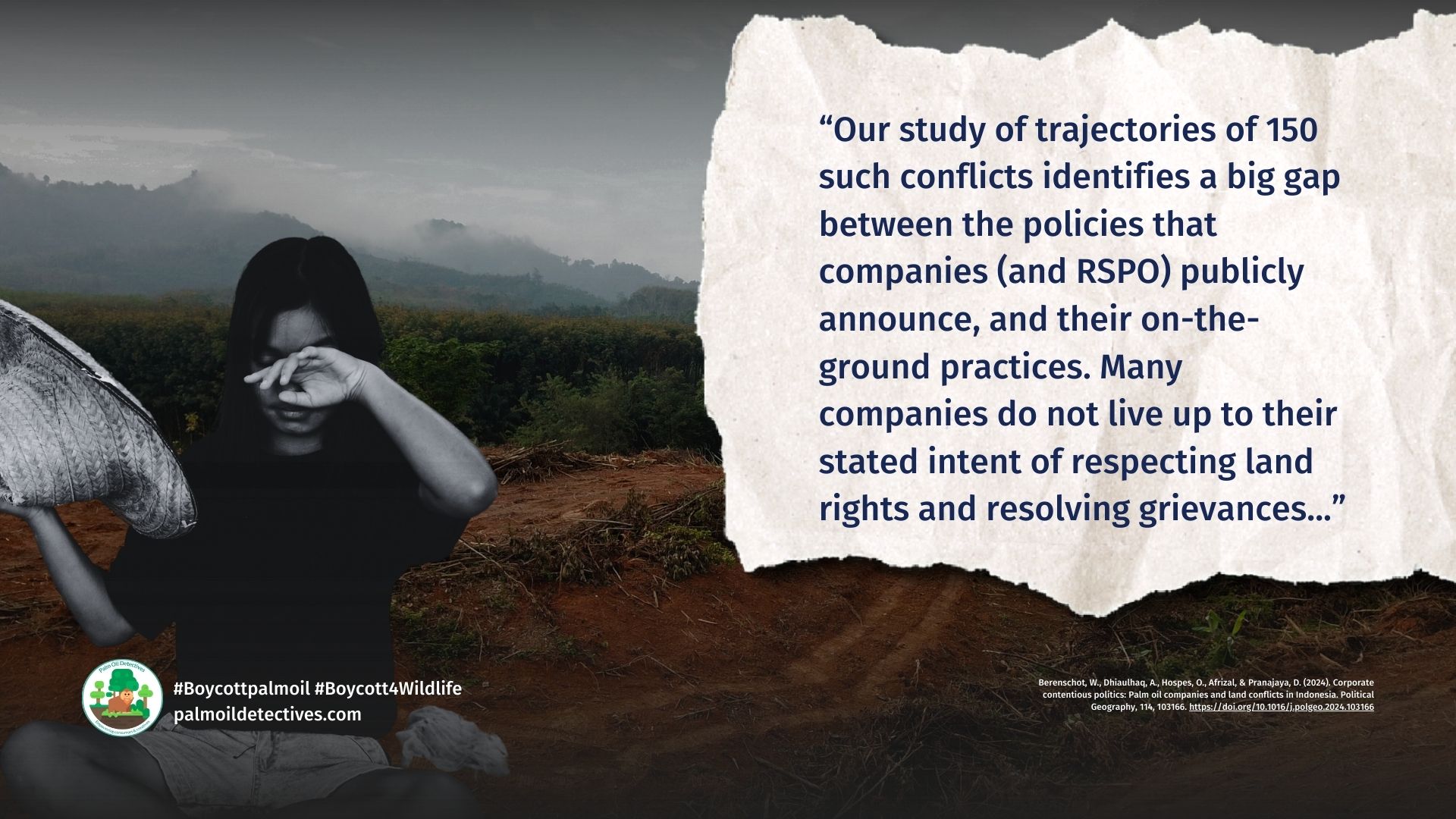
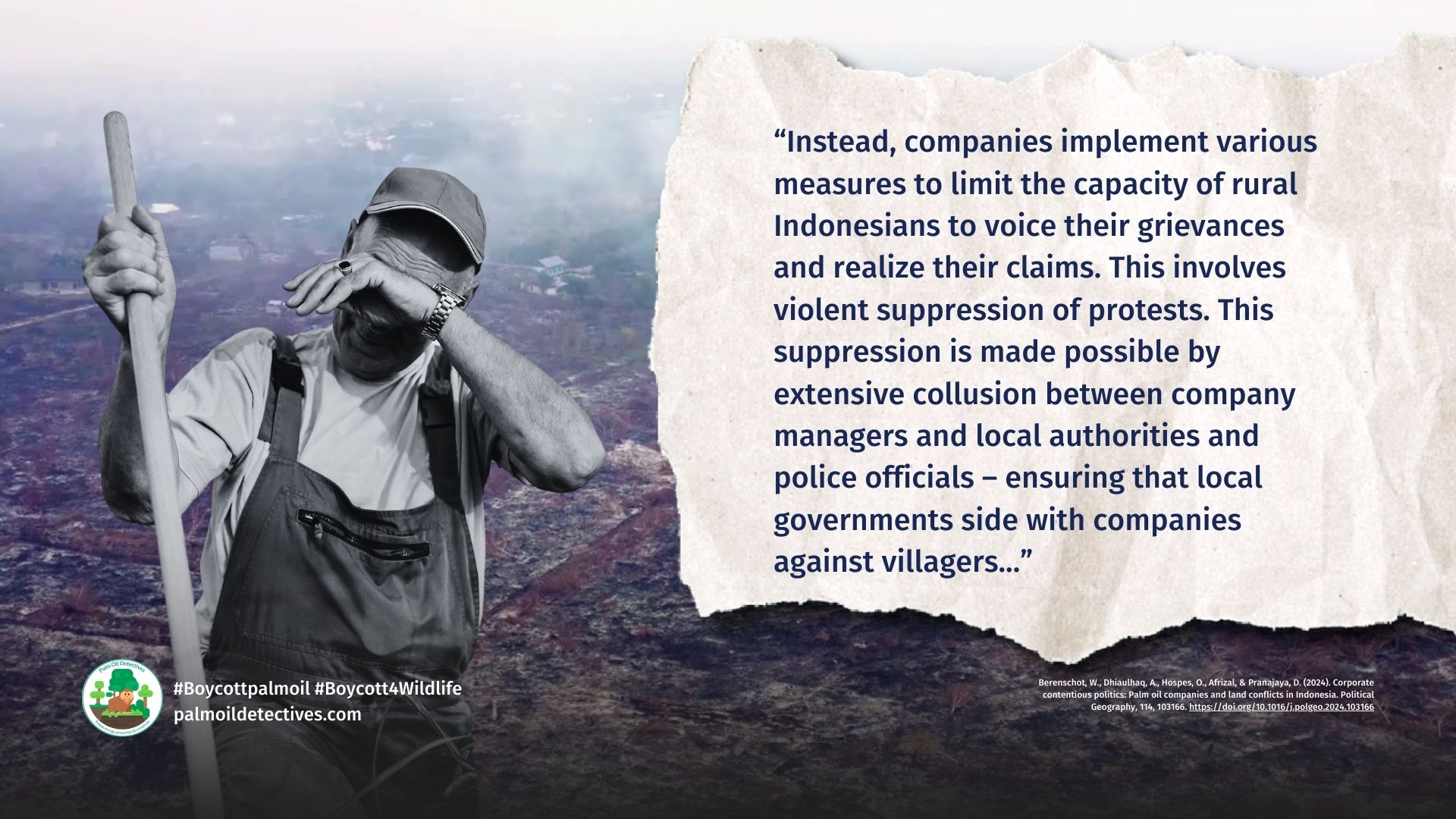
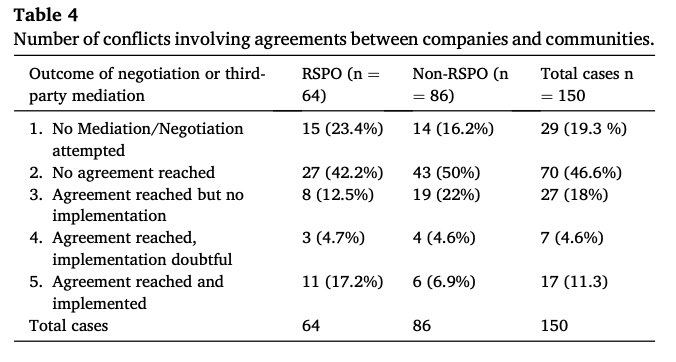
Our study of trajectories of 150 such conflicts identifies a big gap between the policies that companies (and RSPO) publicly announce, and their on-the-ground practices. Many companies do not live up to their stated intent of respecting land rights and resolving grievances. Instead, companies implement various measures to limit the capacity of rural Indonesians to voice their grievances and realize their claims. This involves violent suppression of protests. This suppression is made possible by extensive collusion between company managers and local authorities and police officials – ensuring that local governments side with companies against villagers. The result is that demonstrations often end violently, and that the arrest and criminalization of protest leaders is common, effectively undermining the capacity of communities to protest. Despite corporate policies and pious public statements, we found that companies are actually quite hesitant to come to an agreement with communities, and tend to avoid or stall mediation efforts.
Key findings
- Systematic Strategies: The research documents 150 conflicts between palm oil companies and rural communities in four Indonesian provinces. It highlights how companies engage in conscious and strategic efforts to realise their claims to land, employing tactics such as co-opting local leaders, cultivating connections with local authorities, suppressing community protests, and criminalising protest leaders.
- Contentious Repertoire: Companies have been found to adopt a repertoire of contentious tactics, including providing gifts and inducements to local leaders, offering bribes to government officials and police, and using security personnel and hired goons to intimidate and suppress protests.
- Limited Legal Recourse for Communities: The study highlights the challenges faced by rural communities in Indonesia, where the lack of formal land titles and the curtailing of land rights by the state create a vulnerable position for locals. This environment allows palm oil companies to exploit informal networks and circumvent regulatory measures.
- RSPO Membership Impact: Surprisingly, the study found no significant differences in conflict behaviours between companies that are members of the Roundtable on Sustainable Palm Oil (RSPO) and those that are not. This suggests that the RSPO’s code of conduct has limited influence on reducing contentious tactics by its member companies.


Research Implications
The authors, Ward Berenschot, Ahmad Dhiaulhaq, Otto Hospes, Afrizal, and Daniel Pranajaya, call for more comparative research on corporate contentious politics, particularly in regions with informalised state institutions. They argue that a contentious politics perspective provides valuable insights into the often-secretive tactics of corporations in land conflicts, challenging the benign image projected by CSR policies.
Conclusion
This groundbreaking research reveals the dual-faced nature of palm oil companies’ operations in Indonesia. While these companies publicly pledge to uphold high sustainability standards, their on-the-ground tactics often contradict these commitments, exacerbating land conflicts and community grievances. The study urges policymakers, stakeholders, and researchers to scrutinise corporate behaviour more closely and advocate for stronger regulatory frameworks to protect vulnerable communities.
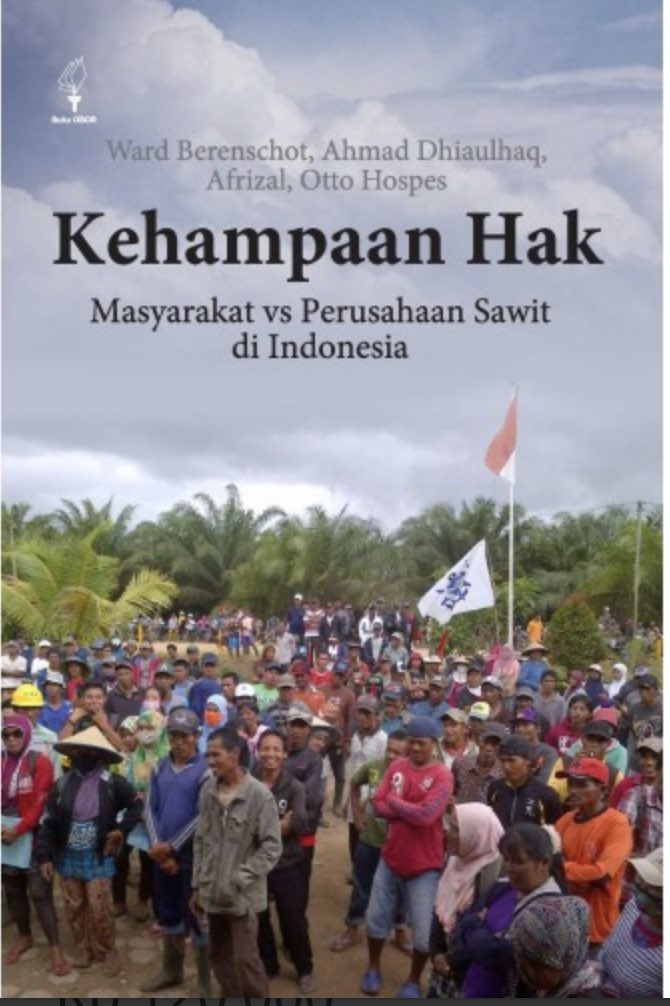
Berenschot, W., Dhiaulhaq, A., Hospes, O., Afrizal, & Pranajaya, D. (2024). Corporate contentious politics: Palm oil companies and land conflicts in Indonesia. Political Geography, 114, 103166. https://doi.org/10.1016/j.polgeo.2024.103166
ENDS
Read more about human rights abuses and child slavery in the palm oil industry
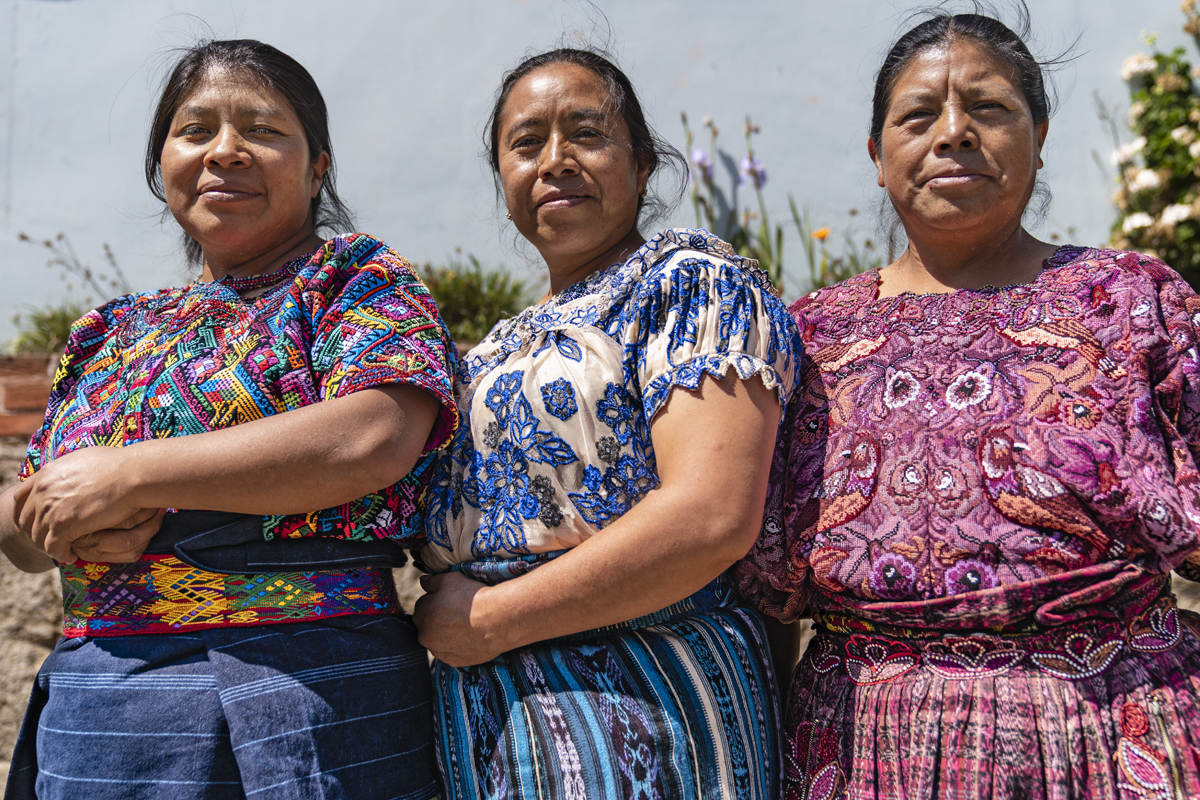
Indigenous Peoples Fight Climate Change
After wildfires, Belize’s indigenous people rebuild stronger based on “se’ komonil”: reciprocity, solidarity, gender equity, togetherness and community.
Read more
SOCFIN’s African Empire of Colonial Oppression: Billionaires Profit from Palm Oil and Rubber Exploitation
Investigation by Bloomberg exposes that despite being RSPO members, #SOCFIN plantations in #WestAfrica are the epicentre of #humanrights abuses, sexual coercion, environmental destruction, and #landgrabbing. Operating in #Liberia, #Ghana, #Nigeria, and beyond, SOCFIN’s…
Read more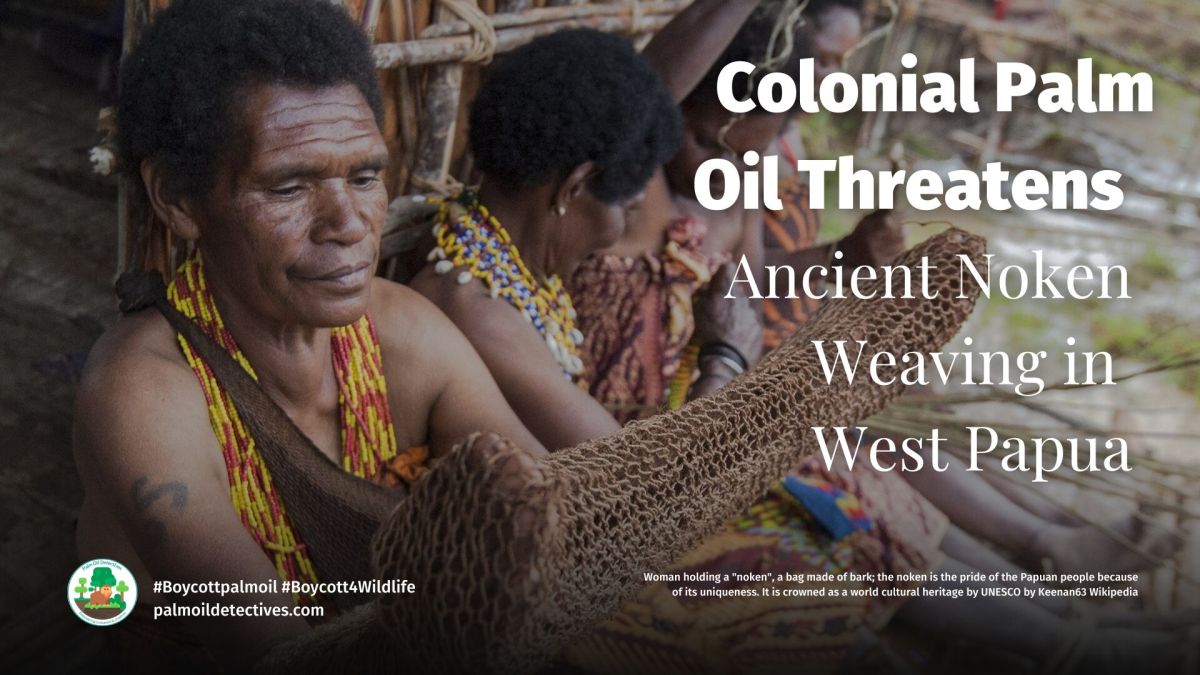
Palm Oil Threatens Ancient Noken Weaving in West Papua
Colonial palm oil and sugarcane causing the loss of West Papuans’ cultural identity. Land grabs force communities from forests, threatening Noken weaving
Read more
Family Ties Expose Deforestation and Rights Violations in Indonesian Palm Oil
An explosive report by the Environment Investigation Agency (EIA) details how Indonesia’s Fangiono family, through a wide corporate web, is linked to ongoing #deforestation, #corruption, and #indigenousrights abuses for #palmoil. Calls mount for…
Read more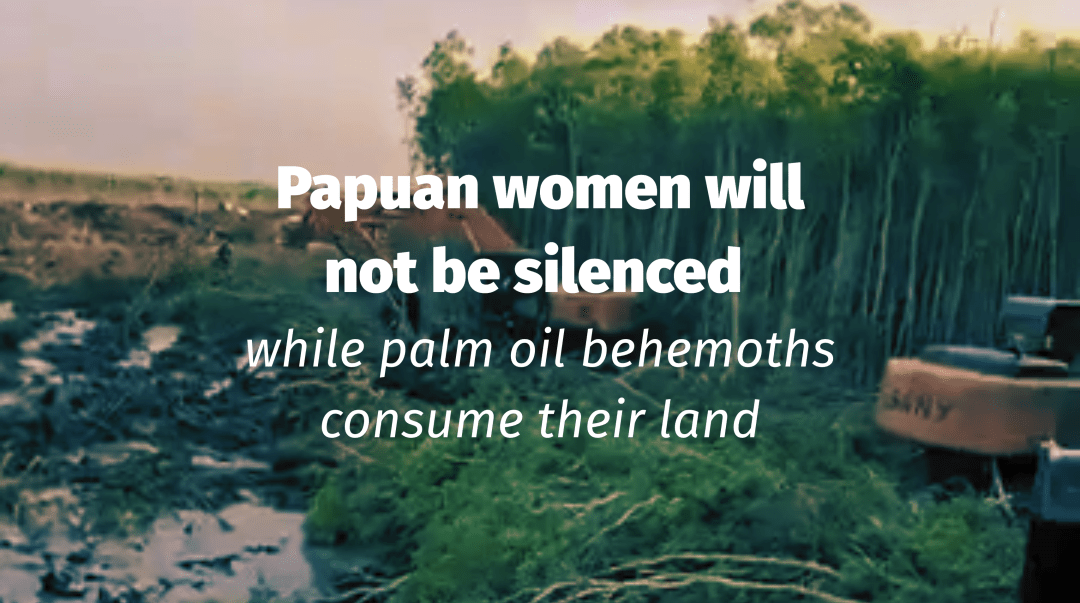
West Papuan Indigenous Women Fight Land Seizures
Indigenous Melanesian women in West Papua fight land seizures for palm oil and sugar plantations, protecting their ancestral rights. Join #BoycottPalmOil
Read moreSomething went wrong. Please refresh the page and/or try again.
Take Action in Five Ways
1. Join the #Boycott4Wildlife on social media and subscribe to stay in the loop: Share posts from this website to your own network on Twitter, Mastadon, Instagram, Facebook and Youtube using the hashtags #Boycottpalmoil #Boycott4Wildlife.
2. Contribute stories: Academics, conservationists, scientists, indigenous rights advocates and animal rights advocates working to expose the corruption of the palm oil industry or to save animals can contribute stories to the website.






3. Supermarket sleuthing: Next time you’re in the supermarket, take photos of products containing palm oil. Share these to social media along with the hashtags to call out the greenwashing and ecocide of the brands who use palm oil. You can also take photos of palm oil free products and congratulate brands when they go palm oil free.
4. Take to the streets: Get in touch with Palm Oil Detectives to find out more.
5. Donate: Make a one-off or monthly donation to Palm Oil Detectives as a way of saying thank you and to help pay for ongoing running costs of the website and social media campaigns. Donate here
Discover more from Palm Oil Detectives
Subscribe to get the latest posts sent to your email.
 Palm Oil Detectives