
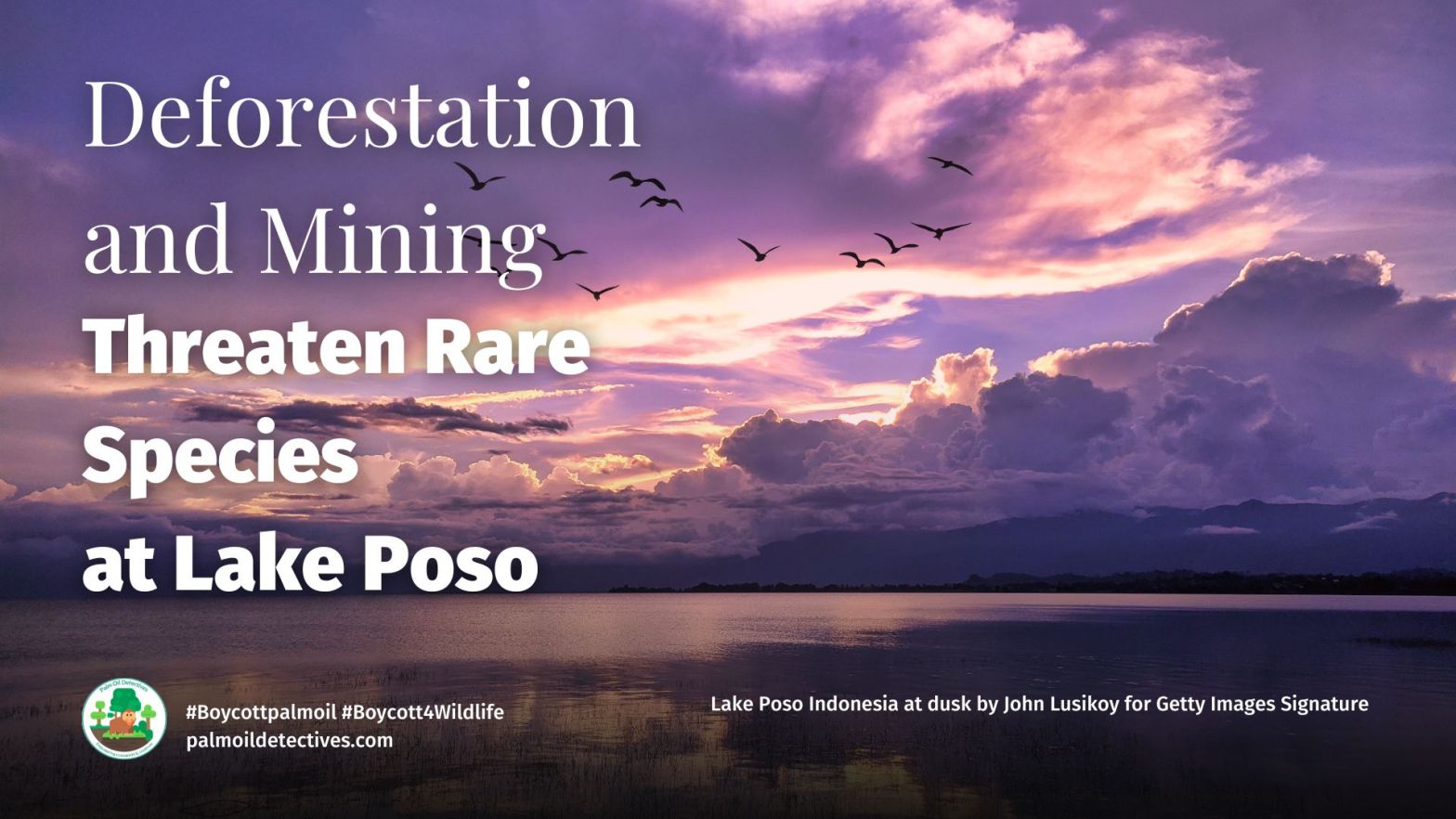
New #research highlights how #deforestation for #mining, and oil #palmoil expansion are pushing rare species of #wildlife at #Indonesia’s #LakePoso to the brink. This unique ecosystem, home to critically endangered #fish and other endemic wildlife, is rapidly disappearing due to human-driven habitat destruction. Local indigenous communities and conservationists are calling for urgent action to halt the devastation. Protecting these species means addressing extractive industries head-on. Every action counts—use your purchasing power to support indigenous-led conservation and #BoycottPalmOil #Boycott4Wildlife.
#News: #research finds Lake Poso of #Indonesia’s 🇮🇩 rare species of #animals🦏 #plants 🌿are vanishing due to #mining and #palmoil #deforestation. #Indigenous people are resisting. Use your wallet to fight back #BoycottPalmOil 🌴🪔💀🚫 #Boycott4Wildlife https://wp.me/pcFhgU-a5p
Deforestation and Mining Destroying Indonesia’s Lake Poso Ecosystem
New research led by advocacy organisation WAHLI reveals alarming habitat destruction at Indonesia’s Lake Poso, a freshwater biodiversity hotspot under threat from deforestation, mining, and expanding palm oil plantations. This fragile ecosystem, which supports critically endangered fish and endemic species, is being wiped out at an unprecedented rate due to human exploitation.
Lake Poso: A Unique Ecosystem Under Siege
Lake Poso is one of Indonesia’s oldest and most ecologically significant lakes, supporting species found nowhere else on Earth. The lake and its surrounding forests provide refuge for a variety of endemic fish, amphibians, and invertebrates that have adapted to its isolated conditions over millennia. However, aggressive mining operations, large-scale deforestation, and industrial palm oil plantations are driving habitat loss at a staggering pace.
According to scientists, the destruction of Lake Poso’s ecosystem could have catastrophic consequences. The removal of forests destabilises water quality and eliminates the natural breeding grounds for fish and other aquatic species. Additionally, mining activity is releasing heavy metals into the water, poisoning fragile ecosystems and endangering both wildlife and local communities that depend on the lake for their livelihoods.
Palm Oil and Nickel Mining: The Drivers of Destruction
Palm oil expansion and mining are the main forces behind Lake Poso’s environmental crisis. Land clearing for oil palm plantations results in mass deforestation, stripping away the region’s biodiversity and leading to irreversible soil erosion. Mining operations, including nickel extraction, further compound the damage by leaching toxic chemicals into the environment.
Experts warn that without immediate intervention, endemic species could face extinction within years. Several critically endangered fish, unique to Lake Poso, are already experiencing severe population declines due to pollution and habitat destruction.
Local Communities and Activists Demand Urgent Action
Indigenous communities and environmental activists are fighting to protect Lake Poso’s biodiversity. Grassroots movements are pushing for stronger regulations against deforestation, mining, and palm oil expansion. However, corporate interests and weak enforcement of environmental laws continue to enable destructive industries to operate unchecked.
Protecting Lake Poso’s rare species requires bold action, including rejecting products linked to deforestation, supporting indigenous-led conservation efforts, and holding corporations accountable. Consumers can make a difference by choosing ethical products and avoiding goods containing palm oil.
Take Action!
Use your wallet as a weapon against deforestation. Choose indigenous-led conservation and agroecology. Support sustainable alternatives, demand accountability, and take a stand against corporate destruction of Lake Poso’s irreplaceable ecosystem. #BoycottPalmOil #Boycott4Wildlife.
Kimbrough, L. (2025, January 22). Rising deforestation threatens rare species in Indonesia’s ancient Lake Poso. Mongabay News. Retrieved from https://news.mongabay.com/2025/01/mining-and-palm-oil-drive-deforestation-threaten-rare-species-at-indonesias-lake-poso/
Kaban, S., Ditya, Y. C., Makmur, S., Fatah, K., Wulandari, T. N., Dwirastina, M., … Samuel, S. (2023). Water quality and trophic status to estimate fish production potential for sustainable fisheries in Lake Poso, Central Sulawesi. Polish Journal of Environmental Studies, 32(5), 4083-4093. doi:10.15244/pjoes/168102
Damanik, A., Janssen, D. J., Tournier, N., Stelbrink, B., Von Rintelen, T., Haffner, G. D., … Vogel, H. (2024). Perspectives from modern hydrology and hydrochemistry on a lacustrine biodiversity hotspot: Ancient Lake Poso, Central Sulawesi, Indonesia. Journal of Great Lakes Research, 50(3), 102254. doi:10.1016/j.jglr.2023.102254
ENDS
Read more about deforestation and ecocide in the palm oil industry
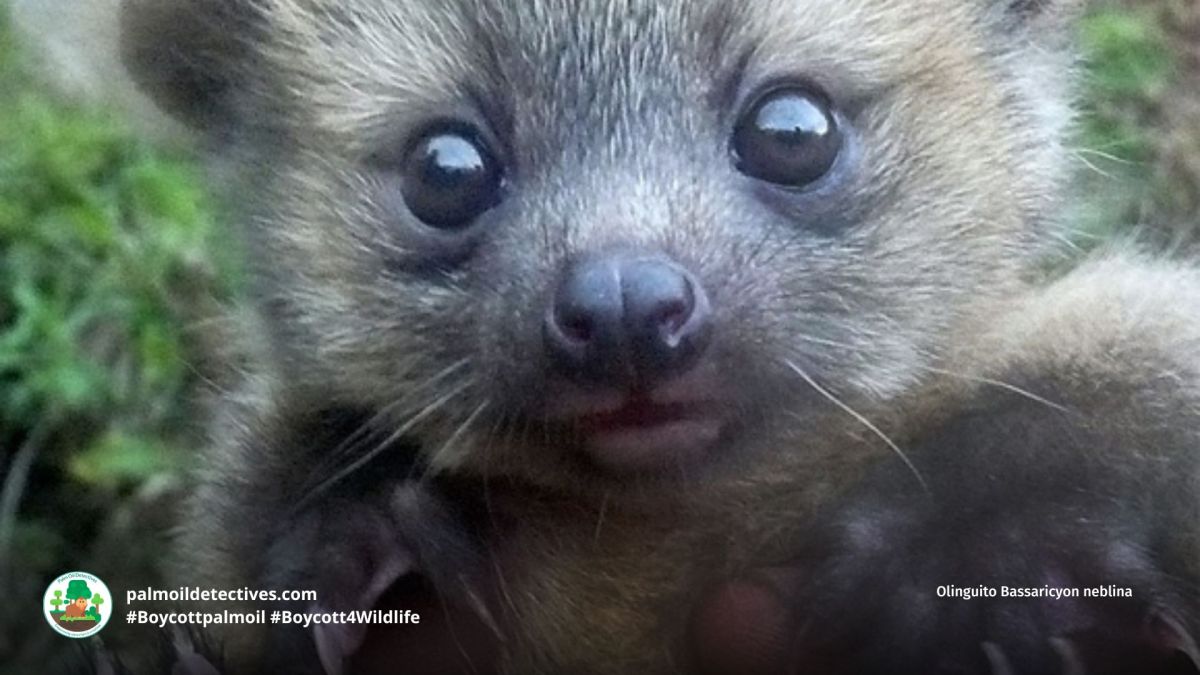
Olinguito Bassaricyon neblina
With bear-like faces, cat-like bodies, Olinguitos are adorable button-nosed mammals of Ecuador and Colombia. Palm oil and meat deforestation threaten them
Read more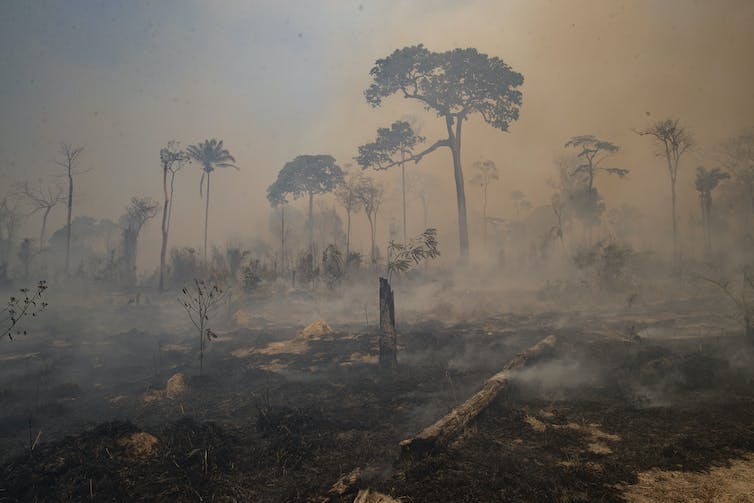
Biofuel Boom in Brazil: Green Growth or Greenwash?
Brazil’s booming biofuel industry is driving deforestation, threatening food security, and displacing communities. Take action and boycott palm oil!
Read more
Santa Catarina’s Guinea Pig Cavia intermedia
Santa Catarina’s Guinea Pig are enchanting critically endangered rodents under threat from climate change. Advocate for climate action now! #Boycott4Wildlife
Read more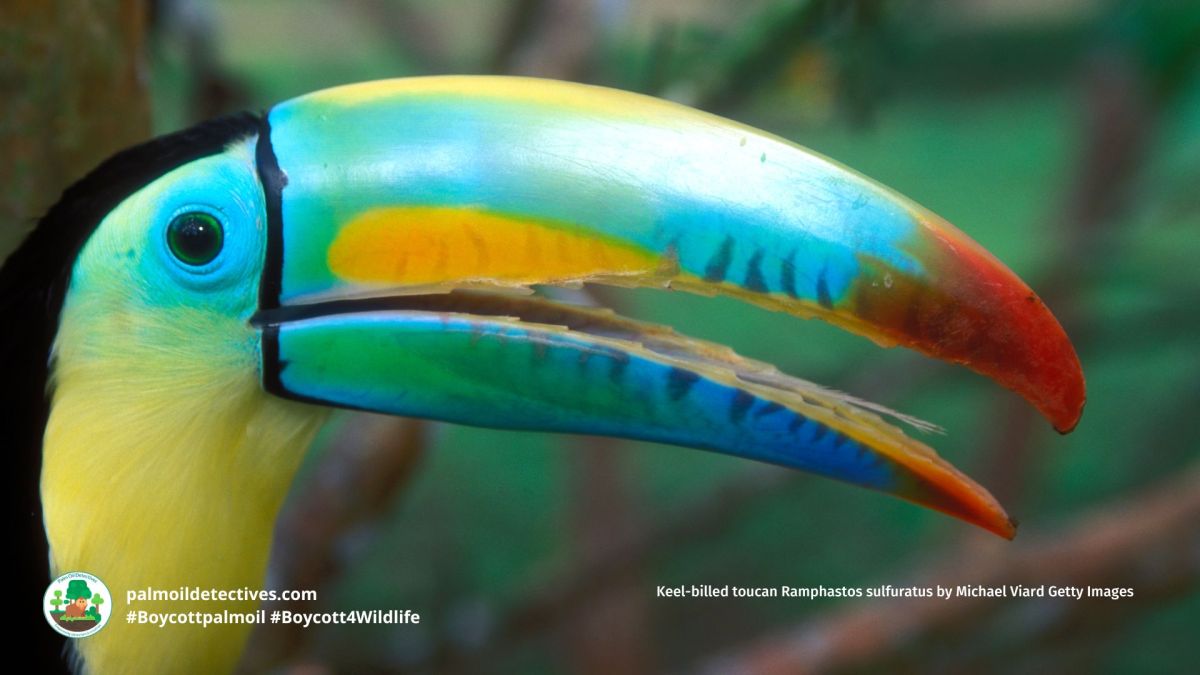
Keel-billed Toucan Ramphastos sulfuratus
Keel-billed Toucans have dazzling rainbow-coloured bills and are iconic to South America. Threats include hunting, palm oil and meat deforestation. Take action!
Read more
Asian Small-clawed Otter Aonyx cinereus
Asian Small-clawed Otters are the world’s smallest otter species and are Vulnerable from palm oil tea and coffee deforestation. Protect them, boycott palm oil!
Read moreSomething went wrong. Please refresh the page and/or try again.
Take Action in Five Ways
1. Join the #Boycott4Wildlife on social media and subscribe to stay in the loop: Share posts from this website to your own network on Twitter, Mastadon, Instagram, Facebook and Youtube using the hashtags #Boycottpalmoil #Boycott4Wildlife.
2. Contribute stories: Academics, conservationists, scientists, indigenous rights advocates and animal rights advocates working to expose the corruption of the palm oil industry or to save animals can contribute stories to the website.





3. Supermarket sleuthing: Next time you’re in the supermarket, take photos of products containing palm oil. Share these to social media along with the hashtags to call out the greenwashing and ecocide of the brands who use palm oil. You can also take photos of palm oil free products and congratulate brands when they go palm oil free.
4. Take to the streets: Get in touch with Palm Oil Detectives to find out more.
5. Donate: Make a one-off or monthly donation to Palm Oil Detectives as a way of saying thank you and to help pay for ongoing running costs of the website and social media campaigns. Donate here
Discover more from Palm Oil Detectives
Subscribe to get the latest posts sent to your email.
 Palm Oil Detectives