
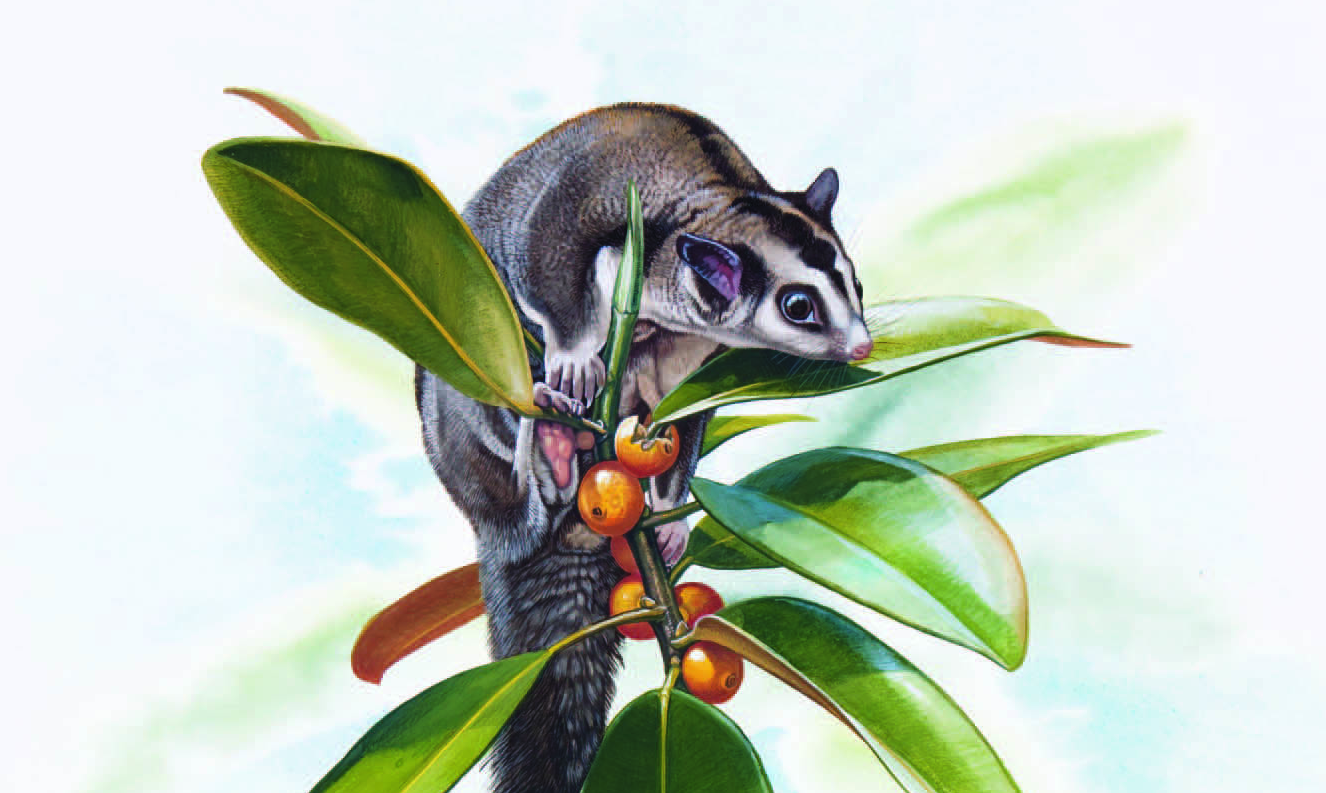
Northern Glider Petaurus abidi
IUCN Status: Critically Endangered
Location: Papua New Guinea – Torricelli Mountains
Northern Gliders are rare gliding #mammals 🪂🧐🩷 critically endangered in #PapuaNewGuinea #WestPapua. Support them and #Boycottpalmoil #Boycott4Wildlife because many supermarket brands are sending them #extinct for dirty #palmoil @palmoildetect.bsky.social https://palmoildetectives.com/2021/02/05/northern-glider-petaurus-abidi-2/
The Northern Glider is a Critically Endangered species of gliding #marsupial found only in the Torricelli Mountains of #PapuaNewGuinea. First described in 1981, they remain one of the rarest and least studied members of the Petauridae family. Their population is in steep decline due to deforestation, habitat destruction for #palmoil, and #hunting for #bushmeat. With an estimated range of less than 100 square kilometres, the Northern Glider is at extreme risk of #extinction unless urgent conservation efforts are made to protect their habitat. Take action and resist for this species every time you shop and go #BoycottPalmOil #Boycott4Wildlife in the supermarket.
Appearance and Behaviour
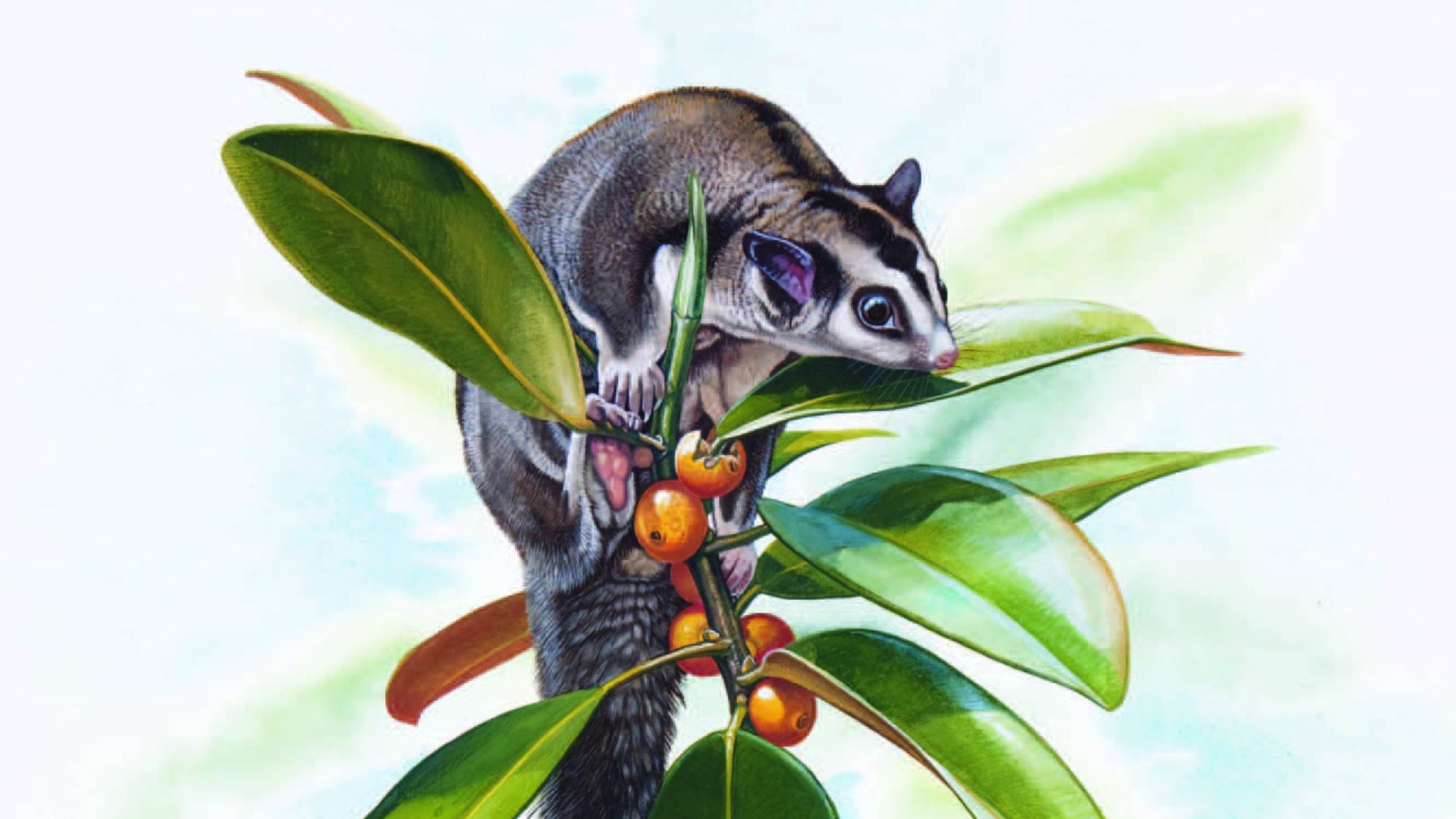
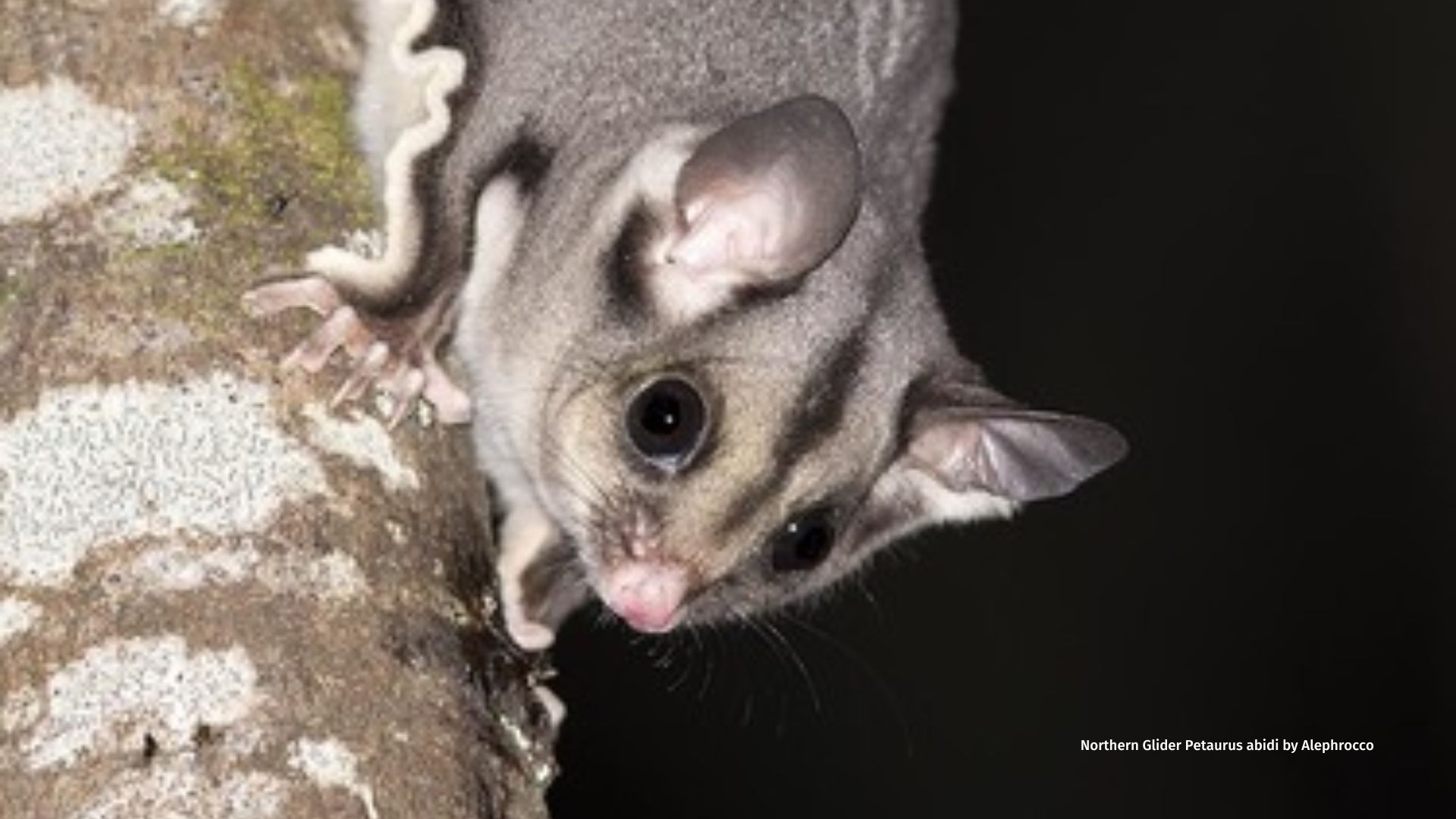
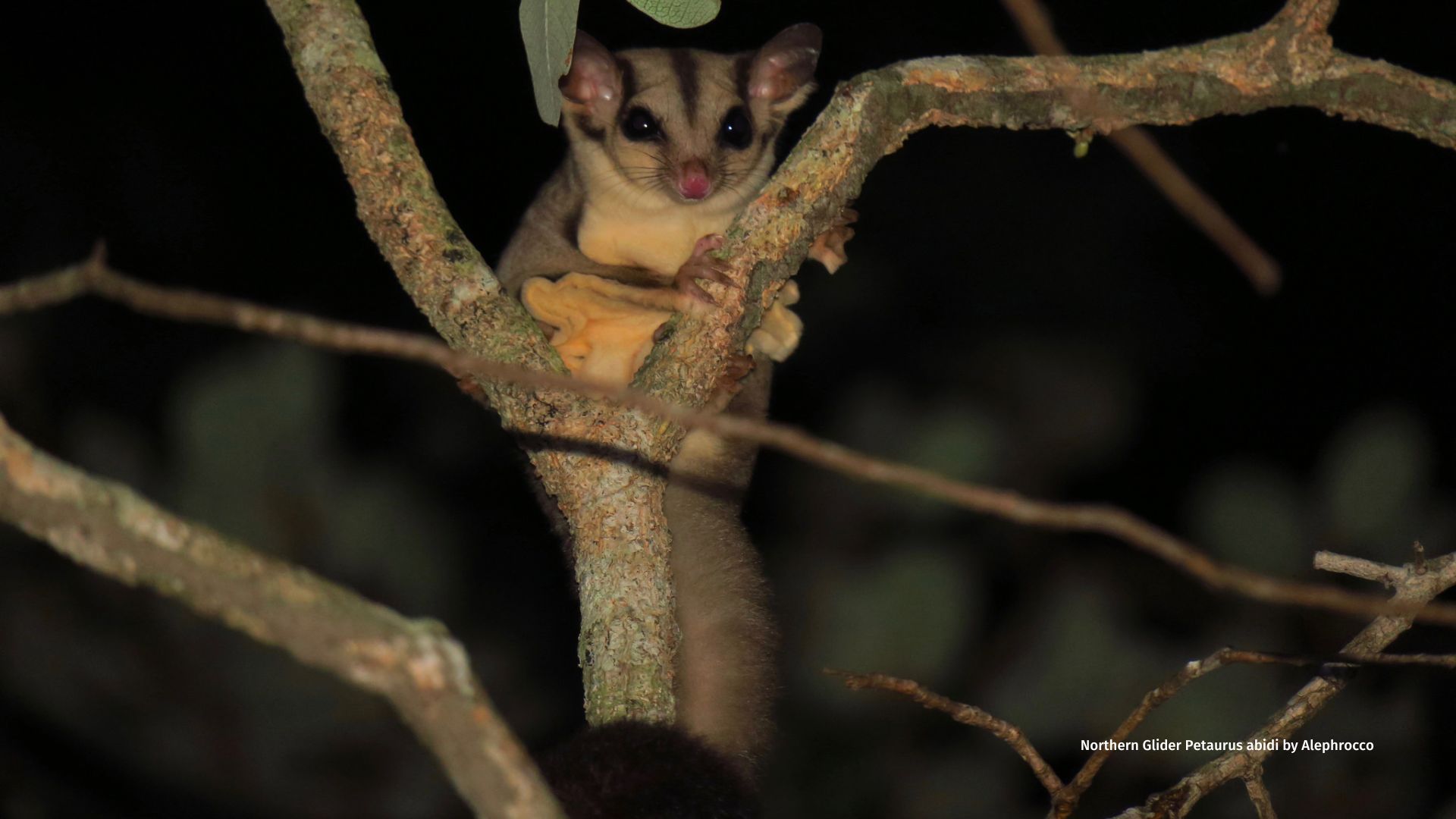
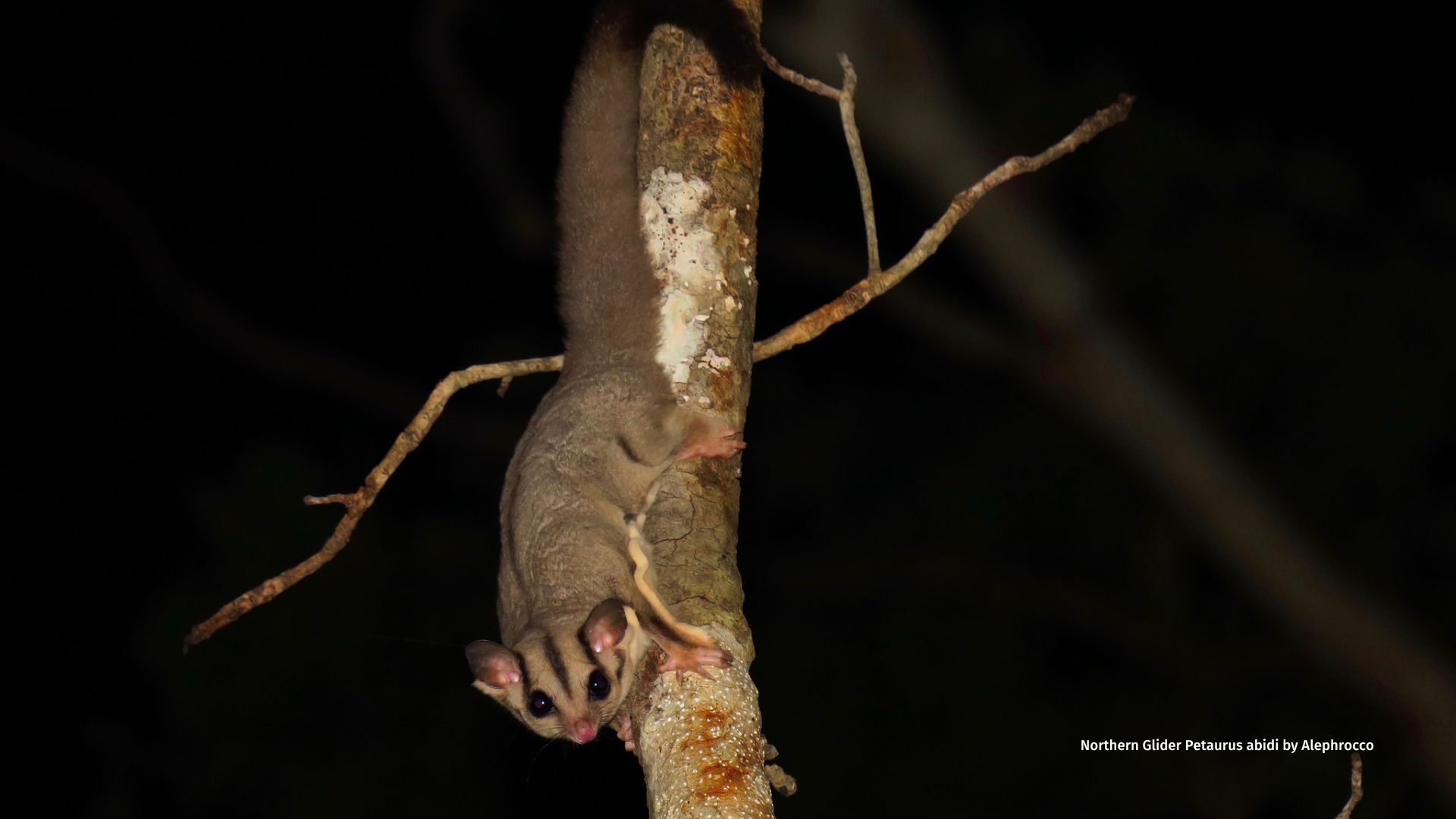
The Northern Glider is a medium-sized gliding mammal and a marsupial with soft, silky fur. Their upper body is grey, with a paler underside and a distinctive dark stripe that runs from their head down their back to the base of their tail. They weigh between 228 and 332 grams and have shorter ears and smaller claws than some of their close relatives. These gliders are nocturnal and arboreal, using the skin flaps between their limbs to glide between trees as they search for food.
Gliding mammals of Papua include:
- Sipora Flying Squirrel Hylopetes sipora
- Northern Glider
- Siberut Flying Squirrel Petinomys lugens
- Woolly Flying Squirrel Eupetaurus cinereus
- Mentawi Flying Squirrel Iomys sipora
- Vordermann’s Flying Squirrel Petinomys vordermanni
- Smoky Flying Squirrel Pteromyscus pulverulentus
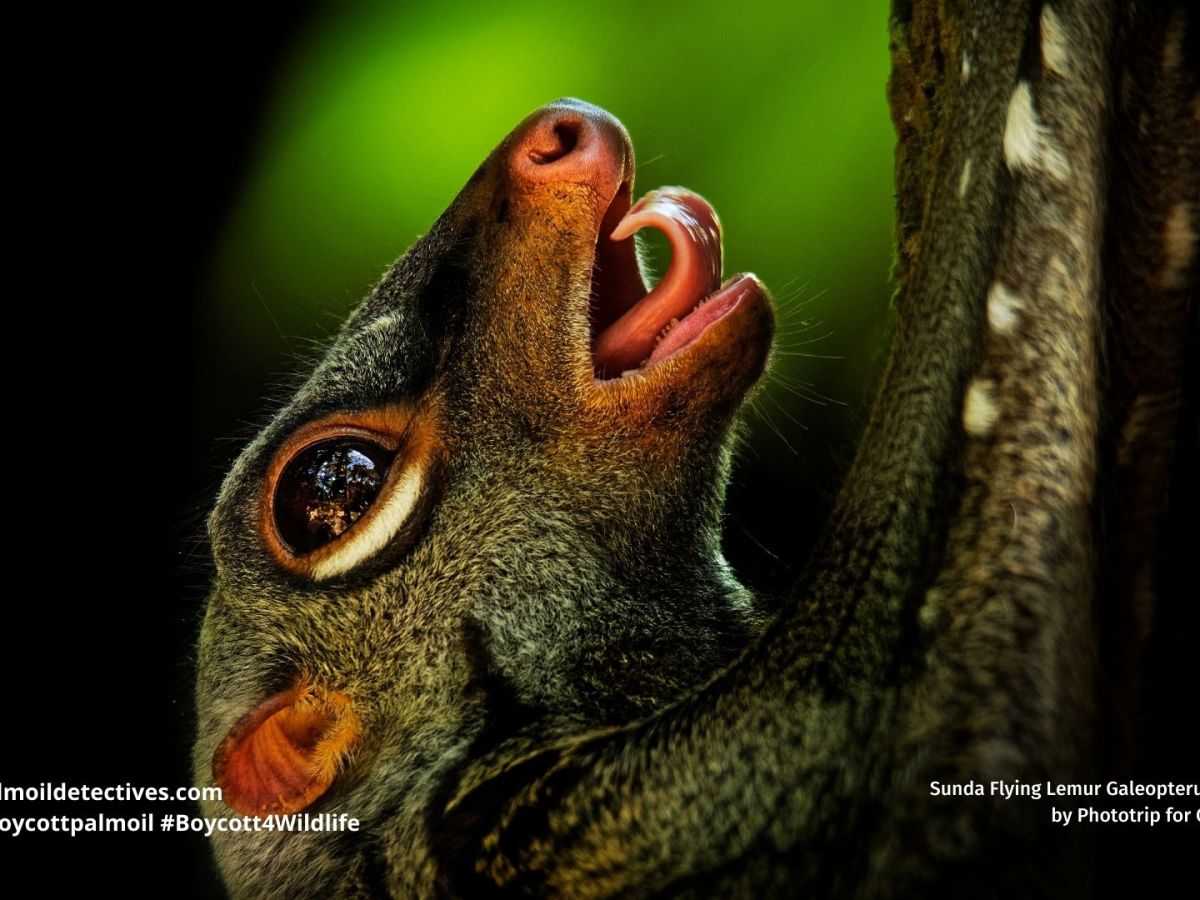
Sunda Flying Lemur Galeopterus variegatus
Sunda flying lemurs AKA Malayan colugos rely on ancient forests to survive, despite being skilful gliders, palm oil…

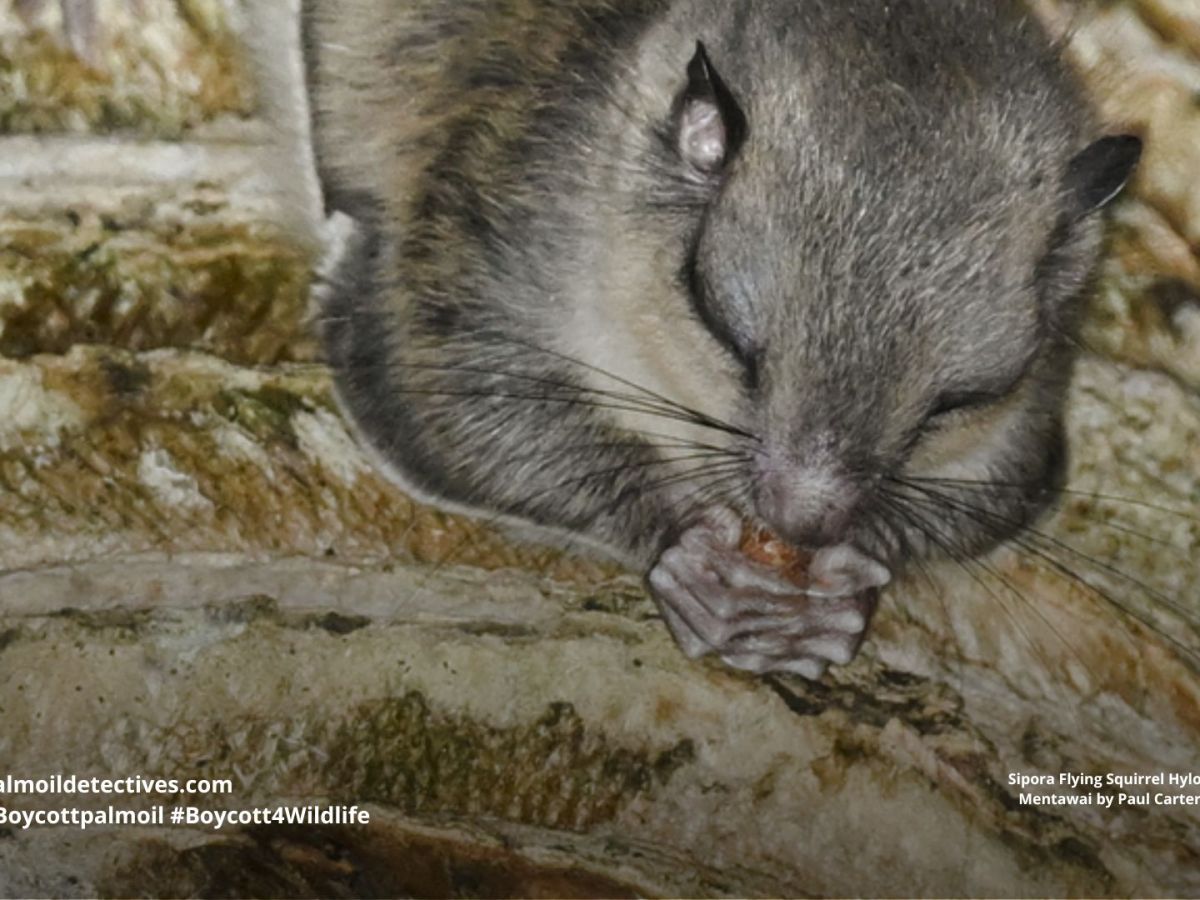
Sipora Flying Squirrel Hylopetes sipora
On the small, forested island of #Sipora, #Indonesia the Sipora flying #squirrel Hylopetes sipora drifts silently between ancient…

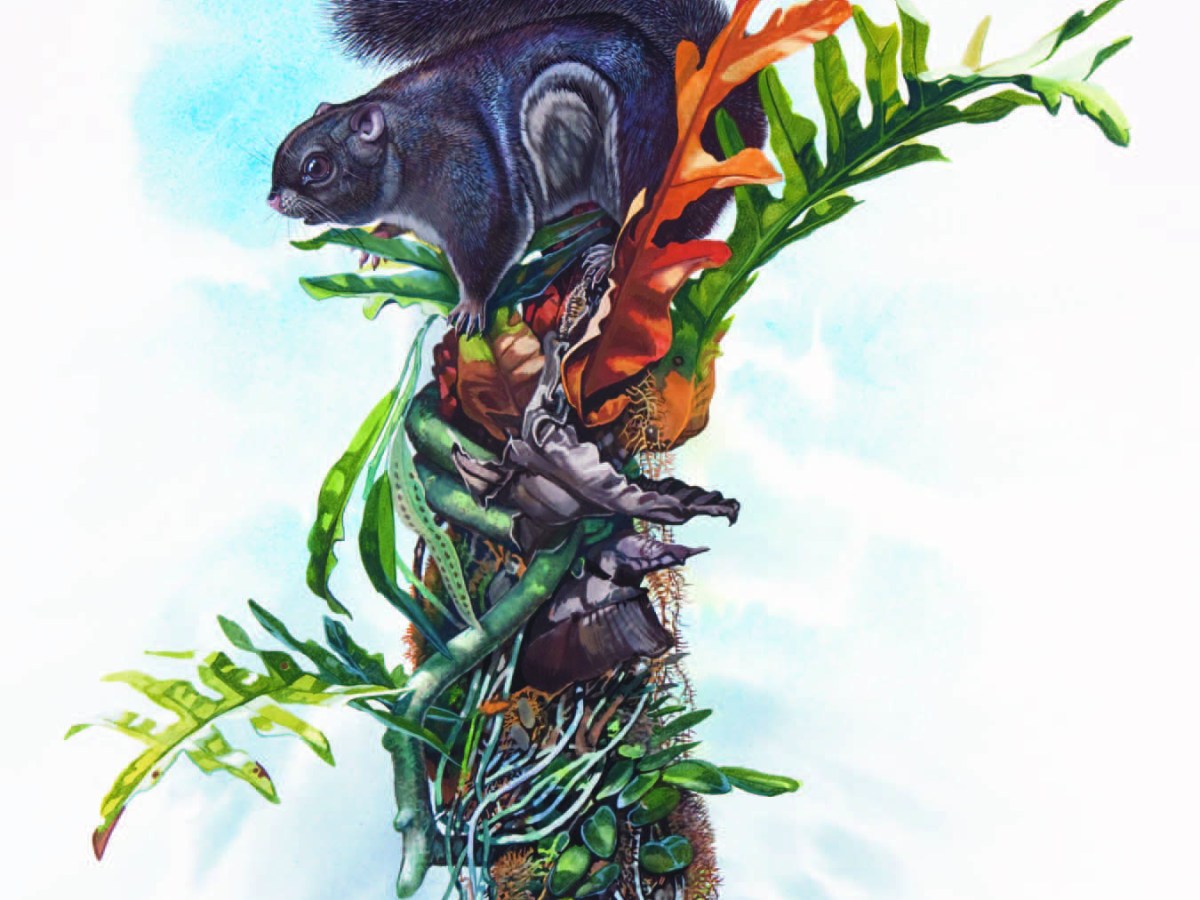
Siberut Flying Squirrel Petinomys lugens
The Siberut Flying Squirrel is one of the world’s most elusive gliders, found only in the #Mentawai Archipelago’s…
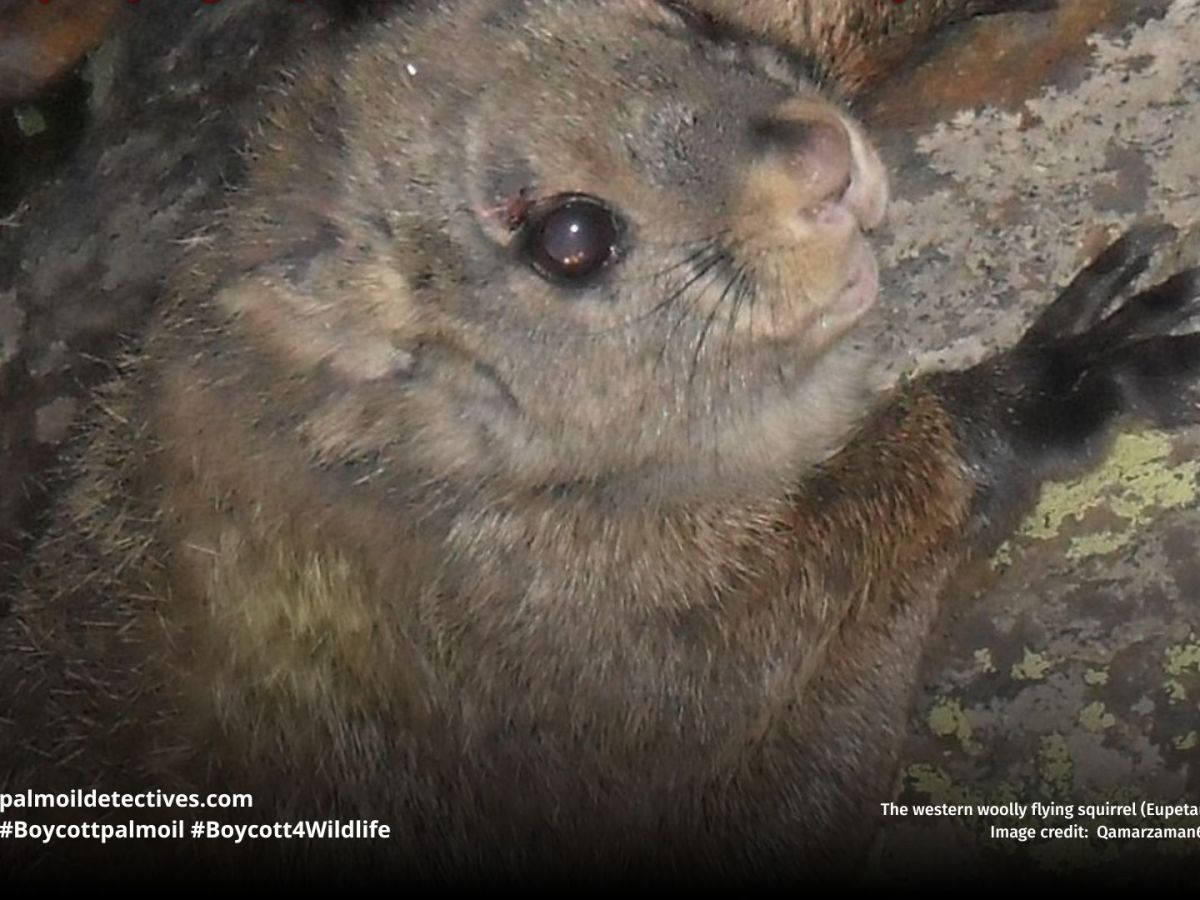
Woolly Flying Squirrel Eupetaurus cinereus
The Western Woolly Flying #Squirrel Eupetaurus cinereus is one of the world’s largest and least understood gliding mammals.…
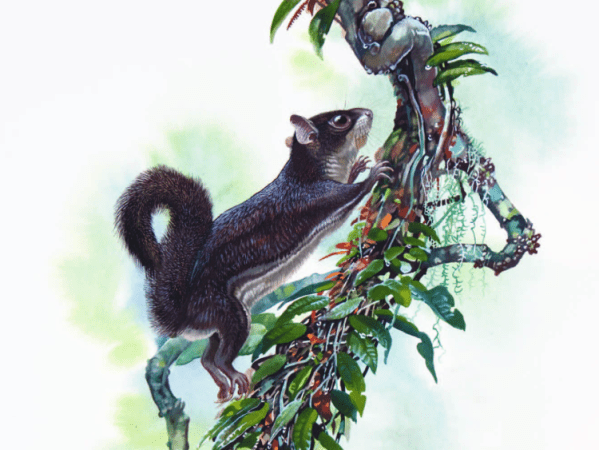
Mentawi Flying Squirrel Iomys sipora
Endemic to Indonesia’s Mentawai Islands, these rare and beautiful gliding mammals are endangered due to deforestation. Boycott palm…
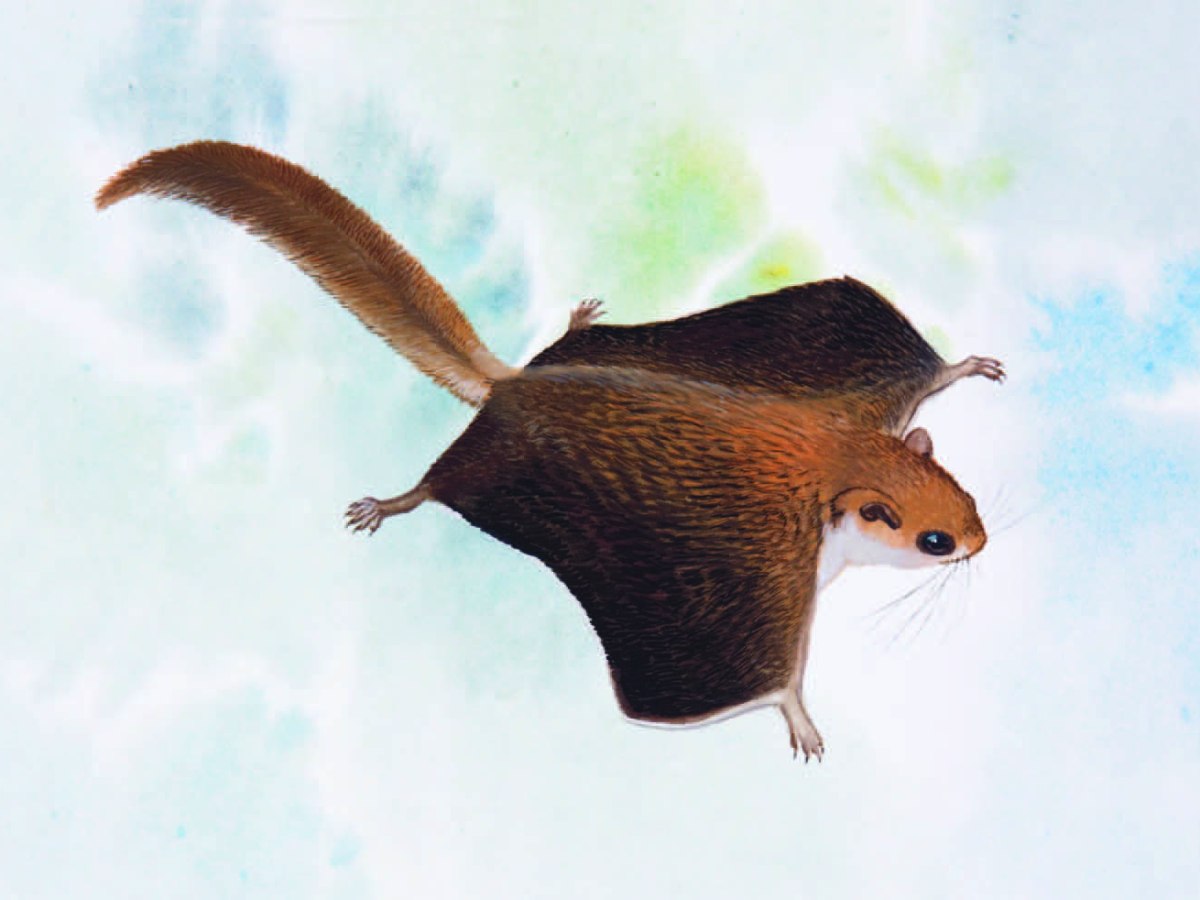
Vordermann’s Flying Squirrel Petinomys vordermanni
In #Borneo’s twilight, the Vordermann’s flying #squirrel emerges from her nest, resplendent with orange cheeks and black-ringed eyes.…
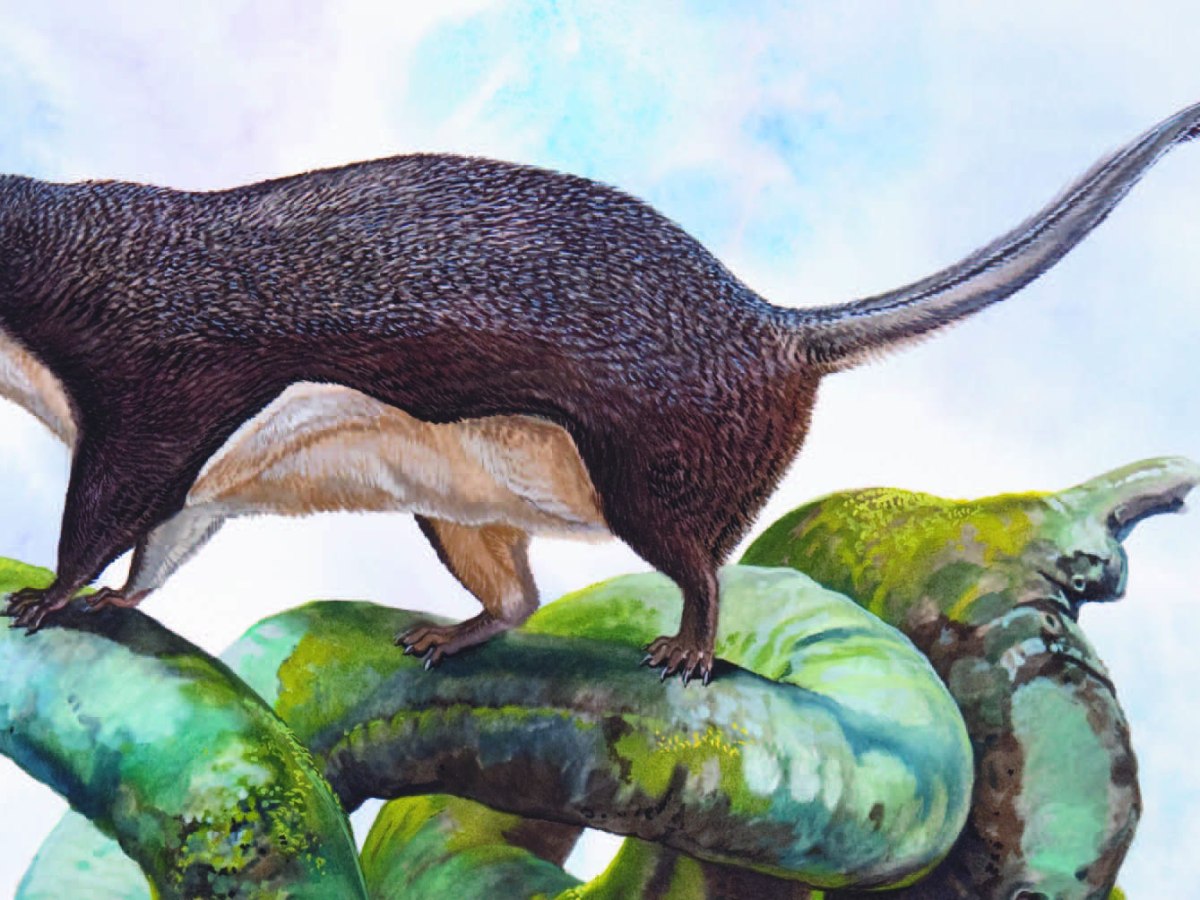
Smoky Flying Squirrel Pteromyscus pulverulentus
The Smoky Flying Squirrel (Pteromyscus pulverulentus) is a rare and elusive creature silently and gracefully gliding between the…
Diet
Very little is known about their diet, but they are believed to feed on vines, epiphytic ferns, and leaves from various tropical plants. Like other gliders, they likely play an important role in their ecosystem by aiding seed dispersal.
Reproduction and Mating
Research on the breeding habits of these flying squirrels is limited, but they are presumed to give birth to one or two young at a time, similar to other members of their genus. Further study is needed to understand their reproductive cycles and population trends.
Geographic Range
The Northern Glider is known only from Mount Somoro, and adjacent areas, in the Torricelli Mountains of north-western Papua New Guinea. This species has been found in primary, mid-montane tropical moist forests. They are known from rural gardens close to forest (Flannery 1995).
The Northern Glider is a part of a unique range of gliding mammals. Northern Gliders are endemic to the Torricelli Mountains in northwestern Papua New Guinea. Their total range is estimated to be less than 100 square kilometres, making them highly vulnerable to habitat destruction and fragmentation.
Threats
The Northern Glider is threatened by heavy deforestation due to human encroachment (i.e., conversion to gardens), and by hunting for meat by local people.
IUCN Red list
- Palm oil and Timber Deforestation: Large swathes of their habitat are being cleared for palm oil and timber agriculture and human settlements.
- Hunting: They are hunted for food by local communities, putting additional pressure on their already declining population.
- Habitat Fragmentation: Forest clearing has led to isolated populations, reducing their chances of long-term survival.
Take Action
Protecting forests is critical to ensuring the Northern Glider has a future in the wild. Support conservation efforts and call for stronger protections against palm oil deforestation in Papua New Guinea. Resist and fight for their survival each time you shop #BoycottPalmOil #Boycott4Wildlife.
Support the conservation of this species
This animal has no protections in place. Read about other forgotten species here. Create art to support this forgotten animal or raise awareness about them by sharing this post and using the #Boycottpalmoil #Boycott4Wildlife hashtags on social media. Also you can boycott palm oil in the supermarket.
Further Information
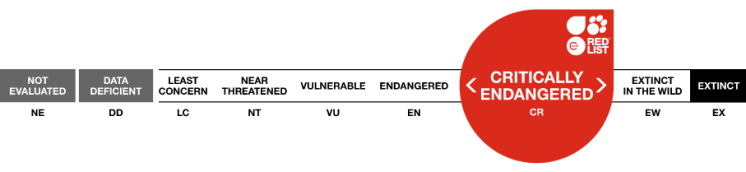
Leary, T., Wright, D., Hamilton, S., Singadan, R., Menzies, J., Bonaccorso, F., Salas, L., Dickman, C. & Helgen, K. 2016. Petaurus abidi. The IUCN Red List of Threatened Species 2016: e.T16726A21959298. https://dx.doi.org/10.2305/IUCN.UK.2016-2.RLTS.T16726A21959298.en. Downloaded on 04 February 2021.
Ziegler, A. C. (1981). Petaurus abidi, a new species of glider (Marsupialia: Petauridae) from Papua New Guinea. Australian Mammalogy, 4(2), 81–88. https://doi.org/10.1071/AM81002
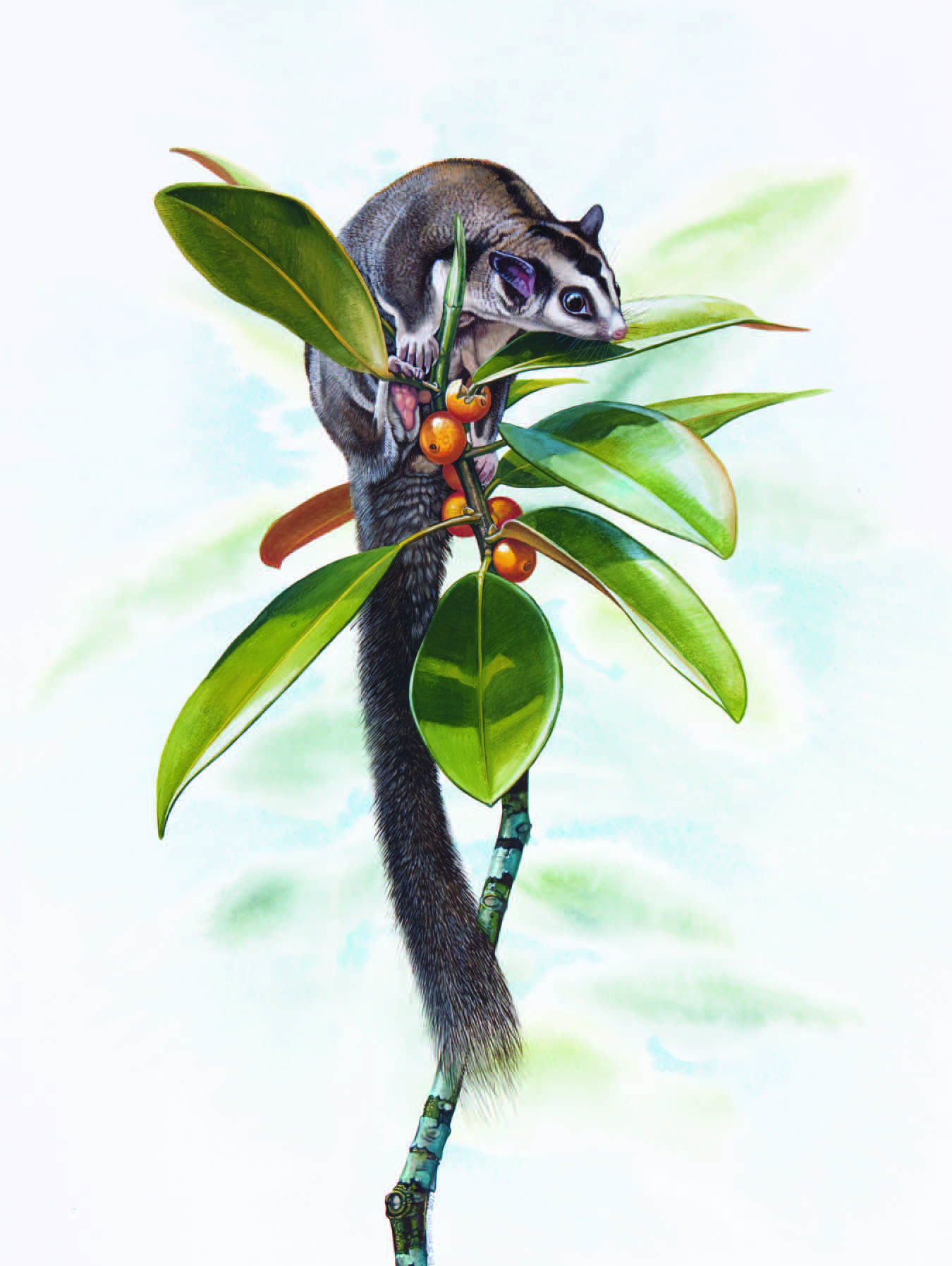
Caption: This beautiful painting is by My YM

How can I help the #Boycott4Wildlife?
Take Action in Five Ways
1. Join the #Boycott4Wildlife on social media and subscribe to stay in the loop: Share posts from this website to your own network on Twitter, Mastadon, Instagram, Facebook and Youtube using the hashtags #Boycottpalmoil #Boycott4Wildlife.
2. Contribute stories: Academics, conservationists, scientists, indigenous rights advocates and animal rights advocates working to expose the corruption of the palm oil industry or to save animals can contribute stories to the website.





3. Supermarket sleuthing: Next time you’re in the supermarket, take photos of products containing palm oil. Share these to social media along with the hashtags to call out the greenwashing and ecocide of the brands who use palm oil. You can also take photos of palm oil free products and congratulate brands when they go palm oil free.
4. Take to the streets: Get in touch with Palm Oil Detectives to find out more.
5. Donate: Make a one-off or monthly donation to Palm Oil Detectives as a way of saying thank you and to help pay for ongoing running costs of the website and social media campaigns. Donate here
Discover more from Palm Oil Detectives
Subscribe to get the latest posts sent to your email.
 Palm Oil Detectives