
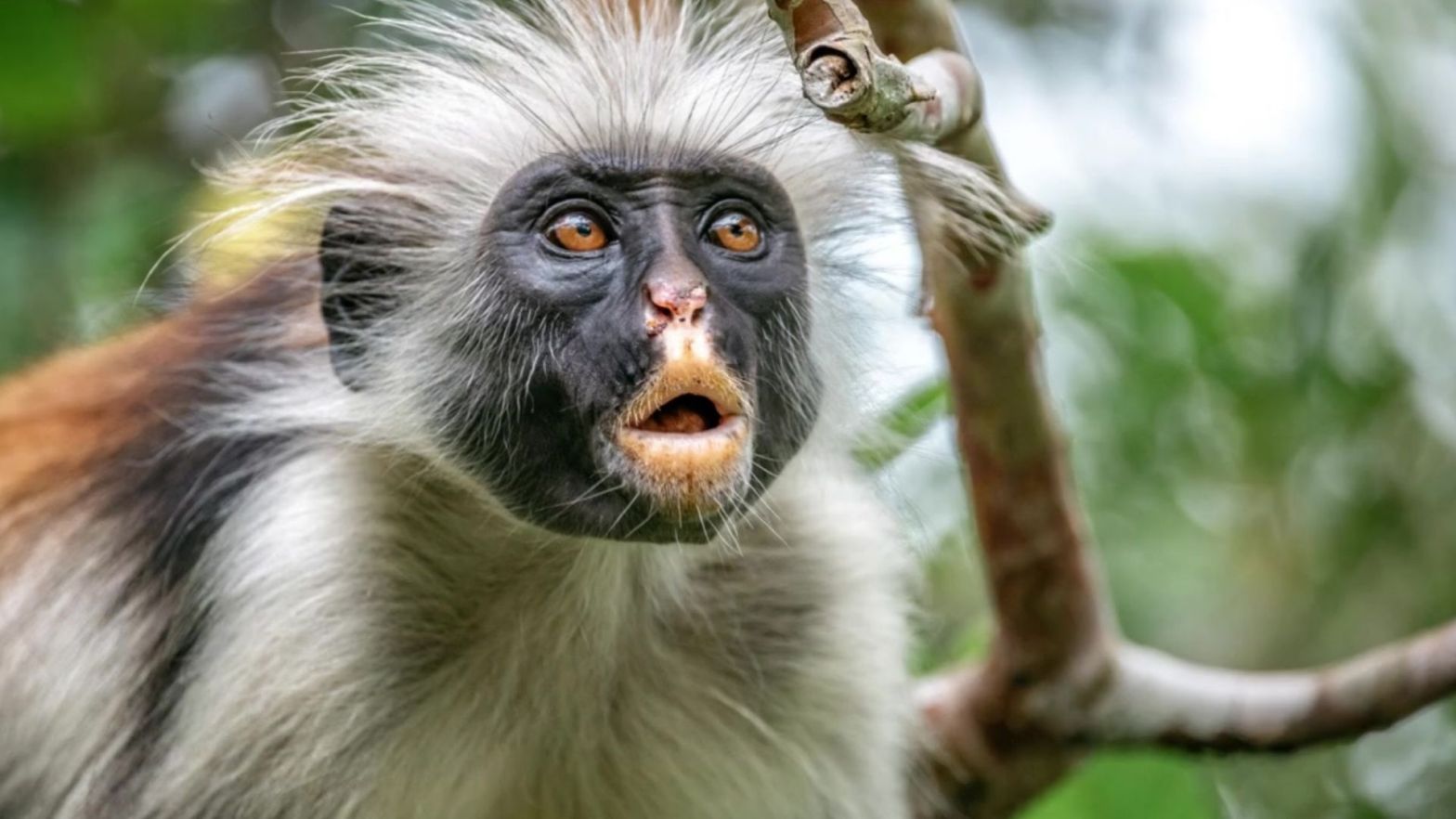
Miss Waldron’s Red Colobus Piliocolobus waldroni
Red List Status: Critically Endangered (Possibly Extinct) — see the Red List for current status.
Locations: This species historically ranged across the moist forests between the Nzi-Bandama River system in south-eastern Côte d’Ivoire to south-western Ghana, especially along the Ehy lagoon and Tanoé River forests.
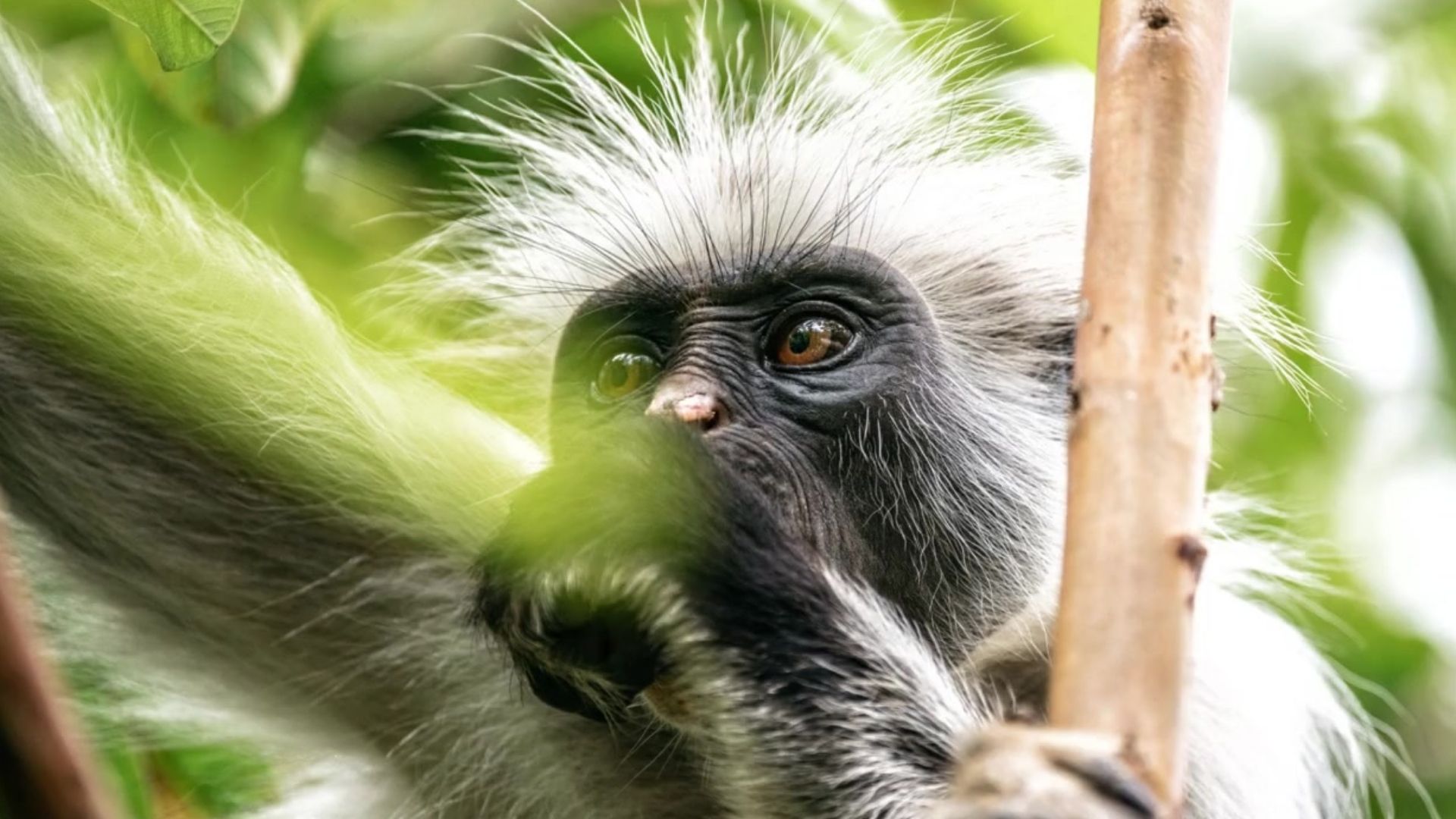
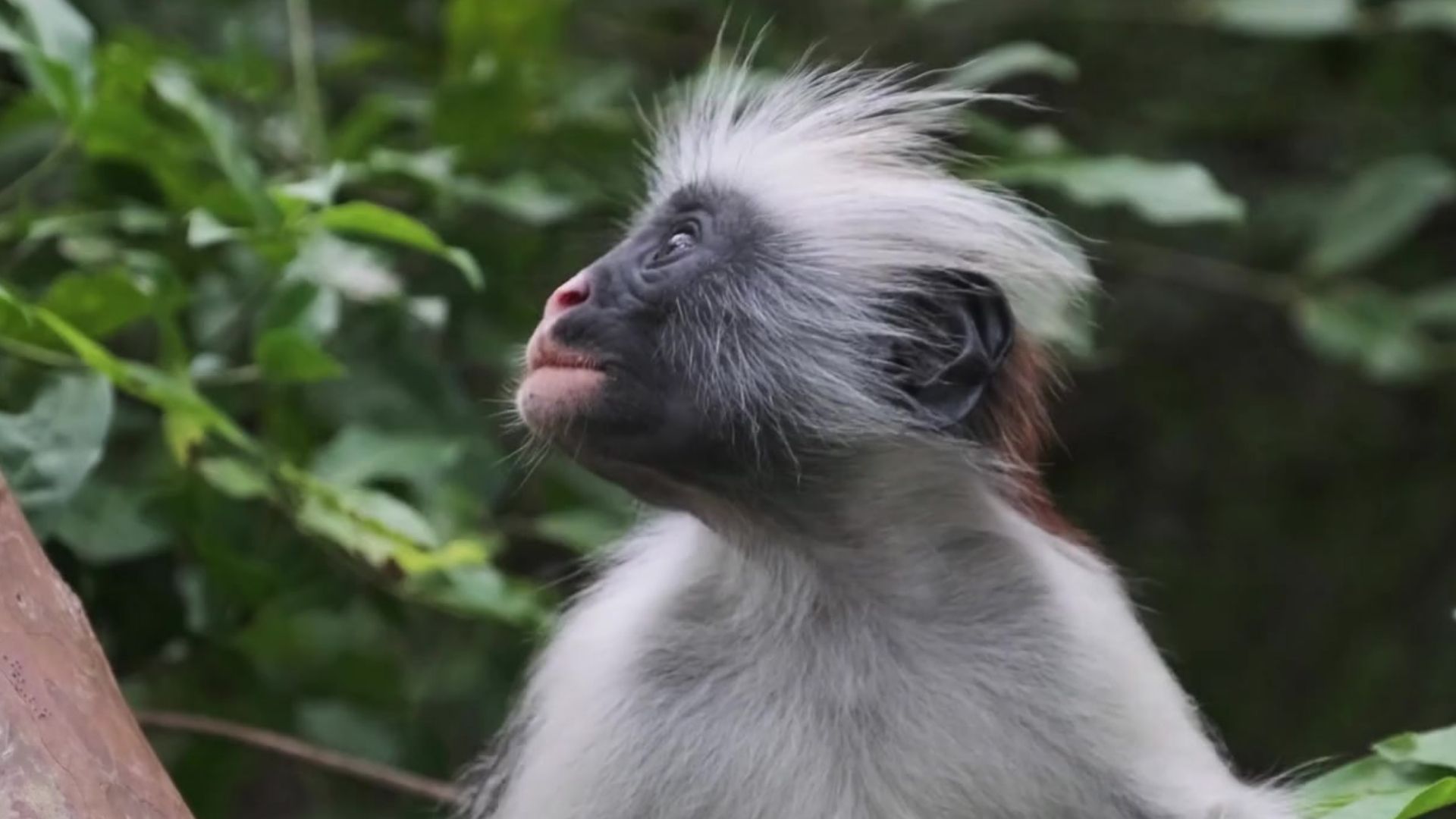
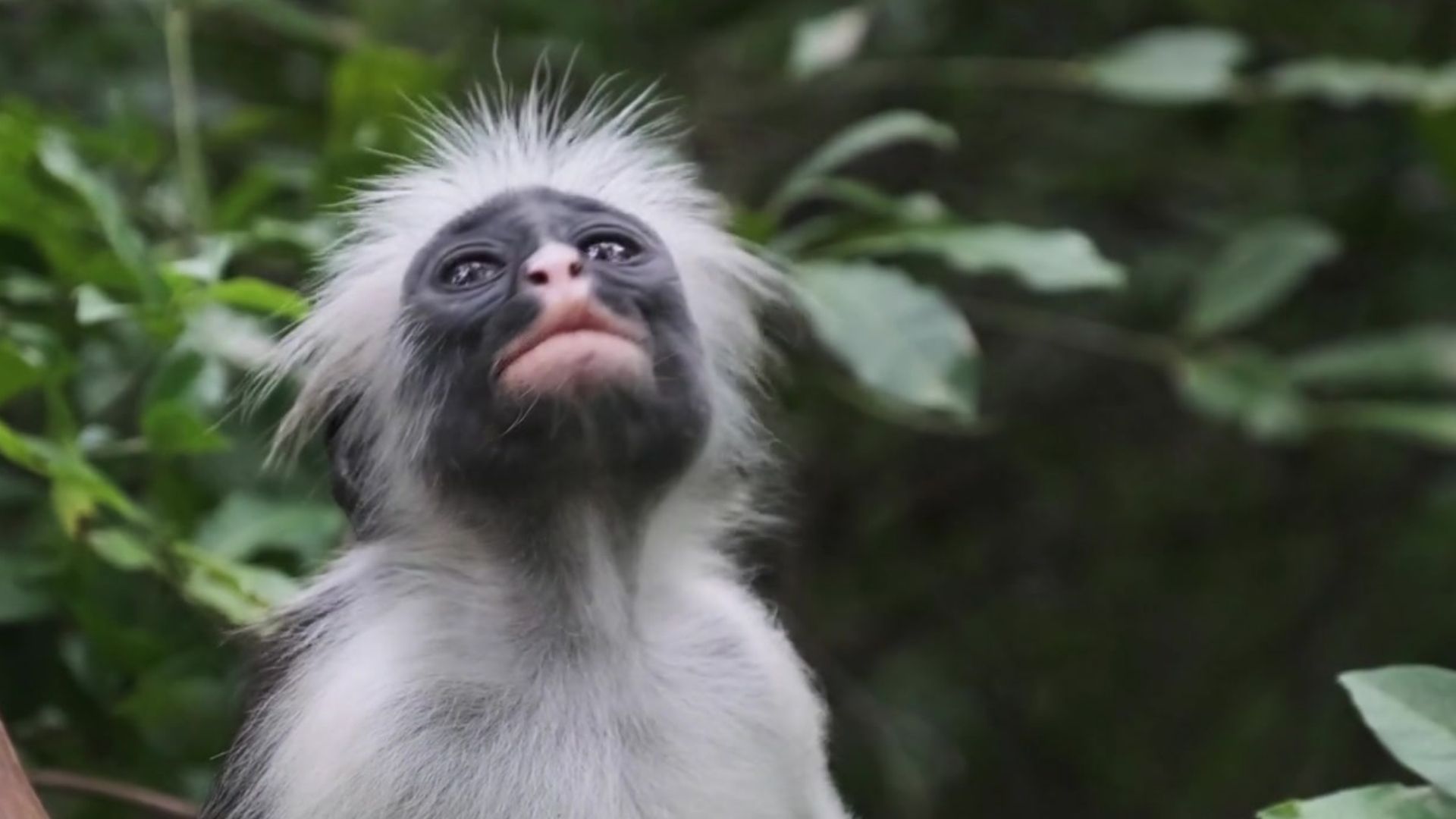
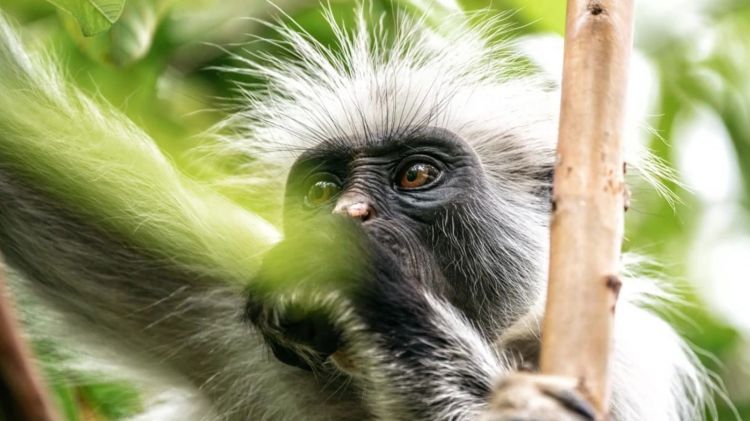
Miss Waldron’s Red Colobus, a secretive old world primate sport chestnut, black, and white white fur that surrounds their expressive faces. They live in the dense canopies of West Africa’s dwindling forests. Their story is one of ever-increasing fragility, on the edge of survival. Sightings of these magnificent primates have faded away since 1978. The last evidence, a skin, emerged in 2002.
These monkey species have been driven towards the extinction by palm oil, cocoa, and rubber plantations along with hunting for bushmeat. Their calls, once a common cacophony are now nearly permanently silenced. Miss Waldron’s Red Colobus serve as a living warning for forest health. They disappear before most other mammals wherever the forests fall. Support indigenous sovereignty and safeguarding of ecosystems—use your wallet as a weapon and #BoycottPalmOil #Boycott4Wildlife.
The Miss Waldron’s Red Colobus ❤️🐒🐵 is critically endangered in #Ghana 🇬🇭🇨🇮 #Ivory Coast in #Africa due to #palmoil 🌴🪔 #cocoa 🍫 #rubber #deforestation. Help them each time you shop, #Boycottpalmoil #Boycott4wildlife @palmoildetect https://palmoildetectives.com/2021/02/15/miss-waldrons-red-colobus-piliocolobus-waldroni/
Intelligent and gentle, Miss Waldron’s Red Colobus ❤️🐒🐵 is critically endangered in #Ghana 🇬🇭🇨🇮 #Ivory Coast in #Africa mainly due to #palmoil 🌴🪔 #cocoa 🍫 #deforestation. Don’t let them vanish! #Boycottpalmoil #Boycott4wildlife @palmoildetect https://palmoildetectives.com/2021/02/15/miss-waldrons-red-colobus-piliocolobus-waldroni/
Appearance & Behaviour
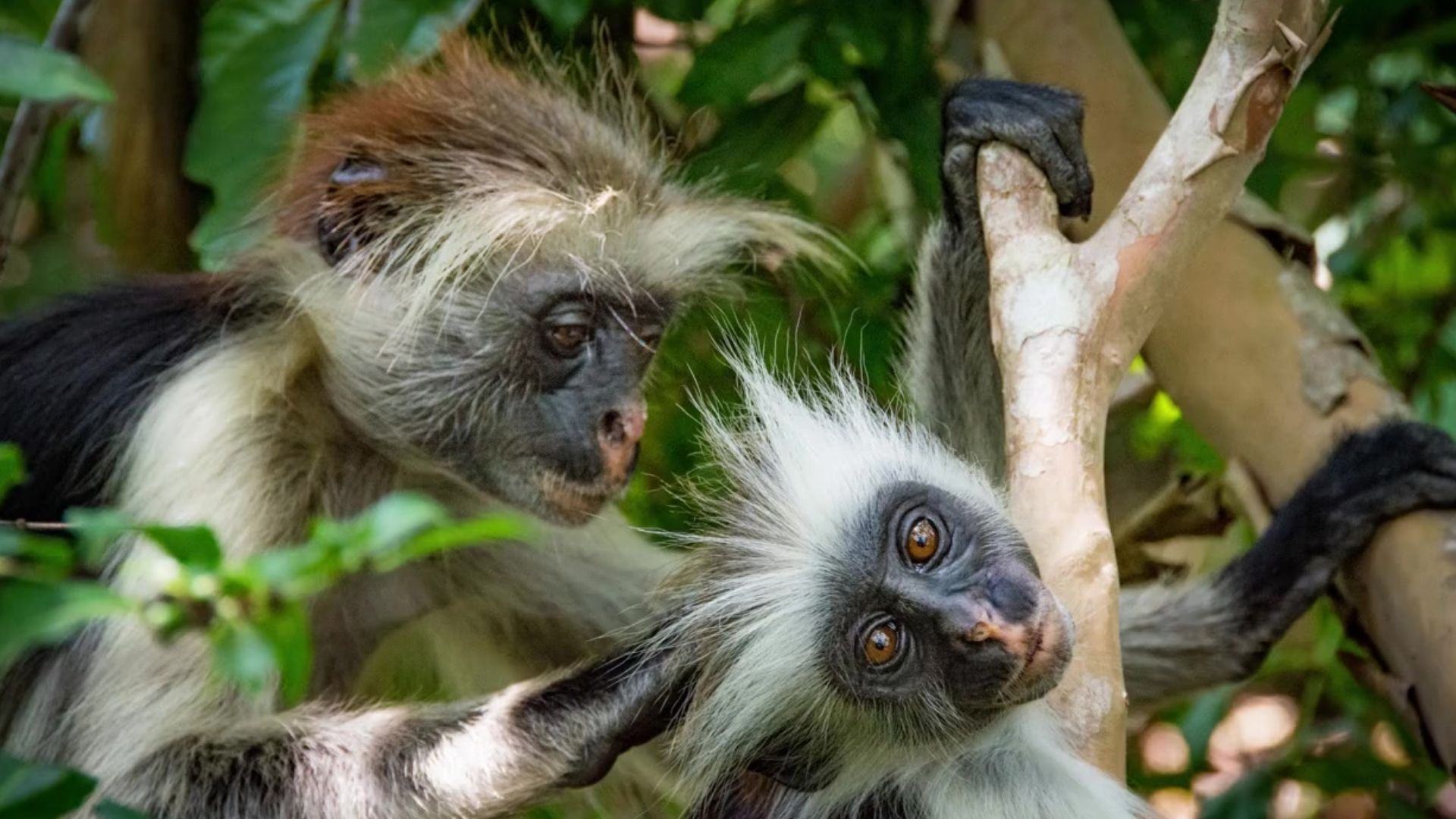
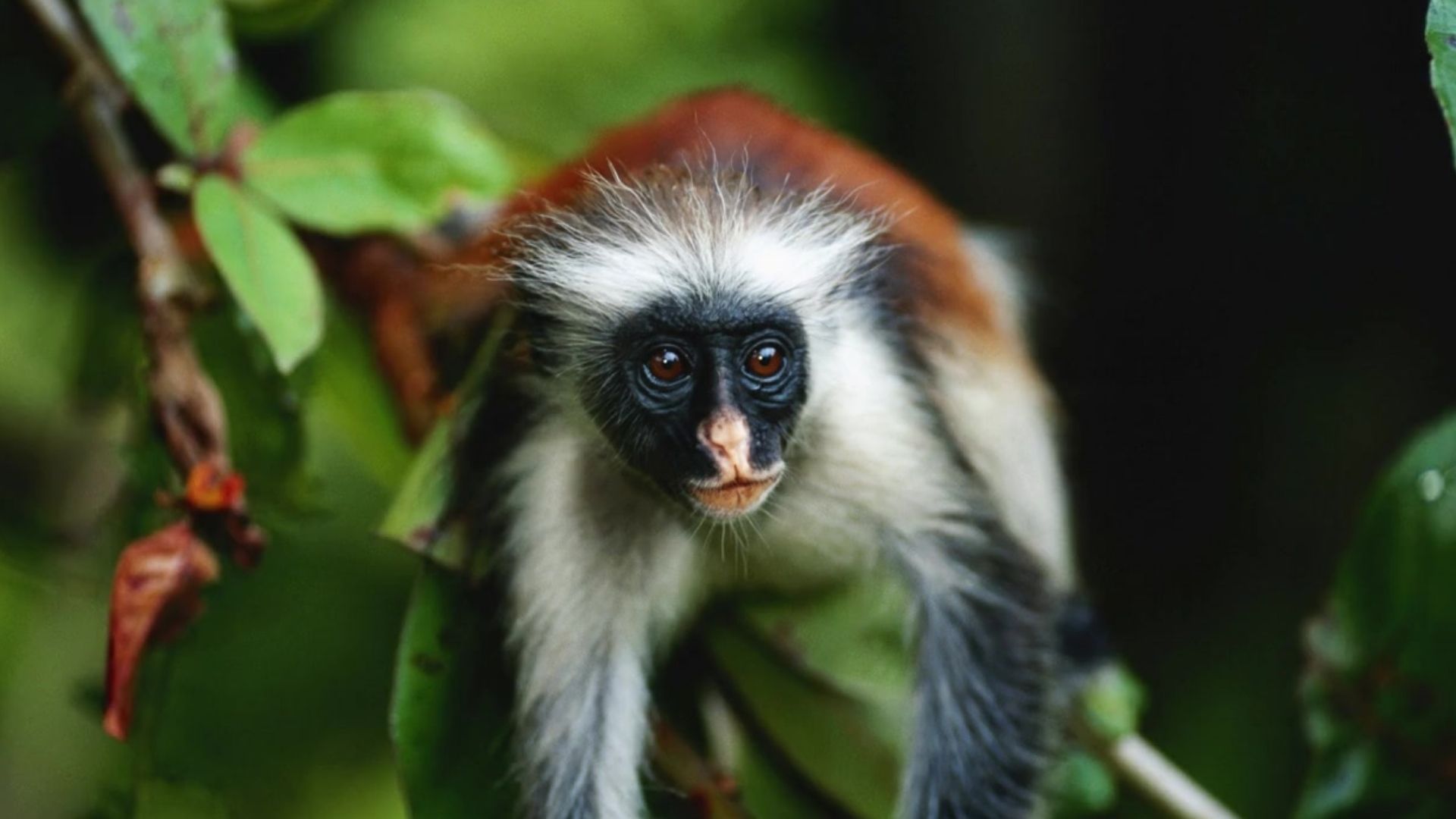
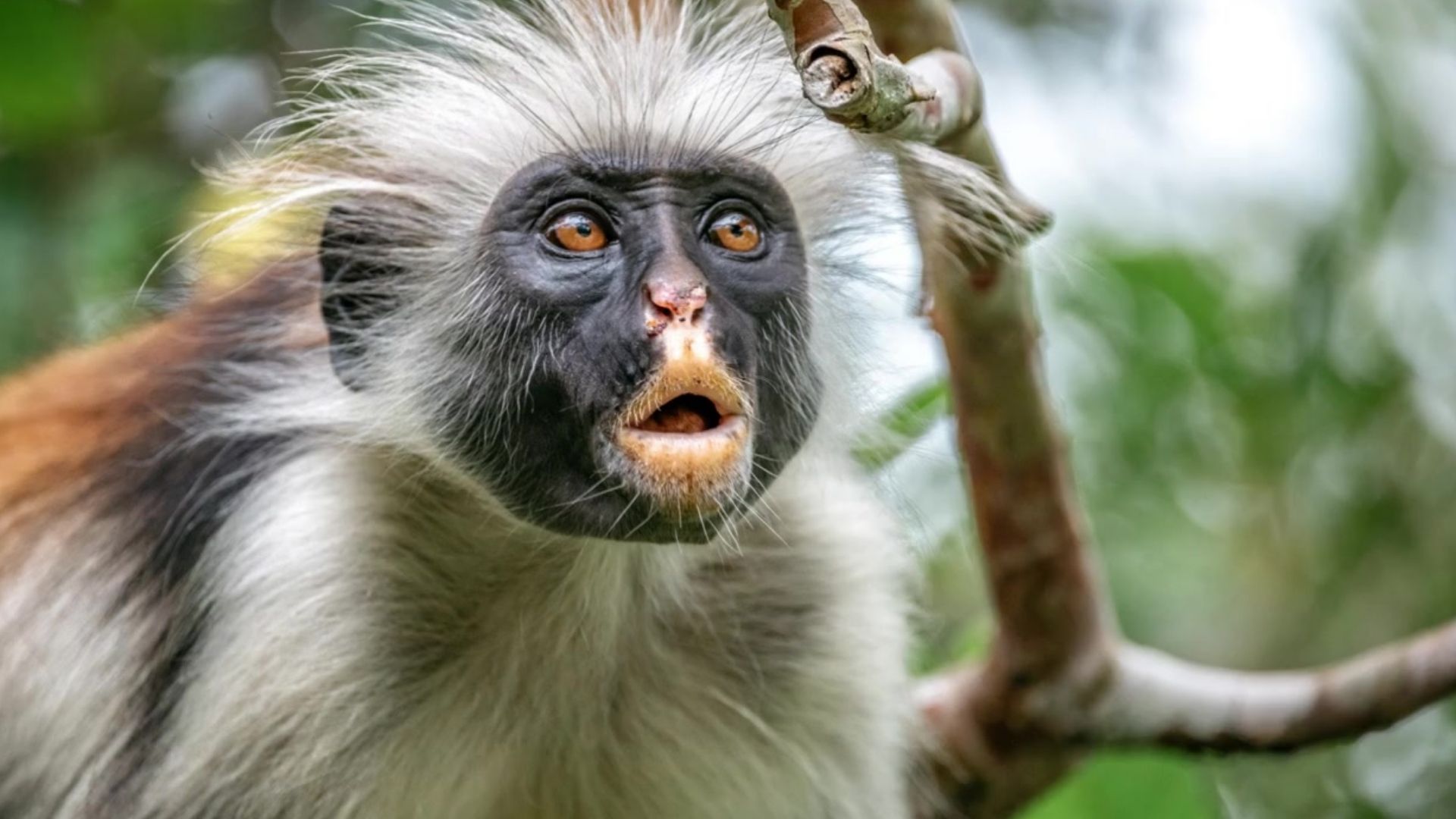
Miss Waldron’s Red Colobus displays a unique palette: chestnut-red fur with black and white markings, white whiskers, and tufts framing their expressive and emotive faces. Unlike most monkey species, their thumbs are mere stubs, giving their hands a four-fingered look. Adults can weigh up to around 10kg, with slender limbs and a long tail designed for deft swinging through the canopy. They leap with agility between dense foliage and enormous arbours in large, cohesive groups. Play, grooming and distinctive calls mark their hours and days. After feasting on leaves, they rest. Their complex stomachs do the hard work of breaking down tough plant fibres.
Deforestation through logging, charcoal production, cocoa farming and clearance for agricultural land (including industrial oil palm and rubber tree plantations), occurred over much of the species range in the last 50-60 years.
IUCN Red List
“The disappearance of Miss Waldron’s red colobus is a sign of a wave of extinction of animals that can only live in forests. How many of them will go? At what point will we care? It is going to be a cascade. It is the beginning of a series of extinctions of animals.”
Inza Koné, chair of the African Primatological Society. Mongabay

Threats
Palm oil, cocoa, and rubber deforestation
Miss Waldron’s Red Colobus stands at the frontline of critical deforestation. The expansion of palm oil, cocoa, and rubber plantations has driven catastrophic habitat loss across their limited range. These industrial crops, together with timber extraction and intensifying smallholder agriculture, have erased mature forests from south-eastern Côte d’Ivoire and south-western Ghana, erasing the monkey’s last havens. Unlike more adaptable species, Miss Waldron’s Red Colobus cannot survive outside dense, old-growth forests—the only world they have ever known.
Bushmeat hunting and wildlife trade
Entire groups have fallen to bushmeat hunters, their large size making them easy targets. Logging roads and increased access allow hunters deeper entry, compounding population collapse. Their stress-prone biology makes even brief disturbances lethal: groups fragment and fade, never returning. The region’s strong tradition of bushmeat consumption ensures constant pressure.
Diet
Miss Waldron’s Red Colobus is a specialist leaf-eater, relying on young, tender leaves of mature forest trees. They supplement this with fruits, seeds, and flowers, but leaves dominate their intake for most of the year. Their four-chambered stomach ferments tough plant material, much like a cow’s stomach, letting them exploit foods other primates ignore. When leaves become scarce, they adjust by eating seeds and flowers, sometimes foraging with other monkeys to find nutritious patches.
Mating & Reproduction
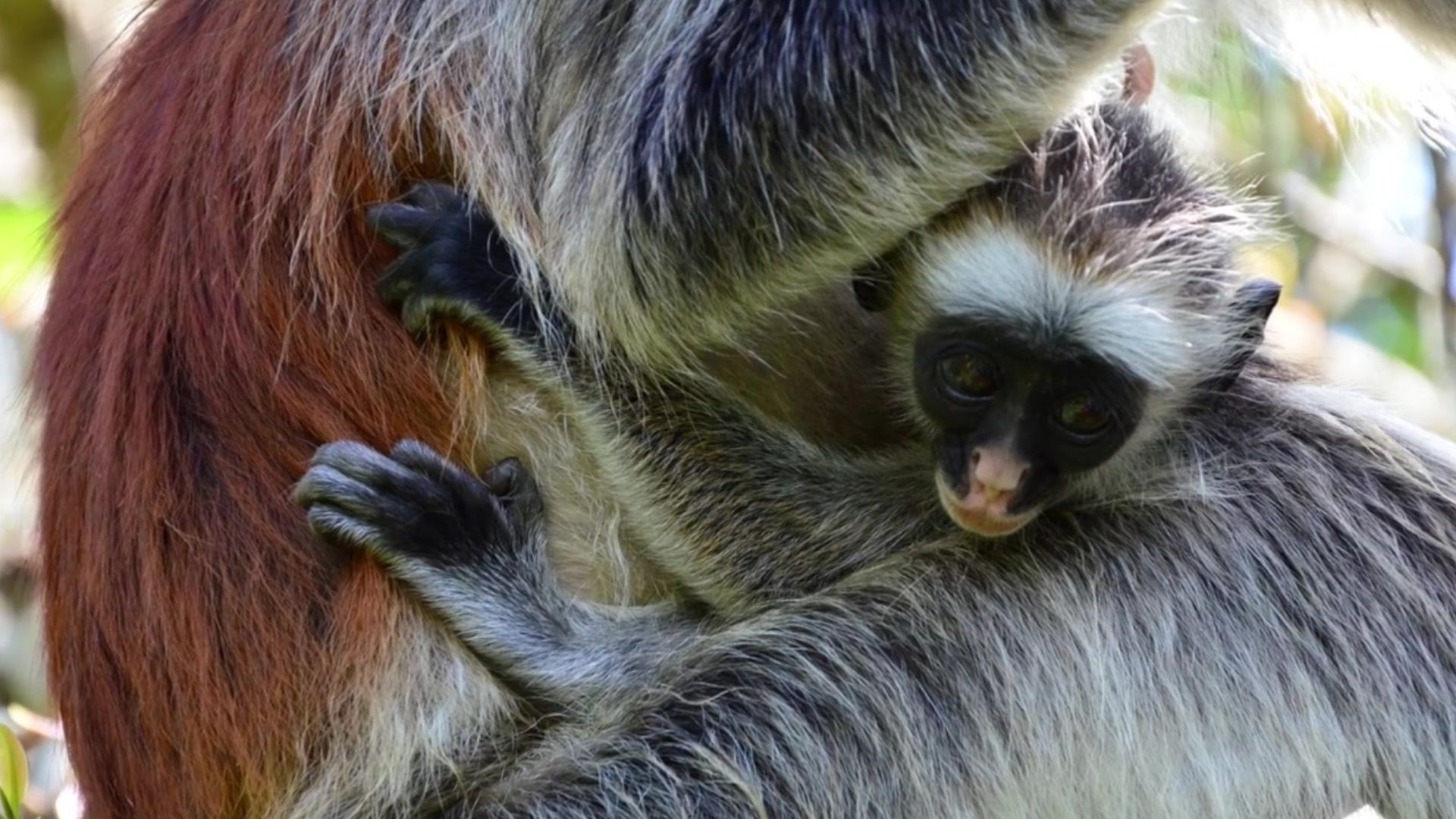
Females show distinctive sexual swellings, signalling their readiness to mate. Miss Waldron’s Red Colobus lives in multi-male, multi-female groups, with females typically leaving their birth group upon maturity. After mating, gestation lasts about five to six months, with single infants born during the rainy season. Mothers nurture their young closely—infants cling tightly as the group travels the canopy. Detailed data on their wild reproduction is limited because of the severe decline, but their social bonds are vital for raising the next generation.
Geographic Range
Historically, Miss Waldron’s Red Colobus ranged only in the dense, humid forests straddling eastern Côte d’Ivoire and western Ghana—never extending past the Volta River. Most recent evidence for their possible survival comes from the swamp forests between the Ehy lagoon and Tanoé River in south-eastern Côte d’Ivoire. Forest clearing for industrial and smallholder agriculture has eliminated almost all historic populations, leaving only the faintest hope that a remnant persists in inaccessible swamp forests.
FAQs
Are Miss Waldron’s Red Colobus extinct?
Miss Waldron’s Red Colobus is classified as Critically Endangered (Possibly Extinct). The last verified sighting was in 1978, and no living group has been seen by scientists in over forty years despite repeated surveys. Occasional reports, like a skin in 2002 and calls in 2008, leave a slim possibility that a tiny, non-viable remnant persists. Without meaningful sightings, extinction is imminent unless efforts uncover a surviving population.
How many Miss Waldron’s Red Colobus are left in the world?
There is no confirmed wild population of Miss Waldron’s Red Colobus remaining. Surveys have failed to detect any groups for decades, and experts consider the total population likely to be zero or functionally extinct. If any individuals survive, the group would be too small to recover naturally and may not reproduce.
Where do Miss Waldron’s Red Colobus live?
They are (or were) forest specialists, limited exclusively to the upper canopy of mature, moist swamp and semi-deciduous forests along the Ehy lagoon and Tanoé River in south-eastern Côte d’Ivoire, with small populations once present in south-western Ghana. These habitats have almost entirely disappeared due to palm oil, cocoa, and rubber expansion.
Are Miss Waldron’s Red Colobus intelligent?
Miss Waldron’s Red Colobus displays advanced social intelligence, shown by their cooperative group structures, complex vocalisations, and ability to form alliances with other monkeys to avoid predators. Their subtle communication and gentle social behaviour reflect the high intelligence characteristic of African colobines.
Take Action!
Fight for their survival every time you shop: #BoycottPalmOil #Boycott4Wildlife.
Support indigenous-led conservation and agroecology. Let your choices drive change—protect what remains of West Africa’s forest canopies by demanding transparent, deforestation-free supply chains and championing community-driven land management.
Support the conservation of this species
Further Information

Linder, J.M., Cronin, D.T., Ting, N., et al. (2024). Red colobus monkeys: Flagships for African tropical forest conservation. Conservation Letters. https://doi.org/10.1111/conl.13014
Minhós, T., Borges, F., Parreira, B., Oliveira, R., Aleixo-Pais, I., Leendertz, F. H., Wittig, R., Rodríguez Fernandes, C., et al. (2022). The importance of well protected forests for the conservation genetics of West African colobine monkeys. American Journal of Primatology, 84(1), e23453. https://doi.org/10.1002/ajp.23453
Oates, J.F., Koné, I., McGraw, S. & Osei, D. 2020. Piliocolobus waldroni (amended version of 2019 assessment). The IUCN Red List of Threatened Species 2020: e.T18248A166620835. https://dx.doi.org/10.2305/IUCN.UK.2020-1.RLTS.T18248A166620835.en. Downloaded on 15 February 2021.
Roberts, D. L., & Kitchener, A. C. (2006). Inferring extinction from biological records: Were we too quick to write off Miss Waldron’s Red Colobus Monkey (Piliocolobus badius waldronae)? Biological Conservation, 128(2), 285-287. https://doi.org/10.1016/j.biocon.2005.09.033

How can I help the #Boycott4Wildlife?
Take Action in Five Ways
1. Join the #Boycott4Wildlife on social media and subscribe to stay in the loop: Share posts from this website to your own network on Twitter, Mastadon, Instagram, Facebook and Youtube using the hashtags #Boycottpalmoil #Boycott4Wildlife.
2. Contribute stories: Academics, conservationists, scientists, indigenous rights advocates and animal rights advocates working to expose the corruption of the palm oil industry or to save animals can contribute stories to the website.



3. Supermarket sleuthing: Next time you’re in the supermarket, take photos of products containing palm oil. Share these to social media along with the hashtags to call out the greenwashing and ecocide of the brands who use palm oil. You can also take photos of palm oil free products and congratulate brands when they go palm oil free.
4. Take to the streets: Get in touch with Palm Oil Detectives to find out more.
5. Donate: Make a one-off or monthly donation to Palm Oil Detectives as a way of saying thank you and to help pay for ongoing running costs of the website and social media campaigns. Donate here
Discover more from Palm Oil Detectives
Subscribe to get the latest posts sent to your email.
 Palm Oil Detectives