
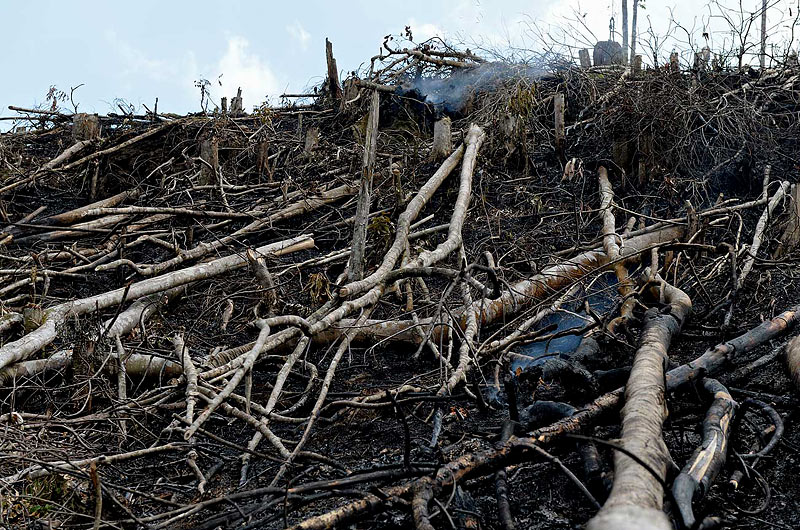
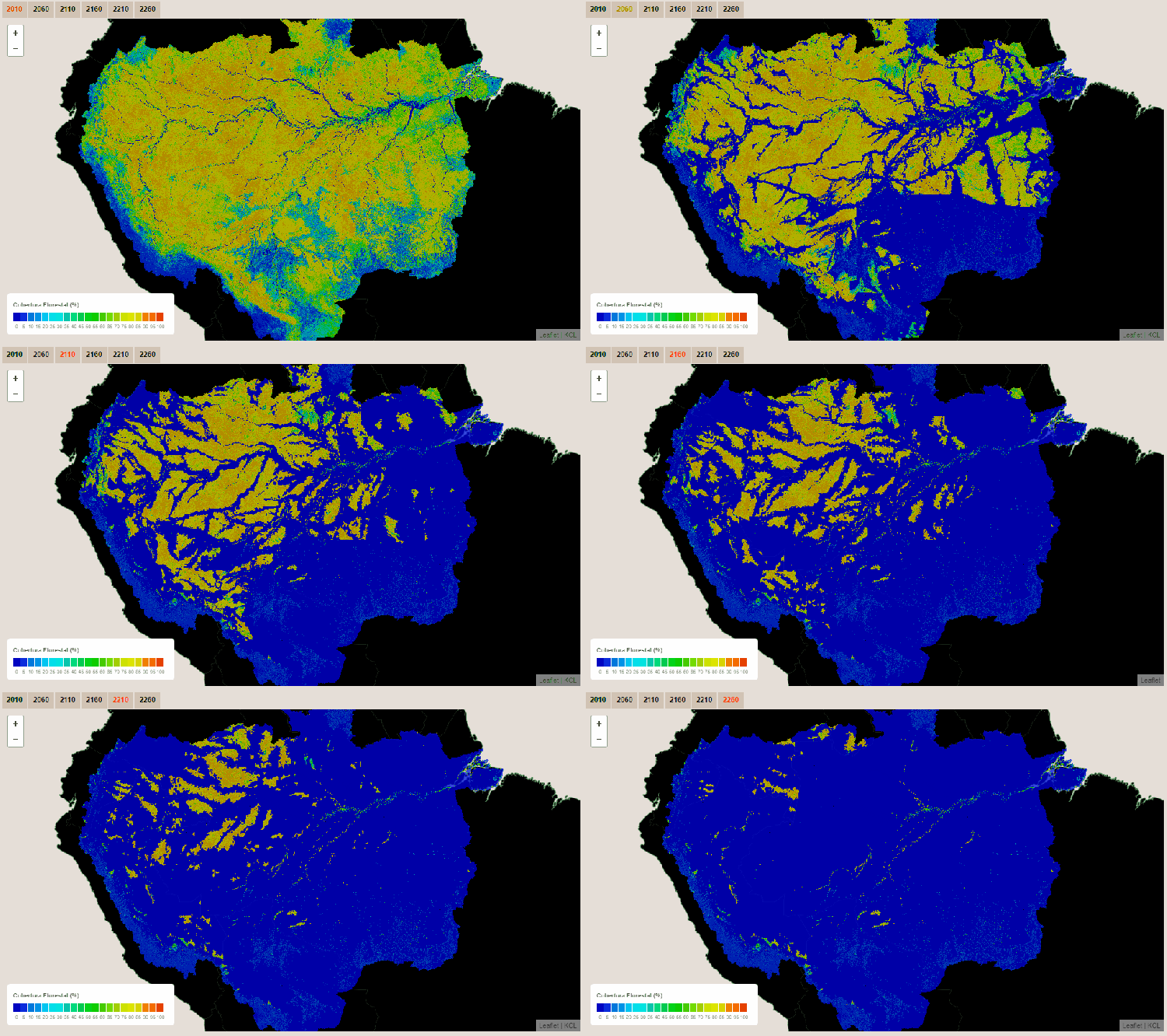
The Earth’s forests have been changing ever since the first tree took root. For 360 million years, trees have grown and been felled through a dynamic mix of hurricanes, #fires and natural regeneration. But with the dawn of the 17th century, humans began replacing large swathes of forest with farms and cities. The global pace of #deforestation has slowed in the 21st century, but #forests are still disappearing – albeit at different rates in different parts of the world. In the tropics, forest loss is accelerating in previously pristine wilderness. Help rainforests, wild animals and indigenous peoples to survive #BoycottPalmOil #Boycott4Wildlife
How #deforestation has changed #biodiversity 🌿🦏🦧🐘🦉 across the globe over the last 150 years. Fight back and resist #extinction every time you shop, go #Vegan 🥔🍆🫑 and #BoycottPalmOil 🌴🩸🚜💀🔥🚫⛔️ #Boycott4Wildlife @palmoildetect https://palmoildetectives.com/2021/02/24/how-forest-loss-has-changed-biodiversity-across-the-globe-over-the-last-150-years/
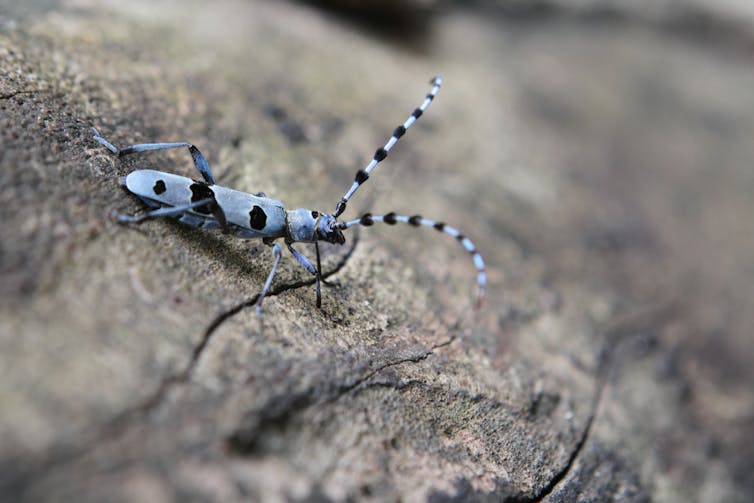
As forest cover has fluctuated over time, the biodiversity within forests has changed too. Forests support around 80% of all species living on land, but the species we see on our woodland walks today are likely to be different from those people saw in the past. Many species, such as the Alpine longhorn beetle, survive in intact old-growth forests, while species like the red fox have managed to thrive in areas with higher human impact.
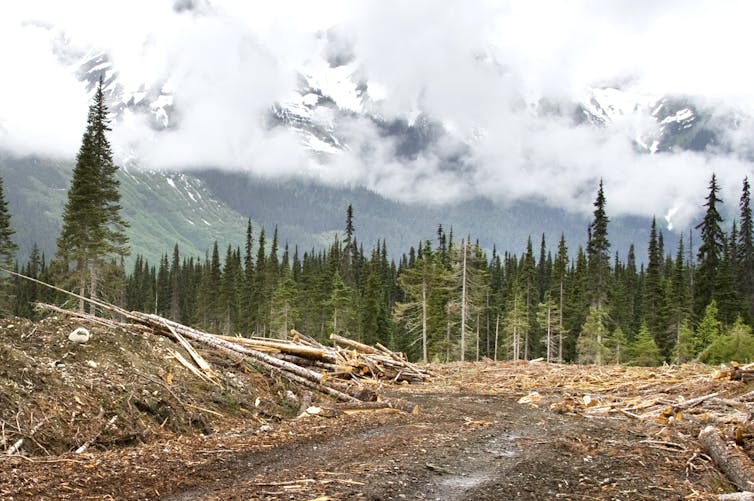
We wanted to know how changes in biodiversity worldwide are linked to changes in the world’s forests, but this was always difficult, as the effects of forest loss vary from one place to the next. How biodiversity shifts over time following forest loss hadn’t been explored across the globe – until now.
Diverse responses
In our new paper, we matched estimates of forest loss throughout history with records of the numbers and types of plants and animals monitored each year by scientists around the world.
Harnessing over five million records across 150 years at over 6,000 locations, we were surprised to find that forest loss didn’t always lead to declines in biodiversity. Instead, when forest cover declined, changes in biodiversity intensified, with increases in the abundance of some species and decreases in others. The composition of forest life – the different types of species present – was altered too. The rate at which these changes happened in each location accelerated as forest cover shrank.
Photos by Craig Jones Wildlife Photography in an RSPO certified palm oil plantation in Sumatra
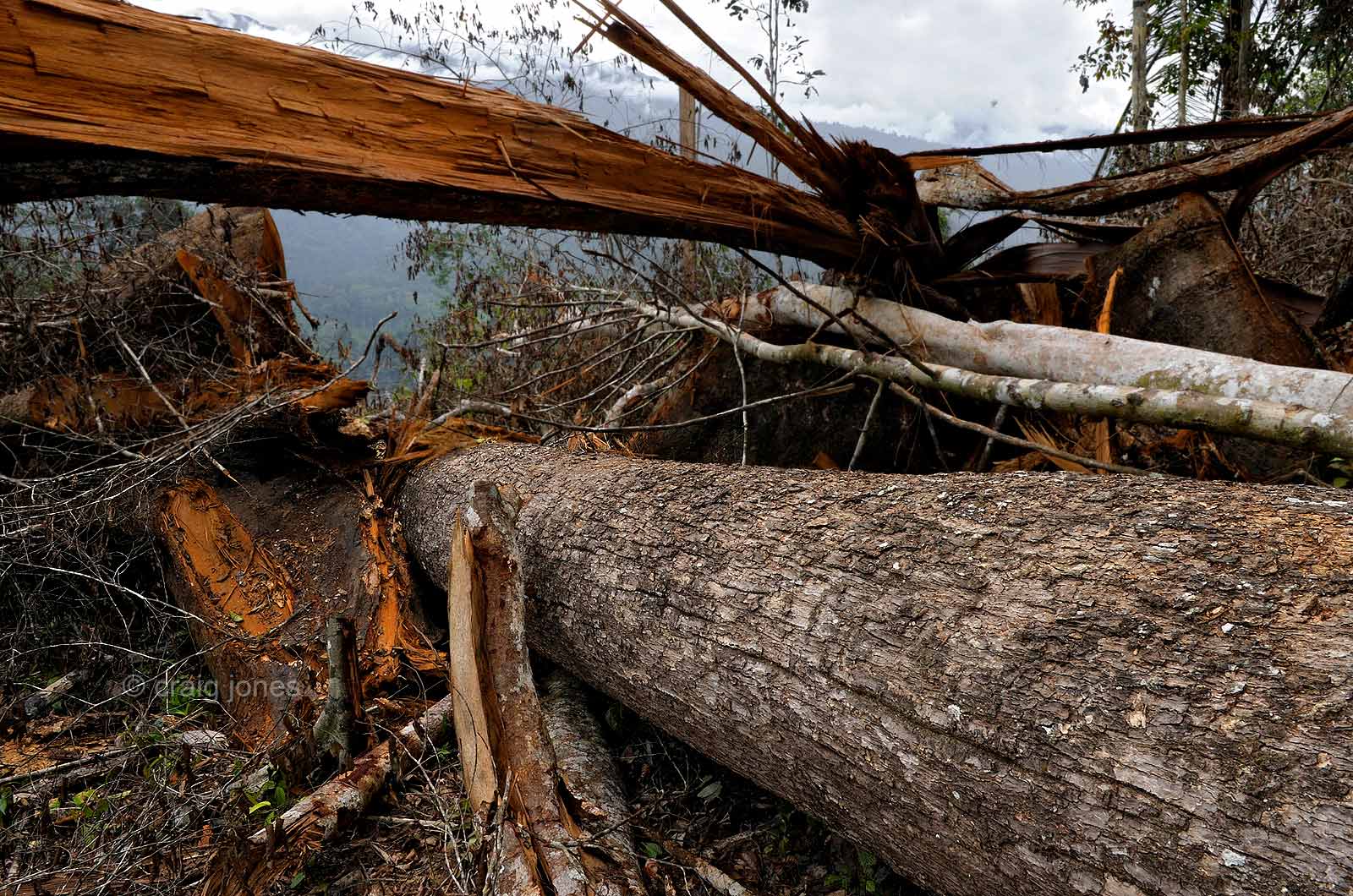
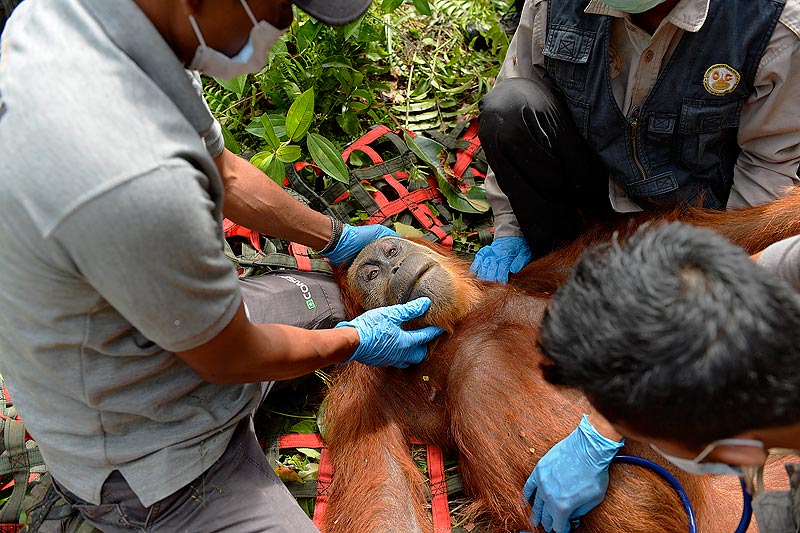
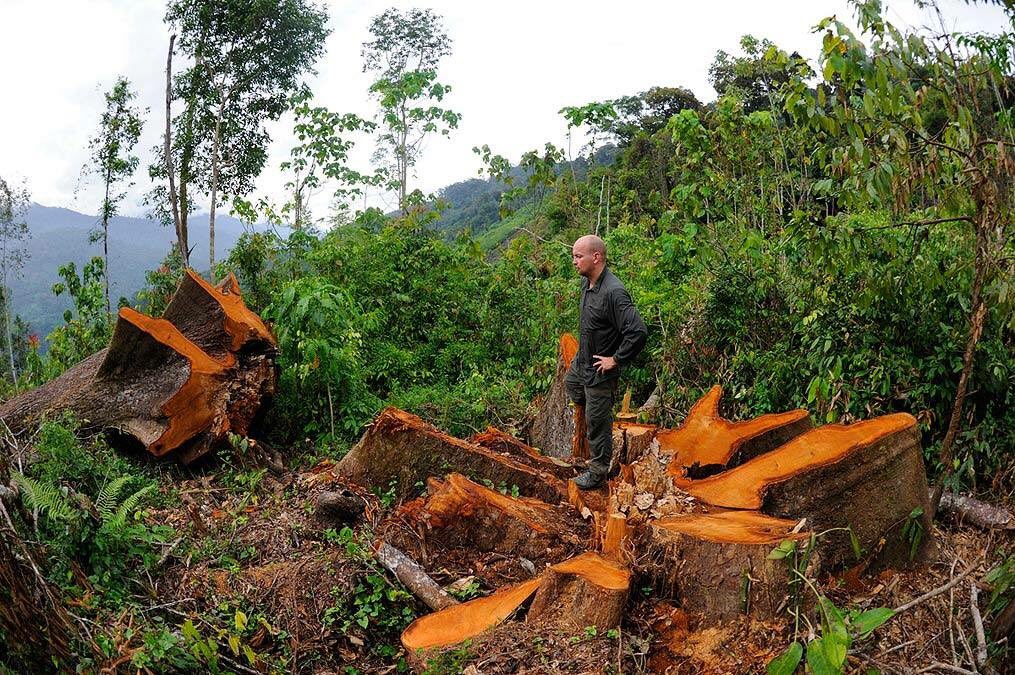


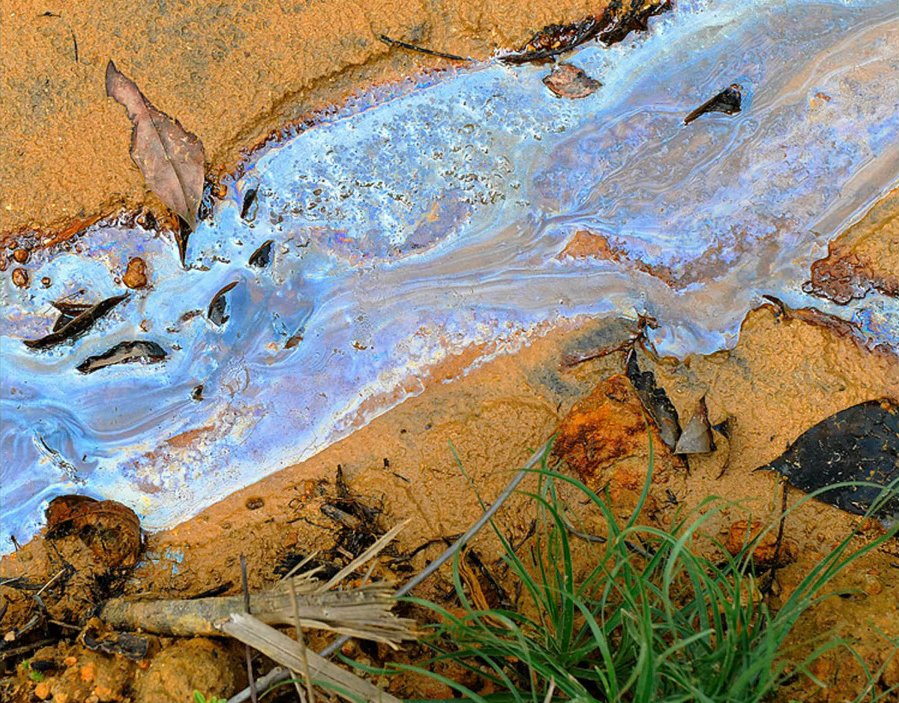

The effects of forest loss were not uniform in all places. The loss of the same sized patch of forest led to biodiversity declines in one area and increases in another. Knowing the history of a particular place was important for understanding this variation. Whether or not forest loss of that magnitude had occurred at that location in the past usually determined what happened in the present. Once pristine forests saw biodiversity declines and historically disturbed forests often experienced no change or even saw increases in biodiversity.
When forests were lost in previously pristine wilderness, we found declines in the abundance of animals like swift parrots in Australia, tigers in Russia and capercaillies (a type of grouse) in Spain. These species only tend to thrive in ancient and lightly disturbed forest habitats.
The species that we discovered increasing in abundance after forest loss included white storks, Eurasian skylarks, red deer and red foxes – species which have evolved alongside disturbance and are more adaptable.
Delayed effects
Changes in biodiversity didn’t always immediately follow forest loss. We discovered that the pace at which forest loss altered biodiversity differed among short-lived species, such as light-loving plants like St John’s wort, and longer-lived species like red-tailed hawk. The longer the lifespan of a species, the longer it took for the effects of forest loss to register.
Sometimes the effects carried across generations. Red-tailed hawks may manage to raise their young alongside deforestation, but these offspring may struggle to prosper in the shrinking habitat, and ultimately fail to produce young of their own. If resources are scarce, species with longer lifetimes could persist but not reproduce for decades. That’s how the impact of forest loss on such species might only appear decades after the first wave of deforestation.
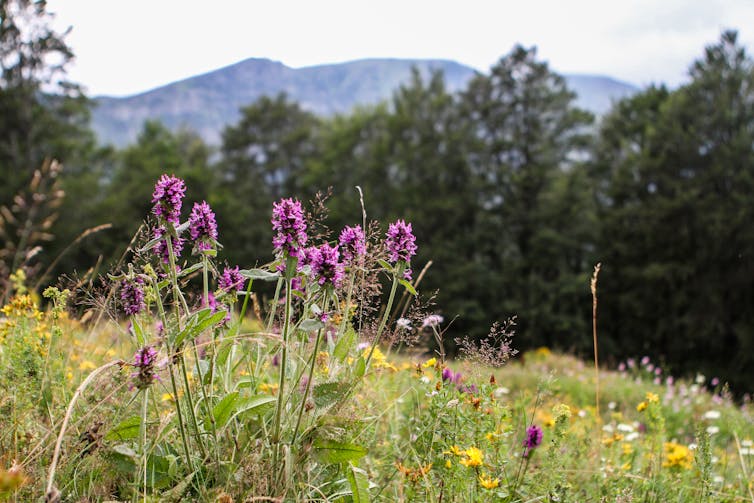
These delayed effects highlight how important it is to monitor plants and animals over decades. A single snapshot in time cannot detect the full extent of human impacts on biodiversity. With a longer perspective, we are better equipped to conserve Earth’s biodiversity not just now, but for decades to come.
By combining datasets from around the world, we can understand the state of the world’s forests and of the millions of plants and animals they support. Changes in the biodiversity matter because they directly affect the benefits that forests provide for people, such as clean air and a brake on climate change. With a better understanding of how forest loss influences biodiversity, we can improve future conservation and restoration efforts around the planet.
Maria Dornelas, Reader in Biology, University of St Andrews; Gergana Daskalova, PhD Candidate in Global Change Ecology, University of Edinburgh, and Isla Myers-Smith, Chancellor’s Fellow in Global Change Ecology, University of Edinburgh
This article is republished from The Conversation under a Creative Commons license. Read the original article.
Take Action in Five Ways
1. Join the #Boycott4Wildlife on social media and subscribe to stay in the loop: Share posts from this website to your own network on Twitter, Mastadon, Instagram, Facebook and Youtube using the hashtags #Boycottpalmoil #Boycott4Wildlife.
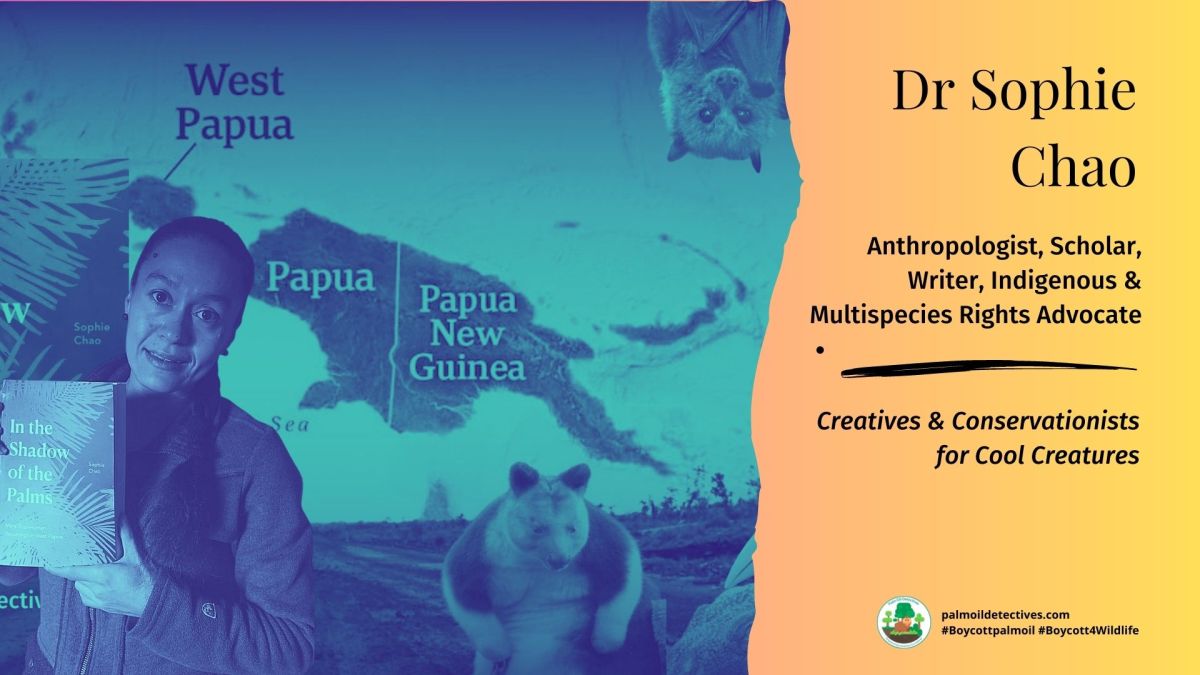
2. Contribute stories: Academics, conservationists, scientists, indigenous rights advocates and animal rights advocates working to expose the corruption of the palm oil industry or to save animals can contribute stories to the website.



3. Supermarket sleuthing: Next time you’re in the supermarket, take photos of products containing palm oil. Share these to social media along with the hashtags to call out the greenwashing and ecocide of the brands who use palm oil. You can also take photos of palm oil free products and congratulate brands when they go palm oil free.
4. Take to the streets: Get in touch with Palm Oil Detectives to find out more.
5. Donate: Make a one-off or monthly donation to Palm Oil Detectives as a way of saying thank you and to help pay for ongoing running costs of the website and social media campaigns. Donate here
Discover more from Palm Oil Detectives
Subscribe to get the latest posts sent to your email.
 Palm Oil Detectives
One thought on “How forest loss has changed biodiversity across the globe over the last 150 years”