
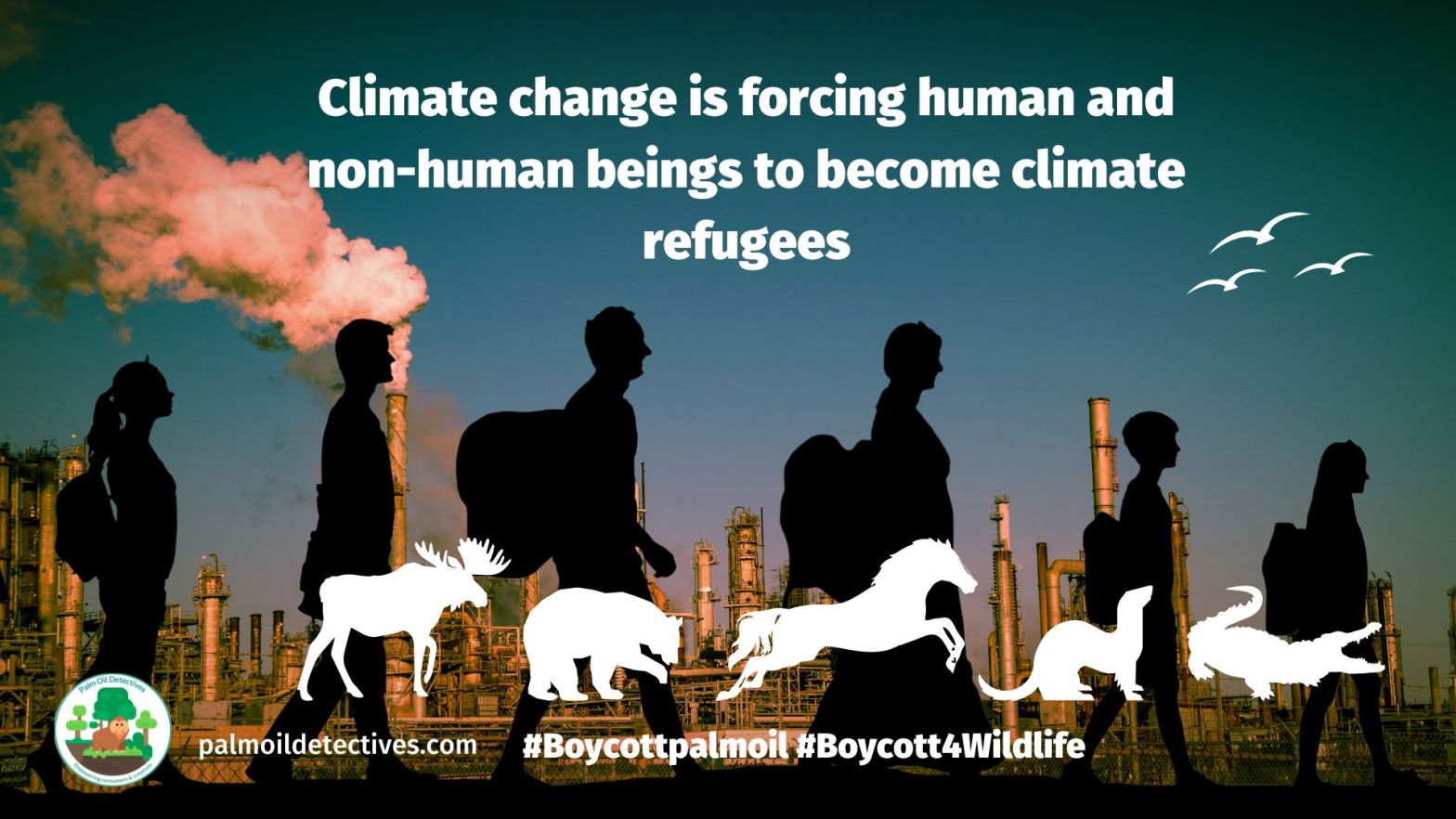
Climate change. Climate denial. Global warming. Call it what you will, the planet is shouting at us. We have ignored the warning signs for decades, but we can no longer ignore what is happening right now.
Decade old muted warnings have now become loud alarms. We need #ClimateActionNow to prevent human and non-human beings becoming #climatechange refugees. By @RStacilee #Boycott4Wildlife https://palmoildetectives.com/2022/07/31/climate-change-is-forcing-human-and-non-human-beings-to-become-climate-refugees/ via @palmoildetect
The definition of refugee or displaced person is someone fleeing a life-threatening crisis. The emerging refugees of this century are fleeing unliveable environmental conditions brought about by climate change and other complex interrelated factors including conflict, disease and famine. Humans and non-human beings alike are becoming climate change refugees. The choices are stark and clear – move and live or stay where you are and perish.
What started out decades ago as muted warnings about the future have now turned into blaring bull horns. Politicians waste time spinning whatever tales fit their agenda but we are out of time if we don’t want to go down with the sinking ship called Earth.
The damage we have done to the planet’s natural resources can never be undone. Equally damaging is the lack of political will to pivot to more sustainable less damaging forms of energy or food production. None of this happened in a bubble nor did it happen overnight.
According to the Internal Displacement Migration Centre (IDMC)’s 2022 GRID report, from the total of 38 million new internal displacements registered in 2021, 23.7 million were triggered by disasters. At the end of 2021, at least 5.9 million people in 84 countries and territories were living in displacement as a result of disasters that happened not only in 2021, but also in previous years (IDMC, 2022).
As far back as the 1970s and 80s we knew much of the damage we were doing. One can only blow up so many mountains or release so many chemicals into the air and water before our fragile ecosystems become damaged beyond repair.
We humans attribute the term refugee (or displaced person) only to other humans. However, the reality is that any living creature who is forced to leave their native home in order to survive is a climate refugee or a climate displaced being.
For non-human beings, the extreme impacts of climate change mean either dying or quickly adapting and moving on. In many cases, adaptation is not a realistic or feasible choice.
For humans living at sea level on the coast – they too will face having to migrate to higher ground and risk losing their homes to coastal erosion and rising tides. These changes are already occurring in different parts of the world.

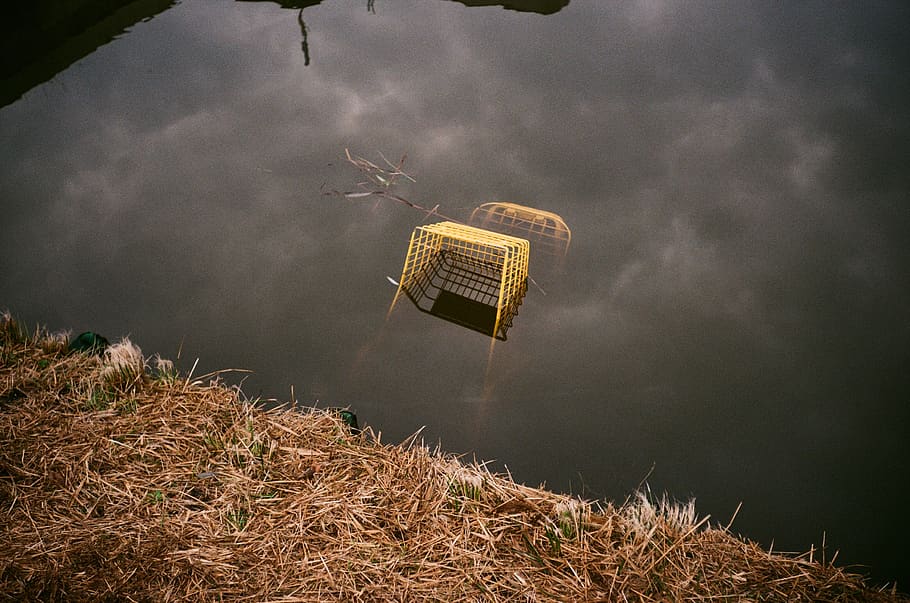
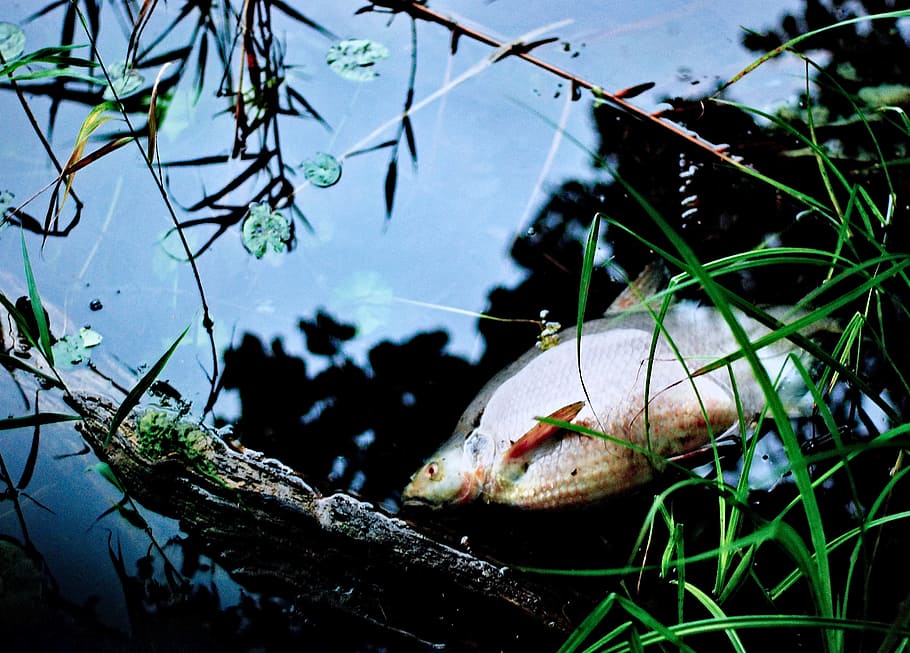
What the oceans tell us
We’ve all heard the news stories with dire warnings about a warming ocean, rising tides and ocean acidification. This is having a devastating effect on marine animals, as they rely on shells for protection. Acid in the water is thinning the delicate shells of these crustaceans and putting species survival in jeopardy.
Rising tides have already caused erosion for many coastal dwellers. For many small island nations that means many residents will be forced to emigrate or (if possible) move inland. In wealthy nations, waterfront property that was once highly prized will become harder to sell. As buyers will weigh up the likelihood of the property being flooded.
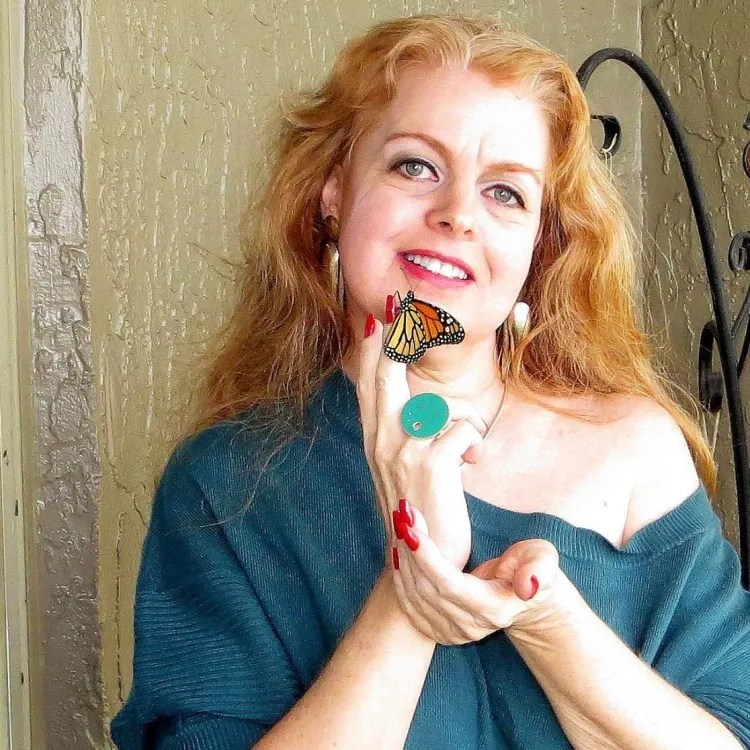
Bio: Staci-Lee Sherwood
Staci-Lee Sherwood is a courageous writer and passionate animal advocate based in the US who highlights the plight of frequently forgotten species on the brink of extinction, as well as persecuted species, such as wild horses and wolves in her home country. She started Reality Checks with Staci-Lee as a way of providing helpful information to concerned animal lovers about what is really happening to wild animals in America. She does not shy away from naming and shaming individuals, corporations and government agencies responsible for this immense cruelty. In addition to her website Reality Checks with Staci-Lee, she often publishes companion videos on Youtube. She is a part of the #Boycott4Wildlife collective of activists and she is deeply concerned about the threat of palm oil agriculture, deforestation, poaching and other threats on rare rainforest animals.
Her work has been published in Scubaverse, Emagazine, Wild World magazine, Sea Speak Sphere, DiscoverScience 2020, Pagosa Daily Post, Daily Kos, The Good Men Project, Straight from the Horse’s Heart, Spirit Change and her poetry has been published in Fevers of the mind.
Follow Staci-Lee Sherwood
Boycott the brands causing deforestation for palm oil, soy and meat by joining the #Boycott4Wildlife
Discover more from Palm Oil Detectives
Subscribe to get the latest posts sent to your email.
 Palm Oil Detectives
Everyone will become a climate refugee in the end 🌍🙏
LikeLiked by 1 person
Absolutely…it is insane what the people in power are doing to our world and all of the rest of us will suffer as a result of their greed, which is why it’s good to boycott the corrupt brands responsible for ecocide, it is a great and empowering way to personally make a difference in the face of vast corruption. #Boycott4Wildlife
LikeLiked by 1 person
Yes. That is the problem…
LikeLiked by 1 person
well done1 thanks so much!
LikeLike