
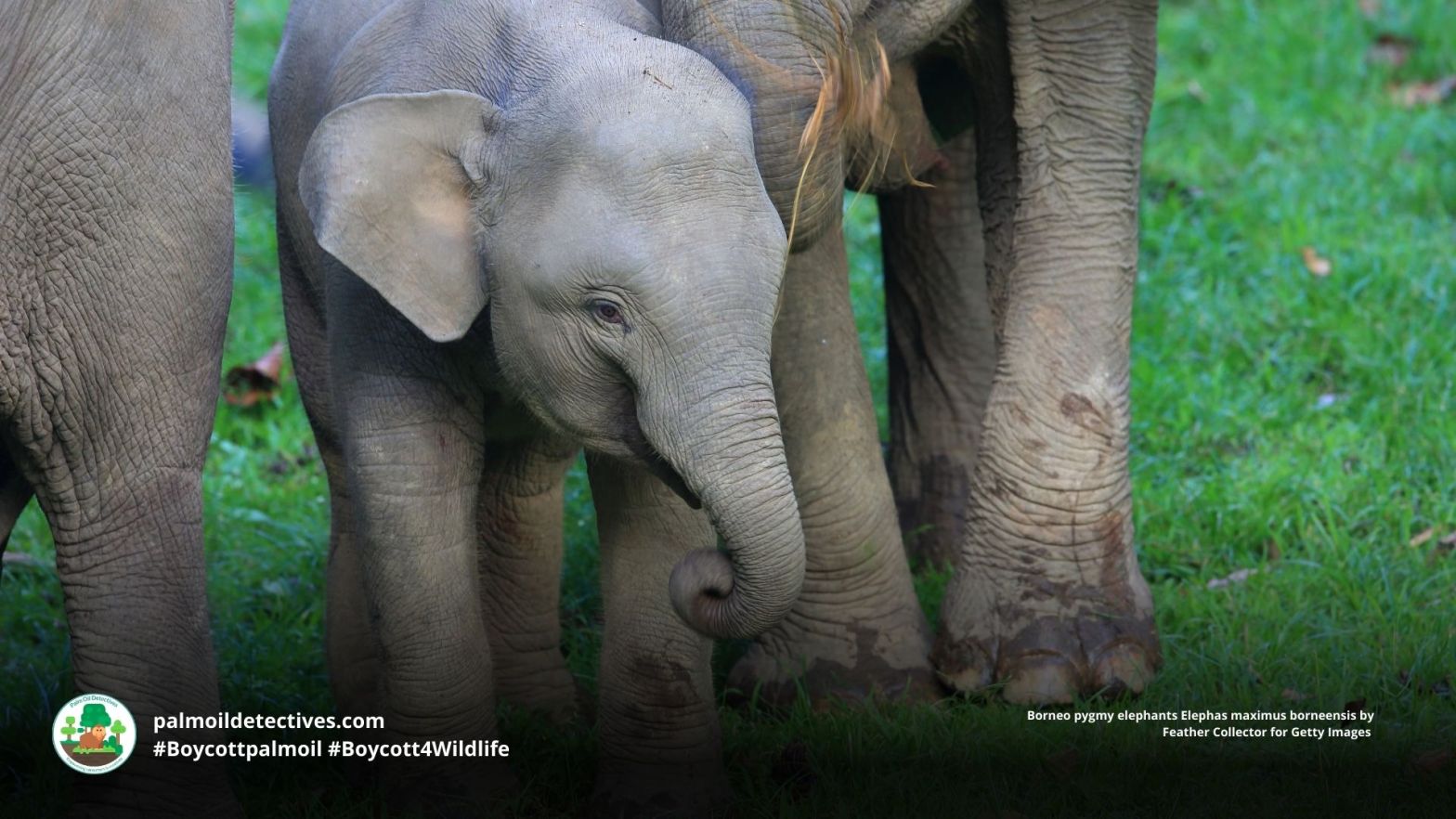
World Elephant Day, celebrated on August 12th, honours the gentle and nurturing giants of Asia and Africa, who are revered for their deep spiritual wisdom, gentle strength, and nurturing natures. Over the past decade, their numbers have plummeted by 62% due to habitat encroachment for palm oil deforestation, other agriculture, infrastructure expansion, mining and the cruel #poaching for ivory. Without radical intervention, these magnificent beings could be near #extinction by the 2060s. Yet, do not despair because hope endures in the form of activism. Explore the extraordinary resilience and intelligence of pachyderms, and discover how you can help safeguard their future with consumer boycotts and supporting organisations fighting wildlife crime. #BoycottPalmOil #Boycott4Wildlife
Celebrate #WorldElephantDay every day 🐘💌🩶 #Elephants are famous for their gentle intelligence and strength. They need your help! Learn about how you can fight for #elephant lives when you shop 💖✨ #BoycottPalmOil 🌴🚫#Boycott4Wildlife @palmoildetect https://wp.me/pcFhgU-8Jg
The Wisdom and Power of #Elephants 🤓🐘🎉 Let’s honour the gentle and nurturing giants of #Africa and #Asia. Elephants are endangered by #palmoil 🌴⛔️ #meat #deforestation and #poaching. Help them when you #Boycottpalmoil #Boycott4Wildlife @palmoildetect https://wp.me/pcFhgU-8Jg
World Elephant Day, celebrated on August 12th, honours one of Earth’s most magnificent creatures, the faithful, gentle and powerful elephant species of Asia and Africa. Over the past decade, the number of elephants has significantly dropped by 62% due to multiple threats, the main ones being deforestation for palm oil and meat and the illegal killing of elephants for the black market of wildlife trophies.
According to these grim figures, without radical intervention, many elephant species are likely to be close to extinction by the 2060’s. However, all is not lost for elephants and together we can fight for their survival. Read on to discover the many incredible demonstrations of elephant resilience, strength and intelligence, along with some concrete ways that you can fight for elephants. #Boycott4Wildlife
Elephants: Majestic Icons of Culture and Mythology
Elephants have been revered and depicted in mythology, symbolism, and popular culture for millennia. They are admired for their strength, wisdom, and significant roles in various religious traditions. In Hinduism, elephant-headed deity Ganesha, symbolises wisdom and new beginnings. The elephant is also a revered symbol in Buddhism, particularly in Thailand, where the white elephant is considered sacred.
In African folklore, elephants are often depicted as wise and strong leaders. They symbolise strength, loyalty, and intelligence. In many cultures, elephants are also associated with royal power and majesty. For example, in the Kingdom of Dahomey (now Benin), the elephant was a symbol of the rulers’ strength and enduring legacy.
The Grim Reality: Threats Facing Elephants Today
Elephants are divided into three species with distinct subspecies, each facing severe threats:
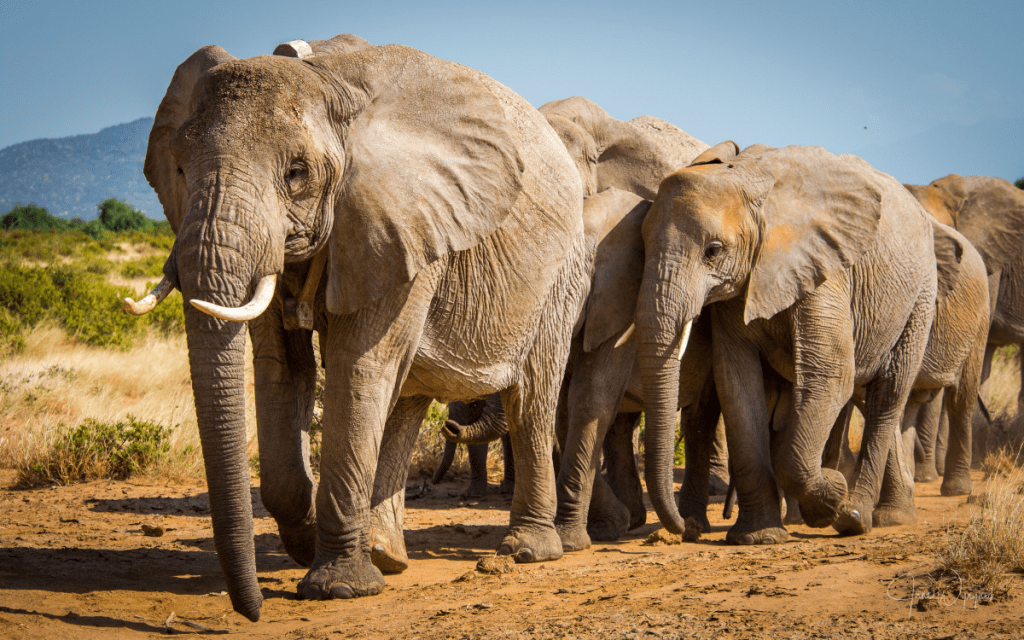
African Savannah Elephant Loxodonta africana africana – Endangered
African Forest Elephant Loxodonta cyclotis – Critically Endangered

African Forest Elephants Help Fight Climate Change
Discover the awe-inspiring role of African forest elephants in the Congo Basin—nature’s master gardeners who literally shape the world around them! These gentle giants roam through muddy, mineral-rich paradises…
Keep reading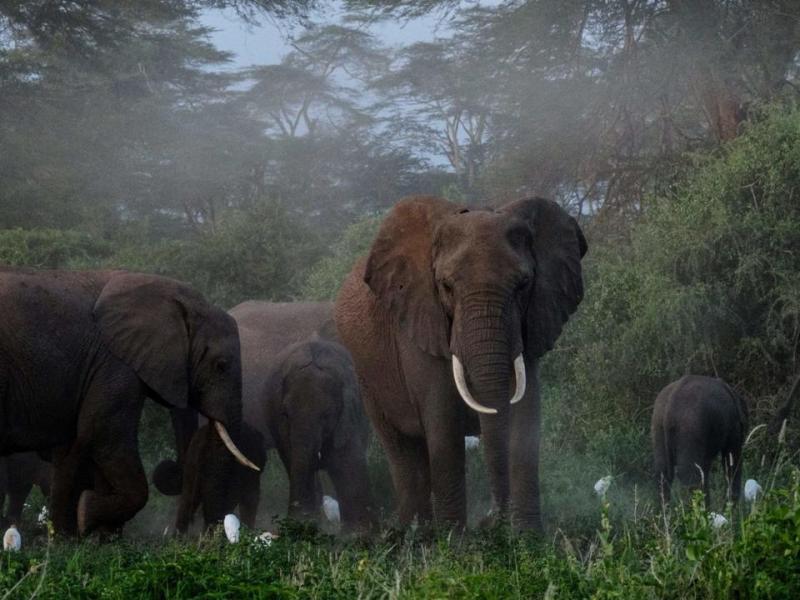
African Forest Elephants’s Movements Depend on Their Personalities
African forest #elephants roam the dense rainforests of West and Central Africa where they subsist largely on a diet of fruit. They shape forests by dispersing fruit and seeds,…
Keep reading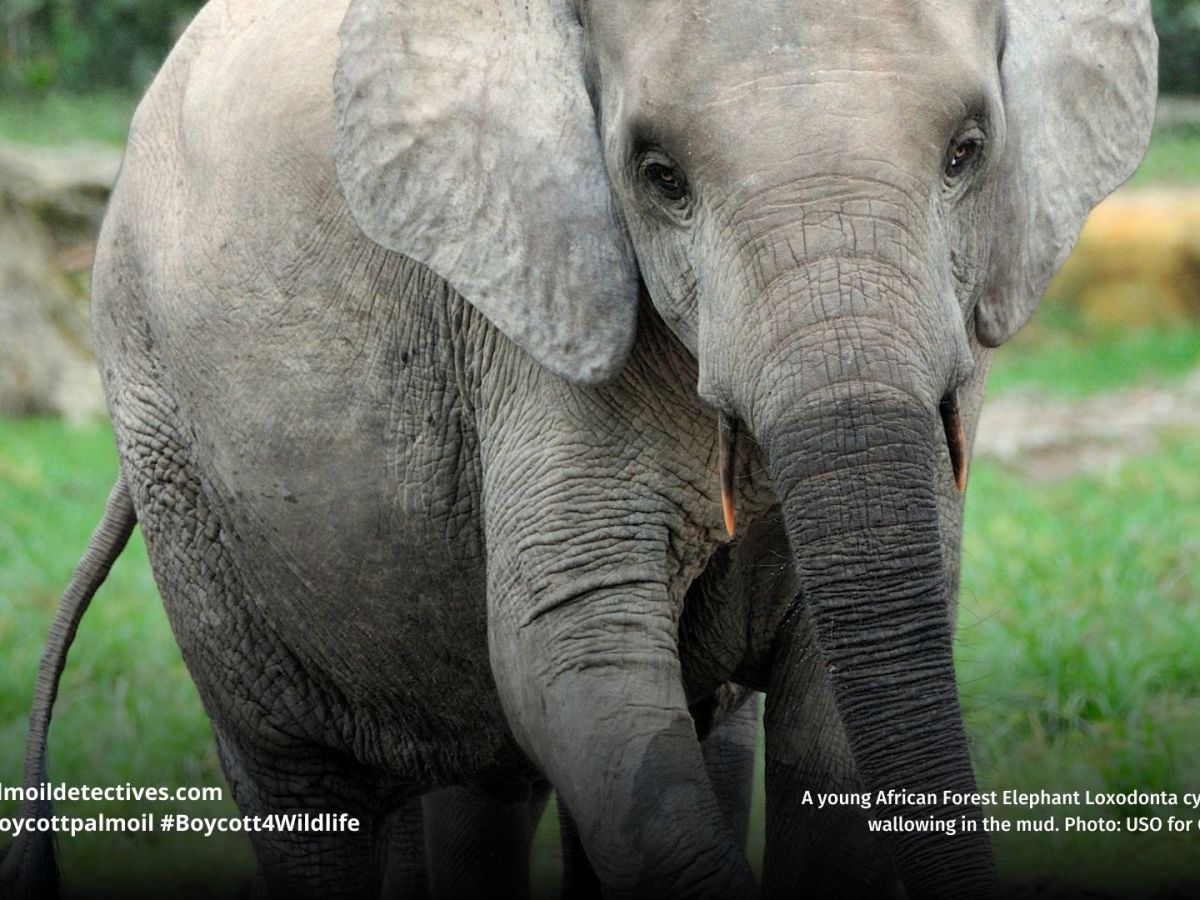
African Forest Elephant Loxodonta cyclotis
Protect African Forest Elephants! These critically endangered ecosystem engineers are vital for rainforest health but face extinction from poaching, ecocide
Keep readingAsian Elephant Elephas maximus
Asian Elephant sub-species:
- Sri Lankan Elephant (Elephas maximus maximus) – Endangered
- Indian Elephant (Elephas maximus indicus) – Endangered
- Sumatran Elephant (Elephas maximus sumatranus) – Critically Endangered
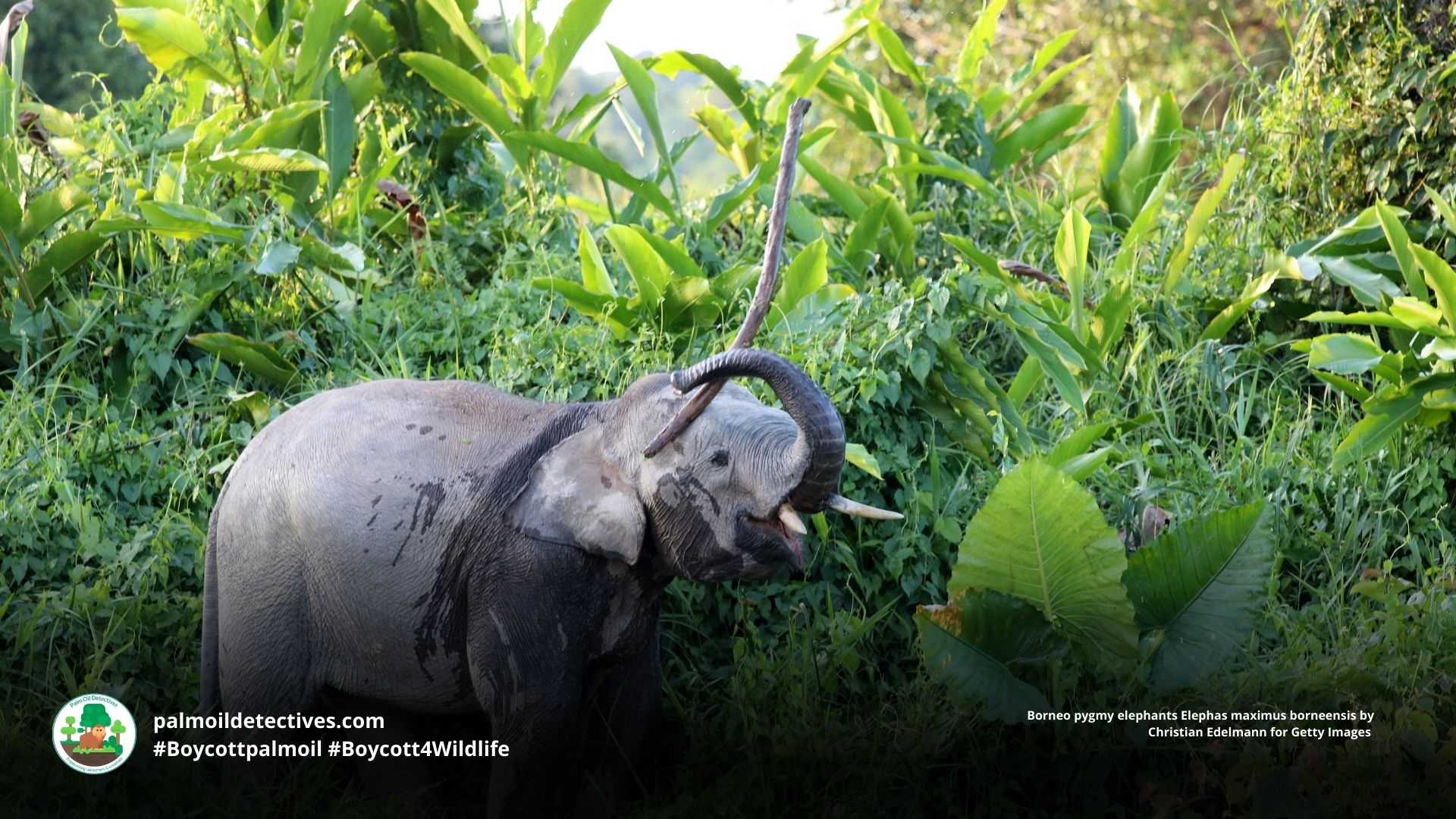
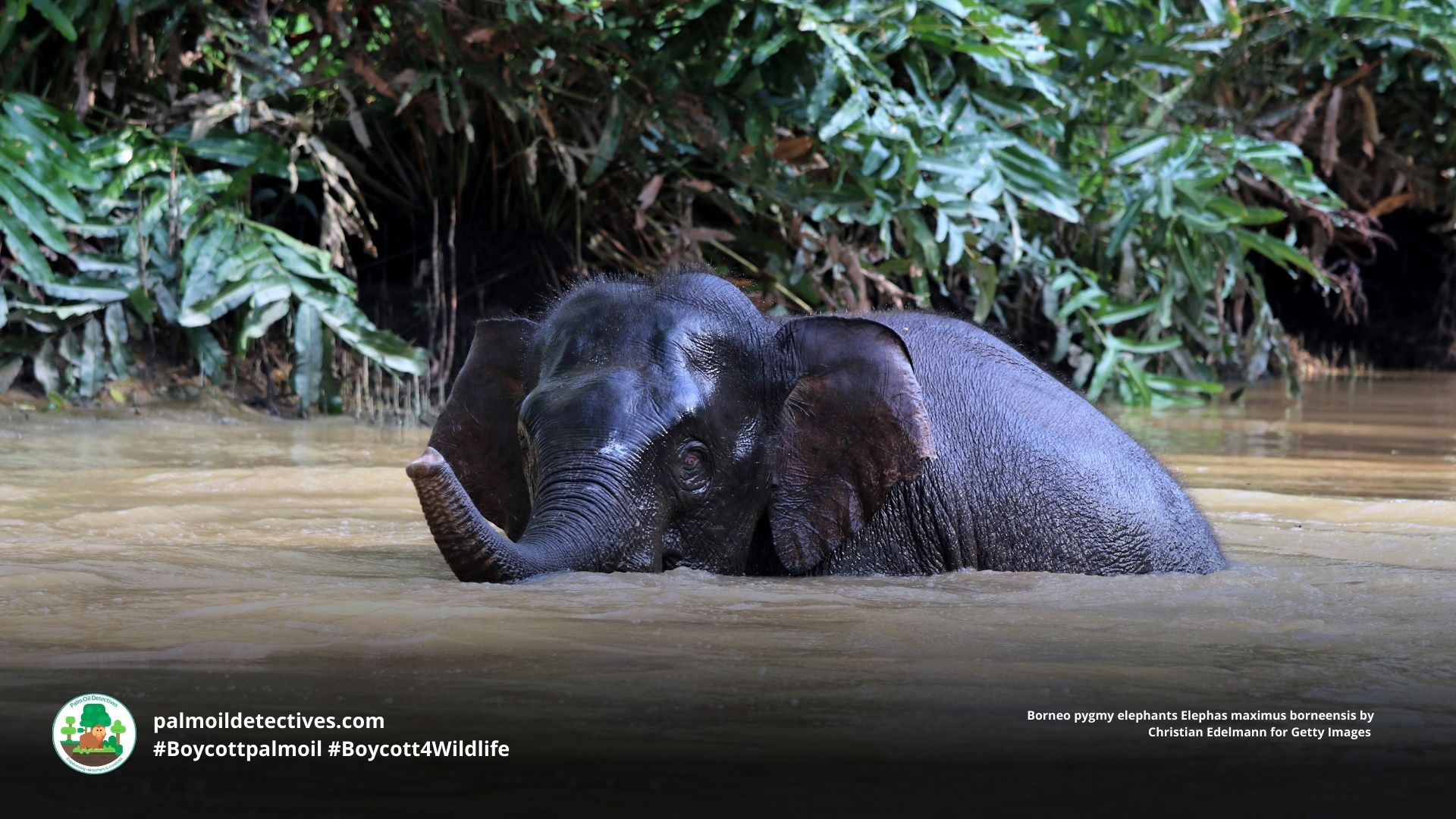
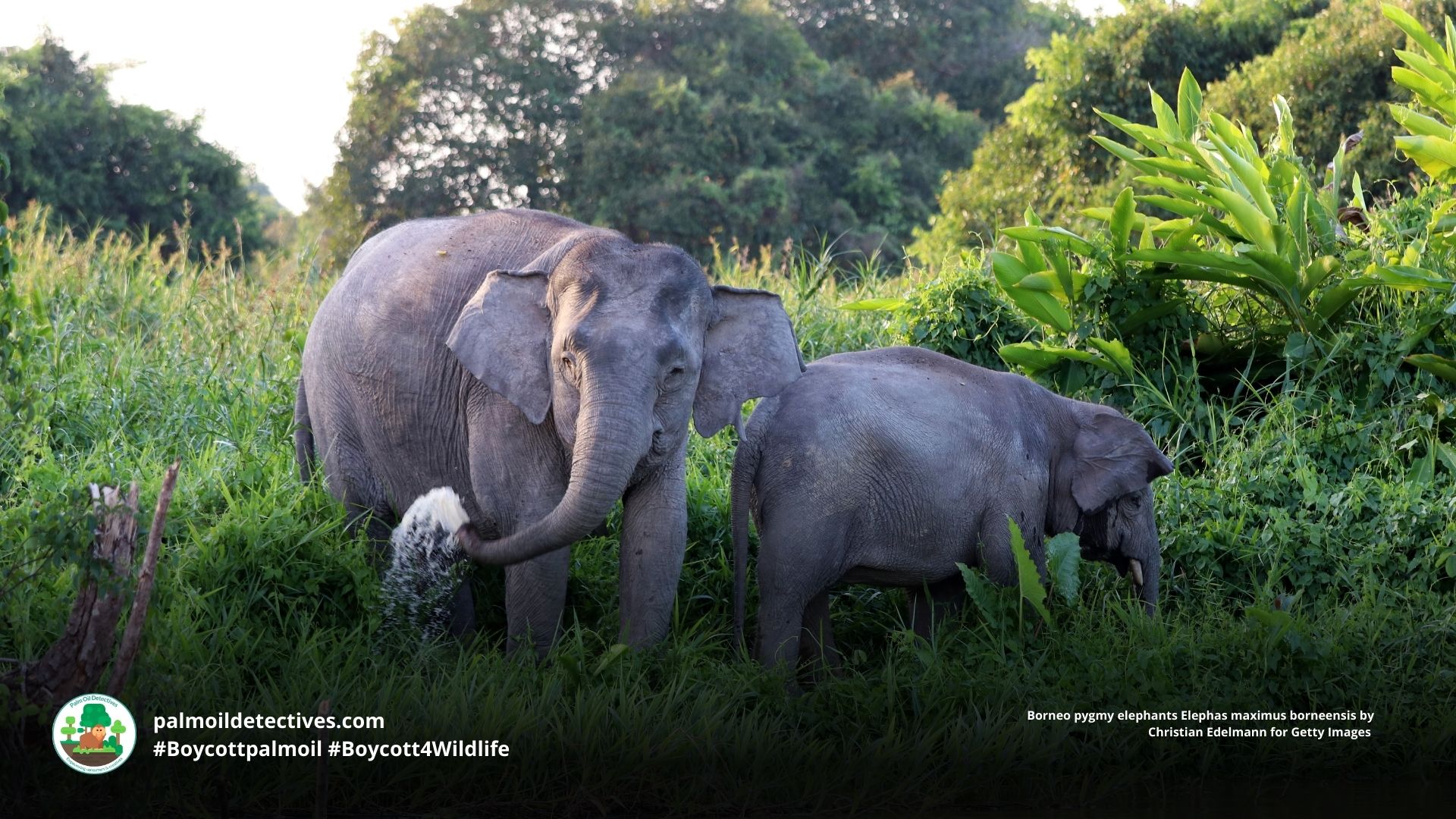
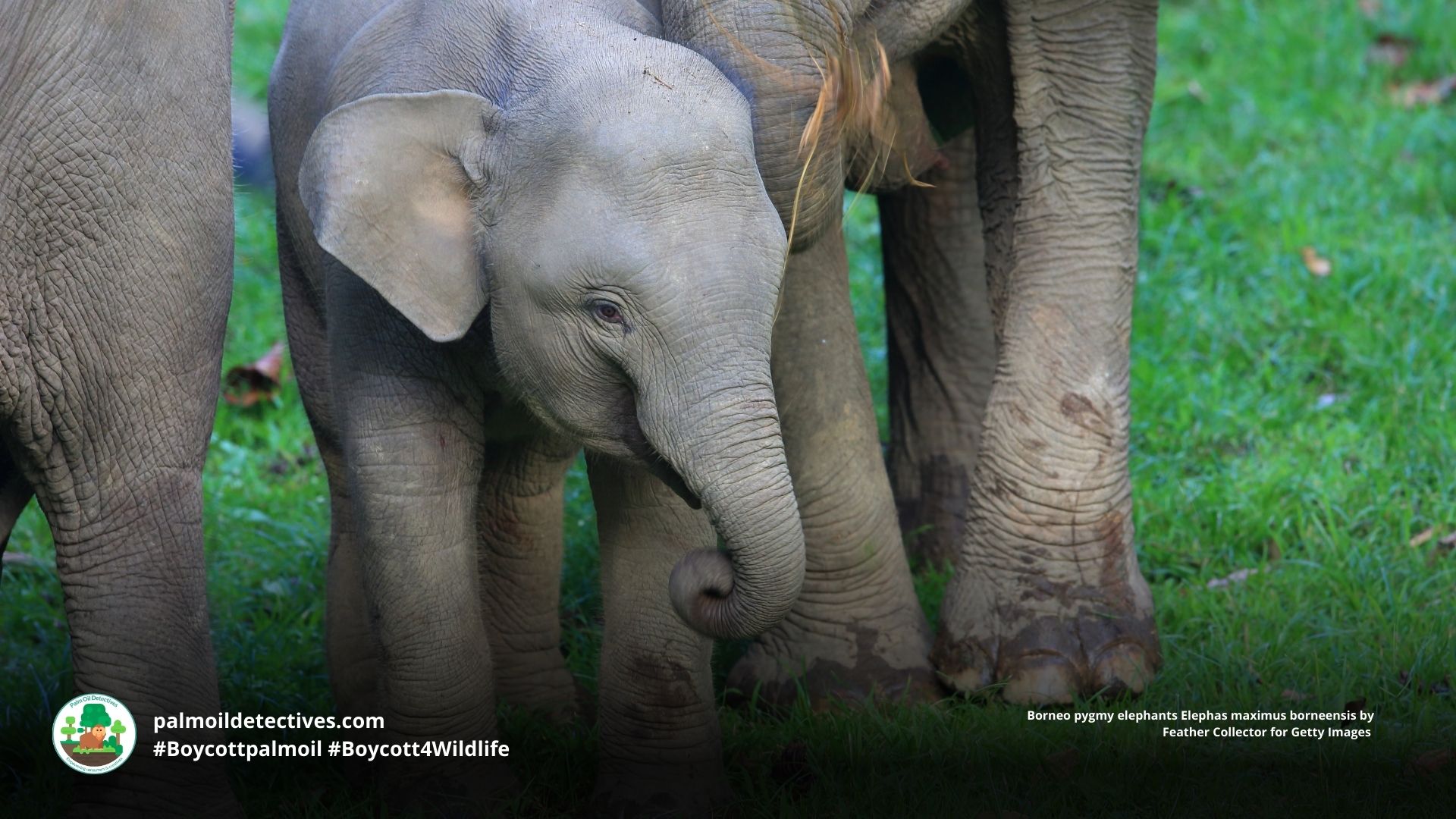
- Borneo Elephant (Elephas maximus borneensis) – Endangered
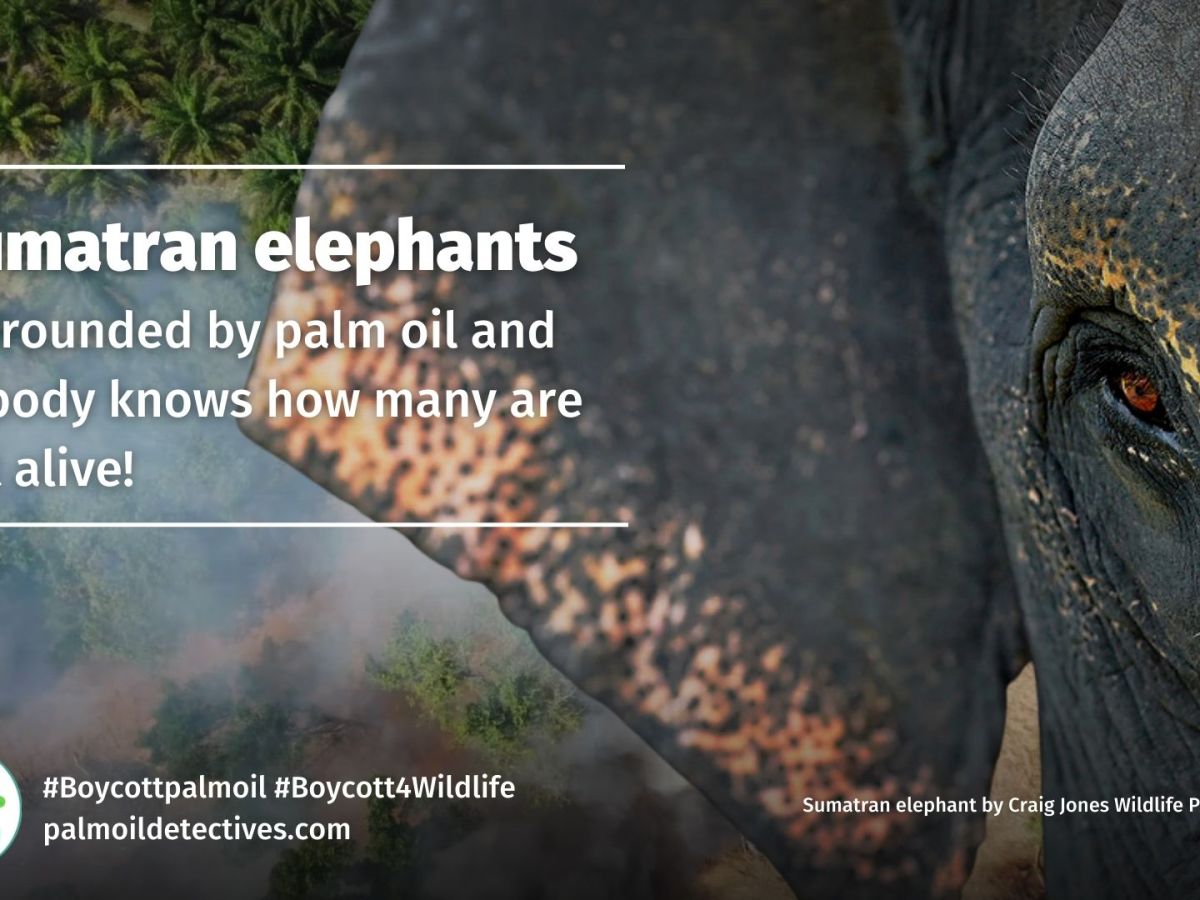
Sumatran elephants: Surrounded by palm oil and nobody knows how many are left alive!
Sumatran elephants in Indonesia’s North Aceh district are being increasingly encircled by shrinking patches of forest. Their home is being destroyed primarily for oil palm plantations.
Ongoing…
Keep reading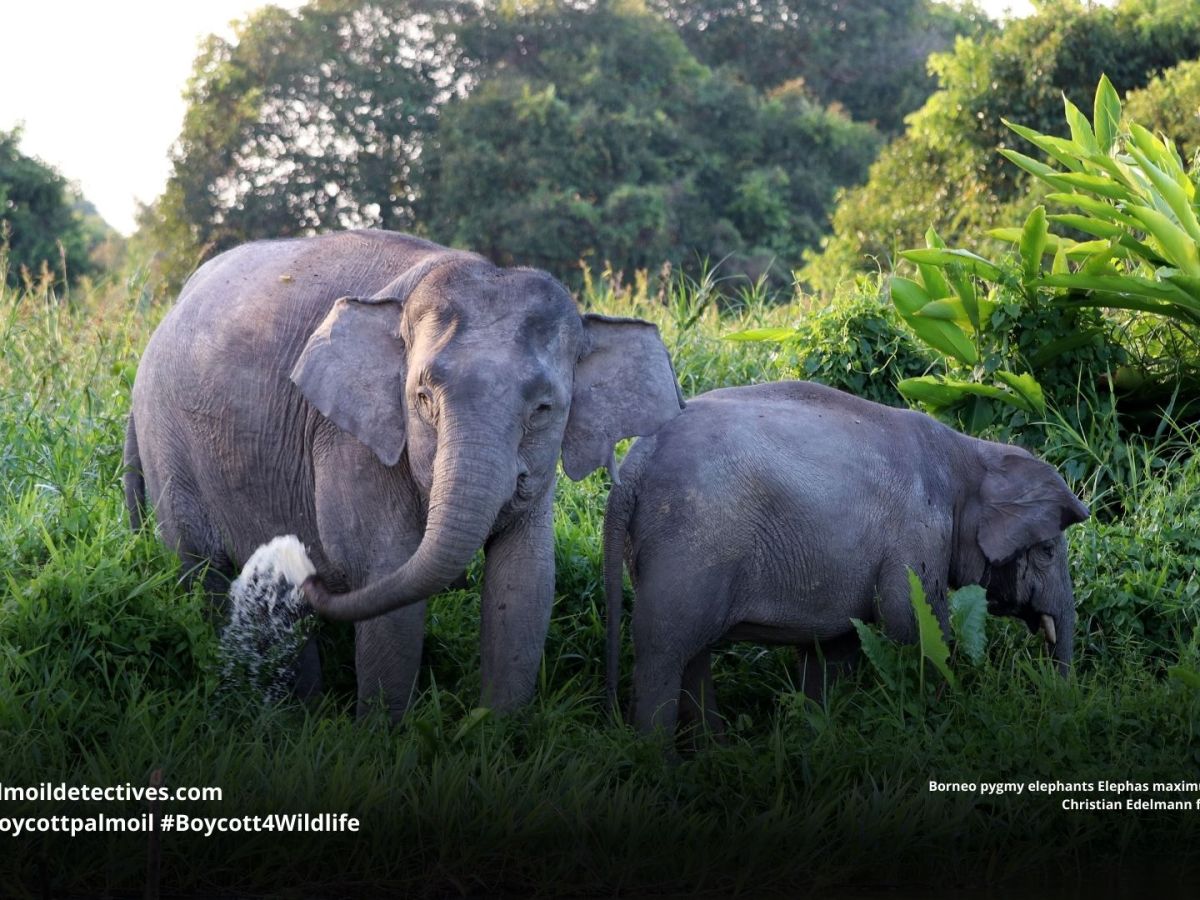
Borneo Pygmy Elephant Elephas maximus borneensis
Explore the plight of the Bornean Pygmy Elephant (Elephas maximus borneensis), a vulnerable species threatened by habitat loss due to palm oil deforestation. Learn how you…
Keep reading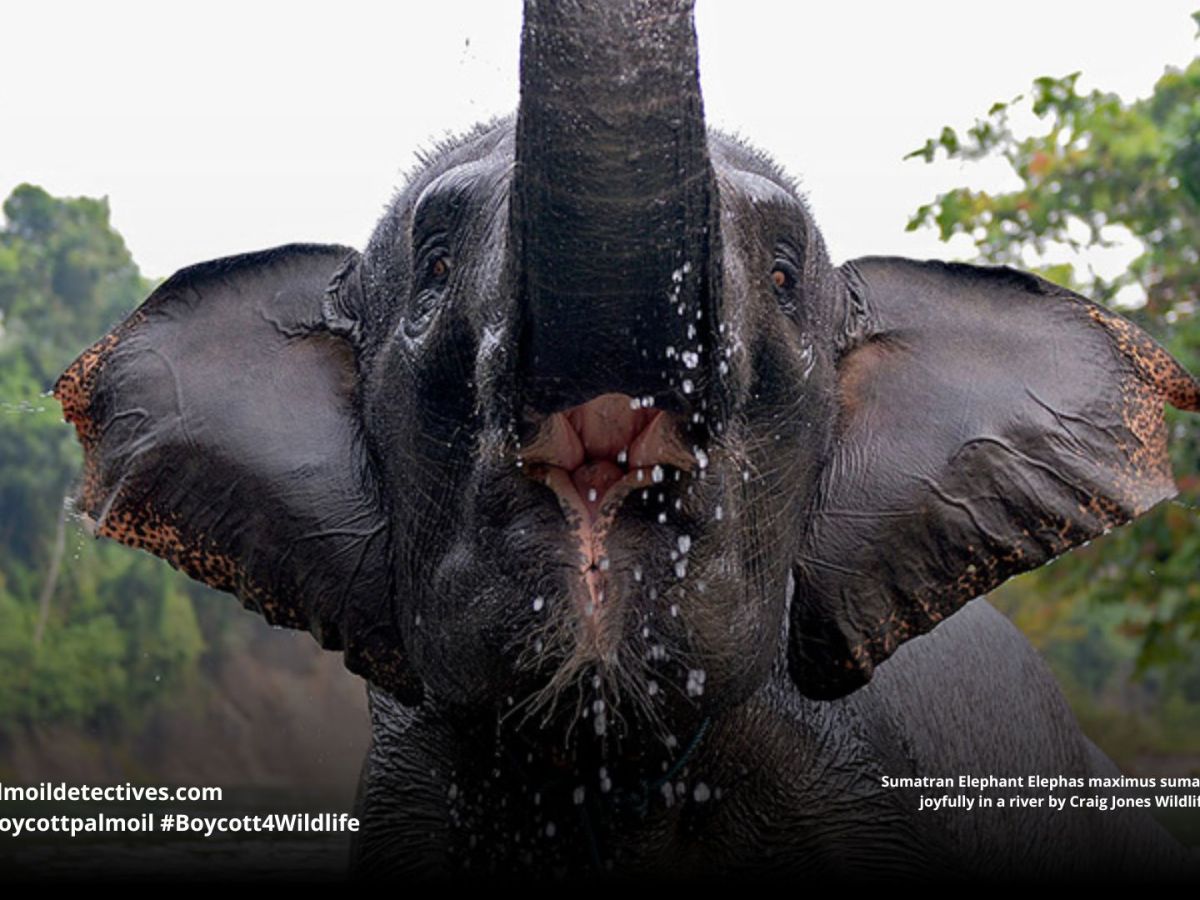
Sumatran Elephant Elephas maximus sumatranus
Sumatran Elephants are Critically Endangered, with populations declining by 80%. Threats include deforestation for palm oil and poaching Take action for them!
Keep readingHabitat Destruction: A Dire Threat
One of the most significant threats to elephants is habitat destruction. A study by the University of California, San Diego, revealed that more than 3 million square kilometres of the Asian elephant’s historic habitat have been lost in just three centuries (University of California – San Diego, 2023).
This loss is largely due to agricultural expansion, deforestation for commodities like palm oil, meat, and cocoa, and urban development. The reduction in suitable habitats leads to increased human-elephant conflicts as elephants encroach on human settlements in search of food and space.
Poaching and the Ivory Trade: A Deadly Combination
Poaching is another critical threat. It is estimated that 100 African elephants are killed each day for their ivory, primarily driven by demand in Asian markets. This relentless poaching not only reduces elephant populations but also disrupts their social structures and destabilises the ecosystem.
Elephants: Astonishing Intelligence and Forest Protectors
The reasons for protecting elephants are varied and include their ability to capture carbon and as giant seed dispersers, they are able to reinvigorate and protect landscapes for all other species.
Research from Lund University has shown that regions with abundant large herbivores, such as elephants, have more variable tree cover, benefiting biodiversity overall (Wang et al., 2023). Elephants play a crucial role in maintaining the health and diversity of their habitats by dispersing seeds and creating pathways for other species.
Elephants play a crucial role in mitigating climate change. A study by Saint Louis University found that if elephants become extinct, the rainforests of central and west Africa would lose a significant portion of their ability to capture atmospheric carbon, amplifying global warming. Elephants help maintain the diversity of tree species, promoting the growth of high carbon density trees which store more carbon from the atmosphere (Blake et al., 2023).
Let’s not forget that they deserve to exist in their own right, just as any other animal deserves to live. Elephants are intelligent, emotional and complex sentient beings, as countless recent research papers have shown.
Elephants Call Each Other By Names
A recent study by Colorado State University revealed that wild African elephants use name-like calls to address each other, a rare ability among nonhuman animals (Pardo et al., 2024). This finding suggests a high level of cognitive sophistication and social complexity in elephants.
Puzzle Solvers in the Wild
A study conducted at the Salakpra Wildlife Sanctuary in Thailand documented wild Asian elephants solving puzzles to access food. This research demonstrated that elephants possess individual innovation and problem-solving abilities, with some elephants showing greater persistence and success in retrieving food from various compartments (Jacobson et al., 2023).
Sibling Support: The Importance of Older Sisters
Research published in the Journal of Animal Ecology found that young Asian elephants benefit significantly from having older siblings, especially sisters. Those with older sisters had higher survival rates and reproduced earlier, highlighting the importance of family dynamics in elephant populations (Berger et al., 2021).
Cooperation and Competition Among Giants
A study in PLOS Biology revealed that Asian elephants are keen to cooperate with friends but will compete aggressively when resources are scarce. This behaviour sheds light on the complex social strategies elephants use to balance cooperation and competition (Li et al., 2021).
Wise Old Elephants Keep the Young Calm
Research from the University of Exeter suggests that male elephants are more aggressive when fewer older males are present. The study, conducted in Botswana, found that older bulls play a key role in keeping younger males calm, reducing the risk of aggression towards non-elephant targets such as vehicles and livestock. The removal of old male elephants, often targeted by trophy hunting, can lead to increased human-wildlife conflict, highlighting the importance of preserving these wise old giants. (Allen et al., 2021).
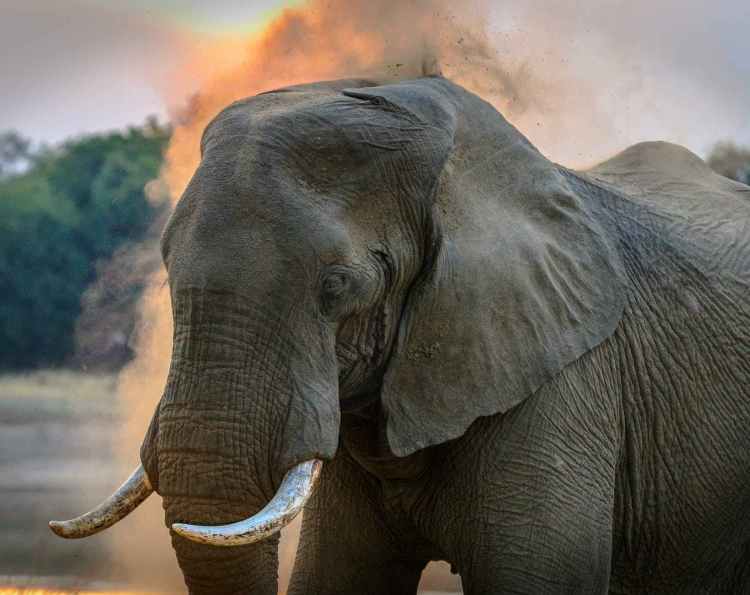
Large Tuskers Contribute to Tree Diversity
Research from Lund University has shown that regions with abundant large herbivores, such as elephants, have more variable tree cover, which benefits biodiversity overall. The study highlighted the crucial role of megafauna in maintaining species-rich and resilient ecosystems (Wang et al., 2023).
Taking Action: How You Can Help Save Elephants
Protecting elephants involves collective efforts and practical actions. Here are some steps you can take to make a difference:
1. Support Indigenous-Led Conservation and Agroecology
Advocate for animal conservation that is led by indigenous communities with indigenous knowledge firmly at its heart. Agroecology, integrates ecological principles and traditional knowledge into agricultural practices and is a viable alternative to destructive industrial monocultures. In contrast, agroecology benefits wildlife, forests and human communities.
2. Boycott Commodities Causing Deforestation
Avoid buying products linked to deforestation, such as palm oil, meat and gold. By adopting a largely meat-free and palm oil free diet, or even better being vegan you are making a powerful ethical statement in support of elephants. Boycotting these commodities helps reduce the demand that drives habitat destruction and endangers elephants.
3. Support Organisations Fighting Illegal Wildlife Trade
Support organisations like TRAFFIC and the Environmental Investigation Agency (EIA) that work to stop illegal poaching and the ivory trade. Raising awareness and advocating for stronger laws and enforcement is crucial.
4. Supermarket Sleuthing and Calling Out Greenwashing On Social Media
Next time you’re in the supermarket, take photos of products containing palm oil. Share these to social media along with the #BoycottPalmOil and #Boycott4Wildlife hashtags to call out the greenwashing and ecocide of the brands who use palm oil. You can also take photos of palm oil-free products and congratulate brands when they go palm oil-free.

5. Be a Part of the #Boycott4Wildlife Movement
Share posts from the Palm Oil Detectives website to your own network on Twitter, Mastodon, Instagram, Facebook, and YouTube using the hashtags #BoycottPalmOil and #Boycott4Wildlife.
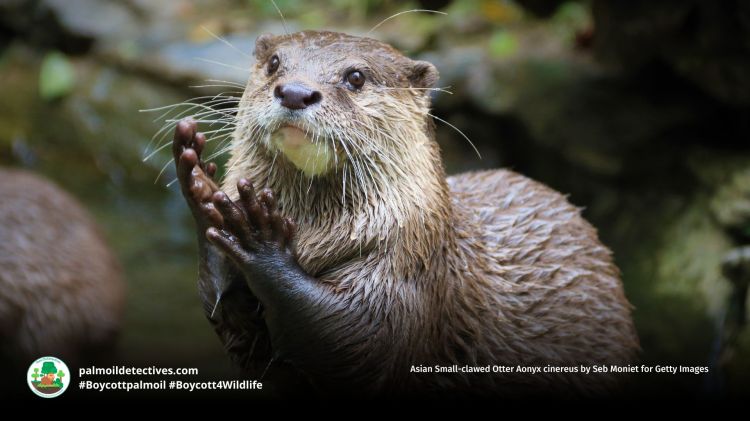


6. Raise Your Hands and Trunks for Captive Elephants
All around the world, elephants are captured and forced to ‘entertain’ people in cruel, isolated and unhealthy conditions. DO NOT accept these atrocities and blatant animal cruelty, instead you should boycott zoos (which are at their essence glorified prisons for wild animals), sign petitions and call out ongoing abuse of captive elephants online.
Conclusion
Elephants are facing unprecedented human-related threats. On World Elephant Day and also every day, we can join together and take action for these magnificent creatures so that they survive now and always generations to come. By advocating for indigenous-led conservation, supporting agroecology, combating illegal poaching, and spreading awareness, we can make a significant impact. Together, we can create a safer world for elephants and preserve the rich biodiversity of our planet.
References
- Allen, C. et al. (2021). Wise old elephants keep the young calm. University of Exeter. Retrieved from https://www.sciencedaily.com/releases/2021/12/211221212451.htm
- Berger, V. et al. (2021). Elephants benefit from having older siblings, especially sisters. Journal of Animal Ecology. Retrieved from https://www.sciencedaily.com/releases/2021/09/210921081017.htm
- Blake, S. et al. (2023). Can elephants save the planet? Saint Louis University. Retrieved from https://www.sciencedaily.com/releases/2023/01/230123151522.htm
- Jacobson, S. et al. (2023). Wild Asian elephants display unique puzzle-solving skills. The Graduate Center, CUNY. Retrieved from https://www.sciencedaily.com/releases/2023/09/230928152537.htm
- Li, L. et al. (2021). Elephants strive to cooperate with allies, until the stakes get too high. PLOS Biology. Retrieved from https://www.sciencedaily.com/releases/2021/09/210928141845.htm
- Pardo, M. et al. (2024). Elephants have names for each other like people do. Colorado State University. Retrieved from https://www.sciencedaily.com/releases/2024/06/240610140148.htm
- University of California – San Diego. (2023). Elephant ecosystems in decline. Retrieved from https://www.sciencedaily.com/releases/2023/04/230427
- Wang, L. et al. (2023). Large herbivores such as elephants, bison and moose contribute to tree diversity. Lund University. Retrieved from https://www.sciencedaily.com/releases/2023/11/231103141411.htm
- Wikipedia contributors. (n.d.). Cultural depictions of elephants. In Wikipedia, The Free Encyclopedia. Retrieved July 29, 2024, from https://en.wikipedia.org/wiki/Cultural_depictions_of_elephants
ENDS
Learn about other animals endangered by palm oil and other agriculture
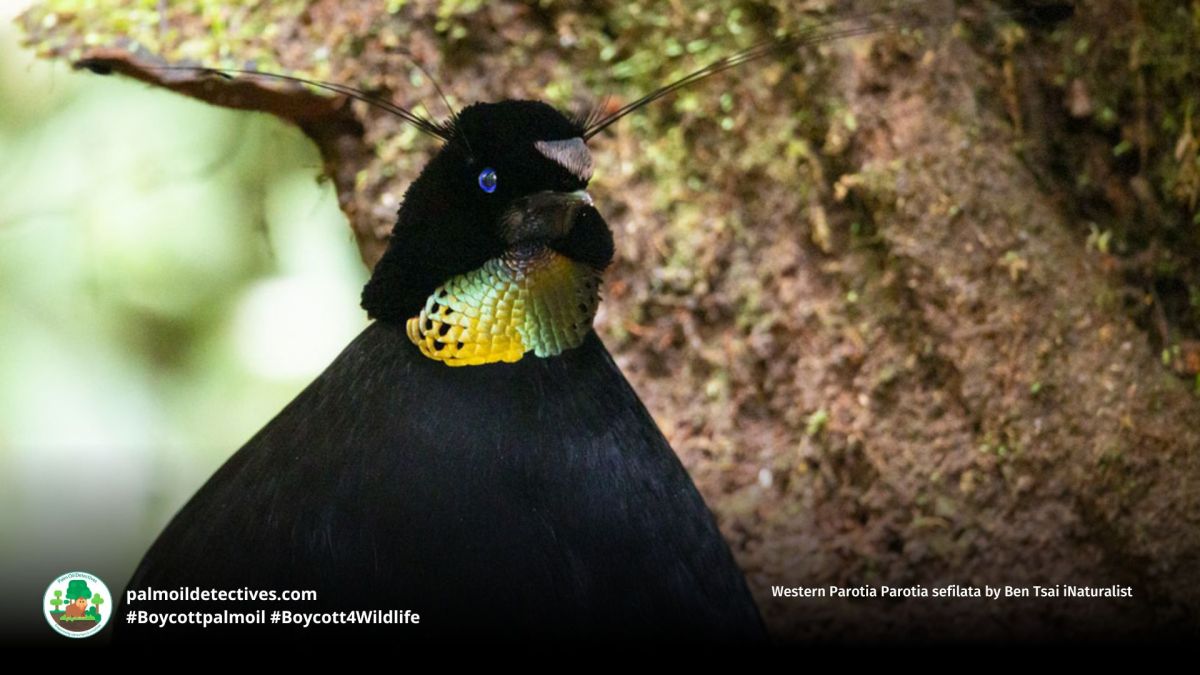
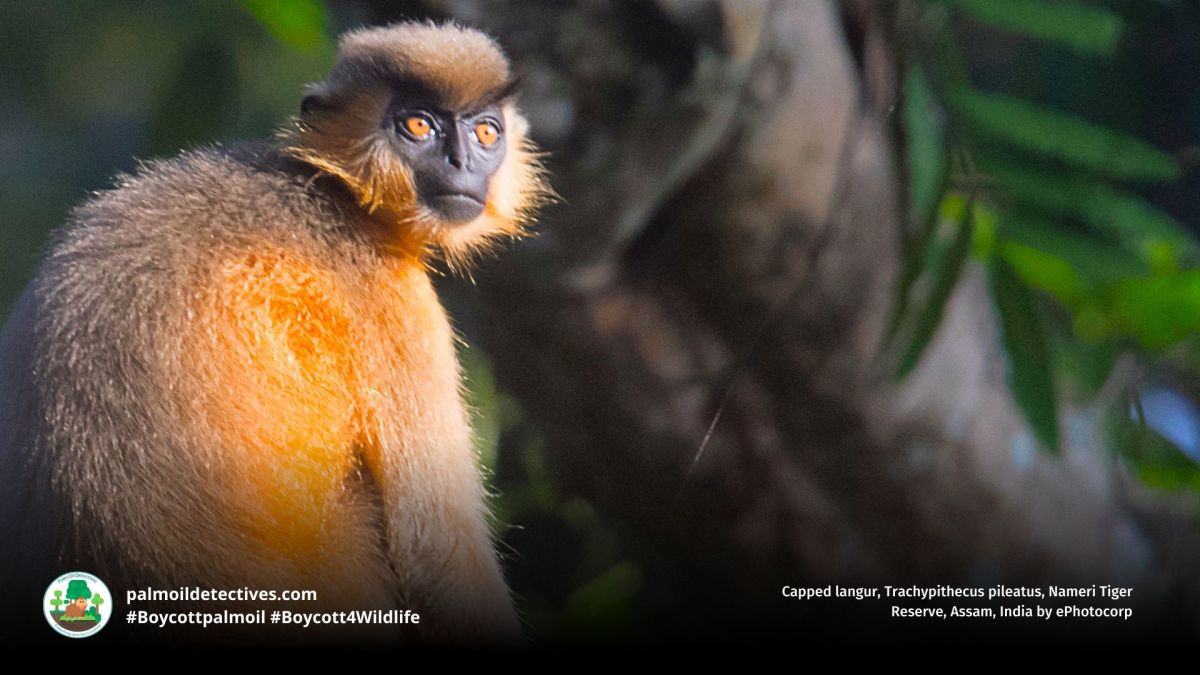
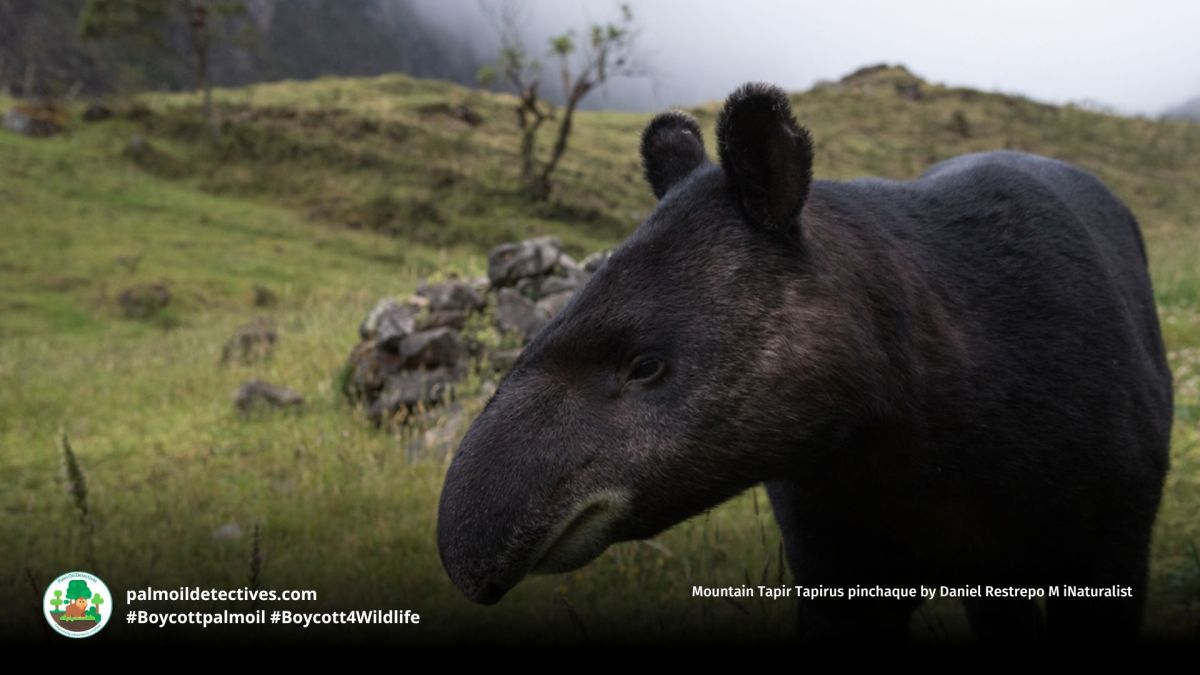
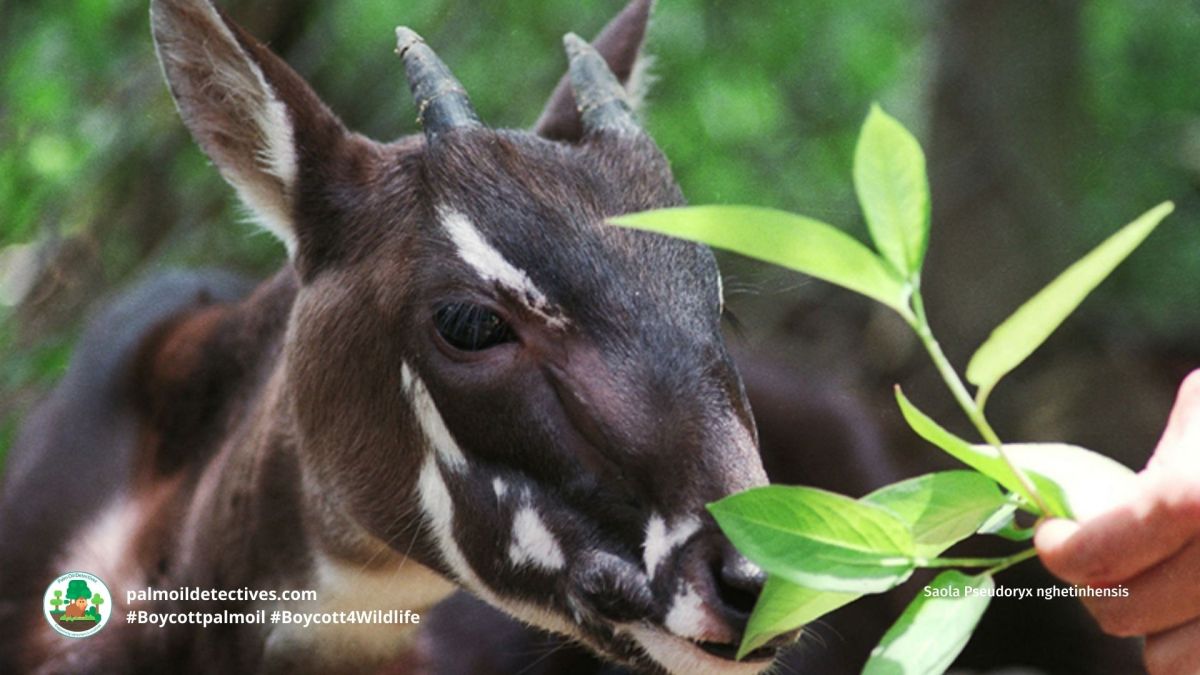

Learn about “sustainable” palm oil greenwashing
Read more about RSPO greenwashing
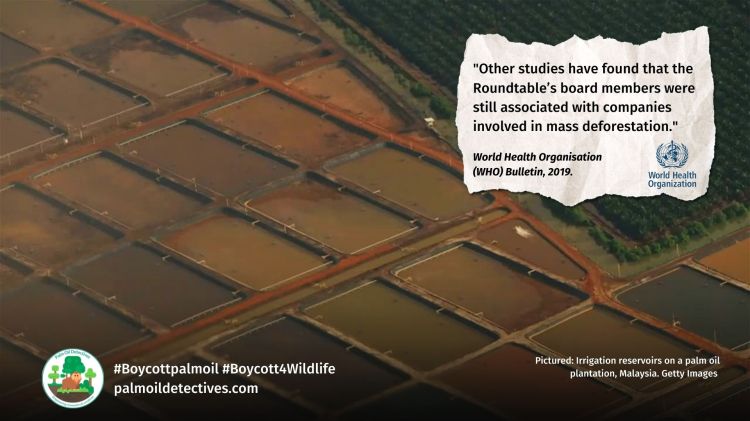
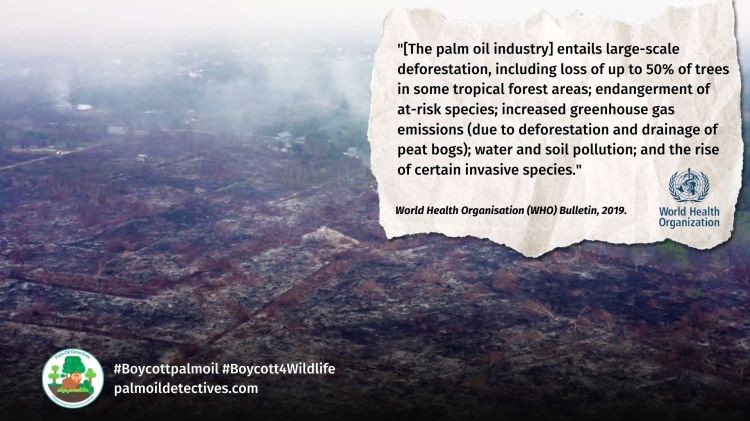
A 2019 World Health Organisation (WHO) report into the palm oil industry and RSPO finds extensive greenwashing of palm oil deforestation and the murder of endangered animals (i.e. biodiversity loss)



Take Action in Five Ways
1. Join the #Boycott4Wildlife on social media and subscribe to stay in the loop: Share posts from this website to your own network on Twitter, Mastadon, Instagram, Facebook and Youtube using the hashtags #Boycottpalmoil #Boycott4Wildlife.
2. Contribute stories: Academics, conservationists, scientists, indigenous rights advocates and animal rights advocates working to expose the corruption of the palm oil industry or to save animals can contribute stories to the website.






3. Supermarket sleuthing: Next time you’re in the supermarket, take photos of products containing palm oil. Share these to social media along with the hashtags to call out the greenwashing and ecocide of the brands who use palm oil. You can also take photos of palm oil free products and congratulate brands when they go palm oil free.
4. Take to the streets: Get in touch with Palm Oil Detectives to find out more.
5. Donate: Make a one-off or monthly donation to Palm Oil Detectives as a way of saying thank you and to help pay for ongoing running costs of the website and social media campaigns. Donate here
Discover more from Palm Oil Detectives
Subscribe to get the latest posts sent to your email.
 Palm Oil Detectives