
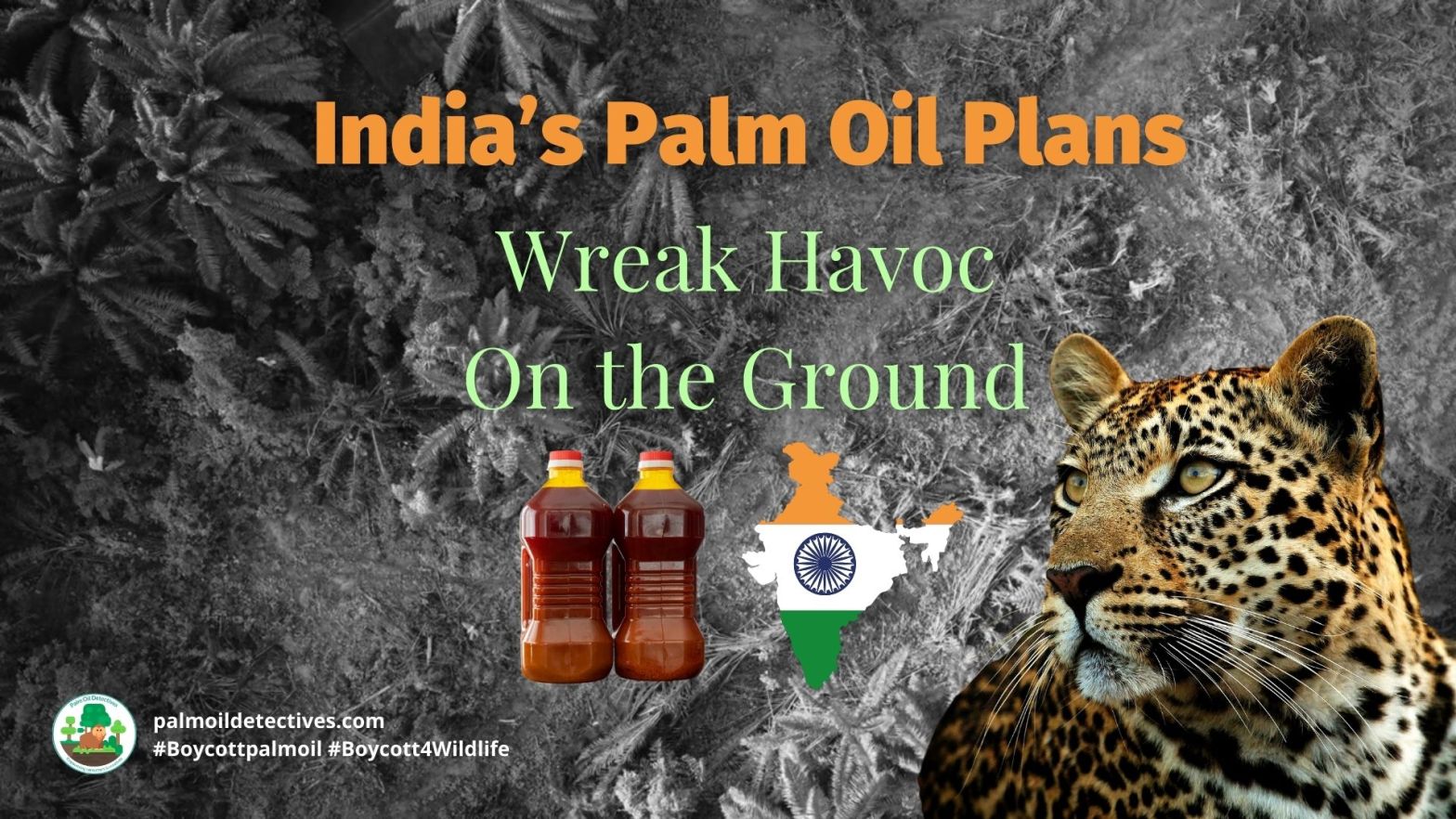
#India’s aggressive push for #palmoil plantations in #Nagaland, #Assam and #Mizoram is wreaking havoc on both the environment and local communities. The government plans to ramp up oil palm cultivation in the northeast, locking away land that could be used for diverse food production for decades. Palm oil monoculture threatens soil health, drains precious water resources, and marginalises indigenous communities. Farmers in the north east of India are facing dire challenges, from delayed subsidies to inadequate payments for their crops, leaving them questioning the viability of oil palm farming. A rethink is necessary to protect India’s ecosystems, animals and people. To help raise awareness and empower change, make sure that you #BoycottPalmOil #Boycott4Wildlife every time you shop.
In #Nagaland and #Mizoram, #India 🇮🇳 an ongoing battle is raging for #farmers’ rights to feed their families and not suffer penniless for #palmoil in a barren wasteland #Boycottpalmoil 🌴🪔🚫 #Boycott4Wildlife #humanrights @palmoildetect https://palmoildetectives.com/2024/10/06/indias-palm-oil-plans-wreak-havoc-on-the-ground/
In lush North East #India 🇮🇳🪷 a battle is being waged, between sowing native seeds versus industrial #palmoil #monoculture 🌴🔥 that threatens rare #ecosystems #animals and an ancient way of life. #ecology #Boycottpalmoil #Boycott4Wildlife @palmoildetect https://palmoildetectives.com/2024/10/06/indias-palm-oil-plans-wreak-havoc-on-the-ground/
Originally published under Creative Commons by 360info on August 12, 2024. Written by Dr Ravi Chellam is a wildlife biologist and conservation scientist based in Bengaluru along with senior journalist Rupa Chinai and Robert Solo is a member of the Naga civil society organisation, Kezekevi Thehou Ba (KTB) which works with communities, the government and the civil society in Nagaland. Read the original article.
The push for large-scale monoculture plantations like palm oil in India is taking a heavy toll on the environment and on people’s economic and social security.
Oil palm plantations lock in precious land resources for a long time, from a 4-5 year gestation period to 25 years for production, a problem in a densely populated country like India.
In late July, an unusual newspaper headline did the rounds: “If India gives land, we will work together to produce palm oil here, says visiting Malaysian Minister.”
Foreign politicians do not often ask the country they are visiting to give land, in particular for cultivating a plant which produces oil seeds.
In this case, the seeds refer to the oil palm, a species native to West Africa and now widely cultivated, especially in Southeast Asia. Oil palm is seen as the world’s most important oil crop, supplying approximately 40 percent of global demand for vegetable oil.
Clearly, the pressure is building on big palm oil-producing countries such as Malaysia and Indonesia to clean up their act.
The European Union has taken a strong stance on cleaning up supply chains to prevent deforestation, environmental degradation and negative impacts on local communities.
India is the world’s largest importer of edible oils but this was not always the case.
Indians have traditionally used a wide variety of edible oils, a reflection of India’s rich agro-ecological heritage and cultural diversity. In the early 1990s, India was self-sufficient in edible oils but thanks to changes in government policies, that situation has reversed.
Palm oil now dominates India’s edible oil imports, representing more than half of all edible oil imports. In 2021, palm oil import was valued at approximately $US8.63 billion.
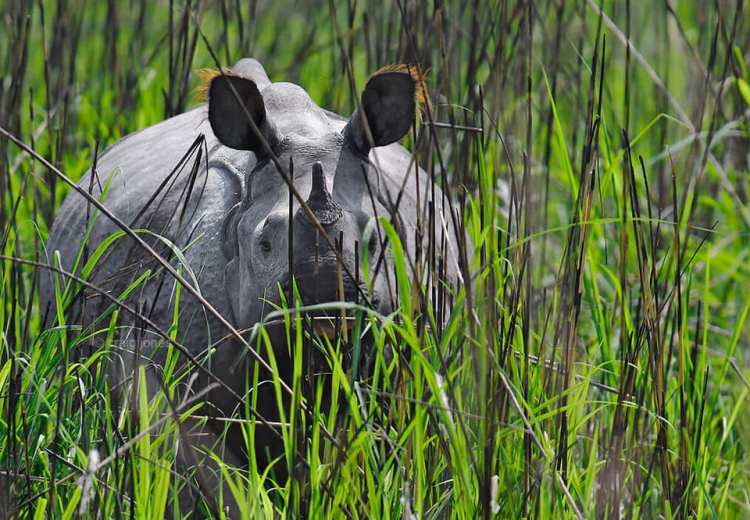
Due to this significant dependence on imports, there has been a strong push by the Indian government to rapidly increase the cultivation of oil palm, especially in India’s northeast, through the National Mission on Edible Oils — Oil Palm.
It has set ambitious goals to increase the area of oil palm cultivation in India to one million hectares by 2025-26 from 350,000ha in 2019-20.
However, the government’s efforts in promoting oil palm plantations in the northeast, which are strengthened by substantial subsidies, are playing havoc with tribal society.
Land is a scarce resource in the northeast and existing land, often community-owned and managed, has traditionally been used for subsistence farming with an eye on food security. This is changing and creating social disruption.
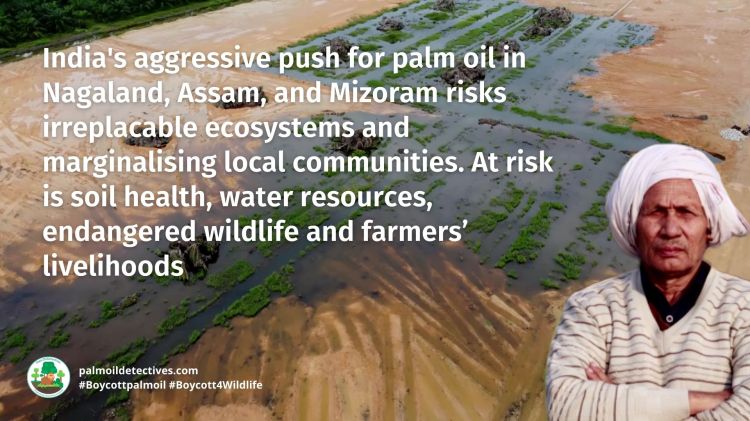
Challenges of growing oil palm
More than 50 percent of the proposed increase in the area of cultivation, 328,000ha, is planned in the northeastern states, as identified in an assessment by the Indian Institute of Oil Palm Research in 2020.
The plan is also to increase the production of crude palm oil from 27,000 tonnes in 2019-20 to 1.12 million tonnes by 2025-26.
While the ambition and goals of the oil palm mission are lofty, the on-the-ground situation in the northeast tells a completely different story.
Mizoram was the first state to start planting oil palm in the northeast. Plantations were established in seven districts of the state and at least some of these date back to 2005.
Over the last two decades, oil palm plantations have invariably resulted in setbacks and failures for everyone involved.
Given their intrinsically high requirements of water and nutrients, oil palm plantations have devastated soil health and the quality and availability of groundwater in the state.
Animals and Ecosystems at Risk in India

Beautiful and Doomed: Saving Bangladesh’s Langurs From Extinction
Critically endangered Phayre’s langurs and endangered capped langurs of Bangladesh, are interbreeding raising concerns about their survival, take action!
Read more

Capped Langur Trachypithecus pileatus
Capped langurs are found in India Bhutan Bangladesh and Myanmar, they are vulnerable from palm oil and other forms of deforestation. Take action for them!
Read more
Rivers are still people in South East Asia despite court showdown
Healthy rivers are essential for community wellbeing. India and Bangladesh legally recognise rivers as natural persons with rights and powers. Take action!
Read more
Something went wrong. Please refresh the page and/or try again.

Protecting India’s Tigers Saves One Million Tonnes of CO2
#India’s fifty year long Project #Tiger has been a successful conservation project. A new research study finds that protecting tigers and their rainforest home has additional benefits to #carbonemissions, saving 1 million tonnes of CO2 from being spewed into the atmosphere. Conserving tigers as an iconic and legendary species is deeply ingrained into the world’s…
Read more
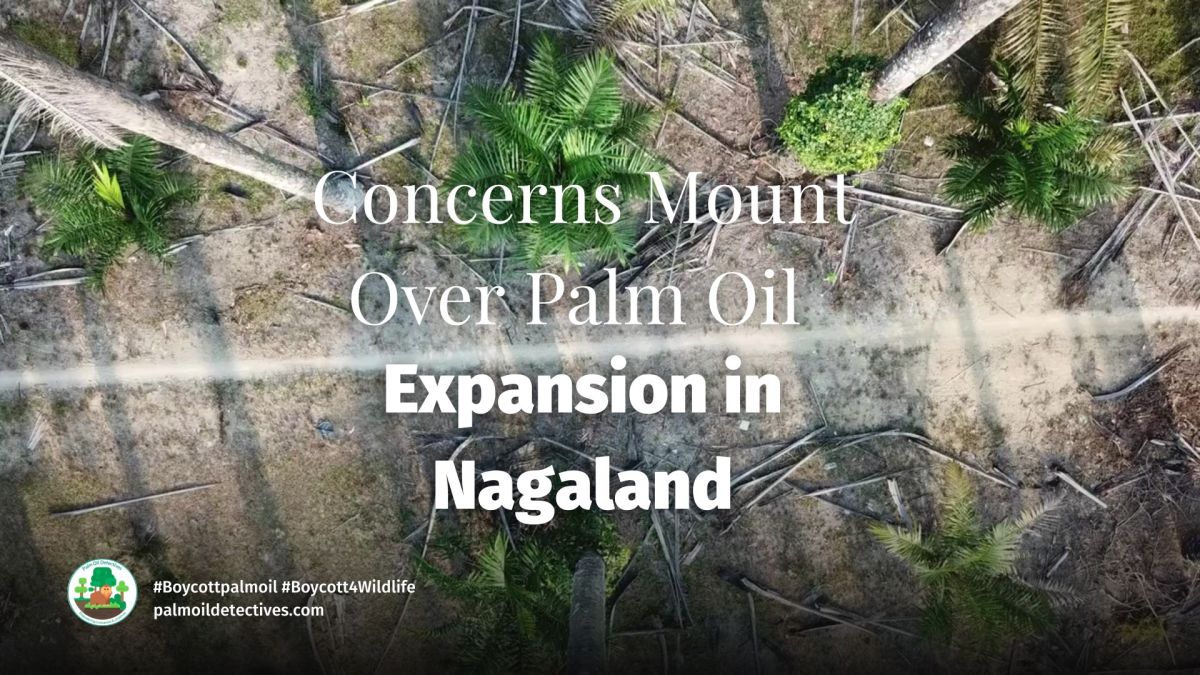
Concerns Mount Over Palm Oil Expansion in Nagaland
The NCCAF raises grave concerns over palm oil expansion in Nagaland, India with threats to deforestation, biodiversity, livelihoods. Take action!
Read more

Sloth Bear Melursus ursinus
The sloth bear (Melursus ursinus), with their distinctive “Y” or “V” shaped chest patch and shaggy fur, are unique bears native to the Indian subcontinent. Once exploited as ‘dancing bears’ by the Kalandar tribe, this phase of history is thankfully now over. They now roam across tropical forests and savannahs while snuffling through termite mounds…
Read more
Something went wrong. Please refresh the page and/or try again.

Nicobar Long-Tailed Macaque Macaca fascicularis umbrosa
Discover the intriguing Nicobar long-tailed macaque, intelligent and highly social survivors on India’s islands, help them to survive and boycott palm oil!
Read more
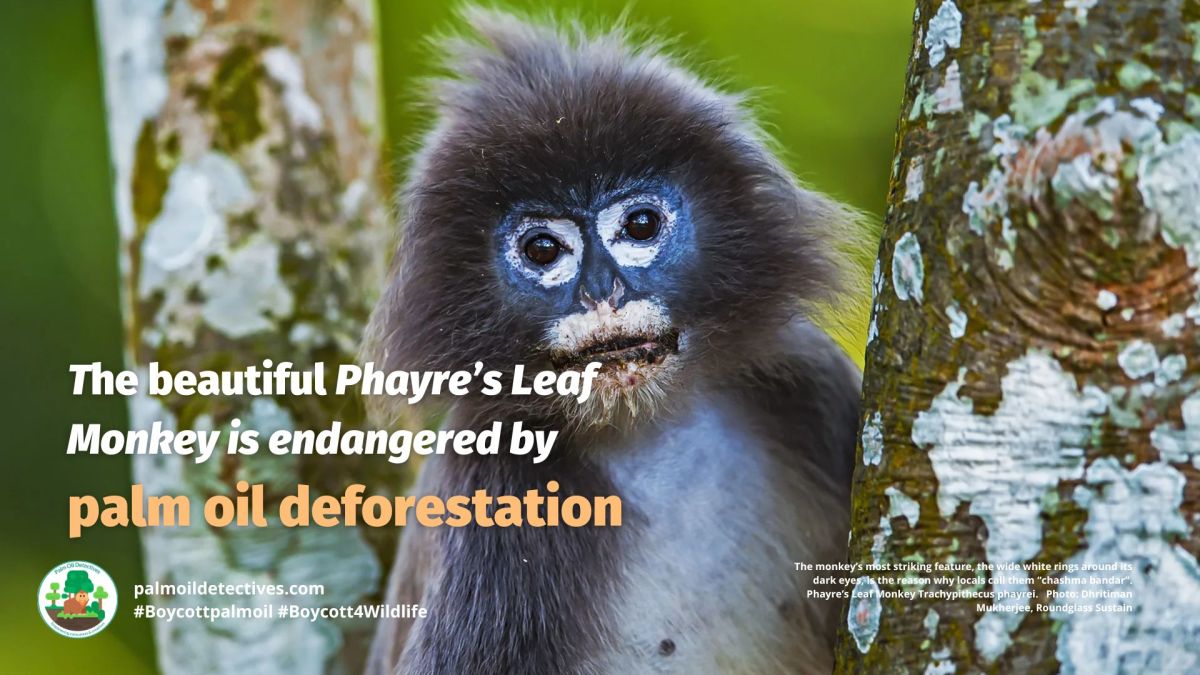
Phayre’s Leaf Monkey Trachypithecus phayrei
Phayre’s leaf monkey, also known as Phayre’s langur, are remarkable Old World monkeys distinguished by large, white-rimmed eyes that lend them a “spectacled” appearance. Known locally as ‘Chasma bandor’ they live mostly in the lush forests of India, Bangladesh and Myanmar. Major threats to their survival include habitat destruction from palm oil and rubber plantations,…
Read more

Irrawaddy Dolphin Orcaella brevirostris
Intelligent and social Irrawaddy dolphins, also known as the Mahakam River dolphins or Ayeyarwady river #dolphins have endearing faces. Only 90 to 300 are estimated to be left living in the wild. Their rounded and expressive looking noses liken them to a baby beluga whale or the Snubfin dolphin of Australia. These shy #cetaceans are…
Read more
Something went wrong. Please refresh the page and/or try again.
Another issue is the long gestation period of the crop. The oil palm takes at least four to five years before it starts producing fruit, followed by a productive period of 20 to 25 years.
This adds up to 25 to 30 years, a long time to lock in precious land resources, especially in a densely populated country such as India.
The challenges with environmental sustainability, productivity, transport, failings of the government and corporate behaviour have meant that both farmers and the companies have had to deal with large-scale failures and heavy losses.
The rugged terrain and remote location of the plantations, coupled with the relatively poor road network and the absence of oil mills close to many of the plantations poses severe challenges to the farmers.
The nuts have to be processed within 48 hours, which currently is a logistical nightmare, especially for many small-scale farmers.
Many companies haven’t honoured their commitments to farmers be it on purchase price or timely payments. Government subsidies have also been often delayed.
The land question
Land is the central issue for the palm oil enterprise.
Be it terrain, with hilly terrain not being suitable for oil palm plantations; rapidly depleting soil fertility or reduced access to land owned by small landholders because of the three decade lock-in period.
In several cases, people have had to sell their land due to the extensive financial losses they’ve suffered while cultivating oil palm.
The capture of common lands for planting oil palm by the elite of the society is a large-scale problem, especially in Arunachal Pradesh, another northeastern state.
The fear is that more and more of community land will get converted into at least de facto private property when planted with oil palm due to the decades-long lock-in period.
This dispossession is likely to result in further marginalisation of the poorer sections of society and could potentially lead to social turmoil and conflict.
The problems are many and widespread.
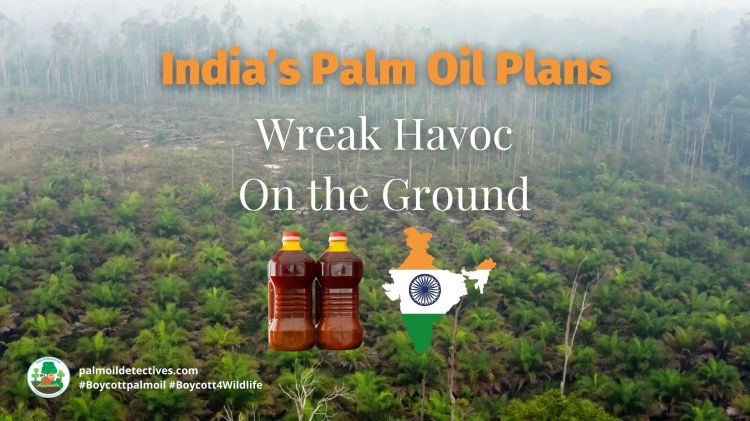
Farmers across the northeast are not readily taking up planting of oil palm as they have started to realise the environmental costs, the meagre and very often delayed economic returns and the three-decade-long lock-in period of their land.
Sikkim and Meghalaya have decided to stay away from planting oil palm.
A recent report seems to indicate that at least some farmers in Arunachal Pradesh are starting to gain benefits from their oil palm plantations. These are still very early days to reach any definite conclusion about the situation in Arunachal, unlike the much longer Mizoram experience.
Since January 2023, researchers have engaged with tribal elders and civil society members in Nagaland which has provided them a close view of how things are playing out for oil palm in the state.
Nagaland seems to be following a similar path to Arunachal Pradesh, with the wealthy consolidating landholdings to establish plantations, resulting in small landholders losing out.
It is clear that oil palm is a capital-intensive and very long-term crop. Deep pockets are required to survive and succeed.
Almost everyone researchers interacted with expressed their disappointment at the delays, reduction or even complete stoppage of payment of the committed government subsidies.
Farmer frustrations
Farmers’ experiences in dealing with private companies that had committed to buy oil palm fruit has been an even greater disappointment.
The purchase price for these bunches is much lower than what was initially indicated and payments are unduly delayed.
Even the picking up of fresh fruit bunches, a perishable commodity which has to be processed within 24 to 48 hours post-harvesting, is poorly coordinated and there is a lack of reliable information and guidance for farmers.
The environmental and social issues associated with oil palm plantations are also playing out in Nagaland, including depleting soils, water shortages, the increasing use of hazardous agro-chemicals, rapidly increasing labour costs, women losing out on employment opportunities and shifts in land tenure and ownership.
Recent fieldwork in Nagaland through meetings and conversations with farmers presents a mixed picture.
Several farmers confirmed their fresh fruit bunches have not been picked up by companies. They believe it might have something to do with the company’s assessment of the quality of the fruit.
This is not in line with the commitment that was made to these farmers and is resulting in tremendous losses for them.
A few others are receiving the government subsidies and their fresh fruit bunches have also been picked up by the companies and they have been paid Rs13 a kilogram, approximately $USD 0.16.
Course correction
The longer-term experience with oil palm hasn’t been good for farmers in India’s northeast both from financial and social perspectives.
When also considering the environmental impacts, it is clear that the push for large-scale cultivation of oil palm in the region is taking a toll on the environment as well on people’s economic and social security.
Government policy would benefit from encouraging local and ecologically-appropriate oil-bearing crops rather than massively supporting oil palm.
Even the government’s own estimates do not predict India gaining self-sufficiency in edible oil by cultivating oil palm in India.
Rethinking this policy may be required so that India can regain self-sufficiency in edible oils, a position we enjoyed not so long ago.
Originally published under Creative Commons by 360info on August 12, 2024. Written by Dr Ravi Chellam is a wildlife biologist and conservation scientist based in Bengaluru along with senior journalist Rupa Chinai and Robert Solo is a member of the Naga civil society organisation, Kezekevi Thehou Ba (KTB) which works with communities, the government and the civil society in Nagaland. Read the original article.
ENDS
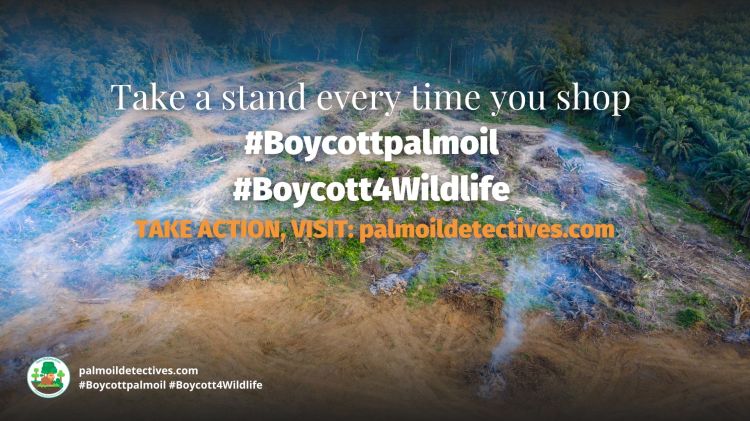
Read more about deforestation and ecocide in the palm oil industry

Forest Protection Equals Climate Protection
Forests offer climate protection and safeguard indigenous peoples, endangered animals and rare plants. Deforestation is a major threat. Boycott palm oil!
Read more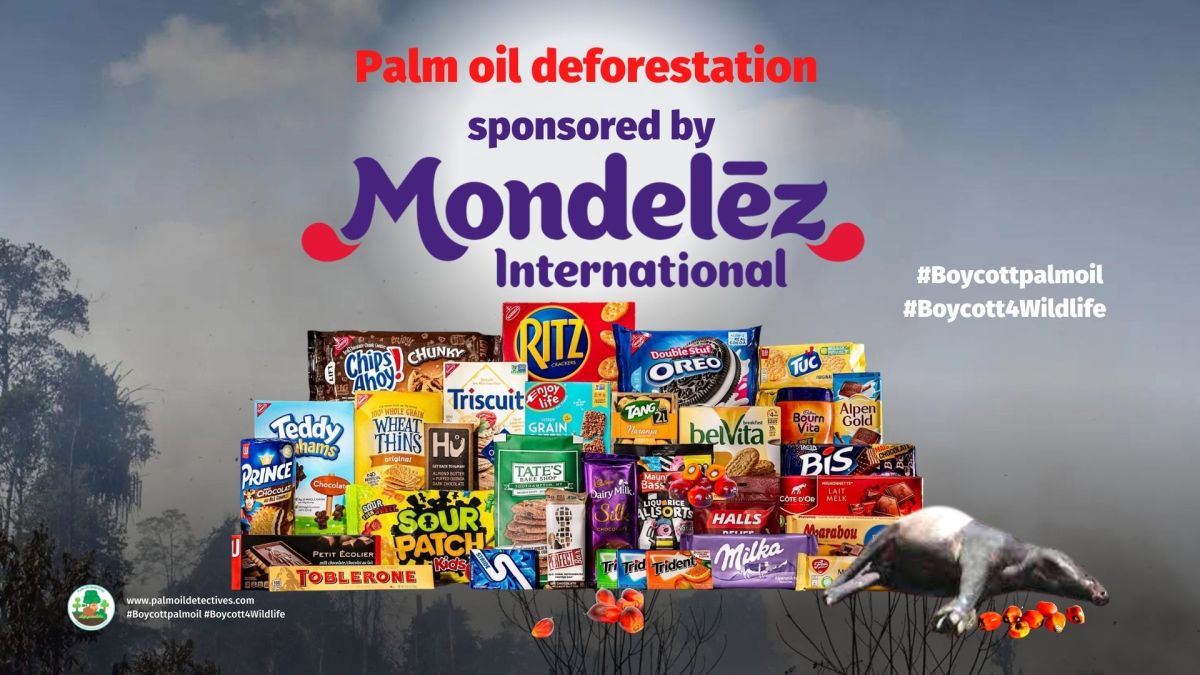
Oreo Maker Linked to Ongoing Deforestation and Human Rights Abuses
Mondelēz International who make Oreos keep sourcing palm oil from suppliers linked to violence and deforestation. Their RSPO certification is pure greenwash!
Read more
Jaguars vs Cows: JBS Fuelling Biodiversity Collapse in Brazil’s Forests
Global Witness report finds JBS, the world’s largest meat company, is directly linked to deforestation in the Amazon and Pantanal putting jaguars at risk
Read more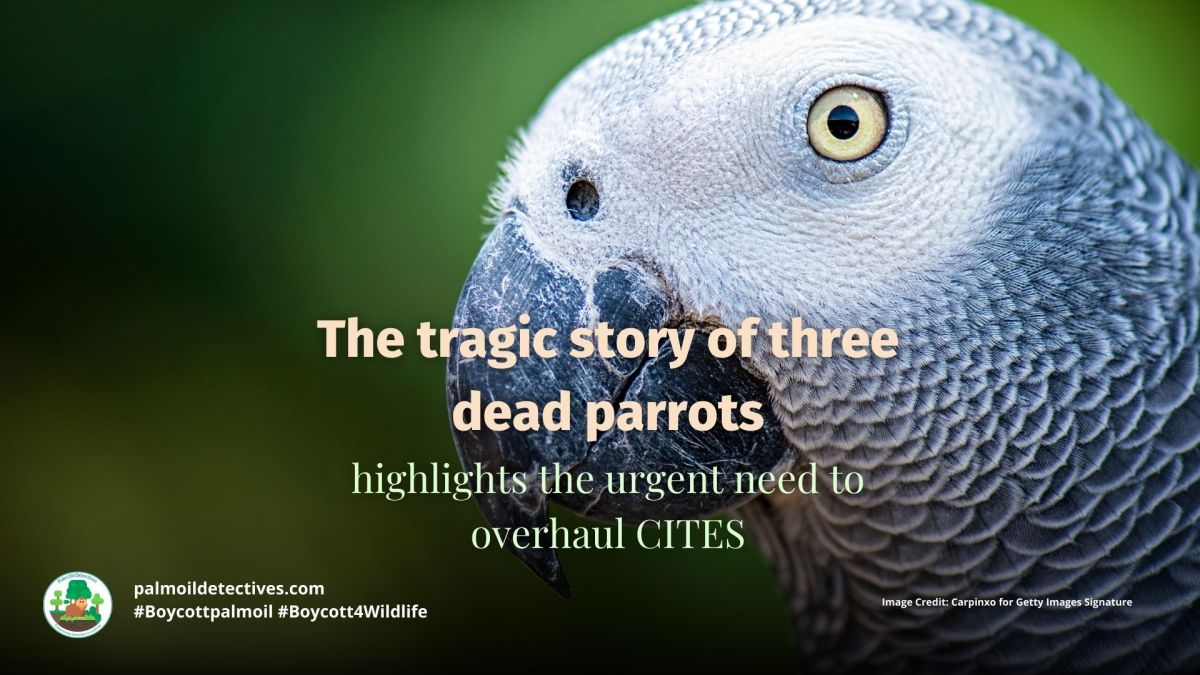
Parrot Deaths Highlight Urgent Need to Reform CITES
The legal trade is largely to blame for African grey parrots becoming endangered. Regulator CITES is broken allowing exploitation, massive reform needed now!
Read more
World’s Wealthiest Drive Two Thirds of Global Warming Since 1990
Wealthiest people in USA and China responsible for 2/3 of global warming since 1990. Climate policies needed to target the richest people on the planet now!
Read moreSomething went wrong. Please refresh the page and/or try again.
Take Action in Five Ways
1. Join the #Boycott4Wildlife on social media and subscribe to stay in the loop: Share posts from this website to your own network on Twitter, Mastadon, Instagram, Facebook and Youtube using the hashtags #Boycottpalmoil #Boycott4Wildlife.
2. Contribute stories: Academics, conservationists, scientists, indigenous rights advocates and animal rights advocates working to expose the corruption of the palm oil industry or to save animals can contribute stories to the website.






3. Supermarket sleuthing: Next time you’re in the supermarket, take photos of products containing palm oil. Share these to social media along with the hashtags to call out the greenwashing and ecocide of the brands who use palm oil. You can also take photos of palm oil free products and congratulate brands when they go palm oil free.
4. Take to the streets: Get in touch with Palm Oil Detectives to find out more.
5. Donate: Make a one-off or monthly donation to Palm Oil Detectives as a way of saying thank you and to help pay for ongoing running costs of the website and social media campaigns. Donate here
Discover more from Palm Oil Detectives
Subscribe to get the latest posts sent to your email.
 Palm Oil Detectives
Thank you Ned!! big hugs
LikeLiked by 1 person