
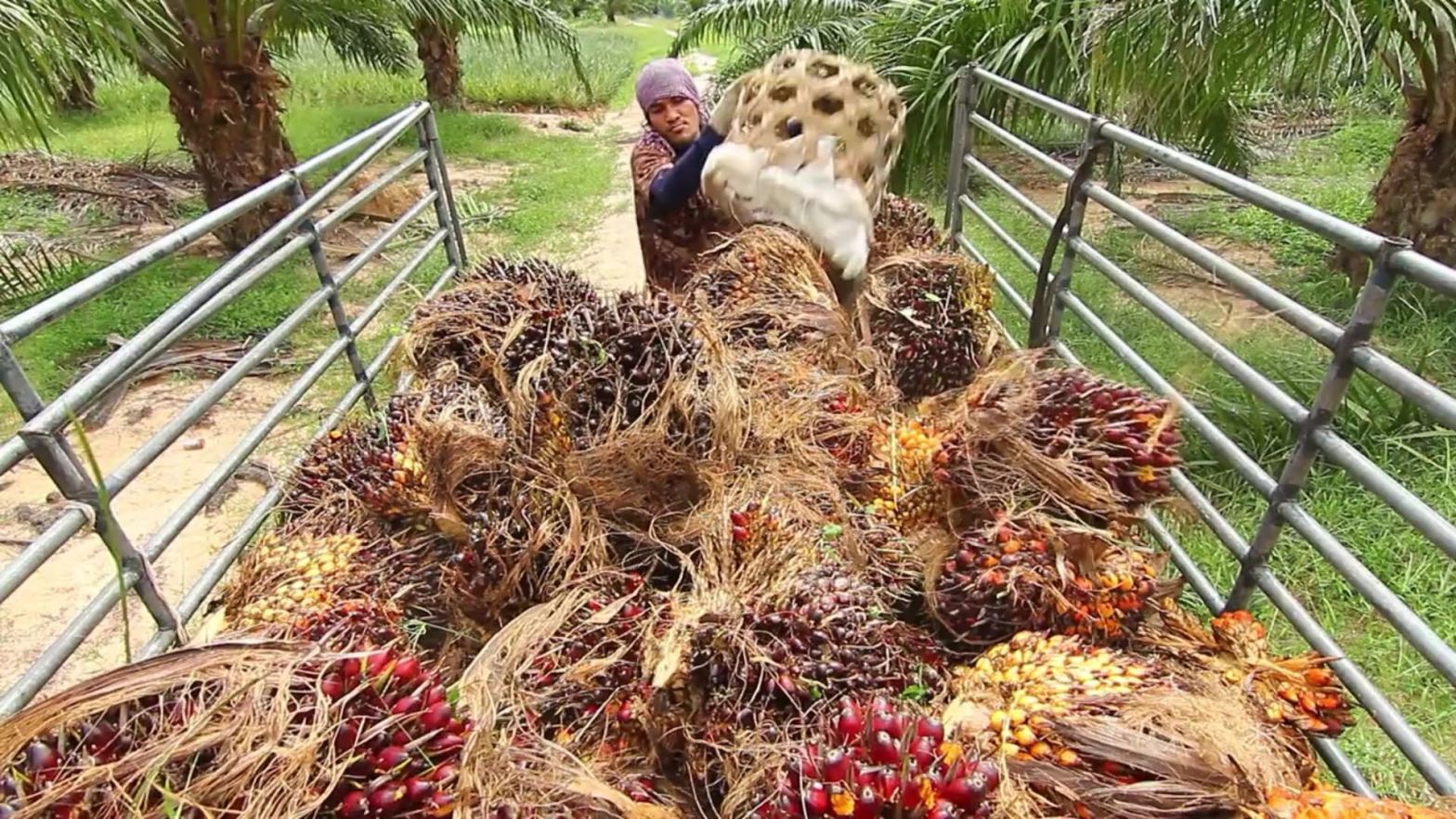
Deforestation in Indonesia is worsening the impact of severe weather events such as floods and landslides, as seen in West Sumatra in March 2024. Environmental groups cite deforestation and environmental degradation as key factors in intensifying natural disasters. Indonesia’s rainforests, crucial for biodiversity and indigenous livelihoods, have been heavily logged for palm oil, paper, and mining. Despite government efforts to slow deforestation, including a palm oil permit freeze, illegal logging and large-scale developments continue to threaten forest areas. Experts warn that more equable land planning is needed to mitigate future disasters. #BoycottPalmOil #Boycott4Wildlife
#Palmoil 🌴 #nickel 🧺 and #paper 📰 #deforestation in #Indonesia 🇮🇩 has accelerated the frequency and severity of extreme weather: #floods and #landslides as seen in #Sumatra. Fight back and #BoycottPalmOil 🌴🔥⛔️ #Boycott4Wildlife @palmoildetect https://palmoildetectives.com/2024/11/27/deforestation-driven-climate-change-intensifies-natural-disasters-in-indonesia/
#Climatechange ⛈️ and #deforestation 🔥🔥 in #Indonesia 🇮🇩 is being driven to a point of no return say experts, citing massive #forest loss for #palmoil 🌴⛔️ and #nickel #mining. Take action when you #BoycottPalmOil #Boycott4Wildlife @palmoildetect https://palmoildetectives.com/2024/11/27/deforestation-driven-climate-change-intensifies-natural-disasters-in-indonesia/
Written by Victoria Milko. Originally published by Associated Press, 30 March, 2024. Original title: ‘In Indonesia, deforestation is intensifying disasters from severe weather and climate change’. Excerpt published, read the original article.
The shelves in supermarkets and stores are full of certified products. The packaging displays different labels indicating products were made with “sustainable” paper or wood, food or cosmetic products made with “sustainable” palm oil, “responsible” soybeans and so on and so forth.
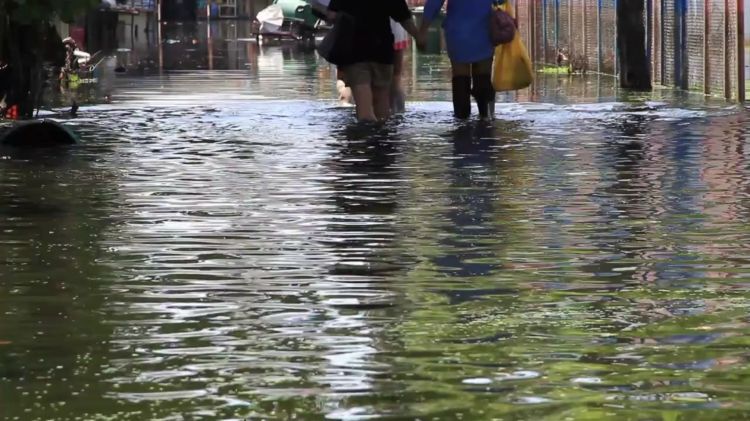
In Jakarta Indonesia, roads turned to murky brown rivers, homes were swept away by strong currents and bodies were pulled from mud during deadly flash floods and landslides after torrential rains hit West Sumatra in early March, marking one of the latest deadly natural disasters in Indonesia.
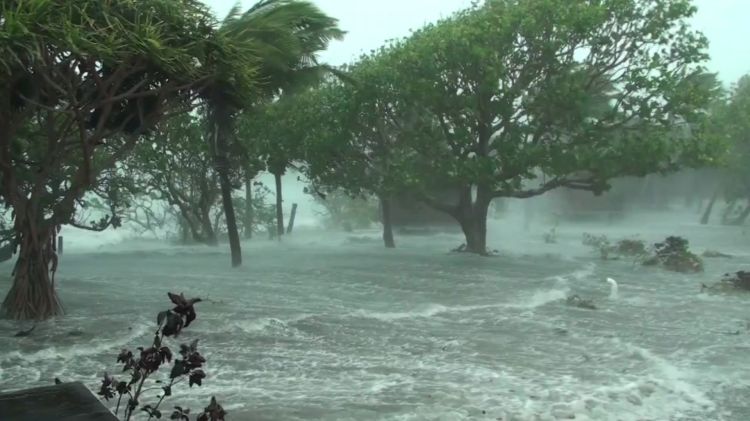
Government officials blamed the floods on heavy rainfall, but environmental groups have cited the disaster as the latest example of deforestation and environmental degradation intensifying the effects of severe weather across Indonesia.
“This disaster occurred not only because of extreme weather factors, but because of the ecological crisis,” Indonesian environmental rights group Indonesian Forum for the Environment wrote in a statement. “If the environment continues to be ignored, then we will continue to reap ecological disasters.”
A vast tropical archipelago stretching across the equator, Indonesia is home to the world’s third-largest rainforest, with a variety of endangered wildlife and plants, including orangutans, elephants, giant and blooming forest flowers. Some live nowhere else.
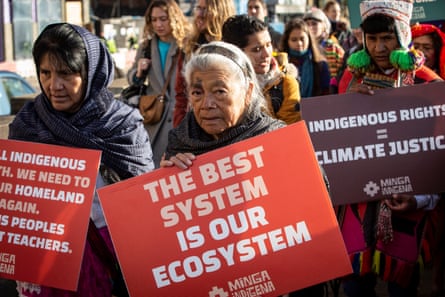
For generations the forests have also provided livelihoods, food, and medicine while playing a central role in cultural practices for millions of Indigenous residents in Indonesia.
Since 1950, more than 74 million hectares (285,715 square miles) of Indonesian rainforest — an area twice the size of Germany — have been logged, burned or degraded for development of palm oil, paper and rubber plantations, mining and other commodities according to Global Forest Watch.
Indonesia is the biggest producer of palm oil, one of the largest exporters of coal and a top producer of pulp for paper. It also exports oil and gas, rubber, tin and other resources. And it also has the world’s largest reserves of nickel — a critical material for electric vehicles, solar panels and other goods needed for the green energy transition.

Indonesia has consistently ranked as one of the largest global emitters of plant-warming greenhouse gases, with its emissions stemming from the burning of fossil fuels, deforestation and peatland fires, according to the Global Carbon Project.
Read the remainder of the article on AP
Written by Victoria Milko. Originally published by Associated Press, 30 March, 2024. Original title: ‘In Indonesia, deforestation is intensifying disasters from severe weather and climate change’. Excerpt published, read the original article.
ENDS
Read more about human rights abuses and child slavery in the palm oil industry
Oil palm in Latin America: monoculture and violence
The rapid expansion of oil palm plantations across #SouthAmerica is causing significant environmental, economic and social problems. This growth is leading to #deforestation, #landgrabbing displacement of #indigenous and farming communities, and increased militarised…
Read more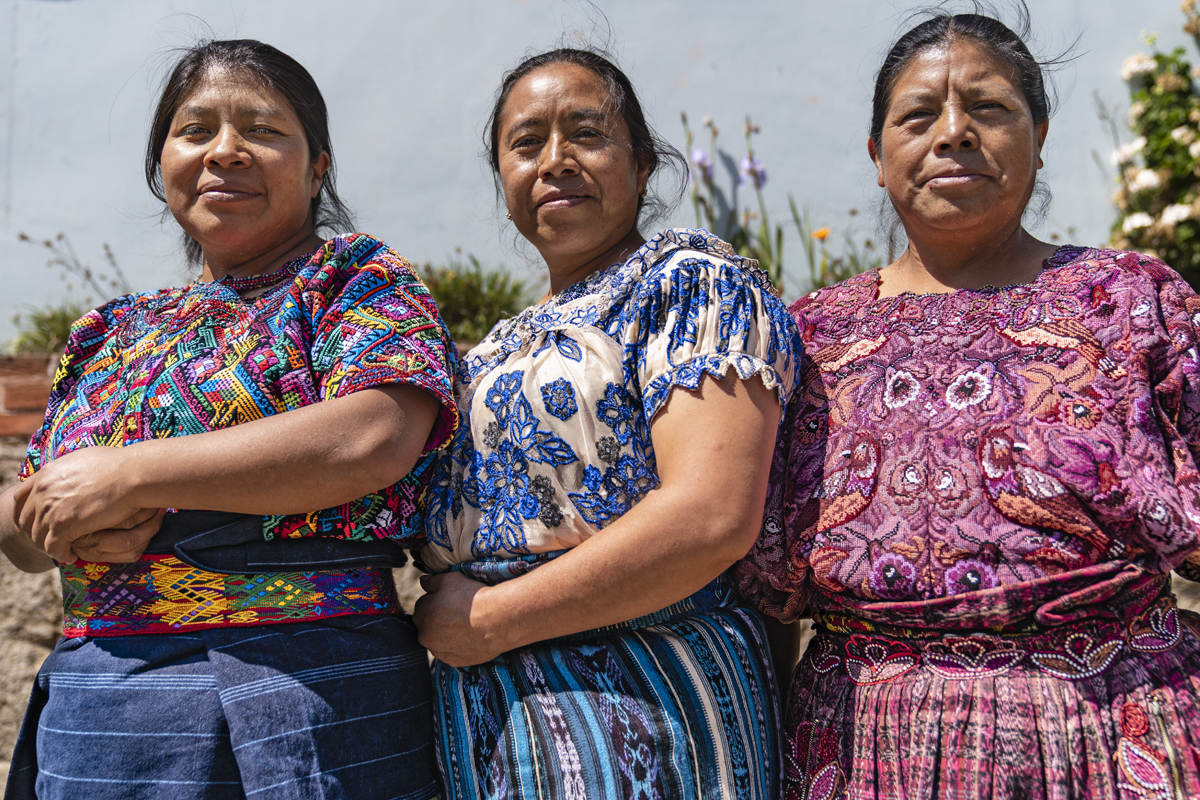
Indigenous Peoples Fight Climate Change
After wildfires, Belize’s indigenous people rebuild stronger based on “se’ komonil”: reciprocity, solidarity, gender equity, togetherness and community.
Read more
SOCFIN’s African Empire of Colonial Oppression: Billionaires Profit from Palm Oil and Rubber Exploitation
Investigation by Bloomberg exposes that despite being RSPO members, #SOCFIN plantations in #WestAfrica are the epicentre of #humanrights abuses, sexual coercion, environmental destruction, and #landgrabbing. Operating in #Liberia, #Ghana, #Nigeria, and beyond, SOCFIN’s…
Read more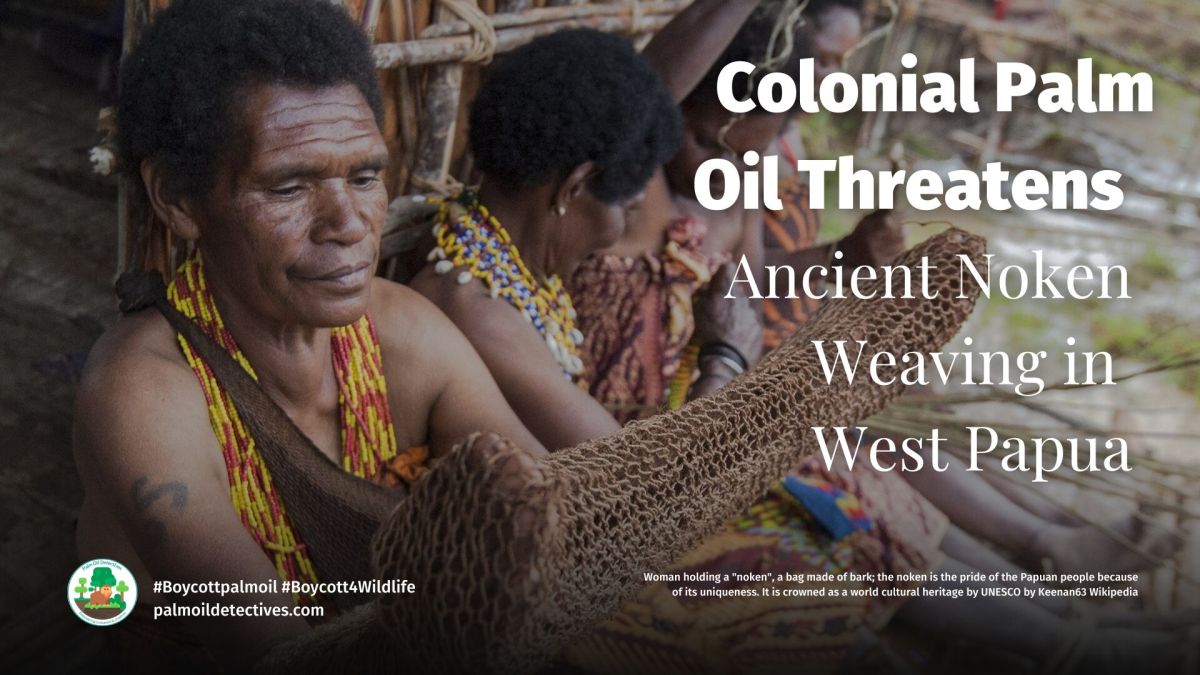
Palm Oil Threatens Ancient Noken Weaving in West Papua
Colonial palm oil and sugarcane causing the loss of West Papuans’ cultural identity. Land grabs force communities from forests, threatening Noken weaving
Read more
Family Ties Expose Deforestation and Rights Violations in Indonesian Palm Oil
An explosive report by the Environment Investigation Agency (EIA) details how Indonesia’s Fangiono family, through a wide corporate web, is linked to ongoing #deforestation, #corruption, and #indigenousrights abuses for #palmoil. Calls mount for…
Read moreSomething went wrong. Please refresh the page and/or try again.
Take Action in Five Ways
1. Join the #Boycott4Wildlife on social media and subscribe to stay in the loop: Share posts from this website to your own network on Twitter, Mastadon, Instagram, Facebook and Youtube using the hashtags #Boycottpalmoil #Boycott4Wildlife.
2. Contribute stories: Academics, conservationists, scientists, indigenous rights advocates and animal rights advocates working to expose the corruption of the palm oil industry or to save animals can contribute stories to the website.




3. Supermarket sleuthing: Next time you’re in the supermarket, take photos of products containing palm oil. Share these to social media along with the hashtags to call out the greenwashing and ecocide of the brands who use palm oil. You can also take photos of palm oil free products and congratulate brands when they go palm oil free.
4. Take to the streets: Get in touch with Palm Oil Detectives to find out more.
5. Donate: Make a one-off or monthly donation to Palm Oil Detectives as a way of saying thank you and to help pay for ongoing running costs of the website and social media campaigns. Donate here
Discover more from Palm Oil Detectives
Subscribe to get the latest posts sent to your email.
 Palm Oil Detectives