
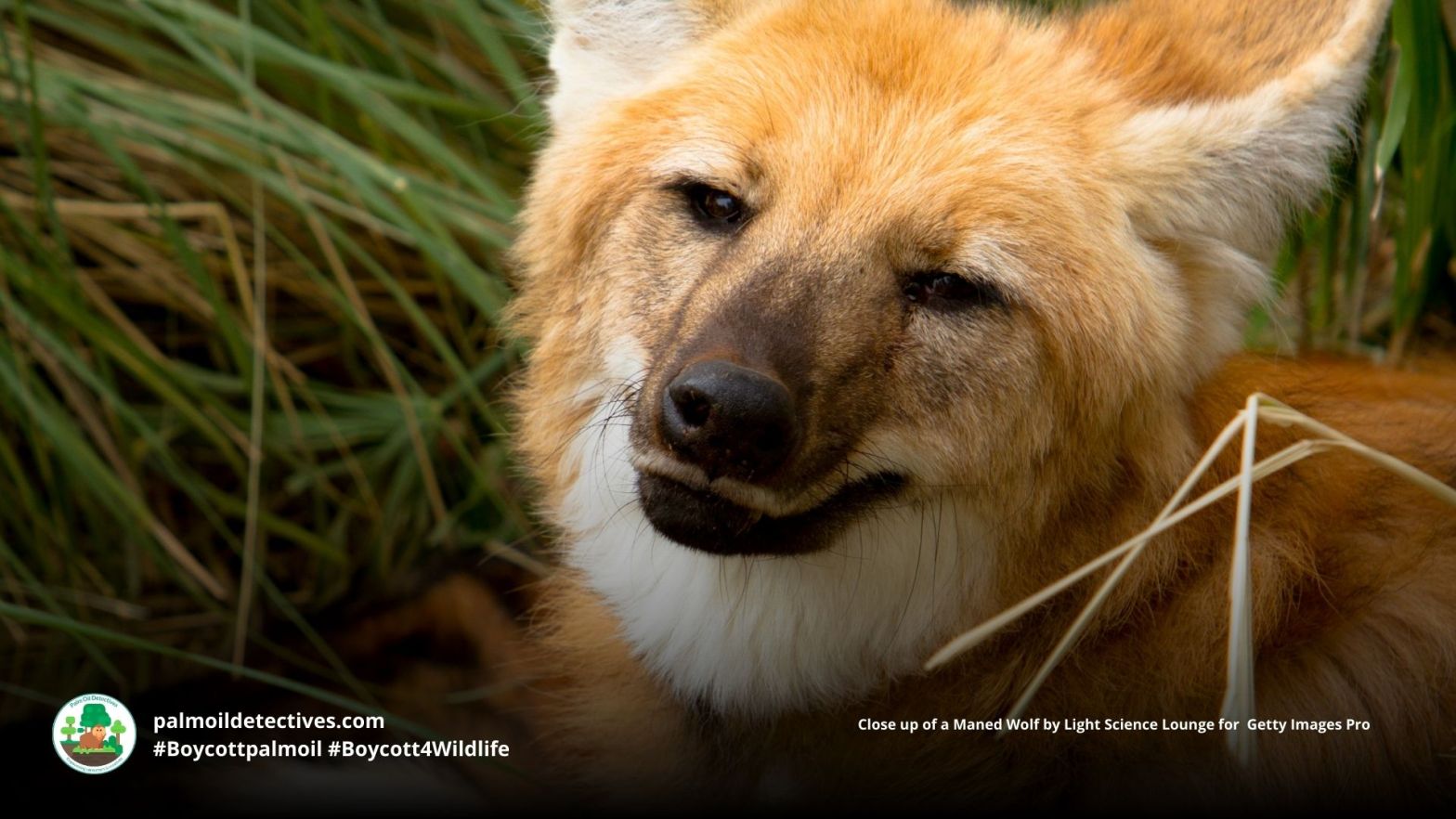
Maned Wolf Chrysocyon brachyurus
Near Threatened
Extant (resident)
Brazil, Argentina, Paraguay, Peru and Bolivia. Now extinct in Uruguay.
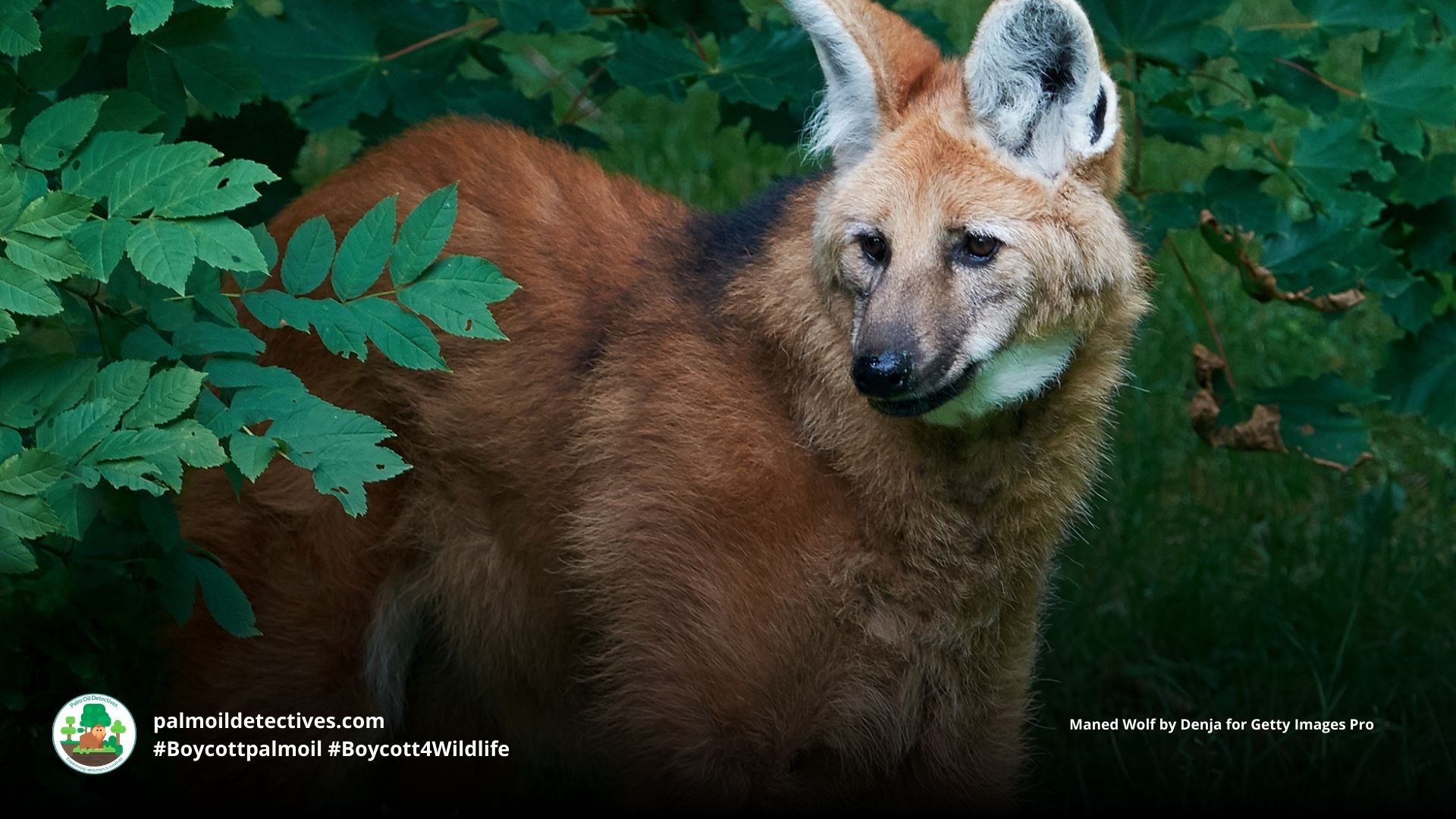
The Maned Wolf Chrysocyon brachyurus is a captivating wild dog species known for their “foxes on stilts” appearance and distinctive cannabis-smelling urine odour. Their long legs allow them to peer over the tall grass in their South American grassland habitat. Solitary and enigmatic, they communicate through “roar-barks” while marking territory with their unique scent. Despite their fascinating quirks, this species faces significant threats. Deforestation due to palm oil, meat and soy agriculture, gold mining, and commodity crop plantations (like palm oil and soy) has fragmented their habitat, leaving them vulnerable to road mortality, disease transmission from domestic dogs, and poaching. These threats, coupled with habitat destruction, endanger their future. You can make a difference by fighting for their survival every time you shop. Use your wallet as a weapon and boycott palm oil and boycott gold to protect them #BoycottPalmOil #Boycott4Wildlife
The unusual look of Maned #Wolves have earned them the nickname ‘Foxes on Stilts’, they are solitary hunters in #Brazil #Peru and #Bolivia. Help them to survive when you #BoycottGold #Boycottpalmoil #Boycott4Wildlife @palmoildetect https://wp.me/pcFhgU-7Pv
Maned Wolves are #SouthAmerica’s tallest canids with long slender legs to help them navigate grasslands. Now ‘Near Threatened’ by #palmoil #meat and #mining #deforestation, Fight for them and #Boycottpalmoil #BoycottGold #Boycott4Wildlife @palmoildetect https://wp.me/pcFhgU-7Pv
Appearance & Behaviour
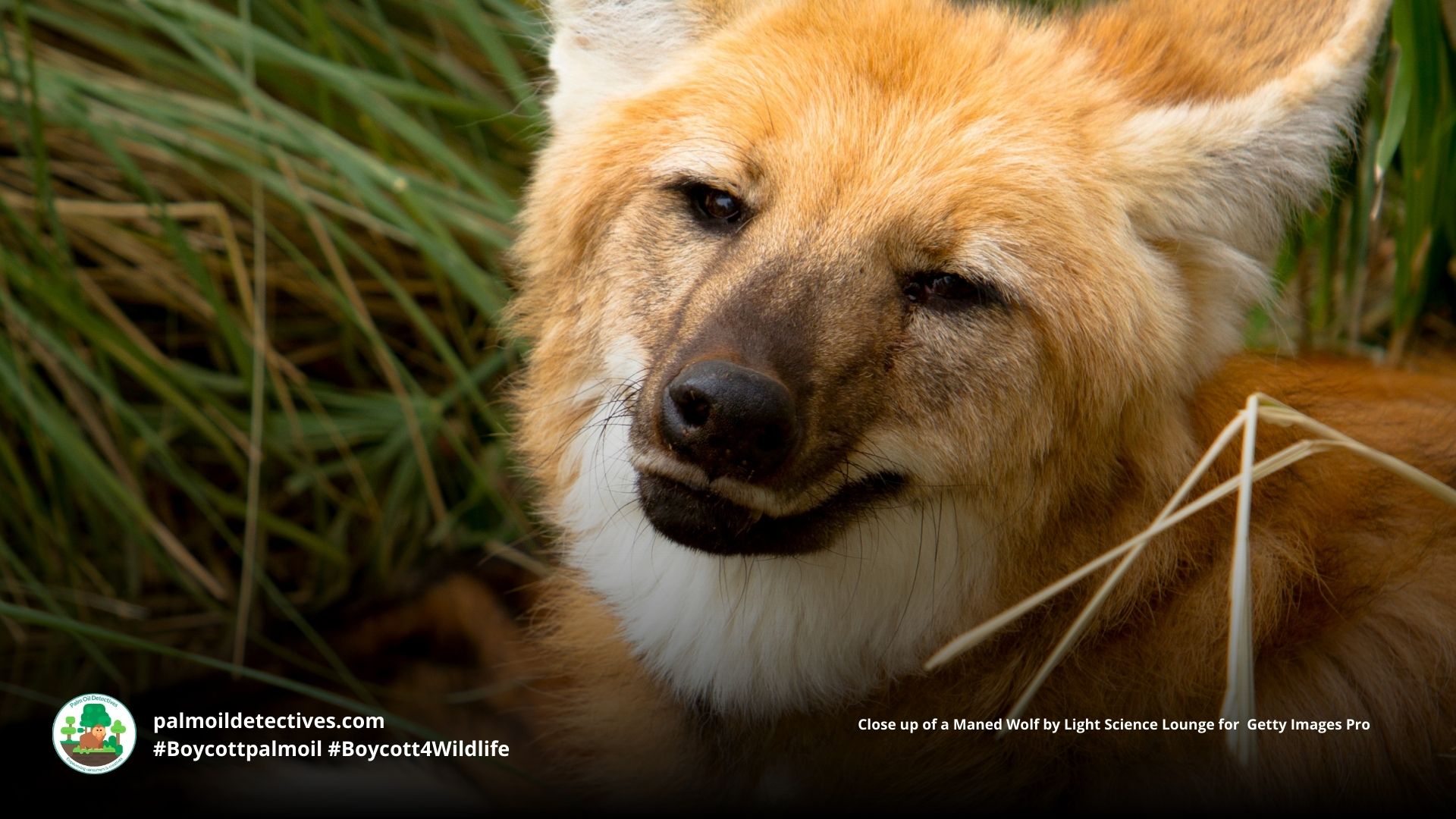
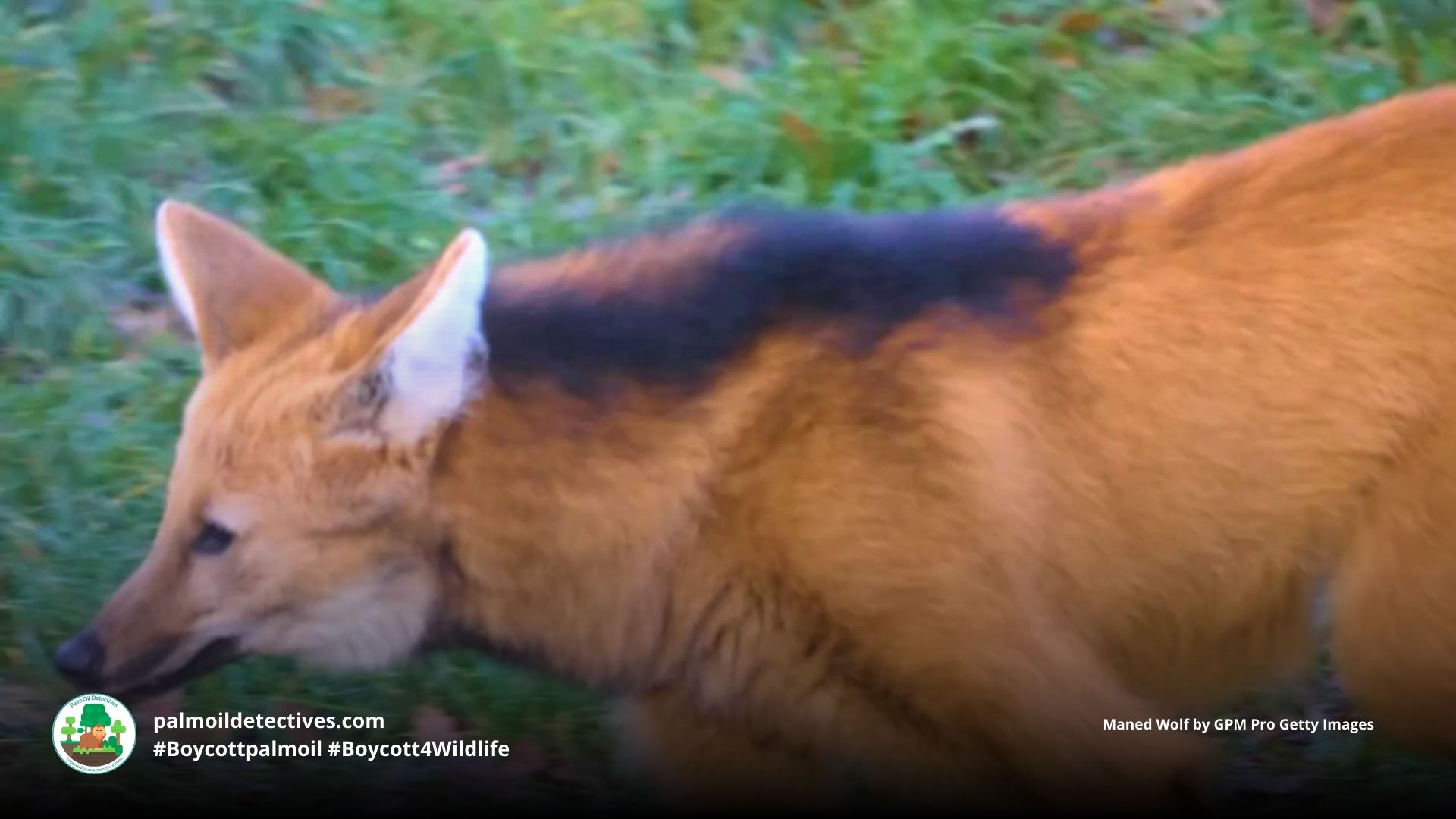
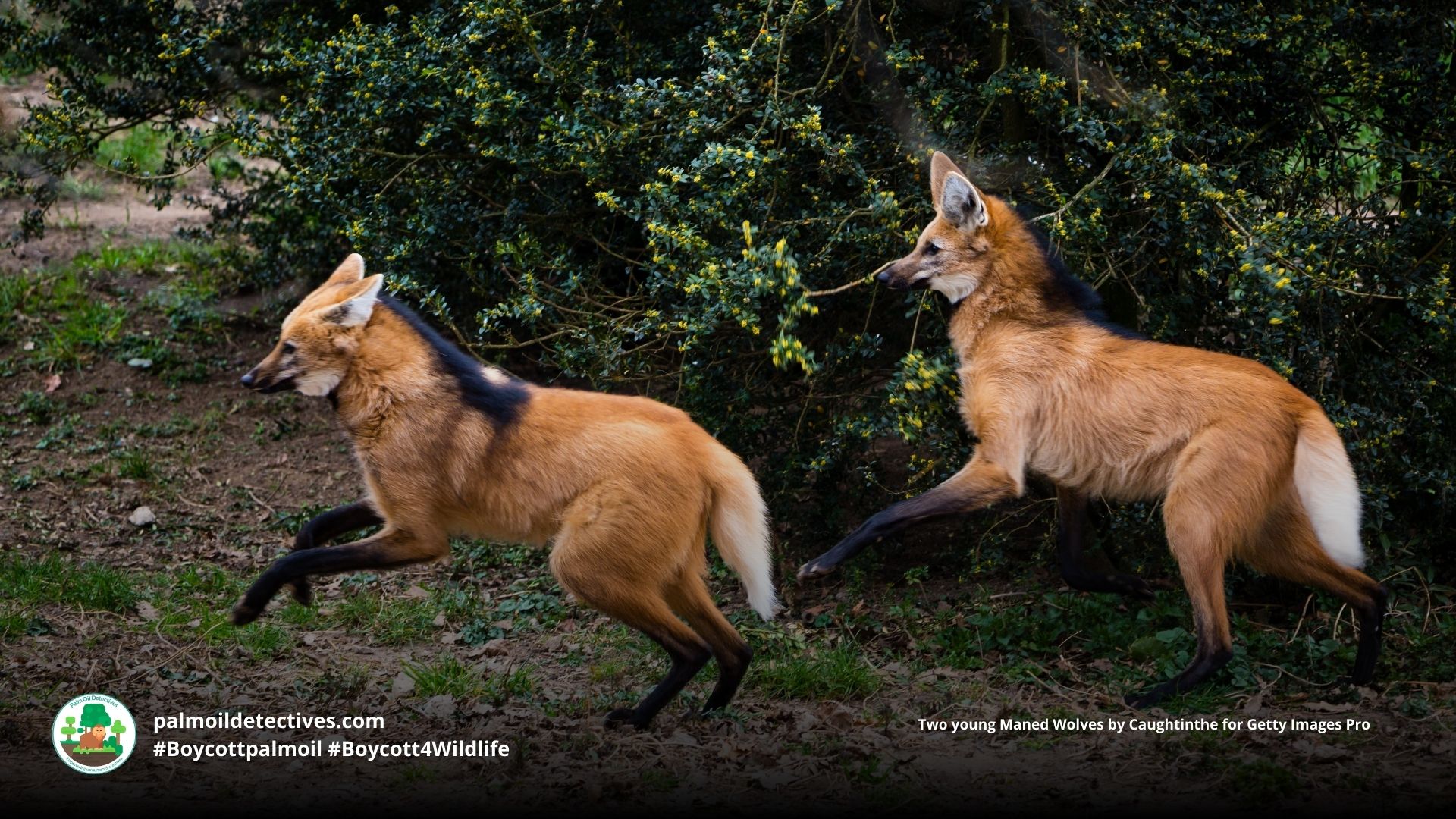
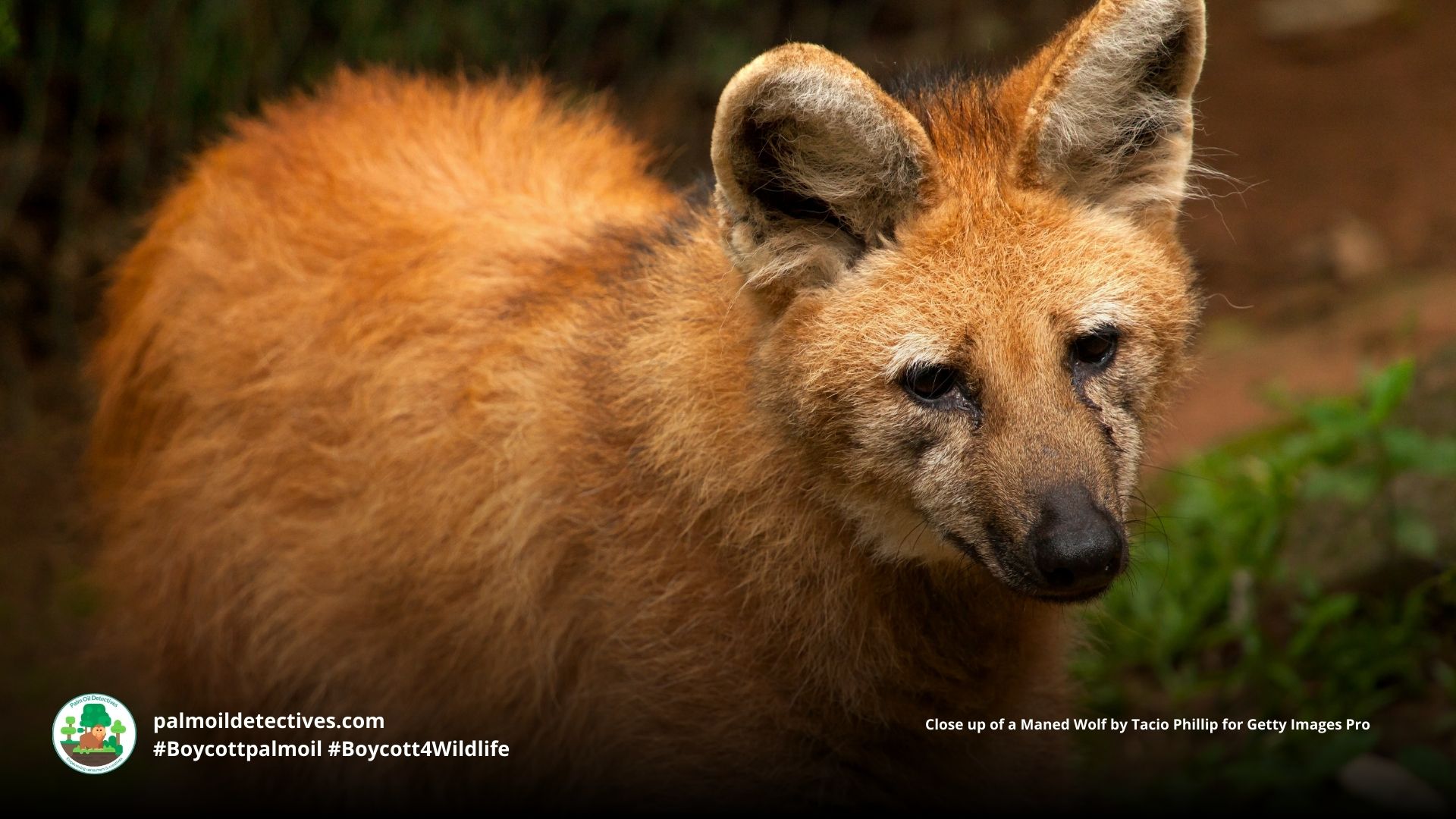
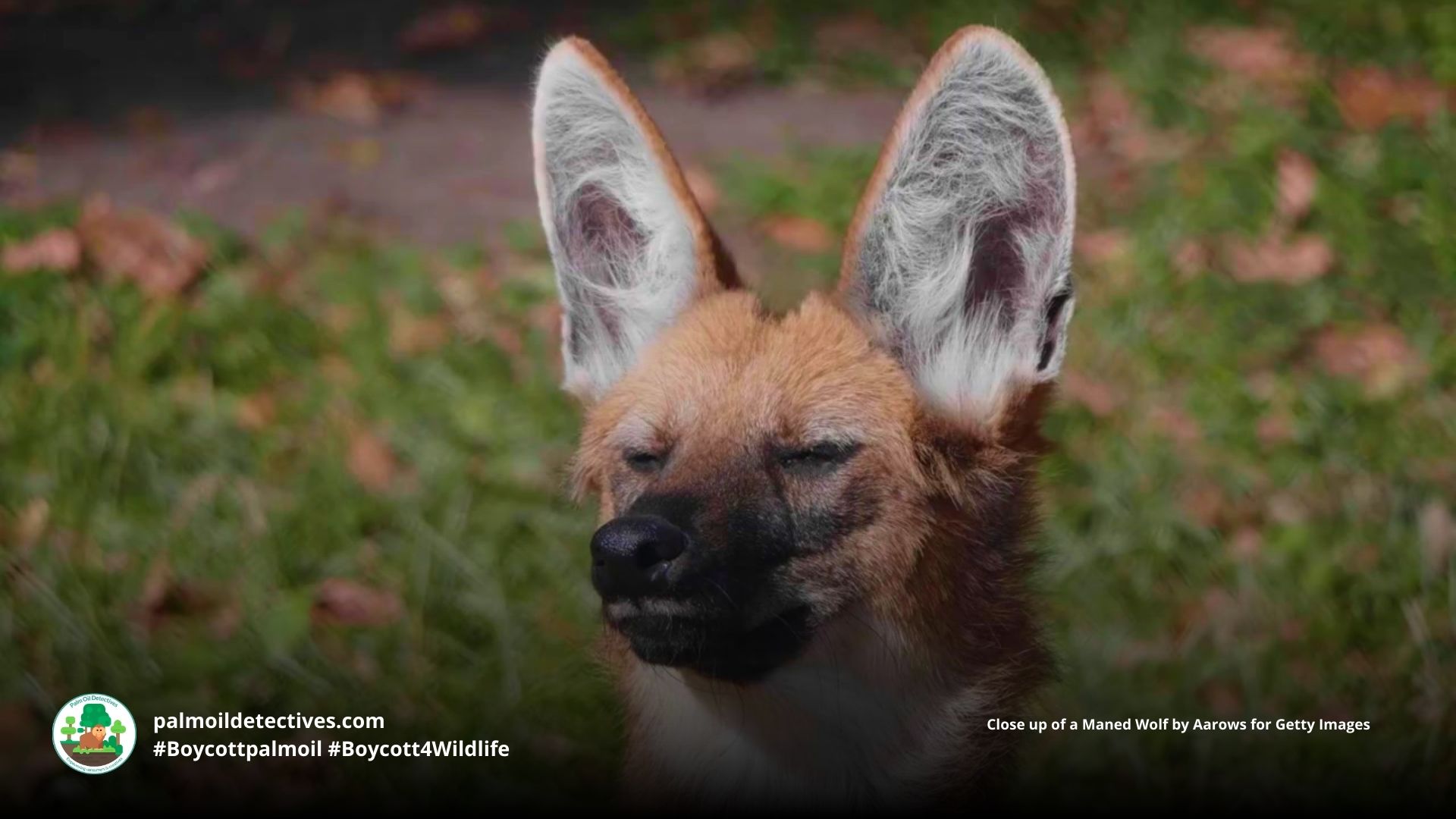
The maned wolf (Chrysocyon brachyurus), known as South America’s tallest canid, stands at nearly a meter high and sports long, slender legs adapted to spotting prey over the tall grasses of their native habitat. Their reddish-brown fur, black legs, and signature mane give them a striking and unmistakable appearance. Despite resembling foxes and wolves, they’re neither and instead represent a unique branch of the canid family. They are solitary, often shy, and communicate through distinctive “roar-barks” while marking their territory with cannabis-like scented urine.
- Foxes on Stilts: Their long legs earned them this nickname as it helps them peer above the grass for prey.
- Solitary Wanderers: Unlike most canids, they are solitary hunters, patrolling vast territories alone.
- Cannabis-Like Odour: Their urine contains a compound that smells remarkably like cannabis, giving them the nickname “skunk wolf.”
- Vital Seed Dispersers: Feeding on native fruits, they help disperse seeds throughout the ecosystem, playing a crucial role in plant biodiversity.
To protect this species, consumers can join the movement by avoiding and boycotting commodities associated with the destruction of their home. Help them to survive by being vegan and avoiding meat, #BoycottGold and #BoycottPalmOil #Boycott4Wildlife.
Threats
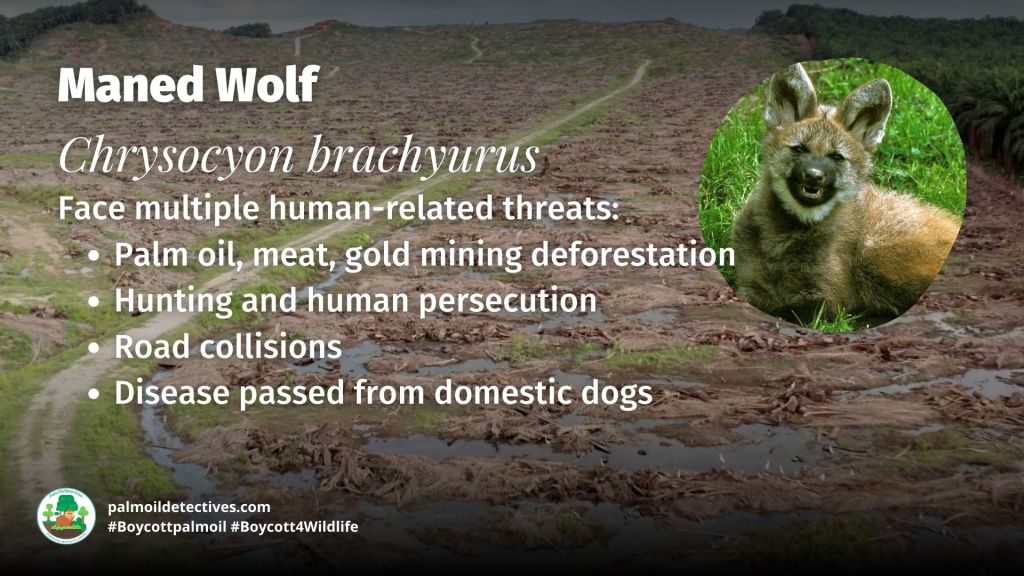
- Habitat Reduction: Deforestation and conversion of rainforest for palm oil, soy and meat agriculture are reducing their habitat.
- Road Mortality: Increasing road networks lead to death or injury from vehicle collisions.
- Disease Transmission: Domestic dogs pose a significant threat due to passing on diseases.
- Poaching: Illegal hunting of Maned Wolves continues to pose a danger.
Conservationists and local communities are working together to safeguard the Maned Wolf’s future. By boycotting palm oil, and advocating for wildlife-friendly policies, you can be a strong force for change and fight for their survival. Remember to #BoycottPalmOil #Boycott4Wildlife in the supermarket!
Habitat
Maned Wolves are found in South America’s grasslands, savannahs, and forests across Brazil, Argentina, Paraguay, Bolivia, and Peru. They favour grasslands with scattered trees and bush lands in higher altitudes but are known to adapt to plantations and even agricultural landscapes.
Diet
The maned wolf is omnivorous, feasting on a variety of foods. Their diet includes small mammals, birds, eggs, and insects, but they also love fruits and plants. They especially favour “wolf apple,” a fruit that provides both sustenance and protection from parasites.
Mating and breeding
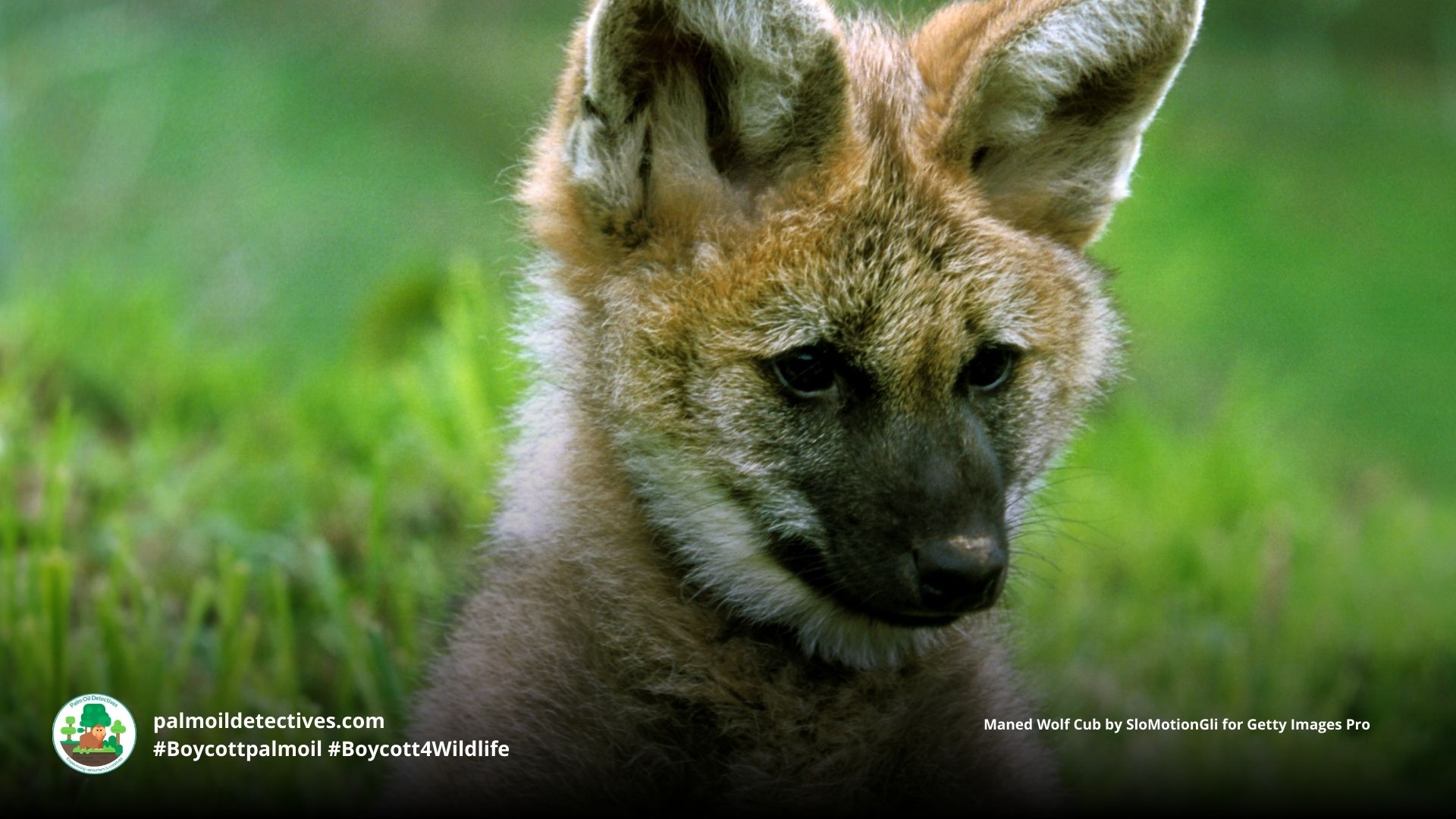
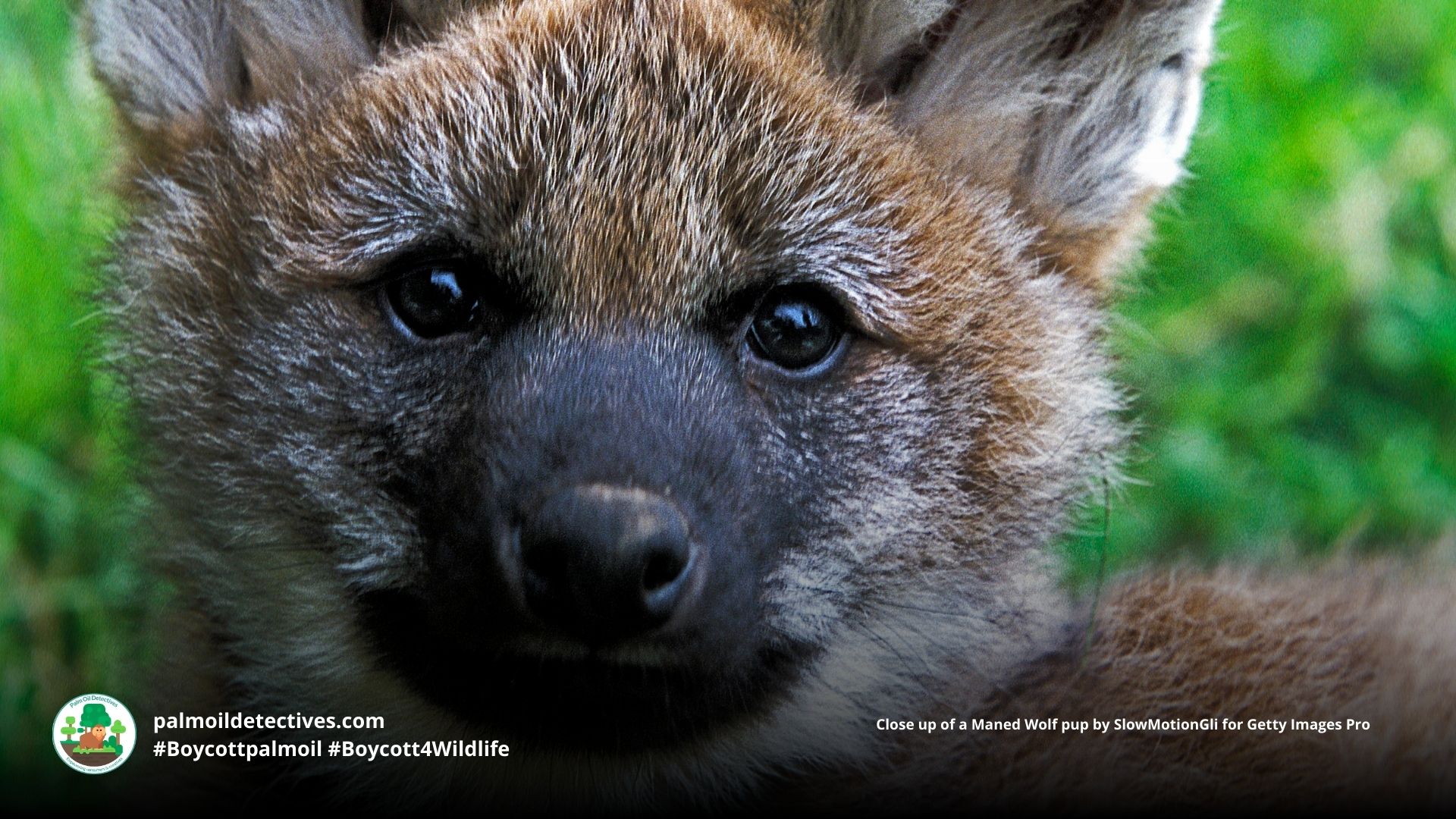
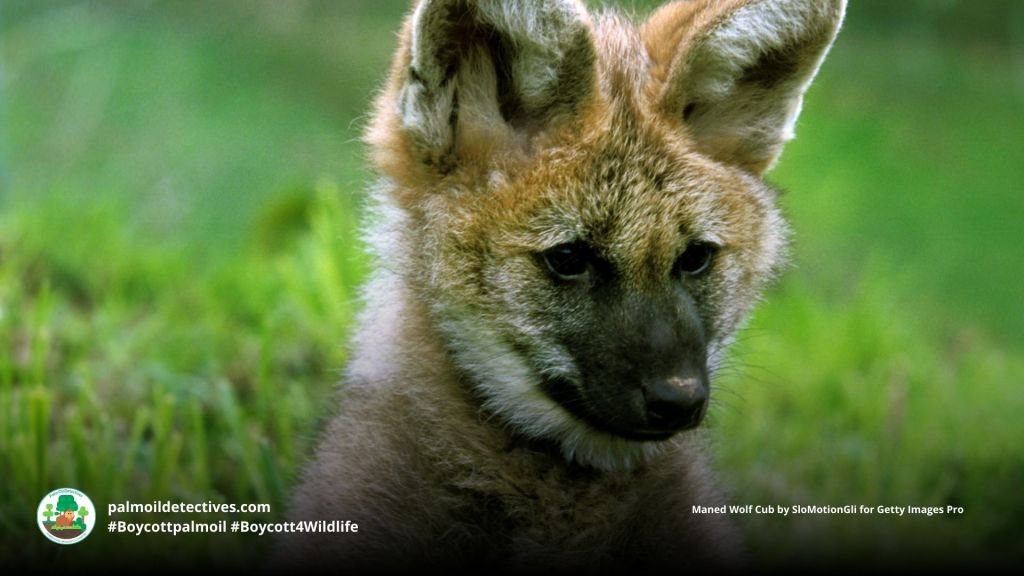
Monogamous pairs share large territories but often interact only during mating season, which ranges from November to April. Females give birth to litters of 2-6 pups after a gestation period of 60-65 days. While the pups are primarily cared for by their mother, the father also plays a role.
Support Maned Wolves by going vegan and boycotting palm oil in the supermarket, it’s the #Boycott4Wildlife
Support the conservation of this species
This animal has no protections in place. Read about other forgotten species here. Create art to support this forgotten animal or raise awareness about them by sharing this post and using the #Boycottpalmoil #Boycott4Wildlife hashtags on social media. Also you can boycott palm oil in the supermarket.
Further Information
Animalia. (n.d.). Maned wolf. https://animalia.bio/maned-wolf
Paula, R. C., & DeMatteo, K. (2015). Chrysocyon brachyurus (errata version published in 2016). The IUCN Red List of Threatened Species 2015: e.T4819A88135664. https://dx.doi.org/10.2305/IUCN.UK.2015-4.RLTS.T4819A82316878.en
Spanner, H. (2023, November 6). The maned wolf: All you need to know about the long-legged star of BBC’s Planet Earth III. https://www.sciencefocus.com/nature/maned-wolf
Wikipedia. (n.d.). Maned wolf. https://en.wikipedia.org/wiki/Maned_wolf


How can I help the #Boycott4Wildlife?
Take Action in Five Ways
1. Join the #Boycott4Wildlife on social media and subscribe to stay in the loop: Share posts from this website to your own network on Twitter, Mastadon, Instagram, Facebook and Youtube using the hashtags #Boycottpalmoil #Boycott4Wildlife.
2. Contribute stories: Academics, conservationists, scientists, indigenous rights advocates and animal rights advocates working to expose the corruption of the palm oil industry or to save animals can contribute stories to the website.






3. Supermarket sleuthing: Next time you’re in the supermarket, take photos of products containing palm oil. Share these to social media along with the hashtags to call out the greenwashing and ecocide of the brands who use palm oil. You can also take photos of palm oil free products and congratulate brands when they go palm oil free.
4. Take to the streets: Get in touch with Palm Oil Detectives to find out more.
5. Donate: Make a one-off or monthly donation to Palm Oil Detectives as a way of saying thank you and to help pay for ongoing running costs of the website and social media campaigns. Donate here
Learn about other animals endangered by palm oil and other agriculture
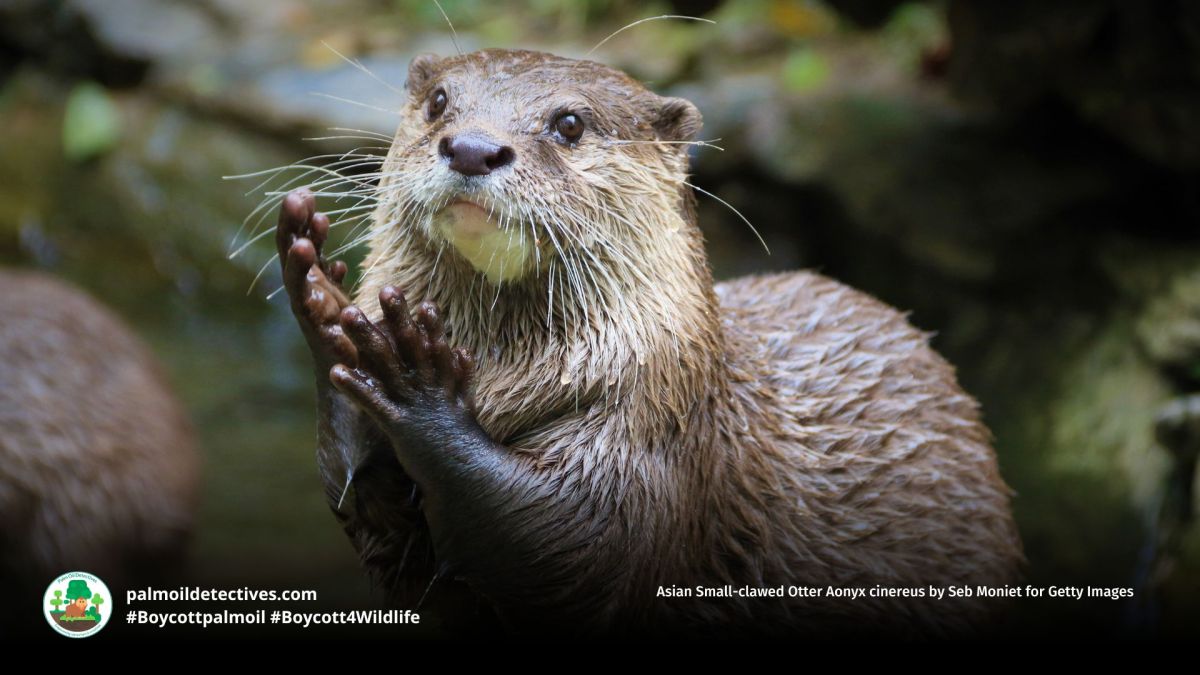
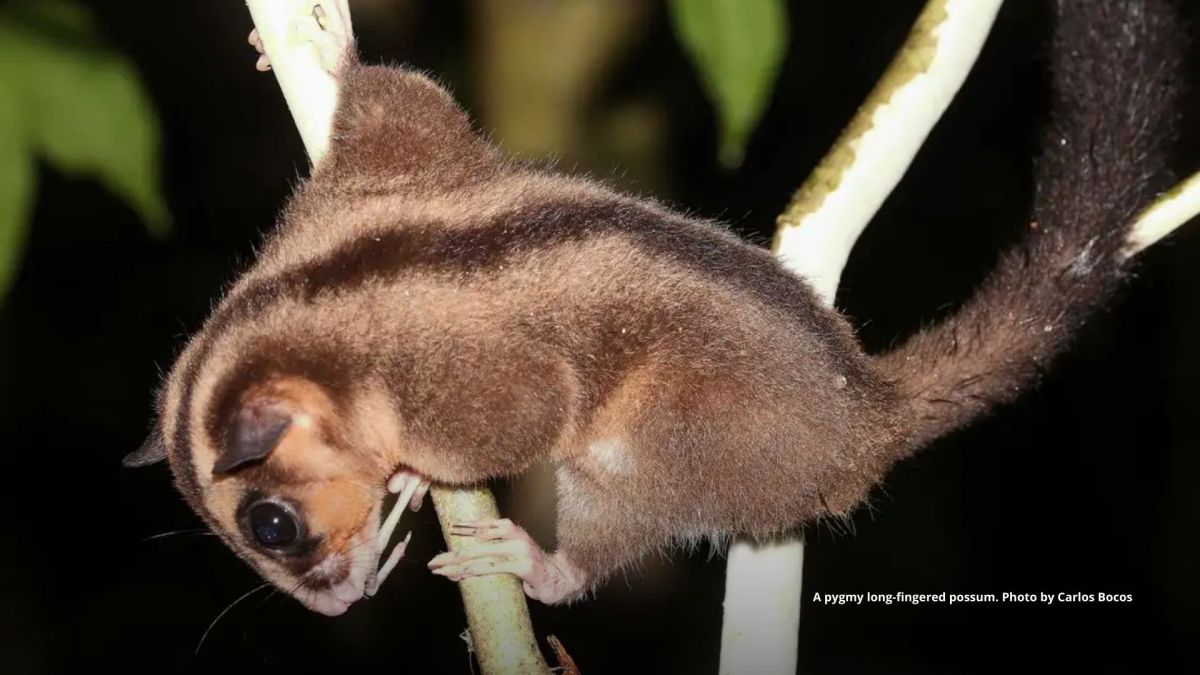
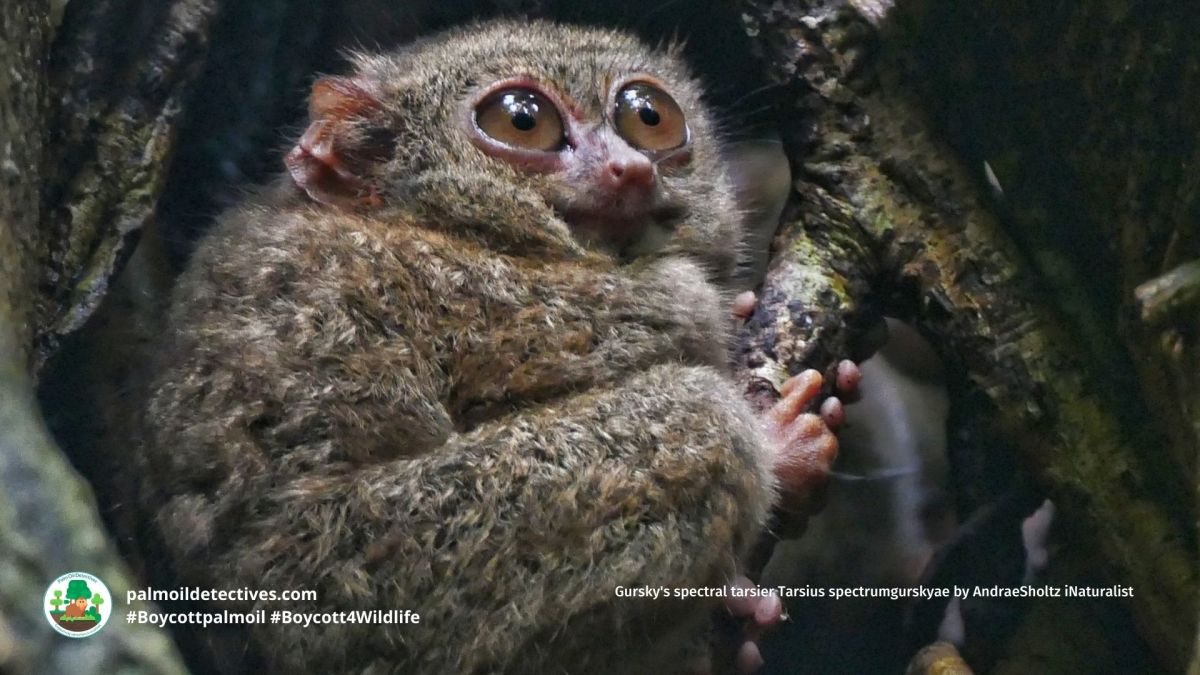
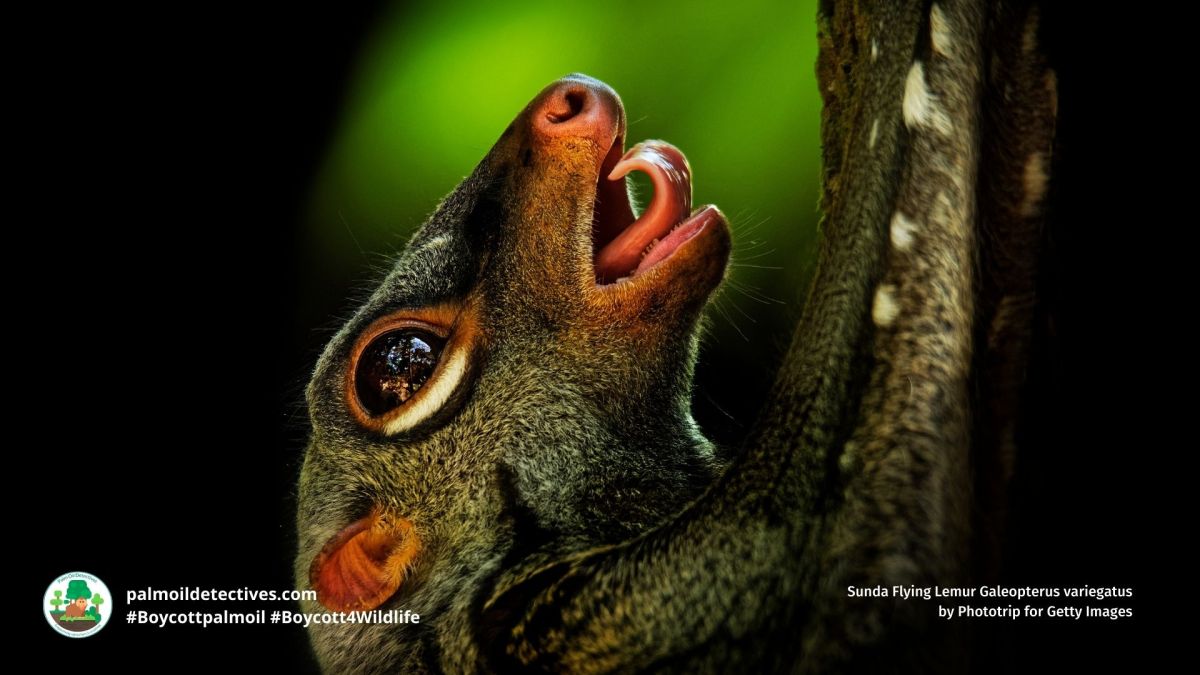
Learn about “sustainable” palm oil greenwashing
Read more about RSPO greenwashing
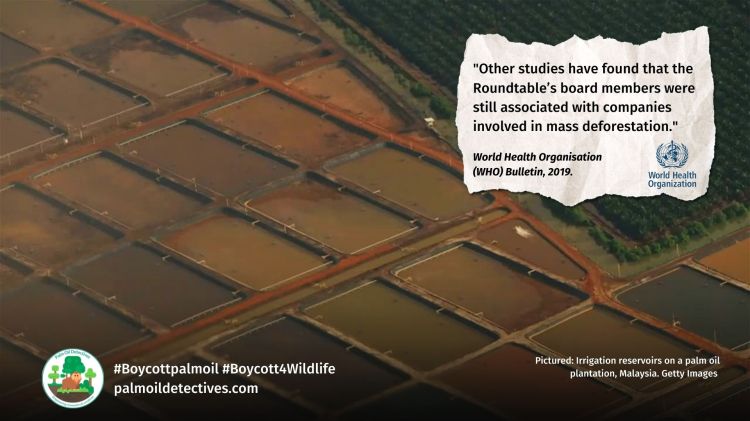
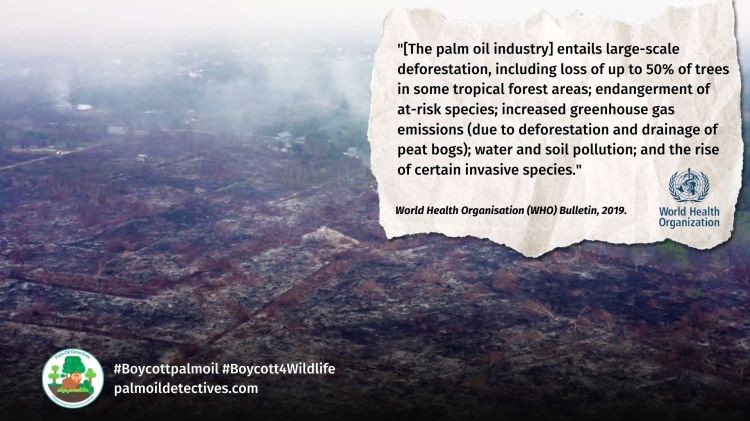
A 2019 World Health Organisation (WHO) report into the palm oil industry and RSPO finds extensive greenwashing of palm oil deforestation and the murder of endangered animals (i.e. biodiversity loss)



Discover more from Palm Oil Detectives
Subscribe to get the latest posts sent to your email.
 Palm Oil Detectives
Thank you Ned!
LikeLike