
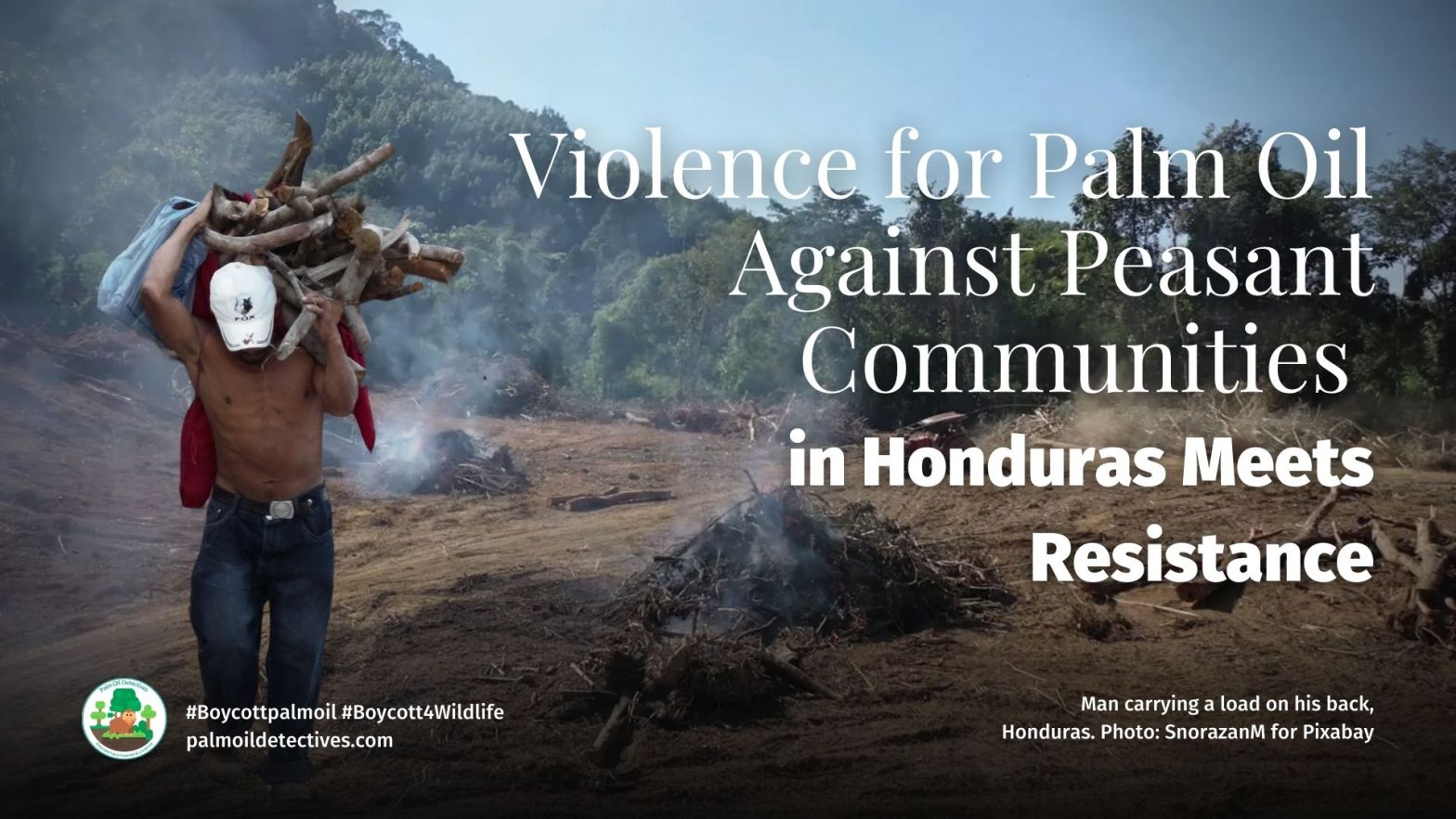
In the Aguán Valley of northern Honduras, peasant communities reclaiming ancestral lands face increasing violence and intimidation from armed groups linked to organised crime. The Dinant Corporation, a prominent palm oil producer, is accused of land theft and involvement in the murders of local activists. International organisations have condemned these human rights abuses, with a coalition of 33 organisations calling for a boycott of Dinant and for multinational companies: Pepsi, ADM, Cargill and Nestle to immediately cease business with Dinant. Despite governmental promises to address the conflict, concrete actions remain absent. You can resist for them in solidarity by boycotting their products in the supermarket! #BoycottPalmOil #LandRights #IndigenousRights #HumanRights
#News: Peasant Communities in #Honduras 🇭🇳 face violent #landgrabbing from armed groups claiming their ancestral lands for #palmoil co. #Dinant. 33 #HumanRights orgs call for an end to violence! #LandRights #IndigenousRights #Boycottpalmoil 🌴🔥⛔ https://wp.me/pcFhgU-an1
In the Aguán Valley, northern Honduras, peasant communities striving to reclaim ancestral lands from the palm oil industry are encountering severe threats from heavily armed groups associated with organised crime. Recent incidents include the assassinations of peasant leaders José Luis Hernández Lobo and Suyapa Guillén in February 2025, and activist Arnulfo Díaz in January 2025. On December 24, 2024, the Los Camarones cooperative suffered a violent eviction by armed factions, displacing over 160 families who now endure precarious conditions without access to land or resources.

Dinant Faces Allegations of Murder, Violence and Threats Against Peasant Farmers
The Dinant Corporation, a major palm oil producer, claims ownership of lands that peasants assert as their ancestral territory. For over a decade, Dinant has faced allegations of engaging in violence, including murders and threats against peasant leaders and human rights defenders. International bodies, such as the Inter-American Commission on Human Rights, have denounced these abuses. In February 2022, Honduran President Xiomara Castro pledged to investigate and resolve the conflict through a tripartite commission; however, tangible actions have yet to materialise.
Environmental and Economic Implications
The expansion of palm oil monoculture in Honduras, now covering approximately 200,000 hectares—over 18% of the nation’s arable land—has led to significant deforestation, ecosystem destruction, and soil degradation. This growth often involves collaboration between corporations and paramilitary groups, exacerbating the displacement and persecution of peasant communities.
International Coalition of 33 Orgs Call for Boycott of Dinant
A coalition of 33 environmental and human rights organisations has called on multinational corporations, including ADM, Cargill, Pepsico, and Nestlé, to cease business relations with Dinant. These organisations accuse Dinant of employing paramilitary and military forces to forcibly remove peasants resisting plantation expansion, using tactics ranging from physical violence to the destruction of livelihoods. In response to mounting pressure, companies such as BASF and Bunge have suspended commercial ties with Dinant, while Nestlé has announced plans to eliminate the supplier from its supply chains.
Call for Immediate Action
The ongoing violence and displacement of peasant communities in Honduras necessitate urgent intervention from both national authorities and the international community. Protecting the rights and lives of these communities is imperative, alongside promoting land use practices that fully respect indigenous territories and environmental integrity.
Latchford, R. (2025, February 20). Peasant communities under attack in Honduras. Freedom News. Retrieved February 25, 2025, from https://freedomnews.org.uk/2025/02/20/peasant-communities-under-attack-in-honduras/
ENDS
Read more about human rights abuses and child slavery in the palm oil industry
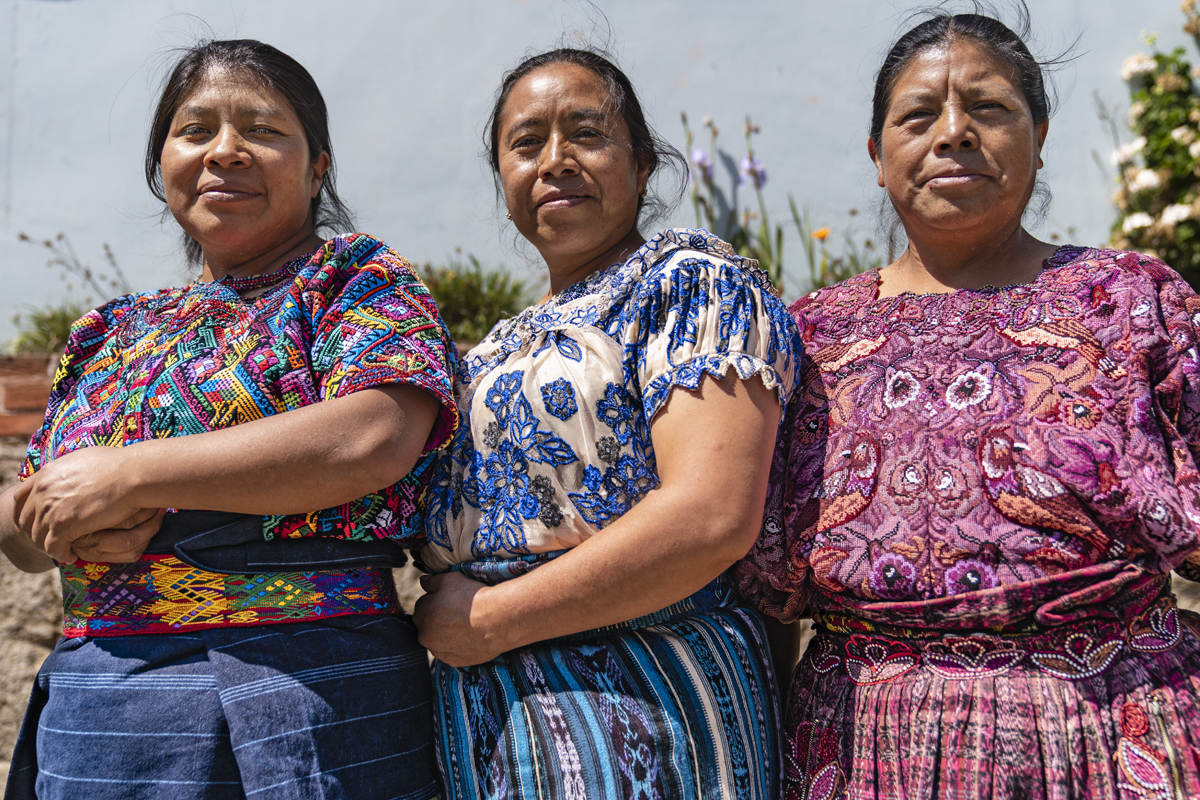
Indigenous Peoples Fight Climate Change
After wildfires, Belize’s indigenous people rebuild stronger based on “se’ komonil”: reciprocity, solidarity, gender equity, togetherness and community.
Read more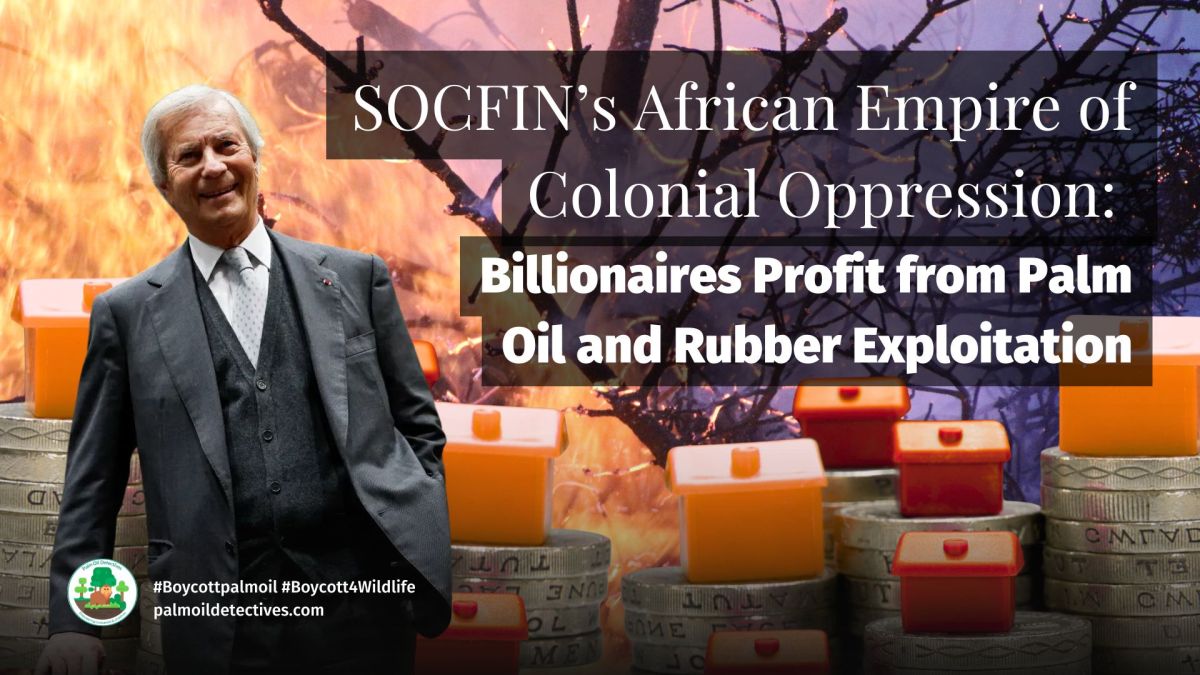
SOCFIN’s African Empire of Colonial Oppression: Billionaires Profit from Palm Oil and Rubber Exploitation
Investigation by Bloomberg exposes that despite being RSPO members, #SOCFIN plantations in #WestAfrica are the epicentre of #humanrights abuses, sexual coercion, environmental destruction, and #landgrabbing. Operating in #Liberia, #Ghana, #Nigeria, and beyond, SOCFIN’s…
Read more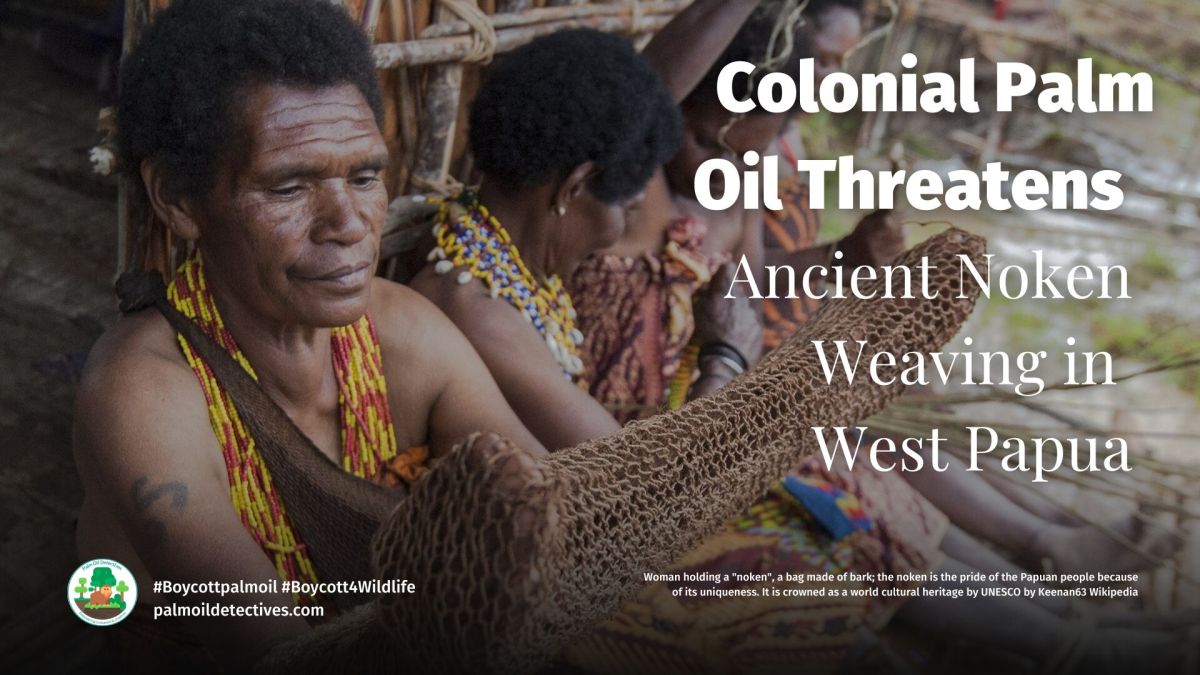
Palm Oil Threatens Ancient Noken Weaving in West Papua
Colonial palm oil and sugarcane causing the loss of West Papuans’ cultural identity. Land grabs force communities from forests, threatening Noken weaving
Read more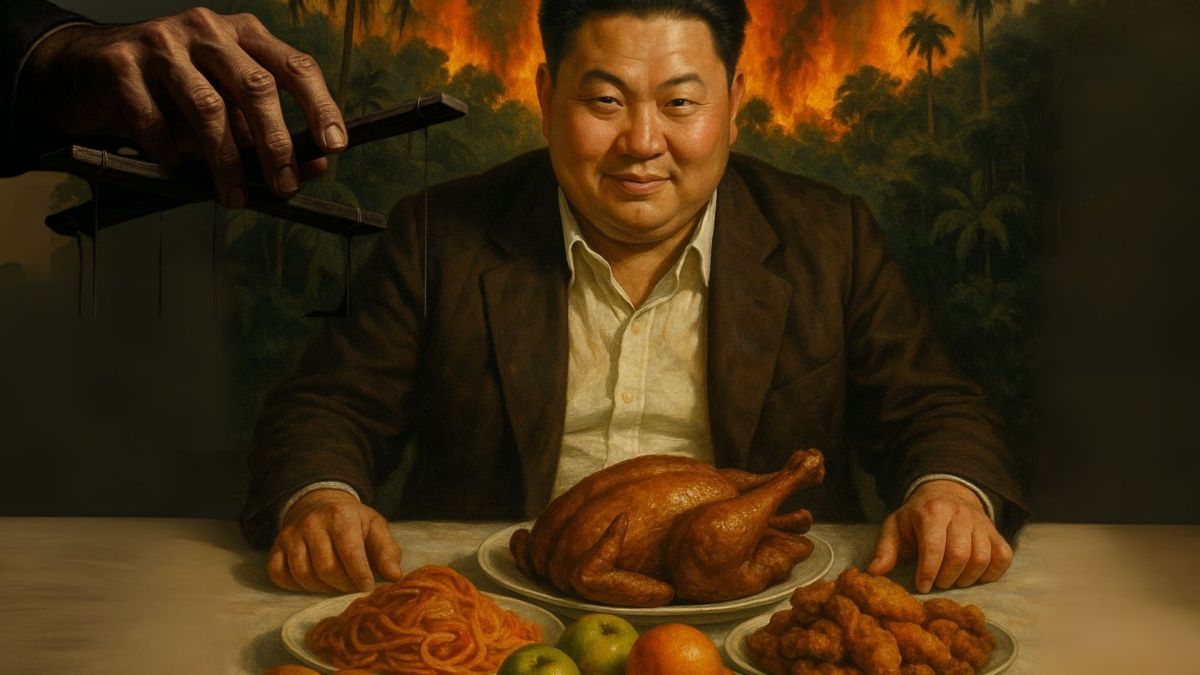
Family Ties Expose Deforestation and Rights Violations in Indonesian Palm Oil
An explosive report by the Environment Investigation Agency (EIA) details how Indonesia’s Fangiono family, through a wide corporate web, is linked to ongoing #deforestation, #corruption, and #indigenousrights abuses for #palmoil. Calls mount for…
Read more
West Papuan Indigenous Women Fight Land Seizures
Indigenous Melanesian women in West Papua fight land seizures for palm oil and sugar plantations, protecting their ancestral rights. Join #BoycottPalmOil
Read moreSomething went wrong. Please refresh the page and/or try again.
Take Action in Five Ways
1. Join the #Boycott4Wildlife on social media and subscribe to stay in the loop: Share posts from this website to your own network on Twitter, Mastadon, Instagram, Facebook and Youtube using the hashtags #Boycottpalmoil #Boycott4Wildlife.
2. Contribute stories: Academics, conservationists, scientists, indigenous rights advocates and animal rights advocates working to expose the corruption of the palm oil industry or to save animals can contribute stories to the website.



3. Supermarket sleuthing: Next time you’re in the supermarket, take photos of products containing palm oil. Share these to social media along with the hashtags to call out the greenwashing and ecocide of the brands who use palm oil. You can also take photos of palm oil free products and congratulate brands when they go palm oil free.
4. Take to the streets: Get in touch with Palm Oil Detectives to find out more.
5. Donate: Make a one-off or monthly donation to Palm Oil Detectives as a way of saying thank you and to help pay for ongoing running costs of the website and social media campaigns. Donate here
Discover more from Palm Oil Detectives
Subscribe to get the latest posts sent to your email.
 Palm Oil Detectives