
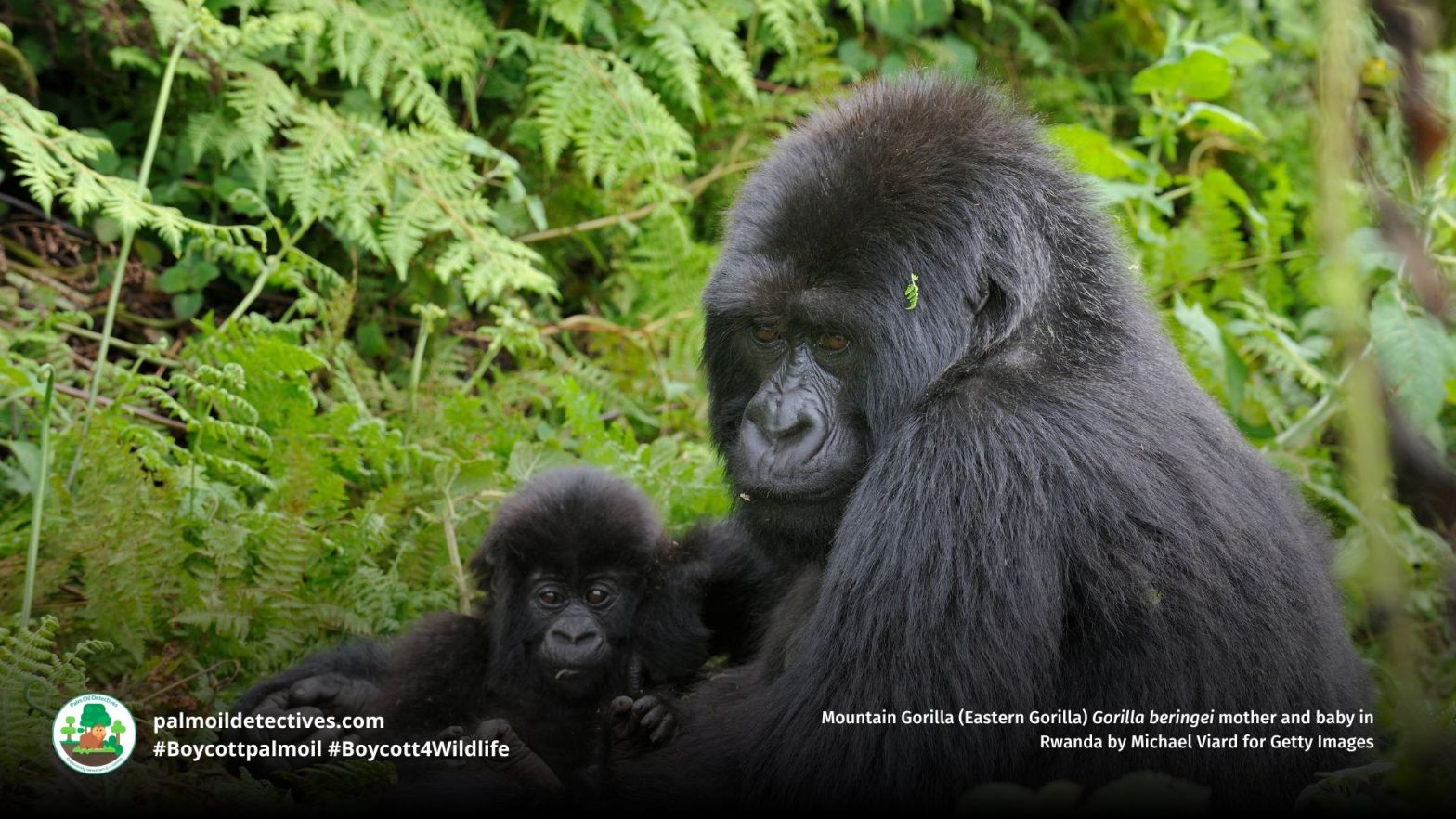
Young gorillas often suffer horrific events in their childhood: the death of their mother or father due to poachers, kidnapping and rough handling for the illegal pet trade. A study of 250 gorillas throughout their lifespans have found they share a lot of needs with human children. And just like their human cousins, they thrive after adverse childhood events when given the right social and economic supports. Help gorillas and 1000’s of other animals to survive when you go plant-based and #BoycottPalmOil #Boycott4Wildlife
Just like human #children 👨👩👧👧, #gorillas 🦍 who suffer #childhood tragedies are able to thrive with #economic and social supports in place. #Research #primatology #primates Help all beings, be #vegan #Boycottpalmoil #Boycott4Wildlife @palmoildetect https://wp.me/pcFhgU-8TQ
As a young #gorilla, #Titus 🦍 suffered more tragedy than most #humans do in their lifetimes. A #study found, just like a human #child, he thrived due to good social and economic supports. Learn more #Boycottpalmoil #Boycott4Wildlife @palmoildetect https://wp.me/pcFhgU-8TQ
Written by Stacy Rosenbaum, Assistant Professor of Anthropology, University of Michigan and Robin Morrison, Postdoctoral Fellow in Animal Behavior, University of Exeter. This article is republished from The Conversation under a Creative Commons license. Read the original article.
Gorilla and Human Childhood Resilience Tied to Economic and Personal Support
In 1974, an infant mountain gorilla was born in Volcanoes National Park in Rwanda. Researchers named him Titus. As is typical for young gorillas in the wild, Titus spent the first years of his life surrounded by his mother, father and siblings, as well as more distant relatives and unrelated gorillas that made up his social group.
In 1978, however, tragedy struck. Poachers killed Titus’ father and brother. In the chaos that followed, his younger sister was killed by another gorilla, and his mother and older sister fled the group. Juvenile Titus, who was at a developmental stage similar to that of an 8- or 9-year-old human, experienced more tragedy in his first four years of life than many animals do in a lifetime.

Titus’ (pictured) father and brother were killed by poachers when he was very young. Then his sister was killed by another gorilla. However, with the right care and supports he managed to overcome this childhood adversity and go on to thrive and live a long life.
In people, a rough start in life is often associated with significant problems later on. Early life adversity can take a wide variety of forms, including malnutrition, war and abuse. People who experience these kinds of traumas, assuming they survive the initial event, are more likely to suffer health problems and social dysfunction in adulthood and to have shorter life spans. Often, these outcomes trace back at least in part to what public health researchers call health risk behaviors – things like smoking, poor eating habits and a sedentary lifestyle.
A lot of bad things can happen to young mountain gorillas in the wild. Image: Dian Fossey Gorilla Fund
But researchers have documented the same kinds of problems in adulthood in nonhuman animals that experienced early life adversity. For example, female baboons who have the hardest childhoods have life spans that are on average only half as long as their peers that have the easiest. Activities like smoking and unhealthy food choices can’t be the whole story, then, since animals don’t engage in typical human health risk behaviors.
Given the connection between adverse events while young and poor health later in life, one might expect that Titus’ unlucky early years would predict a short, unhealthy adulthood for him. However, there are interesting hints that things might work differently in mountain gorillas, which are one of humans’ closest living relatives.
Researchers analyzed decades of observational data to determine how life turned out for young gorillas that had faced adversity. Dian Fossey Gorilla Fund
Decades of gorilla observations
As scientists who have spent many years studying wild gorillas, we have observed a wide variety of early life experiences and an equally wide variety of adult health outcomes in these great apes. Unlike other primates, mountain gorillas don’t appear to suffer any long-term negative effects of losing their mothers at an early age, provided that they reach the age at which they are old enough to have finished nursing.
Losing your mother is only one of many bad things that can happen to a young gorilla, though. We wanted to investigate whether a pattern of resilience was more generalized. If so, could we gather any insight into the fundamental question of how early life experiences can have long-lasting effects?
To do this, we needed exceptionally detailed long-term data on wild gorillas across their lifetimes. This is no mean feat, given gorillas’ long life spans. Primatologists know that males can survive into their late 30s and females into their mid-40s.
The best data in the world to conduct such a study comes from the Dian Fossey Gorilla Fund, which has been following individual mountain gorillas in Rwanda almost daily for 55 years. We conducted doctoral and postdoctoral research with the Fossey Fund and have collaborated with other scientists there for more than 20 years.
From their database, which stretches back to 1967, we extracted information on more than 250 gorillas tracked from the day they were born to the day they died or left the study area.
We used this data to identify six adverse events that gorillas younger than age 6 can endure: maternal loss, paternal loss, extreme violence, social isolation, social instability and sibling competition. These experiences are the gorilla equivalent of some kinds of adversity that are linked with long-term negative effects in humans and other animals.
Many young gorillas didn’t survive these challenges. This is a strong indication that these experiences were indeed adverse from the perspective of a gorilla.
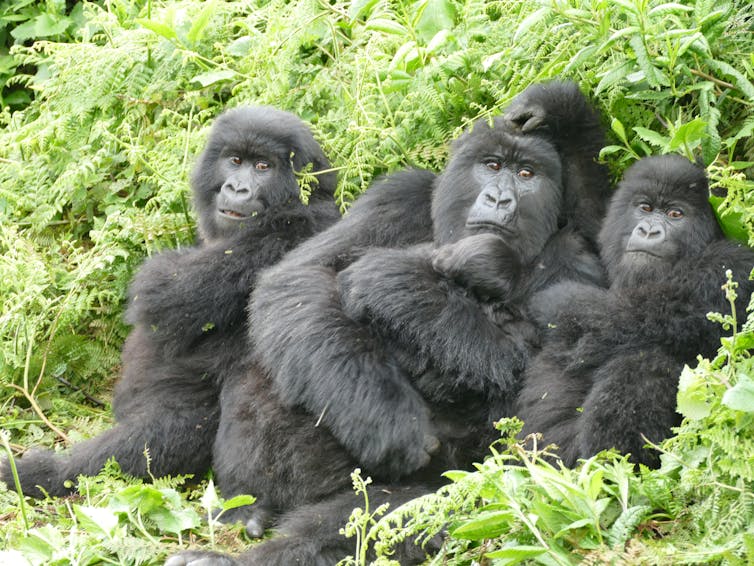
Ubufatanye experienced the loss of her mother and father and the disintegration of her family group before the age of 5. Now 20, she has become a successful mother, raising three offspring. Dian Fossey Gorilla Fund
We were surprised to discover, however, that most of the repercussions of these hardships were confined to early life: animals that survived past the age of 6 did not have the shorter life spans commonly associated with early life adversity in other species.
In fact, gorillas that experienced three or more forms of adversity actually had better survival outcomes, with a 70% reduction in the risk of death across their adult years. Part of this hardiness, especially for males, may be due to a phenomenon called viability selection: Only the strongest animals survive early adversity, and thus they are also the animals with the longest life spans.
While viability selection may be part of the story, the patterns in our data strongly suggest that as a species, mountain gorillas are also remarkably resilient to early adversity.
Where do gorillas get their resilience?
Although our findings corroborate previous research on maternal loss in gorillas, they contrast with other studies on early adversity in humans and other long-lived mammals. Our study indicates that the negative later-life consequences of early adversity are not universal.
The absence of this connection in one of our closest relatives suggests there might be protective mechanisms that help build resiliency to early-life knocks. Gorillas may provide valuable clues to understand how early life experiences have such far-reaching effects and how people can potentially overcome them.
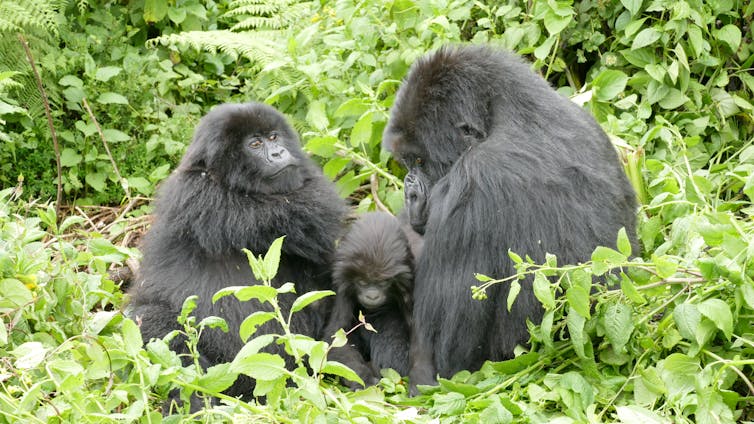
Young gorillas live with their parents as part of larger social groups. Dian Fossey Gorilla Fund
While there is still much left to explore, we suspect that gorillas’ food-rich habitat and cohesive social groups could underpin their resiliency. When young gorillas lose their mothers, other social group members fill in the companionship hole she leaves behind. Something similar may happen for other types of early adversity as well. A supportive social network combined with plentiful food may help a young gorilla push through challenges.
This possibility underscores the importance of ensuring that human children who experience early adversity are supported in multiple ways: socially, but also economically, especially since early adversity is particularly prevalent among children living in poverty – itself a form of adversity.
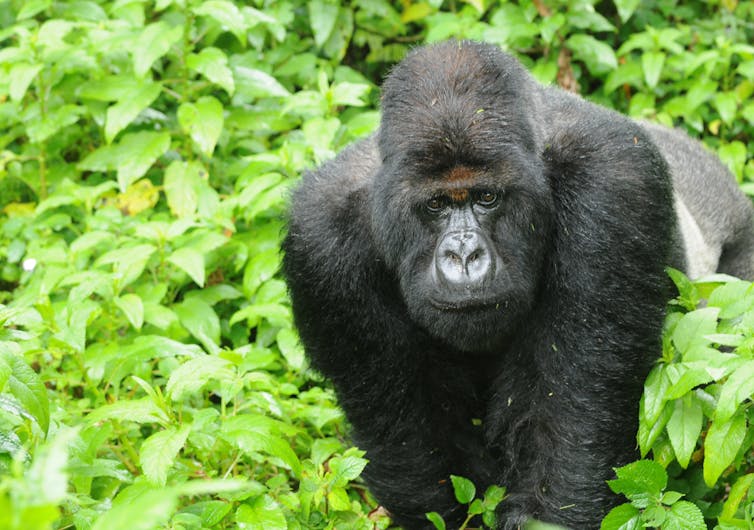
Titus, pictured here as an adult, survived more adversity before age 4 than many animals confront in a lifetime. Dian Fossey Gorilla Fund
And what became of Titus? Despite his difficult start in life, Titus went on to lead his group for two decades, siring at least 13 offspring and surviving to his 35th birthday, making him one of the most successful gorillas the Dian Fossey Gorilla Fund has ever studied.
Though Titus’ story is only a single anecdote, it turns out that his resilience is not so unusual for a member of his species.
Written by Stacy Rosenbaum, Assistant Professor of Anthropology, University of Michigan and Robin Morrison, Postdoctoral Fellow in Animal Behavior, University of Exeter. This article is republished from The Conversation under a Creative Commons license. Read the original article.
ENDS
Learn about other animals endangered by palm oil and other agriculture
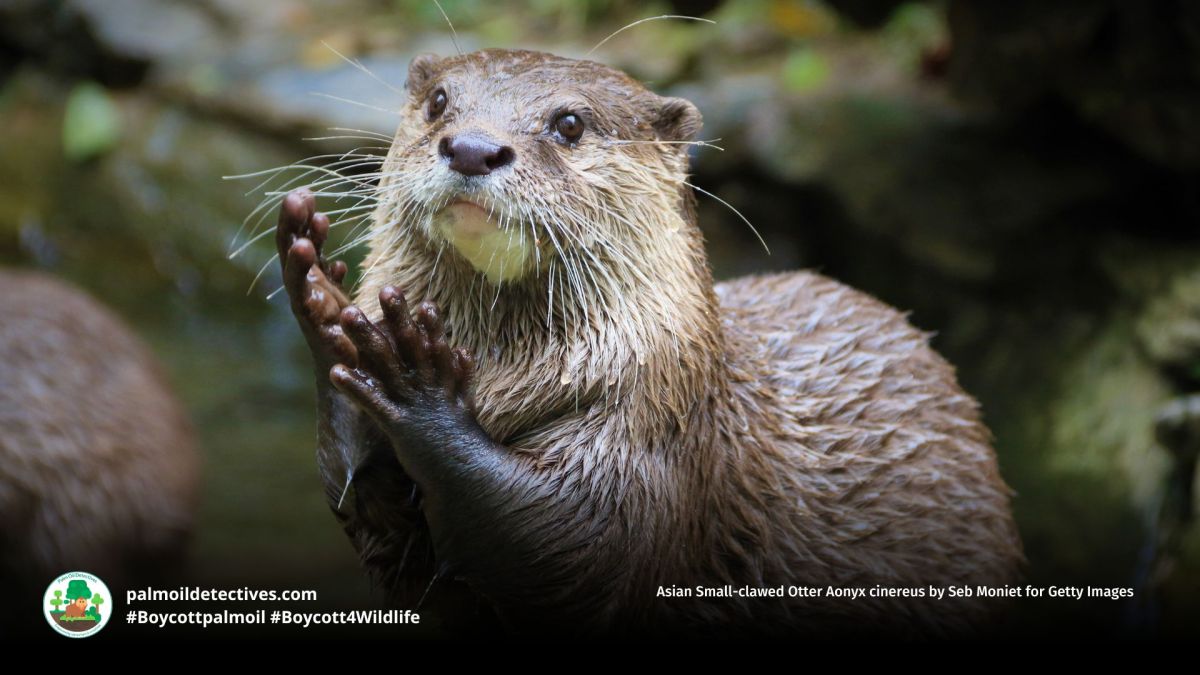
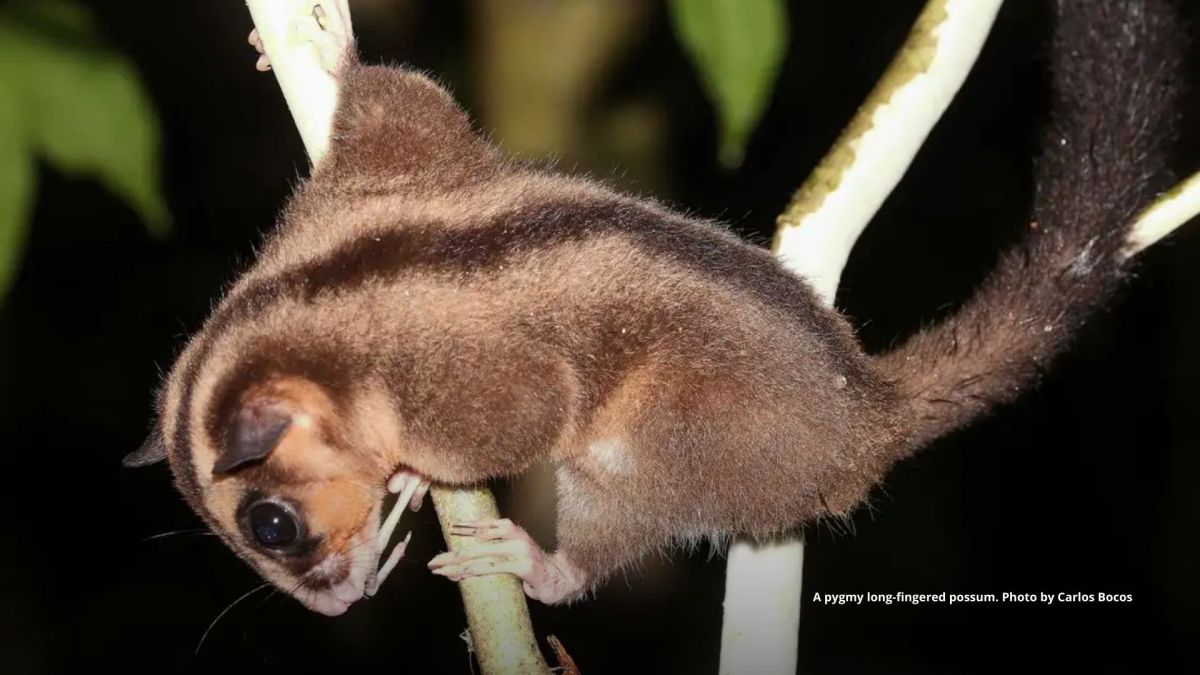
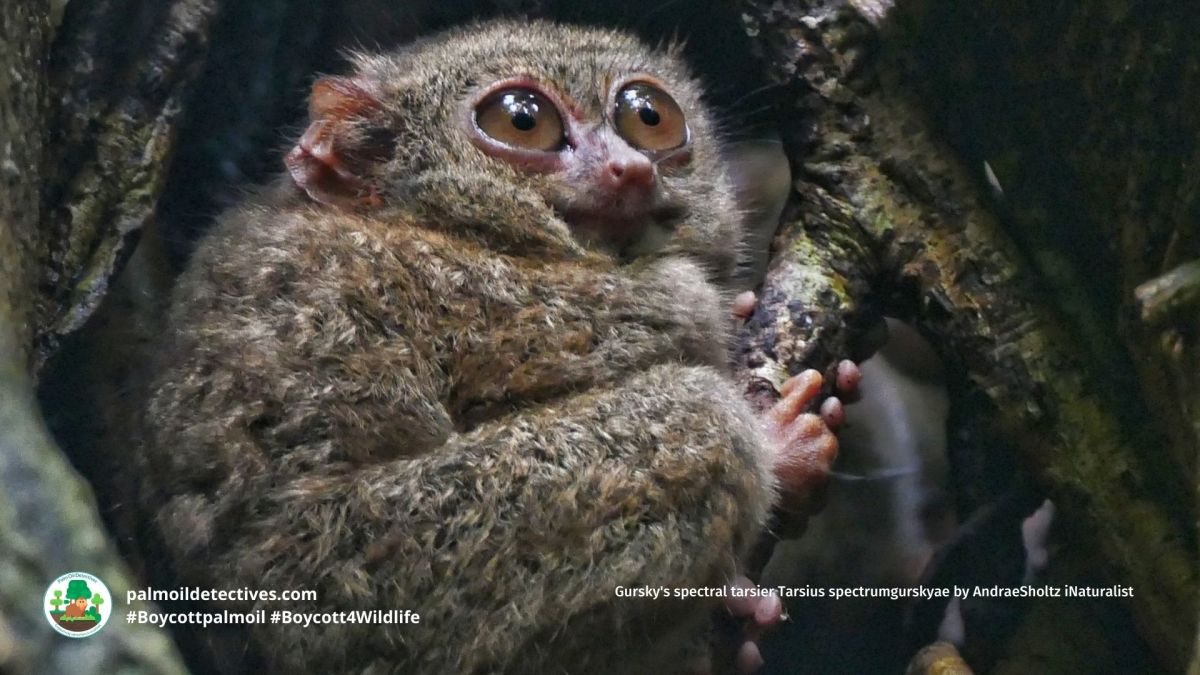
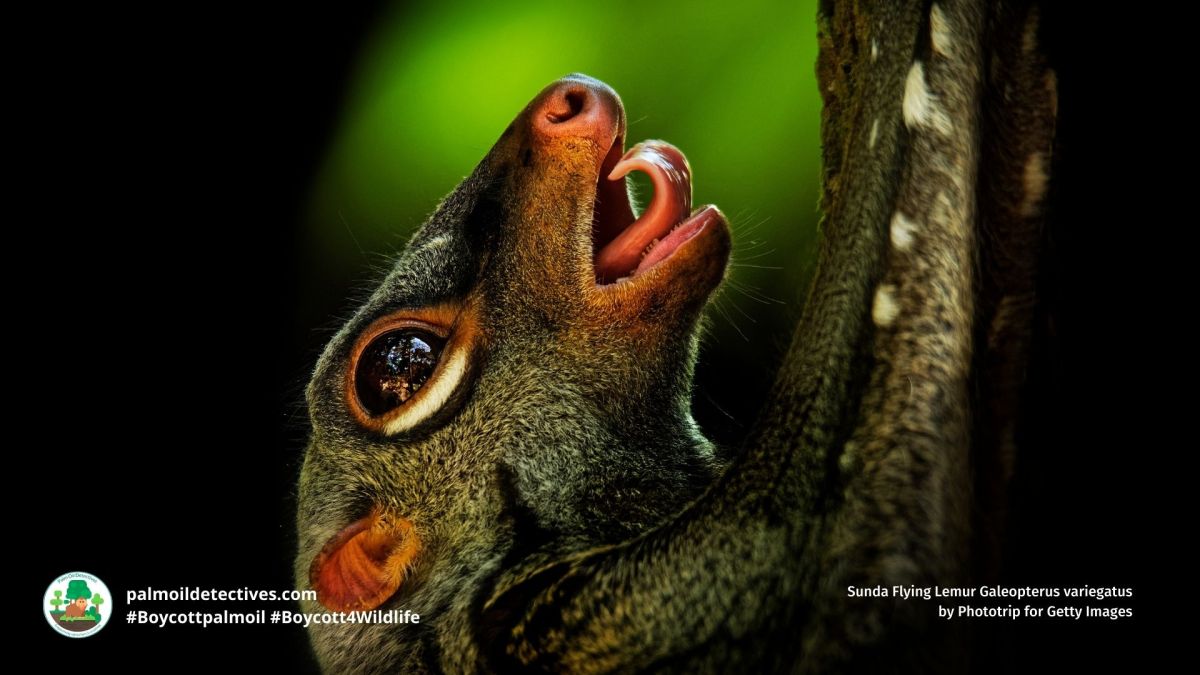
Learn about “sustainable” palm oil greenwashing
Read more about RSPO greenwashing
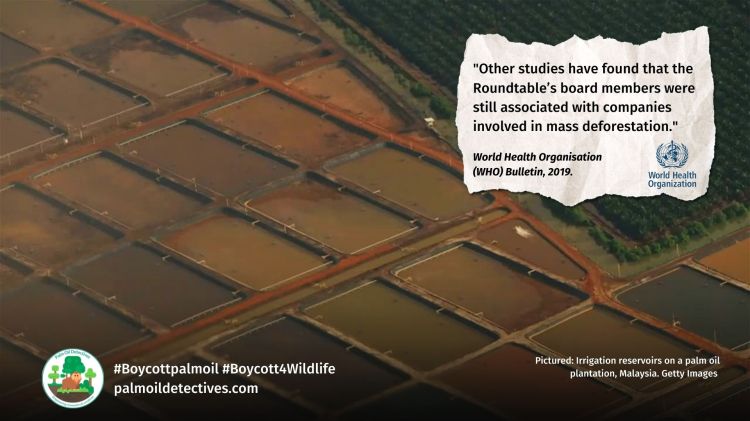
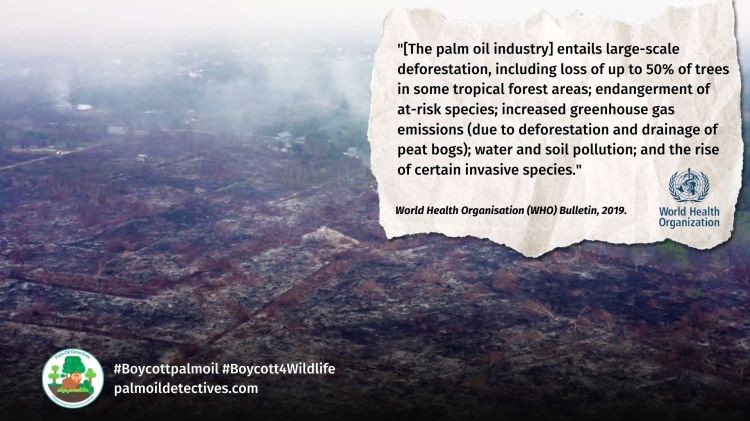
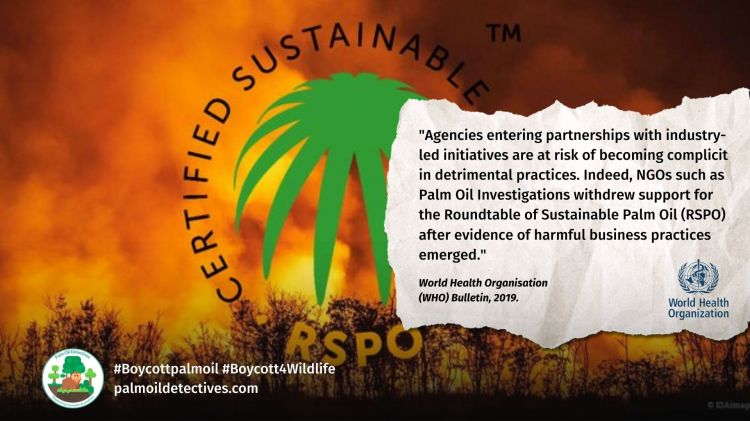
A 2019 World Health Organisation (WHO) report into the palm oil industry and RSPO finds extensive greenwashing of palm oil deforestation and the murder of endangered animals (i.e. biodiversity loss)


Take Action in Five Ways
1. Join the #Boycott4Wildlife on social media and subscribe to stay in the loop: Share posts from this website to your own network on Twitter, Mastadon, Instagram, Facebook and Youtube using the hashtags #Boycottpalmoil #Boycott4Wildlife.
2. Contribute stories: Academics, conservationists, scientists, indigenous rights advocates and animal rights advocates working to expose the corruption of the palm oil industry or to save animals can contribute stories to the website.






3. Supermarket sleuthing: Next time you’re in the supermarket, take photos of products containing palm oil. Share these to social media along with the hashtags to call out the greenwashing and ecocide of the brands who use palm oil. You can also take photos of palm oil free products and congratulate brands when they go palm oil free.
4. Take to the streets: Get in touch with Palm Oil Detectives to find out more.
5. Donate: Make a one-off or monthly donation to Palm Oil Detectives as a way of saying thank you and to help pay for ongoing running costs of the website and social media campaigns. Donate here
Discover more from Palm Oil Detectives
Subscribe to get the latest posts sent to your email.
 Palm Oil Detectives
One thought on “Support Helps Gorilla and Human Child Resilience”