
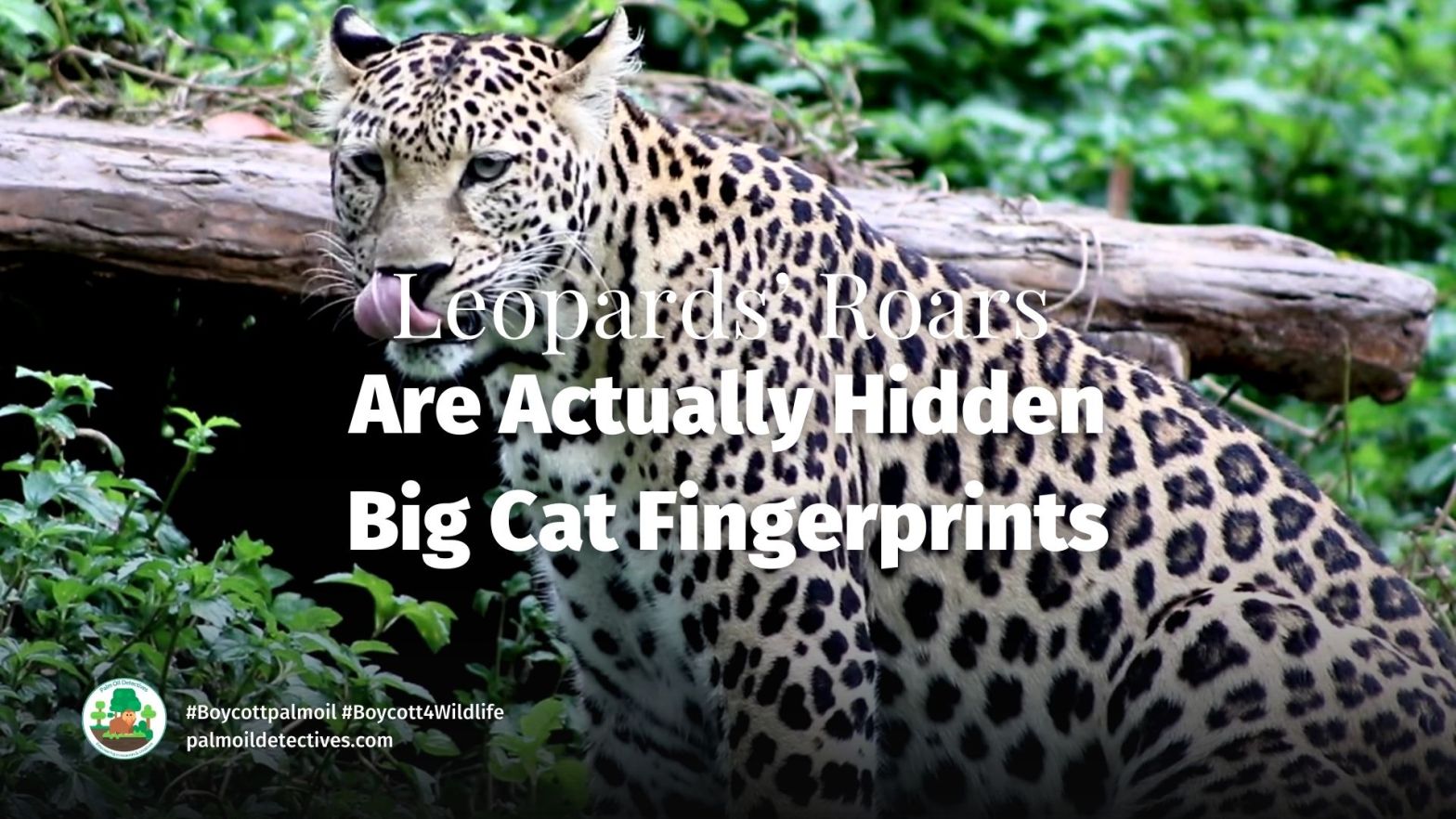
Leopards’ Roars Are Actually Hidden Big Cat Fingerprints | Researchers from the University of Exeter have discovered that each #leopard possesses a distinctive roar, allowing for individual identification with 93% accuracy. This finding opens new avenues for monitoring and conserving these elusive big cats. Leopards are #vulnerable due to #palmoil #deforestation, #poaching and other threats. Help them every time you shop and #BoycottPalmOil #Boycott4Wildlife
🐆🔊 Exciting #research reveals #leopards have unique roars 🎶🎵 enabling individual identification with 93% accuracy! This breakthrough aids in monitoring and protecting these majestic #bigcats. #BoycottPalmOil #Boycott4Wildlife @palmoildetect https://wp.me/pcFhgU-9PJ
University of Exeter. (2024, December 23). Individual leopards can be identified by their roars. ScienceDaily. Retrieved from https://www.sciencedaily.com/releases/2024/12/241223135204.htm
A recent study has revealed that leopards can be individually identified by their unique roars, achieving an accuracy rate of 93%. This breakthrough offers a novel method for monitoring these solitary and nocturnal creatures, which are often challenging to study due to their elusive nature.
Conducted across a 450 km² area in Nyerere National Park, Tanzania, researchers employed a combination of camera traps and autonomous recording devices to capture both visual and auditory data. By analysing the temporal patterns of the leopards’ “sawing” roars—a series of low-frequency sounds used for communication—the team successfully distinguished individual animals.
Lead author Jonathan Growcott, a PhD student at the University of Exeter, emphasised the significance of this discovery: “Discovering that leopards have unique roars is an important but fundamentally quite basic finding that shows how little we know about leopards, and large carnivores in general.”
This advancement in bioacoustic monitoring presents a non-invasive approach to studying leopard populations, facilitating more accurate population estimates and aiding in conservation efforts. Given that leopards are classified as ‘vulnerable’ by the IUCN Red List due to habitat loss and human-wildlife conflict, such innovative monitoring techniques are crucial for their preservation.
The study also highlights the potential of integrating multiple technologies to gather comprehensive data on wildlife, enhancing our understanding of ecosystems and informing effective conservation strategies.
University of Exeter. (2024, December 23). Individual leopards can be identified by their roars. ScienceDaily. Retrieved from https://www.sciencedaily.com/releases/2024/12/241223135204.htm
ENDS
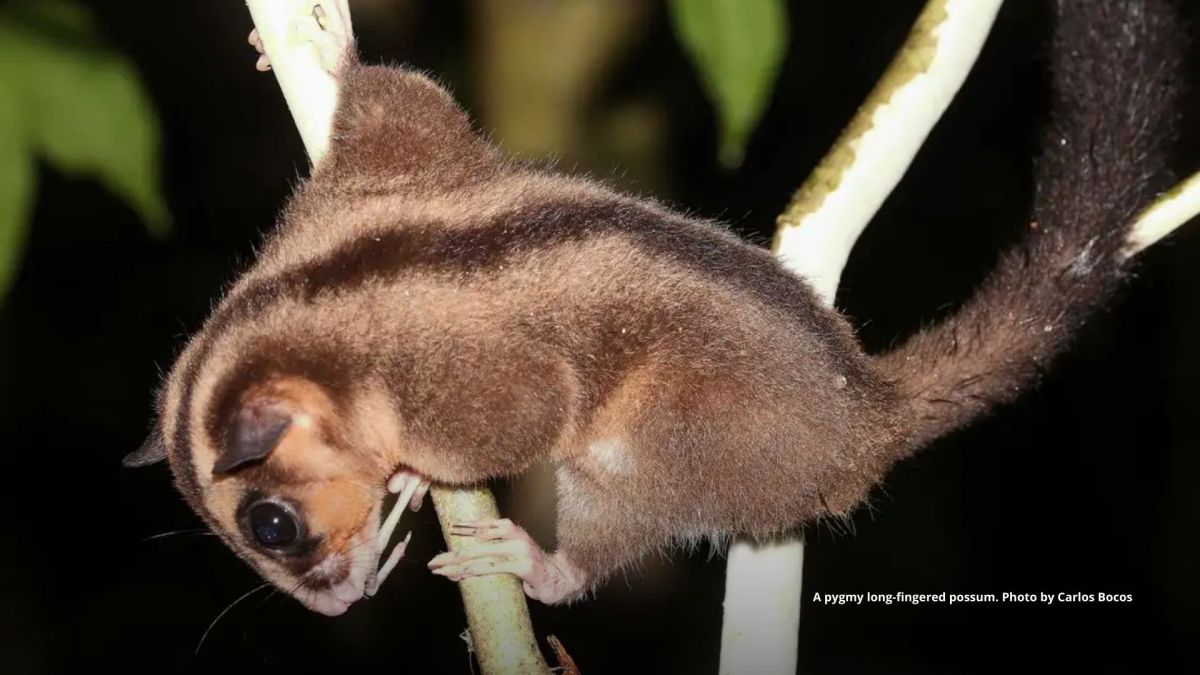
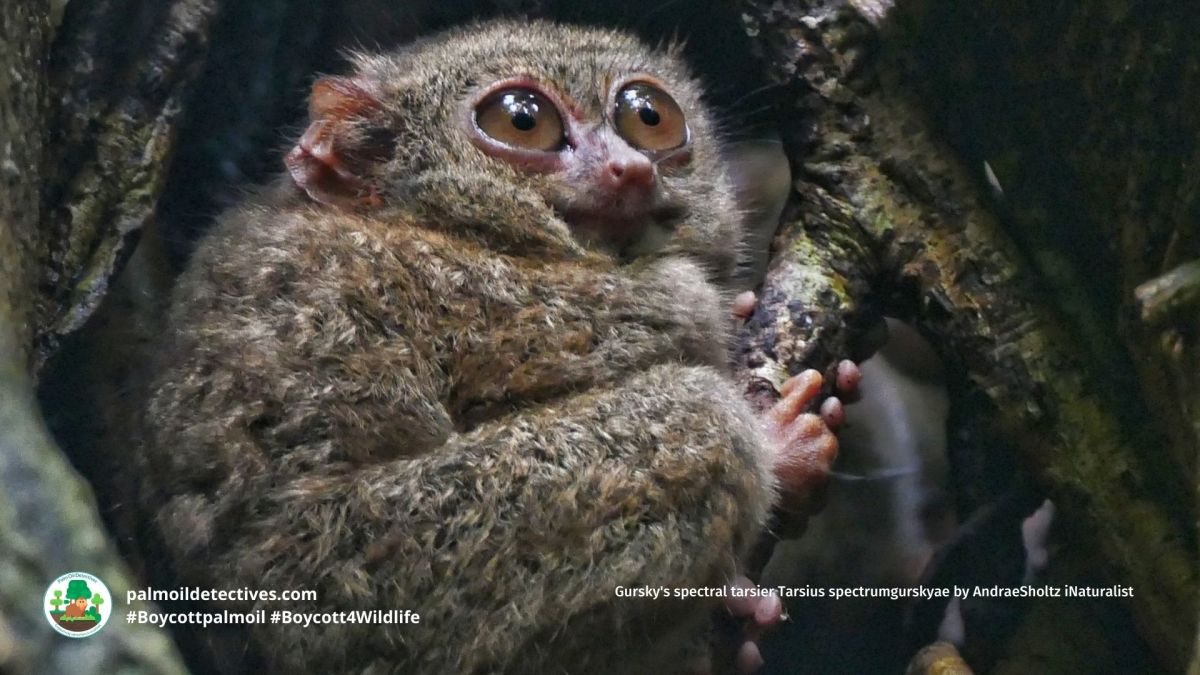
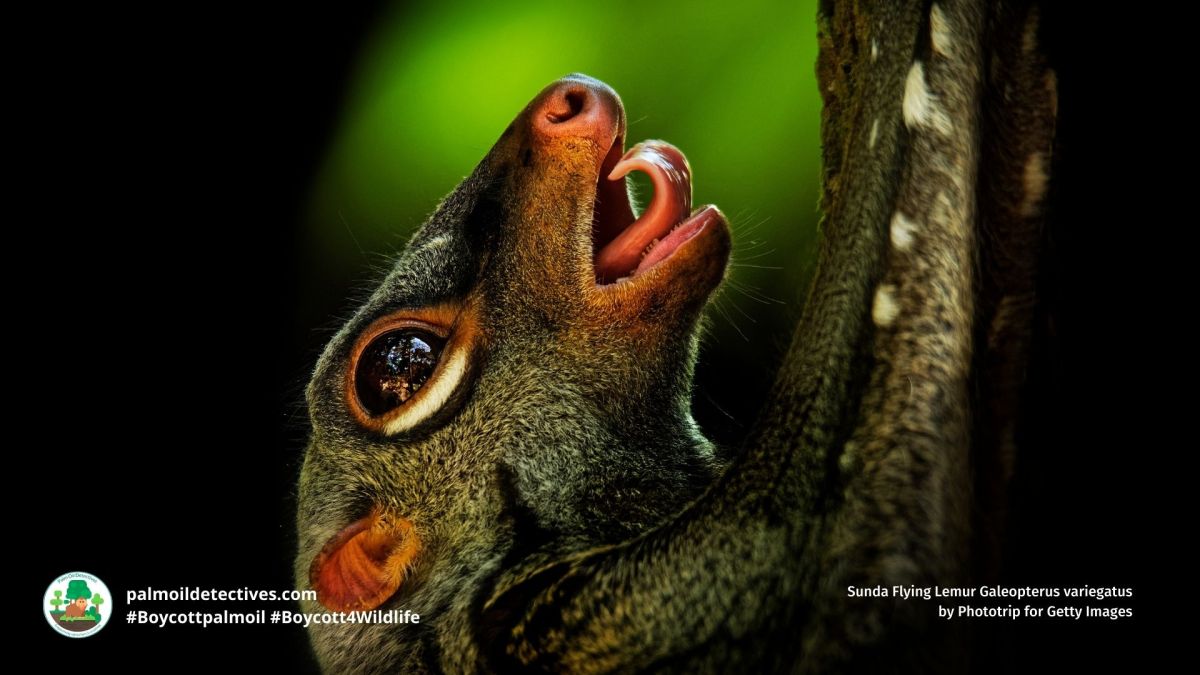
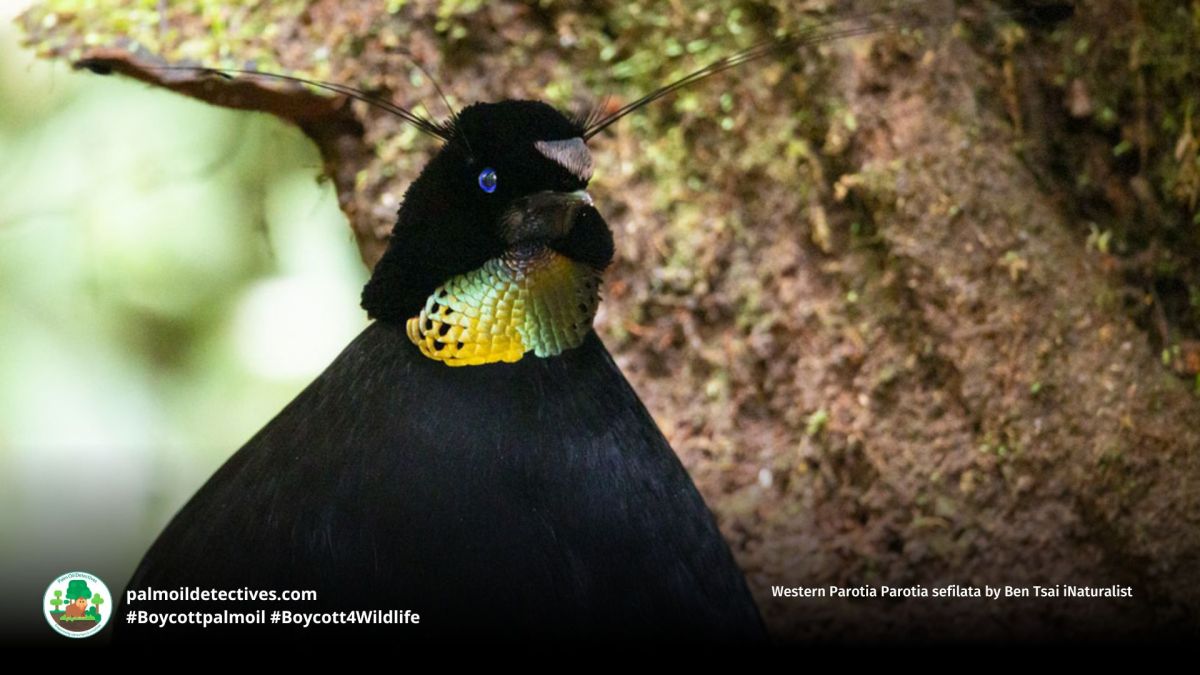
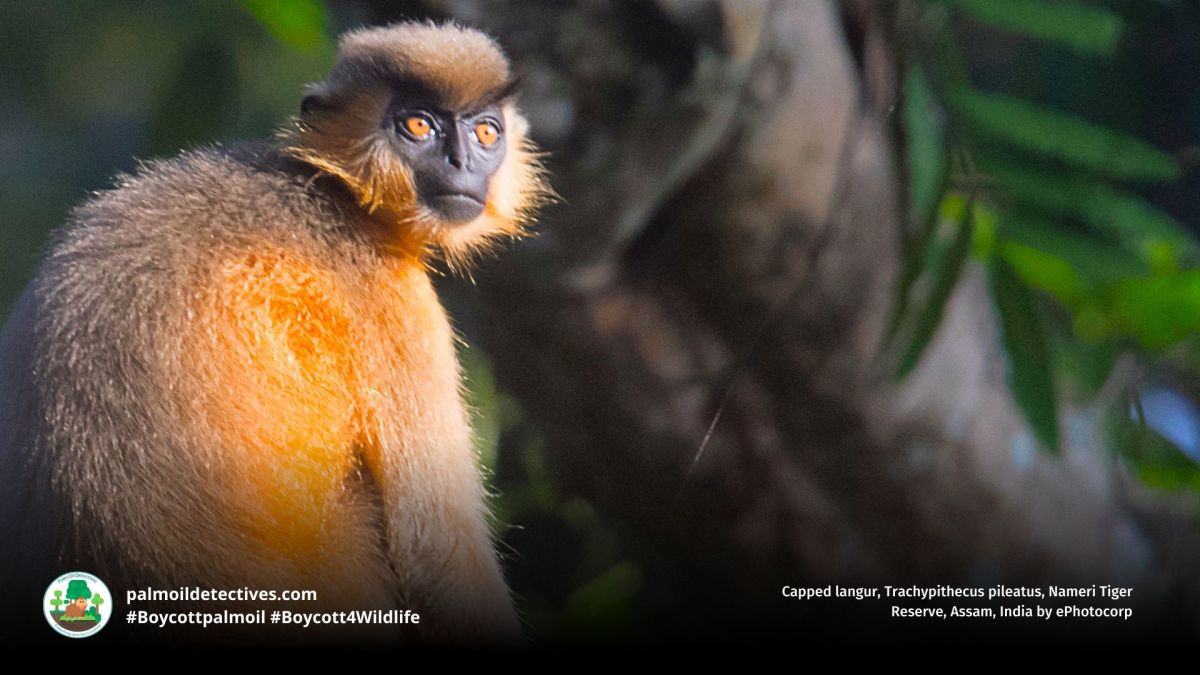
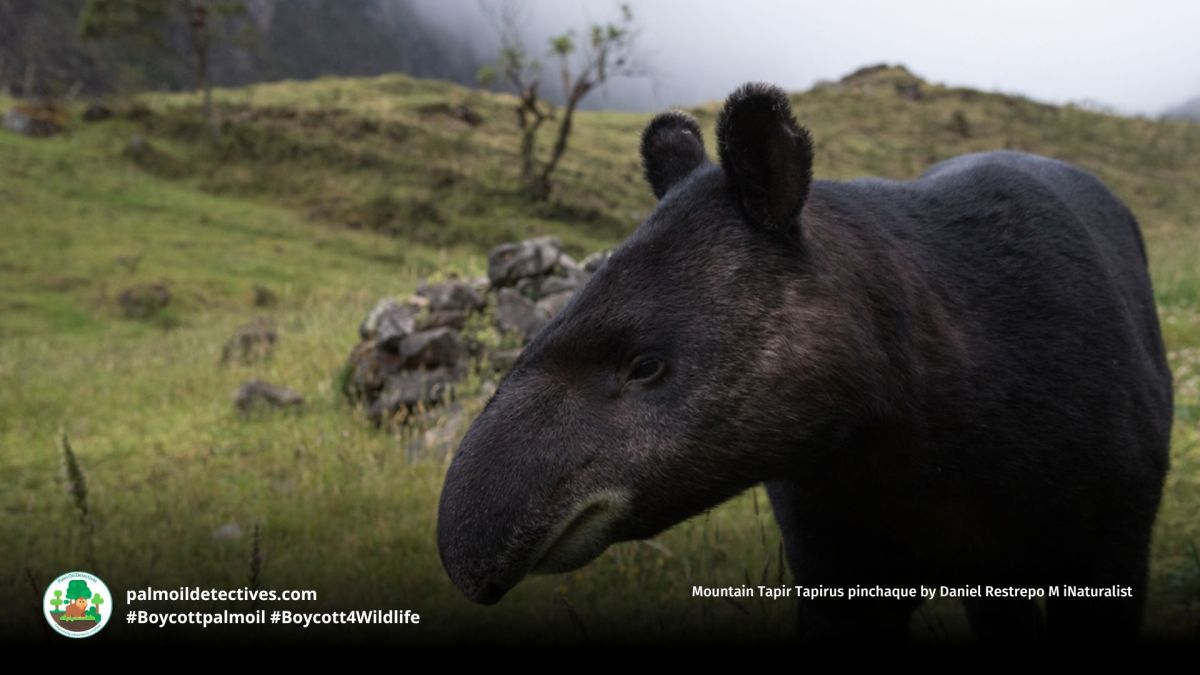
Learn about other animals endangered by palm oil and other agriculture
Learn about “sustainable” palm oil greenwashing
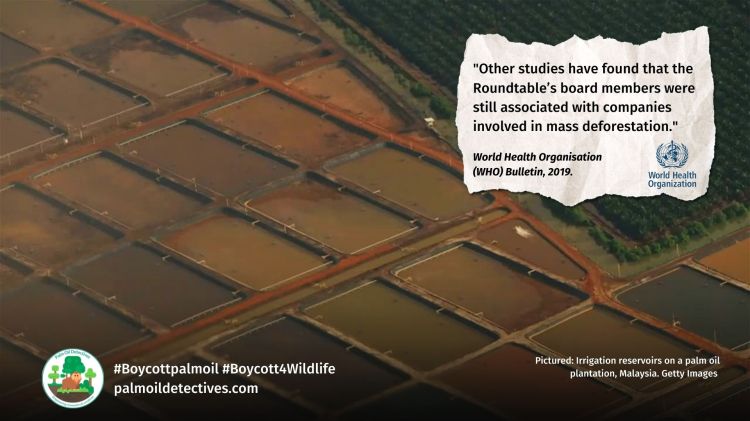
Read more about RSPO greenwashing
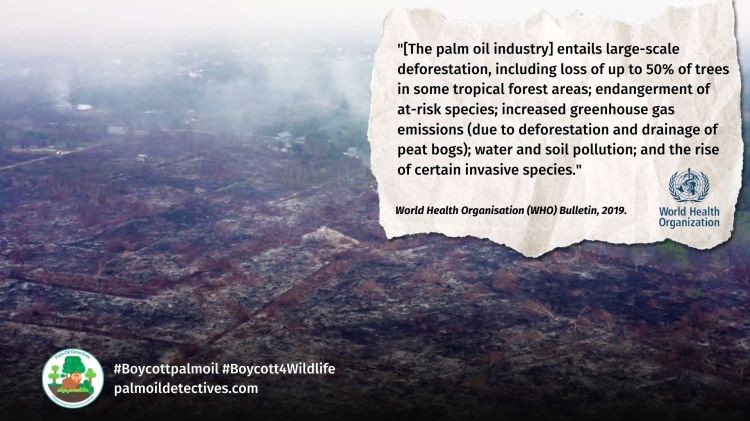
A 2019 World Health Organisation (WHO) report into the palm oil industry and RSPO finds extensive greenwashing of palm oil deforestation and the murder of endangered animals (i.e. biodiversity loss)



Take Action in Five Ways
1. Join the #Boycott4Wildlife on social media and subscribe to stay in the loop: Share posts from this website to your own network on Twitter, Mastadon, Instagram, Facebook and Youtube using the hashtags #Boycottpalmoil #Boycott4Wildlife.
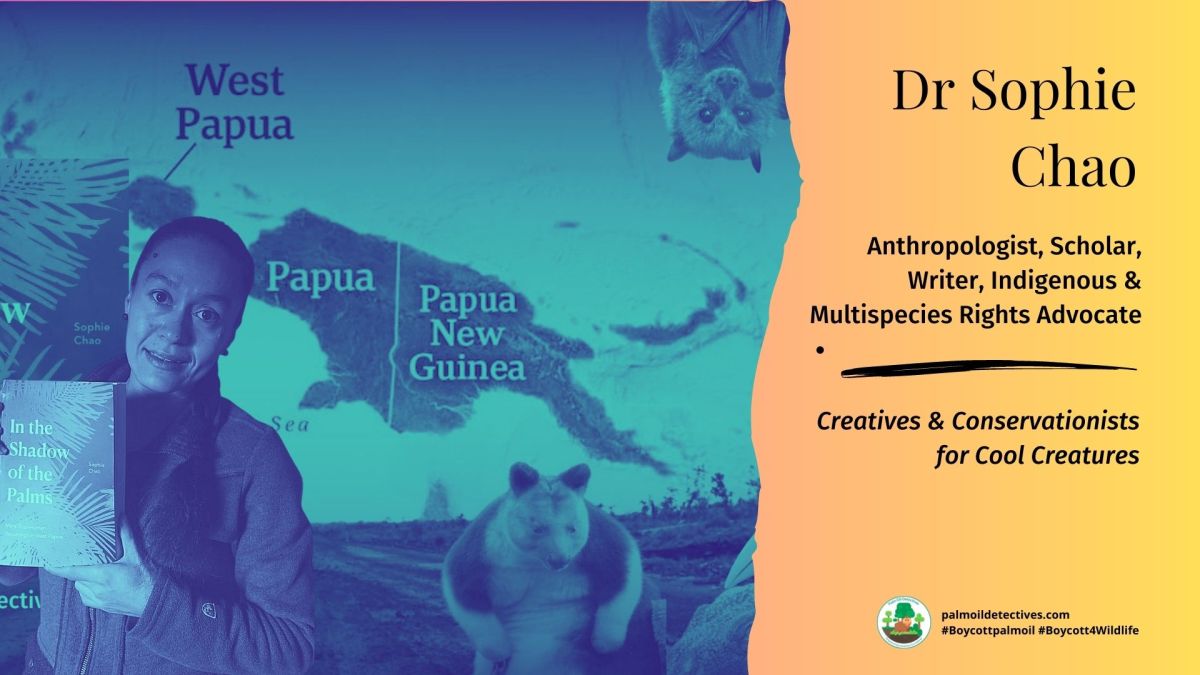
2. Contribute stories: Academics, conservationists, scientists, indigenous rights advocates and animal rights advocates working to expose the corruption of the palm oil industry or to save animals can contribute stories to the website.





3. Supermarket sleuthing: Next time you’re in the supermarket, take photos of products containing palm oil. Share these to social media along with the hashtags to call out the greenwashing and ecocide of the brands who use palm oil. You can also take photos of palm oil free products and congratulate brands when they go palm oil free.
4. Take to the streets: Get in touch with Palm Oil Detectives to find out more.
5. Donate: Make a one-off or monthly donation to Palm Oil Detectives as a way of saying thank you and to help pay for ongoing running costs of the website and social media campaigns. Donate here
Discover more from Palm Oil Detectives
Subscribe to get the latest posts sent to your email.
 Palm Oil Detectives