
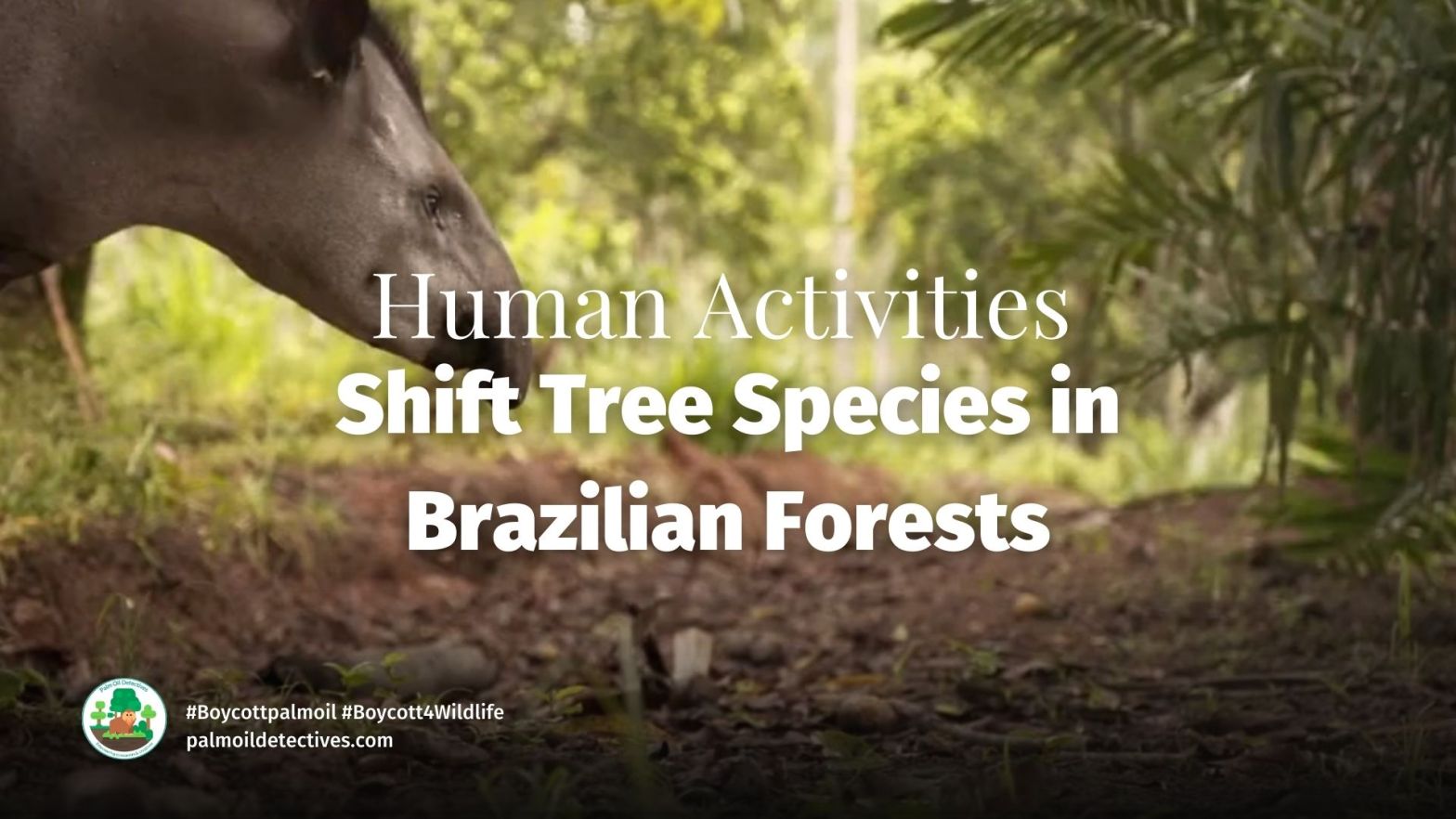
Human Activities Shift Tree Species in Brazilian #Forests | Research by Lancaster University reveals that human-induced deforestation and degradation in Brazilian forests are causing a shift towards fast-growing, small-seeded tree species. These changes threaten biodiversity and reduce carbon storage capacity. Supporting indigenous-led conservation efforts is crucial to protect these ecosystems. #BoycottPalmOil #Boycott4Wildlife
#News: Human-driven #deforestation 🌳🔥😿 in #Brazil 🇧🇷is shifting #forests towards fast-growing trees, reducing #biodiversity and #carbon storage. Boycott brands destroying the world! #BoycottPalmOil be #vegan 🌴🥩🤮⛔️ @palmoildetect #Boycott4Wildlife https://wp.me/pcFhgU-9P8
Lancaster University. (2024, December 10). Human disruption is driving ‘winner’ and ‘loser’ tree species shifts across Brazilian forests. ScienceDaily. Retrieved from https://www.sciencedaily.com/releases/2024/12/241210115438.htm
Recent research out of Lancaster University reveals that human activities, including deforestation and forest degradation, are altering the composition of tree species in Brazilian forests. The study, published in Nature Ecology and Evolution, indicates a dominance of fast-growing, small-seeded tree species in areas with significant human disturbance.
These “winning” species, characterised by rapid growth and shorter lifespans, are replacing slow-growing, large-seeded trees with denser wood. This shift has serious implications for ecosystem services, notably reducing the forests’ ability to absorb and store carbon. Additionally, wildlife species that rely on large seeds for food and dispersal are adversely affected.
The international research team analyzed data from over 1,200 tropical tree species across more than 270 forest plots in the Brazilian Amazon and Atlantic forests. They identified that landscapes with high forest cover are dominated by dense-wooded, large-seeded trees, primarily dispersed by medium to large-bodied animals. In contrast, heavily deforested areas are increasingly populated by opportunistic species with softer wood and smaller seeds, dispersed by small, mobile birds and bats adapted to disturbed environments.
Lead author Bruno X. Pinho emphasizes the need for conservation and restoration efforts to preserve these vital ecosystems. Senior Investigator Professor Jos Barlow highlights the importance of addressing not only deforestation but also forest disturbances such as selective logging and fires.
Tropical forests are crucial reservoirs of biodiversity and play a significant role in mitigating climate change by absorbing greenhouse gases. The ongoing shifts in tree species composition due to human disruption underscore the urgent need for indigenous-led conservation initiatives to protect and restore these ecosystems.
For more detailed information, read more.
Lancaster University. (2024, December 10). Human disruption is driving ‘winner’ and ‘loser’ tree species shifts across Brazilian forests. ScienceDaily. Retrieved from https://www.sciencedaily.com/releases/2024/12/241210115438.htm
ENDS
Read more about deforestation and ecocide in the palm oil industry

Asian Small-clawed Otter Aonyx cinereus
Asian Small-clawed Otters are the world’s smallest otter species and are Vulnerable from palm oil tea and coffee deforestation. Protect them, boycott palm oil!
Read more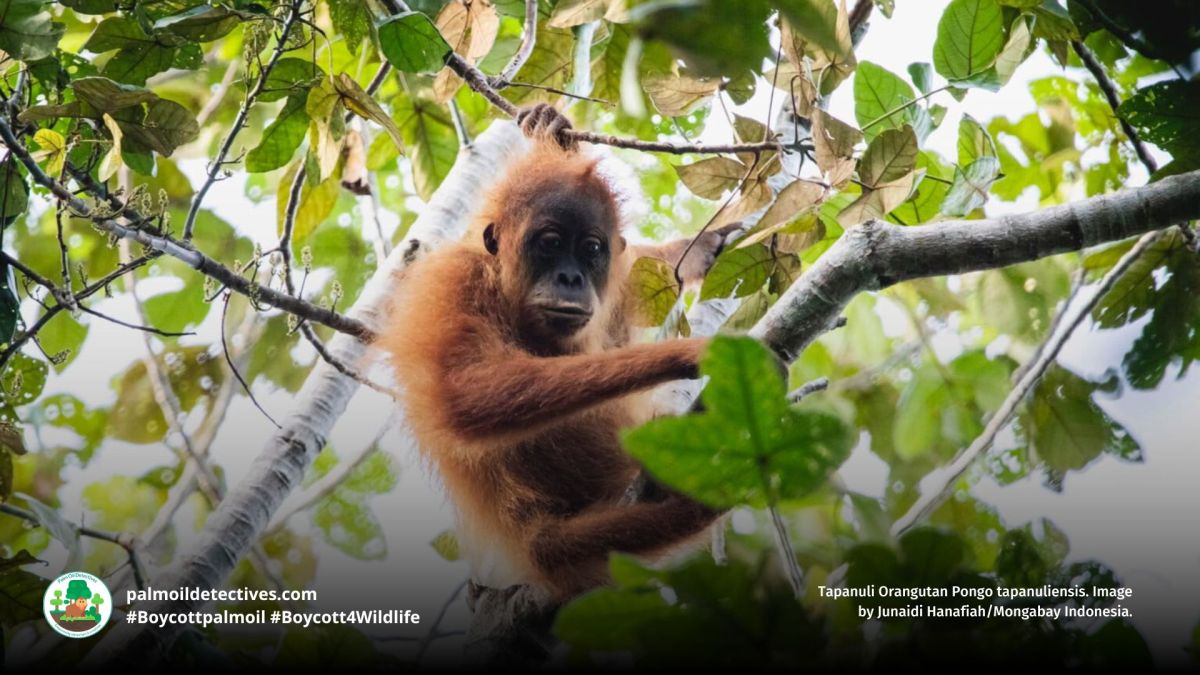
Tapanuli Orangutan Faces Extinction From Forest Protection Rollback
Save the Tapanuli orangutan! The rarest ape in the world faces extinction after floods, cyclones and now rezoning of their habitat in Sumatra #BoycottPalmOil!
Read more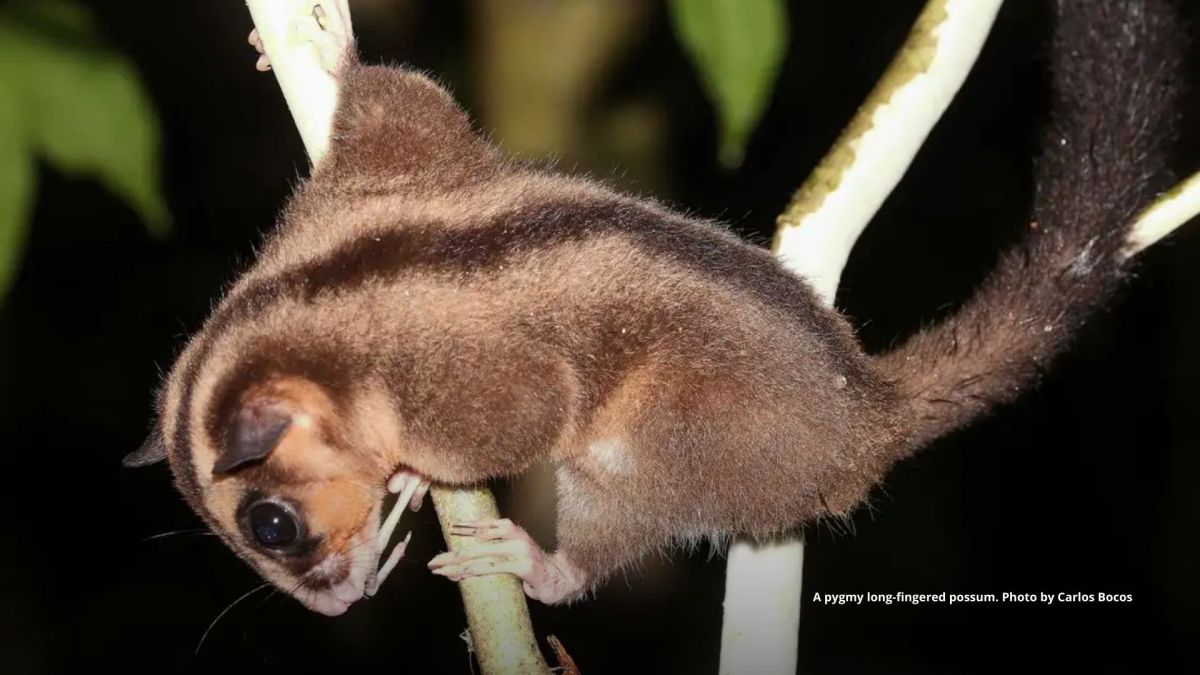
Marsupials thought extinct for 6,000 years found in West Papua
Two stunning marsupials thought extinct for 6000 years rediscovered in West Papua. Calls for rainforest protection even more urgent!
Read more
Trash into Treasure: Turning E-Waste and CO2 into Gold
Turning E-Waste and CO2 into Gold addresses e-waste challenges and contributes to CO₂ reduction efforts. Take action and boycott gold for Yanomami people!
Read more
Do you love animals? Make every day #WorldWildlifeDay
This #WorldWildlifeDay take action for animals great and small! Reptiles insects, mammals and birds deserve better than palm oil ecocide and extinction. Make sure you Boycott palm oil
Read moreSomething went wrong. Please refresh the page and/or try again.
Take Action in Five Ways
1. Join the #Boycott4Wildlife on social media and subscribe to stay in the loop: Share posts from this website to your own network on Twitter, Mastadon, Instagram, Facebook and Youtube using the hashtags #Boycottpalmoil #Boycott4Wildlife.
2. Contribute stories: Academics, conservationists, scientists, indigenous rights advocates and animal rights advocates working to expose the corruption of the palm oil industry or to save animals can contribute stories to the website.
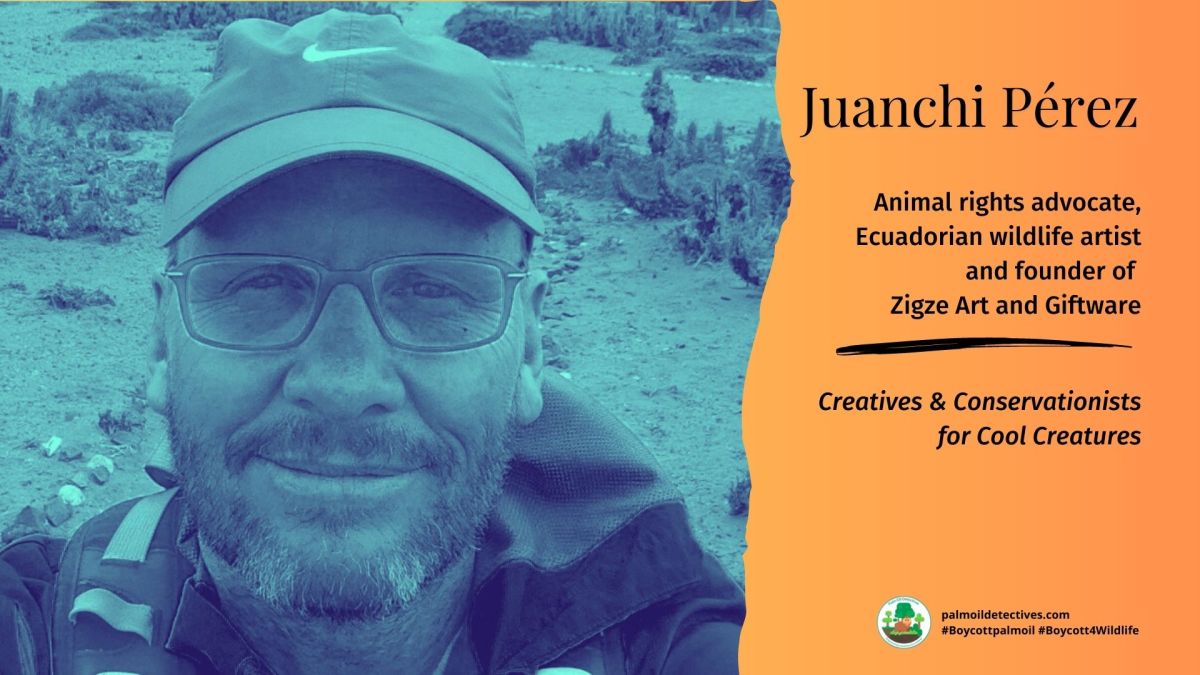
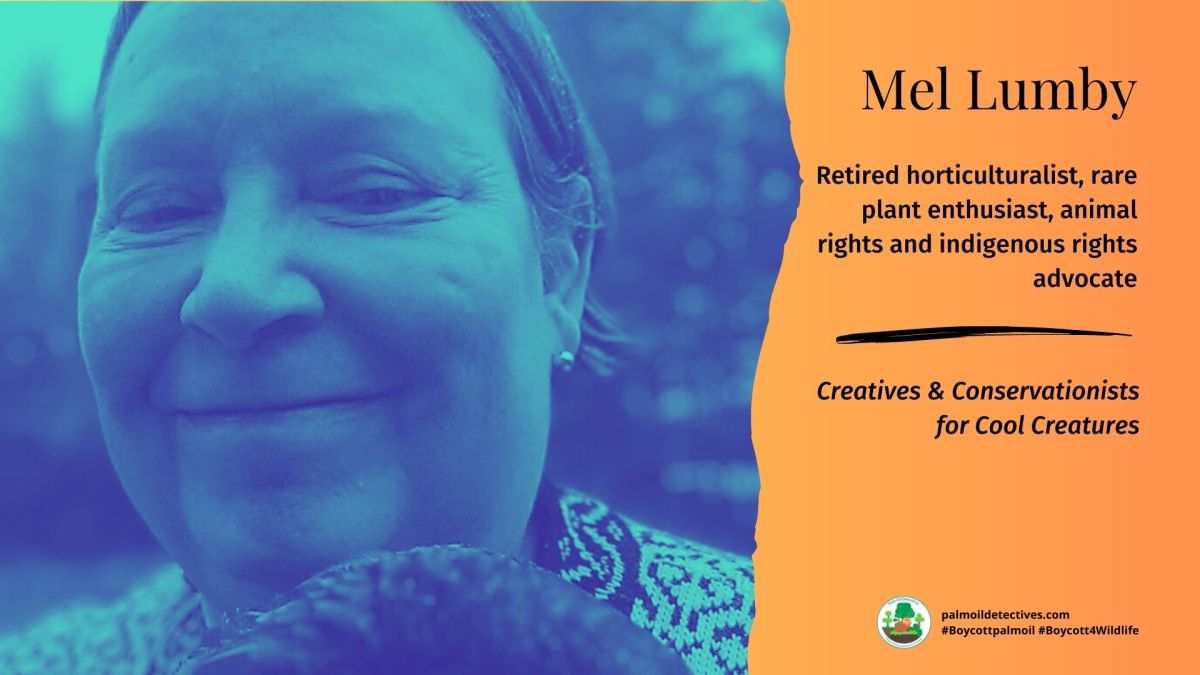
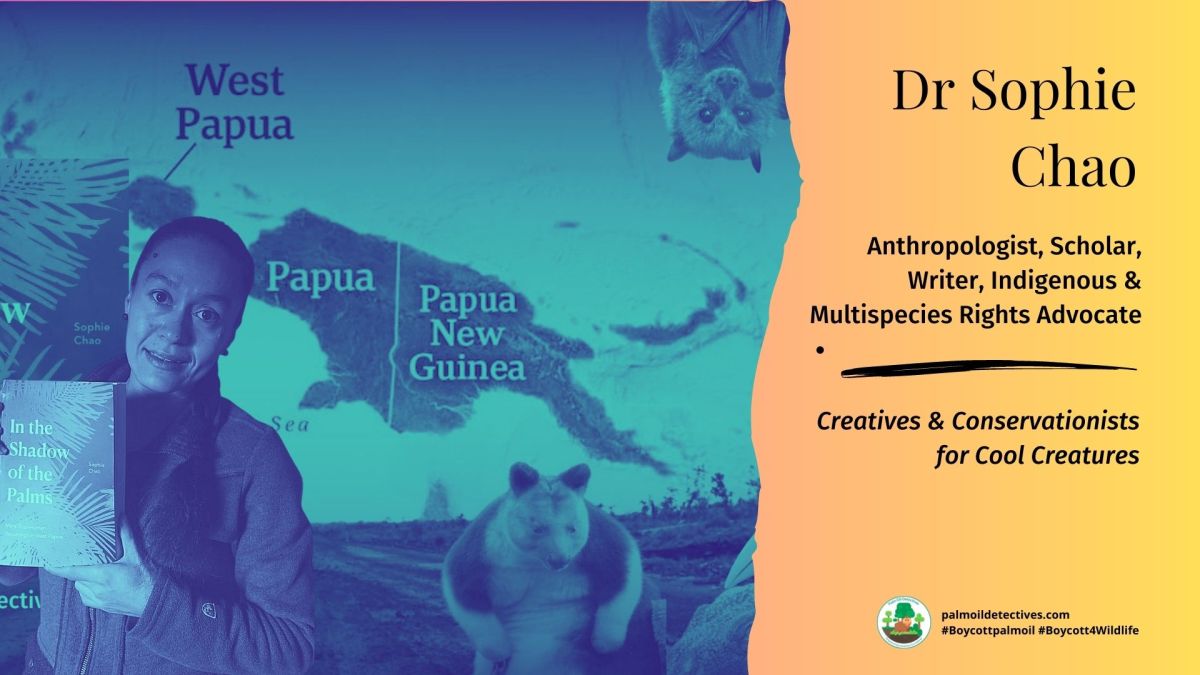



3. Supermarket sleuthing: Next time you’re in the supermarket, take photos of products containing palm oil. Share these to social media along with the hashtags to call out the greenwashing and ecocide of the brands who use palm oil. You can also take photos of palm oil free products and congratulate brands when they go palm oil free.
4. Take to the streets: Get in touch with Palm Oil Detectives to find out more.
5. Donate: Make a one-off or monthly donation to Palm Oil Detectives as a way of saying thank you and to help pay for ongoing running costs of the website and social media campaigns. Donate here
Discover more from Palm Oil Detectives
Subscribe to get the latest posts sent to your email.
 Palm Oil Detectives
@palmoildetectives.com
My Godness!
How do you think can this be better prevented?
LikeLike
Remote Reply
Original Comment URL
Your Profile
Why do I need to enter my profile?
This site is part of the ⁂ open social web, a network of interconnected social platforms (like Mastodon, Pixelfed, Friendica, and others). Unlike centralized social media, your account lives on a platform of your choice, and you can interact with people across different platforms.
By entering your profile, we can send you to your account where you can complete this action.