

Blue-streaked Lory Eos reticulata
Blue-streaked Lory Eos reticulata
IUCN Status: Near Threatened
Location: The Blue-streaked Lory is endemic to the Banda Sea Islands in Indonesia, primarily found on the Tanimbar Islands, including Yamdena and Larat, with possible populations on Babar. Small numbers recorded on Damar, Kai Kecil, and Kai Kesar Islands are believed to be introduced populations (BirdLife International, 2019).
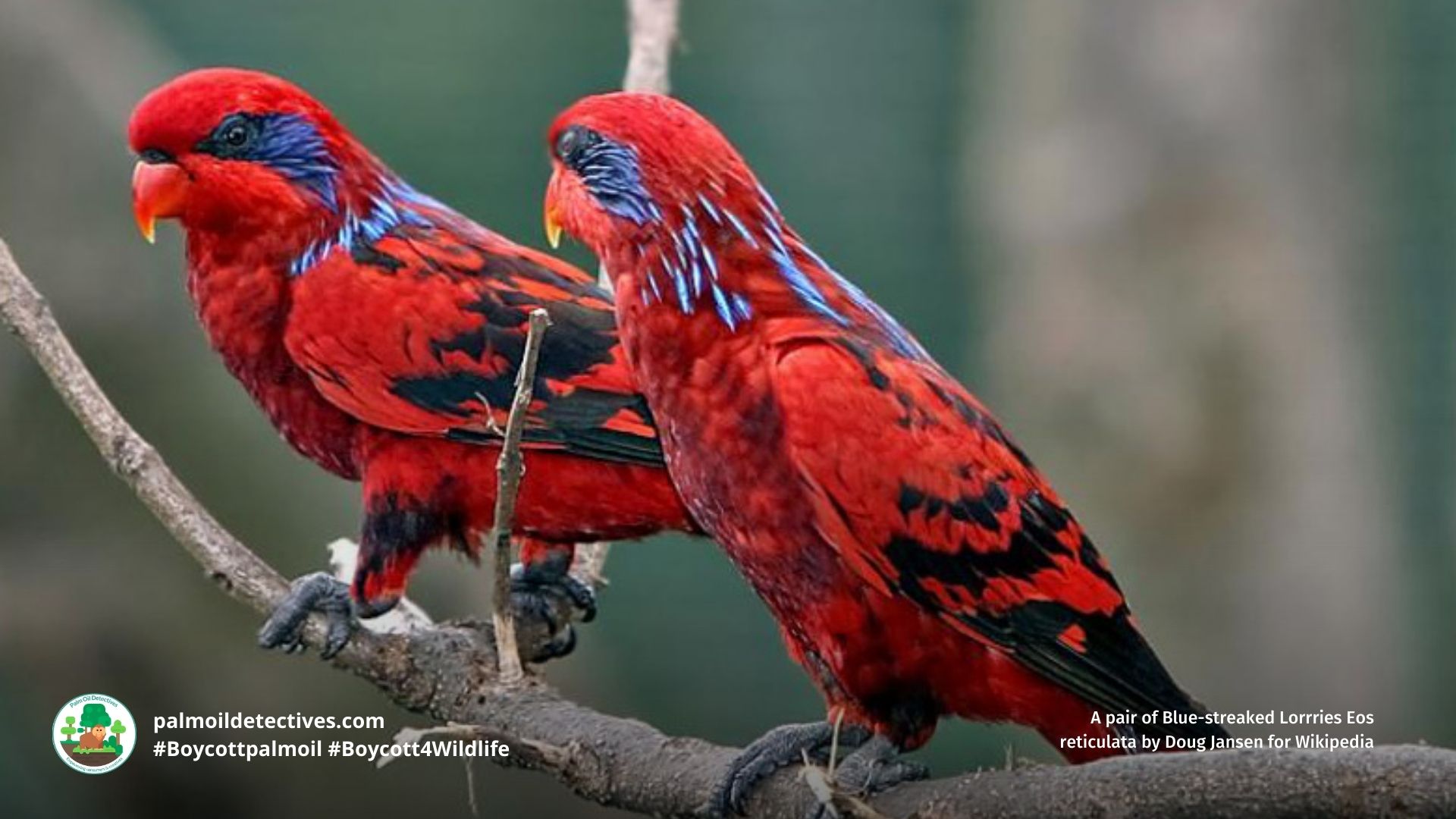
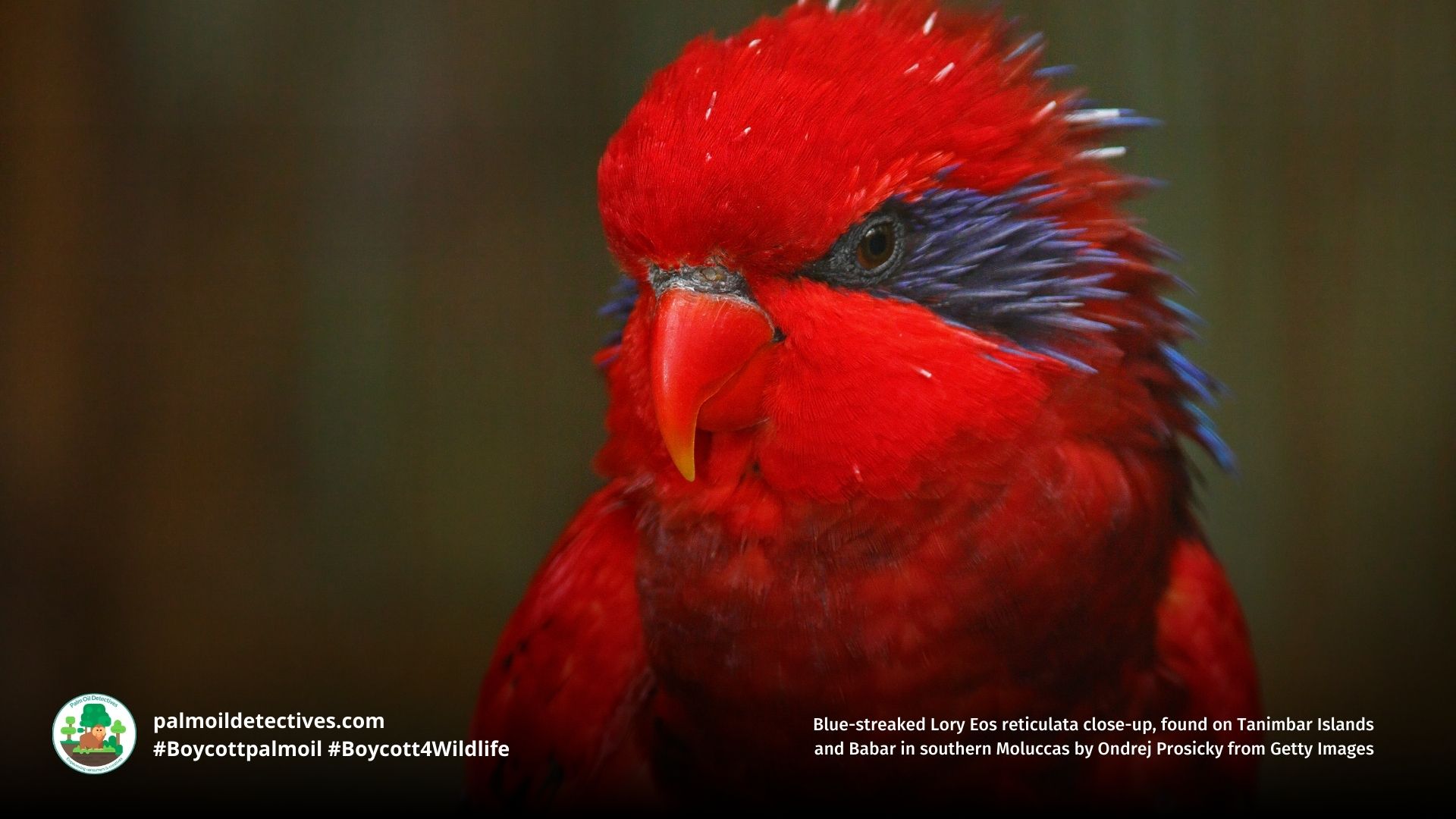
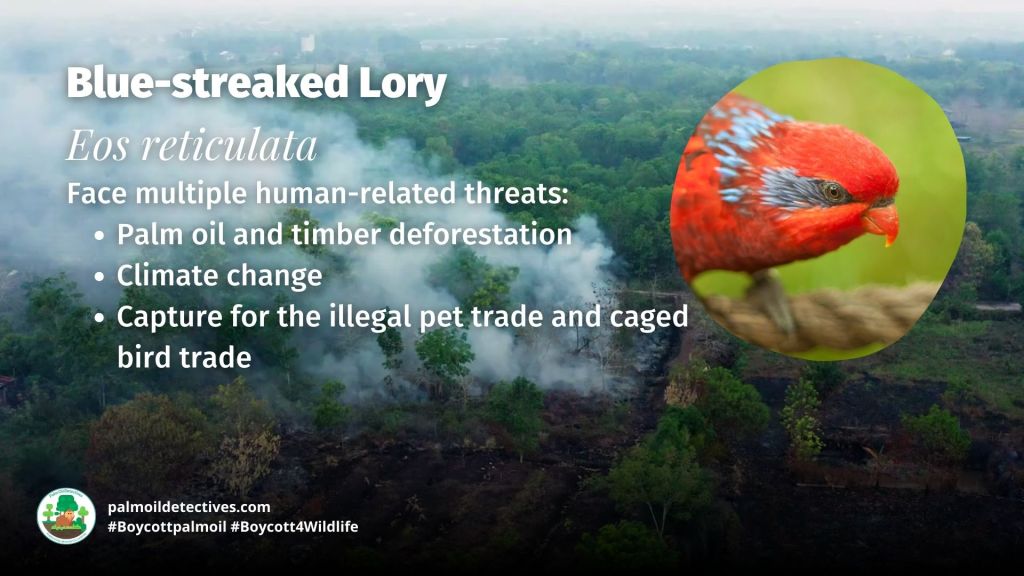
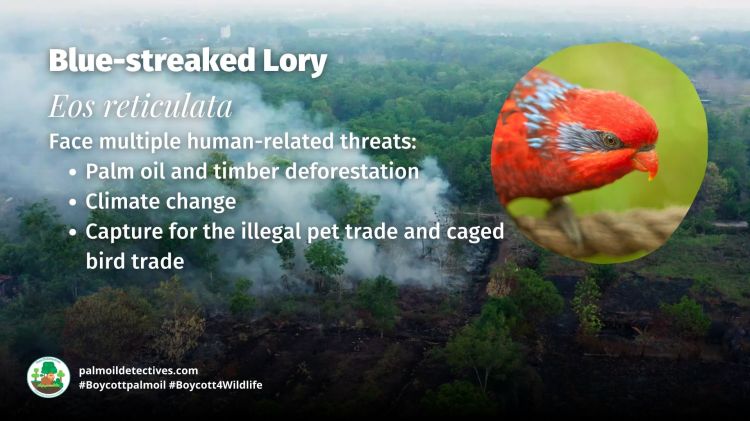
Brilliantly coloured and full of energy, the Blue-streaked Lory (Eos reticulata) is a striking and unique #parrot living in the forests of the Banda Sea Islands, #Indonesia. Their scarlet plumage is decorated with iridescent blue streaks, creating a dazzling and electrifying colours both when they’re at rest and in flight. With a sharp, hooked beak adapted for nectar-feeding, these #birds flit from flower to flower, playing a vital role in rainforest #pollination.
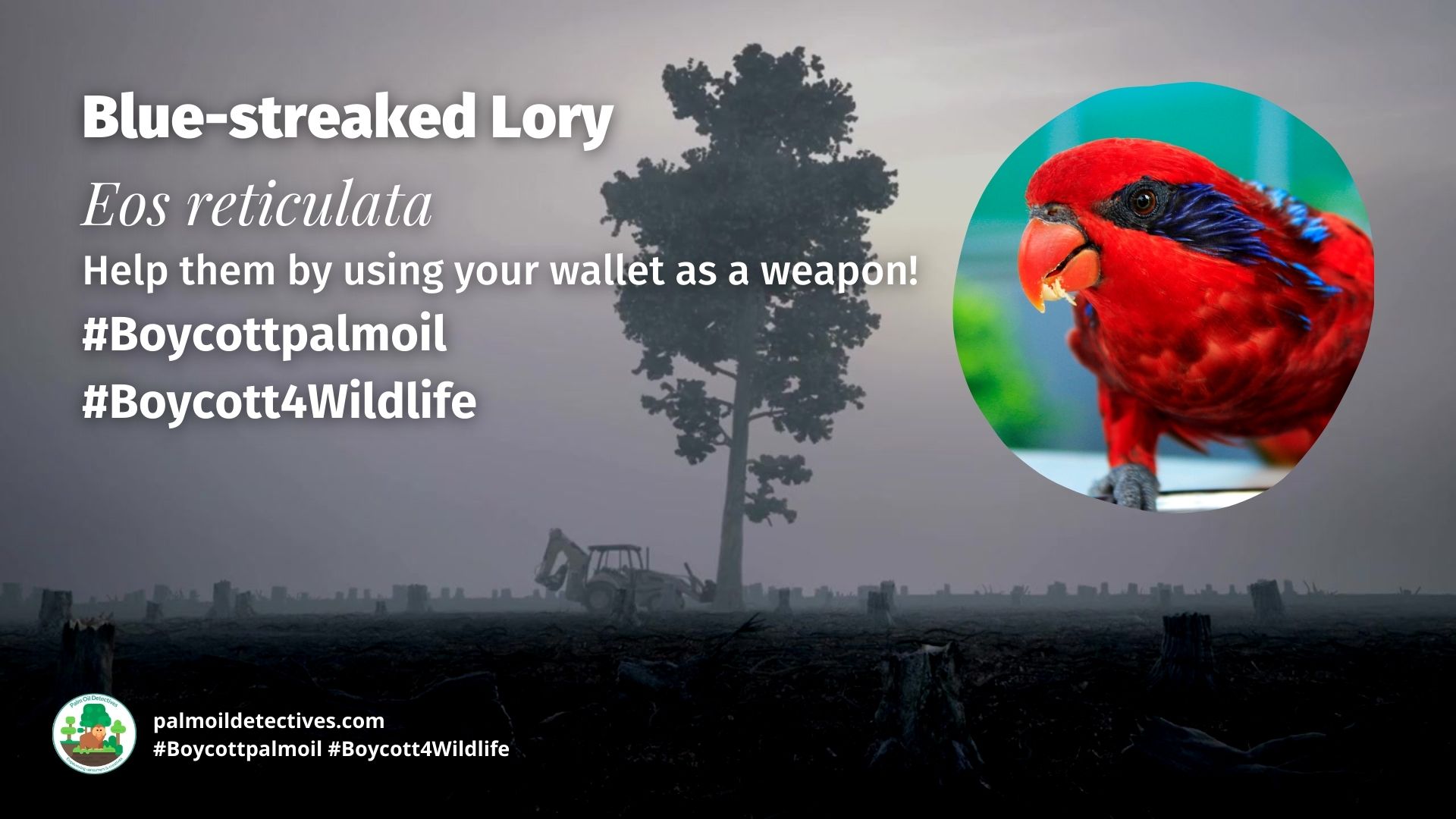
Despite their adaptability, habitat destruction and the pet trade threaten their survival. These birds have been heavily trapped for the illegal bird trade, with over 3,000 individuals captured annually in the 1980s. Although they remain relatively common in their range, continued #deforestation and capture for the caged #pettrade and bird market may be pushing them towards decline. If these mesmerising lories are to have a future in the wild, their habitat must be protected, and the demand for keeping them as pets must end. #BoycottPalmOil #Boycott4Wildlife
Blue-streaked lorries are #Indonesia’s 🇮🇩 rare jewels. These crimson and blue #parrots 🦜🌈 are ‘Near Threatened’ by the #pet trade 🙀 and #PalmOil #Deforestation. Protect these #birds when u #Boycottpalmoil 🌴🪔⛔️ #Boycott4Wildlife @palmoildetect https://wp.me/pcFhgU-a8d
Stunning #parrots of scarlet ❤️ and electric blue 💙plumage, Blue-streaked lorries are #birds 🦜🕊️🪽 facing threats of #climatechange and #palmoil #deforestation. Help them survive! #Boycottpalmoil 🌴🪔🤮☠️❌ #Boycott4Wildlife @palmoildetect https://wp.me/pcFhgU-a8d
Appearance & Behaviour
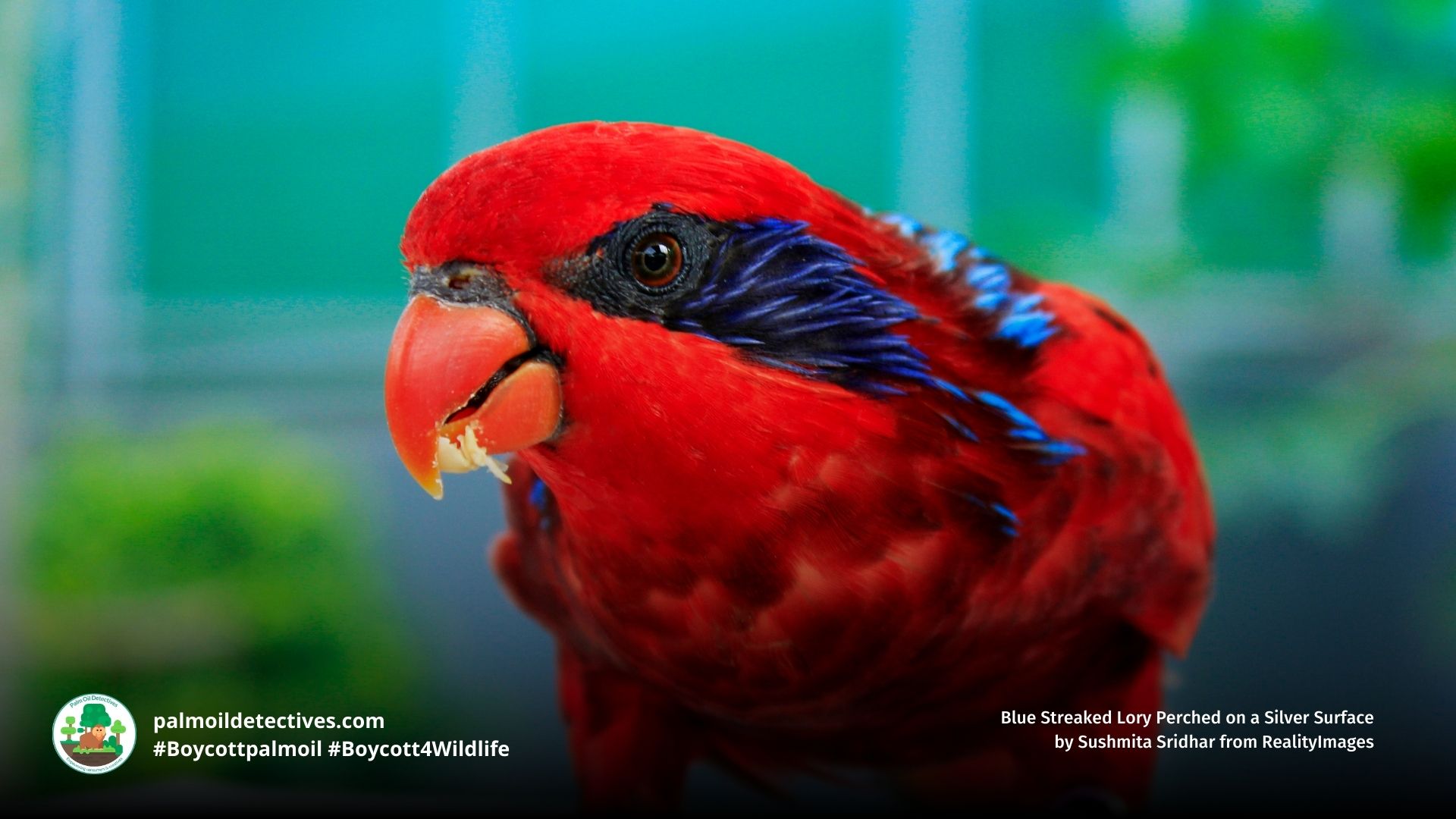
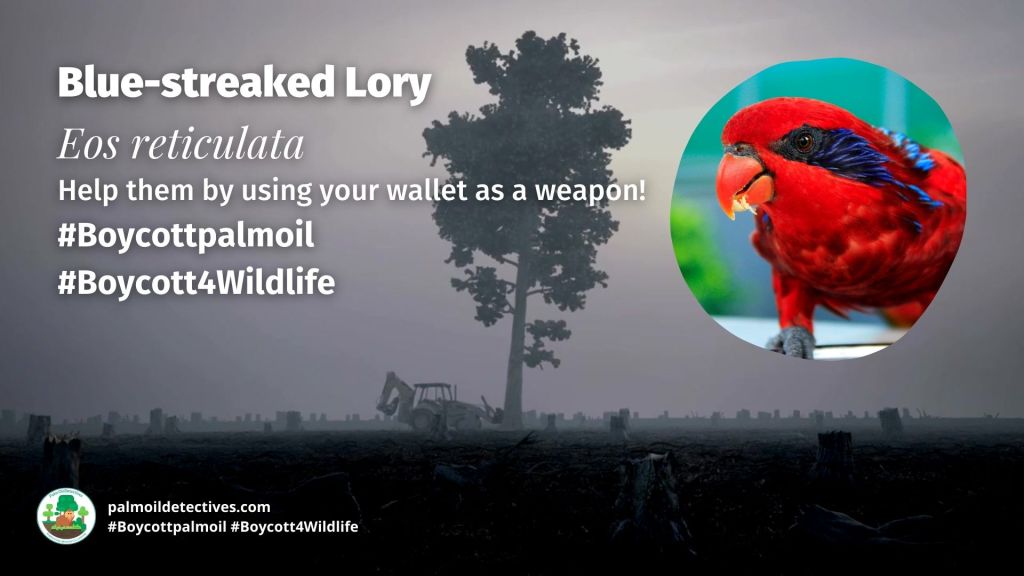
The Blue-streaked Lory is a medium-sized #bird, reaching 31 cm in length. Their body is covered in a vivid red plumage, contrasting with iridescent blue streaks on the head and back. Their beak is bright orange, and their eyes gleam with preternatural intelligence. Their long tail feathers taper to fine points, creating an elegant silhouette at rest and in flight.
These lories have a brush-tipped tongue, specially adapted to collect nectar and pollen from flowers. They are highly social, forming loud, chattering flocks that dart through the forest canopy in search of food. When alarmed, their sharp, shrill calls echo through the trees, alerting others to danger.



Threats
Protecting these birds means stopping the pet trade and preserving their native forests.
Trapping for the illegal bird trade
Over 3,000 individuals were taken from the wild each year in the 1980s, leading to concerns about population decline (BirdLife International, 2019). While still relatively common, trapping remains a threat, with birds being exported or kept as pets in local villages.
Habitat destruction for palm oil and timber
Deforestation for palm oil agriculture, logging, and infrastructure projects continues to shrink their rainforest home. Although they can survive in secondary forests and plantations, further destruction could push them towards more rapid declines (Tracewski et al., 2016).
Climate change
Extreme temperature and rainfall changes as a result of climate change impact the availability of food for many bird species and have flow-on effects impacting other animals in their ecosystem.
Geographic Range
The Blue-streaked Lory is native to the Banda Sea Islands in Indonesia, particularly Yamdena and Larat in the Tanimbar Islands. Possible populations exist on Babar Island, but sightings on Damar, Kai Kecil, and Kai Kesar are likely due to human introduction (BirdLife International, 2019).
Diet
The Blue-streaked Lory is a nectarivore, primarily feeding on the nectar and pollen of forest flowers. Their specialised brush-tipped tongues allow them to extract nectar efficiently. In addition to flowers, they consume soft fruits, berries, and seeds.
They play a crucial role in pollination, transferring pollen between flowers as they feed, ensuring the survival of many rainforest plant species.
Mating and Reproduction
These lories form strong monogamous pairs and are highly territorial during breeding. They nest in tree hollows, often competing with other parrot species like Tanimbar Corellas (Cacatua goffiniana) and Eclectus Parrots (Eclectus roratus) for nesting sites (Haryoko et al., 2021).
During breeding, pairs work together to defend their territory, with the female laying 2–3 eggs, which she incubates while the male provides food. The chicks hatch after 24–26 days and fledge in about two months.
FAQs
What is the status of the Blue-streaked Lory?
The Blue-streaked Lory is currently classified as Near Threatened by the IUCN. While still relatively common in its range, habitat loss and illegal trapping for the pet trade continue to pose threats to their survival (BirdLife International, 2019).
Why is the Blue-streaked Lory threatened?
This species is trapped for the illegal bird trade and faces habitat destruction due to deforestation. In the 1980s, over 3,000 individuals were taken from the wild each year. Although trapping rates have declined, continued loss of forests and poaching threaten their populations.
What is the Blue-streaked Lory’s habitat?
These lories inhabit tropical rainforests, but they are adaptable and can also be found in secondary forests, plantations, and coastal woodlands. However, continued deforestation and logging threaten their remaining habitat.
What does the Blue-streaked Lory eat?
They primarily consume nectar and pollen, using their specialised brush-tipped tongues to collect food from flowers. They also eat soft fruits, berries, and seeds, playing a crucial role as pollinators in their ecosystem.
How do Blue-streaked Lories breed?
They are monogamous, forming lifelong pairs. They nest in tree cavities, often competing with other parrots for nesting space. The female lays 2–3 eggs, incubating them while the male provides food. Chicks hatch after 24–26 days and fledge in about two months.
Would the Blue-streaked Lory make a good pet?
No. Keeping a Blue-streaked Lory as a pet is deeply unethical. These birds are wild animals, not domestic pets. They are highly social, need large forests to thrive, and suffer terribly in captivity. Many parrots taken from the wild die from stress, malnutrition, or improper care. By refusing to buy or keep wild birds as pets, you help protect them from extinction.
How much does a Blue-streaked Lory cost?
The true cost of keeping a Blue-streaked Lory is the destruction of their species. While poachers may place a monetary value on them, their real worth is in their role as pollinators and as a vital part of their ecosystem. Trapping these birds drives them towards extinction. Instead of buying one, take action to protect their wild habitats and end the bird trade.
Take Action!
- These incredible birds need your help to survive. Use your wallet as a weapon—refuse to support the wildlife trade!
- 🚫 Never buy birds to keep in cages
- 🌱 Support indigenous-led conservation efforts.
- 🔥 Boycott palm oil, which is destroying their rainforest home.
- 🌍 Adopt a #vegan lifestyle and #BoycottMeat to reduce deforestation.
- 📢 Spread awareness about the illegal bird trade and habitat destruction.
- Fight for their survival every time you shop. #BoycottPalmOil #Boycott4Wildlife
Support the Blue-streaked Lory by going vegan and boycotting palm oil in the supermarket, it’s the #Boycott4Wildlife
Support the conservation of this species
This animal has no protections in place. Read about other forgotten species here. Create art to support this forgotten animal or raise awareness about them by sharing this post and using the #Boycottpalmoil #Boycott4Wildlife hashtags on social media. Also you can boycott palm oil in the supermarket.
Further Information
BirdLife International. 2019. Eos reticulata. The IUCN Red List of Threatened Species 2019: e.T22684515A152066747. https://dx.doi.org/10.2305/IUCN.UK.2019-3.RLTS.T22684515A152066747.en. Accessed on 07 February 2025.
Haryoko, T., O’Hara, M., Mioduszewska, B., et al. (2021). Bird Diversity on Tanimbar Islands with Special Reference to the Tanimbar Corella. Atlantis Press. https://www.atlantis-press.com/proceedings/isplrsad-20/125957691.
Wikipedia contributors. (n.d.). Blue-streaked Lory. Wikipedia, The Free Encyclopedia. Retrieved 7 February 2025, from https://en.wikipedia.org/wiki/Blue-streaked_lory.
World Parrot Trust. (n.d.). Blue-streaked Lory (Eos reticulata). Retrieved 7 February 2025, from https://www.parrots.org/encyclopedia/blue-streaked-lory.

How can I help the #Boycott4Wildlife?
Take Action in Five Ways
1. Join the #Boycott4Wildlife on social media and subscribe to stay in the loop: Share posts from this website to your own network on Twitter, Mastadon, Instagram, Facebook and Youtube using the hashtags #Boycottpalmoil #Boycott4Wildlife.
2. Contribute stories: Academics, conservationists, scientists, indigenous rights advocates and animal rights advocates working to expose the corruption of the palm oil industry or to save animals can contribute stories to the website.




3. Supermarket sleuthing: Next time you’re in the supermarket, take photos of products containing palm oil. Share these to social media along with the hashtags to call out the greenwashing and ecocide of the brands who use palm oil. You can also take photos of palm oil free products and congratulate brands when they go palm oil free.
4. Take to the streets: Get in touch with Palm Oil Detectives to find out more.
5. Donate: Make a one-off or monthly donation to Palm Oil Detectives as a way of saying thank you and to help pay for ongoing running costs of the website and social media campaigns. Donate here
Learn about other animals endangered by palm oil and other agriculture
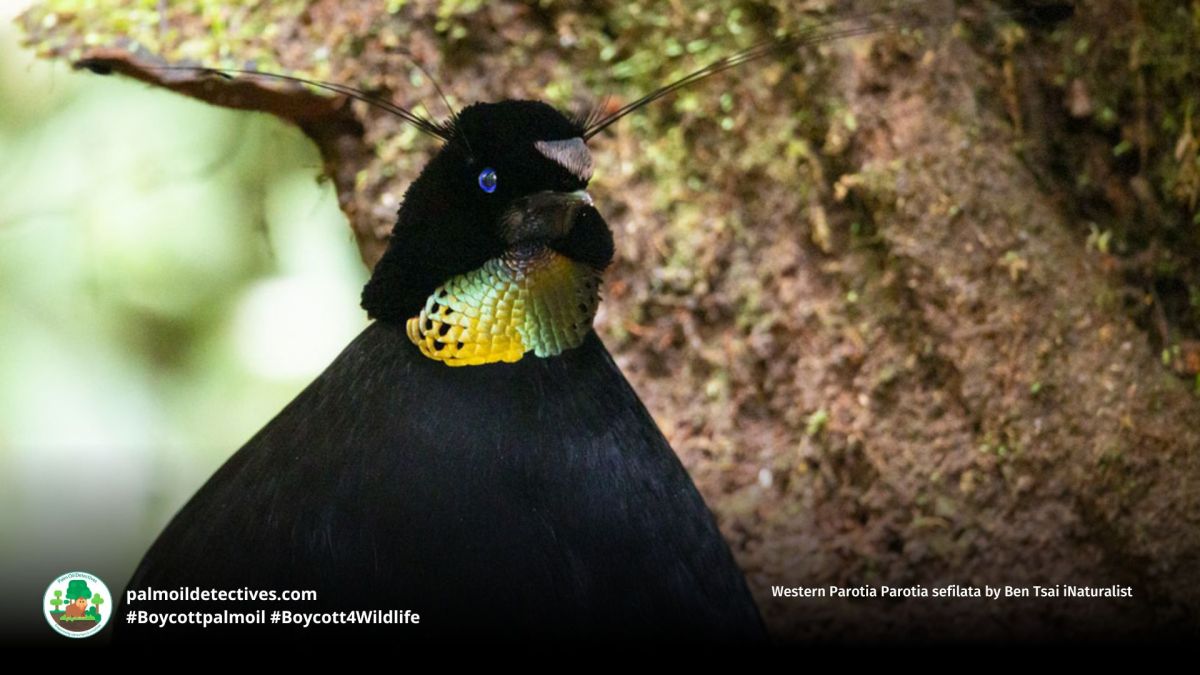
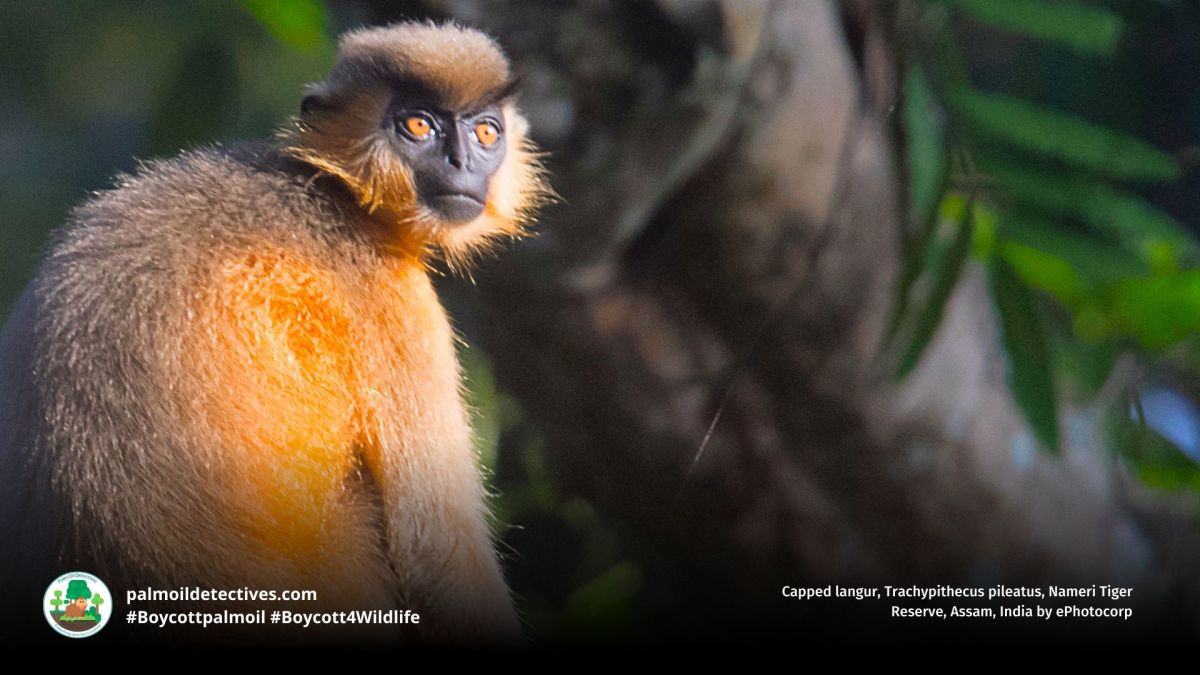
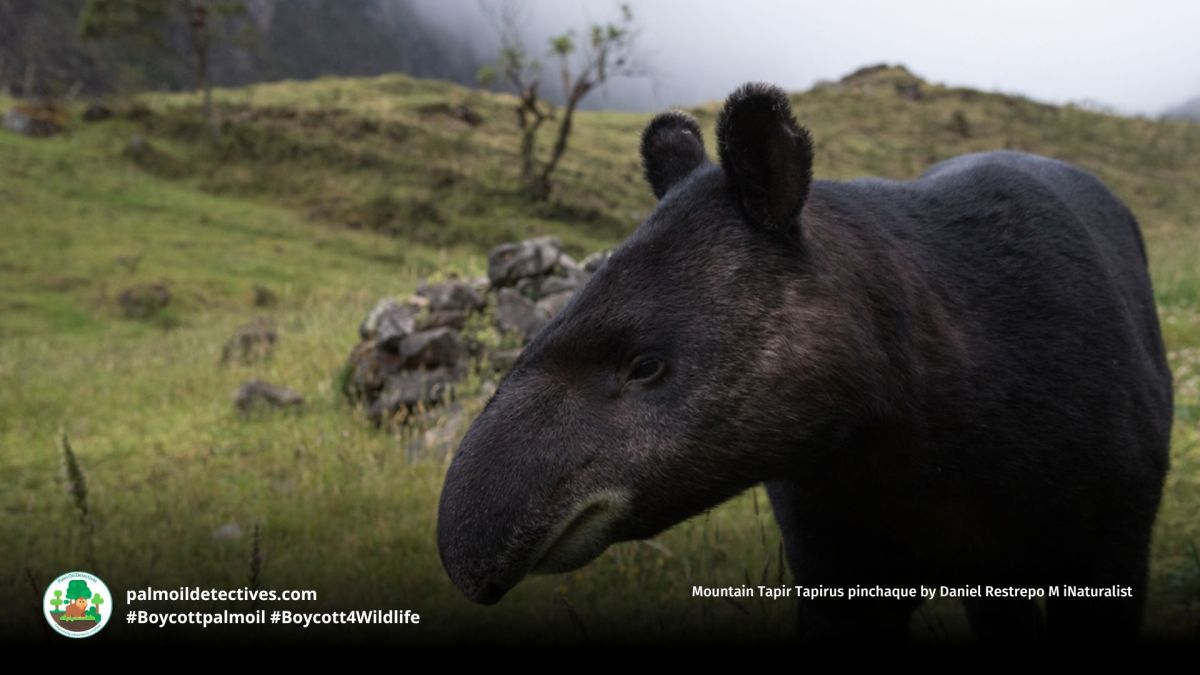
Learn about “sustainable” palm oil greenwashing
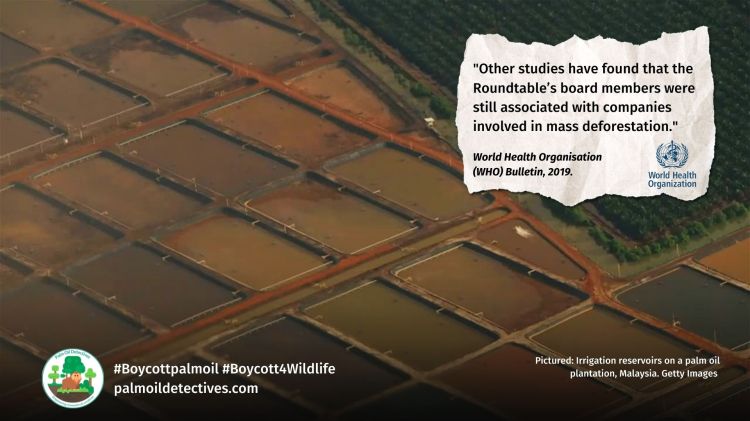
Read more about RSPO greenwashing
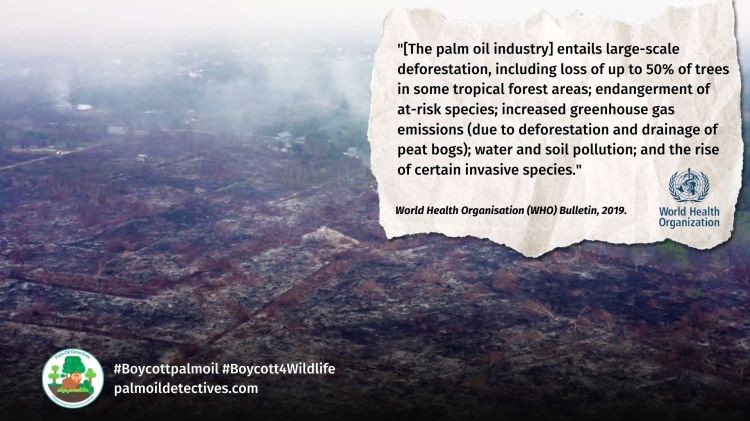
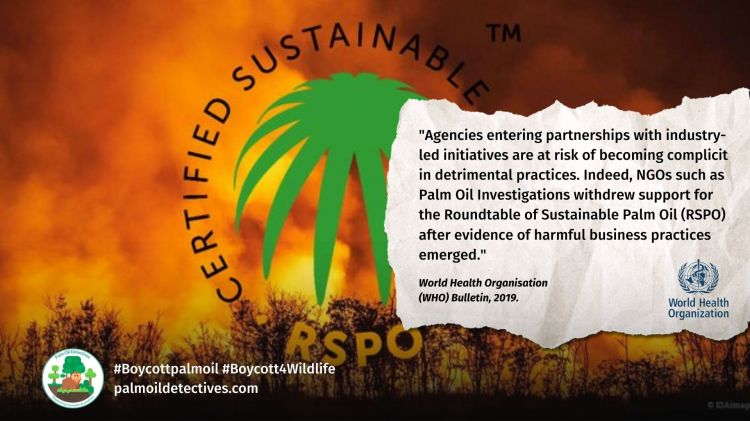
A 2019 World Health Organisation (WHO) report into the palm oil industry and RSPO finds extensive greenwashing of palm oil deforestation and the murder of endangered animals (i.e. biodiversity loss)


Discover more from Palm Oil Detectives
Subscribe to get the latest posts sent to your email.
 Palm Oil Detectives