
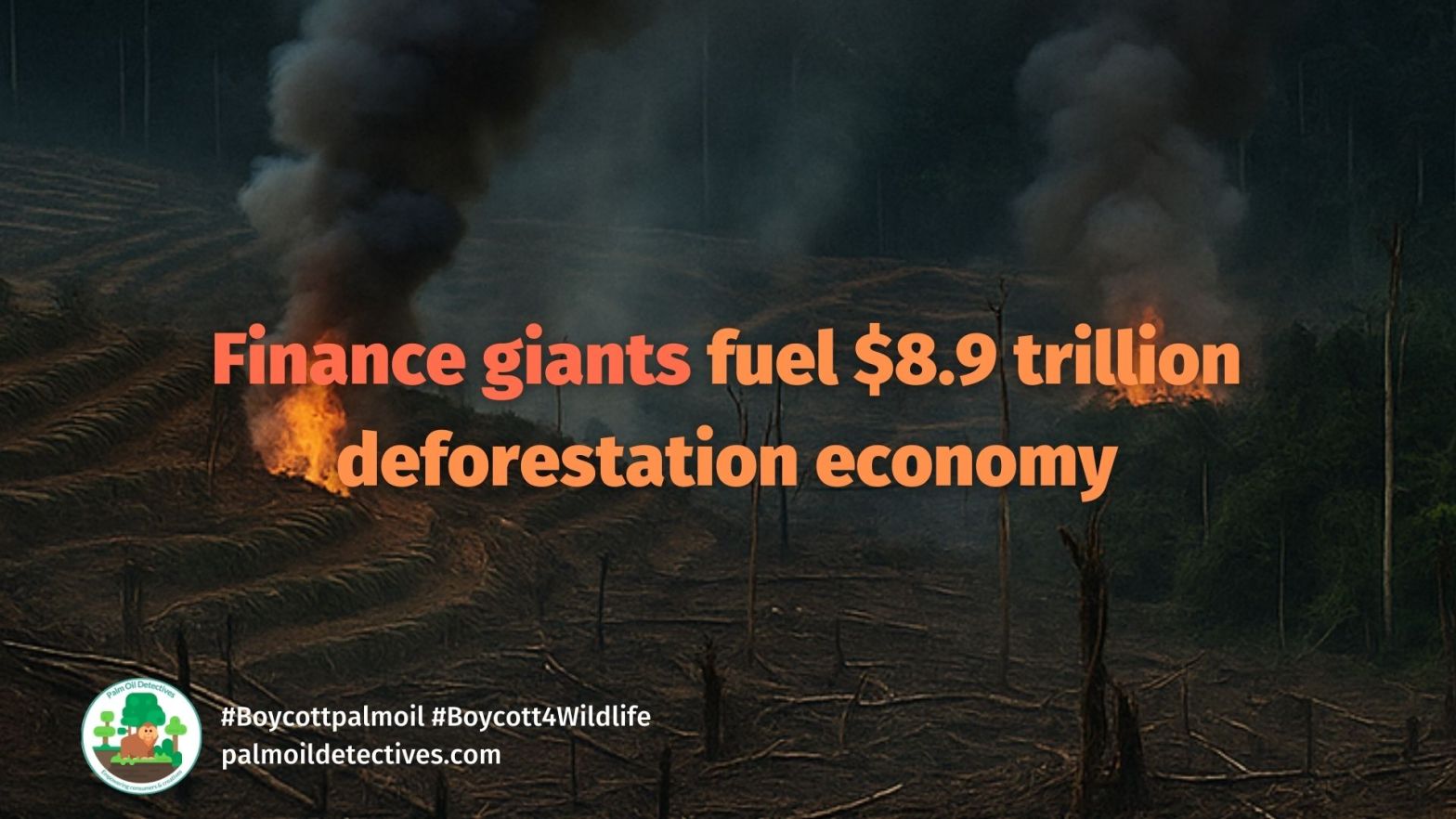
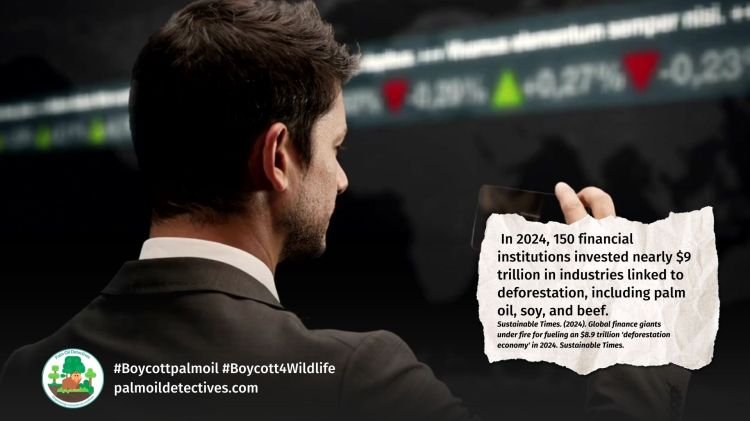
Global Canopy’s Forest 500 report reveals that 150 of the world’s largest financial institutions invested nearly $9 trillion in deforestation-linked industries during 2024, with six out of ten firms lacking any public deforestation policies. The analysis tracked $8.9 trillion in direct and indirect financial support for 500 companies exposed to forest-risk commodities including palm oil, soy, beef, cocoa, and timber, with $864 billion going to businesses making no public commitments against deforestation. Financial titans Vanguard, BlackRock and JPMorgan Chase alone accounted for more than one-fifth of total funding at $1.6 trillion. The EU’s upcoming Deforestation Regulation #EUDR will ban imports of products linked to forest destruction from December 30, potentially locking out companies without robust policies. Urgent action needed to redirect finance away from forest destruction and toward Indigenous-led forest protection. Support a strong and strict EUDR to safeguard forests, be vegan and #BoycottPalmOil #Boycott4Wildlife
💰☠️ $8.9 TRILLION funds deforestation! BlackRock, Vanguard, JPMorgan lead with $1.6T funding #palmoil, #soy and #meat #deforestation 🌴🔥 Support the #EUDR ban Dec 30 ⛔️ #BoycottPalmOil #Boycott4Wildlife @palmoildetect https://palmoildetectives.com/2025/12/17/finance-giants-fuel-8-9-trillion-deforestation-economy/
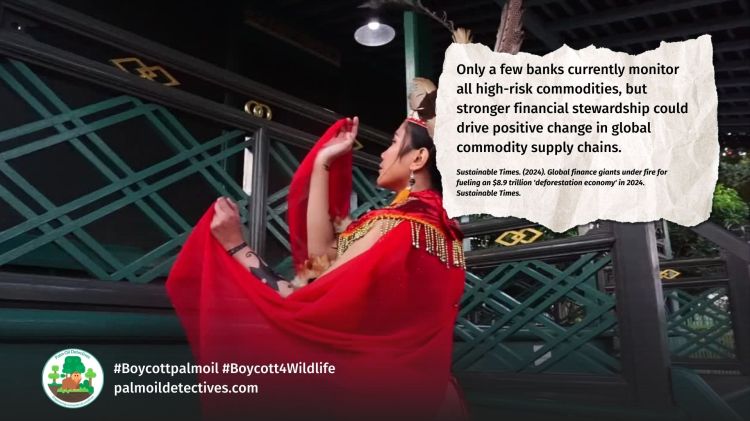
Sustainable Times. (2024). Global finance giants under fire for fueling an $8.9 trillion ‘deforestation economy’ in 2024. Sustainable Times. https://www.sustainabletimes.co.uk/post/global-finance-giants-under-fire-for-fueling-an-8-9-trillion-deforestation-economy-in-2024
The world’s largest financial institutions Vanguard, BlackRock, and JPMorgan Chase are bankrolling a massive $8.9 trillion deforestation economy whilst offering minimal safeguards against forest destruction, according to explosive new research that exposes the banking sector’s complicity in global environmental destruction.
Global Canopy’s comprehensive Forest 500 report tracked investments from 150 of the planet’s biggest financial institutions throughout 2024, revealing systematic funding of industries driving tropical rainforest annihilation across palm oil, soy, beef and timber sectors. The scale of financial exposure proves staggering, with institutions providing $8.9 trillion in direct and indirect support for 500 companies engaged in forest-risk commodities.
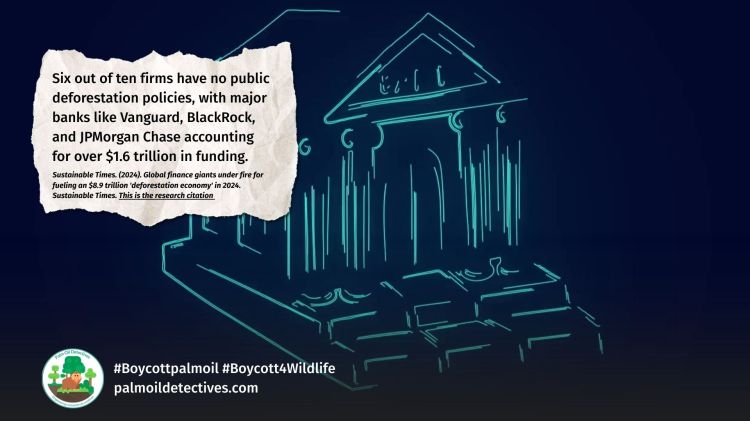
The research exposed catastrophic policy failures across the financial sector. Six out of ten institutions reviewed maintain no publicly stated deforestation policies whatsoever, representing only marginal improvement from the previous year when two-thirds lacked such protections. Even more alarming, fewer than four in ten financial giants openly acknowledge that deforestation poses business risks to their portfolios.
Three financial behemoths dominate the destruction economy. Vanguard, BlackRock, and JPMorgan Chase “alone were responsible for more than one-fifth of the total” funding, collectively channelling $1.6 trillion toward forest-risk industries. Their enormous market influence means policy changes from these titans “could trigger rapid change across the global financial system,” according to Global Canopy analysts.
The geographic concentration of destruction finance reveals systematic patterns. Beyond the United States, “China and France also emerged as central hubs of financial flows into deforestation-linked industries.” This concentration demonstrates how relatively few financial centres drive global forest destruction through investment decisions.
Perhaps most damning, nearly $864 billion flowed directly to companies making zero public commitments against deforestation. This represents “almost one in every ten dollars” of total financing going to businesses with no safeguards protecting tropical forests from destruction for palm oil plantations, cattle ranches, or soy cultivation.
Global Canopy researchers emphasised the sector’s transformative potential, stating: “Unless financial institutions engage portfolio companies to act on deforestation risk – for instance, through strong stewardship of investee companies – their financing activities will undermine the positive impact of any transition finance they provide.” However, they noted these “financial heavyweights could use their investment strategies to drive better practice and transform commodity supply chains for the better.”
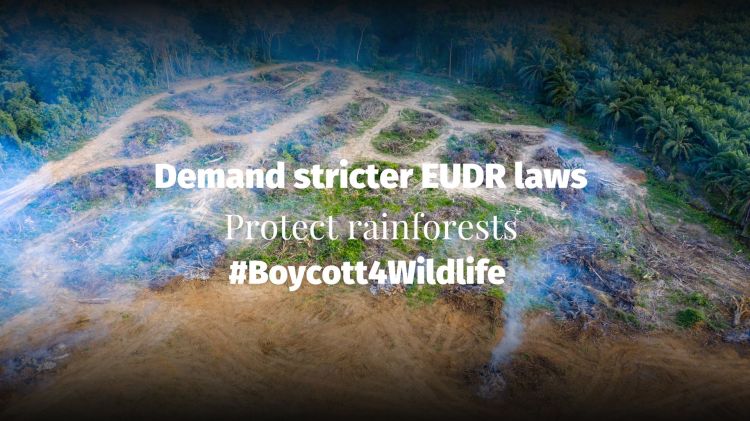
The European Union’s new Deforestation Regulation dramatically increases pressure on financial institutions to implement robust policies. Beginning December 30, the EU “will ban large businesses from importing beef, cocoa, coffee, palm oil, natural rubber, soy, or wood if these products are linked to deforestation.” The ban will eventually extend to smaller businesses, creating comprehensive market exclusions for forest-destructive products.
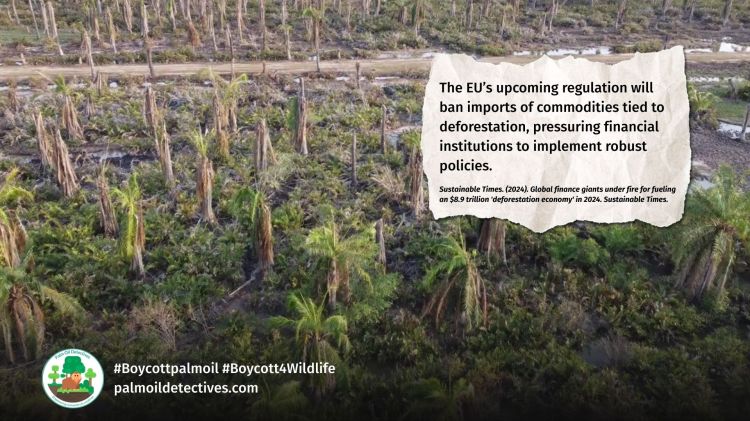
This regulatory shift creates urgent risks for financial institutions backing non-compliant companies. “Without robust policies, they will find themselves backing companies that are locked out of key markets,” the report warns. Financial institutions face the prospect of massive portfolio devaluations as their investee companies lose access to lucrative European markets.
A handful of progressive institutions demonstrate viable alternatives. Banco Bilbao Vizcaya Argentaria, Deutsche Bank, and Lloyds Banking Group represent “the only institutions shown to be screening and monitoring all the highest-risk commodities.” Their comprehensive approaches “provide a blueprint for others to follow” in developing effective deforestation policies.
Global Canopy outlined essential components for credible deforestation policies extending “well beyond a vague pledge.” Effective policies require “clear standards for screening clients and portfolio holdings, active engagement to bring non-compliant firms into line, and strict deadlines for divestment if companies fail to improve.” Additionally, institutions must maintain “transparent reporting of progress and commitments to human rights safeguards.”
The analysis examined nine critical forest-risk commodities: “beef, cocoa, coffee, leather, palm oil, pulp and paper, soy, rubber, and timber.” Each sector drives habitat destruction threatening wildlife populations whilst displacing Indigenous communities dependent on intact forests for survival.
The report concludes that financial institutions possess “immense influence over whether deforestation is curbed or allowed to spiral further out of control.” Current investment patterns tell “a troubling story, but with the right commitments, banks and investment firms could become powerful drivers of change” toward forest protection rather than destruction.
Sustainable Times. (2024). Global finance giants under fire for fueling an $8.9 trillion ‘deforestation economy’ in 2024. Sustainable Times. https://www.sustainabletimes.co.uk/post/global-finance-giants-under-fire-for-fueling-an-8-9-trillion-deforestation-economy-in-2024
ENDS
Read more about deforestation and ecocide in the palm oil industry

Asian Small-clawed Otter Aonyx cinereus
Asian Small-clawed Otters are the world’s smallest otter species and are Vulnerable from palm oil tea and coffee deforestation. Protect them, boycott palm oil!
Read more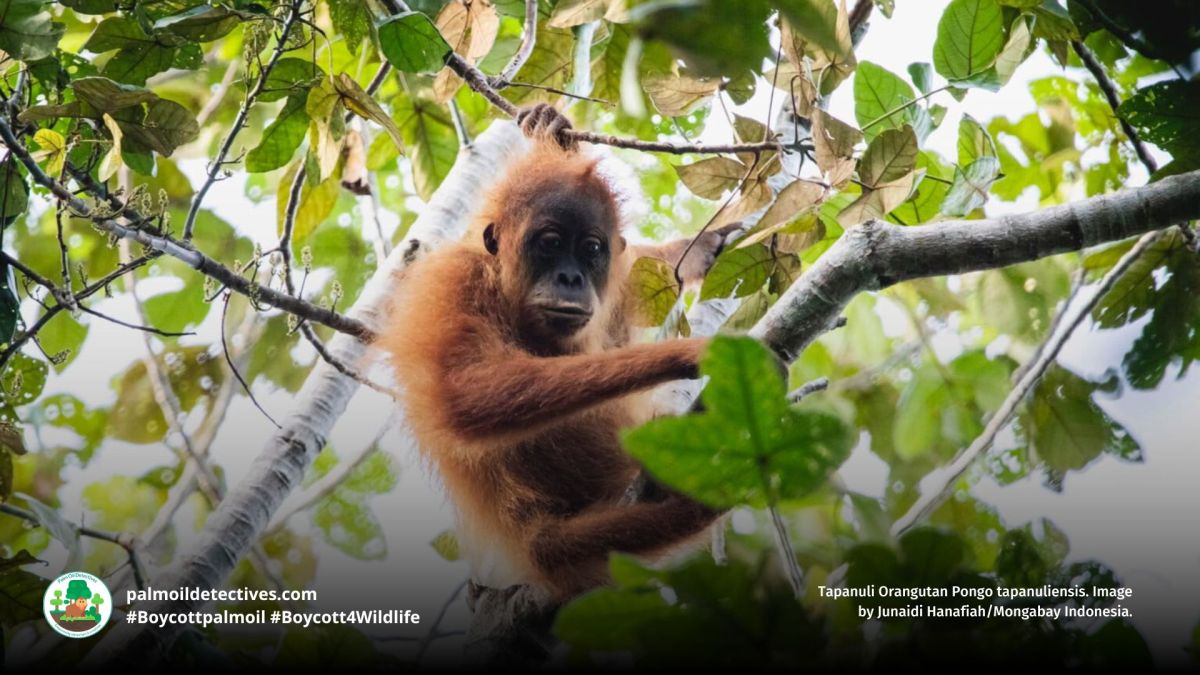
Tapanuli Orangutan Faces Extinction From Forest Protection Rollback
Save the Tapanuli orangutan! The rarest ape in the world faces extinction after floods, cyclones and now rezoning of their habitat in Sumatra #BoycottPalmOil!
Read more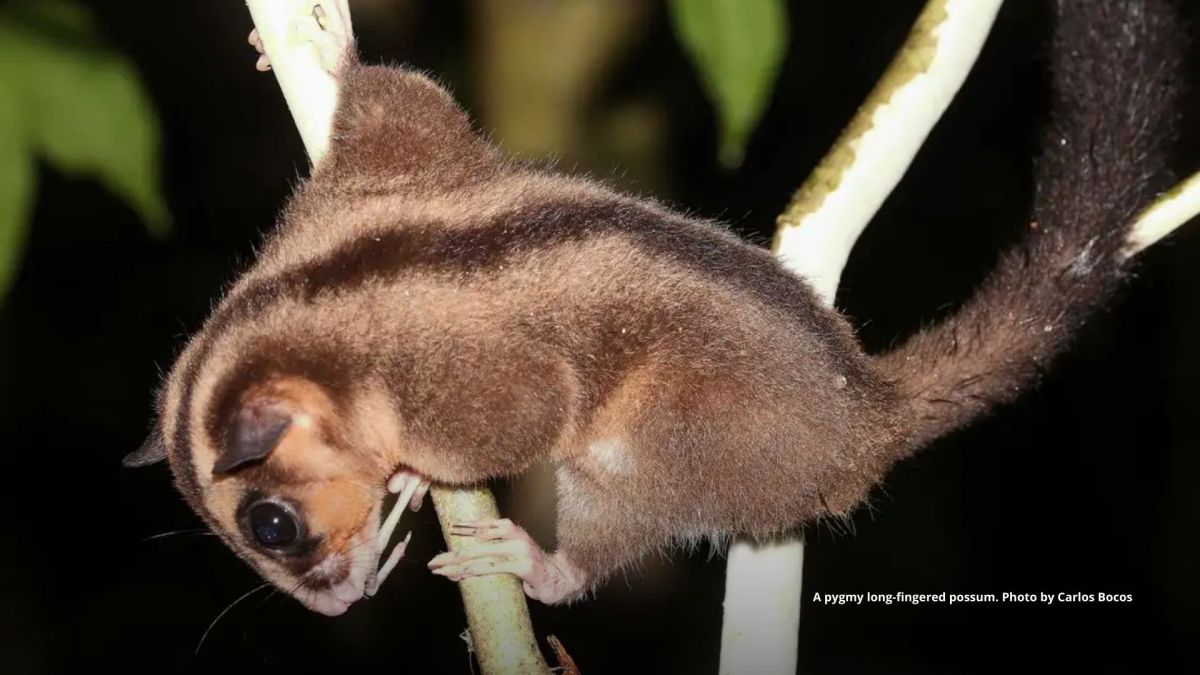
Marsupials thought extinct for 6,000 years found in West Papua
Two stunning marsupials thought extinct for 6000 years rediscovered in West Papua. Calls for rainforest protection even more urgent!
Read more
Trash into Treasure: Turning E-Waste and CO2 into Gold
Turning E-Waste and CO2 into Gold addresses e-waste challenges and contributes to CO₂ reduction efforts. Take action and boycott gold for Yanomami people!
Read more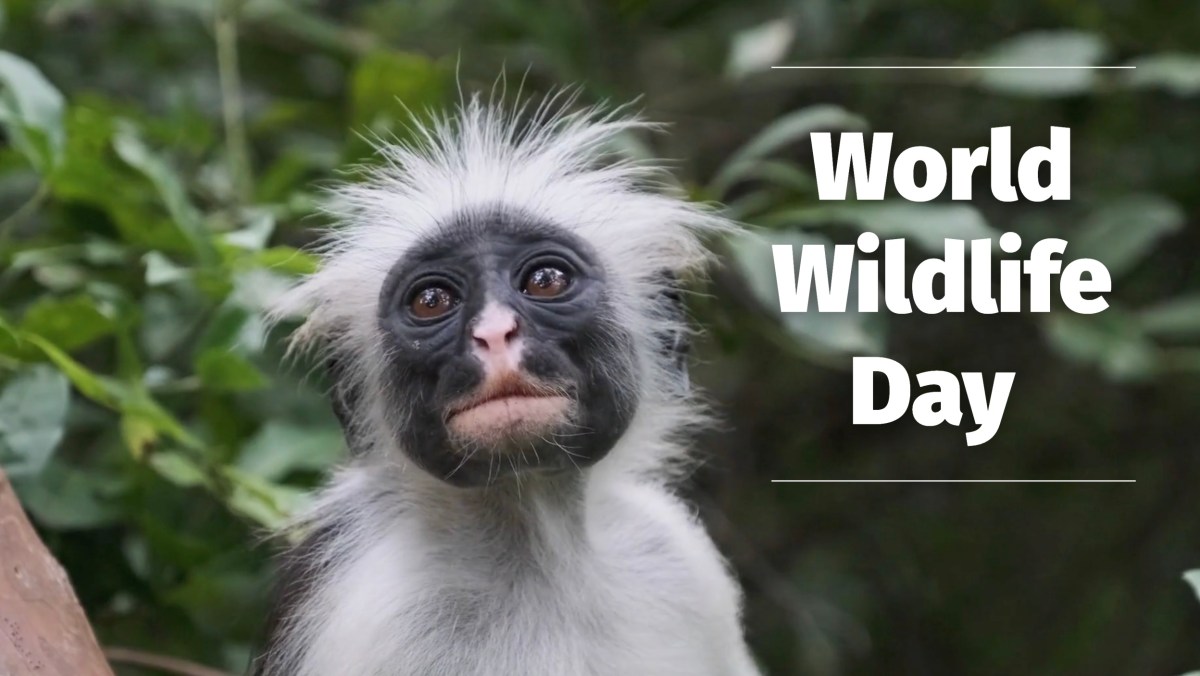
Do you love animals? Make every day #WorldWildlifeDay
This #WorldWildlifeDay take action for animals great and small! Reptiles insects, mammals and birds deserve better than palm oil ecocide and extinction. Make sure you Boycott palm oil
Read moreSomething went wrong. Please refresh the page and/or try again.
Take Action in Five Ways
1. Join the #Boycott4Wildlife on social media and subscribe to stay in the loop: Share posts from this website to your own network on Twitter, Mastadon, Instagram, Facebook and Youtube using the hashtags #Boycottpalmoil #Boycott4Wildlife.
2. Contribute stories: Academics, conservationists, scientists, indigenous rights advocates and animal rights advocates working to expose the corruption of the palm oil industry or to save animals can contribute stories to the website.


3. Supermarket sleuthing: Next time you’re in the supermarket, take photos of products containing palm oil. Share these to social media along with the hashtags to call out the greenwashing and ecocide of the brands who use palm oil. You can also take photos of palm oil free products and congratulate brands when they go palm oil free.
4. Take to the streets: Get in touch with Palm Oil Detectives to find out more.
5. Donate: Make a one-off or monthly donation to Palm Oil Detectives as a way of saying thank you and to help pay for ongoing running costs of the website and social media campaigns. Donate here
Discover more from Palm Oil Detectives
Subscribe to get the latest posts sent to your email.
 Palm Oil Detectives