

Strict global rainforest laws like #EUDR, enforcement of anti #poaching units, and a consumer boycott of #palmoil, hold the key to protecting #Sumatra’s last living tigers.
#GlobalTigerDay and every day, push for #tiger protection. This is a guide for protecting the tiny population of Sumatran Tigers 🐯🐅 that still remain alive 😭. Fight back when you #BoycottPalmOil #Boycott4Wildlife 🌴🔥⛔️ @palmoildetect https://wp.me/pcFhgU-9bi
FYI: Every single day is #InternationalTigerDay! 🐯🐅 beautiful apex predators of #Asia are disappearing due to #palmoil #deforestation 🌴 🛢️🔥⛔ Fight for them with your wallet #Boycottpalmoil #Boycott4Wildlife @palmoildetect learn more: https://wp.me/pcFhgU-9bi

The Sumatran tiger Panthera tigris sumatrae is teetering on the brink of extinction
A mighty tiger drinking from a river. Image: Craig Jones Wildlife Photography
The Sumatran tiger Panthera tigris sumatrae is teetering on the brink of extinction. Recent findings underscore the urgency of protecting the last remaining populations of these unique and majestic apex predators. With deforestation continuing at alarming rates to meet global demands, particularly for palm oil, these tigers face severe threats to their survival. Another serious threat to their dwindling number is poaching. This article examines the findings of recent studies and argues for stricter forest protection regulations, enforcement of the European Union Deforestation Regulation (EUDR), and consumer boycotts of palm oil will help to protect Sumatra’s rainforests and wild animals.


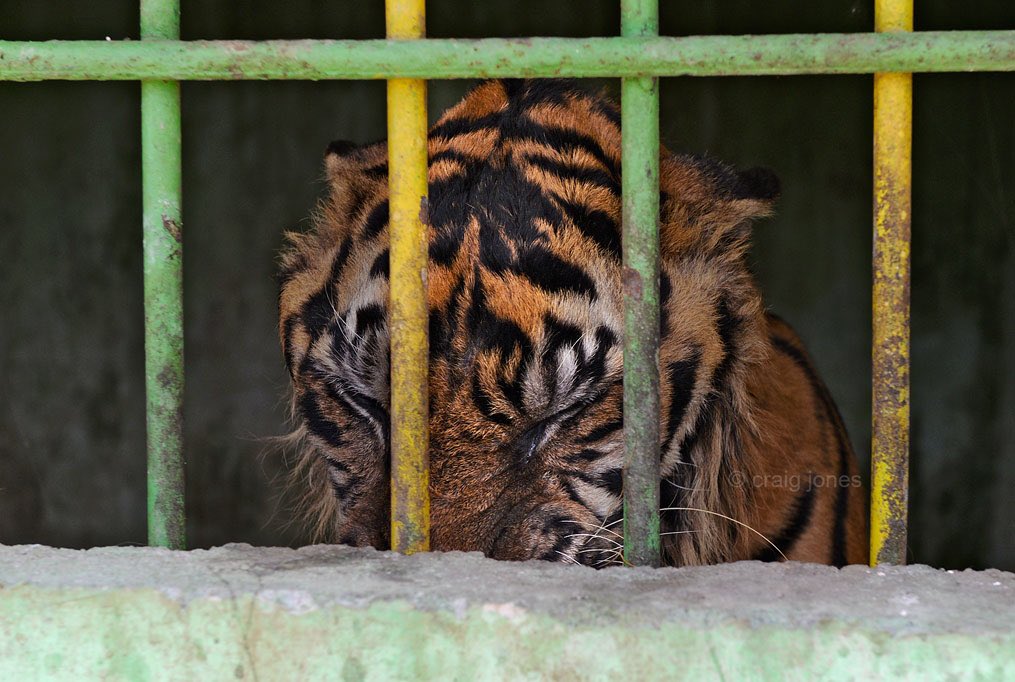


Sumatran Tigers in Serious Trouble
The Sumatran tiger, the most diminutive subspecies of tiger in the world, is now restricted to the Indonesian island of Sumatra. Once widespread, these tigers have lost more than 70% of their habitat due to extensive logging, the expansion of palm oil monoculture, and poaching (Figel et al., 2024). A recent study by Figel and colleagues revealed that in the Ulu Masen Ecosystem, only 11 tigers were detected during a monitoring period from 2020 to 2022, with a male-biased ratio of eight males to one female, indicating significant population stress from poaching pressures and habitat loss (Costa, 2024). Without immediate and intensive action, these tigers face the same fate as the now-extinct Javan and Balinese tigers.
Habitat Loss and Deforestation: The Palm Oil Crisis
Forests critical to tiger survival are rapidly disappearing, largely driven by deforestation for palm oil, timber and mining. According to a study published in Scientific Reports, deforestation has been particularly damaging to lowland and primary forests, essential habitats for Sumatran tigers (Smith et al., 2018).
Palm oil companies in Indonesia, the world’s top producer of the commodity, cleared 30,000 hectares (about 74,100 acres) of forest last year to make way for plantations, up from 22,000 hectares (54,400 acres) in 2022 (Mongabay, 2024).
Over decades, rainforest loss for palm oil and timber on the island of Sumatra along with poaching of tigers has resulted in severely isolated tiger populations and loss of genetic diversity, which further compounds the risk of extinction (Wibisono, 2024). Despite legal protections, these animals are often displaced as logging companies encroach upon their habitats.
Strict Global Laws Needed to Protect Tigers and Rainforests
The European Union has recognised this issue through the European Union Deforestation Regulation (EUDR), which mandates that companies importing into the EU must prove that their products containing palm oil are not linked to deforestation. Although promising, the enforcement of the EUDR will be crucial for real impact, especially in countries like Indonesia, where lax regulation and government corruption has allowed large-scale deforestation to flourish (Figel et al., 2024).
Urgent Anti-Poaching Protection Needed
Poaching has been another devastating factor for Sumatran tigers, as highlighted by Figel et al. (2024). In their recent camera-trap study, they found alarming signs of tiger limb injuries due to snares, an indication of pervasive illegal hunting. In comparison to other tiger habitats in Sumatra, the lack of female tigers and cubs in the Ulu Masen region shows a population under severe stress. This study calls for the immediate introduction of up to 600 trained rangers to combat poaching and support tiger conservation in Ulu Masen—a recommendation that reflects the success of similar efforts in Kerinci-Seblat National Park, where a 41% reduction in snares was achieved through a well-resourced ranger network (Costa, 2024).
Protecting Prey and Preserving Balance in Ulu Masen
The Figel study underscores that the survival of Sumatran tigers in Ulu Masen hinges on reducing poaching and preserving prey populations, such as sambar deer, which play a critical role in tiger sustenance. Despite Ulu Masen’s extensive forest cover, the lack of formal protection leaves tigers vulnerable to habitat loss, illegal logging, and rampant snare usage, which remains the leading threat. With only one female observed among 11 tigers, the population skew suggests severe poaching pressures, underscoring the need for robust, targeted protection. Implementing a larger ranger network, akin to successful efforts in other Indonesian parks, is essential for tackling these threats and ensuring that Ulu Masen remains a viable habitat for Sumatran tigers.
Consumer Awareness and the Call to Boycott Palm Oil
To effectively protect these remaining tigers, consumer awareness and strong consumer action is equally important. By boycotting palm oil in the supermarket and supporting alternative vegan palm oil free products, consumers can reduce demand for this resource, which remains a primary driver of deforestation in Sumatra (Luskin et al., 2017). Educating consumers about the environmental costs associated with palm oil and meat deforestation is crucial; with heightened awareness, individuals can contribute to conservation efforts by opting for palm oil free alternatives.
We May Still Have Time to Secure Their Future
The plight of the Sumatran tiger reveals the interconnectedness of conservation, international environmental laws and consumer boycotts. While regulations like the EUDR are necessary, their strict enforcement is essential to prevent further destruction of tiger habitats. Alongside this, consumer action in the form of boycotting palm oil can make a meaningful difference. Protecting Sumatra’s forests is not just about saving a single species; it is about preserving an entire ecosystem under siege from the scourge of palm oil monoculture. By taking strong collective action, we still have time to secure a future for the Sumatran tiger and countless other species that depend on rainforests.
References
Costa, J. (2024). Decline in Sumatran Tigers. Cosmos Magazine. Retrieved from https://cosmosmagazine.com/news/dramatic-decline-in-sumatran-tigers/
Figel, J. J., Safriansyah, R., Baabud, S. F., & Hambal, M. (2024). Intact, under-patrolled forests harbor widespread prey but a male-biased tiger population in the Ulu Masen Ecosystem, Sumatra, Indonesia. Scientific Reports, 14, Article 23612. https://doi.org/10.1038/s41598-024-75503-0
Jong, H. N. (2024, February 13). Palm oil deforestation makes comeback in Indonesia after decade-long slump. Mongabay. Retrieved from: https://news.mongabay.com/2024/02/palm-oil-deforestation-makes-comeback-in-indonesia-after-decade-long-slump/
Luskin, M. S., Albert, W. R., & Tobler, M. W. (2017). Sumatran tiger survival threatened by deforestation despite increasing densities in parks. Nature Communications, 8, 1783. Retrieved from https://www.nature.com/articles/s41467-017-01656-4
Smith, O., Wang, J., & Carbone, C. (2018). Evaluating the effect of forest loss and agricultural expansion on Sumatran tigers from scat surveys. Biological Conservation, 221, 270-278. https://doi.org/10.1016/j.biocon.2018.03.014
Wibisono, H. T. (2024, February 12). Species spotlight: The critically endangered Sumatran tiger — small but mighty. The Revelator. Retrieved from: https://therevelator.org/species-spotlight-sumatran-tiger/
ENDS
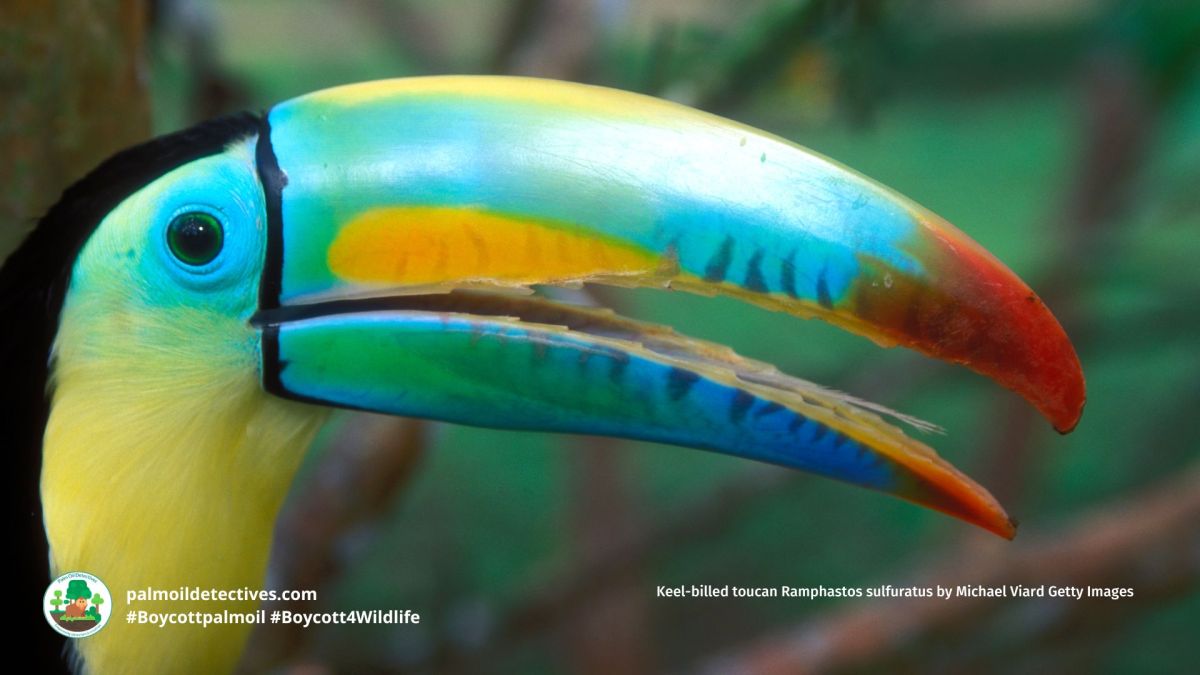
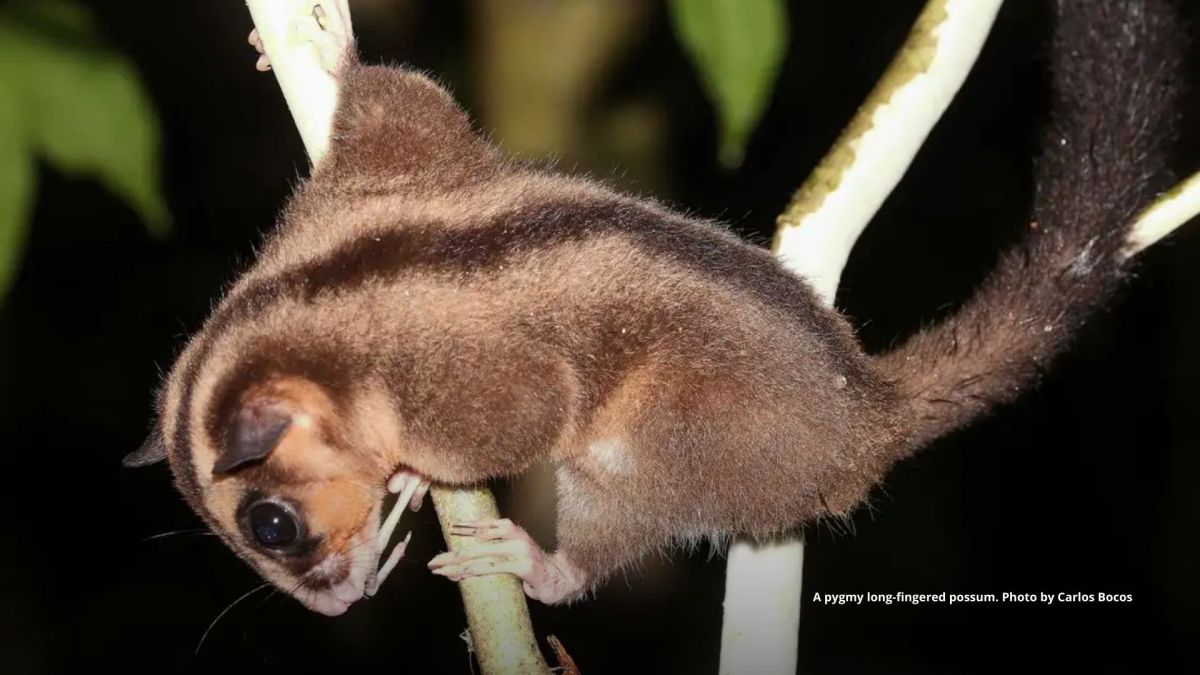
Learn about other animals endangered by palm oil and other agriculture




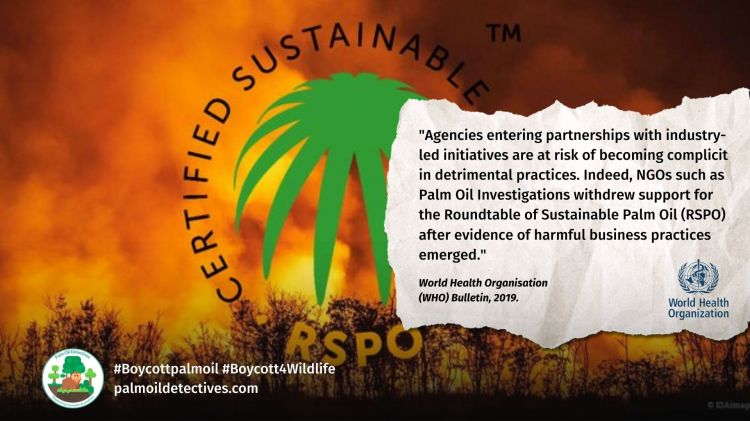
Learn about “sustainable” palm oil greenwashing
Read more about RSPO greenwashing
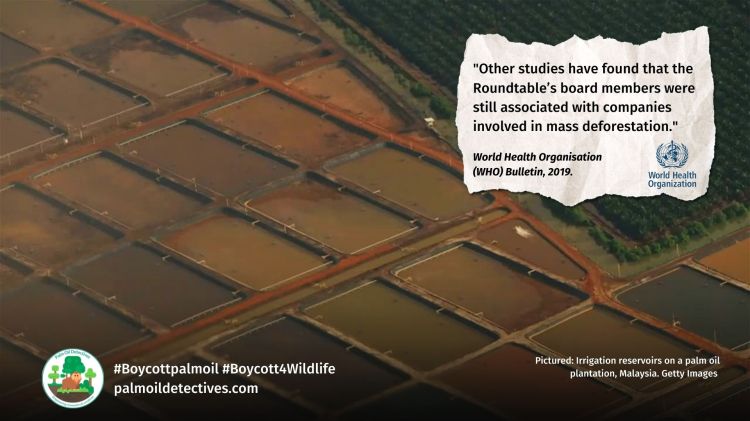
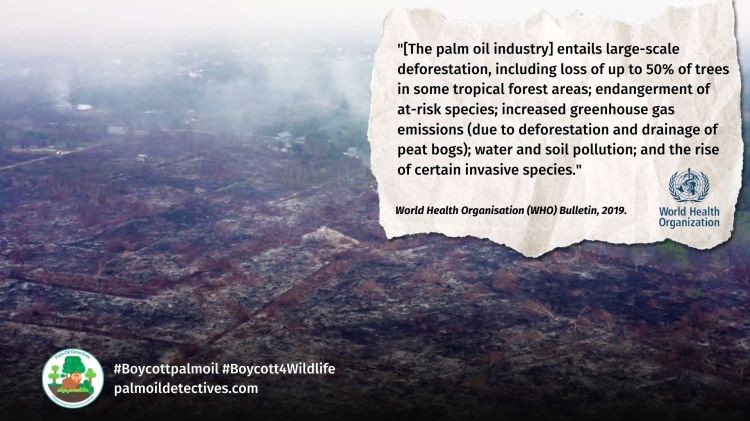
A 2019 World Health Organisation (WHO) report into the palm oil industry and RSPO finds extensive greenwashing of palm oil deforestation and the murder of endangered animals (i.e. biodiversity loss)


Take Action in Five Ways
1. Join the #Boycott4Wildlife on social media and subscribe to stay in the loop: Share posts from this website to your own network on Twitter, Mastadon, Instagram, Facebook and Youtube using the hashtags #Boycottpalmoil #Boycott4Wildlife.
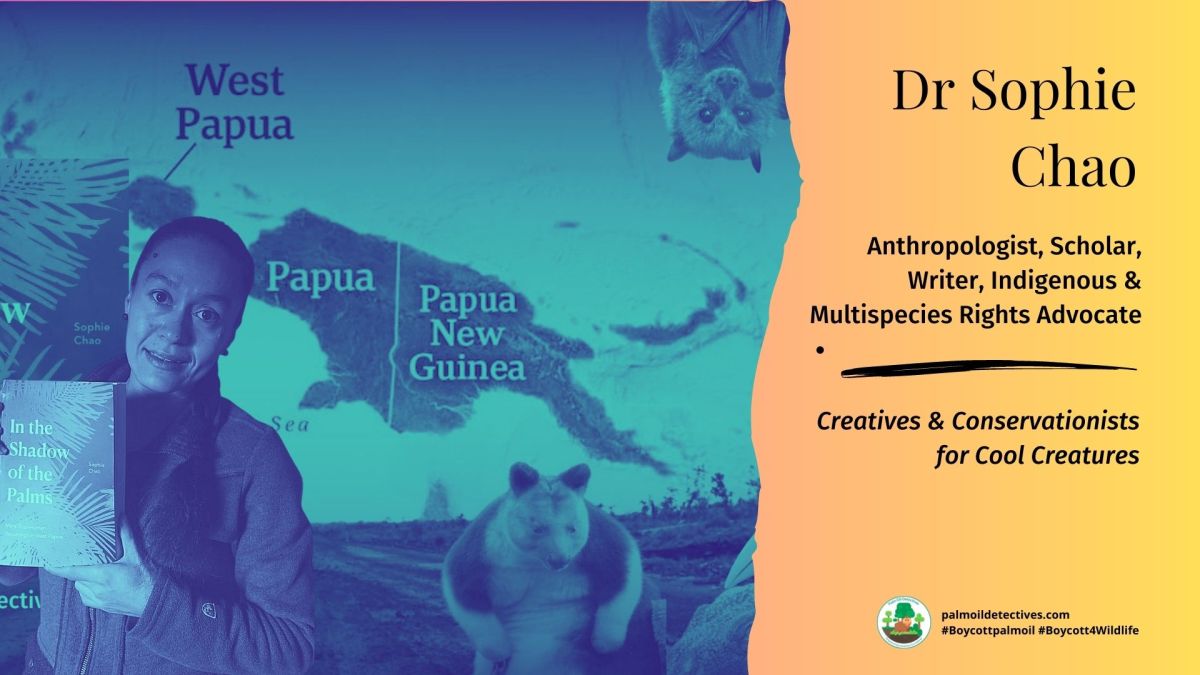
2. Contribute stories: Academics, conservationists, scientists, indigenous rights advocates and animal rights advocates working to expose the corruption of the palm oil industry or to save animals can contribute stories to the website.





3. Supermarket sleuthing: Next time you’re in the supermarket, take photos of products containing palm oil. Share these to social media along with the hashtags to call out the greenwashing and ecocide of the brands who use palm oil. You can also take photos of palm oil free products and congratulate brands when they go palm oil free.
4. Take to the streets: Get in touch with Palm Oil Detectives to find out more.
5. Donate: Make a one-off or monthly donation to Palm Oil Detectives as a way of saying thank you and to help pay for ongoing running costs of the website and social media campaigns. Donate here
Discover more from Palm Oil Detectives
Subscribe to get the latest posts sent to your email.
 Palm Oil Detectives