
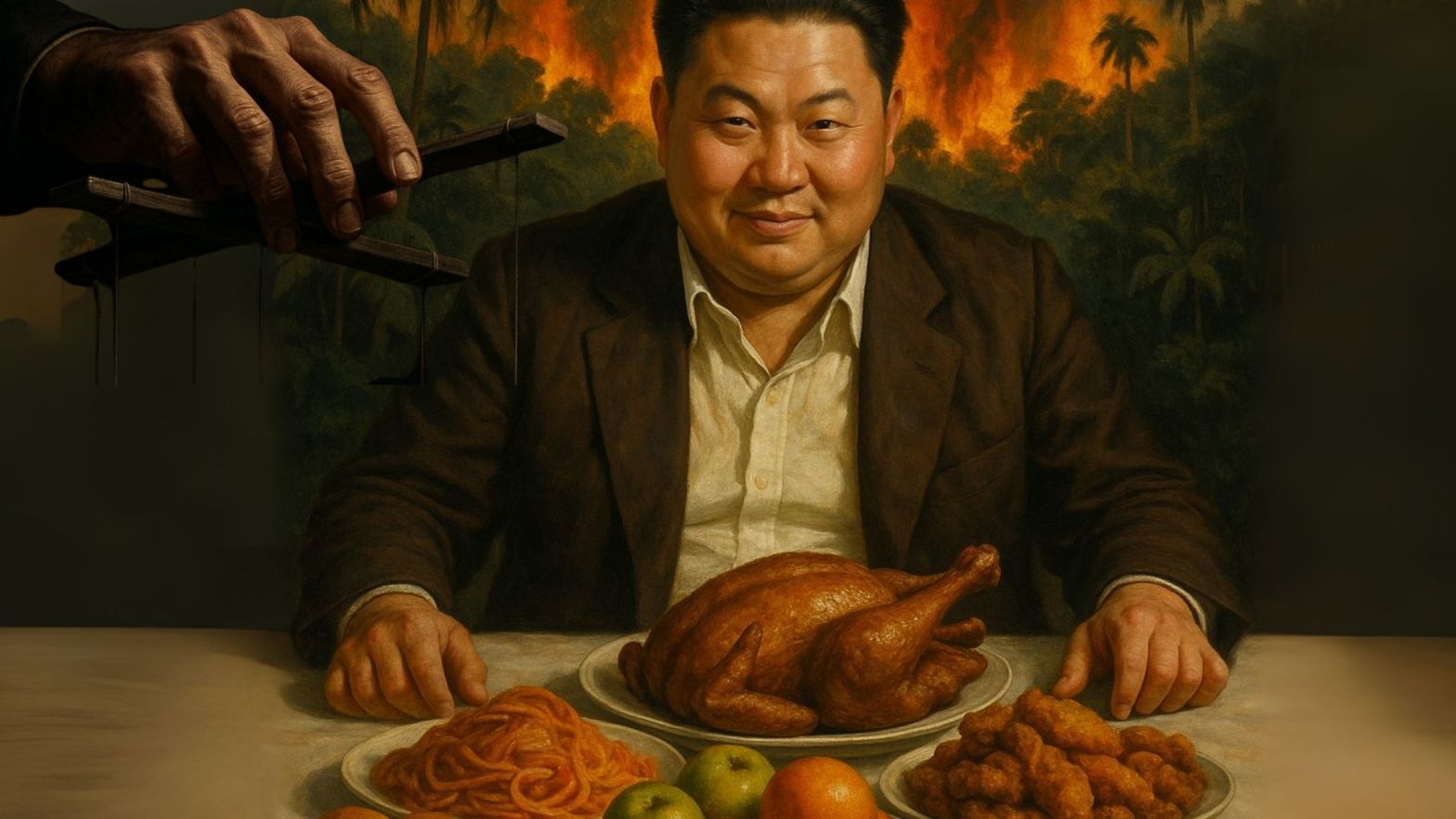
An explosive report by the Environment Investigation Agency (EIA) details how Indonesia’s Fangiono family, through a wide corporate web, is linked to ongoing #deforestation, #corruption, and #indigenousrights abuses for #palmoil. Calls mount for governments to act immediately to strengthen the #EUDR. Consumers can act when we #BoycottPalmOil #Boycott4Wildlife #HumanRights
#News: Shady family ties underlie Fangiono family’s #palmoil empire, peppered with #deforestation, rights abuse in #Indonesia 🌴☠️🧐 Demand change! #BoycottPalmOil #Boycott4Wildlife #HumanRights @palmoildetect https://palmoildetectives.com/2025/09/17/family-ties-expose-deforestation-and-rights-violations-in-indonesian-palm-oil/
EIA & Kaoem Telapak. (2025, August 20). When deforestation, corruption and rights violations are just another palm oil family affair. [EIA]. https://eia-international.org/news/when-deforestation-corruption-and-rights-violations-are-just-another-palm-oil-family-affair/
A new investigation by the Environmental Investigation Agency (EIA) UK and Kaoem Telapak exposes widespread alleged deforestation, corruption, and human rights abuses permeating Indonesia’s palm oil sector, tracing these patterns to the powerful Fangiono family and their sprawling corporate network. Despite public denials and ostensible sustainability commitments, the report finds disturbing evidence that companies linked to the family have persistently violated laws, destroyed forests, and displaced local and indigenous peoples.
Indonesia, the world’s largest palm oil producer—exporting products worth nearly $28 billion in 2024—remains a hotbed for land-grabbing and habitat loss. The report, A Family Affair, catalogues cases across Sumatra, Kalimantan, and Papua, each area inhabited by unique indigenous communities and affected by complex ecological shifts driven by industrial expansion.
Martias, the family patriarch, was convicted in 2007 for acquiring palm oil permits through corruption and bribery. Despite serving a sentence and paying fines, his relatives have increased their influence, now holding leadership positions in major groups such as First Resources, FAP Agri, and Ciliandry Anky Abadi. The report highlights a series of persistent issues, including illegal plantation expansion, continued deforestation after permit revocation, and land acquisition without proper consent.
“The Fangiono family’s activities are spread far and wide across Indonesia’s palm oil industry and all too often we find routine, flagrant violations of the law, human rights and the environment.”
Senior Forests Campaigner Siobhan Pearce (EIA)
“This report reveals a governance failure that has enabled the Fangiono family’s corporate network to engage in deforestation, legal violations and the criminalisation of indigenous peoples. As long as groups… continue to operate without oversight, accountability or legal consequences, indigenous and local communities will keep losing their land, livelihoods and fundamental rights.”
Olvy Tumbelaka, Kaoem Telapak’s Senior Campaigner.
Corporate denials have done little to resolve the controversies. Although First Resources is a member of the RSPO, renowned for its so-called “sustainability” standards, the RSPO suspended its membership for three months in August 2025 after the company failed to demonstrate transparency regarding cross-ownership and shadow companies. The case reflects the broader limitations of voluntary industry certification and the persistent use of offshore entities to shield beneficial ownership from scrutiny.
The EIA and Kaoem Telapak strongly urge authorities, companies, investors, and certification bodies to address these ongoing violations and demand accountability for persistent environmental and social harm. The findings serve as an urgent warning for policymakers, buyers, and consumers on the global risks of unchecked palm oil expansion. Learn more via EIA.
EIA & Kaoem Telapak. (2025, August 20). When deforestation, corruption and rights violations are just another palm oil family affair. [EIA]. https://eia-international.org/news/when-deforestation-corruption-and-rights-violations-are-just-another-palm-oil-family-affair/
ENDS
Read more about human rights abuses and child slavery in the palm oil industry
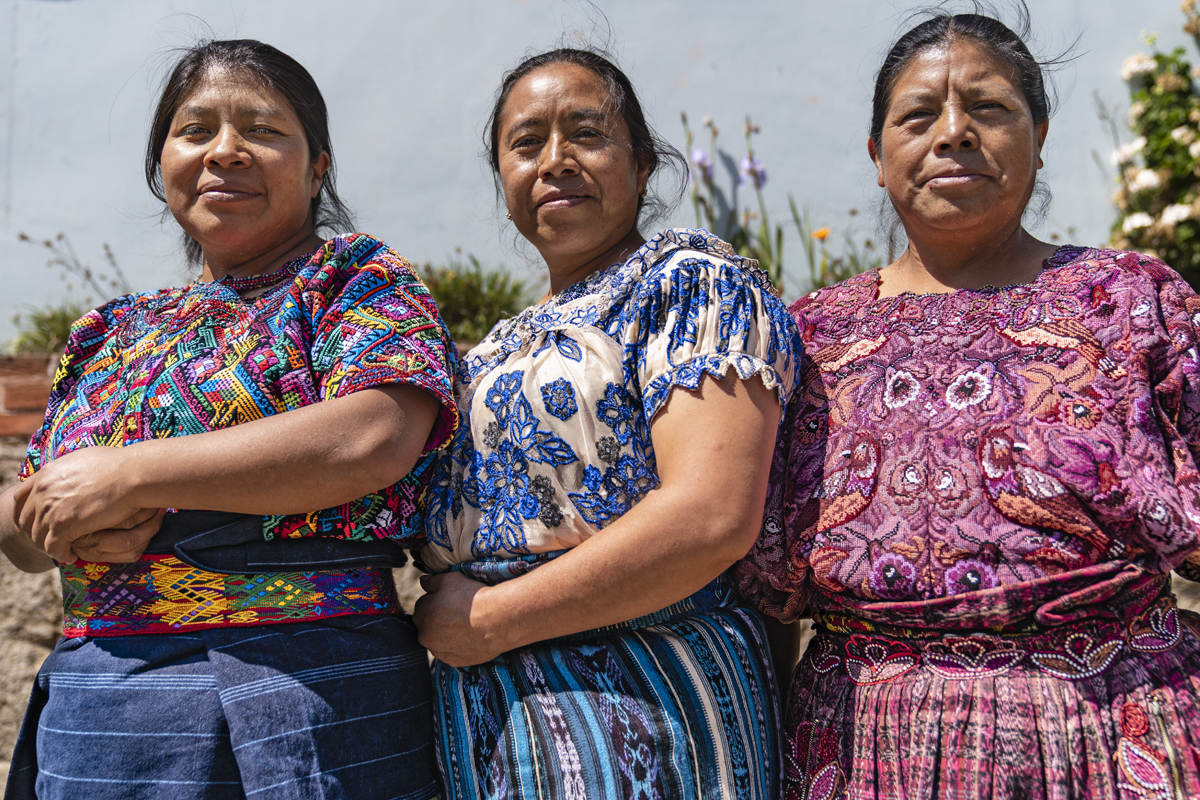
Indigenous Peoples Fight Climate Change
After wildfires, Belize’s indigenous people rebuild stronger based on “se’ komonil”: reciprocity, solidarity, gender equity, togetherness and community.
Read more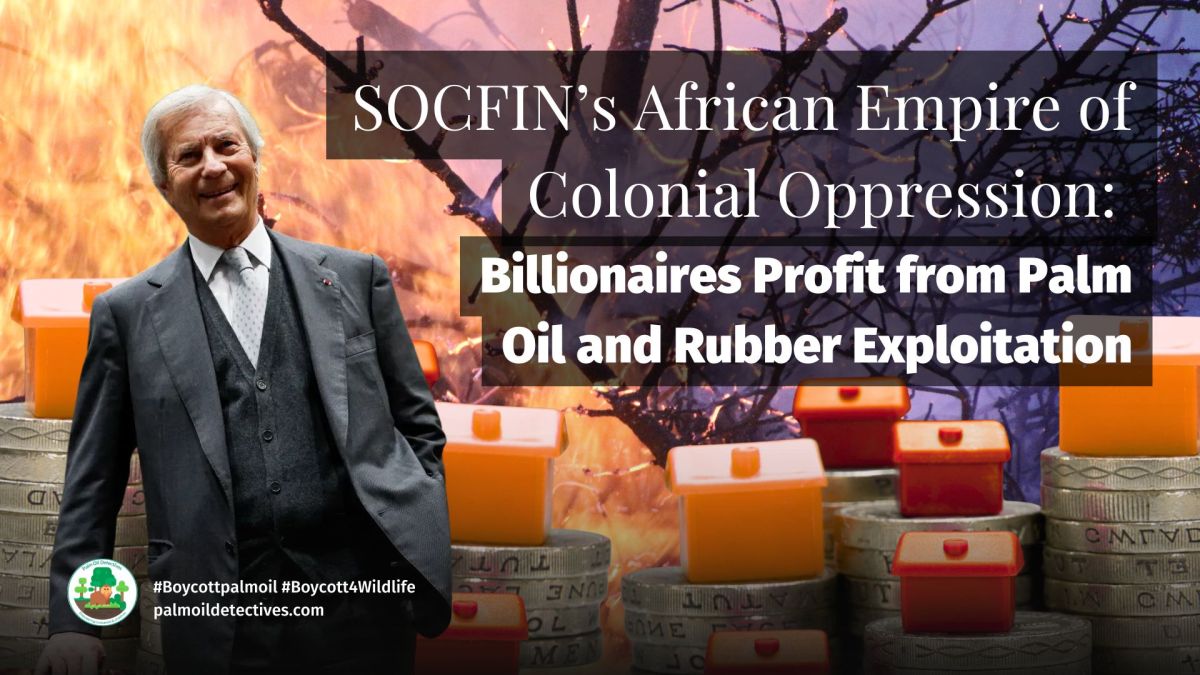
SOCFIN’s African Empire of Colonial Oppression: Billionaires Profit from Palm Oil and Rubber Exploitation
Investigation by Bloomberg exposes that despite being RSPO members, #SOCFIN plantations in #WestAfrica are the epicentre of #humanrights abuses, sexual coercion, environmental destruction, and #landgrabbing. Operating in #Liberia, #Ghana, #Nigeria, and beyond, SOCFIN’s…
Read more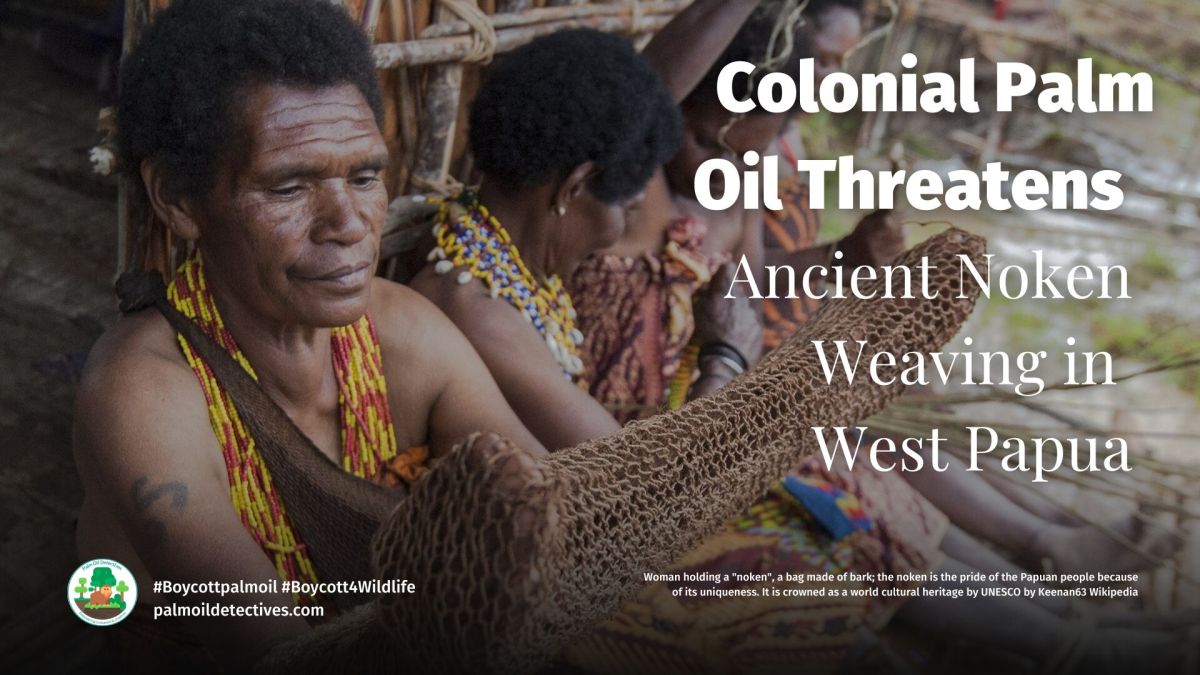
Palm Oil Threatens Ancient Noken Weaving in West Papua
Colonial palm oil and sugarcane causing the loss of West Papuans’ cultural identity. Land grabs force communities from forests, threatening Noken weaving
Read more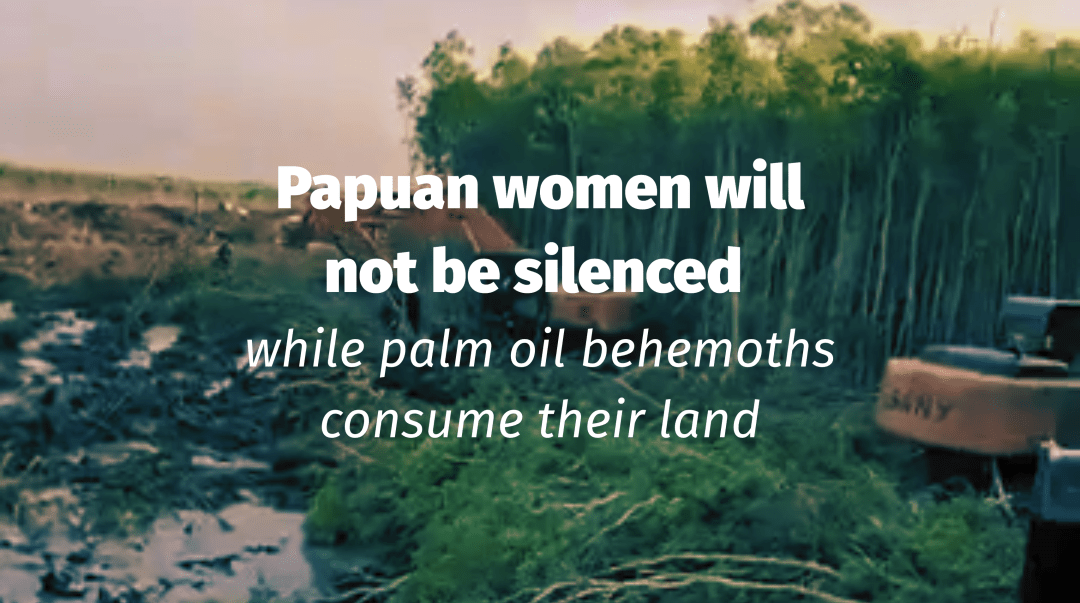
West Papuan Indigenous Women Fight Land Seizures
Indigenous Melanesian women in West Papua fight land seizures for palm oil and sugar plantations, protecting their ancestral rights. Join #BoycottPalmOil
Read more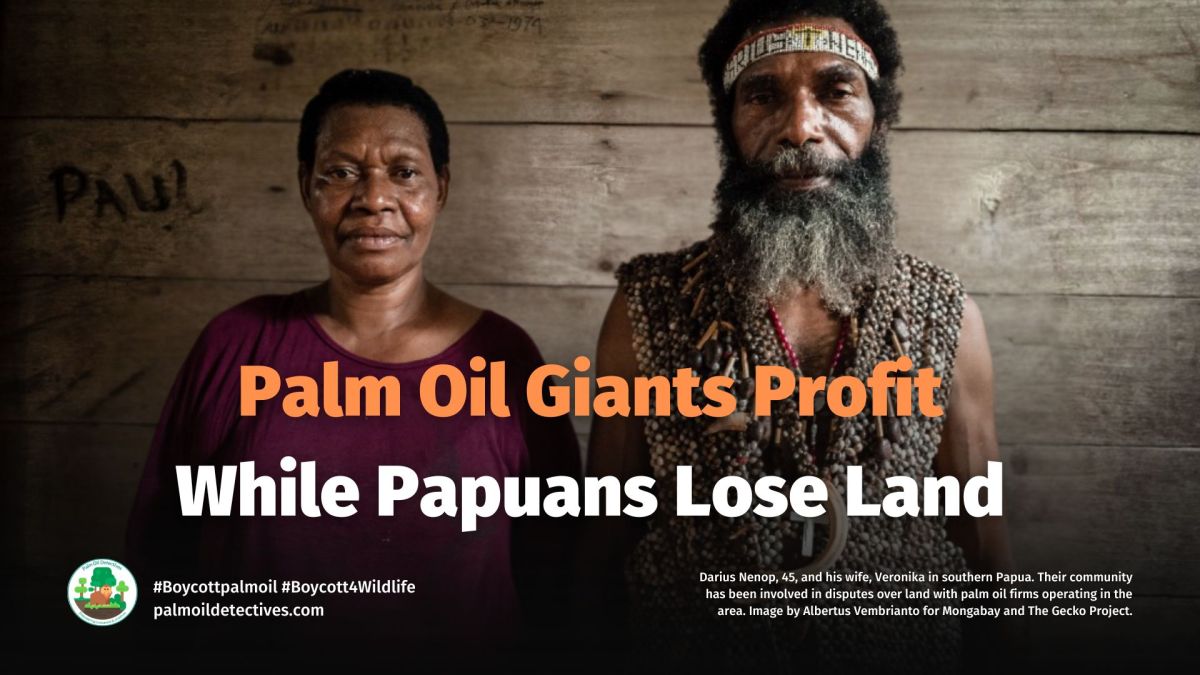
Greasing the Wheels of Colonialism: Palm Oil Industry in West Papua
A landmark study published in Global Studies Quarterly in April 2025 has revealed that the rapid expansion of the #palmoil industry in #WestPapua is not only fuelling #deforestation, #ecocide and environmental destruction but…
Read moreSomething went wrong. Please refresh the page and/or try again.
Take Action in Five Ways
1. Join the #Boycott4Wildlife on social media and subscribe to stay in the loop: Share posts from this website to your own network on Twitter, Mastadon, Instagram, Facebook and Youtube using the hashtags #Boycottpalmoil #Boycott4Wildlife.
2. Contribute stories: Academics, conservationists, scientists, indigenous rights advocates and animal rights advocates working to expose the corruption of the palm oil industry or to save animals can contribute stories to the website.






3. Supermarket sleuthing: Next time you’re in the supermarket, take photos of products containing palm oil. Share these to social media along with the hashtags to call out the greenwashing and ecocide of the brands who use palm oil. You can also take photos of palm oil free products and congratulate brands when they go palm oil free.
4. Take to the streets: Get in touch with Palm Oil Detectives to find out more.
5. Donate: Make a one-off or monthly donation to Palm Oil Detectives as a way of saying thank you and to help pay for ongoing running costs of the website and social media campaigns. Donate here
Discover more from Palm Oil Detectives
Subscribe to get the latest posts sent to your email.
 Palm Oil Detectives