
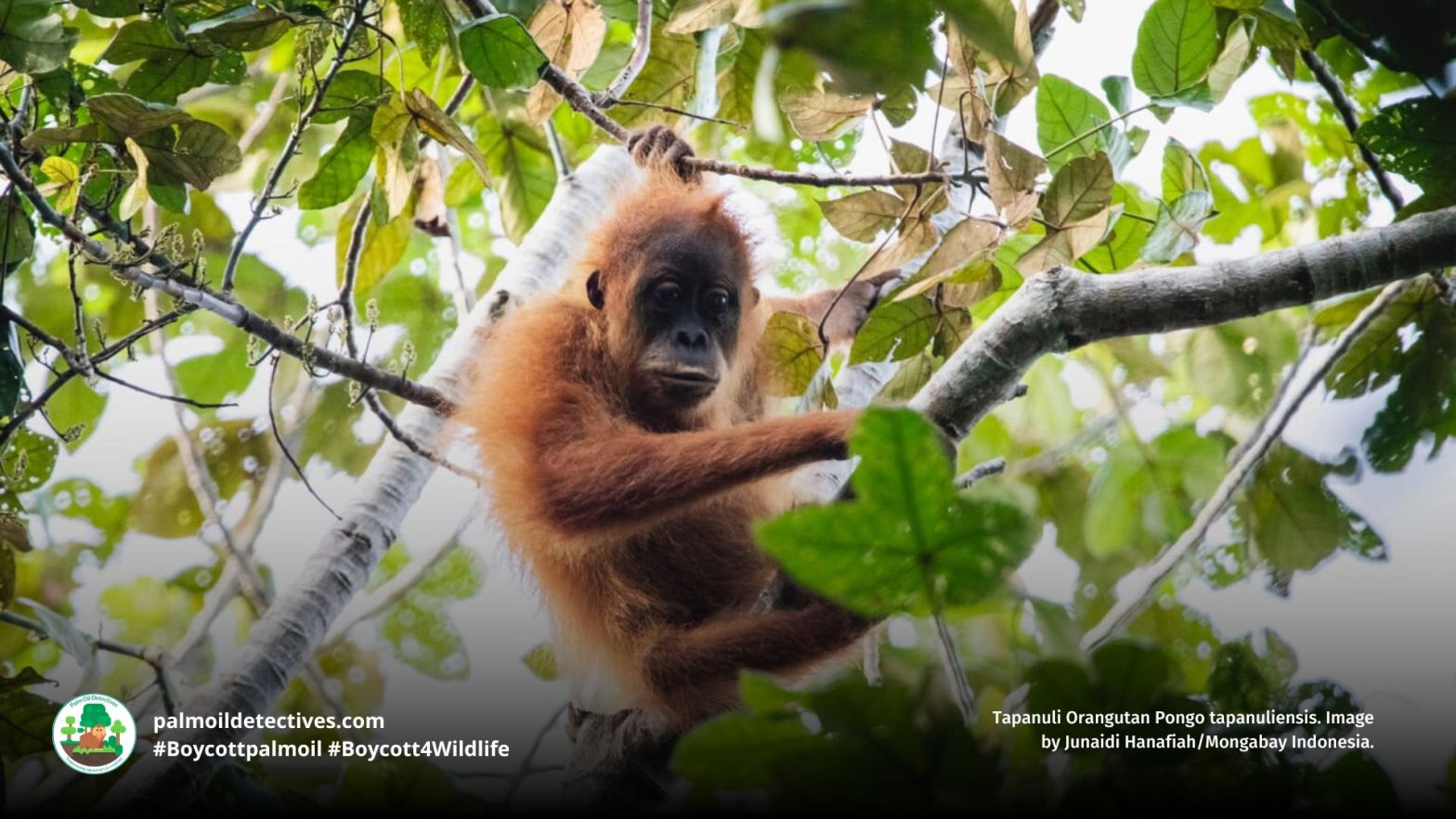
The world’s rarest great ape, the Tapanuli orangutan, is facing a population collapse after a devastating cyclone and a proposed zoning overhaul that threatens to strip protections from their last remaining habitat. Experts warn that weakening environmental laws and oversight now would be the “nail in the coffin” for this beautiful and intelligent species.
#News: After the deadly floods in #Sumatra, Tapanuli #orangutans face a bleak future. Now their legal protections are being stripped back to make way for more #mining. Fight back when you shop! 🧐🛍️ #BoycottPalmOil 🌴🚫 #Boycott4Wildlife @palmoildetect https://wp.me/pcFhgU-iSk
Learn more: Jong, H. N., & Muazam, A. R. (2025, December 18). Tapanuli orangutan, devastated by cyclone, now faces habitat loss under zoning plans. Mongabay. https://news.mongabay.com/2025/12/tapanuli-orangutan-devastated-by-cyclone-now-faces-habitat-loss-under-zoning-plans/
Reeling from a catastrophic cyclone that may have killed or displaced dozens of Tapanuli orangutans, the critically endangered species now faces a new threat: a proposed zoning overhaul in Indonesia’s North Sumatra province. Local authorities have called for scaling back the Batang Toru “provincial strategic area” by nearly a third, a move that would significantly weaken legal protections and environmental scrutiny for mining and plantation projects. If approved, approximately 39,000 hectares—nearly a third of the orangutan’s forest range—would lose the safeguards that currently prioritise ecological function and landscape-scale assessment.
The timing of this proposal is especially alarming. A recent tropical storm unleashed torrential rains and landslides that severely damaged at least 3,964 hectares of previously intact forest, potentially impacting up to 54 individuals from a total population of just 800. Scientists warn that this extreme weather event, combined with the loss of forest cover, could push the Tapanuli orangutan toward population collapse. Removing strategic protections would also facilitate the expansion of extractive industries, including a nearby gold mine that has already faced intense scrutiny for its potential impact on the species.
Provincial officials suggested the downscaling was due to a lack of capacity and budget to manage such a vast area, even proposing that the central government take over as a “national strategic area.” However, conservation groups like Mighty Earth argue that opening the door to further extractive industries in the wake of a natural disaster is an “insane idea.” They are calling for emergency protections, a halt to habitat-damaging development, and the restoration of critical forest corridors to prevent the Tapanuli orangutan from becoming the first great ape species to go extinct in modern history.
While the central government has moved to suspend some industrial operations and review logging permits in response to the floods, the future of the Batang Toru ecosystem remains uncertain. Conservationists stress that this is a critical opportunity for the government to fulfill its environmental promises rather than allowing administrative or commercial interests to seal the fate of a species on the brink.



Something went wrong. Please refresh the page and/or try again.
Learn more: Jong, H. N., & Muazam, A. R. (2025, December 18). Tapanuli orangutan, devastated by cyclone, now faces habitat loss under zoning plans. Mongabay. https://news.mongabay.com/2025/12/tapanuli-orangutan-devastated-by-cyclone-now-faces-habitat-loss-under-zoning-plans/
ENDS
Learn about other animals endangered by palm oil and other agriculture
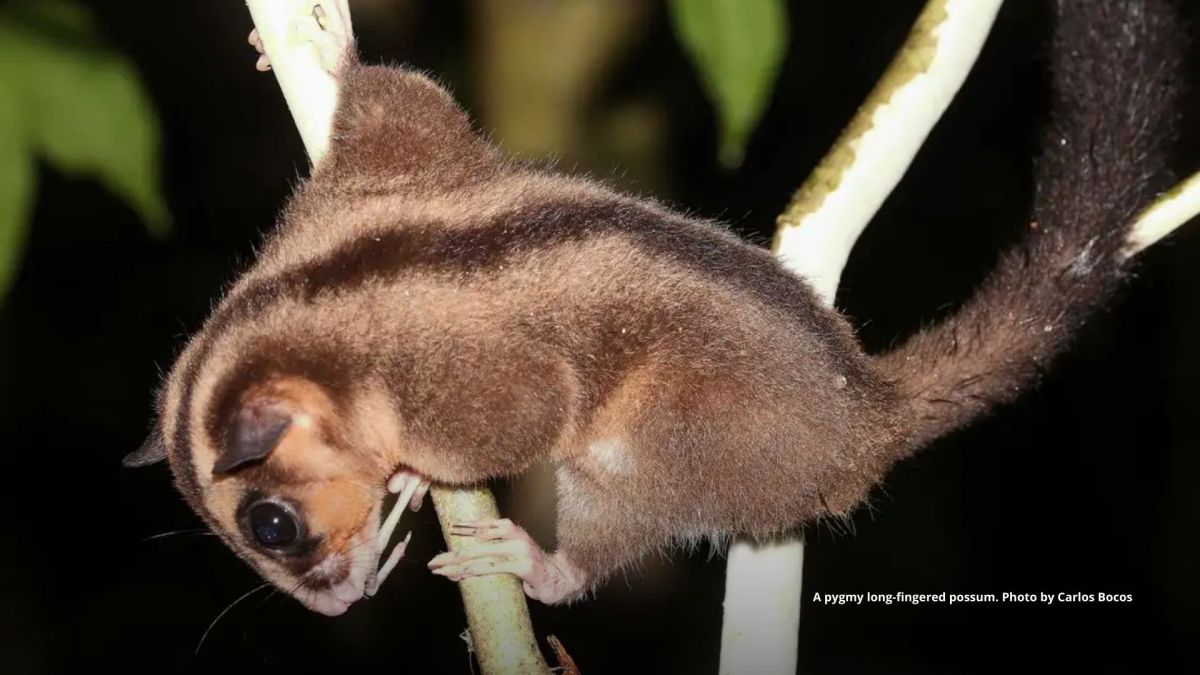


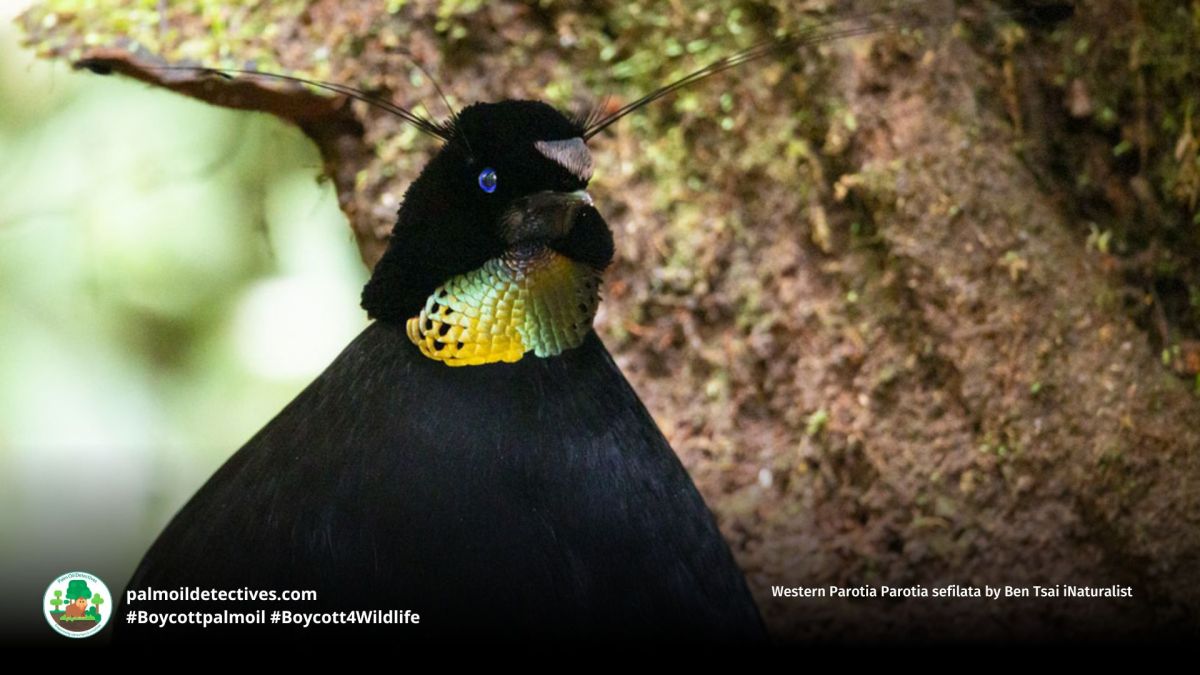

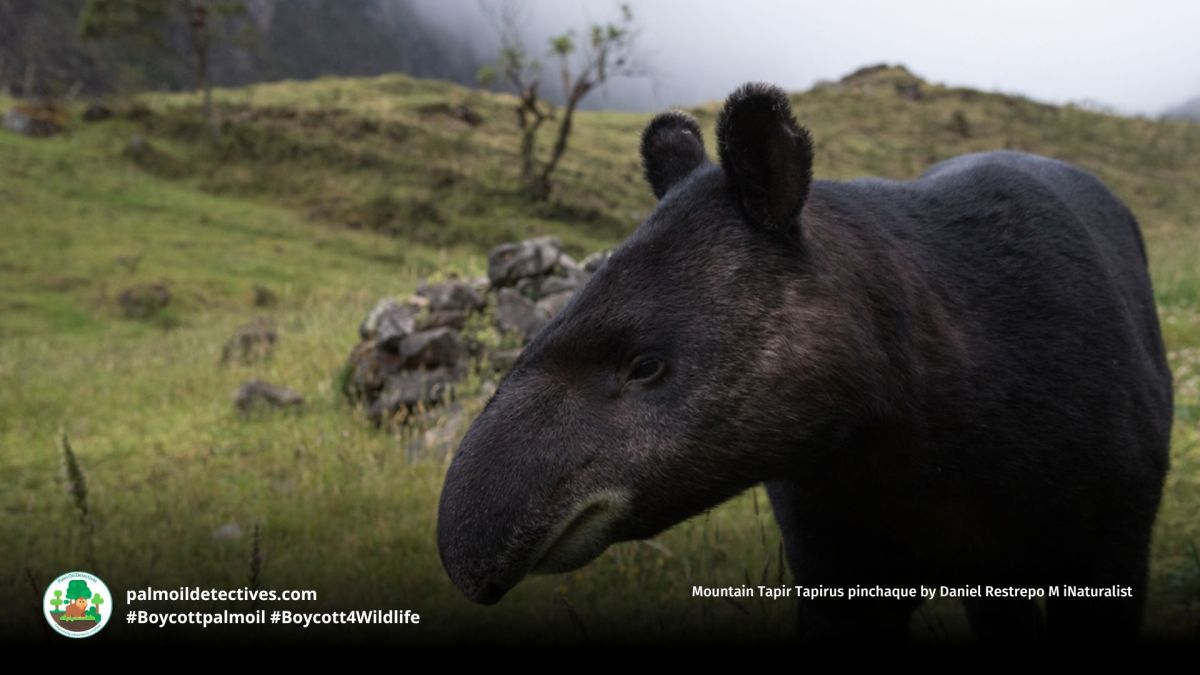
Learn about “sustainable” palm oil greenwashing
Read more about RSPO greenwashing
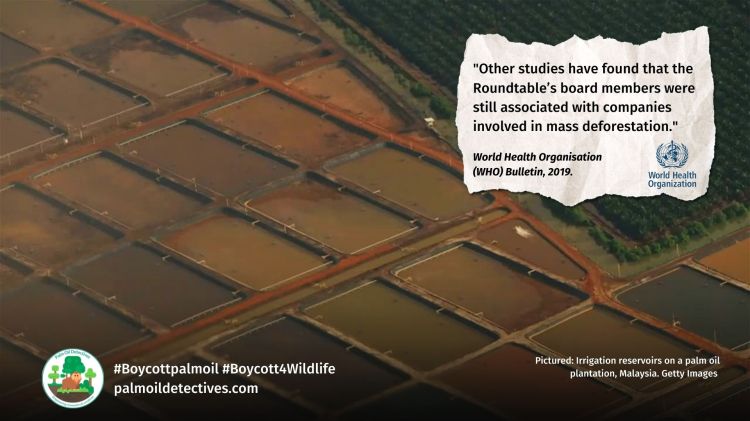
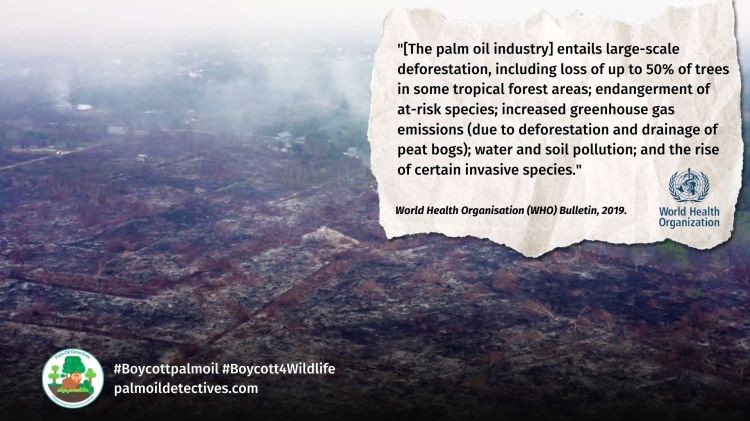
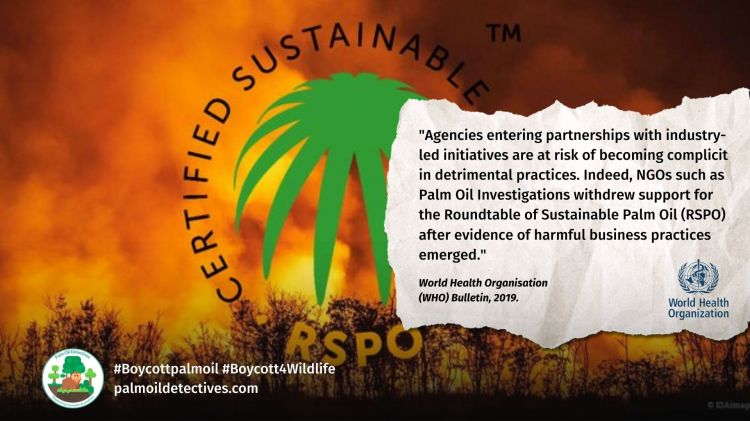
A 2019 World Health Organisation (WHO) report into the palm oil industry and RSPO finds extensive greenwashing of palm oil deforestation and the murder of endangered animals (i.e. biodiversity loss)


Take Action in Five Ways
1. Join the #Boycott4Wildlife on social media and subscribe to stay in the loop: Share posts from this website to your own network on Twitter, Mastadon, Instagram, Facebook and Youtube using the hashtags #Boycottpalmoil #Boycott4Wildlife.
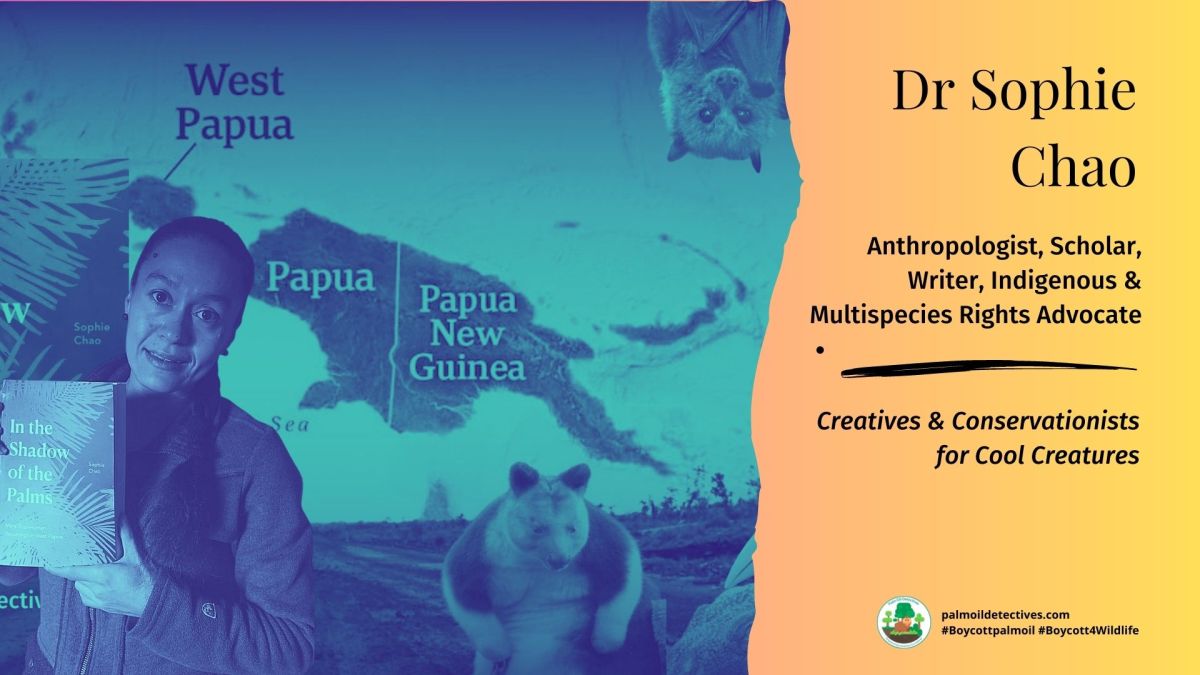
2. Contribute stories: Academics, conservationists, scientists, indigenous rights advocates and animal rights advocates working to expose the corruption of the palm oil industry or to save animals can contribute stories to the website.




3. Supermarket sleuthing: Next time you’re in the supermarket, take photos of products containing palm oil. Share these to social media along with the hashtags to call out the greenwashing and ecocide of the brands who use palm oil. You can also take photos of palm oil free products and congratulate brands when they go palm oil free.
4. Take to the streets: Get in touch with Palm Oil Detectives to find out more.
5. Donate: Make a one-off or monthly donation to Palm Oil Detectives as a way of saying thank you and to help pay for ongoing running costs of the website and social media campaigns. Donate here
Discover more from Palm Oil Detectives
Subscribe to get the latest posts sent to your email.
 Palm Oil Detectives