
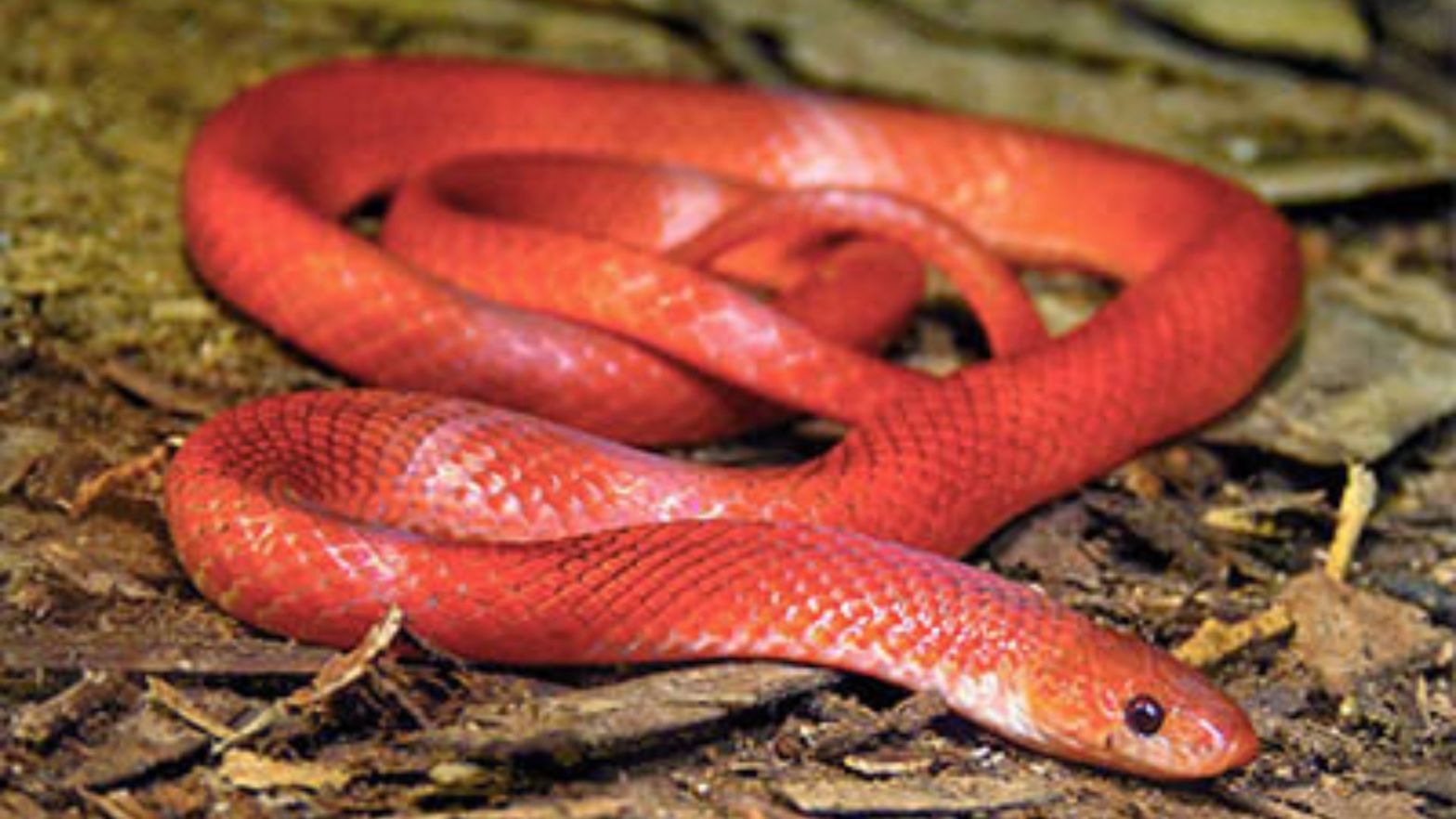
Boo-Liat’s Kukri Snake Oligodon booliati
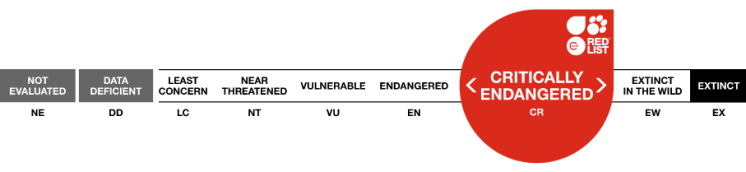
IUCN Red List Status: Critically Endangered
Location: Boo-Liat’s Kukri Snake is endemic to Peninsular Malaysia, found in the lowland forests of Selangor and Pahang at elevations below 300 metres. Their range is highly restricted and fragmented, confined to small, isolated patches of primary and secondary forest.
Bright vermillion red Boo-Liat Kukri #Snakes ❤️💕🐍 are a treat to behold. They are critically #endangered by #palmoil #deforestation and tourism Help them survive #herpetology #BoycottPalmOil 🌴🪔☠️⛔️ #Boycott4Wildlife @palmoildetect https://palmoildetectives.com/2021/01/24/boo-liats-kukri-snake-oligodon-booliati/
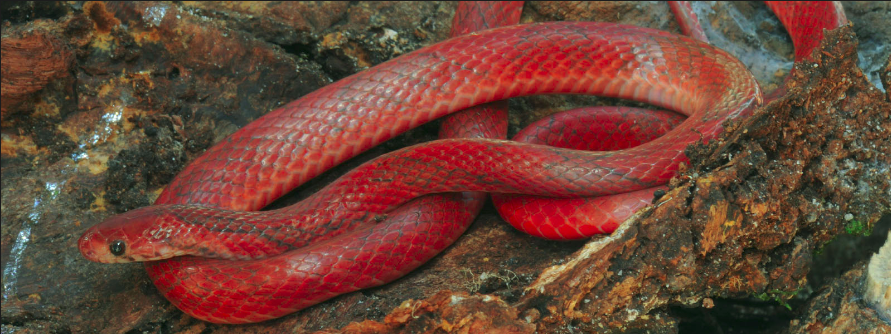
Boo-Liat’s Kukri Snake is a jewel of the lowland forests of Peninsular Malaysia, with their vibrant red colouration and bold black saddle-like markings. Named to honour the renowned zoologist Tan Sri Dr. Lim Boo Liat, this critically endangered snake highlights the incredible biodiversity of the region.
However, their survival is in jeopardy. Forests are rapidly vanishing due to deforestation for palm oil and logging, while increasing tourism brings additional pressures to their fragile habitat. Protecting these snakes requires safeguarding their home. Fight for them when you #BoycottPalmOil #Boycott4Wildlife.
This vivid red fossorial species of snake is found on leaf litter in lowland forest on the island of Malaysia. The forests of Tioman are not protected and are currently subject to private management.
Appearance and Behaviour
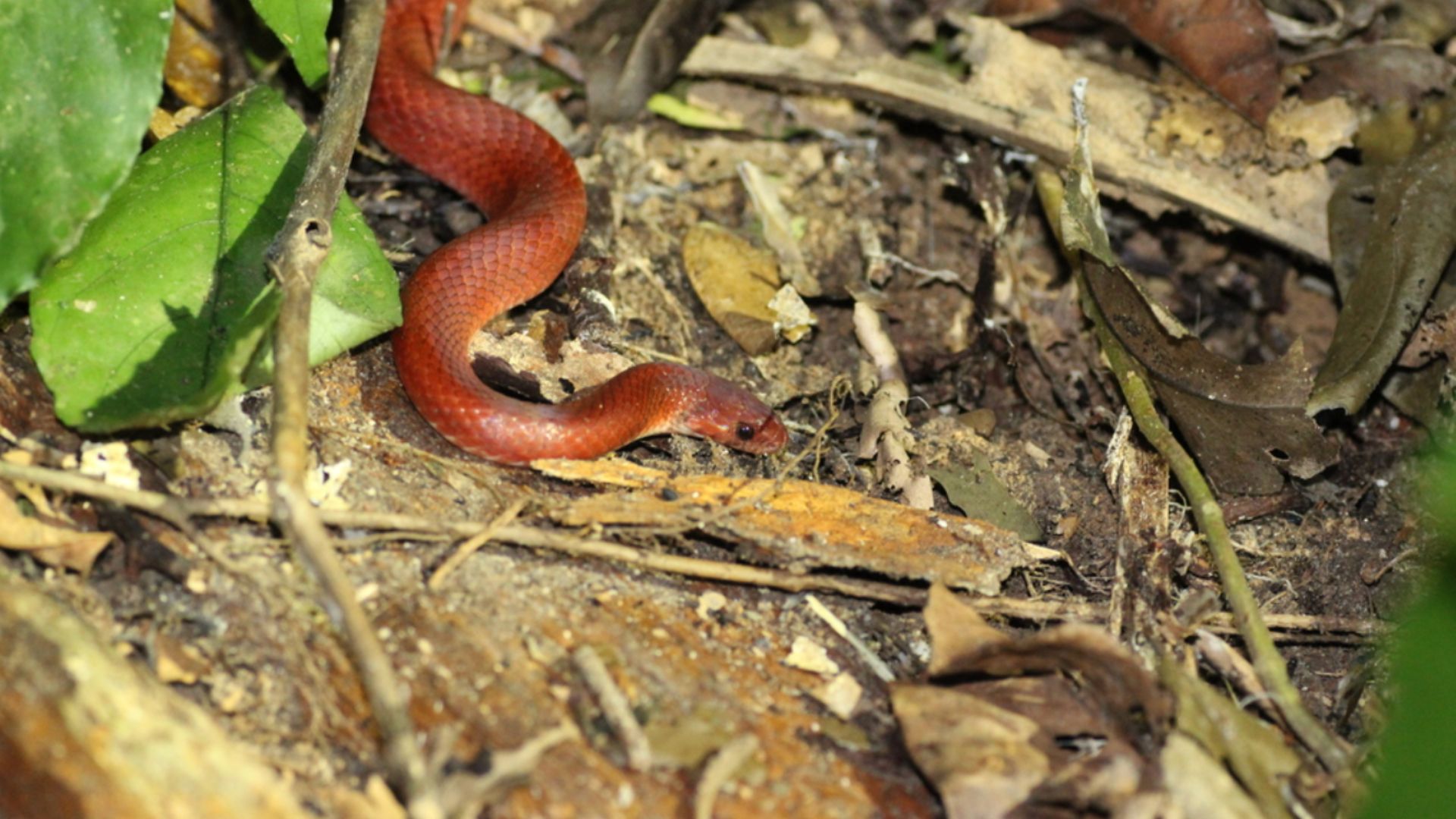
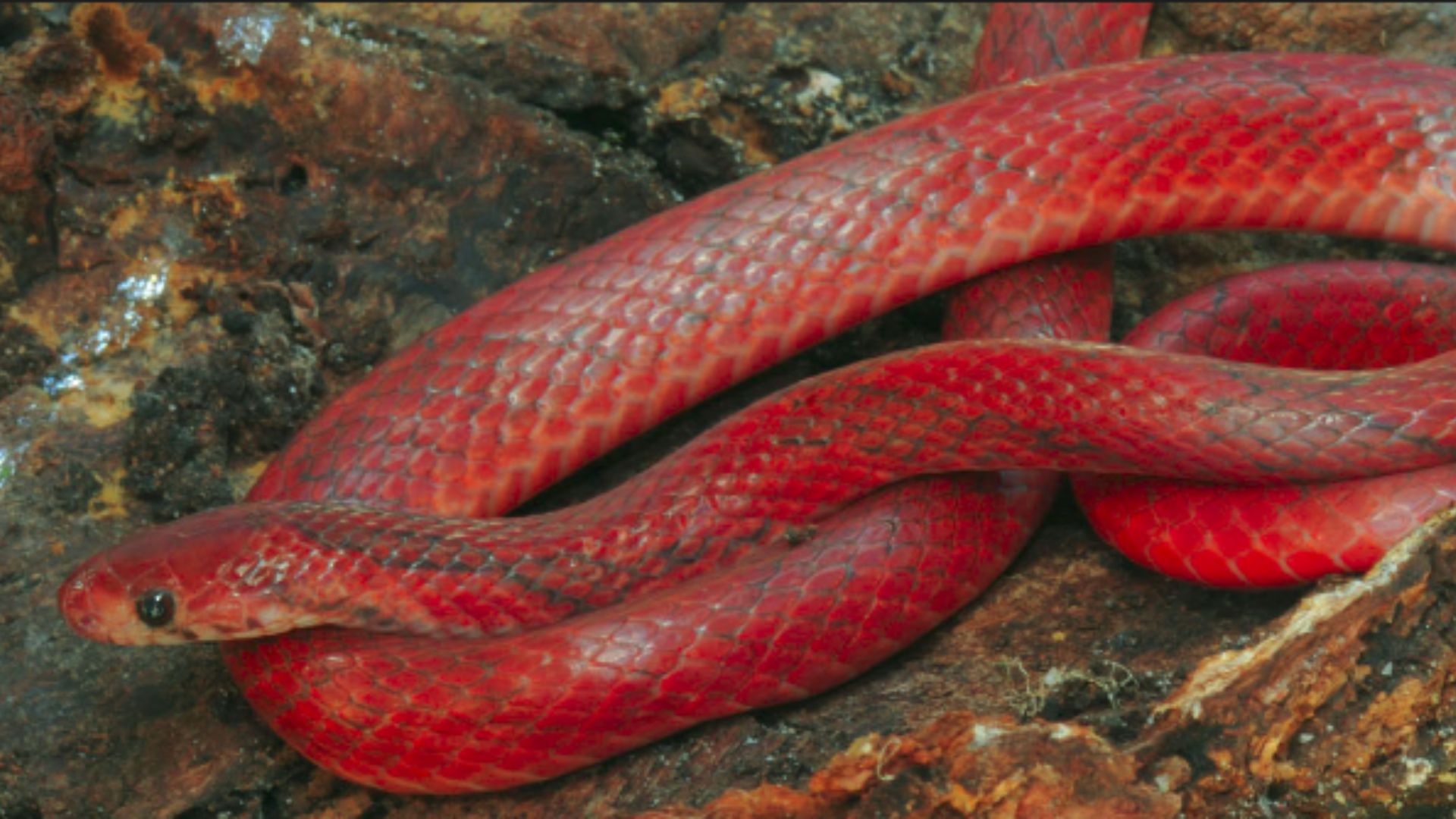
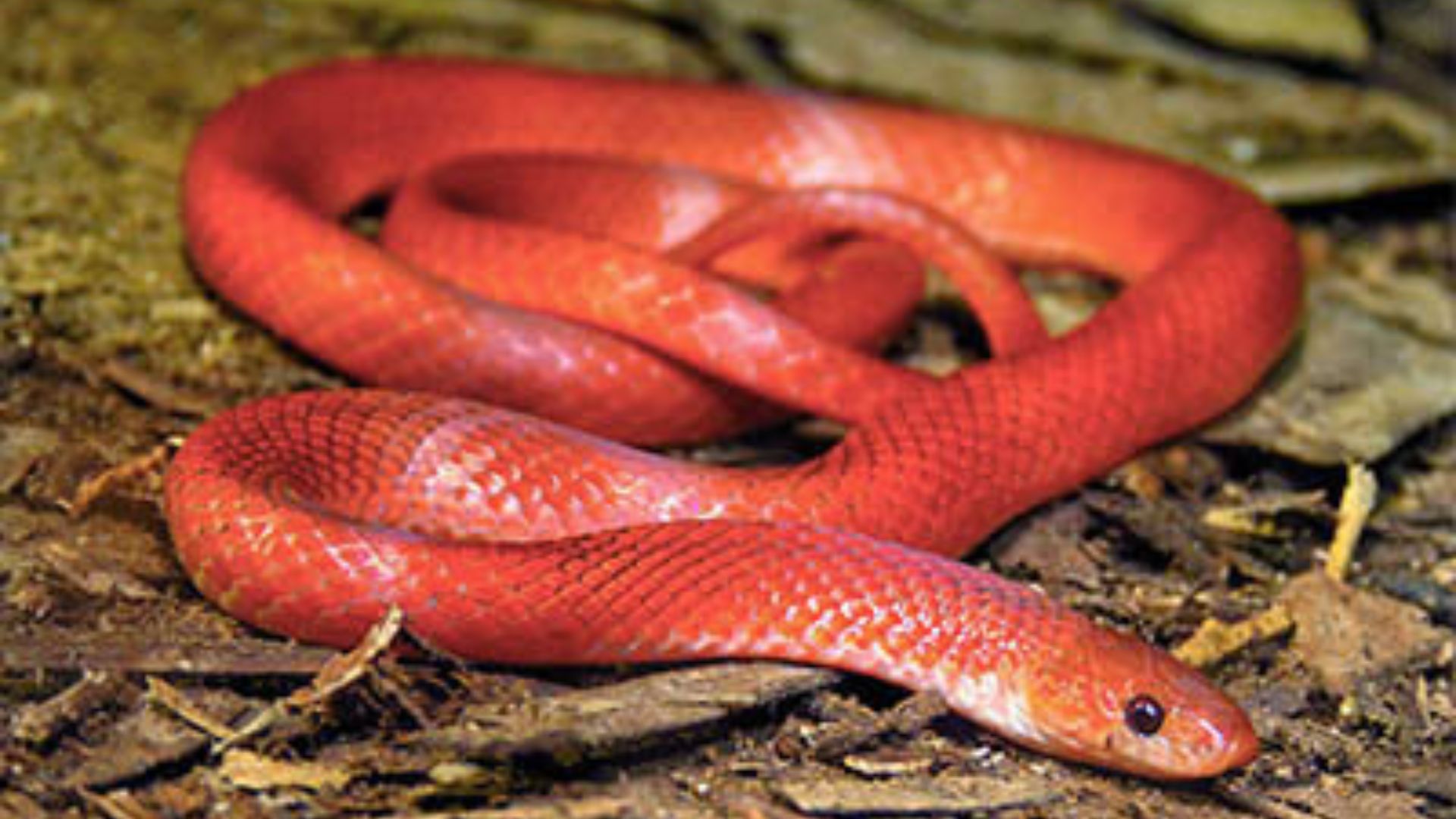
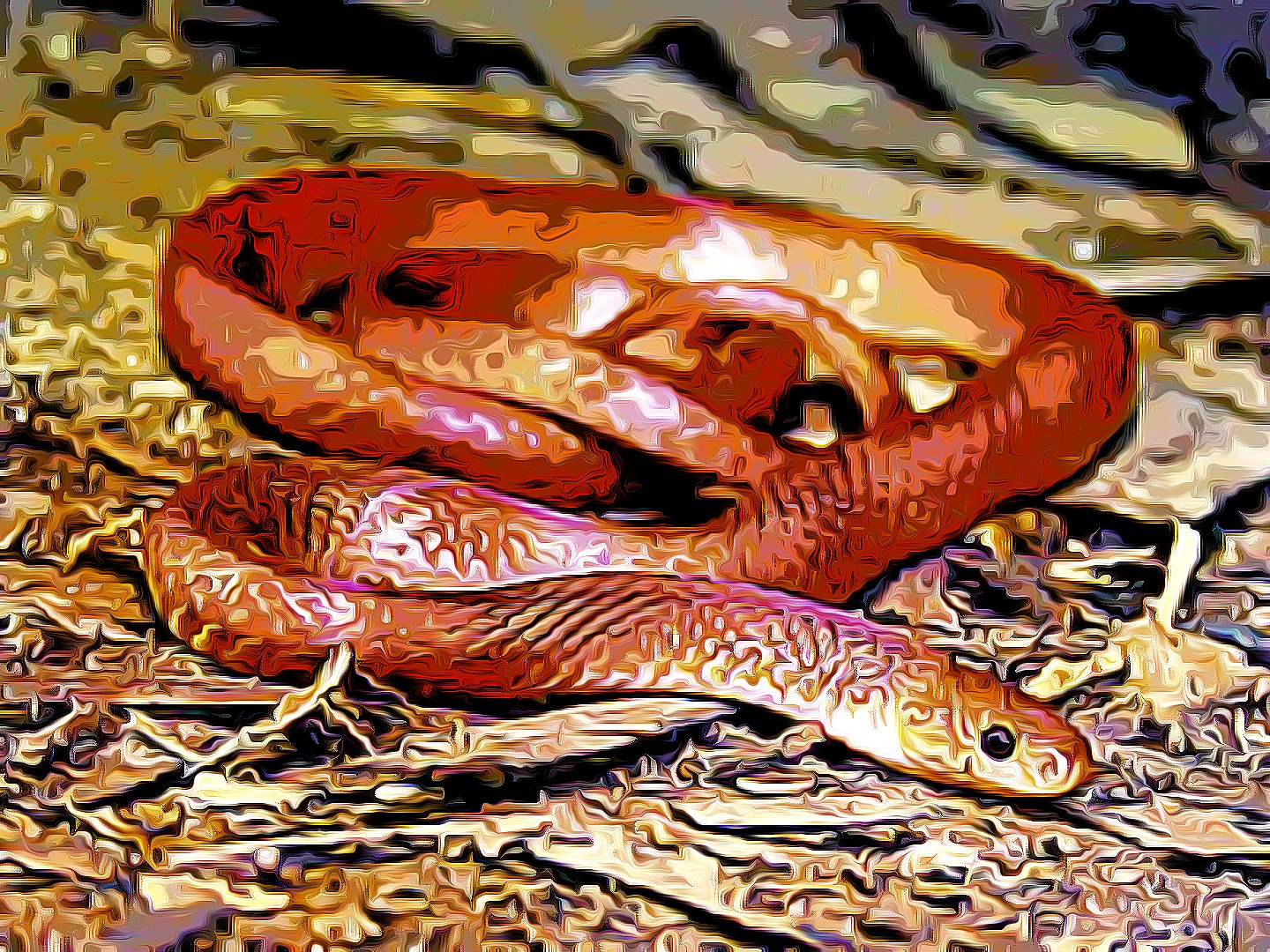
Boo-Liat’s Kukri Snake is a small to medium-sized snake, reaching lengths of 40–60 centimetres. Their body is an intense, bright red with bold black saddle-like markings along the back, making them one of the most visually striking members of the Oligodon genus. Their underside is a creamy white or pale yellow, further accentuating their vivid appearance.
They are primarily nocturnal and reclusive, often hiding beneath leaf litter or in burrows during the day. Known for their calm temperament, they rely on their camouflage and non-aggressive behaviour to evade predators rather than confront them.
Threats
- Palm Oil Deforestation: The greatest threat to Boo-Liat’s Kukri Snake is habitat destruction caused by logging and the expansion of out-of-control palm oil plantations. These activities continue to devastate their already fragmented forest range.
- Tourism: Unregulated tourism in Peninsular Malaysia’s lowland forests is causing disturbances to their habitat. Increased foot traffic, habitat modification for tourist trails, and noise pollution are further stressing their population.
- Agricultural Encroachment: Beyond palm oil, agricultural expansion and infrastructure development are degrading their forest environment, isolating populations and reducing their chances of survival.
- Climate Change: Rising temperatures and erratic rainfall patterns as a result of climate change further threaten the delicate ecosystems these snakes rely on.
Diet
Boo-Liat’s Kukri Snake is carnivorous, with a diet primarily consisting of the eggs of reptiles and amphibians. Their name “kukri” refers to the shape of their specialised teeth, which resemble the curved kukri knives of Nepal. These teeth enable them to slice open eggs with precision, making them uniquely adapted to their diet.
Reproduction and Mating
Like other members of the Oligodon genus, Boo-Liat’s Kukri Snake is oviparous. Females lay clutches of eggs in concealed areas such as leaf litter or burrows. Juveniles are fully formed at birth, bearing the same bright red and black patterns as adults, and begin foraging soon after hatching.
Geographic Range
This species is endemic to Peninsular Malaysia, with populations recorded in Selangor and Pahang. They inhabit lowland forests below 300 metres, relying on these areas’ dense vegetation and proximity to streams. Their range is severely fragmented due to habitat destruction, leaving them confined to isolated patches of forest.
FAQ
What is Boo-Liat’s Kukri Snake?
Boo-Liat’s Kukri Snake (Oligodon booliati) is a critically endangered, non-venomous snake found only in Peninsular Malaysia. Named after Tan Sri Dr. Lim Boo Liat, this vibrant snake is known for its bright red body and distinctive black patterns.
Why is Boo-Liat’s Kukri Snake critically endangered?
This snake faces multiple threats, including deforestation for logging and palm oil plantations, agricultural expansion, climate change, and tourism-related habitat disturbances. Their restricted range and fragmented populations further increase their vulnerability.
Why are they called a kukri snake?
The name “kukri” comes from the snake’s curved, kukri knife-shaped teeth, which they use to slice open eggs—an essential part of their diet.
Take Action!
The future of Boo-Liat’s Kukri Snake depends on preserving Malaysia’s forests. Boycott products linked to palm oil plantations, advocate for responsible tourism, and support indigenous-led conservation efforts. Use your wallet as a weapon and #BoycottPalmOil #Boycott4Wildlife.
Further Information
Iskandar, D., Jenkins, H., Das, I., Auliya, M., Inger, R.F., Lilley, R. & Grismer, L. 2012. Oligodon booliati. The IUCN Red List of Threatened Species 2012: e.T192046A2032748. https://dx.doi.org/10.2305/IUCN.UK.2012-1.RLTS.T192046A2032748.en. Downloaded on 24 January 2021.
Grismer, L. L. (2021). Oligodon booliati (Boo-Liat’s Kukri Snake). The IUCN Red List of Threatened Species 2021. Retrieved from https://www.researchgate.net/publication/354601376_Oligodon_booliati_Boo-Liat’s_Kukri_Snake_THE_IUCN_RED_LIST_OF_THREATENED_SPECIES


How can I help the #Boycott4Wildlife?
Take Action in Five Ways
1. Join the #Boycott4Wildlife on social media and subscribe to stay in the loop: Share posts from this website to your own network on Twitter, Mastadon, Instagram, Facebook and Youtube using the hashtags #Boycottpalmoil #Boycott4Wildlife.
2. Contribute stories: Academics, conservationists, scientists, indigenous rights advocates and animal rights advocates working to expose the corruption of the palm oil industry or to save animals can contribute stories to the website.



3. Supermarket sleuthing: Next time you’re in the supermarket, take photos of products containing palm oil. Share these to social media along with the hashtags to call out the greenwashing and ecocide of the brands who use palm oil. You can also take photos of palm oil free products and congratulate brands when they go palm oil free.
4. Take to the streets: Get in touch with Palm Oil Detectives to find out more.
5. Donate: Make a one-off or monthly donation to Palm Oil Detectives as a way of saying thank you and to help pay for ongoing running costs of the website and social media campaigns. Donate here
Discover more from Palm Oil Detectives
Subscribe to get the latest posts sent to your email.
 Palm Oil Detectives