
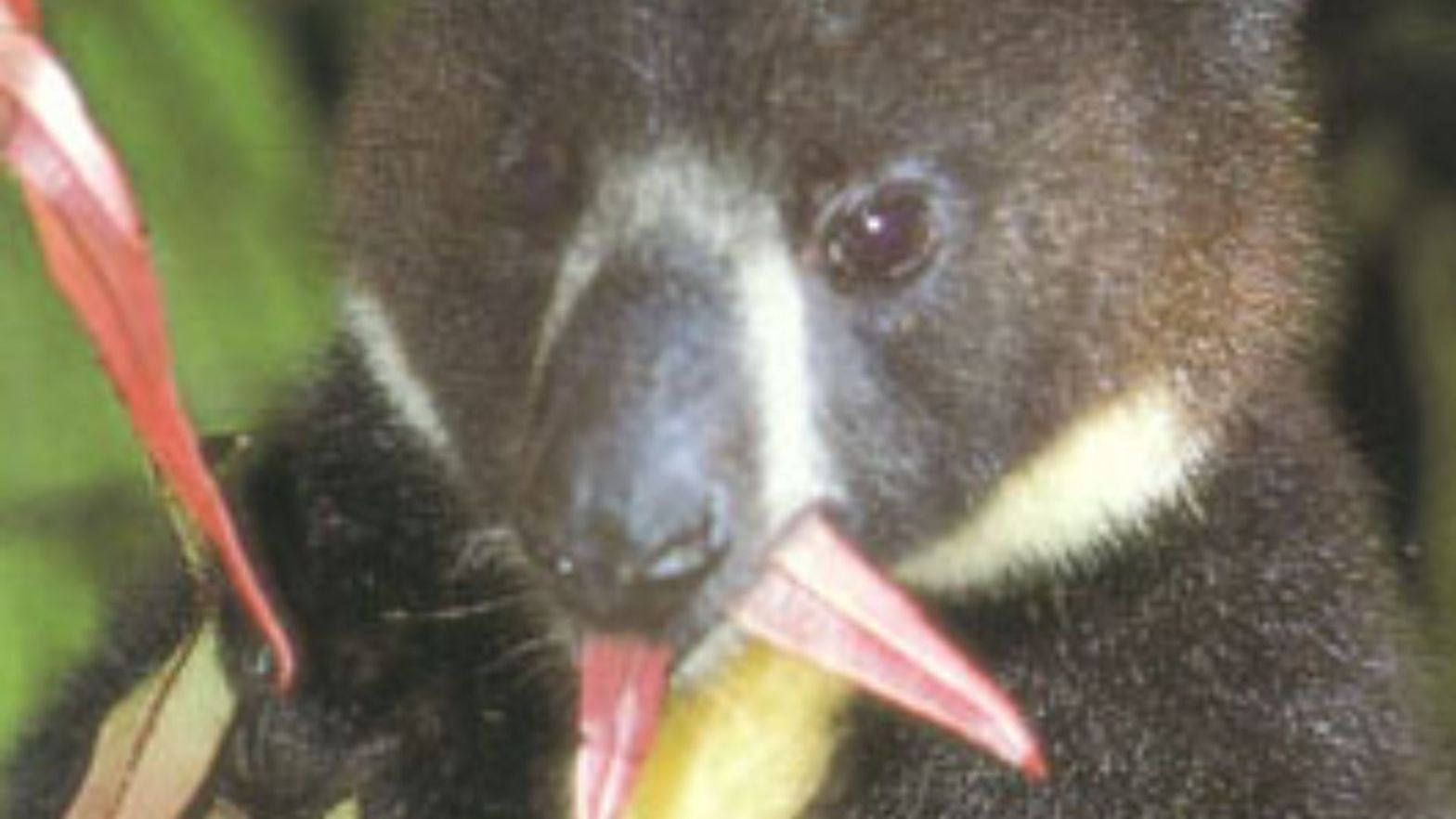
Dingiso Dendrolagus mbaiso
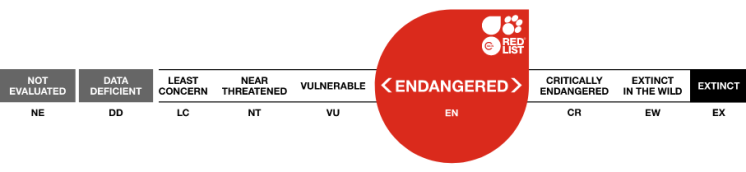
IUCN Red List Status: Endangered
Location: West Papua (Illegally occupied by Indonesia)
Known affectionately as the ‘Panda tree kangaroo’ for their black and white faces, dingisos are one of the rarest and most charismatic species of tree kangaroos, living only in the remote cloud forests of the Sudirman Range in Indonesian-occupied #WestPapua. While revered by the Moni people who consider them sacred and taboo to hunt, #Dingiso populations have still plummeted by over 50% due to #hunting, road construction, habitat clearing, and the expansion of industrial agriculture particularly #palmoil #deforestation. #Climatechange is now driving further habitat loss at high altitudes. Help these mysterious and gentle tree kangaroos every time you shop, use your wallet as a weapon and #BoycottPalmOil #Boycott4Wildlife
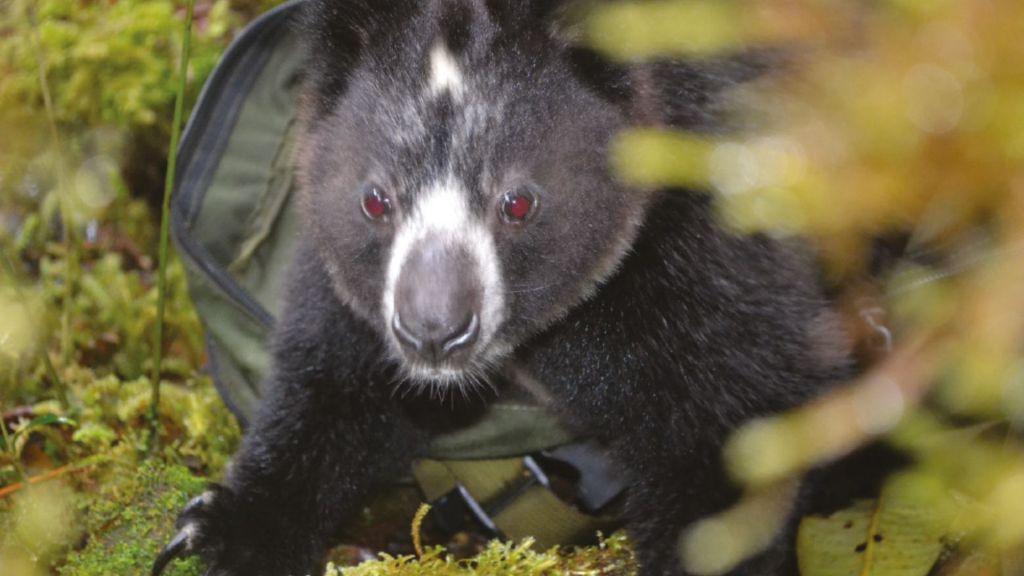
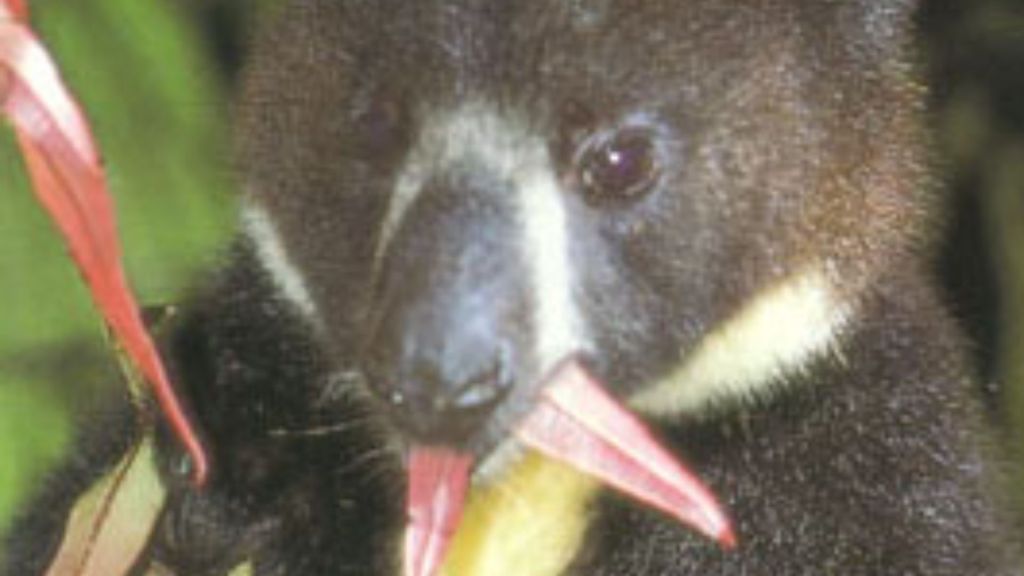
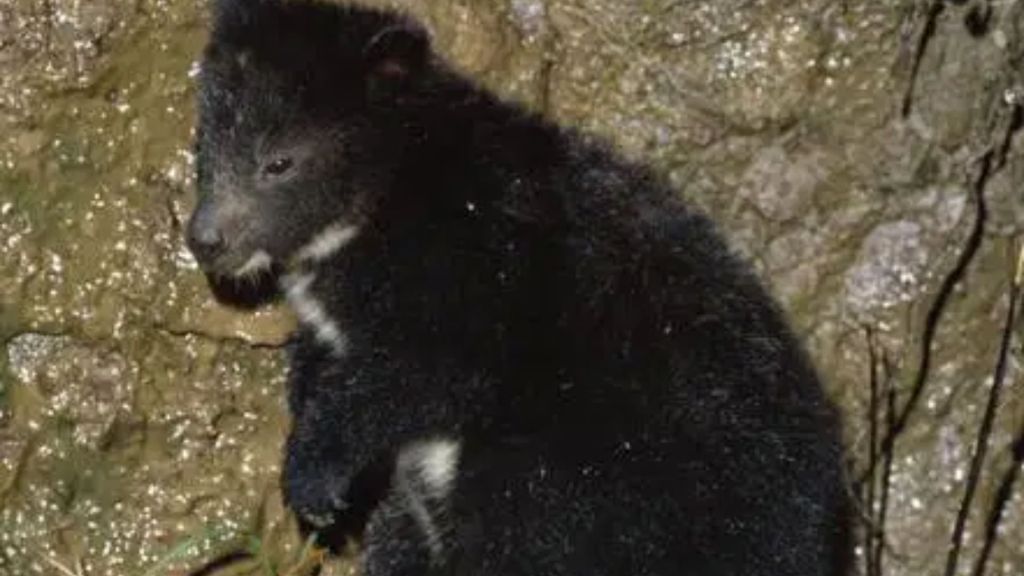
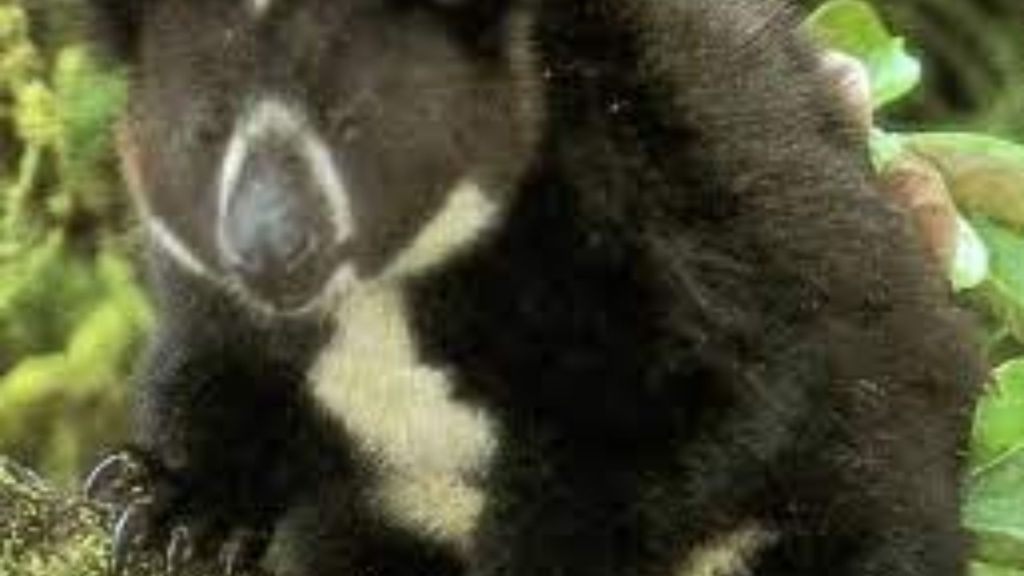
With the adorable face of a #teddybear 🧸 and the agile body of a #Kangaroo 🦘 the #Dingiso is a tree kangaroo of #WestPapua. They’re #endangered from #palmoil #deforestation Fight for them and #BoycottPalmOil #Boycott4Widlife 🌴🩸🔥☠️🧐⛔️ @palmoildetect https://palmoildetectives.com/2021/01/26/dingiso-dendrolagus-mbaiso/
Appearance and Behaviour
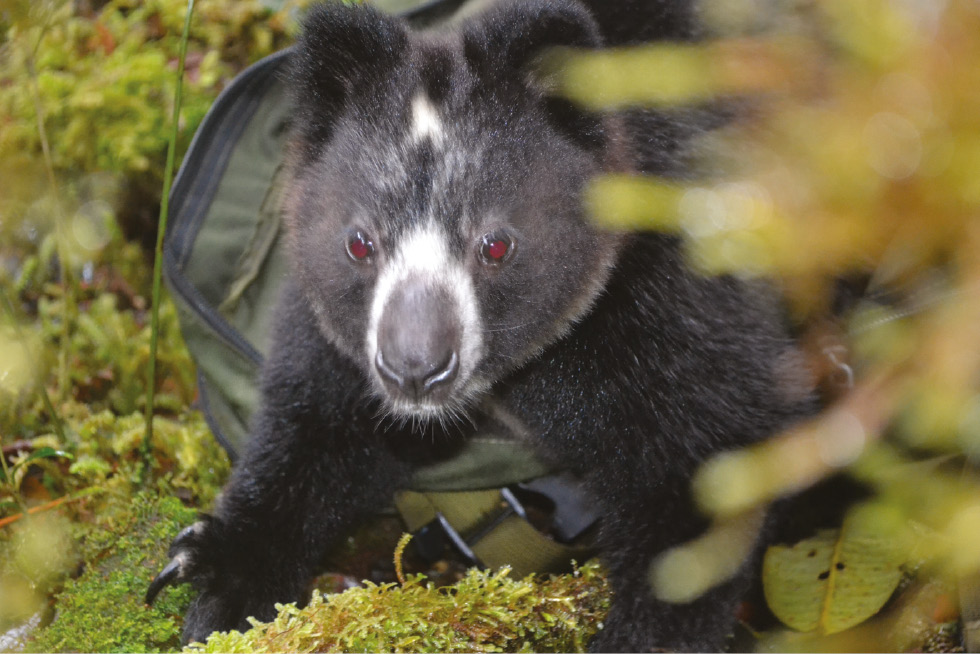
The Dingiso is utterly unlike any other tree kangaroo of the genus #Dendrolagus. Their thick black fur is broken only by a white belly, chest, and face—a dramatic contrast that earned them the nickname “the panda kangaroo.” With round ears, a bear-like snout, and deep, expressive eyes, they appear almost cartoonish in their gentleness. Their long limbs and powerful claws are suited for climbing, but unlike most of their relatives, Dingiso are primarily terrestrial, walking upright or hopping on the forest floor like a wallaby.
Their bodies are compact and stocky, helping them navigate the mossy boulders and alpine thickets of their high-elevation home. Dingiso are described as exceptionally docile and calm, often sitting motionless for long periods. Local Moni people say they are “quiet watchers of the forest” and consider seeing one a spiritual experience (Flannery, Boeadi & Szalay, 1995).
Diet
Dingisos feed on a variety of sub-alpine vegetation. The diet of this elusive tree kangaroo includes ferns, leaves, mosses, fruit, bark, and shoots. Their slow metabolism and nutrient-poor diet make them particularly vulnerable to habitat loss, as they rely on the specific plants found in the high-altitude cloud forests above 2,700 metres (Beehler et al., 2021). Foraging is typically done alone or in small family units, and Dingiso tend to favour quiet, undisturbed slopes.
Reproduction and Mating
Like other tree kangaroos, Dingiso exhibit low reproductive output, a major challenge for conservation. Females give birth to a single tiny joey, which climbs into the pouch and remains there for months. Delayed implantation (embryonic diapause) allows the female to pause gestation until environmental conditions are favourable.
Little is known about Dingiso courtship or group dynamics, but like most macropods, they are believed to live semi-solitary or in loose male-dominated groups. Young Dingiso are vulnerable not only to natural predators but increasingly to dogs and human hunters.
Geographic Range
The Dingiso lives only on the slopes of the Sudirman Range in Papua Province, Indonesia, in the Tembagapura and Kwiyawagi mountains. They occupy sub-alpine mossy forest at elevations between 2,700 and 3,500 metres. The tree kangaroos’ total range is extremely restricted, and many populations are completely isolated by rugged terrain or roads. Lorentz National Park and surrounding highlands are among their last strongholds (Flannery et al., 1995; Pattiselanno et al., 2021).
Threats
Subsistence and Commercial Hunting
Despite spiritual taboos that protect Dingiso in some areas, particularly among the Moni people, hunting still occurs—especially where traditional beliefs have weakened or among outsiders. Hunters sometimes kill Dingiso opportunistically for food, and with increasing access to remote areas via roads, more populations are being exposed to this pressure (Beehler et al., 2021).
Habitat Loss from Logging and Palm Oil Expansion
In the lower altitudes of their range, industrial logging and forest conversion have begun to erode the edges of Dingiso habitat. Expansion of palm oil plantations and other monocultures is a rising threat in nearby valleys and foothills. Once cleared, these forests are unlikely to regenerate, cutting off migration corridors and isolating subpopulations (Pattiselanno et al., 2021).
Climate Change and Altitudinal Range Contraction
As global temperatures rise due to climate change, the cool, moist cloud forests that Dingiso depend on are shrinking. Warming allows for the upward expansion of agriculture and invasive species, while cloud cover retreats to higher elevations. Eventually, Dingiso may have nowhere higher to go, becoming climate refugees on isolated mountaintops (Beehler et al., 2021).
Road Construction and Mining Development
The Trans-Papua Highway and mining activities in the Sudirman Range are driving deforestation and fragmenting Dingiso territory. Roads not only open up new forest for development but bring in settlers, dogs, and hunters to previously inaccessible areas. These changes threaten the remaining integrity of their alpine habitat (Flannery et al., 1995).
Take Action!
Dingisos are not just rare— their survival depends not only on international protection, but on listening to and empowering the Moni people who have safeguarded them for generations. Reject palm oil, industrial logging, and the relentless spread of roads into untouched mountains. Elevate indigenous-led conservation. Protect what is sacred. #BoycottPalmOil #Boycott4Wildlife #Vegan #BoycottMeat
FAQS
How many Dingiso are left in the wild?
Precise population numbers of these tree kangaroos are unknown, but the Dingiso is considered extremely rare, with numbers likely in the low thousands or even hundreds. Ongoing declines are driven by hunting, habitat loss, and climate change, with some subpopulations possibly already extirpated (Beehler et al., 2021).
Why is the Dingiso considered sacred?
Among the Moni people of West Papua, the Dingiso is protected by strict spiritual taboos. Members of specific descent groups are forbidden to hunt, eat, or harm them. The Dingiso is believed to be an ancestral spirit or forest guardian, and its presence is regarded as a good omen (Flannery et al., 1995).
What makes the Dingiso different from other tree kangaroos?
Unlike its tree-dwelling cousins, the Dingiso is almost entirely terrestrial, living at high elevations where mossy ground cover and rocky outcrops dominate. Its panda-like black and white colouring, stocky build, and ground-dwelling habits make it utterly unique among the genus Dendrolagus.
Is climate change affecting Dingiso habitat?
Yes. As temperatures rise, Dingiso habitat is being pushed higher up the mountains. This “escalator to extinction” effect is reducing the size of their available habitat, with no higher ground to retreat to. Changing rainfall and cloud cover patterns are also altering the composition of their mossy forest homes (Beehler et al., 2021).
Further Information
Beehler, B. M., Kemp, N., & Shearman, P. L. (2021). Threats to New Guinea’s Tree Kangaroos. In Tree Kangaroos: Science and Conservation (pp. 43–48). Academic Press. https://doi.org/10.1016/B978-0-12-814675-0.00008-7
Flannery, T. F., Boeadi, & Szalay, A. L. (1995). A new tree-kangaroo (Dendrolagus) from Irian Jaya, Indonesia, with notes on ethnography and evolution. Mammalia, 59(1), 65–84. https://doi.org/10.1515/mamm.1995.59.1.65
Leary, T., Seri, L., Wright, D., Hamilton, S., Helgen, K., Singadan, R., Menzies, J., Allison, A., James, R., Dickman, C., Aplin, K., Flannery, T., Martin, R. & Salas, L. 2016. Dendrolagus mbaiso. The IUCN Red List of Threatened Species 2016: e.T6437A21956108. https://dx.doi.org/10.2305/IUCN.UK.2016-2.RLTS.T6437A21956108.en. Downloaded on 26 January 2021.
Pattiselanno, F., Koibur, J. F., & Arobaya, A. Y. S. (2021). Status of Tree Kangaroo Science and Conservation in Indonesian New Guinea. In Biodiversity of the World: Conservation from Genes to Landscapes (pp. 237–246). https://doi.org/10.1016/B978-0-12-814675-0.00019-1
Prasetyo, B., Utami, S., & Wahyuni, N. S. (2024). Tree Kangaroos (Dendrolagus sp.) of Papua: Characteristics and Conservation. E3S Web of Conferences, 483, 01006. https://doi.org/10.1051/e3sconf/202448301006

How can I help the #Boycott4Wildlife?
Take Action in Five Ways
1. Join the #Boycott4Wildlife on social media and subscribe to stay in the loop: Share posts from this website to your own network on Twitter, Mastadon, Instagram, Facebook and Youtube using the hashtags #Boycottpalmoil #Boycott4Wildlife.
2. Contribute stories: Academics, conservationists, scientists, indigenous rights advocates and animal rights advocates working to expose the corruption of the palm oil industry or to save animals can contribute stories to the website.



3. Supermarket sleuthing: Next time you’re in the supermarket, take photos of products containing palm oil. Share these to social media along with the hashtags to call out the greenwashing and ecocide of the brands who use palm oil. You can also take photos of palm oil free products and congratulate brands when they go palm oil free.
4. Take to the streets: Get in touch with Palm Oil Detectives to find out more.
5. Donate: Make a one-off or monthly donation to Palm Oil Detectives as a way of saying thank you and to help pay for ongoing running costs of the website and social media campaigns. Donate here
Discover more from Palm Oil Detectives
Subscribe to get the latest posts sent to your email.
 Palm Oil Detectives