
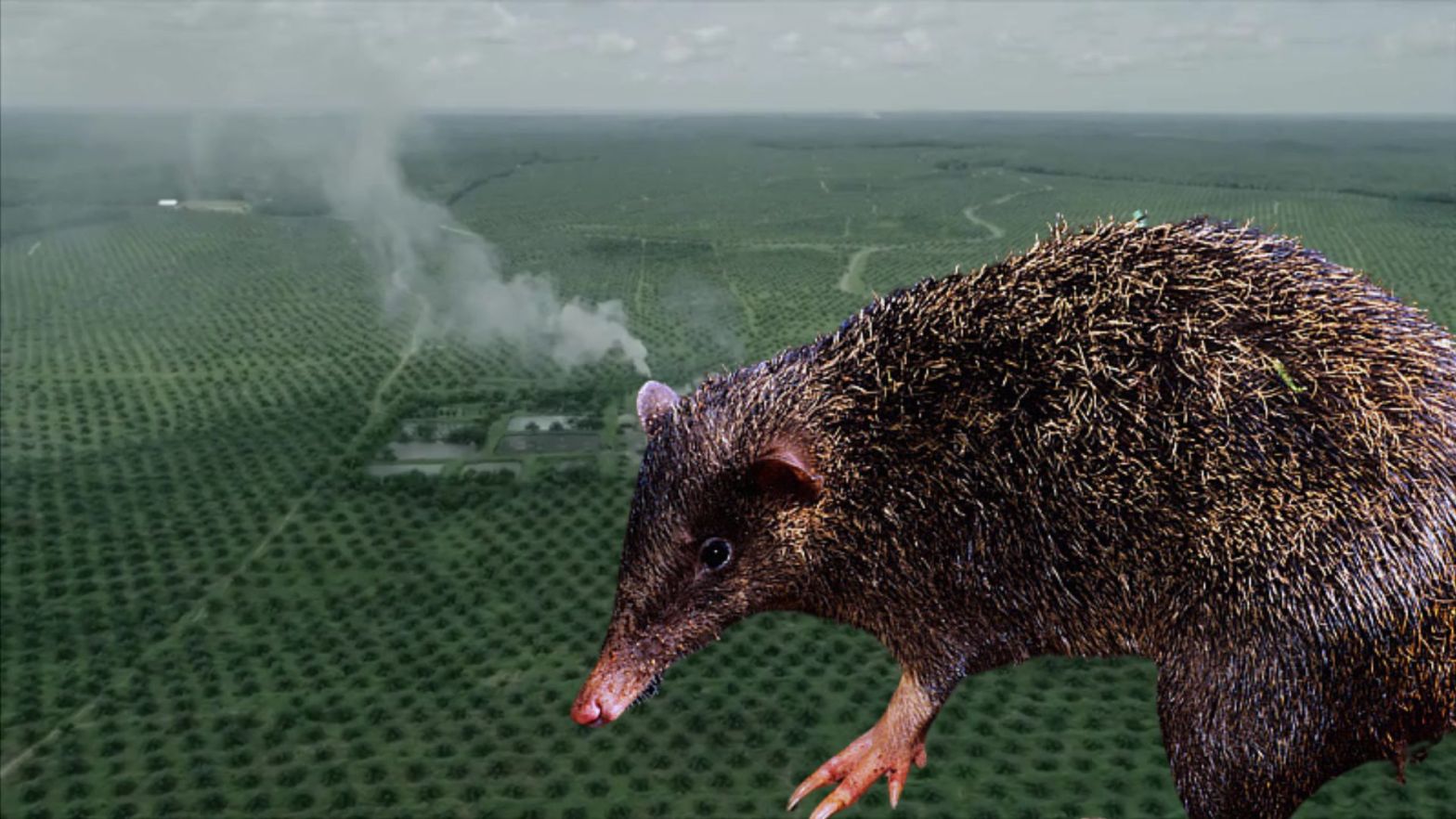
David’s Echymipera Echymipera davidi
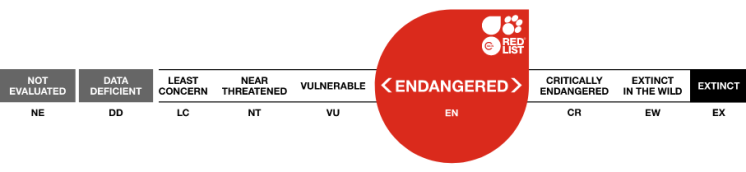
IUCN Status: Endangered
Location: Kiriwina Island, Trobriand Islands, Papua New Guinea
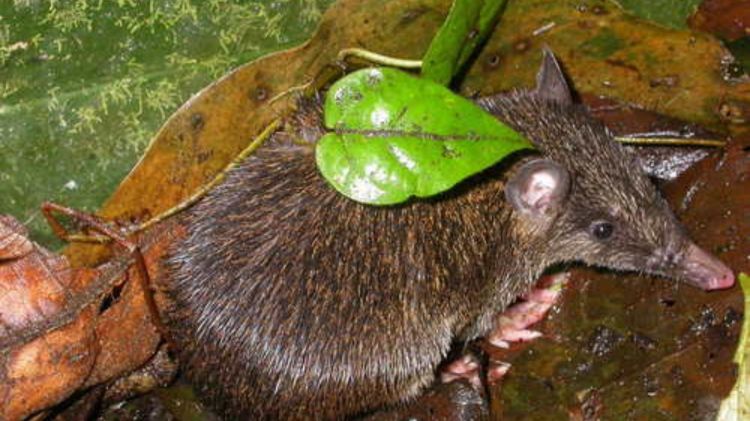
David’s Echymipera (Echymipera davidi) is an extremely rare, little-known #bandicoot endemic to Kiriwina Island in the Trobriand Islands of #PapuaNewGuinea. With a range of just 280 km², this elusive #marsupial is at significant risk due to habitat loss and human encroachment. Like other bandicoots, they are crucial for ecosystem health, aerating the soil as they dig for food. However, their survival is threatened by the pressures of #agriculture, habitat destruction, and #hunting. Without immediate conservation efforts, this species faces an uncertain future. Help this animal by raising awareness #Boycott4Wildlife
The David’s Echymipera is a tiny cute forest floor dwelling #marsupial scurrying through #PapuaNewGuinea’s forests eating #insects. #Endangered by #deforestation and hunting, help them when you #Boycott4Wildlife @palmoildetect https://wp.me/pcFhgU-sE
Appearance and Behaviour
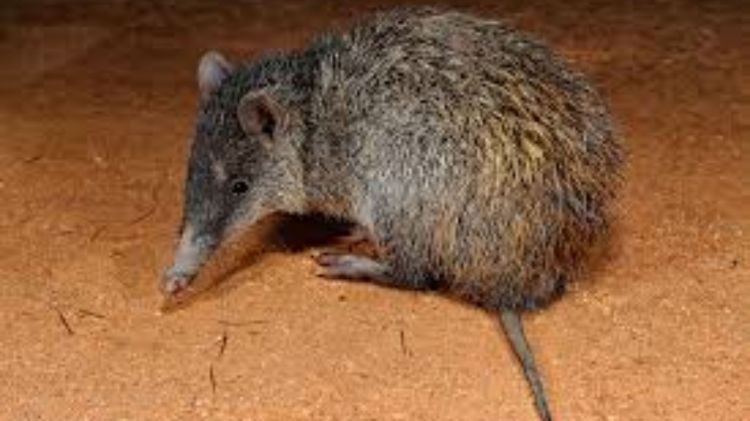
David’s Echymipera is small and stout, with a compact, rounded body covered in dense, coarse fur, typically in brown or reddish-brown hues that blend perfectly with the forest floor. They have a long, pointed snout, which they use to sniff out insects, roots, and tubers hidden beneath the soil. Their sharp claws and powerful forelimbs make them expert diggers, aerating the forest floor as they forage.
These marsupials are primarily nocturnal, emerging under the cover of darkness to search for food. Unlike some other marsupials, they are solitary and secretive, avoiding contact with others outside of breeding. Their keen sense of smell and hearing help them detect both food and potential predators in their dense forest habitat.
Threats
Habitat Loss and Human Encroachment
David’s Echymipera is a marsupial restricted to Kiriwina Island, Papua New Guinea a small landmass with increasing human activity. Deforestation for agriculture, combined with land clearing for settlements, has significantly reduced the available habitat for this already vulnerable species.
Hunting and Predation
The species is hunted by local communities, further decreasing their numbers. While traditional hunting has existed for centuries, population pressures and habitat loss have made the species more vulnerable to decline. Additionally, introduced predators such as dogs and cats may also pose a serious risk.
Small Population Size
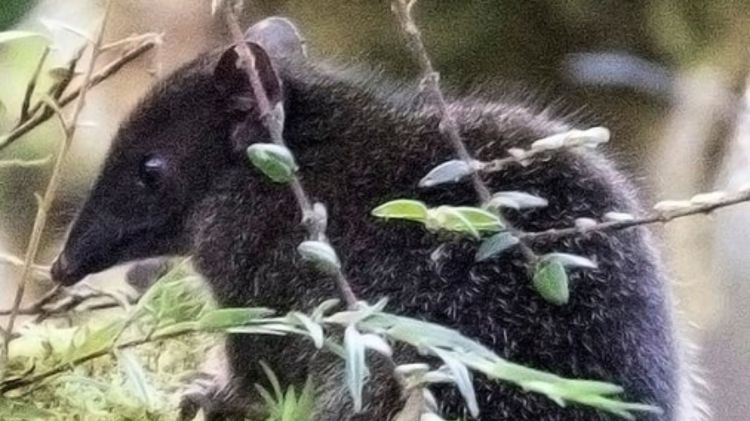
As an island endemic species, David’s Echymipera has a naturally small population. This makes them especially vulnerable to environmental changes, disease outbreaks, and genetic bottlenecks, reducing their ability to adapt to new threats.
Diet
Like other bandicoots, David’s Echymipera is an omnivore, feeding on a wide range of foods. They use their long snouts and sharp claws to dig up earthworms, insects, roots, fungi, and tubers. This constant foraging plays a crucial role in aerating the soil and dispersing fungal spores, making them an essential part of the island’s ecosystem.
Reproduction and Mating
Little is known about the breeding habits of David’s Echymipera, but they likely follow the pattern of other bandicoots. Most species of Echymipera have short gestation periods, with females giving birth to one to three young at a time. These tiny, underdeveloped newborns crawl into the mother’s backward-facing pouch, where they continue to grow for several weeks before emerging.
Females may be capable of multiple reproductive cycles per year, helping the population recover if conditions are suitable. However, the increasing threats to their habitat make successful reproduction more difficult.
Geographic Range
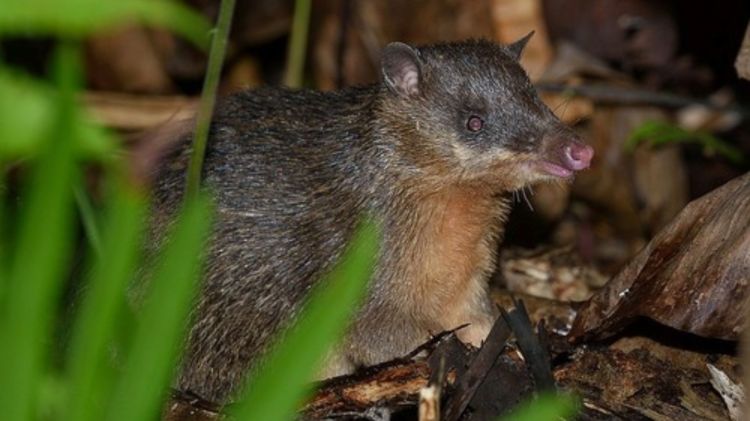
David’s Echymipera is endemic to Kiriwina Island, part of the Trobriand Islands in Papua New Guinea. Kiriwina is low-lying, with a maximum elevation of 100 metres above sea level, making it highly vulnerable to habitat disturbances and climate change impacts. While there is speculation that they may exist on nearby islands, no confirmed records exist outside of Kiriwina.
FAQ
Why is David’s Echymipera endangered?
David’s Echymipera is Endangered due to its restricted range, habitat destruction, hunting, and small population size. As an island species, it is especially vulnerable to environmental changes and human impact.
Does David’s Echymipera have any predators?
Yes, while its natural predators are unknown, introduced species like feral cats and dogs pose a major threat, alongside human hunting for food.
Can David’s Echymipera survive in disturbed habitats?
There is no evidence that this species can adapt to disturbed environments. Unlike some other bandicoots, which can persist in secondary forests or agricultural areas, David’s Echymipera is only found in intact natural habitats, making conservation efforts critical.
Take Action!
The survival of David’s Echymipera depends on urgent conservation efforts. You can help by:
• Supporting conservation groups working to protect Papua New Guinea’s unique wildlife.
• Raising awareness about the threats posed by deforestation and hunting.
• Demanding stronger protections for endemic species on Kiriwina and the Trobriand Islands.
• Boycotting palm oil and industrial agriculture that drive deforestation worldwide.
Use your voice to make a difference. #Boycott4Wildlife
Support the conservation of this species
This animal has no protections in place. Read about other forgotten species here. Create art to support this forgotten animal or raise awareness about them by sharing this post and using the #Boycottpalmoil #Boycott4Wildlife hashtags on social media. Also you can boycott palm oil in the supermarket.
Further Information
GBIF. (2024). Echymipera davidi—David’s Echymipera. Global Biodiversity Information Facility. https://www.gbif.org/species/2435327
Flannery, T. (1995). Mammals of New Guinea (2nd ed.). Cornell University Press.
Leary, T., Wright, D., Hamilton, S., Singadan, R., Menzies, J., Bonaccorso, F., Helgen, K. & Seri, L. 2016. Echymipera davidi. The IUCN Red List of Threatened Species 2016: e.T7017A21966774. https://dx.doi.org/10.2305/IUCN.UK.2016-2.RLTS.T7017A21966774.en. Downloaded on 31 January 2021.
Wikipedia. (n.d). David’s Echymipera. Retrieved from https://en.wikipedia.org/wiki/David%27s_echymipera
Wildlife SNPits. (2016, May 17). Bandicoots: The Little Marsupial Diggers. Retrieved from https://wildlifesnpits.wordpress.com/2016/05/17/bandicoots-the-little-marsupial-diggers/
Support the conservation of this species


How can I help the #Boycott4Wildlife?
Take Action in Five Ways
1. Join the #Boycott4Wildlife on social media and subscribe to stay in the loop: Share posts from this website to your own network on Twitter, Mastadon, Instagram, Facebook and Youtube using the hashtags #Boycottpalmoil #Boycott4Wildlife.
2. Contribute stories: Academics, conservationists, scientists, indigenous rights advocates and animal rights advocates working to expose the corruption of the palm oil industry or to save animals can contribute stories to the website.





3. Supermarket sleuthing: Next time you’re in the supermarket, take photos of products containing palm oil. Share these to social media along with the hashtags to call out the greenwashing and ecocide of the brands who use palm oil. You can also take photos of palm oil free products and congratulate brands when they go palm oil free.
4. Take to the streets: Get in touch with Palm Oil Detectives to find out more.
5. Donate: Make a one-off or monthly donation to Palm Oil Detectives as a way of saying thank you and to help pay for ongoing running costs of the website and social media campaigns. Donate here
Discover more from Palm Oil Detectives
Subscribe to get the latest posts sent to your email.
 Palm Oil Detectives