
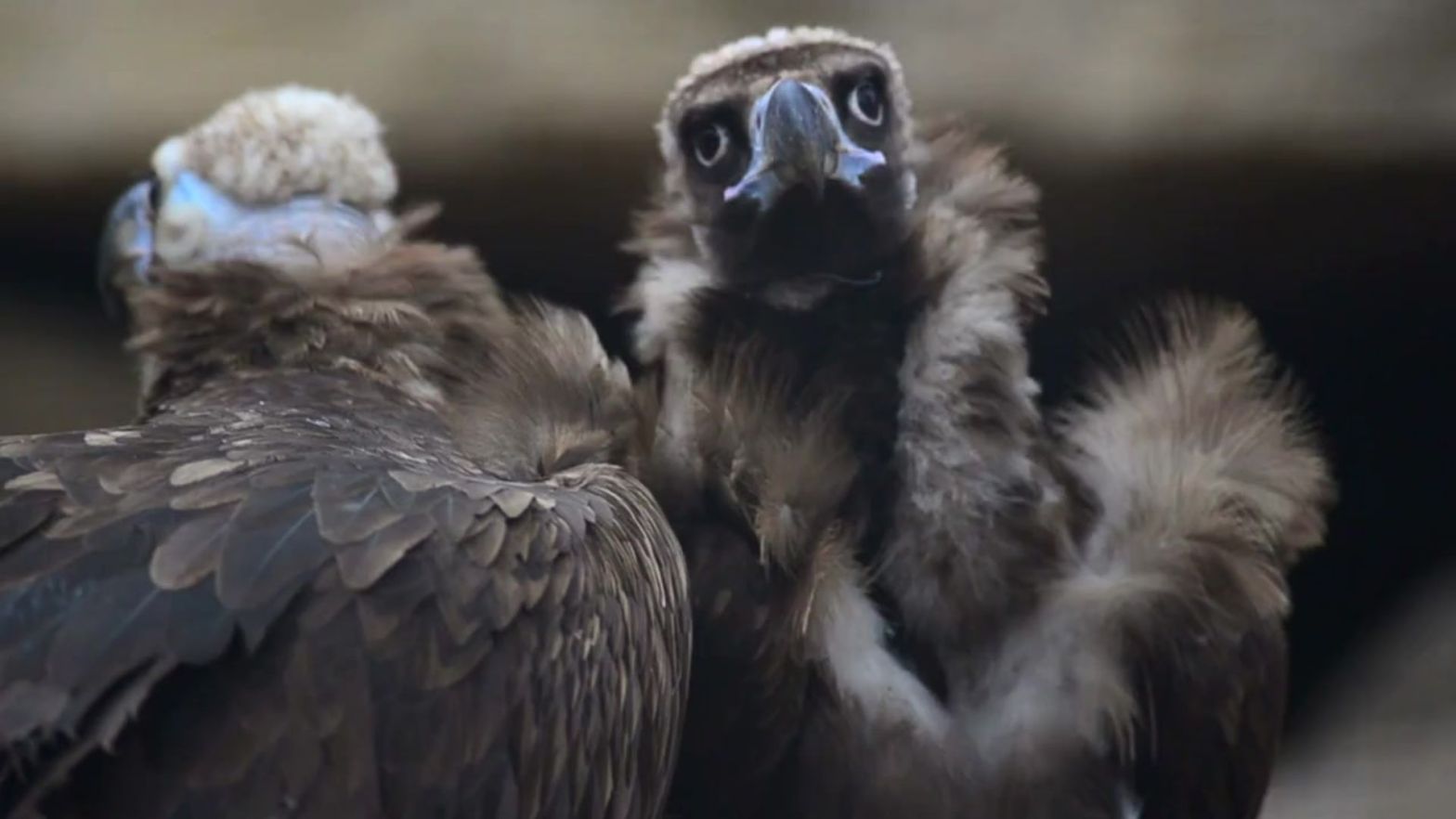
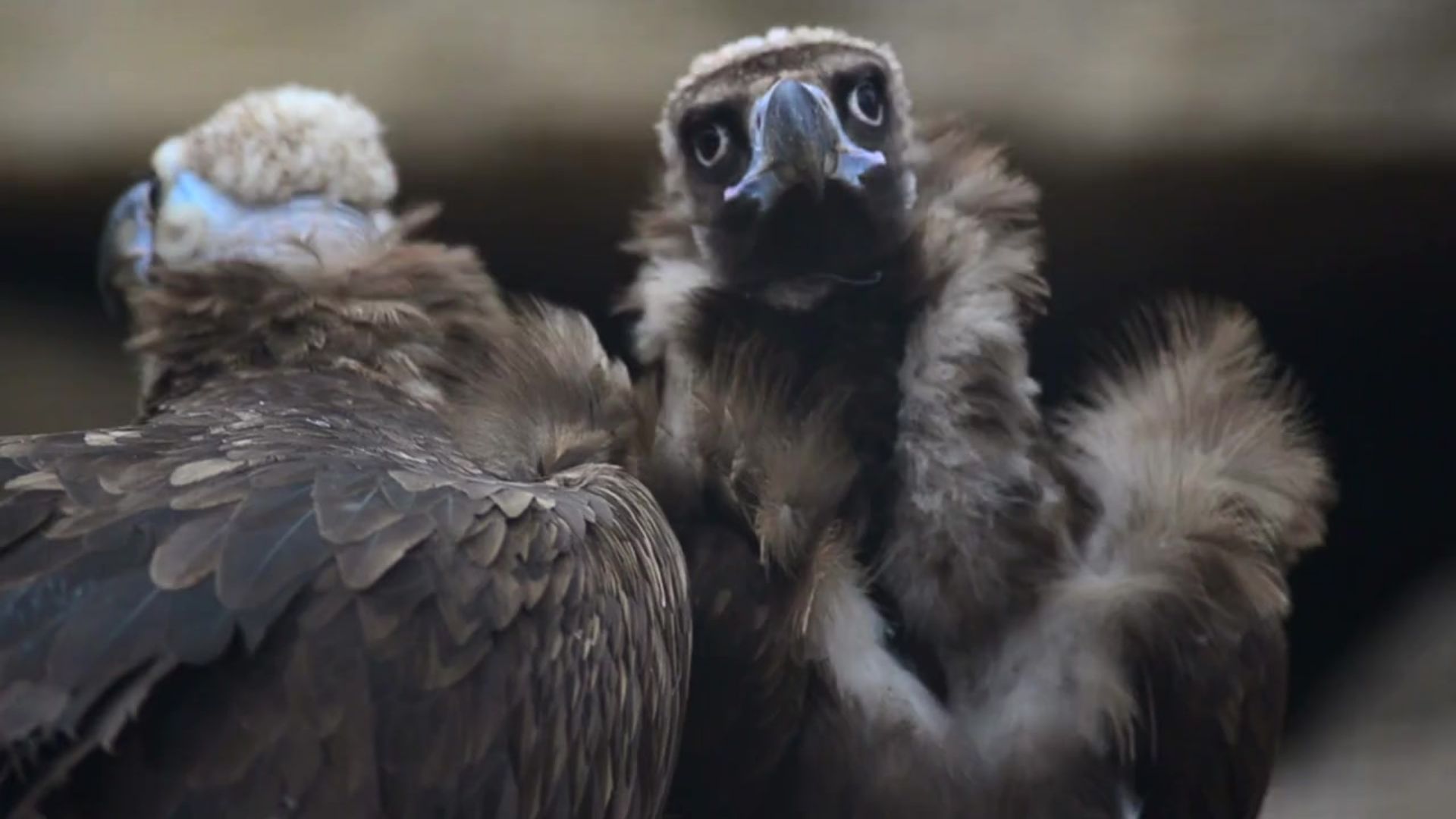
Rüppell’s Vulture Gyps rueppelli
IUCN Status: Critically Endangered
Location: Algeria, Benin, Burkina Faso, Burundi, Cameroon, Central African Republic, Chad, Côte d’Ivoire, Djibouti, Eritrea, Ethiopia, Gambia, Ghana, Guinea, Guinea-Bissau, Kenya, Mali, Mauritania, Niger, Nigeria, Rwanda, Senegal, Somalia, South Sudan, Sudan, Tanzania, Togo, Uganda
The Rüppell’s Vulture is an enigmatic avian marvel soaring the African and European skies. Their powerful wings carry them aloft on streams of air to altitudes of 11,000 metres. From far above they scan the endless landscapes for sustenance. These remarkable carrion cleaners pose no threat to humans and only eat dead animals. They now teeter on the brink of extinction, fewer than 22,000 individuals remain alive due to the depletion of their prey species, human and wildlife conflict and palm oil deforestation throughout their range. This critically endangered species, are known for their awe-inspiring high altitude flights—reaching heights seen by commercial airlines. They face a grave threat from the insidious palm oil industry, mining along with other destructive industries across their range. Help them to survive and #BoycottPalmOil and #Boycott4Wildlife every time you shop.
The blue-beaked Rüppell’s #Vulture 🦅🪽😿 can soar to the height of a commercial plane. They’re critically endangered in #Africa from #palmoil #deforestation and human persecution. #Boycottpalmoil 🌴🪔🩸🔥🧐🙊⛔️ Help them! #Boycott4Wildlife @palmoildetect https://wp.me/pcFhgU-Ql
Rulers of African skies and expert carrion clearers 🥩⭐️ Rüppell’s #Vultures 🩶🪶🦅 are critically #endangered due to human-wildlife conflict and #palmoil #deforestation in #Africa. Help them survive! #Boycottpalmoil 🌴⛔️ #Boycott4Wildlife @palmoildetect https://wp.me/pcFhgU-Ql

Appearance and Behaviour
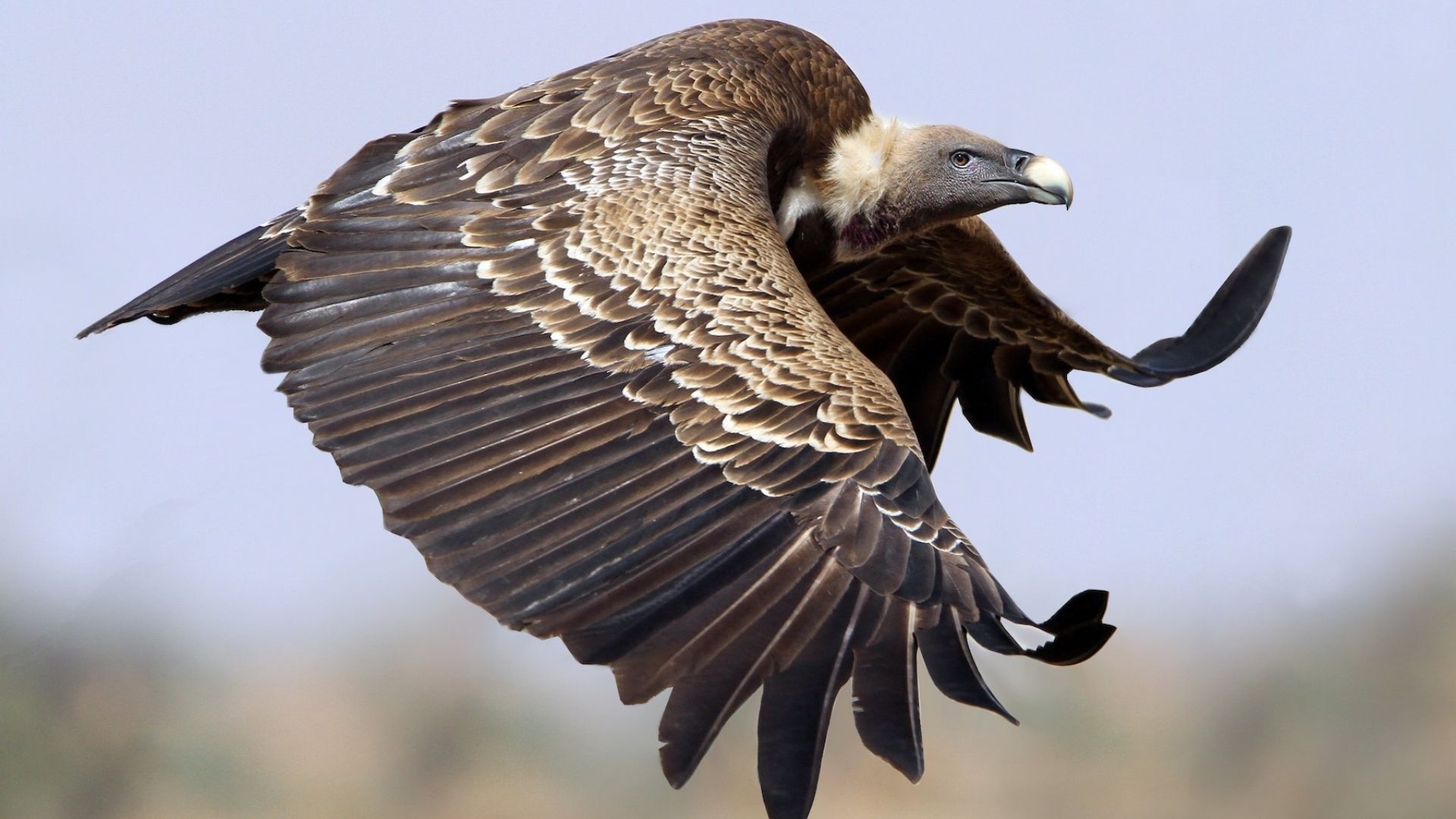
Across Africa’s vast savannahs, where acacia trees dot endless grasslands and thermals rise from sun-baked earth, Rüppell’s vultures soar at breathtaking heights—reaching altitudes where commercial aircraft cruise.
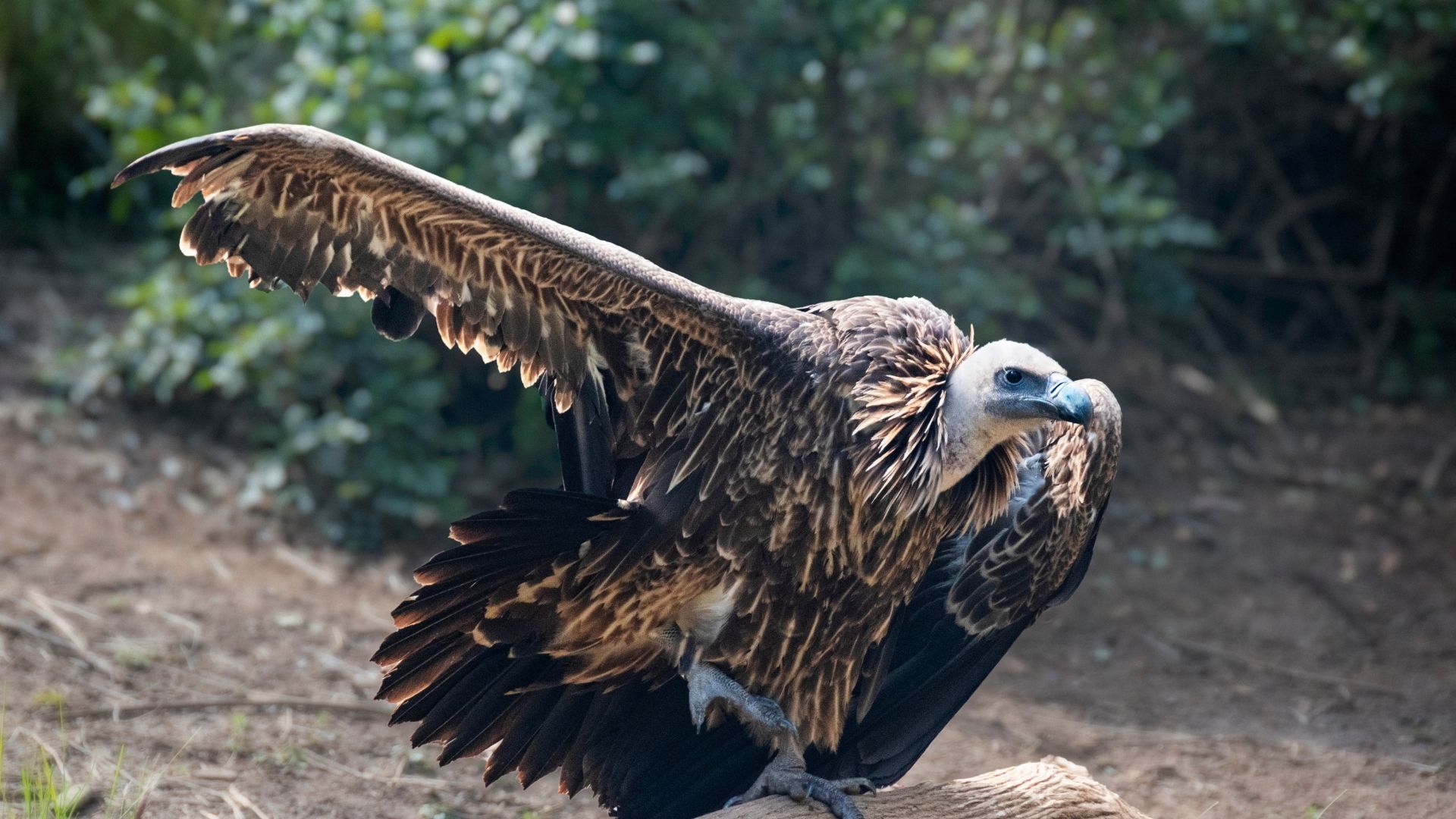
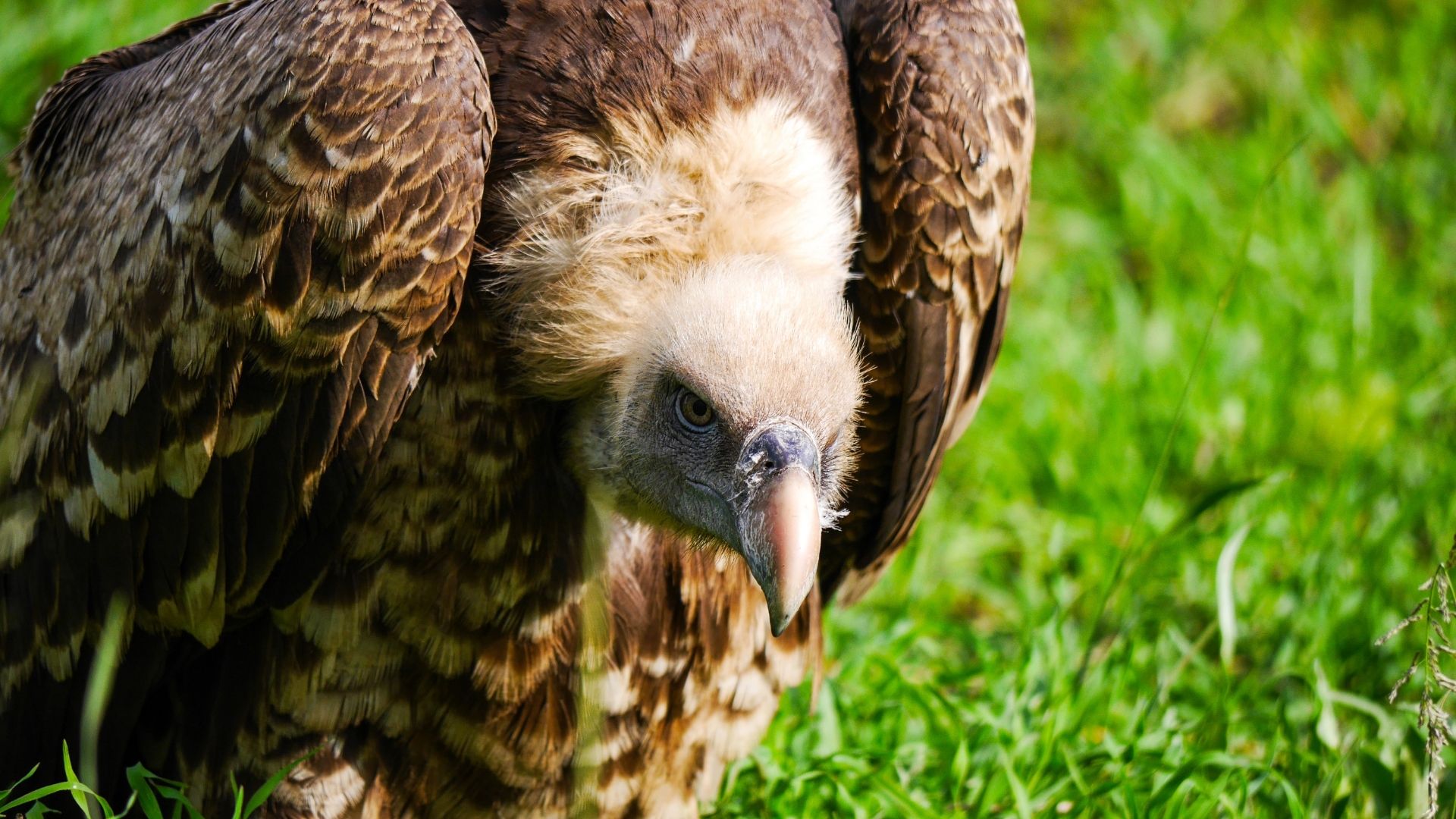
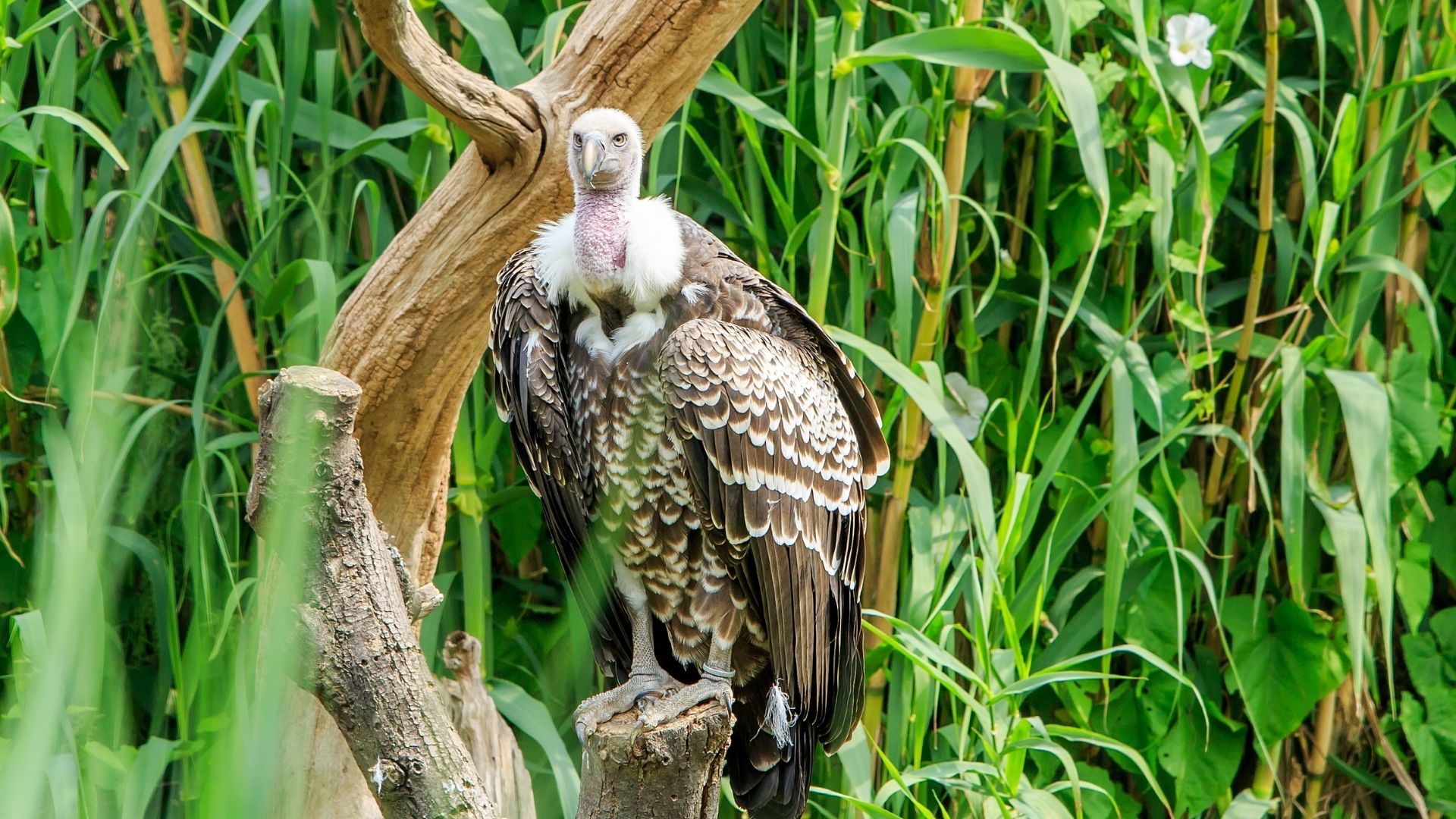
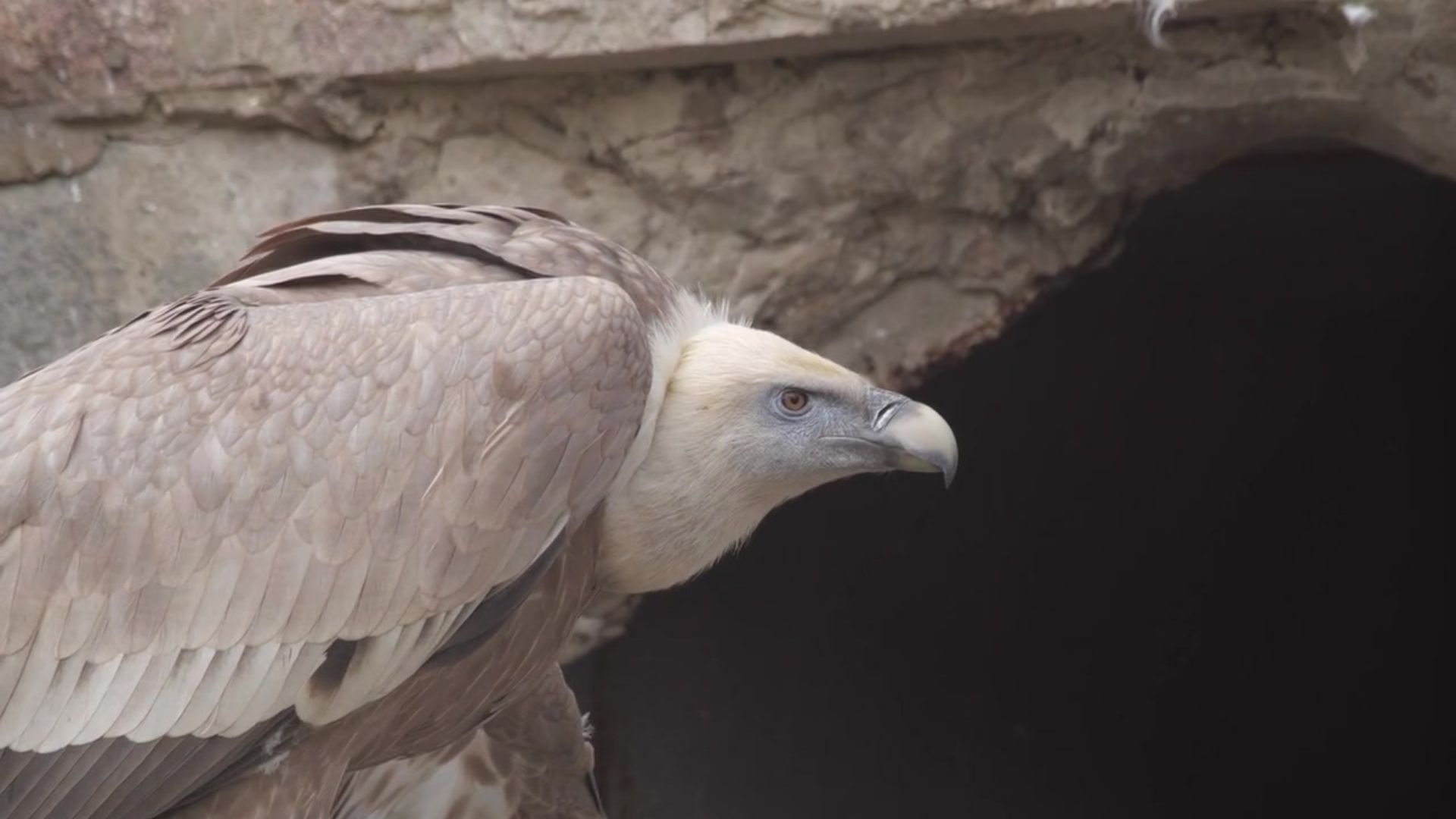
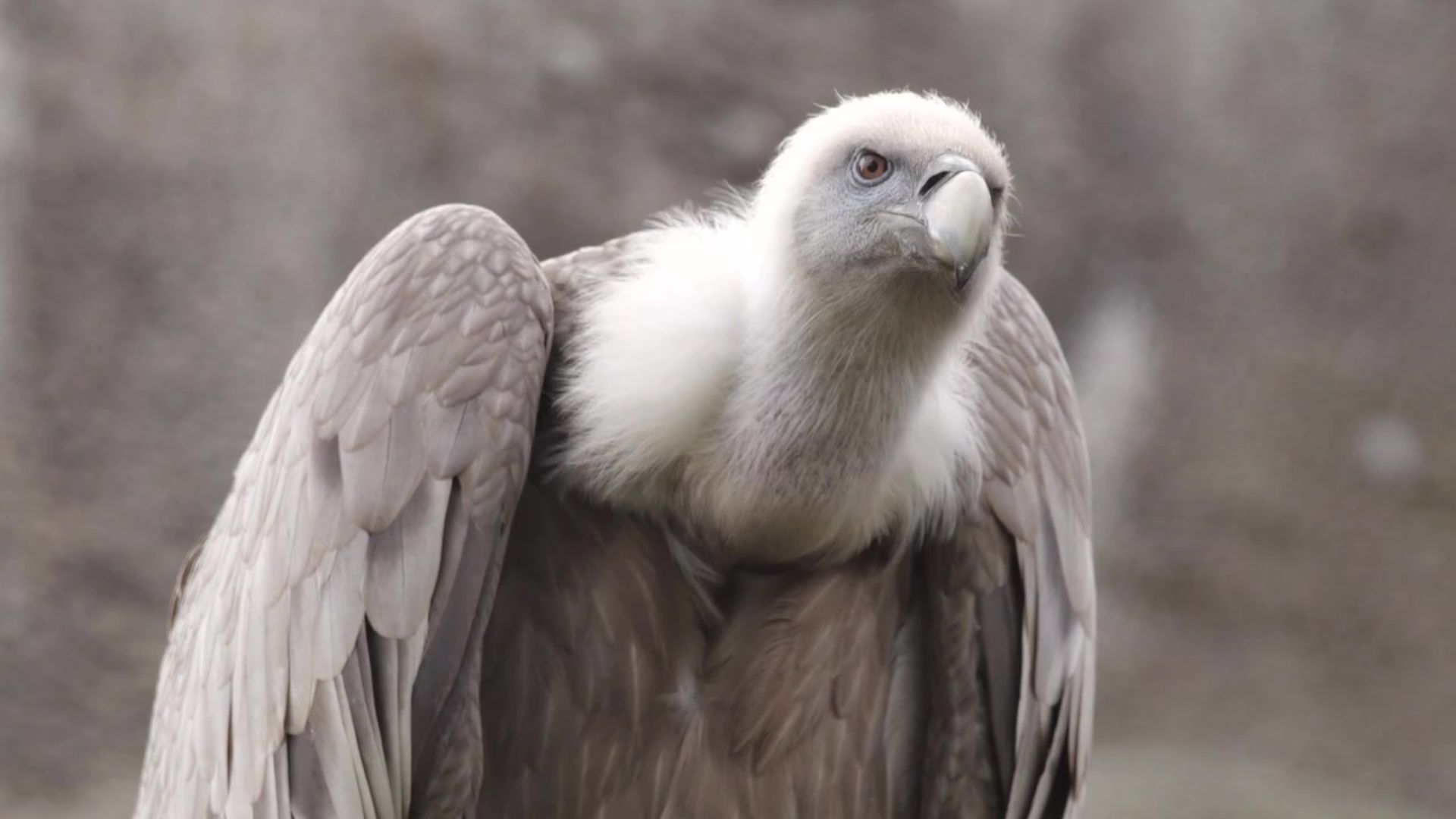
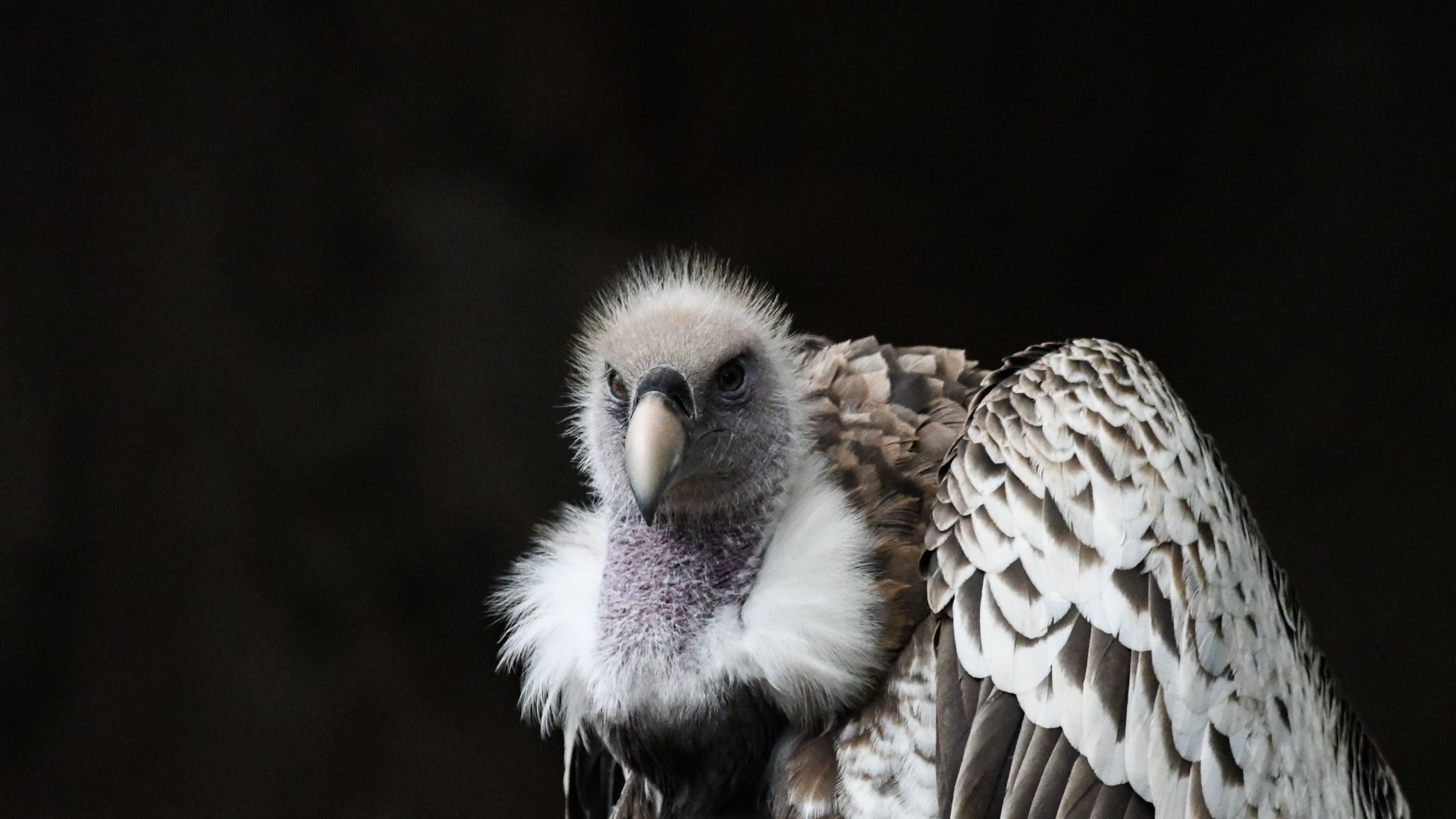
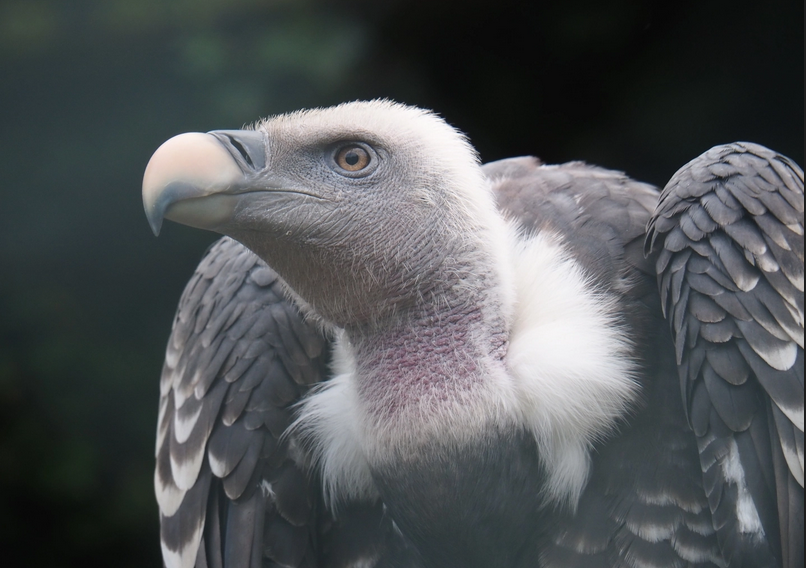
Rüppell’s vultures command attention with their impressive 2.6-metre wingspan and distinctive blue-grey beaks contrasting against mottled brown and cream plumage. Their powerful wings allow them to soar higher than any other bird, using thermal currents to effortlessly patrol territories spanning hundreds of kilometres. These birds can spot carrion from distances exceeding 6 kilometres.
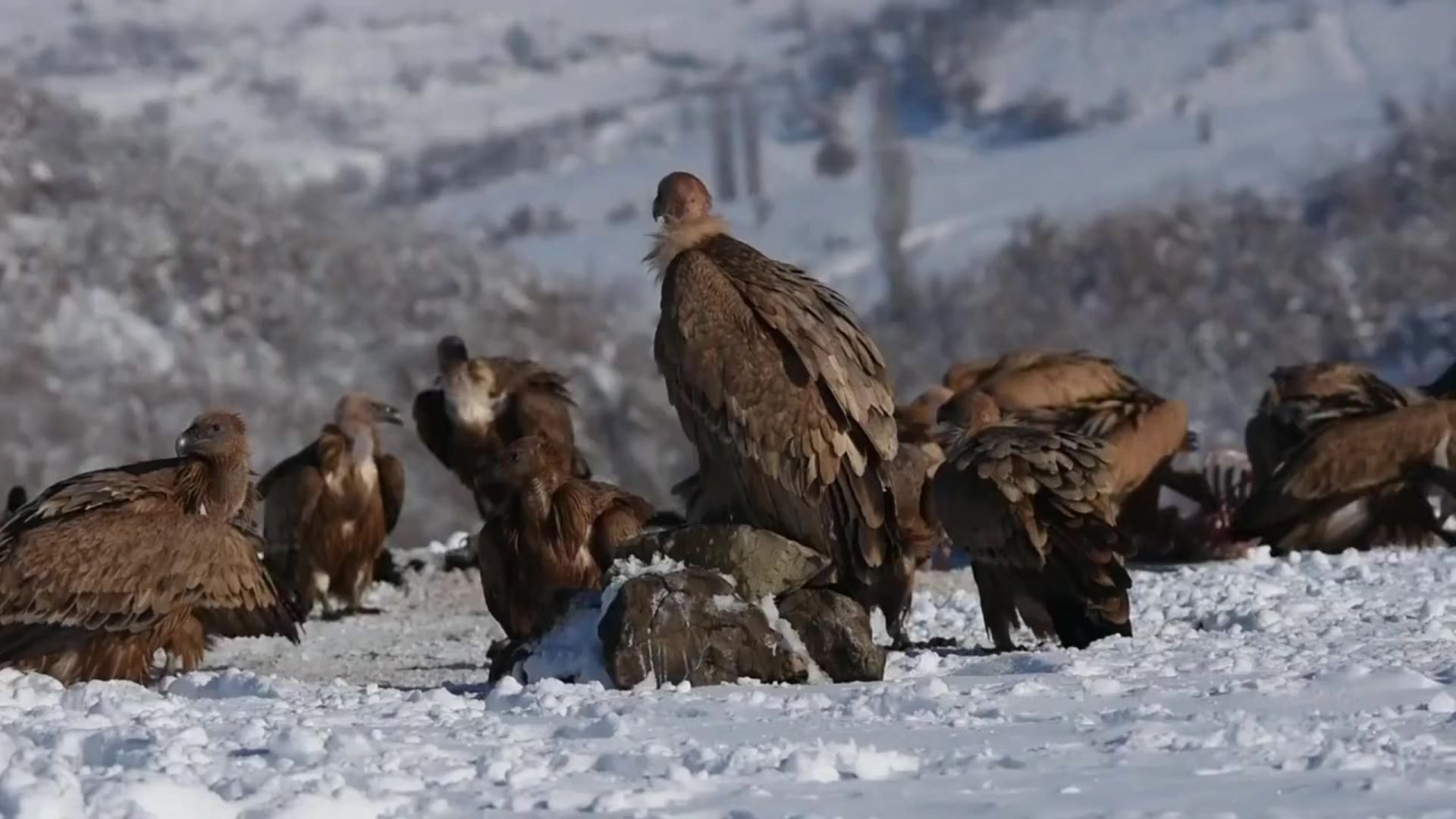
Rüppell’s vultures gather in spectacular numbers at carcasses, with hundreds congregating at single feeding sites. They exhibit complex social hierarchies during feeding, with dominant birds claiming choice positions while younger individuals wait their turn.
The Ruppell’s Vulture has been alarmingly scarce in Africa but has been known to breed with Griffin Vultures in Spain.
Diet
Rüppell’s vultures are obligate scavengers, feeding exclusively on carrion from wild ungulates, livestock, and smaller mammals. They locate food entirely through exceptional eyesight, often following other vulture species to feeding sites. Their powerful beaks and digestive systems allow them to consume tough hide, sinew, and bones that other scavengers cannot process. They can safely consume rotting meat containing anthrax, botulism, and cholera due to highly acidic stomachs that kill harmful bacteria.
Reproduction and Mating
Rüppell’s vultures form monogamous pairs that mate for life, building substantial stick nests on cliff faces and escarpments. Females lay single eggs requiring 55 days of shared incubation. Once hatched, chicks remain in nests for approximately 150 days before fledging, with parents continuing to feed and teach them essential survival skills.
Geographic Range
This vulture frequents open areas of Acacia woodland, grassland and montane regions. Rüppell’s vultures once ranged throughout the Sahel region from Senegal and Gambia eastward to Sudan and Ethiopia, extending south through East African savannas to Tanzania and Mozambique. Catastrophic population declines have eliminated them from vast areas, with 96-100% losses reported in Mali and South Sudan colonies. Small populations now persist mainly within protected areas.
Threats
Poisoning and human persecution
Carbofuran pesticide transforms feeding sites into death traps as farmers place poisoned carcasses to kill predators threatening livestock. Single poisoning events kill 37-600 vultures simultaneously, as Rüppell’s vultures’ communal feeding behaviour ensures widespread exposure. The highly toxic pesticide causes rapid death, with entire flocks perishing within hours. Diclofenac, a veterinary drug fatal to vultures, has been identified in Tanzania markets despite causing mass vulture deaths across Asia. Brazilian manufacturers aggressively market diclofenac across 15 African countries, threatening remaining populations.
Traditional medicine trade
West African markets openly sell vulture parts for traditional medicine, with 1,128-1,692 individuals traded over six years. Traditional practices attribute clairvoyant powers to Rüppell’s vultures, driving demand for their heads, feet, and feathers in ceremonies.
Deforestation for meat farming, palm oil and other agriculture
Palm oil plantations and agricultural conversion eliminate the open savannahs and woodland mosaics essential for Rüppell’s vulture survival. Intensive farming reduces wild ungulate populations, removing the carrion sources upon which vultures depend entirely. Livestock farming often replaces diverse wildlife communities with single domestic species, reducing food availability and increasing poisoning risks.
Infrastructure development
Power lines create deadly obstacles across vulture flight paths, causing electrocution and collision mortality as Rüppell’s vultures navigate unfamiliar structures. Their large wingspans make them particularly vulnerable to electrical infrastructure. Road development fragments habitat while increasing human disturbance at traditional nesting colonies.
Take Action!
Use your wallet as a weapon and #BoycottPalmOil #Boycott4Wildlife every time you shop. Adopt a vegan lifestyle protecting both wild and farmed animals from agricultural expansion. Support indigenous-led protection and traditional ecological knowledge recognising the vital role of scavengers. #BoycottPalmOil #Boycott4Wildlife #Vegan
FAQs
How high can Rüppell’s vultures fly?
Rüppell’s vultures hold the world record for highest bird flight, reaching altitudes of 11,300 metres (37,000 feet). One individual was tragically discovered when they collided with a commercial aircraft at this altitude over Ivory Coast in 1973. Rüppell’s vultures commonly cruise at 6,000 metres (20,000 feet) and can survive these extreme heights due to specialised hemoglobin that efficiently absorbs oxygen despite low atmospheric pressure. Their unique blood chemistry allows them to function where most other birds would pass out from oxygen deprivation.
What do Rüppell’s vultures eat?
Rüppell’s vultures prefer fresh carcasses but can eat decomposing meat several days old. They have backward-pointing spikes on their tongues to help strip meat from bones and can gorge themselves until barely able to fly. A single large meal can sustain them for up to four days.
How big are Rüppell’s vultures?
Rüppell’s vultures are among Africa’s largest birds, measuring 85-103 centimetres (33-41 inches) long with wingspans reaching 2.6 metres (8.5 feet). Adults weigh 6.4-9 kilograms (14-20 pounds), making them noticeably larger than closely related white-backed vultures. Both sexes look identical with mottled brown and black plumage, whitish-brown underparts, and distinctive white collar around the neck base. Their heads and necks lack feathers—an adaptation preventing mess when feeding inside carcasses.
Are Rüppell’s vultures dangerous to humans?
Rüppell’s vultures pose no danger to humans as they are exclusive scavengers feeding only on dead animals. These birds are generally silent except when feeding or at nests, where they may squeal and hiss at each other during competition for food. Rüppell’s vultures are highly social, often gathering in groups of hundreds at feeding sites, but they avoid human contact and prefer to maintain distance from people. Their powerful beaks are adapted for tearing carrion rather than attacking live prey, making them completely harmless to humans.
How long do Rüppell’s vultures live?
Rüppell’s vultures can live up to 50 years in optimal conditions, reflecting their status as long-lived raptors with extended learning periods. Young vultures remain dependent on parents for nearly a year after fledging, learning essential skills for locating and competing for food sources. Their generation length of approximately 18.8 years indicates they reach breeding maturity relatively late compared to smaller birds. However, current threats including poisoning and habitat destruction may be significantly reducing average lifespans in wild populations, as Rüppell’s vultures face increasing mortality from human activities.
Why don’t Rüppell’s vultures get sick from eating rotten meat?
Rüppell’s vultures have evolved remarkable adaptations allowing them to safely consume decomposing carrion that would kill most animals. Their stomachs produce extremely acidic digestive juices that destroy harmful bacteria, viruses, and toxins present in rotting meat. These vultures have also developed immunity to specific pathogens like anthrax, botulism, and cholera through evolutionary adaptation. Their featherless heads and necks prevent contamination when feeding inside carcasses, while specialised digestive systems process contaminated meat without illness, making them essential ecosystem cleaners.
What is the current population of Rüppell’s vultures?
The total population was estimated at approximately 22,000 mature individuals in the early 1990s, but recent catastrophic declines suggest numbers are now much lower. Rüppell’s vultures have experienced extremely rapid population declines of approximately 5.8% annually, equating to 92.5% loss over three generations. West African populations have been virtually eliminated, with some colonies declining by 96-100%. The species has disappeared entirely from Nigeria and experienced severe reductions across their former range.
How long do Rüppell’s vultures live?
Rüppell’s vultures have a generation length of approximately 18.8 years, indicating they can live well into their twenties under optimal conditions. Their long lifespan reflects the extended period required to master complex scavenging skills and locate widely dispersed food sources. Young vultures remain dependent on parents for extended periods, not reaching independence until the following breeding season. Current threats including poisoning and habitat loss may be significantly reducing average lifespans in wild populations.
What are the main conservation challenges facing Rüppell’s vultures?
The primary challenge is widespread poisoning, particularly from carbofuran pesticides placed in livestock carcasses to kill predators, which instead kills hundreds of vultures per incident. Traditional medicine trade in West Africa has decimated regional populations, with vulture parts commonly sold in fetish markets. Habitat conversion to palm oil plantations and agricultural expansion eliminates the open savannas Rüppell’s vultures require while reducing wild ungulate populations. Infrastructure development including power lines causes electrocution and collision mortality.
What are some interesting and unusual facts about Rüppell’s vultures?
Rüppell’s vultures hold the record for highest bird flight, reaching altitudes of 11,000 metres—higher than commercial aircraft typically cruise. They can spot carrion from distances exceeding 6 kilometres using exceptional eyesight. These highly social birds form monogamous lifelong partnerships and nest in large cliff colonies containing hundreds of breeding pairs. Despite their massive size and 2.6-metre wingspan, Rüppell’s vultures are surprisingly graceful fliers, using thermal currents to soar effortlessly across vast territories covering hundreds of square kilometres daily.
The species faces similar threats to other African vultures, being susceptible to habitat conversion to agro-pastoral systems, loss of wild ungulates leading to a reduced availability of carrion, hunting for trade, persecution and poisoning (Ogada et al. 2016).
IUCN Red List
Support the conservation of this species
Vulture Conservation Foundation
Further Information

Garrido, J. R., de la Cruz, A., Silva, N., Fernández, M., Ramírez, J., & Elorriaga, J. (2020). Climate-driven expansion of an endangered vulture species into the Mediterranean Basin. Science of The Total Environment, 753, 143639.
Buij, R., Nikolaus, G., Whytock, R., Ingram, D. J., & Ogada, D. (2015). Trade of threatened vultures and other raptors for fetish and bushmeat in West and Central Africa. Oryx, 50(4), 606-616.
Ogada, D., Keesing, F., & Virani, M. Z. (2012). Dropping dead: causes and consequences of vulture population declines worldwide. Annals of the New York Academy of Sciences, 1249(1), 57-71.
Virani, M. Z., Kendall, C., Njoroge, P., & Thomsett, S. (2011). Major declines in the abundance of vultures and other scavenging raptors in and around the Masai Mara ecosystem, Kenya. Biological Conservation, 144(2), 746-752.
Westrip, J.R.S., Garrido López, J.R., Saheb, M., Fellous-Djardini, A., Cuzin, F., Radi, M., Essetti, I., Onrubia, A. & Noaman, M. 2022. Gyps rueppelli (Mediterranean assessment). The IUCN Red List of Threatened Species 2022: e.T22695207A208734094. https://dx.doi.org/10.2305/IUCN.UK.2022-1.RLTS.T22695207A208734094.en. Accessed on 11 June 2025.

How can I help the #Boycott4Wildlife?
Take Action in Five Ways
1. Join the #Boycott4Wildlife on social media and subscribe to stay in the loop: Share posts from this website to your own network on Twitter, Mastadon, Instagram, Facebook and Youtube using the hashtags #Boycottpalmoil #Boycott4Wildlife.
2. Contribute stories: Academics, conservationists, scientists, indigenous rights advocates and animal rights advocates working to expose the corruption of the palm oil industry or to save animals can contribute stories to the website.


3. Supermarket sleuthing: Next time you’re in the supermarket, take photos of products containing palm oil. Share these to social media along with the hashtags to call out the greenwashing and ecocide of the brands who use palm oil. You can also take photos of palm oil free products and congratulate brands when they go palm oil free.
4. Take to the streets: Get in touch with Palm Oil Detectives to find out more.
5. Donate: Make a one-off or monthly donation to Palm Oil Detectives as a way of saying thank you and to help pay for ongoing running costs of the website and social media campaigns. Donate here
Discover more from Palm Oil Detectives
Subscribe to get the latest posts sent to your email.
 Palm Oil Detectives