
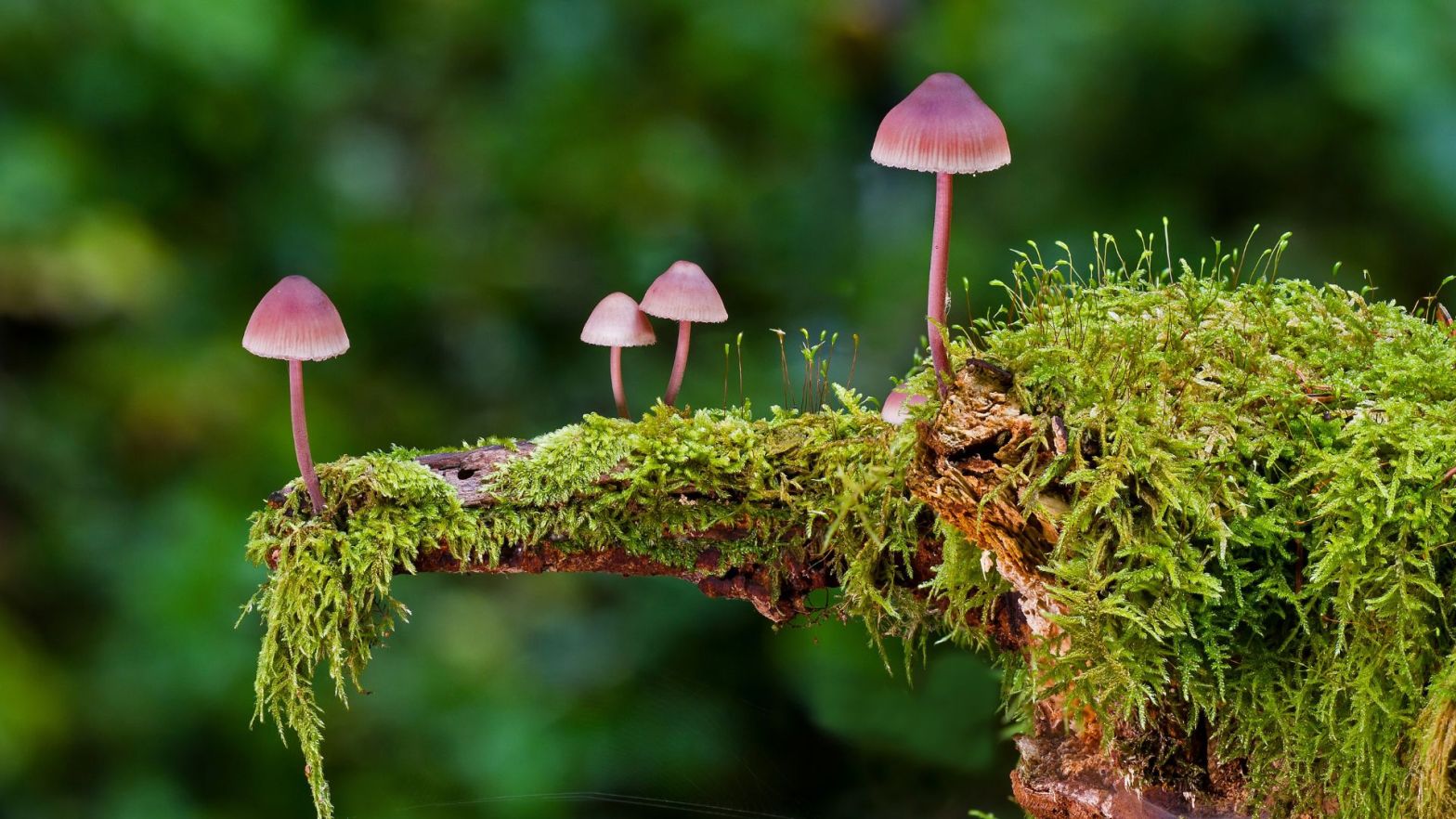
Animals and plants constitute a very small part of our native biodiversity (roughly 5%). The vast majority – fungi, bacteria and the enormous diversity of other microscopic organisms, including invertebrates – is a massive, largely unexplored economic resource.
The best known examples of commercial uses for biodiversity are the thousands of drugs secreted by bacteria and fungi. But others are examples of what is known as “bio-inspiration” and “bio-mimicry”, where wild species provide the blueprints for products. The combination of nature and biotechnology can offer us all a tentative reason to hope for the future.
#Research finds that the wealth of #biodiversity in #forests from #fungi 🍄 #plants 🌿 and #animals 🐦🪶🐞 has immense value that we don’t even know about yet, and a tentative reason to hope 🙏✨ #Biotechnology #Boycott4Wildlife @palmoildetect https://palmoildetectives.com/2021/04/28/natures-hidden-wealth-is-conservations-missed-opportunity/

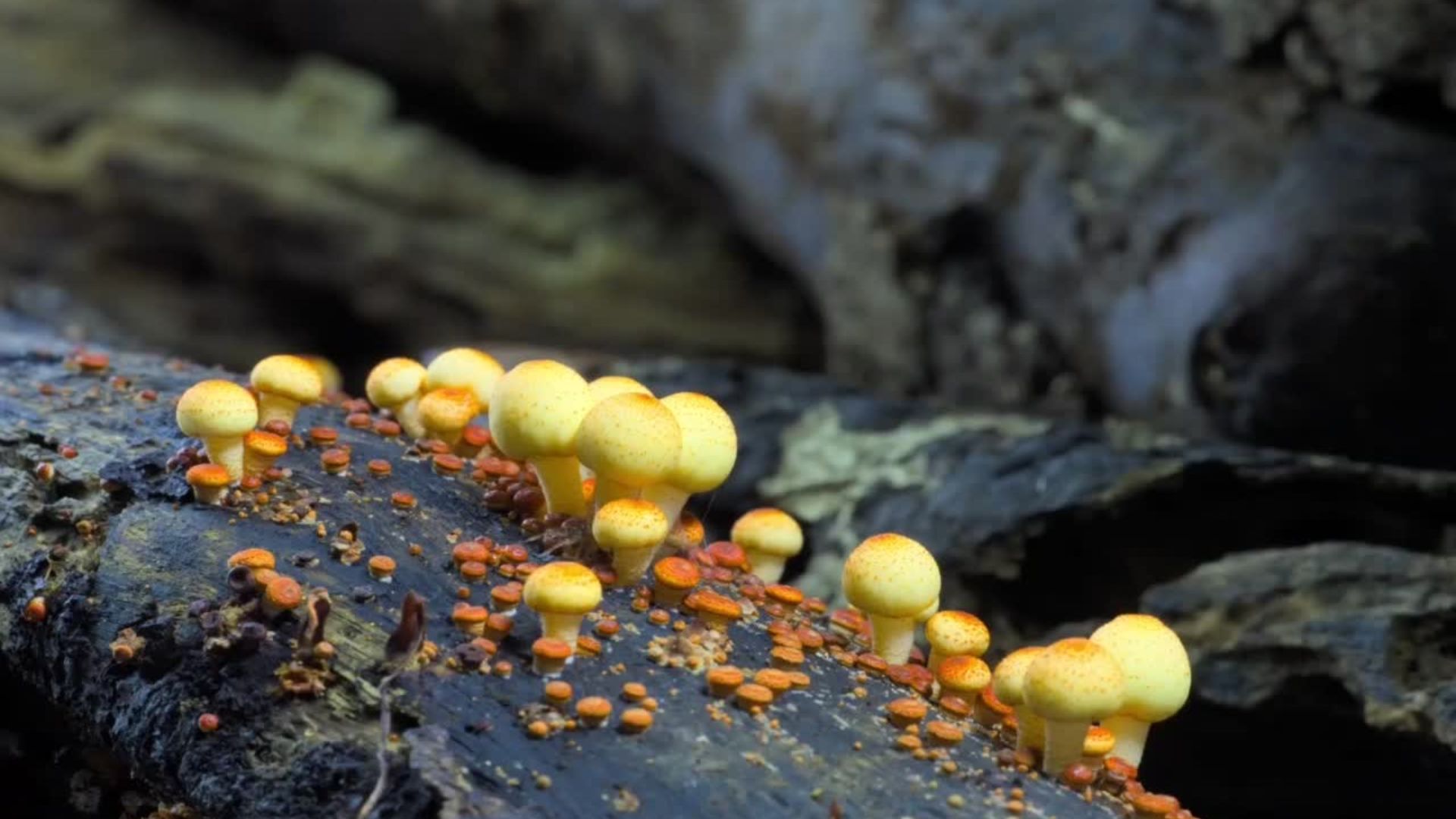

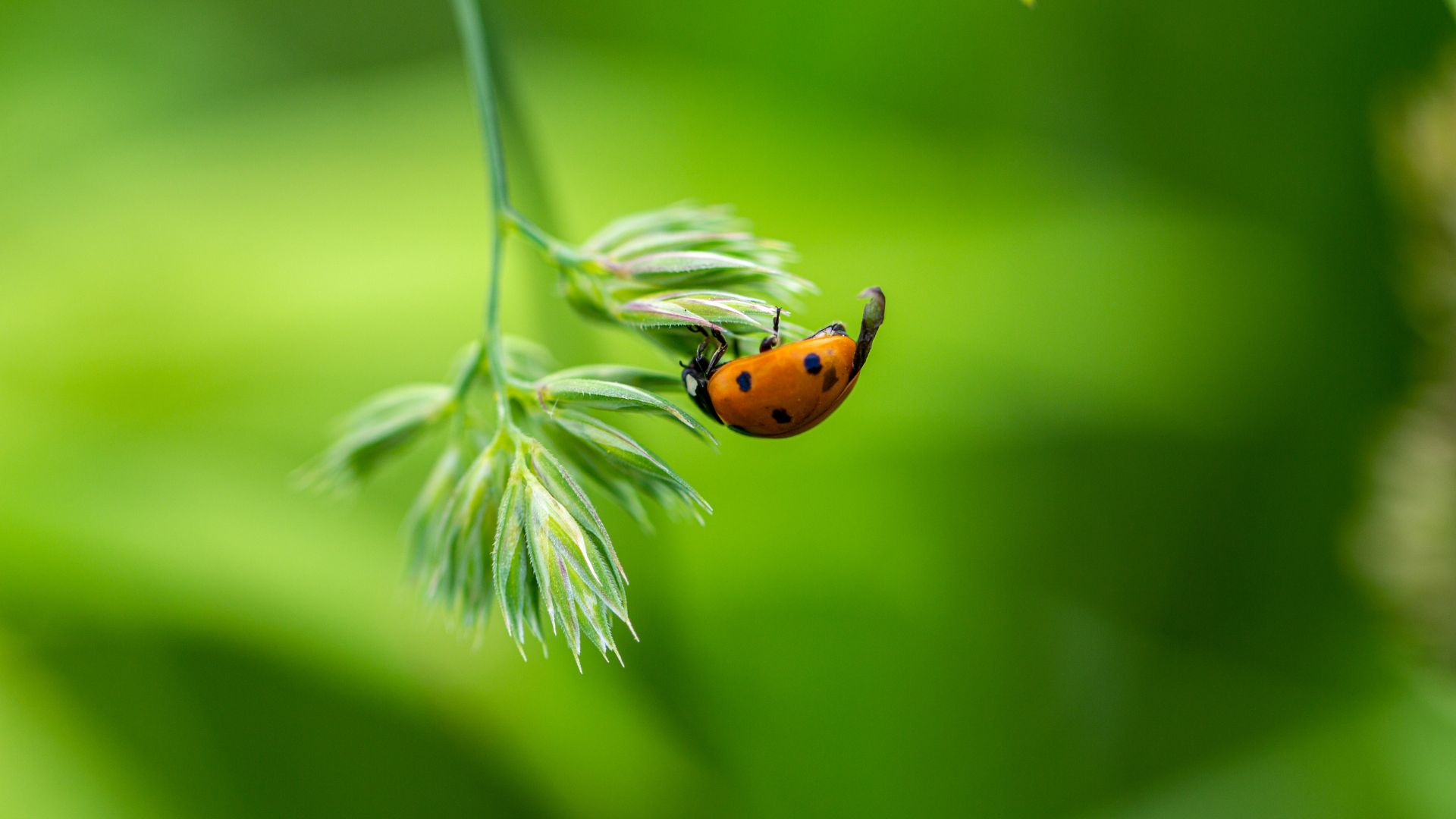

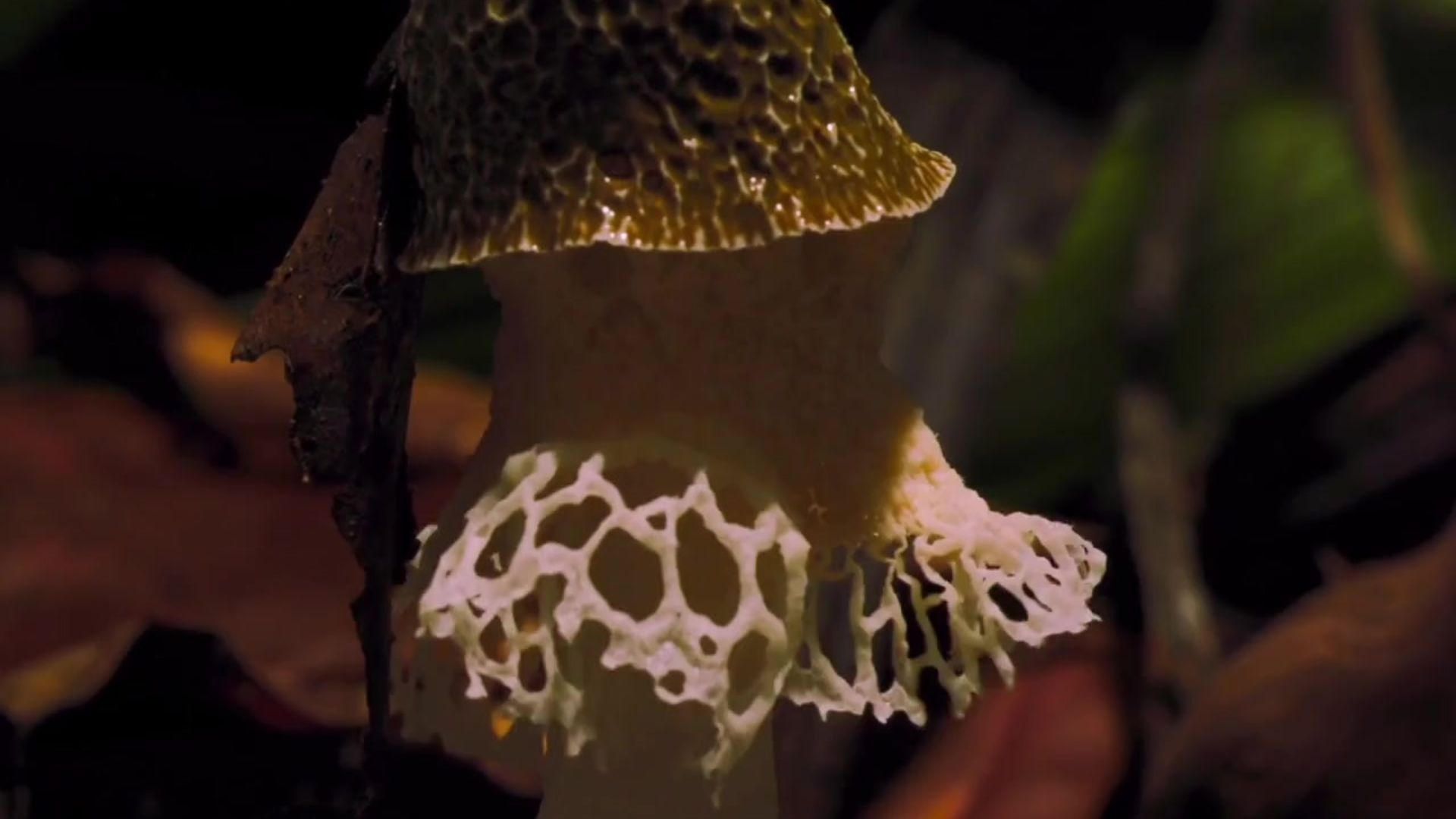
While these products are of immense commercial value, the source species are rarely harvested in the conventional sense. Rather, a few specimens provide ample material for analysis.
So for microbes, invertebrates or plants, there is little concern that these industries are threats. For vertebrates, such as sharks, samples are either non-destructive or severely limited.

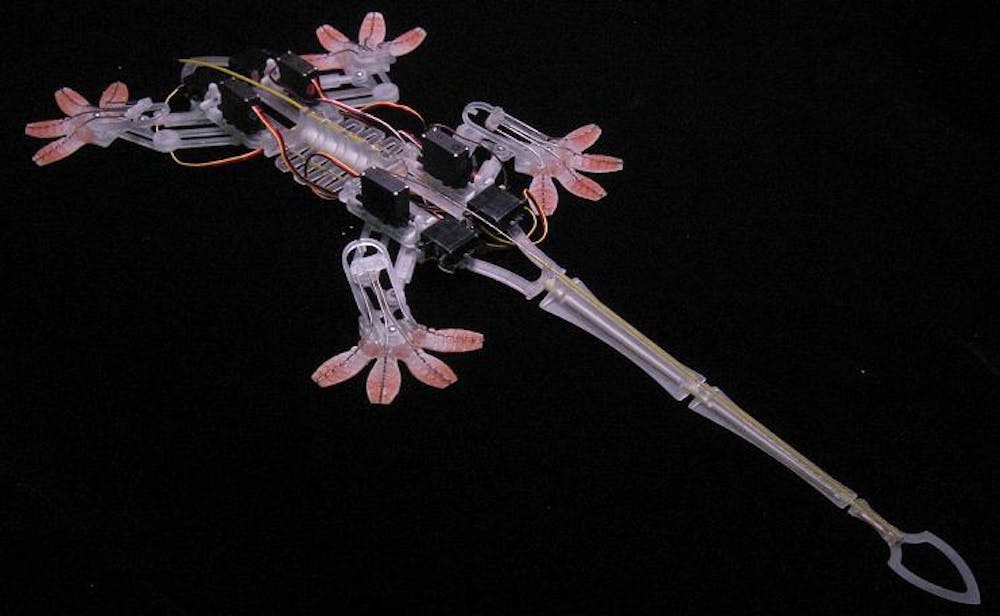
Products such as drugs can be sourced from single-celled animals and plants and from microbes of all kinds, even those that are currently uncultivable. Super-water-repellent materials, are sourced from the outer surfaces of organisms as different as insects and higher plants.
Why are these stories so important?
Many charismatic animals such as tigers and whales are used as icons for conservation, so can species that we use for developing products – but with the added grunt that they are central to the economy. These are very sexy stories; fascinating tales of the transformation of natural phenomena into industrial products.
Third, much of biodiversity exploration research is overseas. Some Australian scientists and engineers are involved, for example, in utilising the arrangements of plant fibres to inspire lightweight strengthening of aircraft engines. However, it is hard to find the promotion of this exciting research in any policy nation-wide; political, economic or scientific.
Scientists and engineers inside many industries are forging ahead with exploration for biodiversity products in many, non-destructive and highly imaginative ways all over the world. It’s time our governments and conservationists wised up.
Andrew Beattie, Emeritus Professor, Macquarie University This article is republished from The Conversation under a Creative Commons license. Read the original article.
Take Action in Five Ways
1. Join the #Boycott4Wildlife on social media and subscribe to stay in the loop: Share posts from this website to your own network on Twitter, Mastadon, Instagram, Facebook and Youtube using the hashtags #Boycottpalmoil #Boycott4Wildlife.
2. Contribute stories: Academics, conservationists, scientists, indigenous rights advocates and animal rights advocates working to expose the corruption of the palm oil industry or to save animals can contribute stories to the website.






3. Supermarket sleuthing: Next time you’re in the supermarket, take photos of products containing palm oil. Share these to social media along with the hashtags to call out the greenwashing and ecocide of the brands who use palm oil. You can also take photos of palm oil free products and congratulate brands when they go palm oil free.
4. Take to the streets: Get in touch with Palm Oil Detectives to find out more.
5. Donate: Make a one-off or monthly donation to Palm Oil Detectives as a way of saying thank you and to help pay for ongoing running costs of the website and social media campaigns. Donate here
Discover more from Palm Oil Detectives
Subscribe to get the latest posts sent to your email.
 Palm Oil Detectives

@palmoildetectives.com Préservons notre fabuleuse nature sauvage !
LikeLike
Remote Reply
Original Comment URL
Your Profile
Why do I need to enter my profile?
This site is part of the ⁂ open social web, a network of interconnected social platforms (like Mastodon, Pixelfed, Friendica, and others). Unlike centralized social media, your account lives on a platform of your choice, and you can interact with people across different platforms.
By entering your profile, we can send you to your account where you can complete this action.