
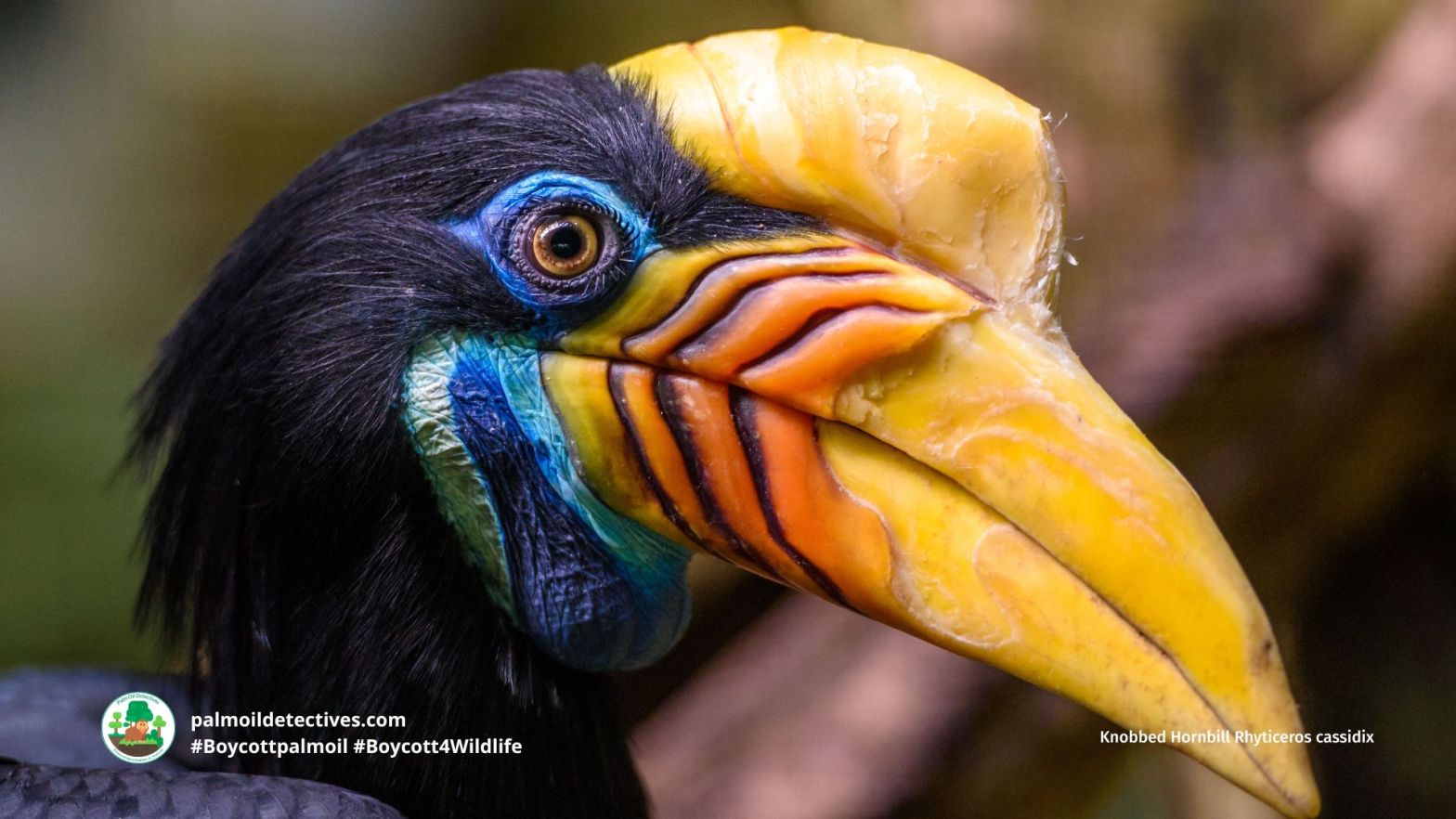
This is arguably society’s biggest challenge, and arguably its biggest failure: the continuing loss of species from Earth. The massive impact we are having on the planet has firmly entrenched us in a period of our history commonly called the Anthropocene.
Background or “normal” rates of extinction vary through time but are typically in the order of one to two species per year. Current rates of extinction, however, are estimated to have reached 1000 to 10,000 times this rate. Help animals to survive when you shop and be #Vegan 🌿🍌🍇 #Boycottpalmoil 🌴🩸🤮☠️#Boycott4Wildlife
If estimates are right, we are now living through a period where the rate of #species #extinction is 1K to 10K times the base rate 🧐🙊😲. Fight back and resist extinction, be #Vegan 🌿🍌🍇 #Boycottpalmoil 🌴🩸🤮 ☠️#Boycott4Wildlife @palmoildetect https://palmoildetectives.com/2021/10/06/species-extinction-just-how-bad-is-it-and-why-should-we-care/
The state of extinction
We still have little idea of how many species exist on Earth. Only a fraction (~1.5 million of an estimated 5 million) have been formally described, and even fewer assessed for their conservation status. How do we conserve what we don’t know exists?
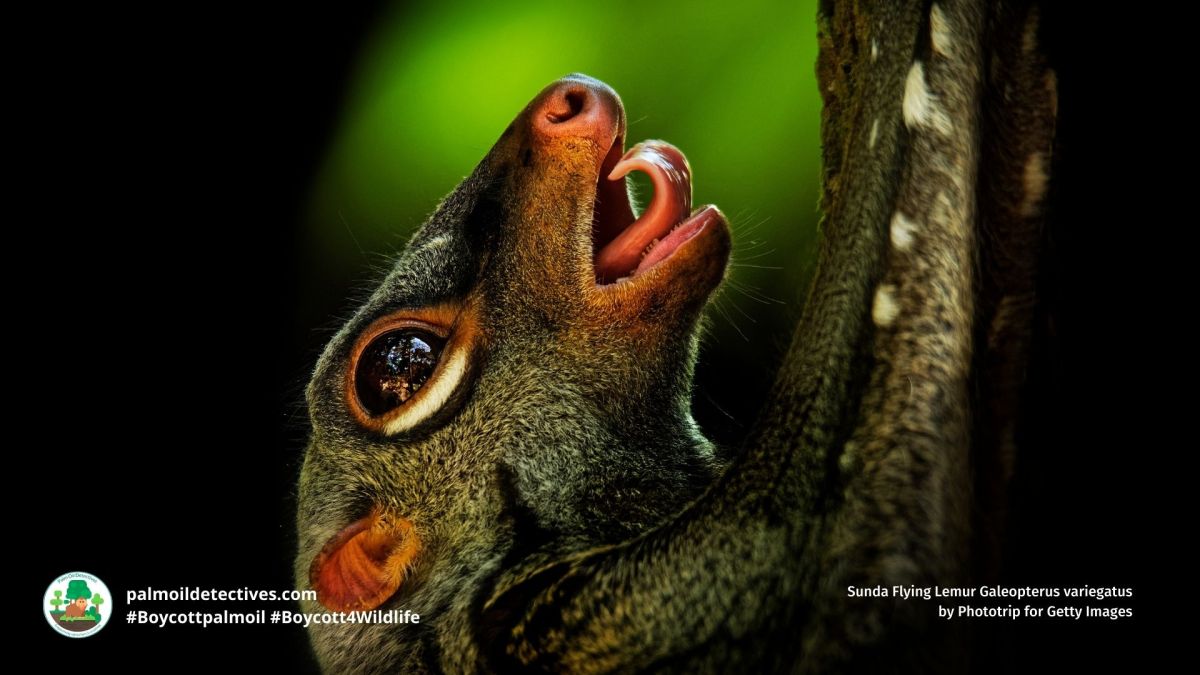
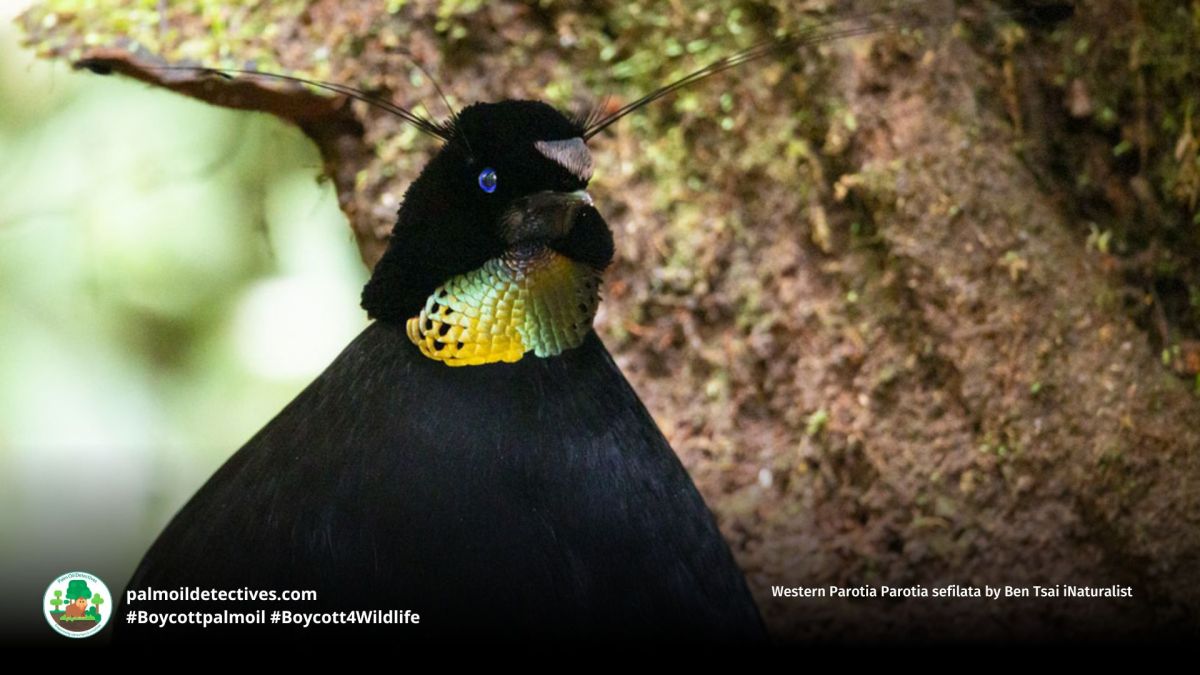
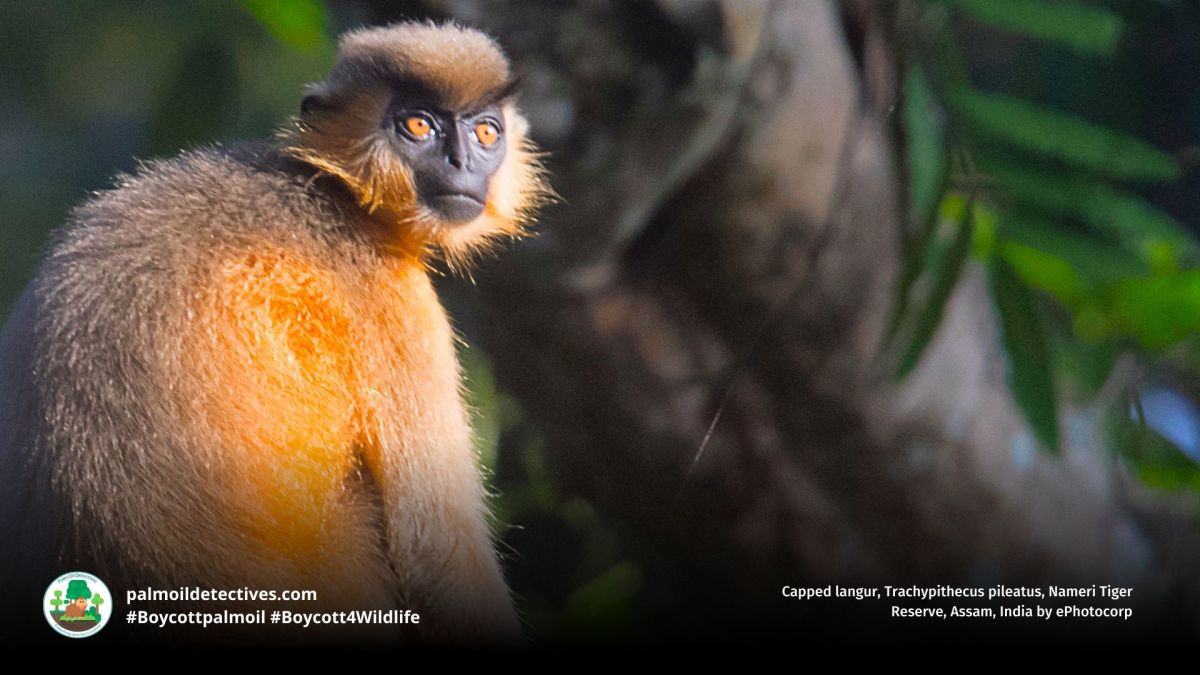
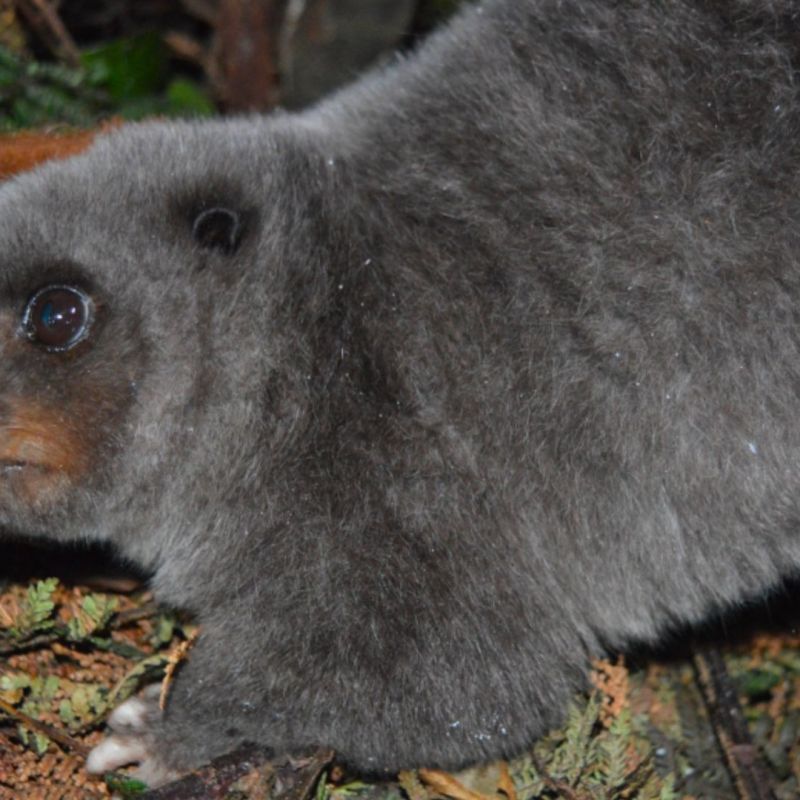
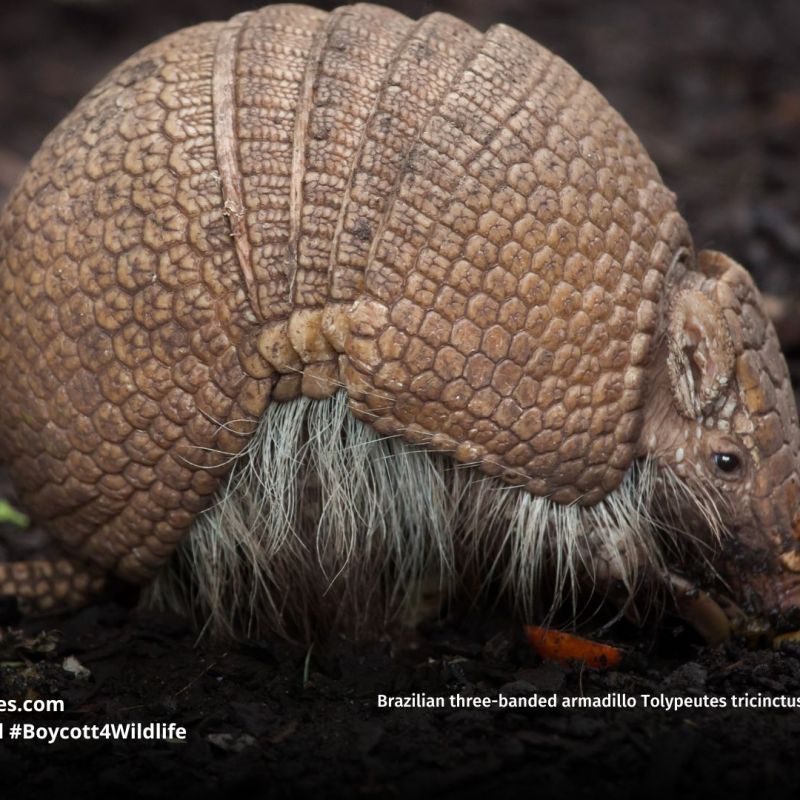
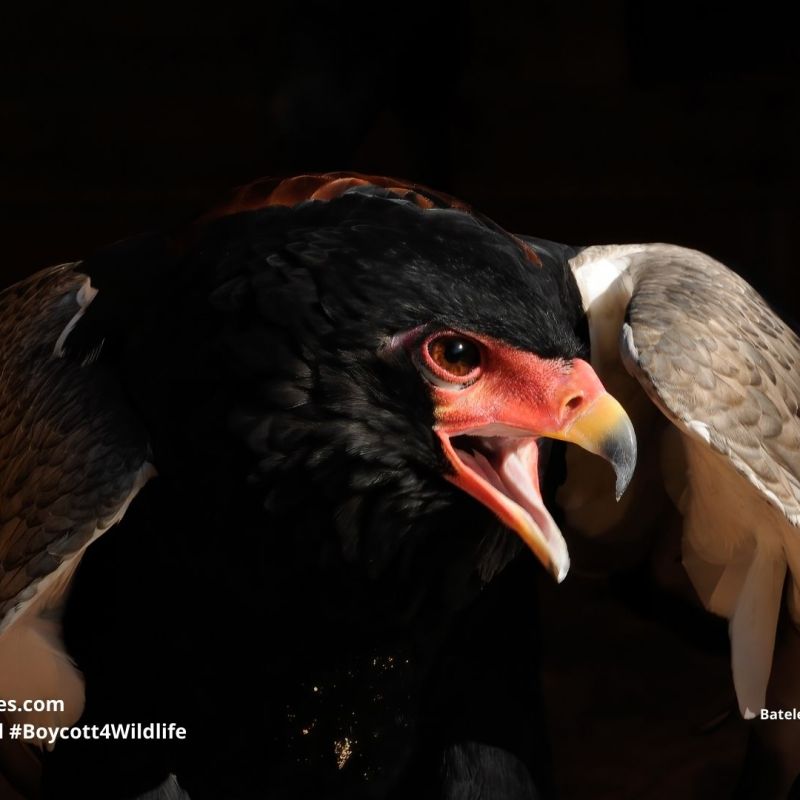
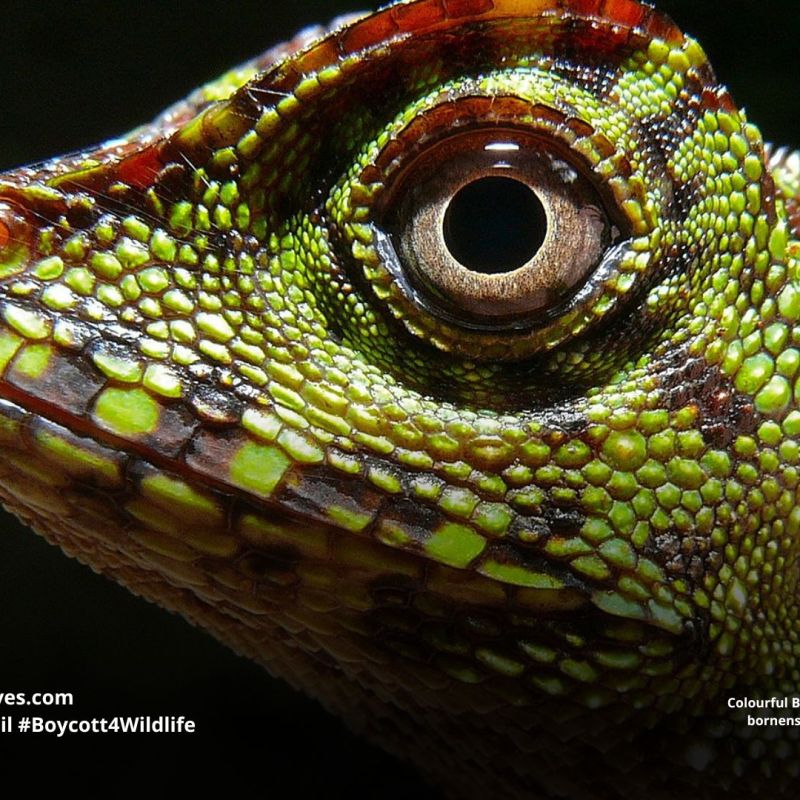
Forgotten Species on Palm Oil Detectives
These species have no known conservation actions in place and are silently disappearing before we can save them. Do something about it by boycotting supermarket brands linked to tropical deforestation. Join the #Boycott4Wildlife
Something went wrong. Please refresh the page and/or try again.
If Earth were a house, it would be as though we had listed the contents of only one room, and even then were not aware of their true value, while simultaneously the house was being demolished.
It is important to note that extinction – the permanent loss of species – is a natural process that is counterpoint to speciation, the creation of new species through evolution.
Background or “normal” rates of extinction vary through time but are typically in the order of one to two species per year. Current rates of extinction, however, are estimated to have reached 1000 to 10,000 times this rate. Put bluntly, the annual species body count is no longer a mere handful, it’s an avalanche.
There have been at least five episodes of mass extinctions in the past, during which anywhere from 60 to 96% of existing species became extinct. Indeed, 99% of all existing species that have ever existed are now extinct.
Volcanic eruptions and asteroid impacts are among the prime suspects as the cause of previous mass extinctions – including the oft-cited demise of the dinosaurs. Yes, extinctions, even mass extinctions, are not unprecedented. The difference this time is that humanity is the cause of the earth’s sixth mass extinction event, through such anthropogenic impacts as habitat loss and modification, the spread of invasive species and climate change.
Farewelling species
Some 875 species have been recorded as declining to extinction between 1500 and 2009 which, the observant will note, is entirely consistent with a background of extinction rate of 1-2 species per year. What, then, are the grounds for supposing that the current rate of extinction actually exceeds this value by such a huge margin?
The key phrase is “have been recorded”. As already discussed, the majority of species have not been identified or described. A reasonable supposition is that unrecognised species are lost at a rate comparable with that of known ones.
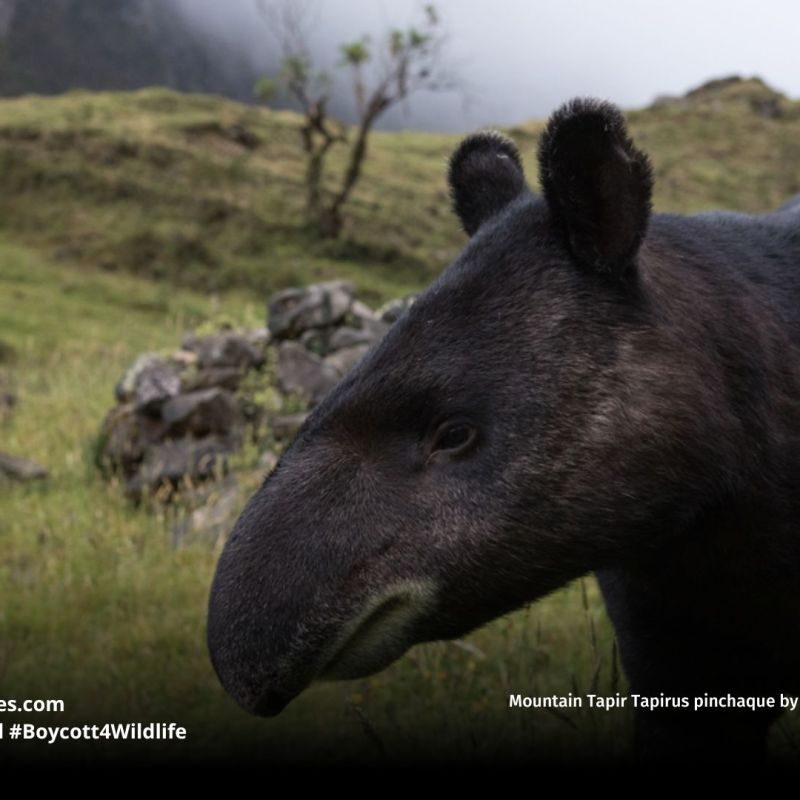
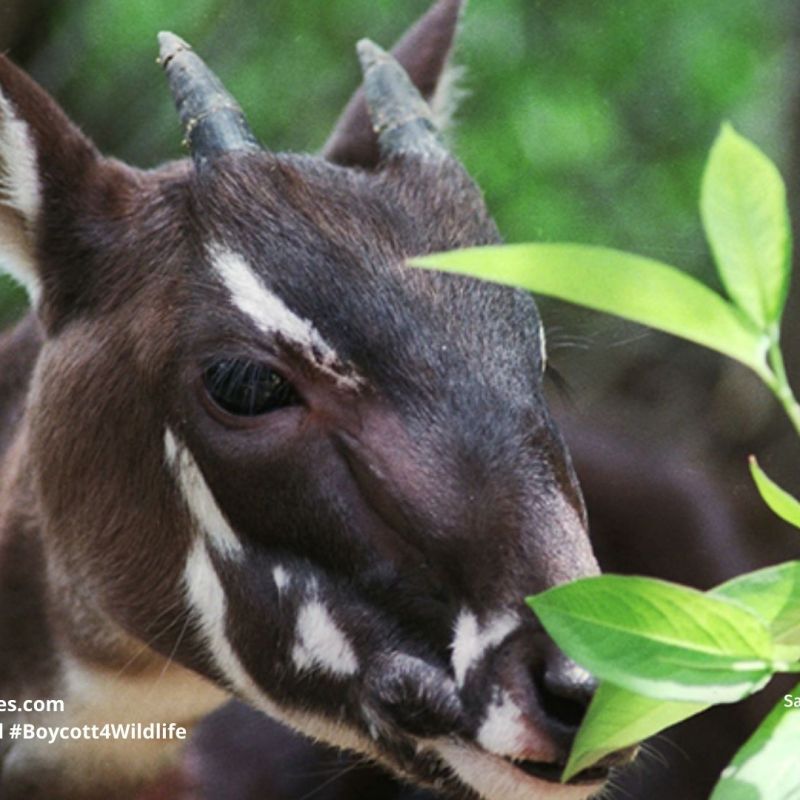

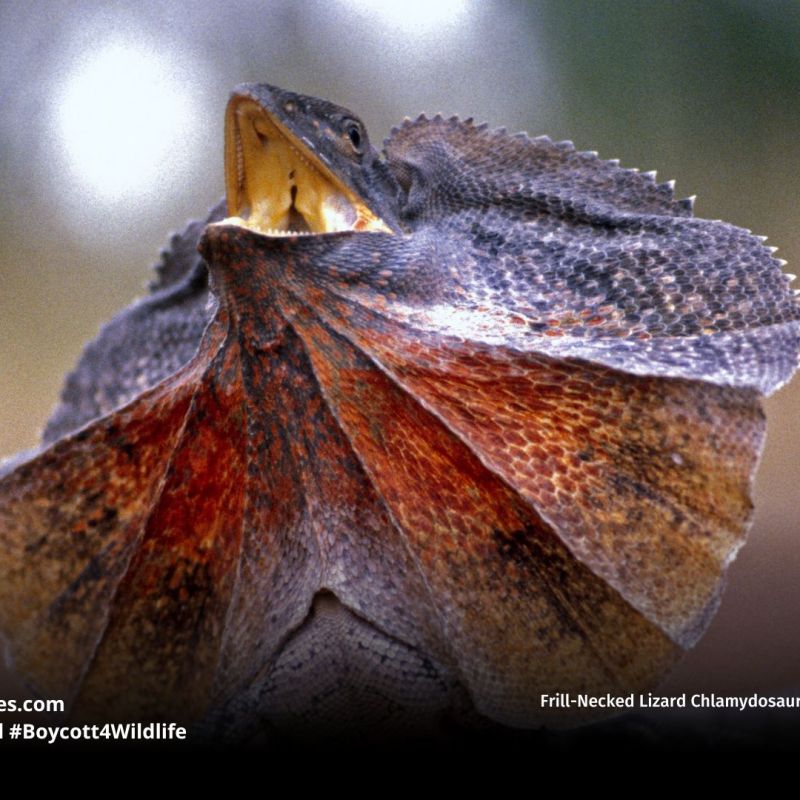
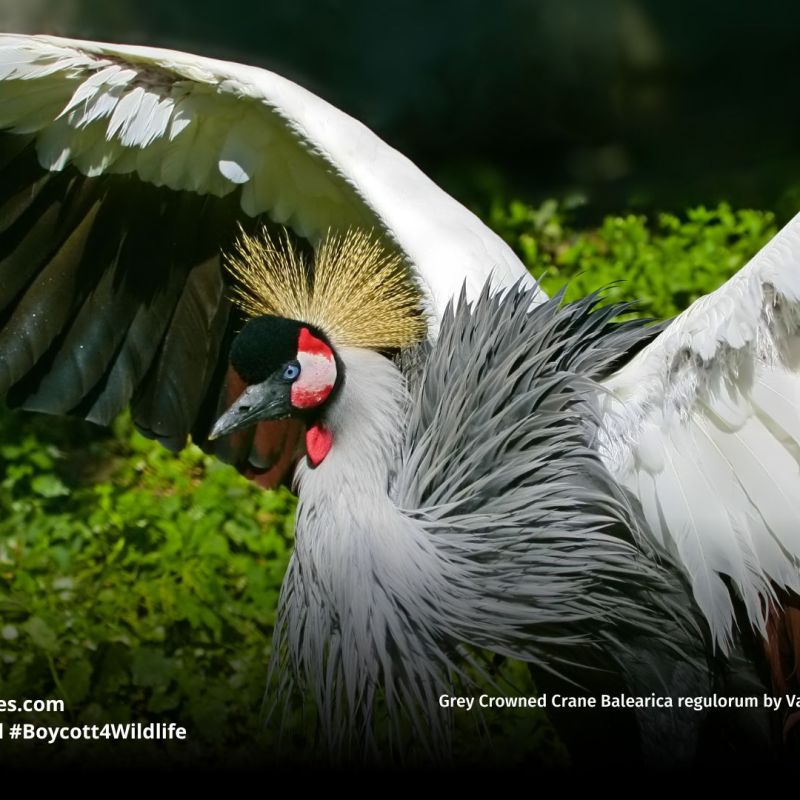
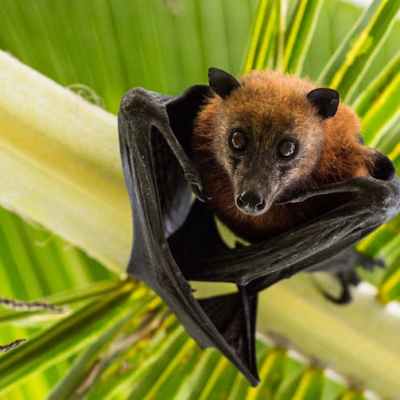
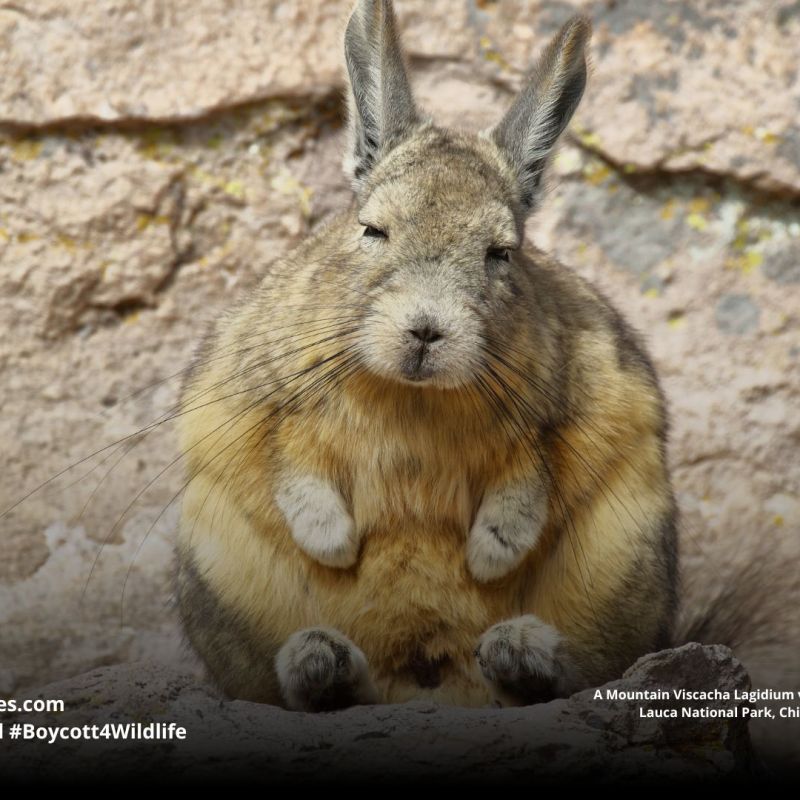
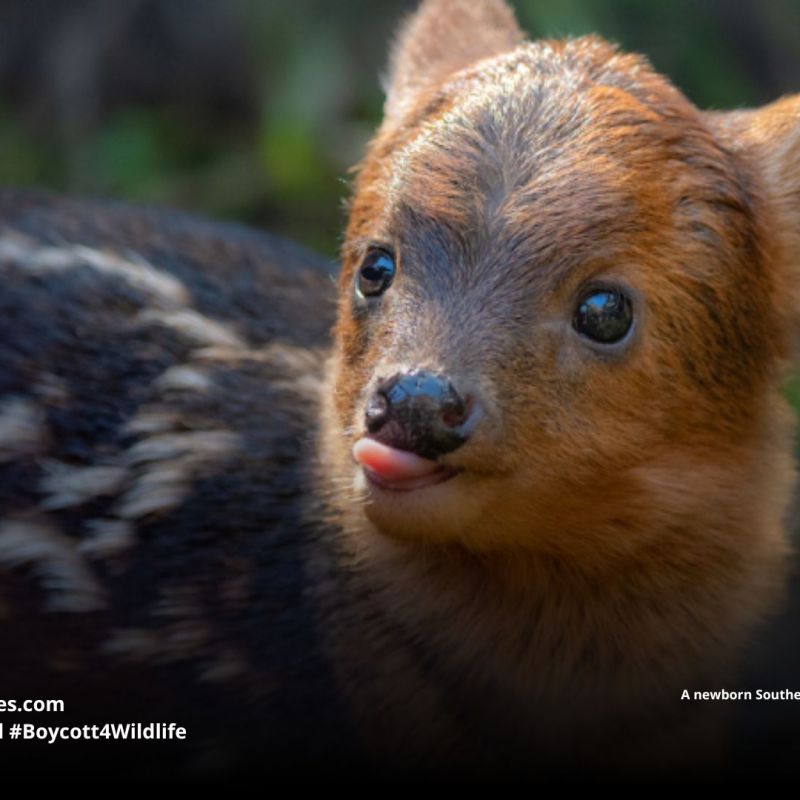

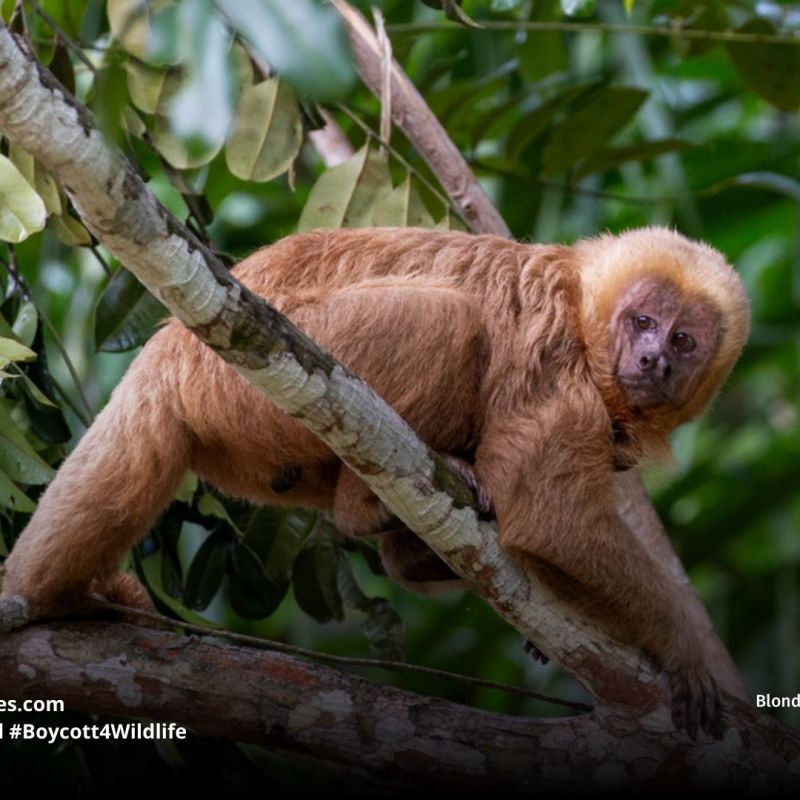

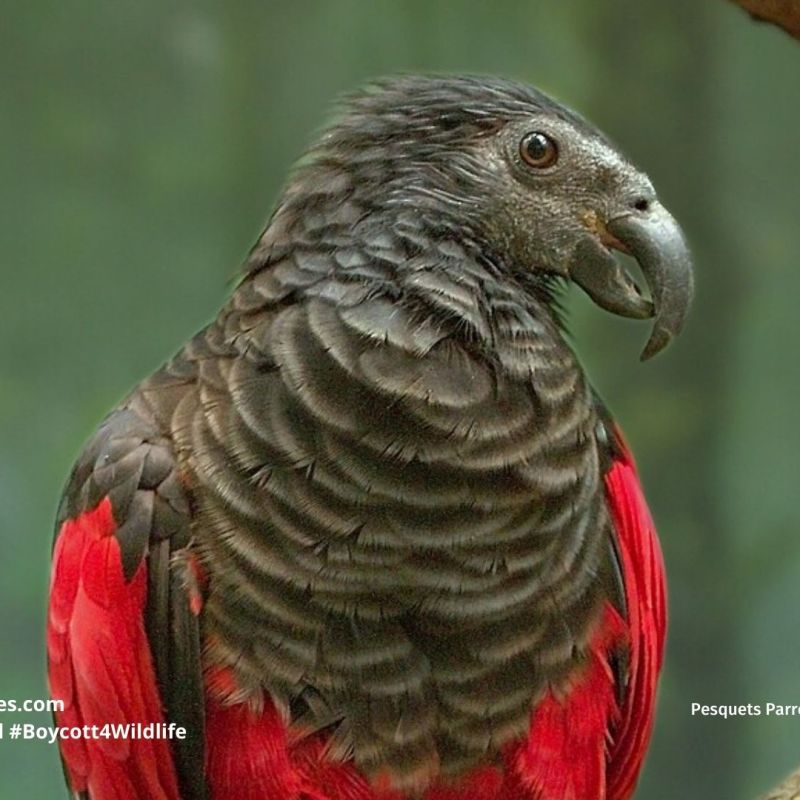
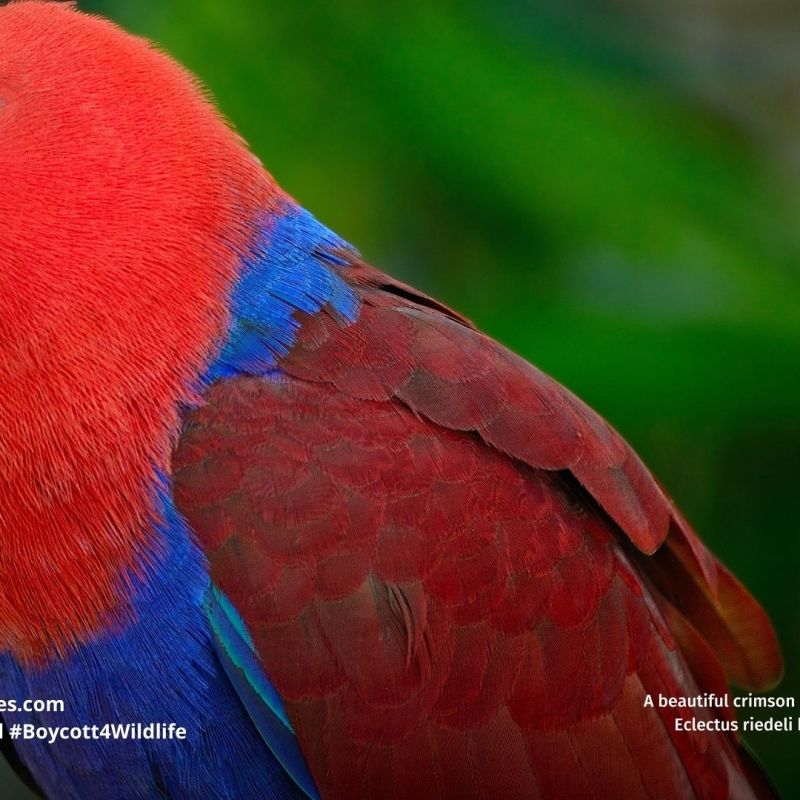
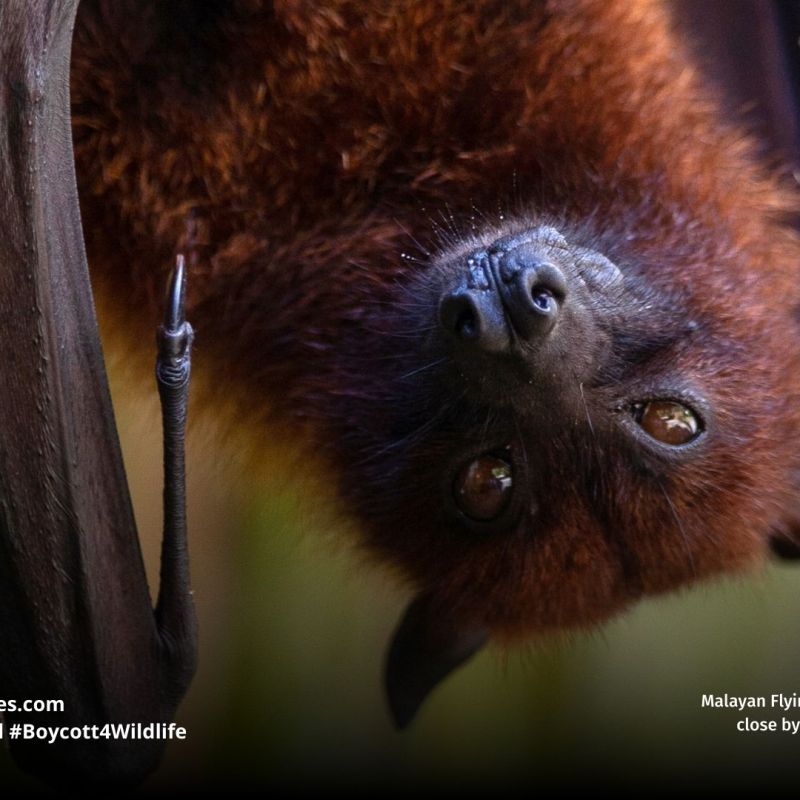
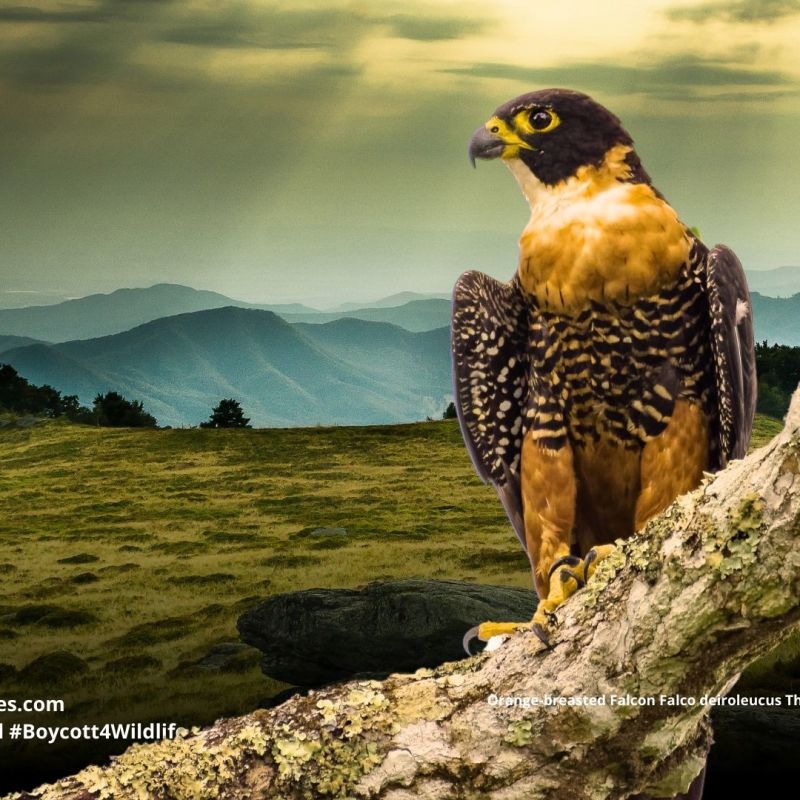
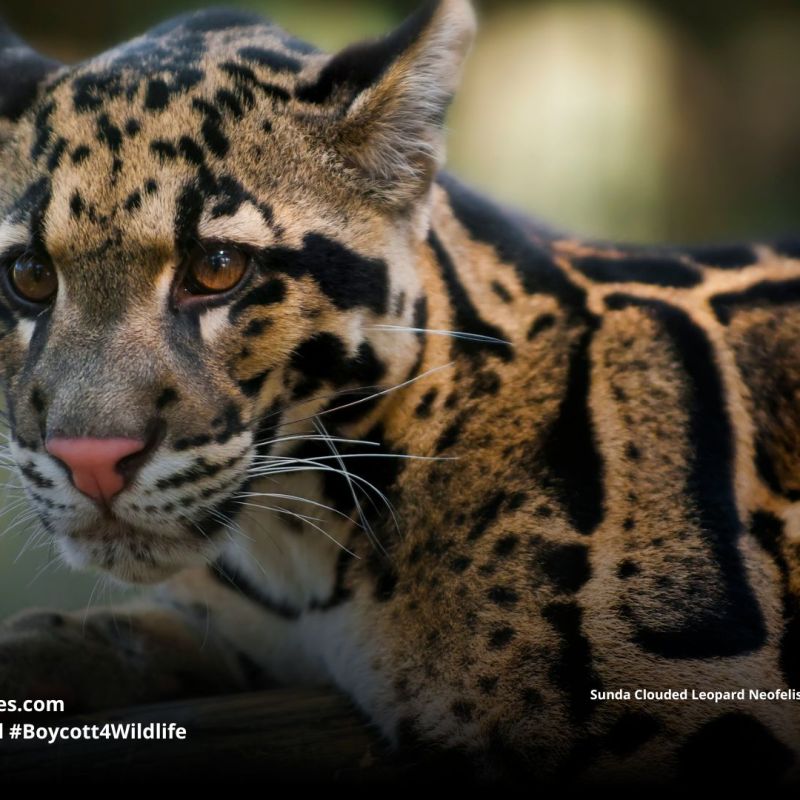
We now also have reasonable estimates of species diversity in particular habitats, such as insects in tropical forests. Our measures of the proportion of such habitats that have been destroyed therefore provide a good basis for estimating species loss. If these estimates are right, we are now living through a period where the rate of extinction is 1,000 to 10,000 times the background rate.
Delving deeper, the IUCN Red List of Threatened Species notes that 36% of the 47,677 species assessed are threatened with extinction, which represents 21% of mammals, 30% of amphibians, 12% of birds, 28% of reptiles, 37% of freshwater fishes, 70% of plants, and 35% of invertebrates.
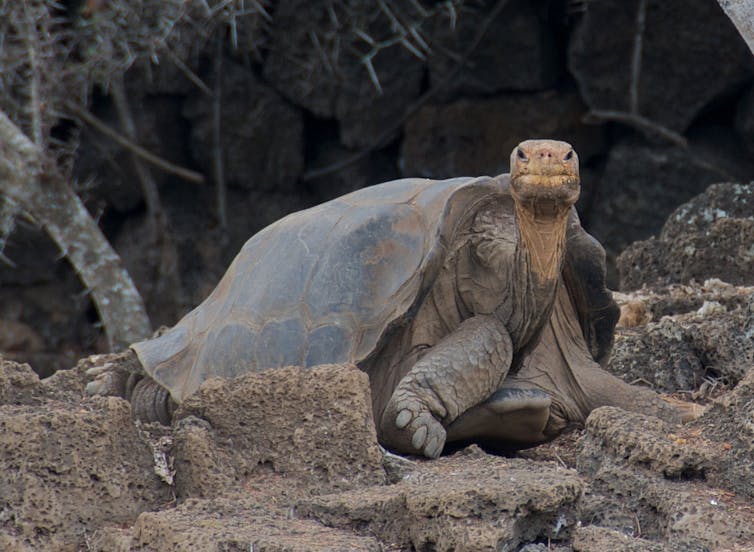
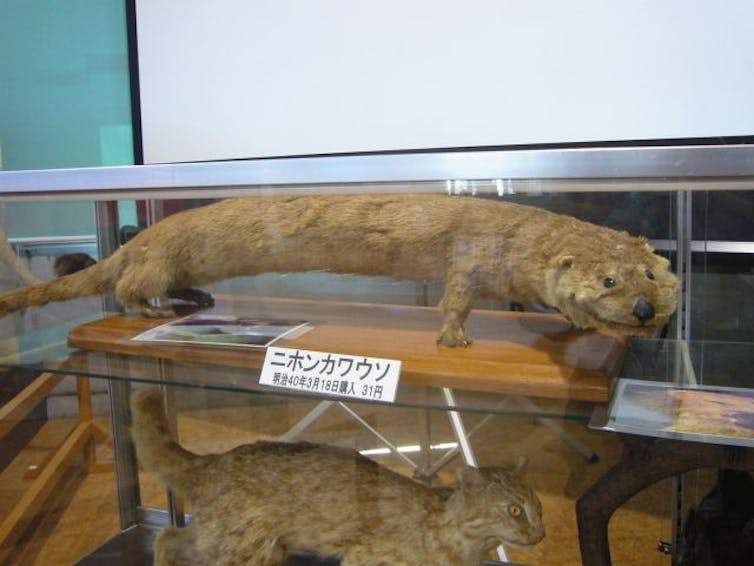
More recently we have bid farewell to species such as the Baiji Dolphin, the Alaotra Grebe and the Japanese River Otter. And who could forget the passing of “Lonesome George”, the last individual Pinta Island Tortoise, who died on 24 June 2012? Closer to home, our most recent casualty was a small bat, the Christmas Island Pipistrelle.
There is one brighter note: a recent study by Fisher and Blomberg has shown that depending on species’ characteristics and other factors such as the places where they occur, remnant populations of some species may still turn up.
But an exclusive focus on extinction is inappropriate anyway, given that many surviving species are hanging on only by the barest of threads. The dire situation of Australia’s marsupials is stark evidence of this. Even iconic and once abundant species such as the Tasmanian Devil are now on the brink of oblivion.
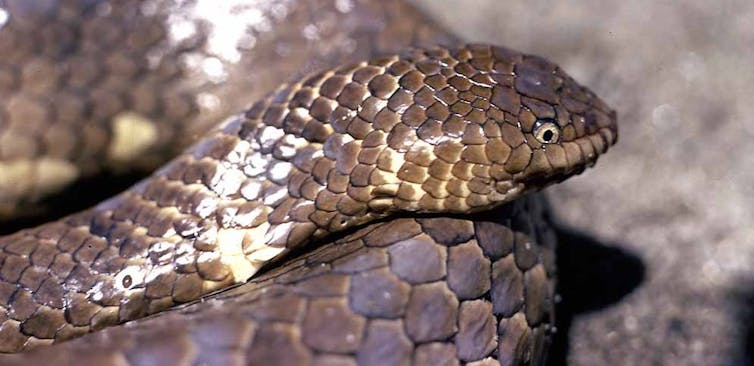
Deep in debt
A further sobering thought is encompassed in the concept of “extinction debt”. Recent studies in Europe have demonstrated that the species currently at highest risk of extinction most likely got that way because of human actions 50 to 100 years ago.
I’m sure many of us have driven on an Australian country road, admiring the grand old eucalypts that stand alone in the nearby paddocks – remnants of the pre-agricultural landscape. But you may also have noticed that under the big trees there are often no little trees. Hence, when the big trees die, as they inevitably will, there will be nothing to replace them.
If we want to avert extinctions from our legacies we will need to direct conservation efforts most into areas carrying the highest debts.
At our own peril
But why should it matter to us if we have a few less species? The simple answer is that we are connected to and deeply dependent on other species. From pollination of our crops by bees, to carbon storage by our forests, and even the bacteria in our mouths, we rely upon biodiversity for our very existence. We neglect this at our own peril. And of course there are equally justified arguments for keeping species based purely on their aesthetic and cultural importance, or for their own sake.
Doom-and-gloom predictions tend to paralyse us, rather than jolting us into action. So what can be done? There are wonderful examples of individuals and organisations working at both small and large scales to tackle and even sometimes turn back the tide of extinctions.
There are also some compelling personal approaches, such as that of Alejandro Frid who is writing a series of letters to his daughter as a way of confronting the issues of climate change and biodiversity loss. But what is urgently needed, of course, is radical change in society as a whole in the way it interacts with its environment.
Until then, my fellow ecologists and I must continue to work hard to sell our message and spread awareness of society’s biggest challenge.
Euan Ritchie, Lecturer in ecology, Deakin University This article is republished from The Conversation under a Creative Commons license. Read the original article.
Take Action in Five Ways
1. Join the #Boycott4Wildlife on social media and subscribe to stay in the loop: Share posts from this website to your own network on Twitter, Mastadon, Instagram, Facebook and Youtube using the hashtags #Boycottpalmoil #Boycott4Wildlife.
2. Contribute stories: Academics, conservationists, scientists, indigenous rights advocates and animal rights advocates working to expose the corruption of the palm oil industry or to save animals can contribute stories to the website.



3. Supermarket sleuthing: Next time you’re in the supermarket, take photos of products containing palm oil. Share these to social media along with the hashtags to call out the greenwashing and ecocide of the brands who use palm oil. You can also take photos of palm oil free products and congratulate brands when they go palm oil free.
4. Take to the streets: Get in touch with Palm Oil Detectives to find out more.
5. Donate: Make a one-off or monthly donation to Palm Oil Detectives as a way of saying thank you and to help pay for ongoing running costs of the website and social media campaigns. Donate here
Discover more from Palm Oil Detectives
Subscribe to get the latest posts sent to your email.
 Palm Oil Detectives
Reblogged this on Ned Hamson's Second Line View of the News.
LikeLiked by 1 person