
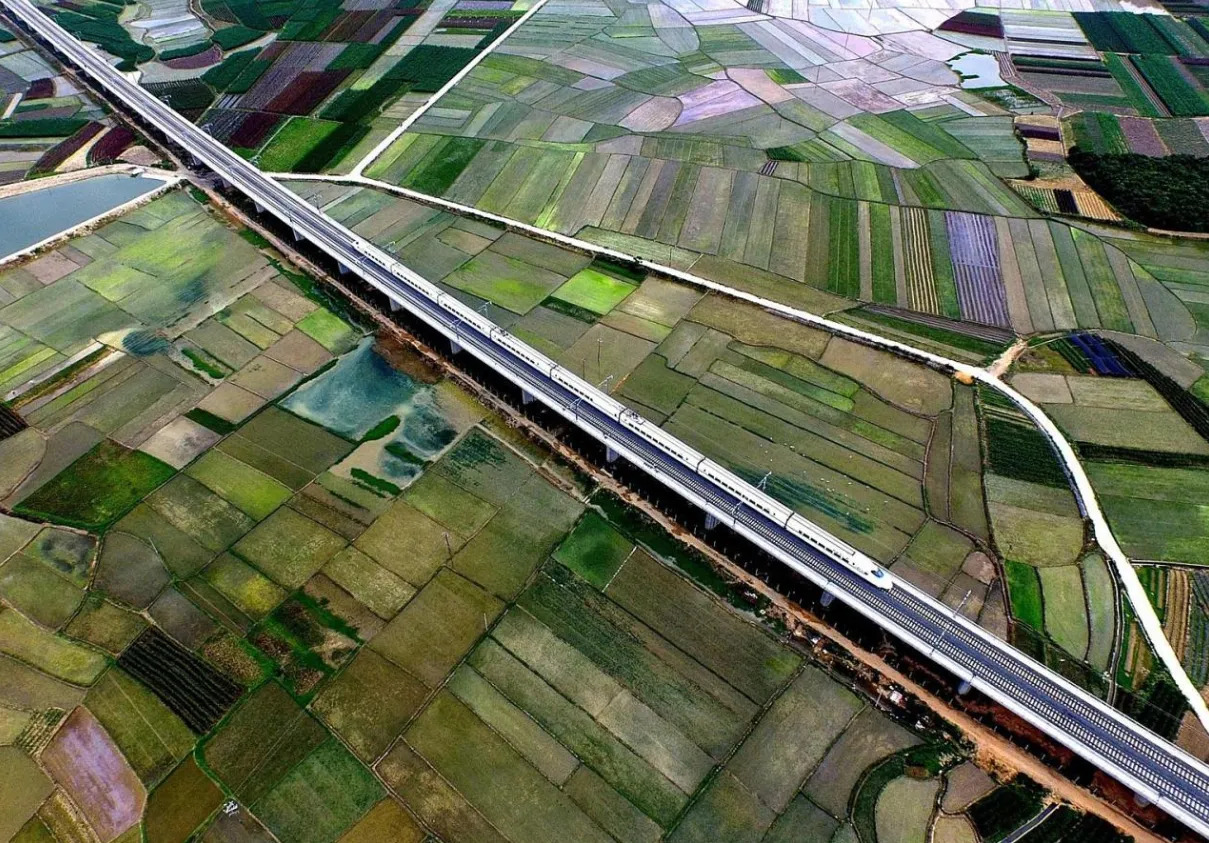
Scientists know that #biodiversity is declining across much of the world although less universally and dramatically than we feared. We also know that things are likely to get worse in the future, with a combination of #deforestation, #climatechange and overexploitation set to drive species and habitats ever closer to #extinction. Help them every time you shop and be #vegan #BoycottPalmOil #Boycott4Wildlife
The biggest threat to #biodiversity 🐘🌿🦒 is from #deforestation for food #agriculture. Protect #rainforest and ocean animals with a #plantbased #vegan diet, use your wallet as a weapon and #Boycottpalmoil 🌴🪔🙊⛔️ #Boycott4Wildlife @palmoildetect https://palmoildetectives.com/2022/03/20/almost-90-of-the-worlds-animal-species-will-lose-some-habitat-to-agriculture-by-2050/
What we don’t know, is what to do about this. Partly this is because conservation is woefully underfunded. But it’s also because the underlying causes of biodiversity declines are getting stronger and stronger every year. Climate change rightly gets a huge amount of coverage, but for biodiversity, the biggest threat actually comes from the destruction of natural habitats to make way for agriculture. And as global populations grow, and people become wealthier and consume more, that need for new agricultural land is just going to increase, resulting in at least 2 million sq km of new farmland by 2050, and maybe as much as 10 million.
Ensuring that this coming wave of agricultural expansion doesn’t lead to widespread biodiversity losses is going to require a big increase in “conventional” conservation approaches (protected areas and the like), but it is probably going to require something more too. These existing approaches are similar to performing heart surgery: very effective for the targeted species and habitats, but also not feasible for every species.

Saola Pseudoryx nghetinhensis
Saolas are rare and considered Southeast Asia’s ‘unicorns’, this Critically Endangered antelope is facing imminent extinction due to hunting and deforestation
Keep reading
Ecuadorean Viscacha Lagidium ahuacaense
Ecuadorean Viscachas are plump and fluffy rodents with sage-like long whiskers, only a handful of them remain alive. Take action for them and boycott4wildlife!
Keep reading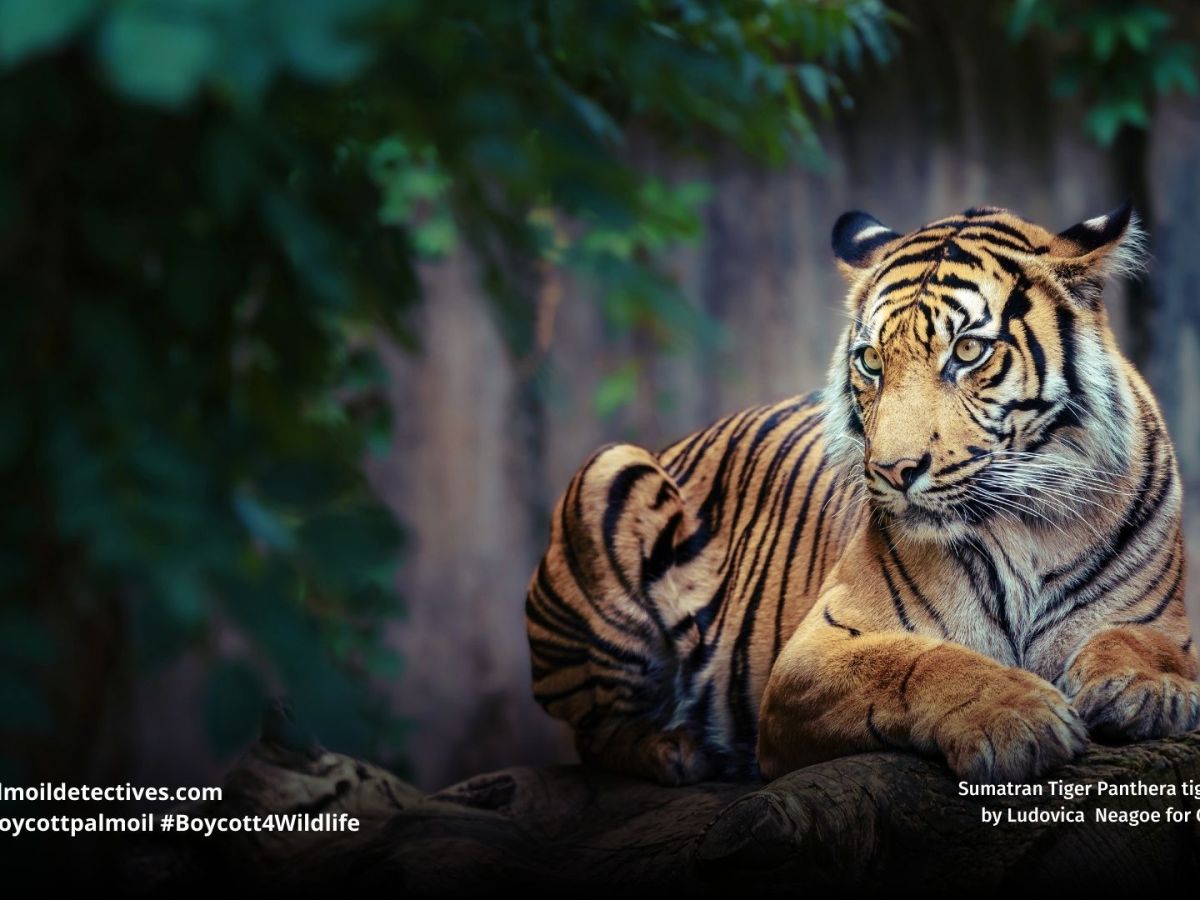
Sumatran Tiger Panthera tigris sondaica
The Sumatran tiger Panthera tigris sondaica is a critically endangered big cat, with less than 600 of their species alive in the wild today. Once living in…
Keep reading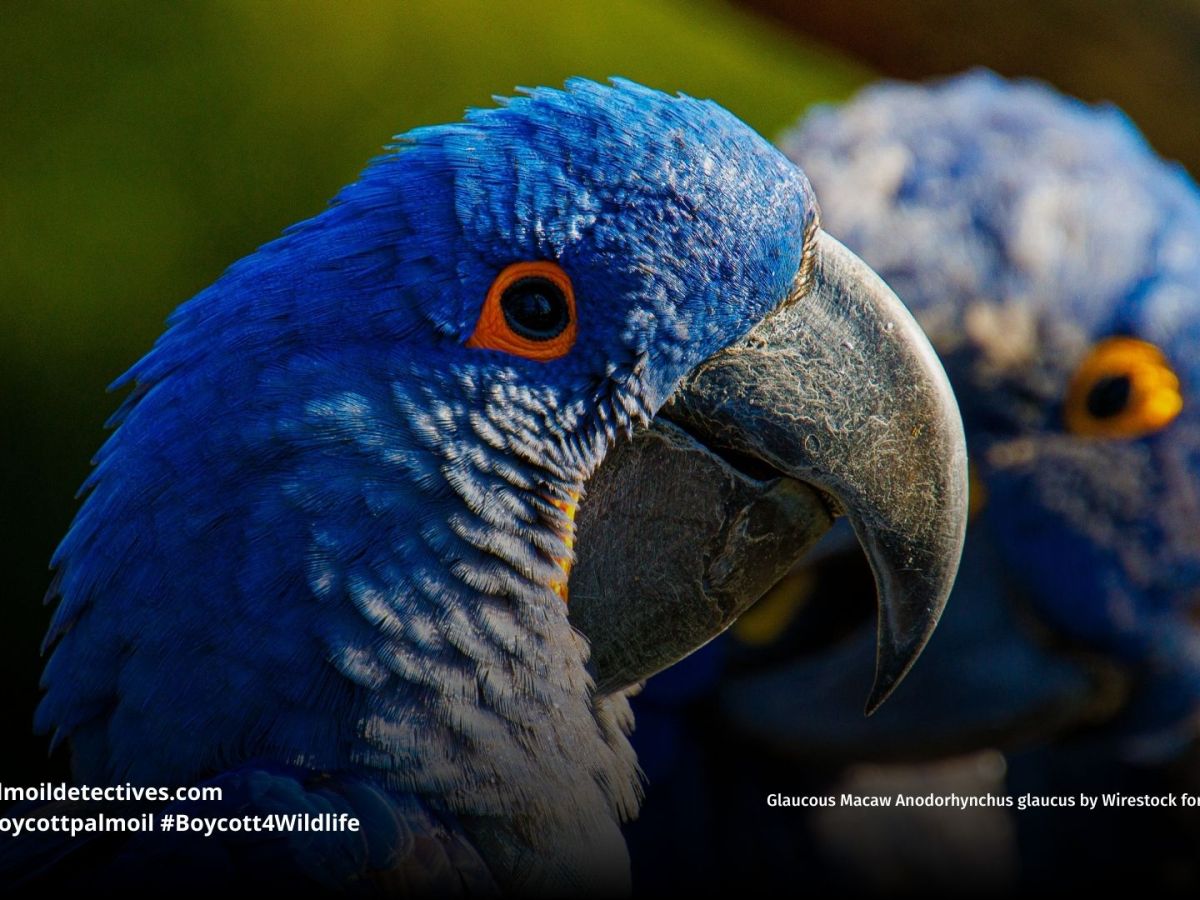
Glaucous Macaw Anodorhynchus glaucus
The Glaucous #Macaw stands out not only for their vibrant coloration but also for their vocalisations, which led to its Guaraní name “guaa-obi.” As part of a…
Keep reading
Attenborough’s Long-Beaked Echidna Zaglossus attenboroughi
Attenborough’s long-beaked echidna (Zaglossus attenboroughi), known locally as “Payangko,” is one of the most evolutionarily distinct mammals and is native to the Cyclops Mountains in Papua, Indonesia.…
Keep reading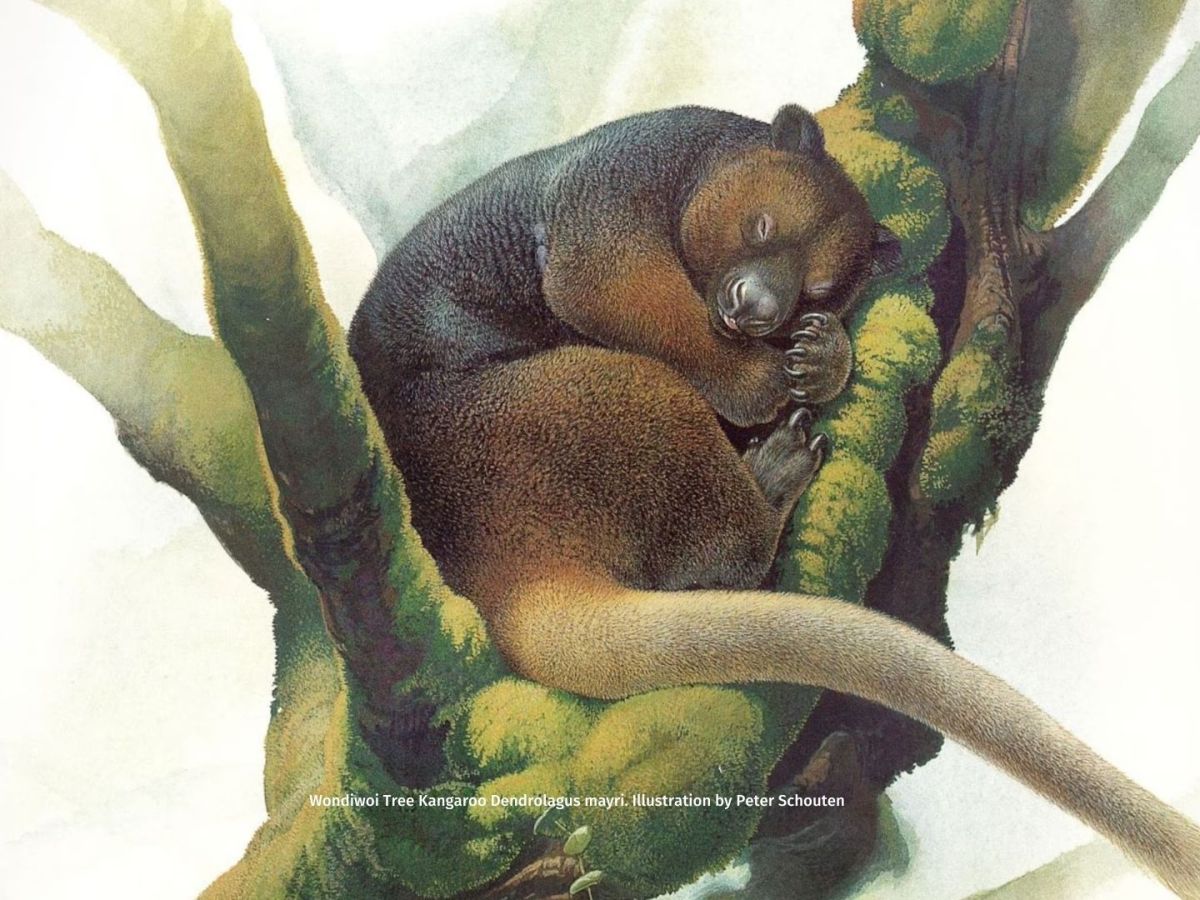
Encountering the World’s Most Endangered Kangaroo: The Wondiwoi Tree Kangaroo
Encounter the Wondiwoi tree-kangaroo. Rediscovered in 2018, these rare marsupials from West Papua are a symbol of hope amidst threats from palm oil, hunting
Keep reading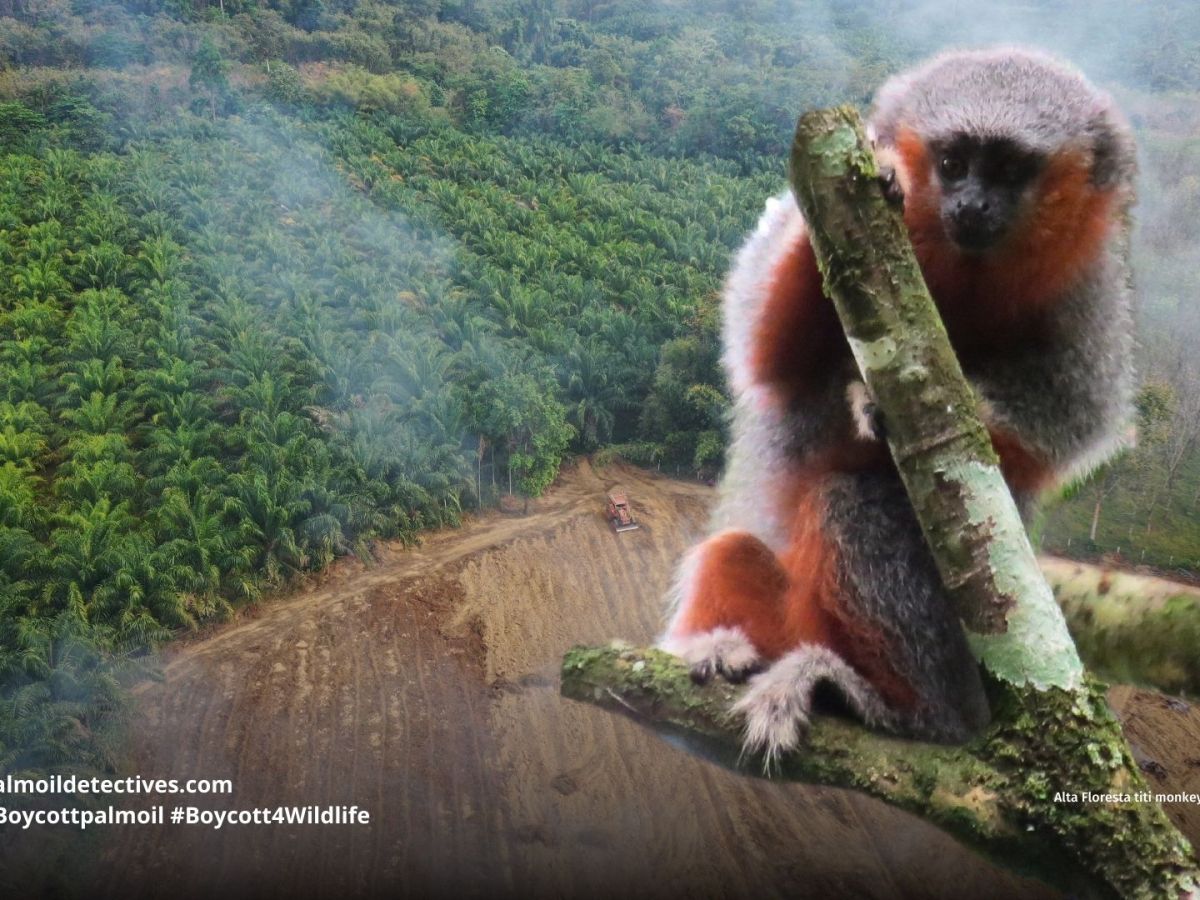
Alta Floresta titi monkey Plecturocebus grovesi
The enchanting Groves Titi Monkey, also referred to as the Alta Floresta titi #monkey or Mato Grosso titi monkey went from being completely unknown to being one…
Keep reading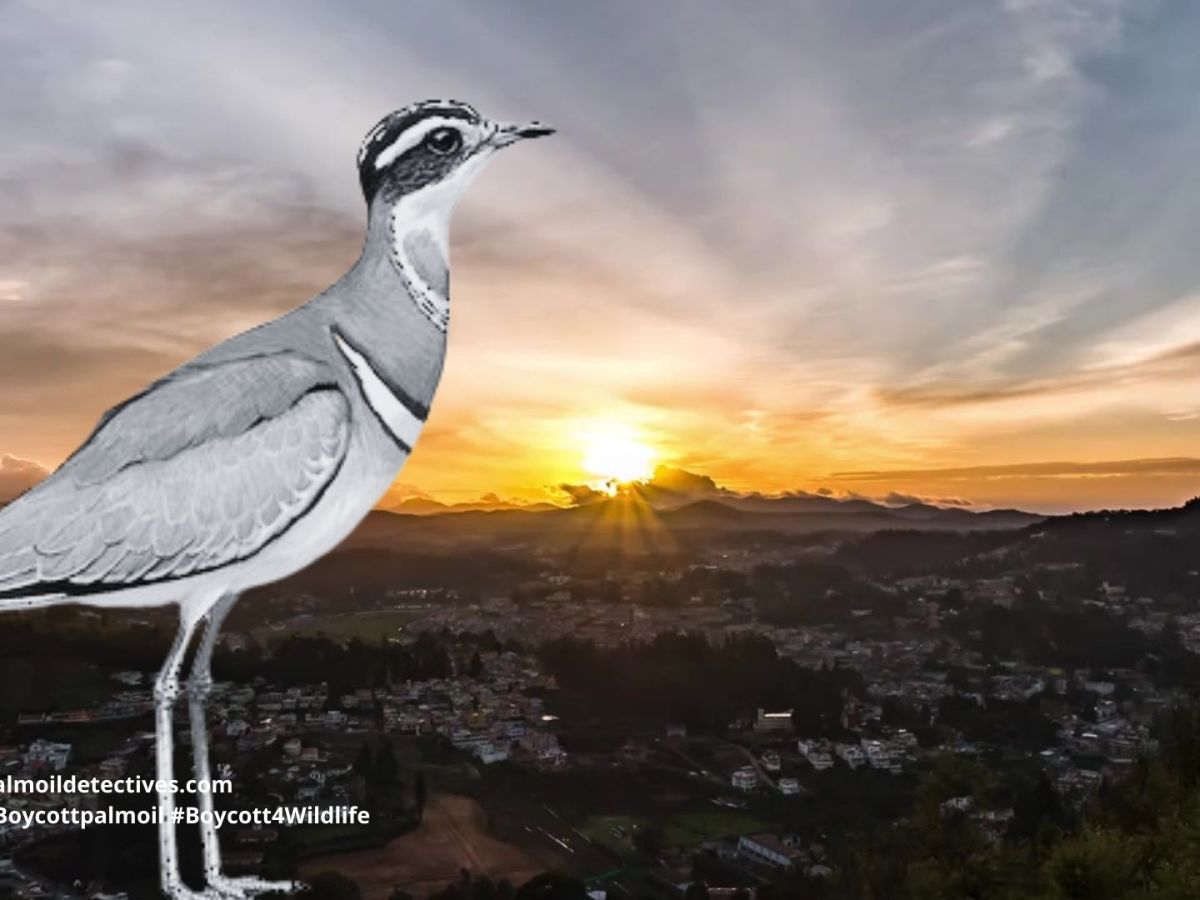
Jerdon’s Courser Rhinoptilus bitorquatus
The Jerdon’s Courser is a rare and captivating nocturnal #songbird belonging to the pratincole and courser family Glareolidae. These #birds are endemic to #India in the Eastern…
Keep reading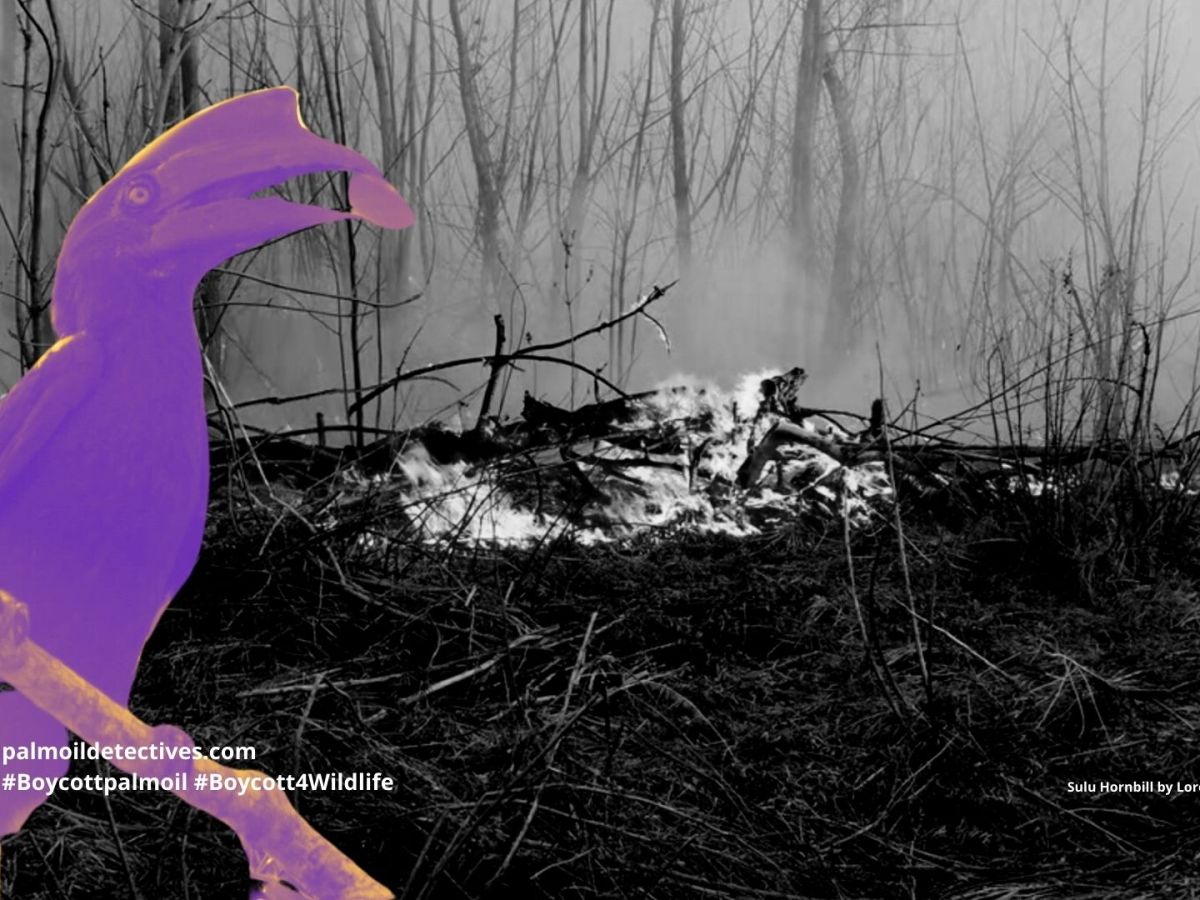
Sulu Hornbill Anthracoceros montani
The Sulu Hornbill is one of the rarest birds in the world. They are large and almost entirely black except for a white tail, with a thick…
Keep readingSomething went wrong. Please refresh the page and/or try again.
Instead, we need to tackle the underlying causes, or conservation is not going to be able to cope. What we set out to do in a study just published in Nature Sustainability is to work out exactly which landscapes and species are likely to be the most threatened by agriculture in the future, and which specific changes to the food system give us the best chance of safeguarding wild biodiversity in different parts of the world.
Biodiversity under business-as-usual
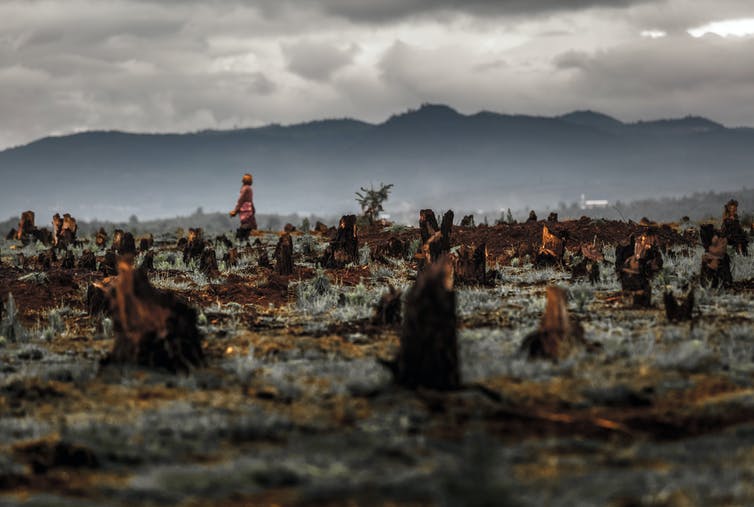
To do this, we developed a method to forecast where agricultural land is likely to expand at very fine spatial scales (1.5km x 1.5km). We then overlaid these forecasts with habitat maps for almost 20,000 species of amphibians, birds and mammals, and observations of whether each species can exist in agricultural land. This allowed us to calculate the proportion of habitat each species would lose from 2010 to 2050.

Overall, we projected that almost 88% of species will lose habitat, with 1,280 losing over a quarter of their remaining habitat.
By looking at the impact on individual species in this way, and at such a fine spatial scale, we were able to identify specific regions, and even species, that are likely to be in serious need of conservation support in the coming decades.
Losses are likely to be particularly bad in Sub-saharan Africa, especially in the Rift Valley and equatorial West Africa, but there will also be serious declines in Latin America – particularly in the Atlantic Rainforest – and South-East Asia.
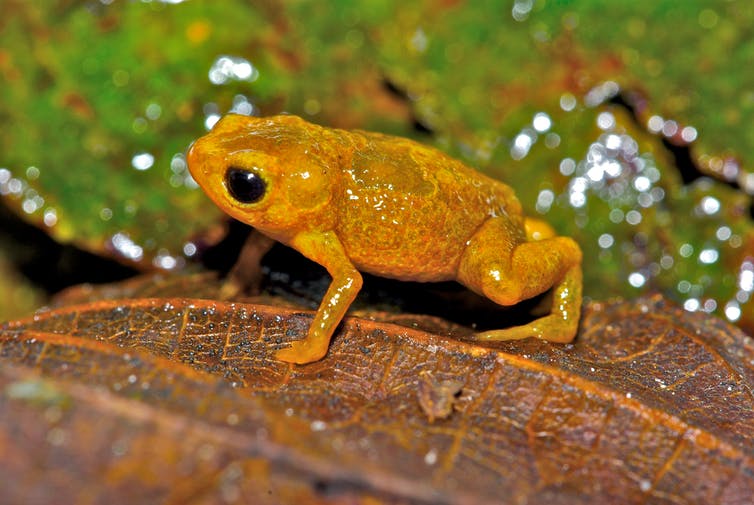
Importantly, many of the species projected to lose a lot of habitat are not currently threatened, and so conservationists may not be concerned about them. We think this kind of species and location-specific forecasting is going to be increasingly important if we are to proactively work to prevent biodiversity losses.
Proactive changes to help save biodiversity
OK, so far so bleak. Fortunately, there are some things we could do to alleviate this habitat loss, including: raise yields, eat healthier plant based diets, reduce food waste, or even a take a global approach to land-use planning, which could direct food production away from the most at-risk regions. In our study, we found that a combination of all four actions could avoid the vast majority of habitat loss seen under business-as-usual. Doing so, however, will require concerted efforts from governments, companies, NGOs, and individual people.
Our approach allowed us to tease apart which approaches are likely to have the biggest impacts in different parts of the world. In Sub-Saharan Africa, for example, our results suggest increasing yields is one of the biggest single things you can do to save biodiversity. It means you can produce the food you need from much smaller areas, and so massively reduce habitat clearance.
Palm oil creates ecological wastelands and species extinction
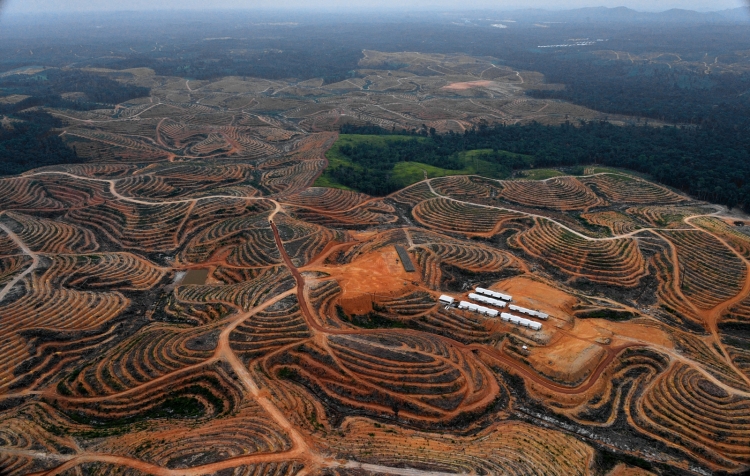
In contrast, yield increases will do very little in North America, where yields are already close to their maximum. Shifting to healthier diets, however, could have a massive impact in North America, reducing demand for animal products, and therefore demand for new agricultural land. Again, this contrasts with Sub-Saharan Africa, where healthier diets may actually involve increased consumption of both calories and animal products, and therefore will not bring great biodiversity benefits.
Saving biodiversity while feeding 10 billion
Importantly, we only looked at the impact of agricultural expansion on biodiversity. Other threats facing wild nature include climate change, pollution, habitat destruction for other reasons, or overharvesting resources like fish or valuable tropical hardwoods. Still, biodiversity is likely to decline massively, and conventional conservation is unlikely to be able to cope.
Nonetheless, our research at least provides some hope. With swift, ambitious and coordinated action, we can indeed provide a healthy and secure diet for the world’s population without further major loss of habitats. Many of these actions should be priorities anyway, at every level from individual actions to international policy. Healthier diets to combat perhaps the greatest public health crisis in the world; wasting less food; increasing agricultural yields to improve food security; these are all hugely important goals in their own right.
David Williams, Lecturer in Sustainability and the Environment, University of Leeds and Michael Clark, Postdoctoral Researcher, Oxford Martin Programme on the Future of Food, University of Oxford
This article is republished from The Conversation under a Creative Commons license. Read the original article.
How can I help the #Boycott4Wildlife?
1. Join the #Boycott4Wildlife: Share posts from this website to your own network on Twitter, Instagram and Facebook using the hashtags #Boycottpalmoil #Boycott4Wildlife.
2. Contribute stories: Academics, conservationists, scientists, indigenous rights advocates and animal rights advocates working to expose the corruption of the palm oil industry or to save animals can contribute stories to the website.
3. Supermarket sleuthing: Next time you’re in the supermarket, take photos of products containing palm oil. Share these to social media along with the hashtags to call out the greenwashing and ecocide of the brands who use palm oil. You can also take photos of palm oil free products and congratulate brands when they go palm oil free.
4. Take to the streets: Get in touch with Palm Oil Detectives to find out more.
5. Donate: Make a one-off or monthly donation to Palm Oil Detectives as a way of saying thank you or to help pay for ongoing running costs.
Share palm oil free purchases online and shame companies still using dirty palm oil!
Don’t forget to tag in #BoycottPalmOil #Boycott4Wildlife to get shared
Discover more from Palm Oil Detectives
Subscribe to get the latest posts sent to your email.
 Palm Oil Detectives
One thought on “Almost 90% of the world’s animal species will lose some habitat to agriculture by 2050”